The Silk Road Today

  • لا … ثنائية الخطاب والتربية الأسرية 

    لا … ثنائية الخطاب والتربية الأسرية 

    كتبت ورسمت الدكتورة فاطمة الزهراء بن عراب  نصها “لا”هلا واجهتها لأطفال 8 سنوات و أكثر وقد حملتها إشكالية قل من اشتغل عليها من كتاب القصة الموجهة للطفل  وتمثلت  في الثنائي :نعم  و لا تبعاتهما وانعكاساتهما على الطفل والأثر الذي تخلفه النتائج المترتبة على كلمتين ثقيلتين على المستمع والمحاور.

     وتبدأ هذه الثنائية  في البيت  ومع الوالدين  إذ هما من يتقاطع معهما الطفل وهو يكبر وتتشكل شخصيته وهما  المدرسة الأولى التي  تزوده بالمعارف والمهارات الحياتية وهنا في هذا الفضاء المغلق سيتلقى  التعليمات والتوجيهات الأولى والتي ترتبط  بسلوكاته التي تساهم في تحضيره للغد القريب وقد لامست الكاتبة  هنا أهم  ما يحدث بالبيت كالأكل واللباس والقراءة والمطالعة  والفروض المنزلية  وهي الأفعال والسلوكات الأولى التي تشكل شخصيته ايجابيا أو تطمسها وكانت هذه الجدلية  بين التشكيل الايجابي والطمس لها  انعكاساتها  على الطفل وتصرفاته خارج البيت وداخله.

    أما  في البيت فقد رفضت كل تطلعاته وأمانيه ورغباته وقد عددت  منها الكاتبة  فهو يحب الكرة وقراءة قصص الحيوانات وهذه  القفازات تسبب له الحكة ويحب  اللون الأزرق في لباسه  والبرتقال  والمساعدة  علىى حل فروضه المدرسية بالبيت كل هذه الرغبات والتفاعلات تم رفضها وعوضت الدراجة  بالكرة وقصص  البطل الشجاع عوضت  قصص الحيوانات حتى اللون المحبب لديه الأزرق عوضته الأم باللون الأخضر وعوض  مساعدة  الأب في حل فروضه  المدرسية  أنجزها الأخير عوضا عن ابنه .

     وكانت تصوراتهم  خلفها الحب المفرط وتصور ما للتربية  الأسرية  مثلا يرون في قصص الأبطال والشجعان تأثير  على شخصية  ابنهم كي يكون بطلا شجاعا لكن في أول امتحان عملي مباشر كان مع  صديقه  عندما قال “لا أن لم تعطيني أجوبة  الامتحان فلن أحدثك بعد اليوم    وكانت  المشكلة  أين عجز عن قول لا بل قال”  أجبتهما تضايقني  كلمة لا ” .

     وكان هذا الامتحان مفيدا للكل  و  حانت معه المراجعة  لمسار التربية أظهر فشله رغم  النوايا الصادقة وبعد لحظات  حياتية  متعددة  وعدم التعود  على قول لا  للوالدين  ومعها الاحترام  والتقدير على حساب الرغبات والميولات من طرف الابن المهذب. كانت تلك الحادثة  انفراجا لدى الطفل وقدمت  الكاتبة  الحل الأنسب وهو الحديث والمشاركة  والتشاركية في أخذ القرار في درس الموسيقى والآلة المحبذة لديه فقد اختار لأول مرة آلته الموسيقية وهي الجيتار التي قال عنها “إن أصابعي تحب مداعب أوتار الجيتار” كما يمكننا  تخيل الحوار في حركة  تفاعلية بينه وبين والديه ربما يحبون آلة  البيانو كجيلهم لكنه اختار الجيتار لأن ” لحنه يجعلني أحس كما لو أنني عصفور يزقزق ليبتسم العالم ” كما قال بطل القصة  رغم رفضهم في البداية وذات حوار  أو في حوار  مكتب المدير وكيف رضخ لطلب  صديقه رغم إيمانه بضرورة إتباع كلام المدرسة وتعليمات الإدارة والمدرسين وكيف وبخه المدير رفقه صديقه 
     ومع هذه الحادثة المفصلية في القصة  بدأت تتردد كلمة نعم  التي غابت عن  الحديث والحوار كلمة  جعلته يبتسم لليوم وللأيام  القادمة  لكن مع  بعض لا  في  عدة  مواقف وحكايات في القريب العاجل آو القريب البعيد المهم أن يكون هناك حركية  بهذه الثنائية  لا واحدة  مسيطرة  فارضة  خلفها رؤى  تربوية وأخلاقية وذوقيه

    إن نص “لا ” للكاتبة فاطمة الزهراء طرحت إشكالية نافذة  ومهمة نحتاج الحديث عنها لتعميق  الحوار حول أهم شواغل الكتاب والنقاد لطرح ما يجب طرحه في السرديات الجميلة ولكن الحاملة للهم الوجودي  وللإشكاليات الحارقة خاصة  ونحن  نساهم في تاشكيل شخصية هذا الطفل بهذا الكم المنشور والمرتبط جدلا بأدب الطفل  إلى جانب الأسرة والمدرسة

  • Watching Birds— A Critical Meditation on Faith, Flight, and Fragmentation

    Watching Birds— A Critical Meditation on Faith, Flight, and Fragmentation

    Egyptian Halla Shafey

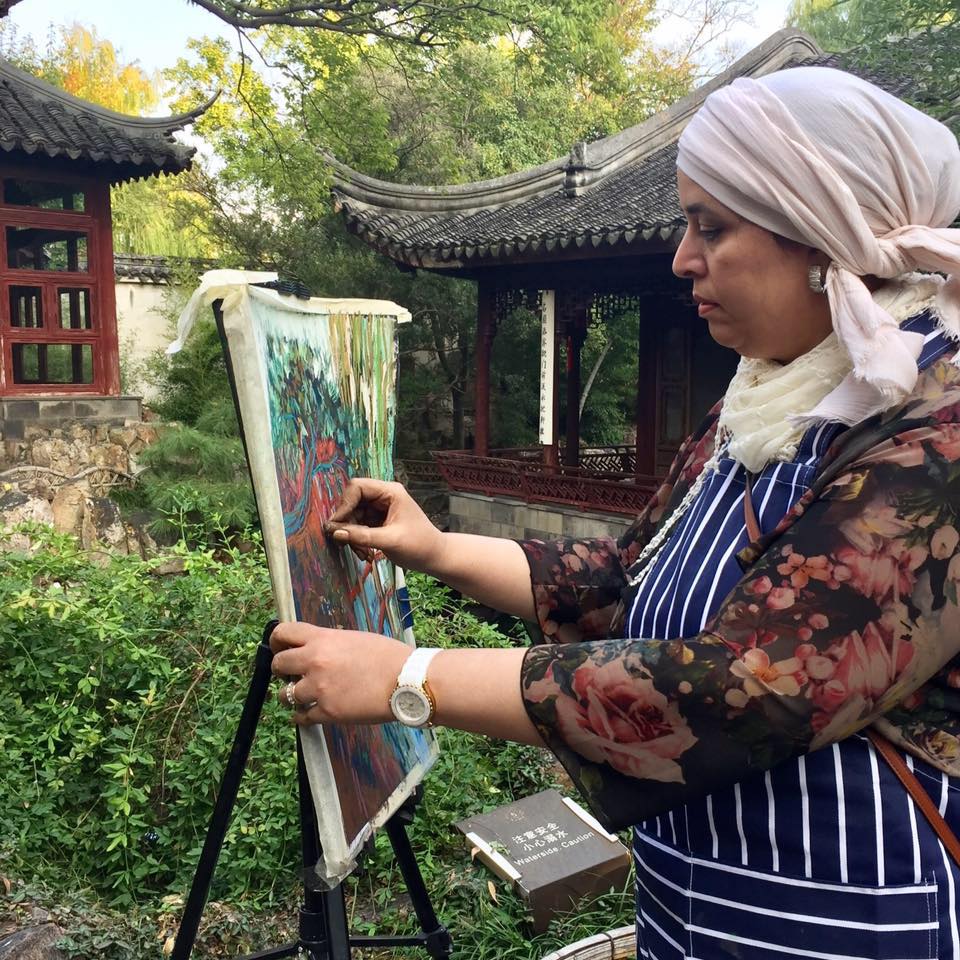
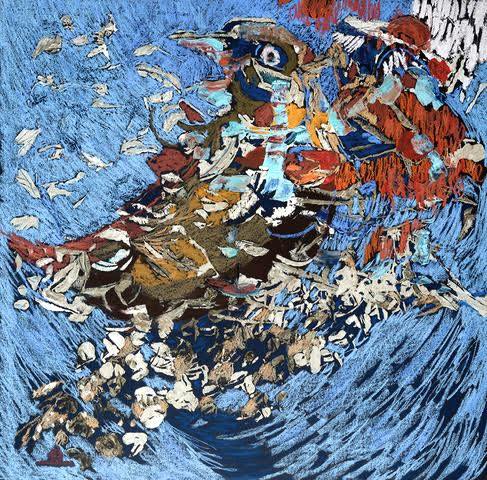
    In Watching Birds (soft pastel and acrylic, 80 × 80), Egyptian Halla Shafey does not merely depict a bird; she reconstructs it from the scattered residues of motion, memory, and belief. The image resists stillness. It is a field of turbulence—shards of color, broken contours, and tactile strokes—yet from within this apparent dissonance emerges a form both fragile and assured: a bird suspended between disintegration and transcendence.

    Shafey’s accompanying text becomes essential to reading the painting. Her words speak of a quiet certainty—of a bird that trusts the temporality of clouds and the inevitable passing of storms.  We need to know, understand and believe in this, in this certain times of wars. This metaphysical assurance is not illustrated literally but translated into visual tension. The bird’s body appears almost fractured, assembled from a mosaic of vivid reds, blues, ochres, and whites, as if it has endured the storm it philosophically transcends. Yet it does not collapse. Instead, it holds—precariously, beautifully—within a swirling blue expanse that suggests both sky and sea, both freedom and engulfment.

    This duality situates the work within a long lineage of birds in art and literature. Birds have always functioned as intermediaries—between earth and heaven, body and spirit, the ephemeral and the eternal. From ancient mythologies where birds carried divine messages, to poetic traditions where they embodied the soul’s longing, the bird is never merely an animal. In Shafey’s work, this symbolic weight is renewed but also complicated. Her bird is not idealized into smooth flight; it is textured, burdened, almost wounded by its own materiality.

    Once, more than three decades ago, I wrote a poem—
    it halted me in the unsanctioned void, and whispered:
    rise, take flight.
    I was startled to find that if I dared to soar,
    my wings would open of their own accord.
    Yet I turned away, refusing—
    I would not fly, nor would I yield.

    Watching Birds (soft pastel and acrylic, 80 × 80),

    And such a state longs for the faith of that bird— the one who believes, with quiet certainty, in its own strength… and in its steadfast endurance. Back to the painting, the medium itself reinforces this reading. Soft pastel allows for immediacy and fragility, while acrylic asserts permanence and structure. Their coexistence mirrors the conceptual core of the piece: the coexistence of vulnerability and faith. The bird seems to be in the process of becoming—its edges dissolving into the background, its form resisting closure. It is less a fixed subject than an event: the act of holding together under pressure.

    What distinguishes Shafey’s vision is her refusal to separate spiritual certainty from existential struggle. The bird’s “calm certainty,” as she writes, is not depicted as serenity but as persistence. The storm is present in every stroke, every rupture of color. And yet, the bird remains faithful to its song—an idea that resonates deeply with literary traditions where birds continue to sing in the face of chaos, not because the world is stable, but because faith renders instability bearable.

    In this sense, Watching Birds becomes less about observation and more about recognition. We are not simply watching a bird; we are witnessing a condition of being. The fragmented surface invites the viewer to reconstruct meaning, just as the bird reconstructs itself in flight. It asks: what does it mean to trust in continuity when everything appears broken?

    Shafey’s bird does not deny gravity; it transcends fear of it. Held—“by the Merciful,” as she writes—it neither fears falling nor hesitates before height. This theological undercurrent subtly transforms the painting into a visual meditation on surrender, where faith is not passive but dynamic, an ongoing movement forward.

    Thus, the painting reclaims the bird as a central figure in contemporary artistic discourse—not as a decorative motif, as we used to admire many of her previous works, but as a profound symbol of resilience. In Shafey’s hands, the bird is both ancient and immediate, literary and visceral, fragmented yet whole. It moves—and in its movement, it teaches us how to endure, how to believe, and how to continue.

  •  Poetry Week Goes Live on Facebook: A Celebration of Voices and Creativity

     Poetry Week Goes Live on Facebook: A Celebration of Voices and Creativity

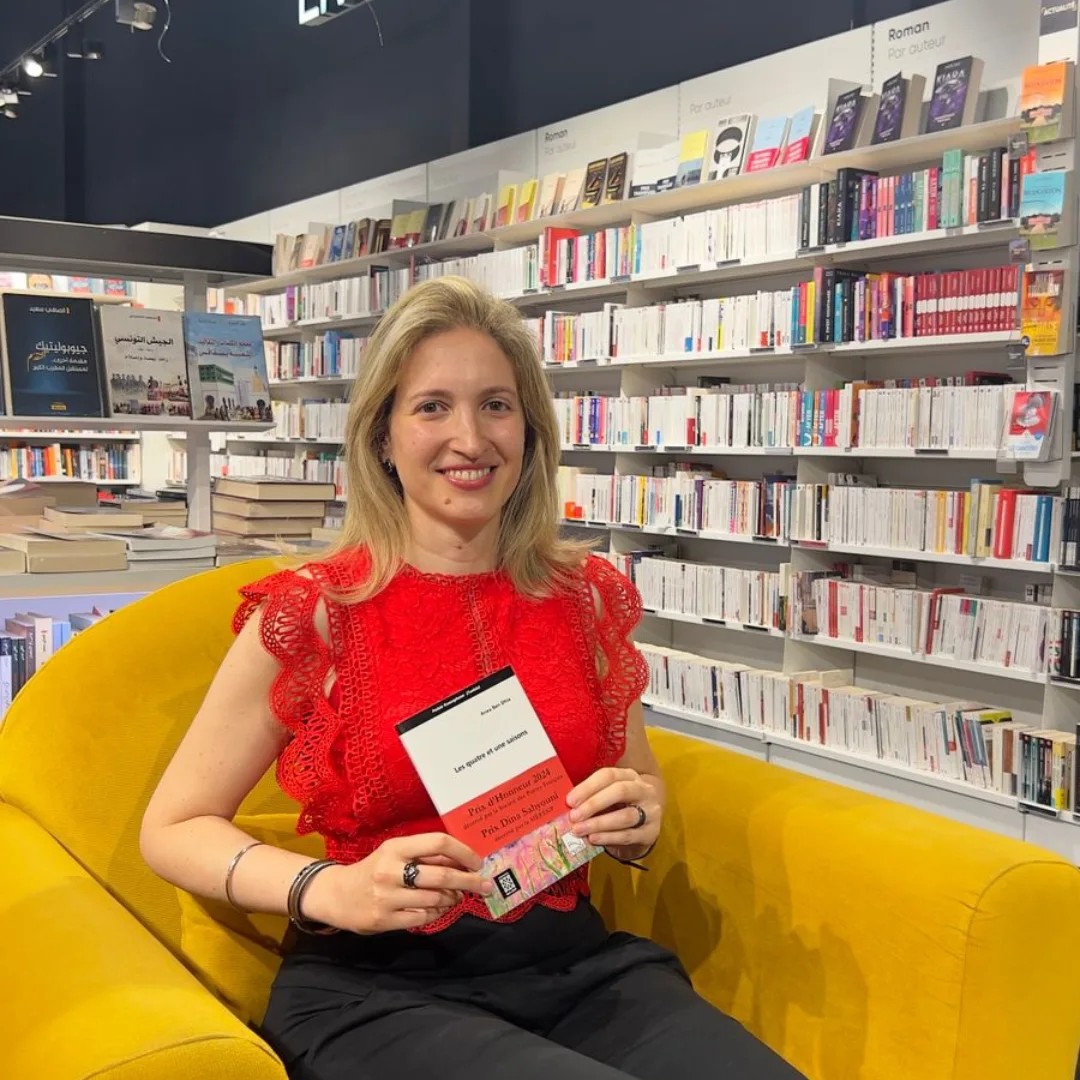
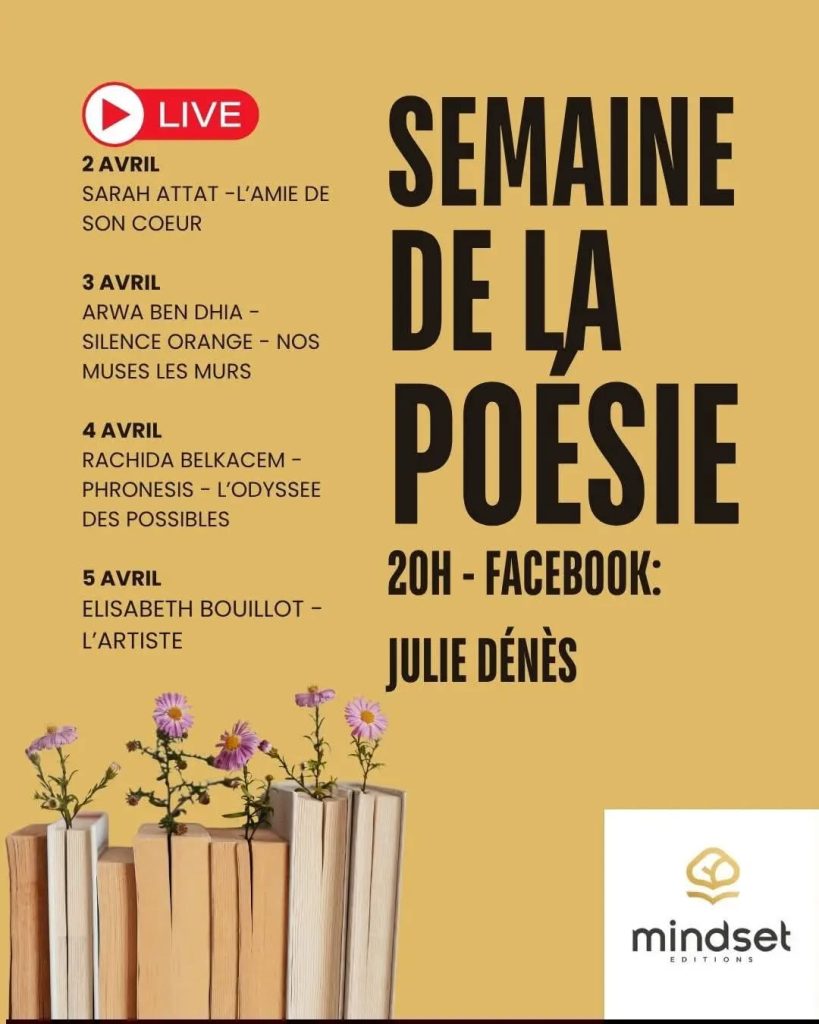
    Paris – April 2026 – “Ce vendredi à 20h, je serai en Live Facebook avec notre éditrice Julie Dénès des éditions Mindset Editions pour parler de ‘Silence Orange’ et de ‘Nos muses les murs’. Connectez-vous pour écouter de la poésie. Vive le printemps des Poètes !” — with these words, poet Arwa Ben Dhia announced the launch of a vibrant series of live literary events Poetry Week.

    Organized under the banner of Semaine de la Poésie (Poetry Week), the initiative brings together a diverse group of poets and writers in a sequence of Facebook Live sessions hosted by editor Julie Dénès of Mindset Editions. The daily broadcasts, scheduled at 8:00 PM, offer audiences an opportunity to engage directly with contemporary poetic voices and explore new literary works.
    The program opened on April 2 with a session featuring Sarah Attat, titled “L’amie de son cœur”. On April 3, Arwa Ben Dhia takes the spotlight to present and discuss her works “Silence Orange” and “Nos muses les murs”, reflecting on poetic inspiration and creative expression.

    The series continues on April 4 with Rachida Belkacem, who will delve into “Phronesis – L’odyssée des possibles”, a work that navigates philosophical and imaginative landscapes. The closing session on April 5 features Elisabeth Bouillot presenting “L’Artiste”, offering insights into artistic identity and creation.

    Broadcast live via Facebook on the page of Julie Dénès, the event underscores the growing role of digital platforms in expanding access to literature and fostering global cultural dialogue. By connecting poets and audiences in real time, the initiative embodies the spirit of Printemps des Poètes, celebrating poetry as a living, evolving art form.

    This Poetry Week not only highlights the richness of contemporary francophone literature but also reinforces the importance of virtual spaces in sustaining artistic communities and promoting cross-cultural exchange.

  • ظلال التذاكي (قصيدة)

    ظلال التذاكي (قصيدة)


    ظلال التذاكي

    أتحسبني عن أكاذيبك
    وهشاشتها الرخيصة غافلة ؟
    كيف لم تكتشف أنني صدّقت
    ادعاءاتك المزيفة بإرادتي ،
    كغفلة حياة لم تنصفني،
    أجبرتني أن أرى وجهي يتشقق
    وعلمتني أن الخسارة انكشاف.

    حياة ،
    عبرتها بعزيمتي المتمرّدة
    وخرجت منها حية رغم نارها .
    أعطتني دروساً لم أطلبها
    وأخذت مني ما ظننته أبدياً.
    كسرتني أمام نفسي مراراً،
    بصمت أصلب من الصخر .
    وبخذلان مزّق قلبي
    المبتسم رغم ثقل الأيام ونزفها ،
    اخترت طريقاً محفوفاً بالعناء
    يترصدني فيه الألم ،
    مزروعاً بأشواك تجرح الأقدام،
    وتختبر العزيمة،
    لكني مضيت بإرادة أقوى.

    كيف غامرت يا إنسان في التذاكي
    على امرأة مرّت بكل هذا
    امراة عرفت كيف
    تخيط جراحها بصمت،
    قرأت خلف الكلمات،
    والتقطت الهمس في الفراغ.
    سمعت الصوت في صدى السكون،
    وأبصرت ما خفي خلف ستار التظاهر.
    رأت ما يدور خلف الأقنعة المزينة،
    وما وراء إبتسامات مثقلة بالانتظار…
    موشّحة بالوجع.

    كيف رضيت بمواجهة
    من حملت صليبها رماداً على جبينها
    ورددت مقتنعةً :
    أذكر يا إنسان أنك من التراب
    وإلى التراب تعود …
    امرأة أُخذت منها حجارة ،
    ظنتّها مقدسة.
    وأهدتها الأيام عواصفاً اقتلعت جذورها…
    لكنها نمت في الهواء.

    لا يغرّك أنها انخدعت بظلّك
    وأغراها أسلوبك ،
    وتنمقك بصياغات مزخرفة
    وتزيّنك بوعود مصطنعة …
    إن أباطيلك لم تكن سوى أوراق ذابلة ،محترقة…
    تساقطت عند أول لمسة صراحة ،
    لم تحتمل وتناثرت غباراً
    مع أول نسمة صدق.
    اصطدمت بالحقيقة المجردة
    وتفتت أمام صلابة العدم .
    فتعلّم يا سيدي كيف تواجه
    من يقاوم بلا حيلة وينتصر بالصبر .

  •  دار أوبرا الإسكندرية تستضيف فرقًا موسيقية روسية في أمسية فنية

     دار أوبرا الإسكندرية تستضيف فرقًا موسيقية روسية في أمسية فنية

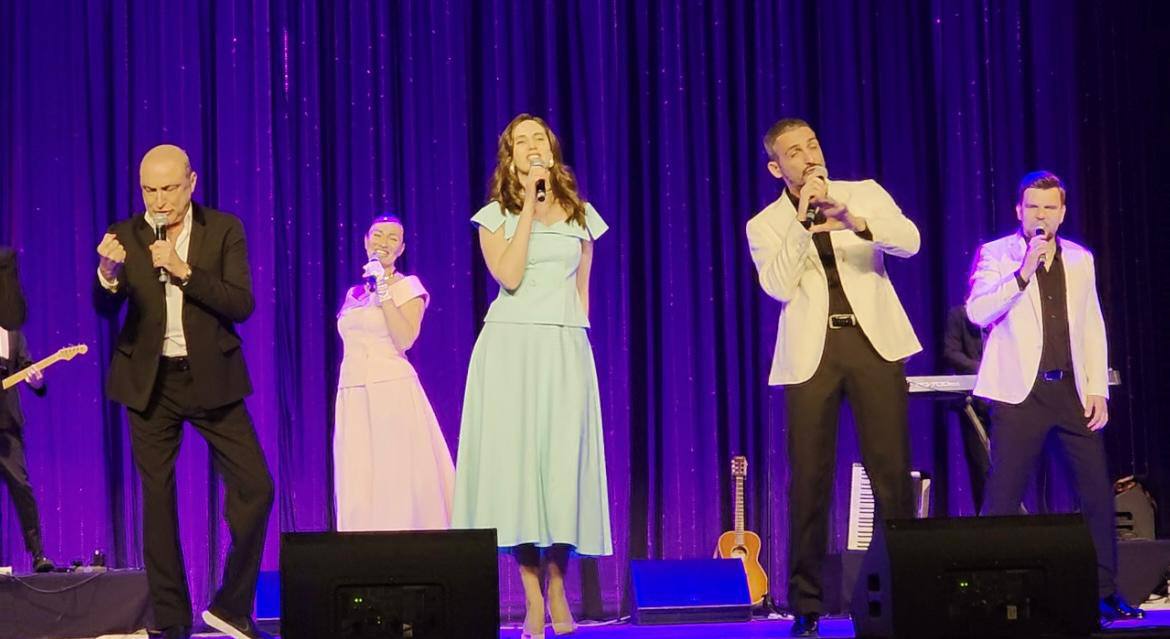
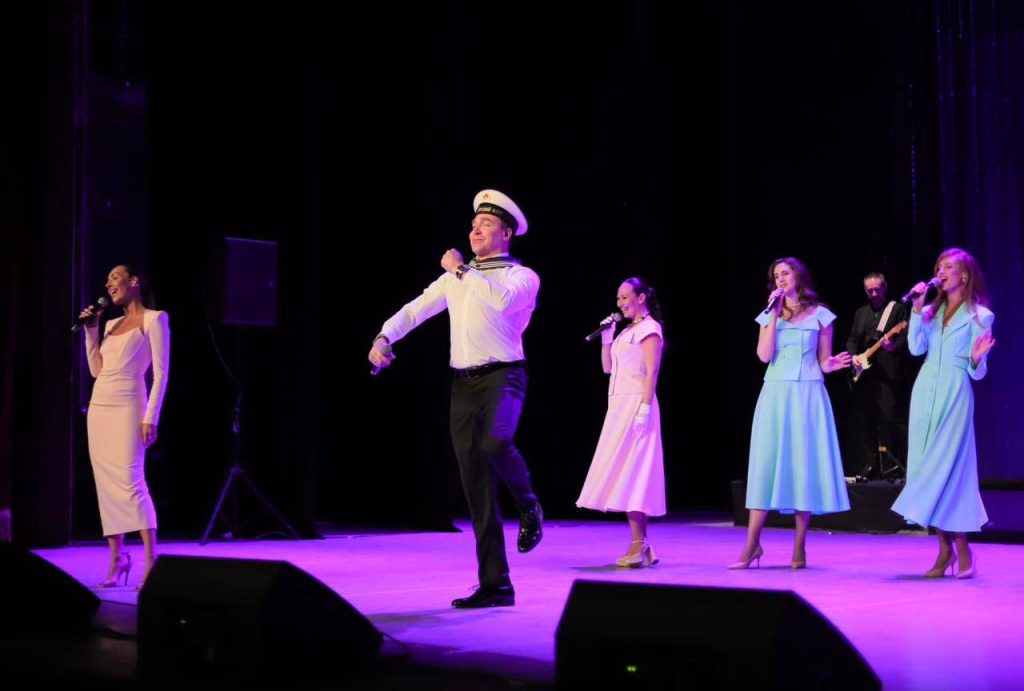
     الإسكندرية – 29 مارس  – في أمسية فنية استثنائية، استضافت دار أوبرا الإسكندرية حفلاً موسيقيًا مميزًا قدمته فرق موسيقية روسية شهيرة، وهي “جوقة توريتسكي” و “فرقة السوبرانو” ، بدعم من القنصلية العامة والبيت الروسي. وقدّم الفنانون باقة متنوعة من أشهر الأغاني الروسية والعالمية، ما أضفى على الأمسية أجواءً من البهجة والفن الراقي.
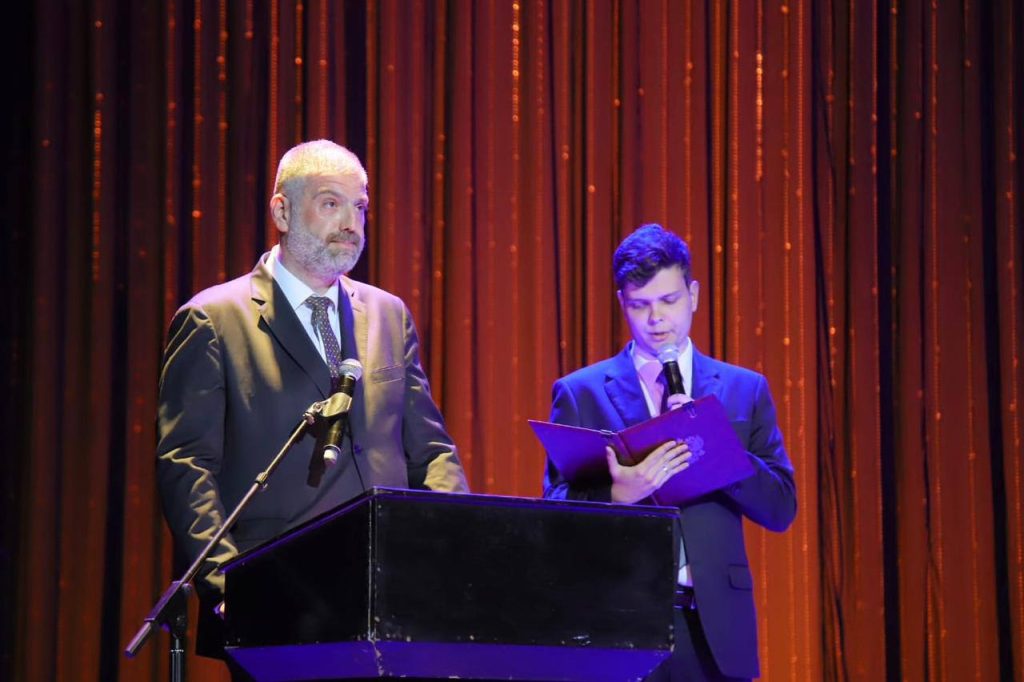
    شهد الحفل حضور عدد من الشخصيات البارزة، من بينهم نائب محافظ الإسكندرية الدكتورة أميرة ياسين، ومدير مشروع بناء محطة الضبعة للطاقة النووية السيد أليكسي كونونينكو وفريق موقع البناء، بالإضافة إلى ممثلين عن الأوساط الاجتماعية والسياسية المصرية والسلك القنصلي المحلي.

     وفي كلمته الترحيبية، أكد القنصل العام السيد كارين فاسليان أن جولات المجموعات الإبداعية الروسية في مصر تسهم بشكل كبير في تطوير الدبلوماسية الثقافية وتعزيز العلاقات الودية بين البلدين، مشيرًا إلى أهمية هذه الفعاليات في تعزيز الحوار الثقافي والفني.
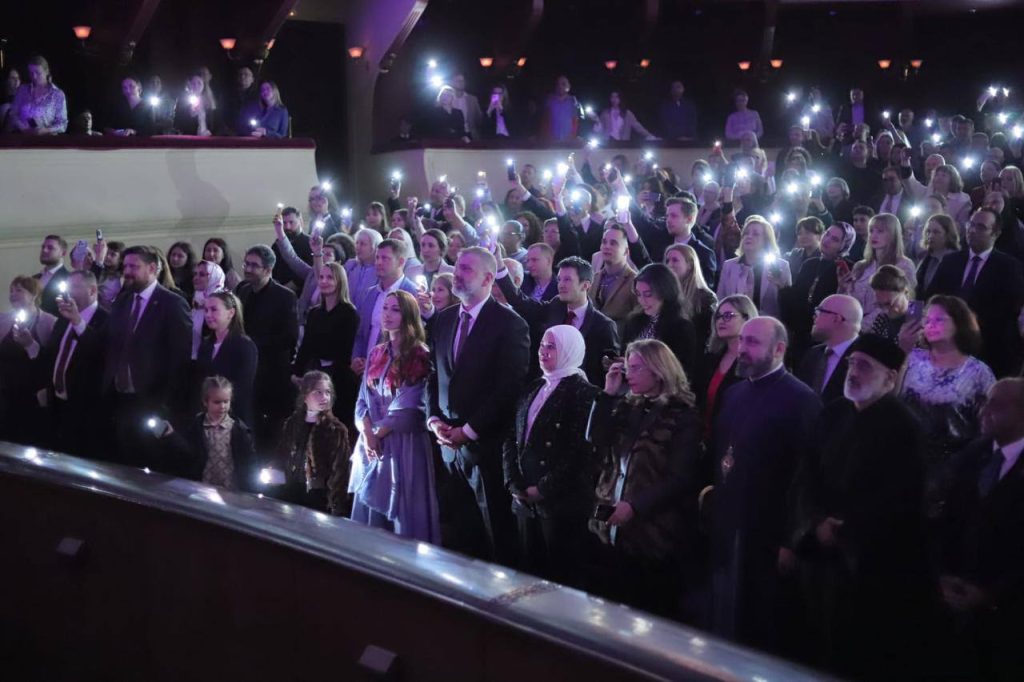
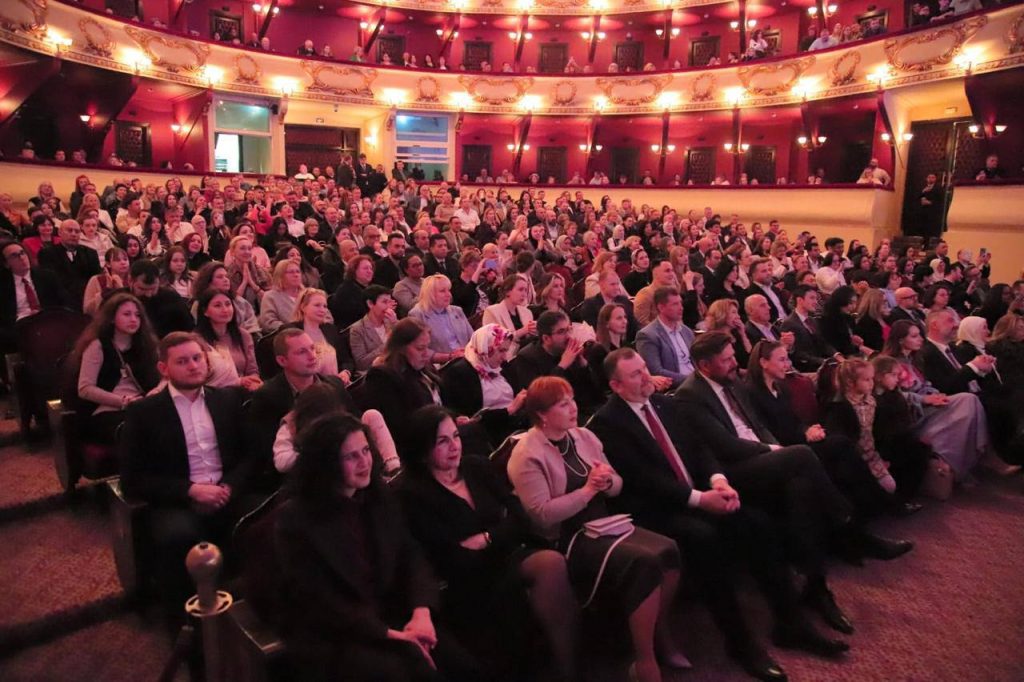
    شهدت الأمسية إقبالًا واسعًا، حيث نفدت تذاكر الحفل بالكامل، واستقبل الجمهور قائد الجوقة السيد ميخائيل توريتسكي وفرقه بحفاوة بالغة، وصفقوا لهم بحرارة مدوية في ختام الحفل، معبرين عن إعجابهم بالأداء الفني المتميز.
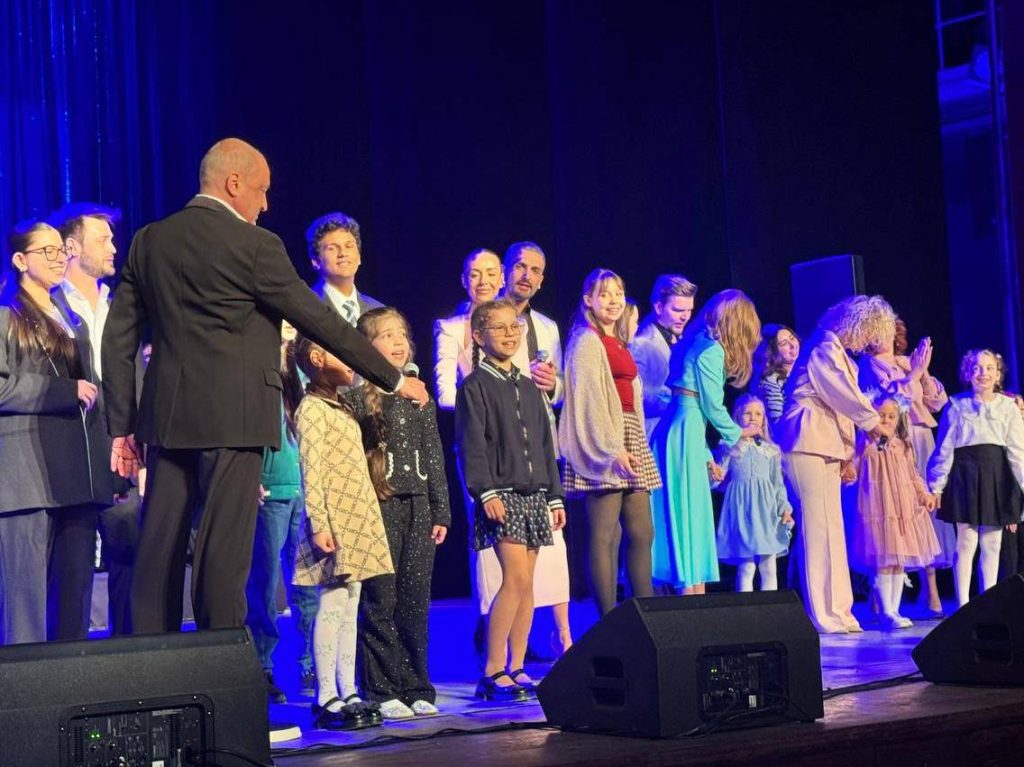
    هذا الحدث يعكس عمق الروابط الثقافية بين مصر وروسيا ويؤكد على أهمية الفن والموسيقى كجسر للتواصل والتفاهم بين الشعوب.

  • The Unity of Humanity through Language: Russian and Arabic Experience

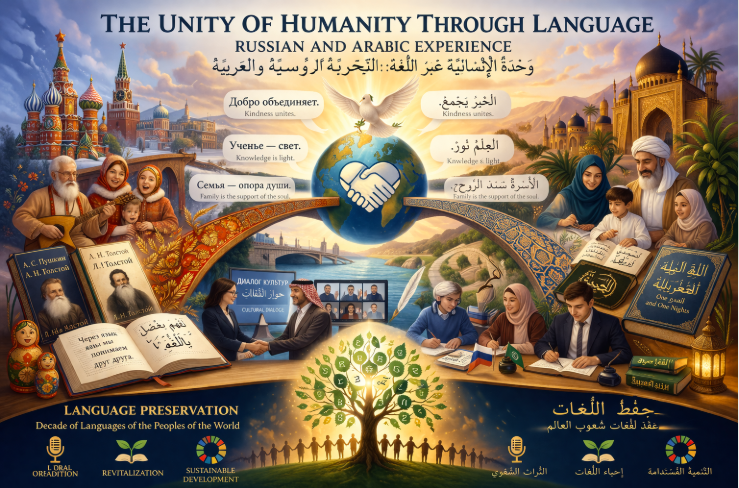
    The Unity of Humanity through Language: Russian and Arabic Experience

    Abstract

    This article examines linguistic diversity as evidence of the unity of human nature through the example of Russian-Arabic cultural dialogue. Analysis of folklore, literature, and paremiology of both traditions demonstrates the similarity of emotional experiences, moral principles, and didactic goals. The study reveals historical and contemporary cultural bridges—translation practice, academic exchanges, educational programs—that promote mutual understanding between peoples. Special attention is given to the relevance of preserving linguistic diversity for sustainable intercultural dialogue in the 21st century in the context of the Decade of Languages of the Peoples of the World, declared by the World Organization of Writers.

    Table of Contents

    1. Introduction
    2. Theoretical Foundations: Linguistic Diversity as Cultural Wealth
    3. The Commonality of Human Emotions in Russian and Arabic Traditions
    4. Cultural Bridges between the Russian and Arabic Worlds
    5. Language Preservation as a Condition for Intercultural Dialogue in the 21st Century
    6. Conclusion
    7. References

    1. Introduction

    In the era of globalization and intensification of intercultural contacts, the question of the unity of humanity acquires special relevance. Paradoxically, it is linguistic diversity—the existence of more than seven thousand languages on the planet—that serves as convincing proof of the commonality of human nature. Each language represents a unique system of categorizing experience; however, comparative analysis of various linguocultural traditions invariably reveals universal patterns of emotional experiences, moral judgments, and social relations.

    The Decade of Languages of the Peoples of the World, declared by the World Organization of Writers, creates an institutional framework for understanding the role of linguistic diversity in the modern world. In this context, the Russian-Arabic cultural dialogue is of particular interest—the interaction of two major linguocultural areas possessing rich literary traditions, developed folklore, and a long history of contacts.

    The purpose of this article is to demonstrate how the folklore, literature, and poetry of the Russian and Arabic peoples express similar emotions, ideas, and moral principles, thereby confirming the thesis of the unity of human nature despite all the diversity of its cultural manifestations. Special attention will be paid to the cultural bridges connecting the two worlds and the relevance of preserving linguistic diversity to ensure genuine mutual understanding between peoples in the 21st century.

    2. Theoretical Foundations: Linguistic Diversity as Cultural Wealth

    Contemporary linguistic anthropology views linguistic diversity not as an obstacle to communication, but as a fundamental cultural wealth of humanity. Each language embodies a unique “worldview”—a system of conceptualizing reality that reflects the historical experience, geographical conditions, social organization, and spiritual values of the people who speak it. At the same time, comparative studies demonstrate that despite all the diversity of linguistic structures and cultural practices, there exist deep universals of human experience.

    Cognitive and corpus-based studies show that linguistic worldviews vary; however, common semantic fields and contextual disambiguation allow for the expression of similar emotional and moral content in texts in Russian and Arabic [6]. This means that differences in linguistic structure do not prevent the transmission of universal human meanings, but only color them in specific cultural tones.

    Paremiology—the science of proverbs and sayings—provides particularly rich material for studying cultural universals. Proverbs represent a concentrated expression of folk wisdom, moral norms, and life experience. Comparative analysis of the paremiological funds of various peoples allows us to identify both universal themes (good and evil, family, labor, justice) and culturally specific ways of understanding them.

    Literature and poetry, being the highest forms of verbal art, also serve as powerful instruments of intercultural dialogue. Great literary works possess the ability to overcome linguistic and cultural barriers by addressing universal aspects of human existence—love, suffering, the search for meaning, moral choice. The reception of Russian classical literature in the Arab world and the interest of Russian writers and poets in Arab-Islamic culture create strong cultural bridges between the two civilizations.

    3. The Commonality of Human Emotions in Russian and Arabic Traditions

    3.1. Moral Proverbs and Paremiological Parallels

    Comparative analysis of Russian and Arabic proverbs reveals striking similarities in the understanding of fundamental moral categories. Many Russian proverbs about good and evil have close Arabic equivalents, and both traditions use proverbial warnings and instructions to encourage benevolence and warn against envy and malice [1]. This testifies to the fact that basic ethical intuitions of humanity are transcultural and find expression in the paremiological formulas of various peoples.

    Corpus-based studies and equivalence analysis show that when translating Russian proverbs into Arabic, functional and cultural analogues are found, indicating semantic convergence even in cases where imagery differs [2]. For example, the Russian proverb “One in the field is not a warrior” and Arabic paremias about the necessity of collective action express a similar idea, although they use different metaphors. Systematic comparisons of numerical and moral paremiological codes reveal overlapping thematic groups that function as ready-made cultural bridges in interlingual pedagogy and lexicography [9].

    Such paremiological similarity is not accidental. It reflects the commonality of social experience of agricultural and pastoral societies, similar forms of family organization, universal psychological mechanisms of moral judgment. Proverbs of both traditions warn against pride, praise industriousness, emphasize the value of friendship and loyalty, condemn lies and betrayal. These moral constants constitute a universal ethical foundation on which it is possible to build mutual understanding between cultures.

    3.2. Family Values and Social Relations

    The family as a basic social institution occupies a central place in the value systems of both Russian and Arabic cultures. A comparative study of family set expressions shows that Russian and Yemeni (Arabic) paremias reflect similar conceptualizations of kinship, obligations, and affective relations [3]. Both traditions emphasize the importance of honoring parents, caring for children, maintaining kinship ties, and mutual assistance within the family circle.

    In Russian proverbs, the family appears as a source of strength and support: “The whole family together, and the soul is at peace,” “Warm by the sun, good by the mother.” Arabic paremiology also abounds with statements about the value of family ties and maternal love. This parallelism reflects the universality of family attachments and their central role in the formation of personality and social identity.

    The similarity extends to broader social relations. Both cultures value hospitality, condemn greed and stinginess, praise generosity and magnanimity. The concepts of honor, dignity, and reputation play an important role in both traditions, although they may have culturally specific nuances. This commonality of social values creates a solid foundation for mutual understanding and empathy between representatives of Russian and Arabic cultures.

    3.3. Literary Themes and Ethical Motifs

    Literature represents a more complex and reflective form of cultural expression compared to folklore, but here too a striking commonality of themes and ethical motifs is found. The work of major Russian writers whose ethical and spiritual themes resonated in Arab intellectual circles—for example, Leo Tolstoy and Maxim Gorky—illustrates how narrative and poetic elaboration of problems of conscience, social justice, and moral criticism transcends linguistic and cultural boundaries [4], [5].

    Tolstoy, with his preaching of nonviolence, criticism of social inequality, and search for the spiritual meaning of life, had a significant influence on Arab intellectual thought in the early 20th century. His works were translated into Arabic and actively discussed in the context of the modernization of Arab society and the search for paths of social renewal. Gorky, with his attention to the fates of the dispossessed and faith in human dignity, also resonated with Arab readers experiencing a period of national awakening and social transformations.

    This reception of Russian literature in the Arab world demonstrates that great literary works address universal aspects of human experience—suffering, the search for justice, moral choice, the striving for a better life. The literary heroes of Tolstoy and Dostoevsky, Chekhov and Turgenev, experience moral dilemmas that are understandable and significant to readers of any culture. This confirms the thesis that despite all cultural diversity, humanity is united in its fundamental emotional and ethical experiences.

    4. Cultural Bridges between the Russian and Arabic Worlds

    4.1. Historical Networks of Interaction

    Russian-Arabic cultural ties have a long history, rooted in the Middle Ages and significantly intensified during the imperial and Soviet periods. Long-term political, educational, and cultural ties that existed from tsarist and Soviet times created archives of exchanges, migration, and translations that ensured sustained Russian-Arabic interaction [7]. These historical networks included diplomatic contacts, trade relations, pilgrimage, scientific expeditions, and educational exchanges.

    During the Soviet period, Russian-Arabic interaction acquired new forms and scales. Thousands of Arab students received education in Soviet universities, studying not only technical and natural science disciplines, but also Russian language, literature, and culture. Soviet specialists worked in Arab countries, facilitating the transfer of knowledge and technology. These contacts created an entire generation of Arab intellectuals fluent in Russian and familiar with Russian culture, which significantly facilitated cultural dialogue.

    The post-Soviet period is characterized by diversification of forms of interaction. Along with state programs of cultural exchange, non-governmental initiatives, academic partnerships, and joint research projects are developing. Russian cultural centers in Arab countries and Arab cultural organizations in Russia serve as platforms for exhibitions, concerts, and lectures, promoting mutual acquaintance with cultural heritage and contemporary achievements.

    4.2. Translation Practice as a Channel of Cultural Exchange

    Translation of literature and folklore—including canonical Russian translations of Arabic texts and Arabic translations of Russian works—is repeatedly identified as the main channel for transmitting themes, styles, and social ideas between the two cultures [7], [8]. Translation activity represents not simply a linguistic operation, but a complex process of cultural mediation requiring deep understanding of both traditions.

    The history of Russian translations of Arabic literature is rich and diverse. “One Thousand and One Nights,” translated into Russian in the 19th century, had a significant influence on Russian literature and culture, inspiring writers and poets to create works with Eastern themes. Translations of classical Arabic poetry introduced Russian readers to the refined aesthetics of the ghazal, qasida, and rubai. During the Soviet period, modern Arabic literature was actively translated, reflecting the processes of national liberation and social transformations.

    Arabic translations of Russian literature also play a key role in cultural dialogue. The works of Pushkin, Lermontov, Gogol, Tolstoy, Dostoevsky, and Chekhov have been translated into Arabic and are part of the cultural baggage of the educated Arab reader. These translations not only introduce the Arab audience to the Russian literary tradition, but also contribute to understanding universal human problems through the prism of Russian cultural experience.

    The teaching of Russian language in Arab countries and Arabic language in Russia is emphasized as a practical path to deepening dialogue and mutual understanding in contemporary discussions of cultural policy [8]. Proficiency in the partner’s language opens access not only to literary texts, but also to everyday culture, media, and scientific discourse, creating conditions for deeper and more nuanced mutual understanding.

    4.3. Academic and Poetic Exchanges

    Translingual and postcolonial poetic practices in Russian academic and poetic communities demonstrate conscious crossing of linguistic boundaries with the aim of making foreign cultural elements “friendly and familiar,” strengthening intercultural literacy [10]. This is especially noticeable in the work of St. Petersburg poets who turn to Eastern, including Arabic, themes and use elements of the Arabic poetic tradition in their works.

    Academic Oriental studies play an important role in building cultural bridges. The Russian school of Arabic studies, which has long traditions, has made a significant contribution to the study of the Arabic language, literature, history, and culture. The works of Russian Arabists are translated into Arabic and used in Arab universities. Similarly, Arab researchers of Russian culture contribute to a deeper understanding of Russia in the Arab world.

    Joint scientific conferences, symposia, and publishing projects create platforms for the exchange of ideas and methodologies. Comparative literary studies, contrastive linguistics, comparative folklore studies—all these disciplines contribute to identifying both common features and specific characteristics of Russian and Arabic cultures. Such knowledge is necessary to overcome stereotypes and build relationships based on mutual respect and understanding.

    5. Language Preservation as a Condition for Intercultural Dialogue in the 21st Century

    5.1. Oral Tradition as a Bearer of Cultural Values

    Oral storytelling, songs, and ritual speech are central means of transmitting cultural knowledge, identity, and moral frameworks; the loss of these forms destroys the embodied knowledge necessary for deep mutual understanding [11]. Folklore represents not simply entertainment or an archaic survival, but a living tradition in which the collective experience of a people, its values, worldview, and ways of understanding reality are encoded.

    In the context of Russian-Arabic dialogue, the preservation of the oral tradition of both cultures is of particular importance. Russian bylinas, fairy tales, songs, chastushkas; Arabic qasidas, folk tales, Bedouin poetry—all this is the richest material reflecting the soul of the people. The loss of these traditions would mean not simply the disappearance of texts, but the destruction of an entire layer of cultural memory, the impoverishment of emotional and aesthetic experience.

    Modern technologies open new possibilities for documenting and preserving oral tradition. Audio and video recordings, digital archives, multimedia databases allow us to record not only the verbal text, but also intonation, gesticulation, and performance context. This creates conditions for transmitting folklore heritage to future generations in the most complete and authentic form.

    5.2. Language Revitalization and Global Development Goals

    Recent international surveys document hundreds of language revitalization initiatives around the world and link language maintenance to the Sustainable Development Goals, noting that many efforts need institutional support, training, and resources to succeed [14]. The preservation of linguistic diversity is recognized not only as a cultural, but also as a socio-economic task related to ensuring human rights, social justice, and sustainable development.

    Empirical assessments of the state of indigenous languages of Russia reveal intergenerational transmission, use in education, and availability of educational materials as key factors for survival, emphasizing the urgency of policy and public action [13]. Many languages of the peoples of Russia are endangered, which requires comprehensive measures to support them—from creating textbooks and dictionaries to organizing language nests and immersion programs.

    Translation of indigenous folklore into dominant regional languages—for example, Nenets into Russian—has been used as an active tool for documenting and revitalizing endangered languages while maintaining the accessibility of their cultural content [12]. Such practice allows, on the one hand, to record linguistic material, and on the other hand, to make it accessible to a wider audience, contributing to raising the prestige of the minority language.

    5.3. Preservation of Conceptual Diversity

    Comparative linguistic studies show that language-specific polysemy and contextual meanings shape how communities understand emotions and ethics; preserving languages thus preserves alternative worldviews necessary for nuanced intercultural dialogue [6]. Each language represents a unique cognitive system, a special way of categorizing experience that cannot be fully reduced to another language.

    This means that the loss of a language is not simply the disappearance of a means of communication, but the loss of an entire way of thinking, a unique perspective on the world. The multilingualism of humanity represents a colossal cognitive resource, a kind of “library” of different ways of understanding reality. Preserving this diversity is critically important for solving complex problems of modernity that require multiple perspectives and creative approaches.

    In the context of Russian-Arabic dialogue, this means that genuine mutual understanding requires not simply translation of texts, but deep penetration into the conceptual systems of both languages. Understanding how Russian and Arabic languages differently categorize time, space, social relations, and emotional states opens the way to richer and more nuanced cultural exchange, free from simplifications and stereotypes.

    6. Conclusion

    The analysis of Russian-Arabic cultural dialogue convincingly demonstrates that linguistic diversity, far from dividing humanity, serves as proof of its fundamental unity. The folklore, literature, and poetry of the Russian and Arabic peoples, despite all the originality of forms and images, express similar emotions, moral principles, and life values. Paremiological parallels, the commonality of family and social concepts, the universality of literary themes—all this testifies to the fact that different cultures represent variations on universal human themes, not mutually impenetrable worlds.

    Cultural bridges between the Russian and Arabic worlds—historical networks of interaction, translation practice, academic and poetic exchanges—create a solid foundation for mutual understanding and cooperation. These bridges do not arise spontaneously; they are the result of purposeful efforts of translators, scholars, writers, educators, diplomats, and cultural figures. Their work deserves recognition and support, since it is precisely this work that makes dialogue between civilizations possible in an era of global challenges.

    The preservation of linguistic diversity in the 21st century acquires special relevance. Oral tradition as a bearer of cultural values, revitalization of endangered languages, maintenance of conceptual diversity—all this is not archaic tasks, but urgent requirements of sustainable development and genuine intercultural dialogue. The loss of a language means the loss of a unique way of thinking, the impoverishment of the cognitive and cultural potential of humanity.

    The Decade of Languages of the Peoples of the World, declared by the World Organization of Writers, provides a unique opportunity to mobilize efforts to preserve and develop linguistic diversity. The Russian-Arabic experience of cultural dialogue can serve as a model for other linguocultural pairs, demonstrating that with mutual respect, openness, and purposeful efforts, it is possible to build strong bridges between the most diverse cultures.

    In conclusion, it should be emphasized that the unity of humanity does not mean cultural unification. On the contrary, it is realized through recognition and respect for diversity, through the ability to see in the other not a stranger, but a bearer of a different but equally valuable experience. Language is not a barrier, but a bridge; not a wall, but a window into another world. Preserving and studying languages, developing translation practice, supporting cultural exchanges—all this is an investment in the future of humanity, in a world where differences enrich rather than divide, where dialogue between cultures serves as the foundation of peace and mutual understanding.

    References

    [1] “Русские пословицы о добре и зле с эквивалентом в арабском языке,” Al-ādāb, 2023. https://doi.org/10.31973/aj.v1i145.3888

    [2] “Russian Proverbs in Arab Heritage: An Extensive Study of Equivalence and Translation,” 2025. https://doi.org/10.5281/zenodo.17522679

    [3] Y. Alavi et al., “Linguistic Representation of Family Relations in Russian and Yemeni Set Expressions,” Journal of Sustainable Development, vol. 8, no. 4, p. 268, 2015. https://doi.org/10.5539/JSD.V8N4P268

    [4] M. Parpiyev et al., “Arap yazarlari tarafindan lev tolstoy’un algilanmasi,” Akra kültür sanat ve edebiyat dergisi, 2022. https://doi.org/10.31126/akrajournal.1078513

    [5] S. Gintsburg, “Maksim Gorky and Arabic Literature,” 2024. https://doi.org/10.11647/obp.0340.20

    [6] A. Dawood et al., “Моделирование вариативности языковой картины мира русского и арабского языков на основе параллельных корпусных данных (на примере сказок «Тысяча и одна ночь»),” Oriental Studies, vol. 78, no. 2, pp. 483–498, 2025. https://doi.org/10.22162/2619-0990-2025-78-2-483-498

    [7] “Russian-Arab Worlds,” 2023. https://doi.org/10.1093/oso/9780197605769.001.0001

    [8] “Россия и арабский мир – межъязыковые контакты и культурное взаимодействие,” 2022. https://doi.org/10.48612/govor/bbvb-x4vk-7tvt

    [9] Н. Борисовна et al., “Нумеративный код культур: лексика со значением числа в русских и арабских паремиях,” 2023. https://doi.org/10.24412/2713-0231-2023-11

    [10] M. Rodionov, “Post-Orientalism in the Poetry of Modern St. Petersburg Scholars,” 2015.

    [11] M. Zwettler, “Classical Arabic Poetry between Folk and Oral Tradition,” Journal of the American Oriental Society, vol. 96, no. 2, pp. 198–212, 1976. https://doi.org/10.2307/599823

    [12] A. Polikarpov et al., “Translation of Folklore Texts as a Means of Preserving the Nenets Language: An Integrative Approach,” Vestnik Volgogradskogo Gosudarstvennogo Universiteta. Seriâ 2. Âzykoznanie, vol. 22, no. 3, pp. 130–143, 2023. https://doi.org/10.15688/jvolsu2.2023.3.11

    [13] V. Kozhemyakina et al., “Indigenous Languages of the North, Siberia and the Far East: Current Status and Development Prospects,” Vestnik Volgogradskogo Gosudarstvennogo Universiteta. Seriâ 2. Âzykoznanie, vol. 21, no. 6, pp. 165–179, 2022. https://doi.org/10.15688/jvolsu2.2022.6.13

    [14] S. Báez et al., “Encuesta internacional de esfuerzos de revitalización: enfoque regional para Latinoamérica,” Cuadernos de lingüística de el colegio de México, vol. 9, 2022. https://doi.org/10.24201/clecm.v9i0.231

  • وحدة الإنسانية عبر اللغة: التجربة الروسية – العربية

    وحدة الإنسانية عبر اللغة: التجربة الروسية – العربية

    إضاءة

    تتناول هذه الدراسة التنوع اللغوي بوصفه دليلًا على وحدة الطبيعة الإنسانية، من خلال مثال الحوار الثقافي الروسي–العربي. ويُظهر تحليل الفولكلور والأدب وعلم الأمثال في كلا التقليدين تشابه التجارب العاطفية والمبادئ الأخلاقية والأهداف التربوية. كما تكشف الدراسة عن جسور ثقافية تاريخية ومعاصرة—مثل الترجمة، والتبادل الأكاديمي، والبرامج التعليمية—تسهم في تعزيز التفاهم المتبادل بين الشعوب. وتولي الدراسة اهتمامًا خاصًا بأهمية الحفاظ على التنوع اللغوي من أجل تحقيق حوار ثقافي مستدام في القرن الحادي والعشرين، في سياق عقد لغات شعوب العالم الذي أعلنته World Organization of Writers.

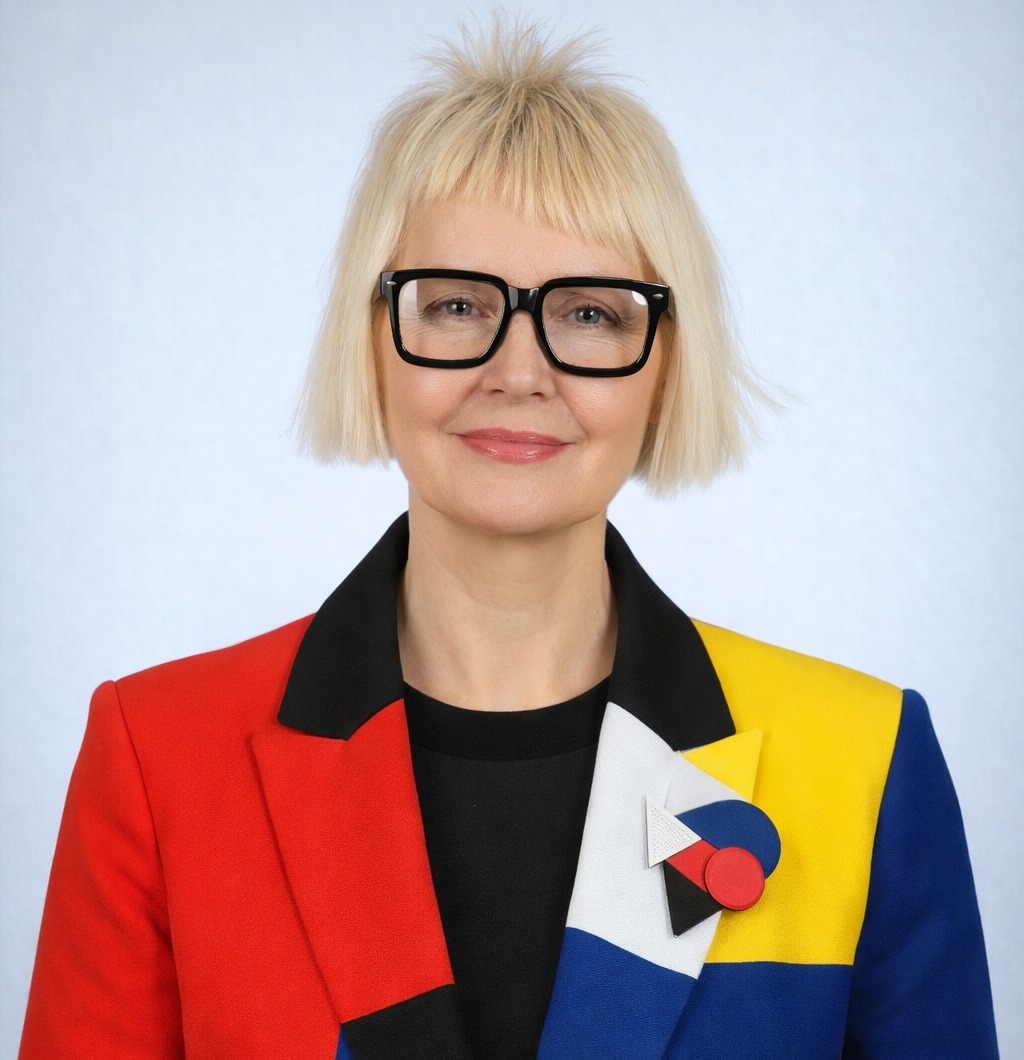
    Margarita Al
This article was prepared within the framework of the Decade of Languages of the Peoples of the World, declared by the World Organization of Writers.
    Date: March 30, 2026

    فهرس المحتويات

    1. المقدمة
    2. الأسس النظرية: التنوع اللغوي بوصفه ثراءً ثقافيًا
    3. وحدة المشاعر الإنسانية في التقليدين الروسي والعربي
      3.1. الأمثال الأخلاقية والتوازي في علم الأمثال
      3.2. القيم الأسرية والعلاقات الاجتماعية
      3.3. الموضوعات الأدبية والبواعث الأخلاقية
    4. الجسور الثقافية بين العالمين الروسي والعربي
      4.1. شبكات التفاعل التاريخية
      4.2. الترجمة بوصفها قناة للتبادل الثقافي
      4.3. التبادلات الأكاديمية والشعرية
    5. حفظ اللغة كشرط للحوار بين الثقافات في القرن الحادي والعشرين
      5.1. التراث الشفهي بوصفه حاملًا للقيم الثقافية
      5.2. إحياء اللغات وأهداف التنمية العالمية
      5.3. الحفاظ على التنوع المفاهيمي
    6. الخاتمة
    7. المراجع

    1. المقدمة
    في عصر العولمة وتزايد وتيرة التفاعل بين الثقافات، تكتسب مسألة وحدة الإنسانية أهمية خاصة. ومن المفارقات أن التنوع اللغوي—أي وجود أكثر من سبعة آلاف لغة على كوكب الأرض—يشكّل دليلًا قويًا على وحدة الطبيعة الإنسانية. فكل لغة تمثل نظامًا فريدًا لتصنيف الخبرة الإنسانية، غير أن التحليل المقارن للتقاليد اللغوية-الثقافية المختلفة يكشف دائمًا عن أنماط مشتركة في التجارب العاطفية، والأحكام الأخلاقية، والعلاقات الاجتماعية.

    ويُسهم عقد لغات شعوب العالم، الذي أعلنته World Organization of Writers، في توفير إطار مؤسسي لفهم دور التنوع اللغوي في العالم المعاصر. وفي هذا السياق، يكتسب الحوار الثقافي الروسي–العربي أهمية خاصة، إذ يمثل تفاعل منطقتين لغويتين ثقافيتين كبريين تمتلكان تراثًا أدبيًا غنيًا، وفولكلورًا متجذرًا، وتاريخًا طويلًا من التواصل.

    وتهدف هذه الدراسة إلى بيان كيف تعبّر الفولكلورات والآداب والشعريات لدى الشعبين الروسي والعربي عن مشاعر وأفكار ومبادئ أخلاقية متشابهة، بما يؤكد أطروحة وحدة الطبيعة الإنسانية رغم تنوع تجلياتها الثقافية. كما سيتم التركيز على الجسور الثقافية التي تربط بين العالمين، وعلى أهمية الحفاظ على التنوع اللغوي لضمان تحقيق تفاهم حقيقي بين الشعوب في القرن الحادي والعشرين.

    2. الأسس النظرية: التنوع اللغوي بوصفه ثراءً ثقافيًا
    تنظر الأنثروبولوجيا اللغوية المعاصرة إلى التنوع اللغوي ليس بوصفه عائقًا أمام التواصل، بل باعتباره ثروة ثقافية أساسية للإنسانية. فكل لغة تجسّد «رؤية للعالم» خاصة بها، أي نظامًا لتصوّر الواقع يعكس التجربة التاريخية والظروف الجغرافية والتنظيم الاجتماعي والقيم الروحية لمتحدثيها. ومع ذلك، تُظهر الدراسات المقارنة أنه رغم تنوع البنى اللغوية والممارسات الثقافية، توجد ثوابت عميقة في التجربة الإنسانية المشتركة.

    وتبيّن الدراسات المعرفية والمدوّنات اللغوية أن الرؤى اللغوية للعالم تختلف، إلا أن الحقول الدلالية المشتركة وآليات التفسير السياقي تتيح التعبير عن محتوى عاطفي وأخلاقي متقارب في النصوص الروسية والعربية. وهذا يعني أن الاختلافات في البنية اللغوية لا تعيق نقل المعاني الإنسانية العامة، بل تضفي عليها طابعًا ثقافيًا خاصًا.

    ويُعد علم الأمثال (Paremiology) من أغنى المجالات لدراسة القواسم الثقافية المشتركة، إذ تمثل الأمثال خلاصة الحكمة الشعبية والمعايير الأخلاقية وتجارب الحياة. ويسمح التحليل المقارن للأمثال باكتشاف موضوعات عالمية مشتركة—مثل الخير والشر، والأسرة، والعمل، والعدالة—إلى جانب أساليب ثقافية مميزة في التعبير عنها.

    كما يُعد الأدب والشعر، بوصفهما أرقى أشكال التعبير اللفظي، أدوات قوية للحوار بين الثقافات، حيث تمتلك الأعمال الأدبية الكبرى قدرة على تجاوز الحواجز اللغوية والثقافية من خلال تناولها لجوانب إنسانية مشتركة مثل الحب والمعاناة والبحث عن المعنى والاختيار الأخلاقي. وقد أسهم تلقي الأدب الروسي الكلاسيكي في العالم العربي، واهتمام الأدباء الروس بالثقافة العربية الإسلامية، في بناء جسور ثقافية راسخة بين الحضارتين.

    3. وحدة المشاعر الإنسانية في التقليدين الروسي والعربي

    3.1. الأمثال الأخلاقية والتوازي في علم الأمثال
    يكشف التحليل المقارن للأمثال الروسية والعربية عن أوجه تشابه لافتة في فهم الفئات الأخلاقية الأساسية. فكثير من الأمثال الروسية المتعلقة بالخير والشر لها نظائر عربية قريبة، كما يستخدم كلا التقليدين الأمثال التحذيرية والإرشادية لتشجيع فعل الخير والتحذير من الحسد وسوء النية. وهذا يدل على أن الحدوس الأخلاقية الأساسية لدى الإنسان ذات طابع عابر للثقافات، وتجد تعبيرها في الصيغ المَثَلية لدى مختلف الشعوب.

    وتُظهر الدراسات القائمة على المدونات اللغوية وتحليل التكافؤ أنه عند ترجمة الأمثال الروسية إلى العربية يمكن العثور على نظائر وظيفية وثقافية، مما يشير إلى تقارب دلالي حتى في الحالات التي تختلف فيها الصور البلاغية. فعلى سبيل المثال، يعبّر المثل الروسي «واحد في الميدان ليس محاربًا» عن فكرة مماثلة لما تعبر عنه أمثال عربية تؤكد ضرورة العمل الجماعي، رغم اختلاف الاستعارات المستخدمة. كما تكشف المقارنات المنهجية للرموز العددية والأخلاقية في علم الأمثال عن مجموعات موضوعية متداخلة، تؤدي وظيفة جسور ثقافية جاهزة في تعليم اللغات وصناعة المعاجم.

    وهذا التشابه في الأمثال ليس عرضيًا، بل يعكس وحدة الخبرة الاجتماعية في المجتمعات الزراعية والرعوية، وتشابه أنماط التنظيم الأسري، والآليات النفسية المشتركة في إصدار الأحكام الأخلاقية. فالأمثال في كلا التقليدين تحذر من الغرور، وتمجّد الاجتهاد، وتؤكد قيمة الصداقة والوفاء، وتدين الكذب والخيانة. وتشكل هذه الثوابت الأخلاقية أساسًا إنسانيًا مشتركًا يمكن البناء عليه لتعزيز التفاهم بين الثقافات.

    3.2. القيم الأسرية والعلاقات الاجتماعية
    تحتل الأسرة، بوصفها المؤسسة الاجتماعية الأساسية، مكانة مركزية في منظومة القيم لدى الثقافتين الروسية والعربية. وتُظهر الدراسات المقارنة للتعابير الأسرية الثابتة أن الأمثال الروسية واليمنية (العربية) تعكس تصورات متشابهة عن القرابة والواجبات والعلاقات العاطفية. فكلا التقليدين يؤكدان أهمية برّ الوالدين، ورعاية الأبناء، والحفاظ على صلة الرحم، والتعاون داخل إطار الأسرة.

    وفي الأمثال الروسية، تظهر الأسرة كمصدر للقوة والدعم، مثل: «الأسرة كلها معًا، فتطمئن الروح»، و«الدفء من الشمس، والخير من الأم». كما تزخر الأمثال العربية بتعابير تؤكد قيمة الروابط الأسرية ومحبة الأم. ويعكس هذا التوازي عالمية الروابط العائلية ودورها المحوري في تشكيل الشخصية والهوية الاجتماعية.

    ويمتد هذا التشابه إلى العلاقات الاجتماعية الأوسع؛ إذ تُقدّر الثقافتان الضيافة، وتدينان الجشع والبخل، وتمجّدان الكرم والسخاء. كما تلعب مفاهيم الشرف والكرامة والسمعة دورًا مهمًا في كلا التقليدين، وإن كانت تحمل أحيانًا دلالات ثقافية خاصة. وتوفر هذه القيم المشتركة أساسًا متينًا للتفاهم والتعاطف بين أبناء الثقافتين الروسية والعربية.

    3.3. الموضوعات الأدبية والبواعث الأخلاقية
    يمثل الأدب شكلًا أكثر تعقيدًا وتأملًا للتعبير الثقافي مقارنة بالفولكلور، غير أن التشابه في الموضوعات والبواعث الأخلاقية يظل واضحًا. وتُبرز أعمال كبار الكتّاب الروس، الذين لاقت موضوعاتهم الأخلاقية والروحية صدى في الأوساط الفكرية العربية—مثل ليو تولستوي ومكسيم غوركي—كيف يمكن للسرد الأدبي والشعري أن يتجاوز الحدود اللغوية والثقافية من خلال معالجته لقضايا الضمير، والعدالة الاجتماعية، والنقد الأخلاقي.

    وقد كان لتولستوي، بدعوته إلى اللاعنف، ونقده لعدم المساواة الاجتماعية، وسعيه لاكتشاف المعنى الروحي للحياة، تأثير ملحوظ في الفكر العربي في أوائل القرن العشرين. فقد تُرجمت أعماله إلى العربية، ونوقشت في سياق تحديث المجتمعات العربية والبحث عن سبل الإصلاح. كما لقي غوركي، باهتمامه بمصائر المهمشين وإيمانه بكرامة الإنسان، صدى لدى القراء العرب الذين عاشوا مرحلة من اليقظة الوطنية والتحولات الاجتماعية.

    وتُظهر هذه الاستجابة للأدب الروسي في العالم العربي أن الأعمال الأدبية الكبرى تتناول جوانب إنسانية مشتركة—مثل المعاناة، والسعي إلى العدالة، والاختيار الأخلاقي، والتطلع إلى حياة أفضل. فشخصيات تولستوي ودوستويفسكي، وتشيخوف وتورغينيف، تواجه معضلات أخلاقية مفهومة ومؤثرة لدى قراء من مختلف الثقافات، مما يؤكد أن الإنسانية، رغم تنوعها الثقافي، تتوحد في تجاربها العاطفية والأخلاقية الأساسية.

    4. الجسور الثقافية بين العالمين الروسي والعربي

    4.1. شبكات التفاعل التاريخية
    تمتد العلاقات الثقافية الروسية–العربية عبر تاريخ طويل يعود إلى العصور الوسطى، وقد شهدت تطورًا ملحوظًا خلال الفترتين القيصرية والسوفيتية. وأسهمت الروابط السياسية والتعليمية والثقافية الممتدة في تلك الفترات في تكوين أرشيف واسع من التبادلات والهجرات والترجمات، مما ضمن استمرارية التفاعل بين الجانبين. وشملت هذه الشبكات التاريخية الاتصالات الدبلوماسية، والعلاقات التجارية، والحج، والبعثات العلمية، والتبادل التعليمي.

    وخلال الحقبة السوفيتية، اكتسب التفاعل الروسي–العربي أبعادًا جديدة من حيث الحجم والتأثير، إذ تلقى آلاف الطلاب العرب تعليمهم في الجامعات السوفيتية، ودرسوا إلى جانب التخصصات العلمية والتقنية اللغة الروسية وآدابها وثقافتها. كما عمل خبراء سوفييت في الدول العربية، مسهمين في نقل المعرفة والتكنولوجيا. وقد أسهمت هذه التفاعلات في تكوين جيل من المثقفين العرب المتقنين للغة الروسية والمطلعين على ثقافتها، مما عزز الحوار الثقافي بشكل كبير.

    أما في مرحلة ما بعد الاتحاد السوفيتي، فقد اتسمت العلاقات بتنوع أشكال التفاعل، حيث برزت إلى جانب البرامج الحكومية مبادرات غير حكومية، وشراكات أكاديمية، ومشاريع بحثية مشتركة. وتؤدي المراكز الثقافية الروسية في الدول العربية، والمؤسسات الثقافية العربية في روسيا، دورًا مهمًا كمنصات للمعارض والفعاليات الفنية والمحاضرات، مما يسهم في تعزيز التعارف المتبادل على التراث الثقافي والإنجازات المعاصرة لدى الجانبين.

    4.2. الترجمة بوصفها قناة للتبادل الثقافي
    تُعد ترجمة الأدب والفولكلور—بما في ذلك الترجمات الروسية الكلاسيكية للنصوص العربية، والترجمات العربية للأعمال الروسية—القناة الرئيسية لنقل الموضوعات والأساليب والأفكار الاجتماعية بين الثقافتين. فالترجمة لا تمثل مجرد عملية لغوية، بل هي عملية معقدة من الوساطة الثقافية تتطلب فهمًا عميقًا لكلا التقليدين.

    ويتميز تاريخ ترجمة الأدب العربي إلى الروسية بالغنى والتنوع؛ فقد كان لكتاب «ألف ليلة وليلة»، الذي تُرجم إلى الروسية في القرن التاسع عشر، تأثير كبير في الأدب والثقافة الروسيين، حيث ألهم الكتّاب والشعراء لإبداع أعمال ذات طابع شرقي. كما عرّفت ترجمات الشعر العربي الكلاسيكي القارئ الروسي على جماليات الغزل والقصيدة والرباعيات. وخلال الحقبة السوفيتية، حظي الأدب العربي الحديث بترجمات واسعة، عكست قضايا التحرر الوطني والتحولات الاجتماعية.

    وفي المقابل، تلعب الترجمات العربية للأدب الروسي دورًا محوريًا في الحوار الثقافي، إذ تُرجمت أعمال بوشكين وليرمونتوف وغوغول وتولستوي ودوستويفسكي وتشيخوف إلى العربية، وأصبحت جزءًا من الرصيد الثقافي للقارئ العربي المثقف. ولا تقتصر هذه الترجمات على التعريف بالتقليد الأدبي الروسي، بل تسهم أيضًا في فهم القضايا الإنسانية المشتركة من خلال التجربة الثقافية الروسية.

    كما يُعد تعليم اللغة الروسية في البلدان العربية، وتعليم اللغة العربية في روسيا، مسارًا عمليًا لتعميق الحوار والتفاهم المتبادل، حيث يتيح إتقان لغة الطرف الآخر الوصول ليس فقط إلى النصوص الأدبية، بل أيضًا إلى الثقافة اليومية ووسائل الإعلام والخطاب العلمي، مما يعزز فهمًا أكثر عمقًا ودقة بين الجانبين.

    4.3. التبادلات الأكاديمية والشعرية
    تُظهر الممارسات الشعرية العابرة للغات وما بعد الاستعمار في الأوساط الأكاديمية والشعرية الروسية توجهًا واعيًا لتجاوز الحدود اللغوية، بهدف جعل العناصر الثقافية الأجنبية «أليفة ومفهومة»، وتعزيز الثقافة البينية. ويتجلى ذلك بوضوح في أعمال شعراء سانت بطرسبورغ الذين يستلهمون موضوعات شرقية، بما فيها العربية، ويوظفون عناصر من التراث الشعري العربي في إبداعاتهم.

    وتؤدي الدراسات الاستشراقية الأكاديمية دورًا مهمًا في بناء الجسور الثقافية، إذ أسهمت المدرسة الروسية في الدراسات العربية—بفضل تقاليدها العريقة—في تطوير البحث في اللغة العربية وآدابها وتاريخها وثقافتها. وقد تُرجمت أعمال المستعربين الروس إلى العربية، وأصبحت مرجعًا في الجامعات العربية. وفي المقابل، يسهم الباحثون العرب في الدراسات الروسية في تعميق فهم الثقافة الروسية في العالم العربي.

    كما توفّر المؤتمرات العلمية المشتركة والندوات والمشاريع البحثية ومنشورات النشر الأكاديمي منصات حيوية لتبادل الأفكار والمناهج. وتسهم تخصصات مثل الأدب المقارن، واللسانيات التقابلية، ودراسات الفولكلور المقارن في الكشف عن أوجه التشابه والاختلاف بين الثقافتين الروسية والعربية، وهو ما يُعد ضروريًا لتجاوز الصور النمطية وبناء علاقات قائمة على الاحترام والتفاهم المتبادل.

    5. حفظ اللغة كشرط للحوار بين الثقافات في القرن الحادي والعشرين

    5.1. التراث الشفهي بوصفه حاملًا للقيم الثقافية
    تُعد الحكايات الشفوية والأغاني والخطاب الطقوسي وسائل أساسية لنقل المعرفة الثقافية والهوية والأطر الأخلاقية، إذ يؤدي فقدان هذه الأشكال إلى ضياع المعرفة المتجسدة اللازمة لتحقيق فهم متبادل عميق. فالفولكلور ليس مجرد وسيلة ترفيه أو بقايا من الماضي، بل هو تقليد حي تُشفَّر فيه خبرة الشعوب وقيمها ورؤيتها للعالم وطرق إدراكها للواقع.

    وفي سياق الحوار الروسي–العربي، تكتسب المحافظة على التراث الشفهي في كلا الثقافتين أهمية خاصة. فالملاحم الروسية (البيلينا)، والحكايات الشعبية، والأغاني، والأهازيج القصيرة؛ وكذلك القصائد العربية والحكايات الشعبية والشعر البدوي—كلها تمثل مادة ثرية تعكس روح الشعوب. وإن فقدان هذه التقاليد لا يعني فقط ضياع نصوص، بل يعني اندثار طبقة كاملة من الذاكرة الثقافية، وإفقار التجربة العاطفية والجمالية.

    وتتيح التقنيات الحديثة إمكانات جديدة لتوثيق التراث الشفهي والحفاظ عليه، حيث تسمح التسجيلات الصوتية والمرئية، والأرشيفات الرقمية، وقواعد البيانات متعددة الوسائط بتوثيق النصوص ليس فقط من حيث الكلمات، بل أيضًا من حيث النبرة والحركة وسياق الأداء، مما يهيئ الظروف لنقل هذا التراث إلى الأجيال القادمة بصورة أكثر اكتمالًا وأصالة.

    5.2. إحياء اللغات وأهداف التنمية العالمية
    تشير الدراسات الدولية الحديثة إلى وجود مئات المبادرات حول العالم لإحياء اللغات، وتربط بين الحفاظ على اللغات وأهداف التنمية المستدامة، مؤكدة أن العديد من هذه الجهود يحتاج إلى دعم مؤسسي، وتدريب متخصص، وموارد كافية لتحقيق النجاح. ولم يعد الحفاظ على التنوع اللغوي يُنظر إليه بوصفه مهمة ثقافية فحسب، بل أصبح أيضًا قضية اجتماعية واقتصادية ترتبط بضمان حقوق الإنسان، وتحقيق العدالة الاجتماعية، والتنمية المستدامة.

    وتُظهر التقييمات الميدانية لحالة اللغات الأصلية في روسيا أن نقل اللغة بين الأجيال، واستخدامها في التعليم، وتوفر المواد التعليمية، تمثل عوامل حاسمة في بقائها، مما يبرز الحاجة الملحّة إلى سياسات عامة وإجراءات مجتمعية فعّالة. فالعديد من لغات شعوب روسيا مهددة بالاندثار، وهو ما يستدعي اتخاذ تدابير شاملة لدعمها، بدءًا من إعداد الكتب الدراسية والمعاجم، وصولًا إلى إنشاء بيئات لغوية تعليمية وبرامج انغماس لغوي.

    كما استُخدمت ترجمة الفولكلور الخاص بالشعوب الأصلية إلى اللغات الإقليمية السائدة—مثل ترجمة لغة النينيتس إلى الروسية—بوصفها أداة فعّالة لتوثيق اللغات المهددة وإحيائها، مع الحفاظ في الوقت ذاته على إتاحة محتواها الثقافي. وتتيح هذه الممارسة، من جهة، تسجيل المادة اللغوية وحفظها، ومن جهة أخرى، تقديمها لجمهور أوسع، مما يسهم في رفع مكانة اللغات الأقل انتشارًا وتعزيز حضورها.

    5.3. الحفاظ على التنوع المفاهيمي
    تُظهر الدراسات اللغوية المقارنة أن تعدد المعاني الخاص بكل لغة، والسياقات التي تتشكل فيها، يؤثران في كيفية فهم المجتمعات للعواطف والأخلاق؛ ومن ثم فإن الحفاظ على اللغات يعني الحفاظ على رؤى مختلفة للعالم، وهي ضرورة لحوار ثقافي عميق ومتعدد الأبعاد. فكل لغة تمثل نظامًا معرفيًا فريدًا، وطريقة خاصة لتصنيف الخبرة الإنسانية، لا يمكن اختزالها بالكامل في لغة أخرى.

    وهذا يعني أن فقدان لغة ما لا يقتصر على زوال وسيلة للتواصل، بل يمتد ليشمل فقدان نمط كامل من التفكير، ورؤية مميزة للعالم. فالتعدد اللغوي لدى البشرية يمثل موردًا معرفيًا هائلًا، أشبه بمكتبة ضخمة تضم طرقًا متنوعة لفهم الواقع. والحفاظ على هذا التنوع أمر بالغ الأهمية لمواجهة التحديات المعقدة في العصر الحديث، والتي تتطلب تعددية في الرؤى ومقاربات إبداعية.

    وفي سياق الحوار الروسي–العربي، يعني ذلك أن تحقيق التفاهم الحقيقي لا يقتصر على ترجمة النصوص، بل يستلزم التعمق في الأنظمة المفاهيمية لكلا اللغتين. ففهم كيفية تصنيف اللغتين الروسية والعربية لمفاهيم الزمن والمكان والعلاقات الاجتماعية والحالات العاطفية يفتح آفاقًا أوسع لتبادل ثقافي أكثر ثراءً وعمقًا، بعيدًا عن التبسيط والصور النمطية.

    6. الخاتمة
    يُظهر تحليل الحوار الثقافي الروسي–العربي بوضوح أن التنوع اللغوي، بدلًا من أن يكون عاملًا للانقسام، يُعد دليلًا على وحدة الإنسانية في جوهرها. فالفولكلور والأدب والشعر لدى الشعبين الروسي والعربي، رغم اختلاف الأشكال والصور، تعبّر عن مشاعر متقاربة، ومبادئ أخلاقية مشتركة، وقيم حياتية متشابهة. كما أن التوازي في الأمثال، ووحدة المفاهيم الأسرية والاجتماعية، وعالمية الموضوعات الأدبية، كلها تؤكد أن الثقافات المختلفة ليست عوالم مغلقة، بل تنويعات على موضوعات إنسانية مشتركة.

    وتشكّل الجسور الثقافية بين العالمين الروسي والعربي—من شبكات التفاعل التاريخية، إلى الترجمة، إلى التبادلات الأكاديمية والشعرية—أساسًا متينًا للتفاهم والتعاون. وهذه الجسور لا تنشأ تلقائيًا، بل هي ثمرة جهود واعية يبذلها المترجمون والباحثون والكتّاب والمربون والدبلوماسيون والمثقفون، وهو ما يستحق التقدير والدعم، إذ إن هذه الجهود هي التي تجعل الحوار بين الحضارات ممكنًا في عالم يواجه تحديات كبرى.

    كما يكتسب الحفاظ على التنوع اللغوي في القرن الحادي والعشرين أهمية خاصة، حيث يمثل التراث الشفهي، وإحياء اللغات المهددة، والحفاظ على التنوع المفاهيمي، متطلبات أساسية لتحقيق التنمية المستدامة وحوار ثقافي حقيقي. ففقدان أي لغة يعني فقدان طريقة فريدة في التفكير، وإفقار الرصيد المعرفي والثقافي للإنسانية.

    ويشكّل عقد لغات شعوب العالم، الذي أعلنته World Organization of Writers، فرصة مهمة لتوحيد الجهود من أجل حماية التنوع اللغوي وتعزيزه. ويمكن للتجربة الروسية–العربية في الحوار الثقافي أن تقدم نموذجًا يُحتذى به، يبرهن على أن الاحترام المتبادل والانفتاح والعمل المشترك قادر على بناء جسور قوية بين مختلف الثقافات.

    وفي الختام، ينبغي التأكيد على أن وحدة الإنسانية لا تعني توحيد الثقافات، بل تتحقق من خلال الاعتراف بالتنوع واحترامه، ومن خلال القدرة على رؤية الآخر ليس بوصفه غريبًا، بل حاملًا لتجربة مختلفة لكنها متكافئة في القيمة. فاللغة ليست حاجزًا، بل جسرًا؛ ليست جدارًا، بل نافذة على عالم آخر. إن الحفاظ على اللغات ودراستها، وتطوير حركة الترجمة، ودعم التبادل الثقافي، هو استثمار في مستقبل الإنسانية—عالمٍ تُثري فيه الاختلافاتُ التجربةَ البشرية بدلًا من أن تُقسّمها، ويكون فيه الحوار بين الثقافات أساسًا للسلام والتفاهم المتبادل.

    References

    [1] “Русские пословицы о добре и зле с эквивалентом в арабском языке,” Al-ādāb, 2023. https://doi.org/10.31973/aj.v1i145.3888

    [2] “Russian Proverbs in Arab Heritage: An Extensive Study of Equivalence and Translation,” 2025. https://doi.org/10.5281/zenodo.17522679

    [3] Y. Alavi et al., “Linguistic Representation of Family Relations in Russian and Yemeni Set Expressions,” Journal of Sustainable Development, vol. 8, no. 4, p. 268, 2015. https://doi.org/10.5539/JSD.V8N4P268

    [4] M. Parpiyev et al., “Arap yazarlari tarafindan lev tolstoy’un algilanmasi,” Akra kültür sanat ve edebiyat dergisi, 2022. https://doi.org/10.31126/akrajournal.1078513

    [5] S. Gintsburg, “Maksim Gorky and Arabic Literature,” 2024. https://doi.org/10.11647/obp.0340.20

    [6] A. Dawood et al., “Моделирование вариативности языковой картины мира русского и арабского языков на основе параллельных корпусных данных (на примере сказок «Тысяча и одна ночь»),” Oriental Studies, vol. 78, no. 2, pp. 483–498, 2025. https://doi.org/10.22162/2619-0990-2025-78-2-483-498

    [7] “Russian-Arab Worlds,” 2023. https://doi.org/10.1093/oso/9780197605769.001.0001

    [8] “Россия и арабский мир – межъязыковые контакты и культурное взаимодействие,” 2022. https://doi.org/10.48612/govor/bbvb-x4vk-7tvt

    [9] Н. Борисовна et al., “Нумеративный код культур: лексика со значением числа в русских и арабских паремиях,” 2023. https://doi.org/10.24412/2713-0231-2023-11

    [10] M. Rodionov, “Post-Orientalism in the Poetry of Modern St. Petersburg Scholars,” 2015.

    [11] M. Zwettler, “Classical Arabic Poetry between Folk and Oral Tradition,” Journal of the American Oriental Society, vol. 96, no. 2, pp. 198–212, 1976. https://doi.org/10.2307/599823

    [12] A. Polikarpov et al., “Translation of Folklore Texts as a Means of Preserving the Nenets Language: An Integrative Approach,” Vestnik Volgogradskogo Gosudarstvennogo Universiteta. Seriâ 2. Âzykoznanie, vol. 22, no. 3, pp. 130–143, 2023. https://doi.org/10.15688/jvolsu2.2023.3.11

    [13] V. Kozhemyakina et al., “Indigenous Languages of the North, Siberia and the Far East: Current Status and Development Prospects,” Vestnik Volgogradskogo Gosudarstvennogo Universiteta. Seriâ 2. Âzykoznanie, vol. 21, no. 6, pp. 165–179, 2022. https://doi.org/10.15688/jvolsu2.2022.6.13

    [14] S. Báez et al., “Encuesta internacional de esfuerzos de revitalización: enfoque regional para Latinoamérica,” Cuadernos de lingüística de el colegio de México, vol. 9, 2022. https://doi.org/10.24201/clecm.v9i0.231

    Margarita Al
    This article was prepared within the framework of the Decade of Languages of the Peoples of the World, declared by the World Organization of Writers.

    Date: March 30, 2026

  • جالب المطر … جدل  الشعوذة وراية العقل

    جالب المطر … جدل  الشعوذة وراية العقل

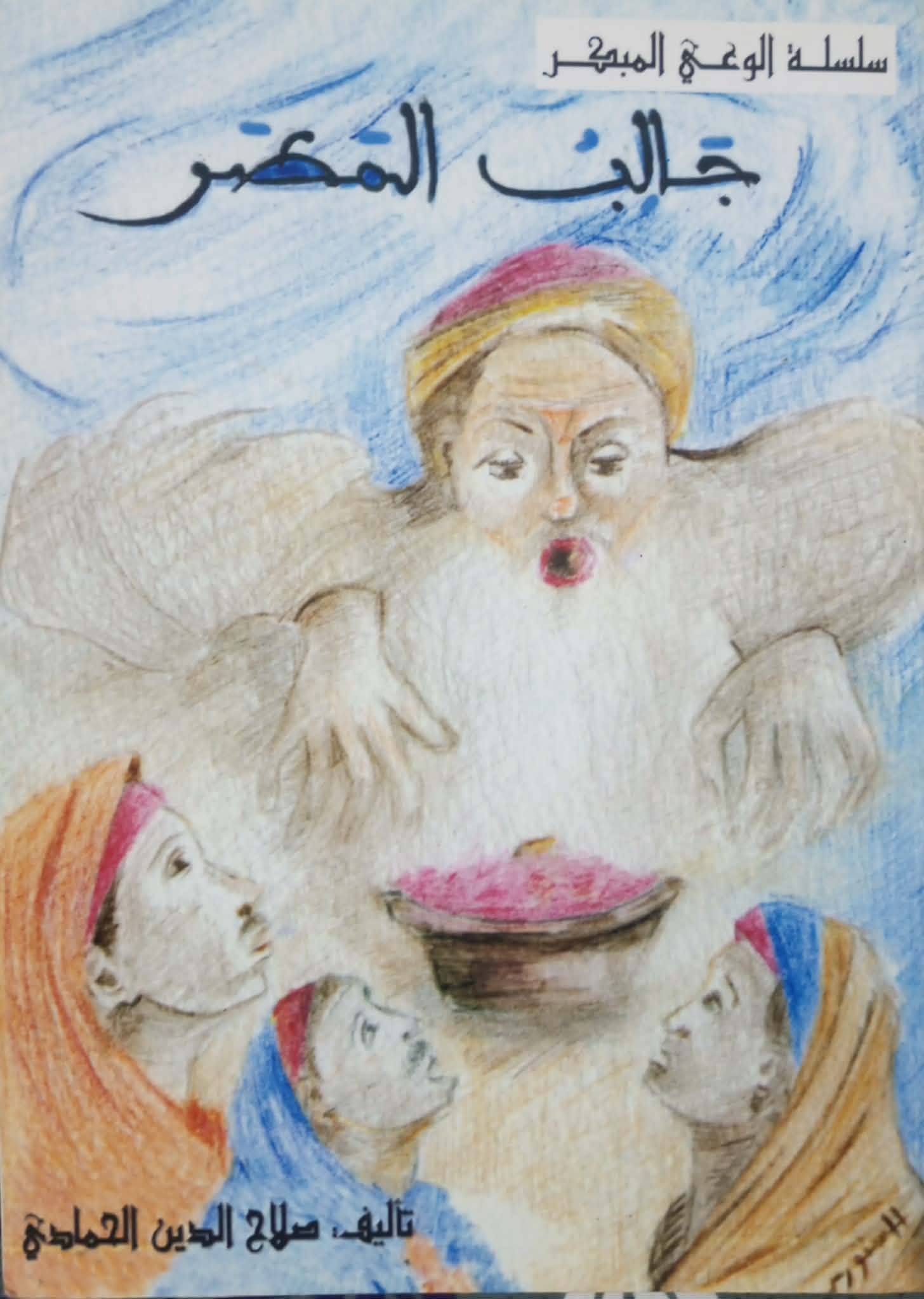
    ضمن سلسلة “الوعي المبكر” أصدر القاص والشاعر صلاح الدين الحمادي قصة “جالب المطر” وأمنت الرسومات الفنانة التشكيلية كوثر التستوري والتي قالت الكثير كعلامات اليأس والقلق على الأراضي المهددة بالجفاف  و الأزياء التقليدية و الأواني القديمة  كبراد الشاي والكانون وبعض معالم  القرية كالدور والمسجد ومجلس الدجل والشعوذة والدهشة الظاهرة على وجوه أهالي القرية في فترات مختلفة من السرد  ومنها  بعد ضياع كل شيء.

     فما هي الأشياء التي ضاعت؟ وكيف ضاعت ؟ ومن  المتسبب 

    فيها؟ كل هذه  الأسئلة حيكت أجوبتها ضمن سردية طريفة مررت  وعيا  مبكرا بالوقوف على إعمال العقل وأن الجهل مصيبة والمشعوذون كاذبون 

    اختار القاص  بيئة ريفية  أين يترعرع  الجهل والتجهيل وتكثر بها  الزوايا والمشعوذين لقلة المتمدرسين  ولتفشي  الجهل المقدس  الذي تتوارثه الأجيال  مع أسباب ومسببات أخرى  تكون فرصة ومجالا  للاستثمار أمام الجفاف الذي أ قلق جموع المزارعين والفلاحين فتشققت الأرض وجاع الصغار وأنهكت الحيوانات حتى قال الكاتب “هذا الجفاف الذي ألم بالقرية فكاد يهلك زرعها وضرعها”.

     وانتهت مشاورات كبار القرية على الذهاب إلى الشيخ موسى صاحب الكرامات والخوارق أين رفض السيد ثابت هذا الحل الذي تم اقتراحه أولا من طرف زوجته الذي نعتها بالساذجة ناقدا بعد ذلك موقف الجمع الذي اتفق للذهاب للمشعوذ  لجلب البركة والأمطار عن طريق ما ستجود به ترهاته  ولأن الصورة ارتسمت في أذهانهم  وبركاته تجعلهم يقصدونه قضاء حوائجهم ومطالبهم  . وقد تم اللقاء في جو من الرهبة من الجلوس على ” دكة في ركن من الكوخ  تعلو رأسه قطعة قماش سوداء  ملفوفة  فوق  شاشية  تحول لونها الأحمر بفعل القدم إلى السواد “مع لحية بيضاء طويلة متدلية في شكل  مثلث دقيق مستنجدا بقاموس ديني تخديري  ليعطى لحديثه  هالة دينية تخرج من فم متدين يخاف الله مثل 

    ” أسغفر الله  و”إنما كل شيء مقدر من الله “والابتلاء والصبر وأحرق بعض البخور لتتحول الأحوال إلى أحوال أخرى  فمن القلق والحيرة على الأرض والزرع إلى السرور والرضا بعد أن اعترفوا أن كلامه موعظة وحكم  وقد غادروا الكوخ وقد ” تهللت وجوه المزارعين ابتهاجا وارتياحا  ولهجت ألسنتهم بالدعاء للشيخ والثناء عليه  “.

    لتنتصر البصيرة وإعمال  العقل على الجهل المقدس والغباء المستفيض بعد انكشاف الغفلة   فقد سرق المشعوذ كل ثروتهم الحيوانية إلا  حيوانات ثابت الذي  أصر أن الشيخ موسى مشعوذ كذاب رغم  رأي الجماعة وبقي يصدق إحساسه حتى صدقته الأحداث والوقائع.

    كما  قدم النص العديد من المعلومات التي  تفتح  أبواب البحث والاستثمار مثل  الحياة الريفية ببنيانها  الخاصة كالحوش الكبير والمخزن أو كوخ  ” مبني  بالطين والحجارة ومسقوف بجذوع الزيتون تغطيها طبقة من التراب  المخلوط بالنخالة التي  لها دور كبير  في شد التربة وتقويتها عند البناء كانت الغرفة   ذات شكل مستطيل وبها نافذة واحدة وباب صغير “  والأكلات الشعبية مثل فطور  الصباح المتكون  من  خبز القمح الساخن وزيت الزيتون والبيض المسلوق المملح وعادة هذه القرى  الاجتماع للعب الورق  أو الحديث في شؤون القرية يتم بأحد الحوانيت  أو تحت جدار الحانوت ليقول النص ليقول النص “لما وصل كانت مجموعة من المزارعين قد اجتمعت تحت جدار الحانوت كانوا يناقشون  أمر الجفاف “  .

    لم يحدد الكاتب زمن الأحداث ومسارها وهي نقطة يمكن التواصل معها عند استثمار هذه القصة وحديث الأمطار يحيلنا لفصل محدد  والزمن الأبعد  يمكن أن يكون ذات زمن ما في إحدى القرى النائية وتواصل  النص  مع الرموز العددية والرقمية و التي تشكل إحدى ركائز النص السردي الموجه للأطفال لمزيد المد الغرائبي والعجائبي  فقد ذكر السارد برقم ثلاثة في ثلاثة مواضيع انتقال الفلاحين بعد ثلاث ساعات وستنزل الأمطار بعد ثلاثة أيام  كما خبر بذلك المشعوذ وها هي الشمس قد ارتفعت قدر ثلاثة أذرع   ليختم السارد قصته بقصيدة ” الفلاح “وب10أبيات حمل قصيدته  العديد من الأفكار كتضحية الفلاح وتعبه موجها له ألف تحية لما يقدمه لأهل المدائن ….. 

    كان نص “جالب المطر” للقاص صلاح الدين الحمادي  نصا يؤسس لوعي مبكر مقدسا العقل رافضا الشعوذة والمشعوذين  داعيا عبر بطله للتحصن بالعقل  حتى وإن قابله الآخر بالنكران والجحود وأن نتمسك بالعقل ويكون لنا نبراسا  وراية نستظل بها دائما ودوما ونحن نسلك طريق الحق والحياة بكل معانيها

  • The British University in Egypt: Symposium on Digital Education, and China’s Model  

    The British University in Egypt: Symposium on Digital Education, and China’s Model  

    The British University in Egypt Hosts High-Level Symposium on Digital Education, Highlighting China’s Model as a Strategic Inspiration for Global Higher Education Transformation
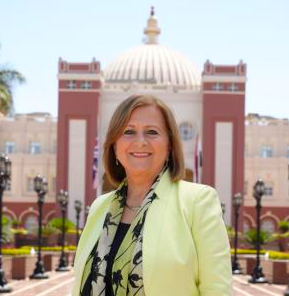
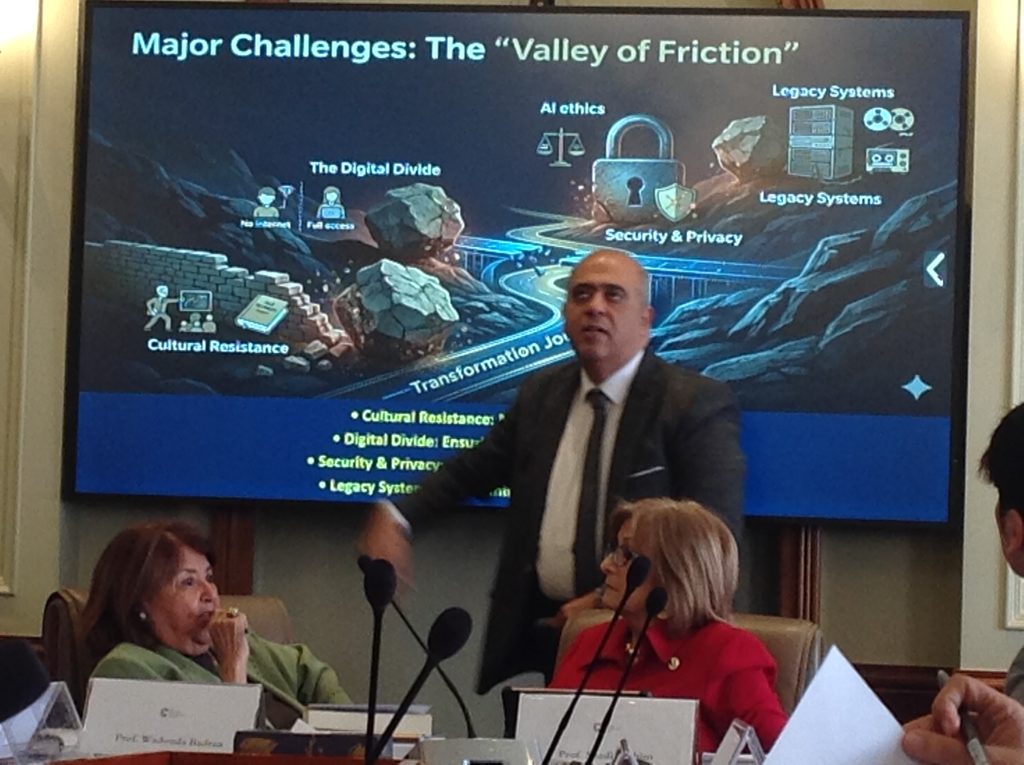
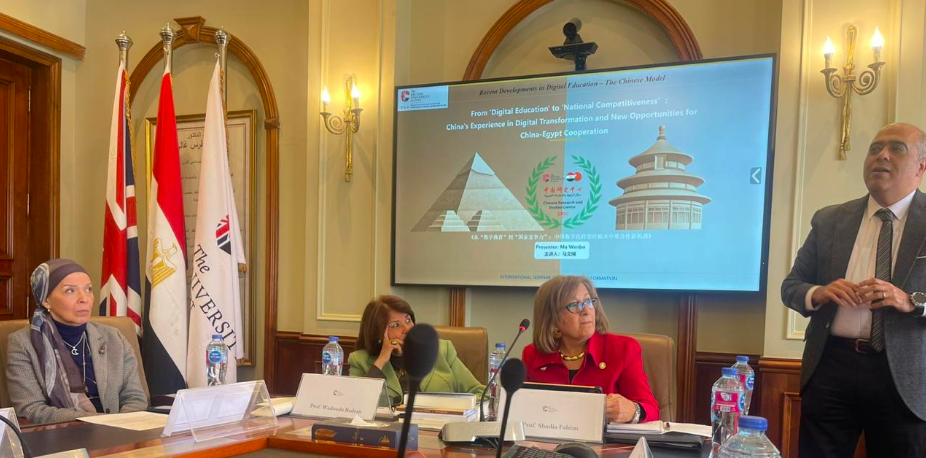
    Prof. Shadia Fahim Dean of The Faculty of Arts & Humanities, The British University in Egypt (BUE)

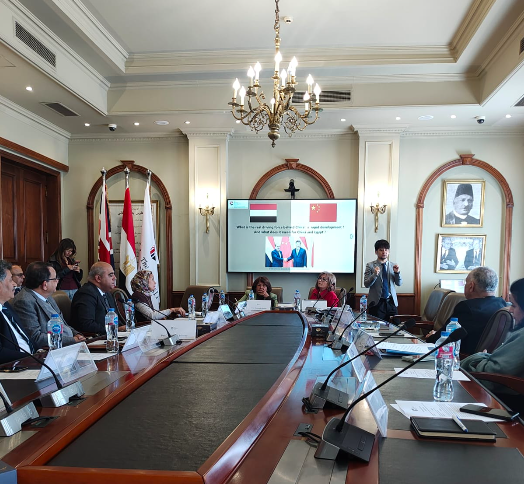
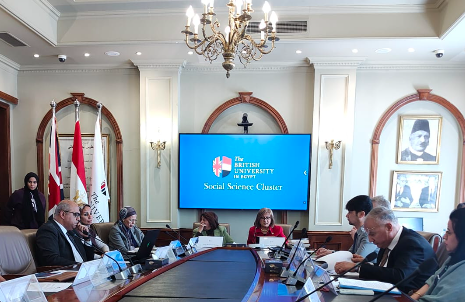
    The British University in Egypt convened a high-profile Social Sciences Cluster Symposium on Monday, March 30, titled “Recent Developments of Digital Education: China – a Model for Inspiration?” at the Boutrous Ghali Conference Room, bringing together leading academics, policymakers, and experts to examine the transformative impact of digitalization on higher education worldwide.

    The symposium was co organized with the faculty of Business Administration,Economics and Political Science. 

    Moderated by Professor Dr. Shadia Fahim, Dean of the Faculty of Arts and Humanities, the symposium provided a comprehensive platform for discussing how digital transformation has evolved into a central strategic pillar shaping institutional competitiveness, redefining academic standards, and bridging geographic and socio-economic disparities in education. The event underscored that digitalization is no longer a reactive or supplementary tool, but rather a proactive, state-driven strategy, as exemplified by China’s model, which positions education at the core of national development and global leadership in the knowledge economy.

    The symposium opened with an in-depth presentation by Dr. Mina Mounir Labib (above), Head of the Digital Transformation Component (Digitalization Fund Program) and Professor at Ontario Tech University, who articulated a paradigm shift from IT-led initiatives to strategy-led educational ecosystems. Through a rich set of data-driven examples and visual presentations, he introduced the concept of the “Intelligent University,” built upon four foundational pillars, and examined institutional challenges through the lens of the “Valley of Friction,” where digital ambitions often face operational resistance. He further outlined a strategic roadmap tailored for Egypt, emphasizing that data has become the most critical institutional asset in designing agile, student-centered learning environments and redefining the overall student value proposition in higher education.
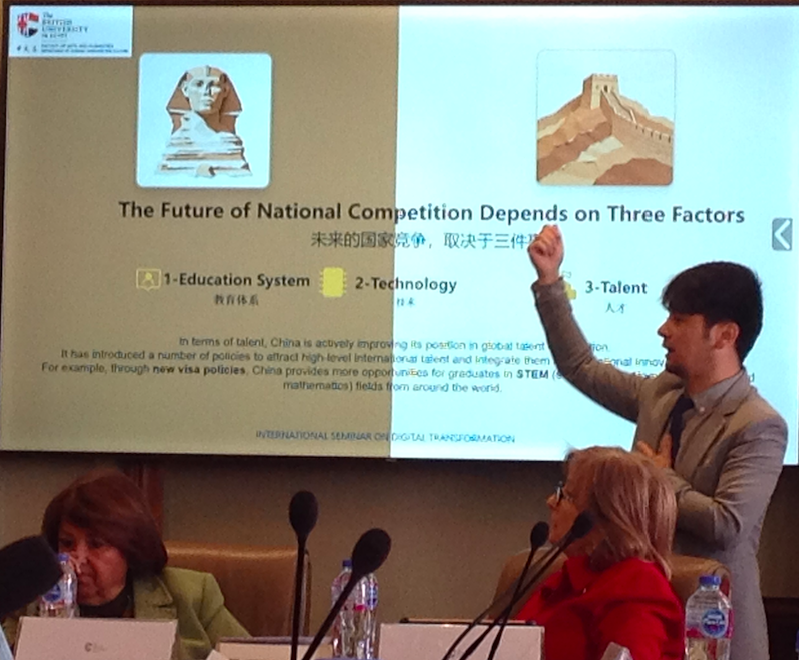
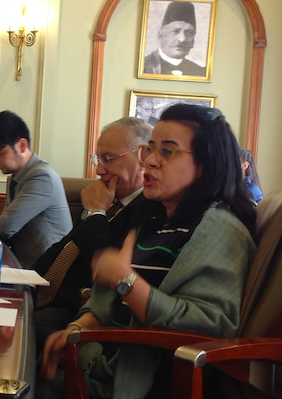
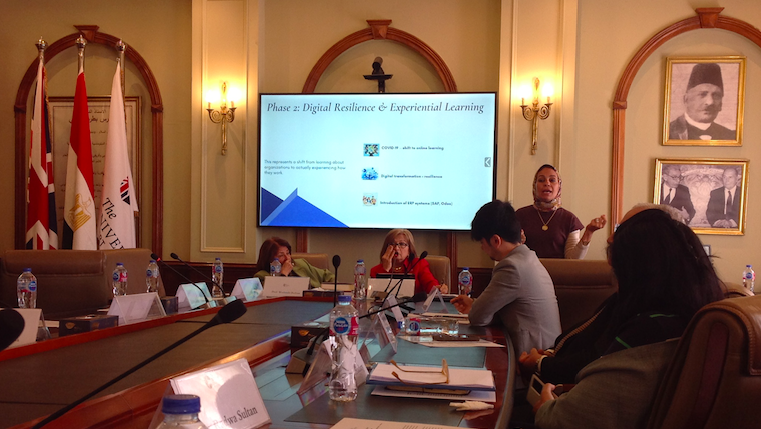
    . Ma Wen Bo ،Prof. Shadia Fahim

    Building on this framework, Mr. Ma Wen Bo (Ismail), Assistant Director of the Confucius Institute at Suez Canal University, delivered a compelling analysis of China’s digital education transformation, highlighting its shift from fragmented, profit-driven educational models to a cohesive national vision aligned with long-term strategic goals such as the “Education 2035” modernization plan. His presentation showcased how China has successfully transitioned from ensuring “justice of access” to prioritizing “justice of quality,” thereby enhancing educational outcomes and strengthening its position in the global talent race. Through engaging video materials and comparative reflections drawn from his teaching experiences in both China and Egypt, he provided valuable insights into differences in student engagement, learning environments, and institutional priorities, as well as the emerging challenge of achieving “skill fit” in a rapidly evolving global labor market.

    Dr. Hoda ElHadary

    The third session, presented by Dr. Hoda ElHadary from the Department of English Language and Literature at the Faculty of Arts and Humanities, explored the profound implications of digital transformation for the Humanities. She demonstrated how the integration of computational tools and data analytics has reshaped disciplines such as literature, philosophy, and cultural studies, transforming them into dynamic, interdisciplinary fields that combine traditional scholarship with digital methodologies. Her presentation emphasized the rise of Digital Humanities as a key area of innovation, enabling broader access to knowledge, enhancing research capabilities, and modernizing curricula to better prepare graduates for the demands of a digital knowledge economy. She also drew connections to the strategic framework presented earlier, reinforcing the importance of aligning technological innovation with academic vision.

    In the final session, Prof. Wafaa Salah from the Faculty of Business Administration, Economics, and Political Science, examined the evolution of teaching and learning in social sciences over the past decade. Her presentation highlighted key phases of digital transformation, focusing on the adoption of interactive learning platforms, the development of digital resilience through experiential learning using enterprise systems, and the increasing reliance on data-driven education models. She also stressed the importance of strengthening partnerships with industry to provide students with access to professional tools, certifications, and real-world applications, thereby enhancing employability and aligning academic outcomes with labor market needs.

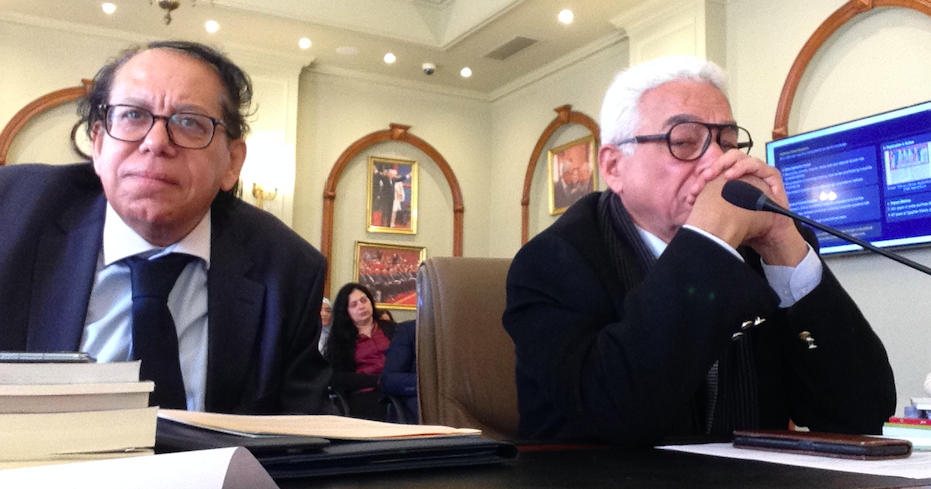
    The symposium concluded with thoughtful interventions from Ambassador Aly El-Hefny, Director of the Egypt Africa Center at the university and former Egyptian Ambassador to China (above, right), who called for the development of a forward-looking strategy to deepen Egypt-China cooperation in digital education, drawing on his extensive diplomatic experience. In addition, Dr. Diaa Helmy Al-Faki emphasized in his concluding remarks that successful digital transformation requires not only technological readiness but also effective cultural management to ensure institutional and societal adaptation.
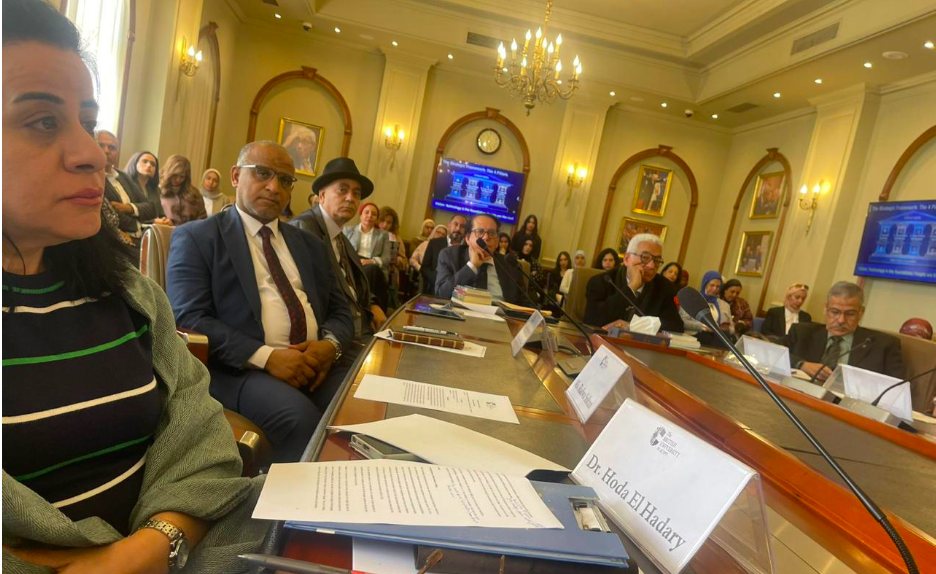
    The event ultimately reaffirmed the British University in Egypt’s commitment to fostering critical dialogue, advancing innovative educational models, and positioning itself at the forefront of digital transformation in higher education both regionally and globally.
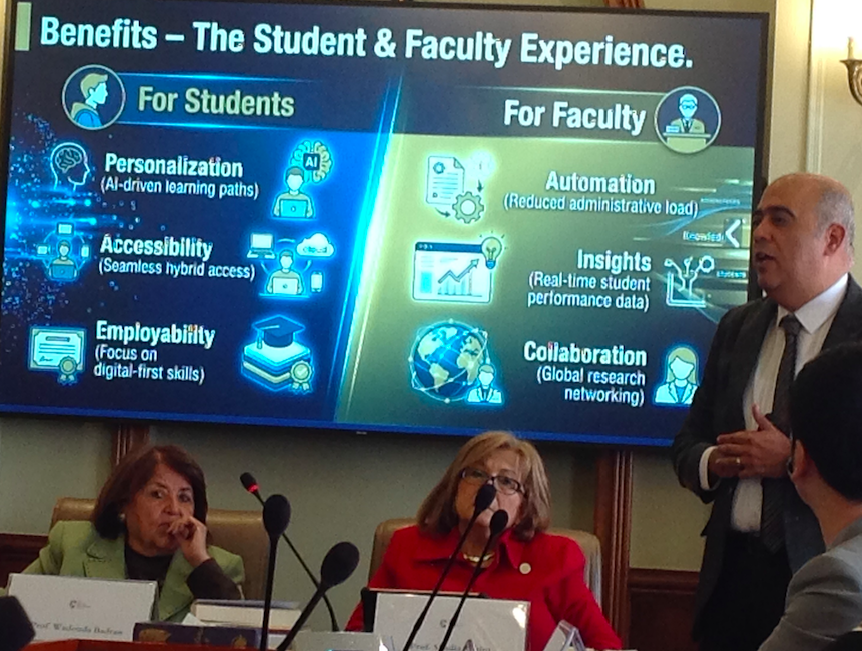
  • الجامعة البريطانية في مصر : التعليم الرقمي والنموذج الصيني 

    الجامعة البريطانية في مصر : التعليم الرقمي والنموذج الصيني 

    بروفيسور شادية فهيم عميدة كلية الآداب والعلوم الإنسانية

    استضافت الجامعة البريطانية في مصر British University in Egypt ندوة متميزة ضمن تجمع العلوم الاجتماعية صباح اليوم (الاثنين 30 مارس 2026)، بعنوان «التطورات الحديثة في التعليم الرقمي: الصين نموذجًا للإلهام؟»، وذلك بقاعة بطرس غالي للمؤتمرات، بمشاركة نخبة من الأكاديميين والخبراء وصنّاع القرار، لمناقشة التأثيرات العميقة للتحول الرقمي على منظومة التعليم العالي عالميًا.

    تم تنظيم الندوة بشكلٍ مشترك مع كلية إدارة الأعمال والاقتصاد والعلوم السياسية وأدارتها بروفيسور شادية فهيم عميدة كلية الآداب والعلوم الإنسانية، حيث وفّرت منصة علمية متكاملة لبحث كيف أصبح التحول الرقمي ركيزة استراتيجية أساسية تعيد تشكيل تنافسية المؤسسات التعليمية، وتُعيد تعريف المعايير الأكاديمية، وتسهم في تقليص الفجوات الجغرافية والاجتماعية في التعليم. وأكدت الندوة أن الرقمنة لم تعد مجرد أداة مساندة، بل أصبحت خيارًا استراتيجيًا تقوده الدول، كما يتجلى في التجربة الصينية التي تضع التعليم في صميم التنمية الوطنية وتعزيز الحضور في اقتصاد المعرفة العالمي.

    استُهلت أعمال الندوة بمحاضرة معمّقة قدّمها د. مينا منير لبيب رئيس مكوّن التحول الرقمي (برنامج صندوق الرقمنة) والأستاذ بجامعة أونتاريو للتكنولوجيا، حيث عرض تحولًا جذريًا من مبادرات تقودها تكنولوجيا المعلومات إلى منظومات تعليمية تقودها الاستراتيجيات. ومن خلال أمثلة مدعومة بالبيانات وعروض بصرية متقدمة، قدّم مفهوم «الجامعة الذكية» القائم على أربعة ركائز أساسية، كما تناول تحديات التنفيذ عبر مفهوم «وادي الاحتكاك» الذي يواجه الطموحات الرقمية داخل المؤسسات. وطرح كذلك مسارًا استراتيجيًا ملائمًا لمصر، مؤكدًا أن البيانات أصبحت أهم الأصول المؤسسية في تصميم بيئات تعليمية مرنة تتمحور حول الطالب، وإعادة صياغة القيمة التعليمية المقدمة له.

    ما وين بو Mr. Ma Wen Bo (إسماعيل)، نائب مدير معهد كونفوشيوس بجامعة قناة السويس

    وفي السياق ذاته، قدّم د. ما وين بو Mr. Ma Wen Bo (إسماعيل)، نائب مدير معهد كونفوشيوس بجامعة قناة السويس، عرضًا تحليليًا لتجربة الصين في التحول الرقمي للتعليم، موضحًا انتقالها من نماذج تعليمية متفرقة قائمة على الربح إلى رؤية وطنية موحدة تستند إلى أهداف استراتيجية طويلة المدى مثل خطة «التعليم 2035». واستعرض كيف تحولت الصين من تحقيق «عدالة الإتاحة» إلى «عدالة الجودة»، مما عزز مخرجات التعليم ودعم موقعها في سباق المواهب العالمي. كما عرض موادا مرئية متميزة، وقدم مقارنات مستندة إلى خبراته التدريسية في الصين ومصر، تناولت اختلافات بيئات التعلم وتفاعل الطلاب، فضلًا عن تحدي تحقيق التوافق بين المهارات واحتياجات سوق العمل.

    د. هدى الحضري

    وفي العرض الثالث، تناولت د. هدى الحضري من قسم اللغة الإنجليزية وآدابها بكلية الآداب والعلوم الإنسانية أثر التحول الرقمي في إعادة تشكيل العلوم الإنسانية، موضحة كيف أسهم دمج الأدوات الحاسوبية وتحليل البيانات في تطوير تخصصات مثل الأدب والفلسفة والدراسات الثقافية، وتحويلها إلى مجالات تفاعلية عابرة للتخصصات. وأكدت أن الإنسانيات الرقمية أصبحت مجالًا محوريًا للابتكار، يوسع نطاق الوصول إلى المعرفة، ويعزز قدرات البحث العلمي، ويحدث المناهج الدراسية بما يواكب متطلبات اقتصاد المعرفة الرقمي، مع ربط ذلك بالإطار الاستراتيجي الذي طُرح في الجلسات السابقة.

    أما الكلمة الختامية، فقد قدمتها بروفيسور وفاء صلاح من كلية إدارة الأعمال والاقتصاد والعلوم السياسية،   حيث ناقشت تطور تدريس العلوم الاجتماعية خلال العقد الماضي في ظل التحول الرقمي، مع التركيز على منصات التعلم التفاعلي، وتنمية المرونة الرقمية عبر التعلم التطبيقي باستخدام أنظمة المؤسسات، وأهمية التعليم القائم على البيانات. كما شددت على ضرورة تعزيز الشراكات مع القطاع الصناعي لتوفير أدوات مهنية وشهادات معتمدة وفرص تطبيق عملي، بما يسهم في رفع جاهزية الخريجين وتوافقهم مع متطلبات سوق العمل.

    بروفيسور وفاء صلاح

    واختُتمت الندوة بمداخلات ثرية من السفير علي الحفني  مدير مركز مصر أفريقيا بالجامعة والسفير المصري الأسبق لدى الصين، الذي دعا إلى وضع رؤية مستقبلية لتعزيز التعاون بين مصر والصين في مجال التعليم الرقمي، مستندًا إلى خبرته الطويلة في العلاقات الثنائية.

    السفير علي الحفني (يمينا) والدكتور ضياء حلمي الفقي

    كما أكد الدكتور ضياء حلمي الفقي في كلمته الختامية أن نجاح التحول الرقمي لا يعتمد فقط على التكنولوجيا، بل يتطلب إدارة واعية للثقافة المؤسسية والمجتمعية لضمان التكيف الفعّال مع هذا التحول.

    وتعكس هذه الندوة التزام الجامعة بدعم الحوار العلمي، وتعزيز الابتكار، وترسيخ مكانتها كمؤسسة رائدة في مجال تطوير التعليم العالي رقميًا على المستويين الإقليمي والدولي.