مقال أدبي | السير في صحبة الجنيات
thesilkroadtoday
- نوفمبر 13, 2026

Editor-in-Chief: Dr. Ashraf Aboul-Yazid
Editor-in-Chief: Dr. Ashraf Aboul-Yazid
 مقال أدبي | السير في صحبة الجنيات
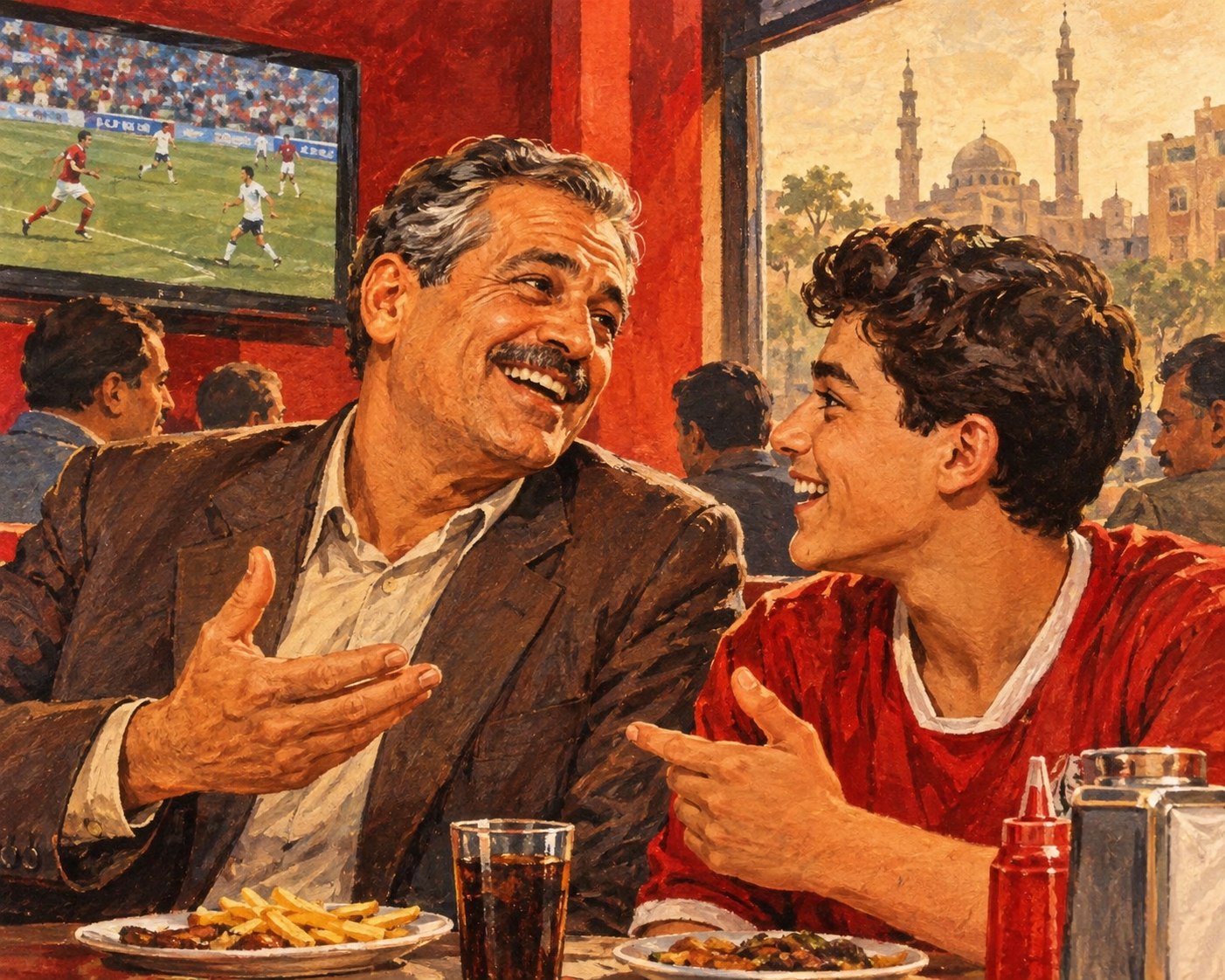 الرجل الذي نسي أنه يموت
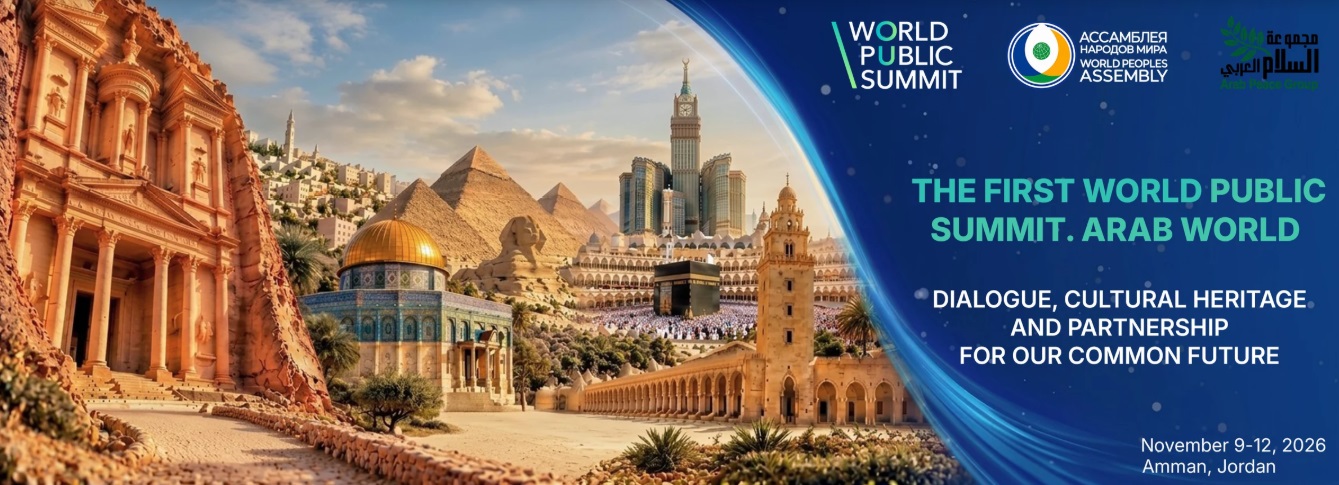
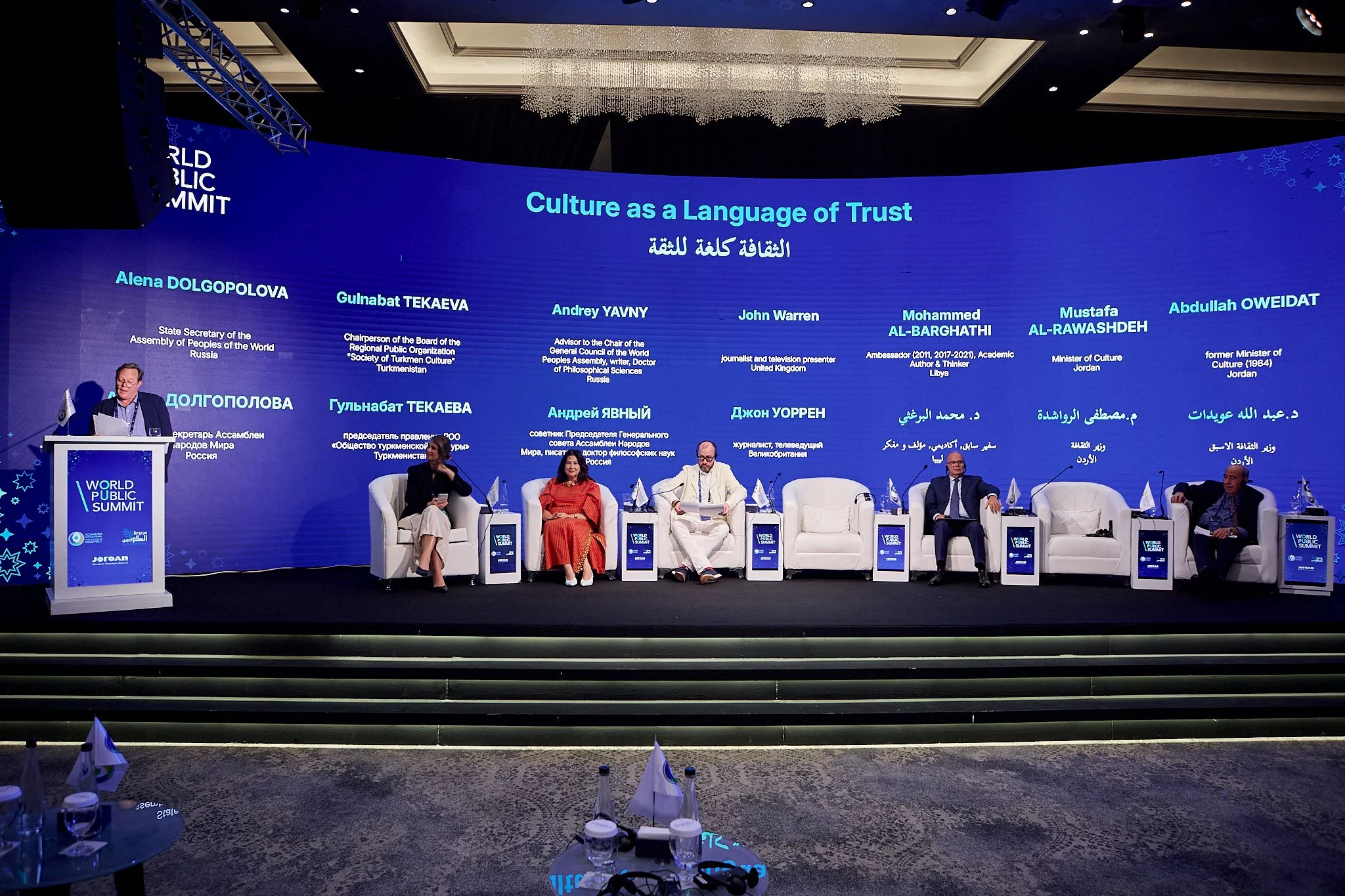 الثقافة جسر بين الشعوب: قمة عمّان تناقش الذاكرة التاريخية والحوار الحضاري
 For an African Literary Sovereignty Open to the World
 الخيالات الأفريقية والعالمية تحتفي بها الرباط
 The Pokhrelian Stanzas: A Manifesto for Compact Syllabic Verse
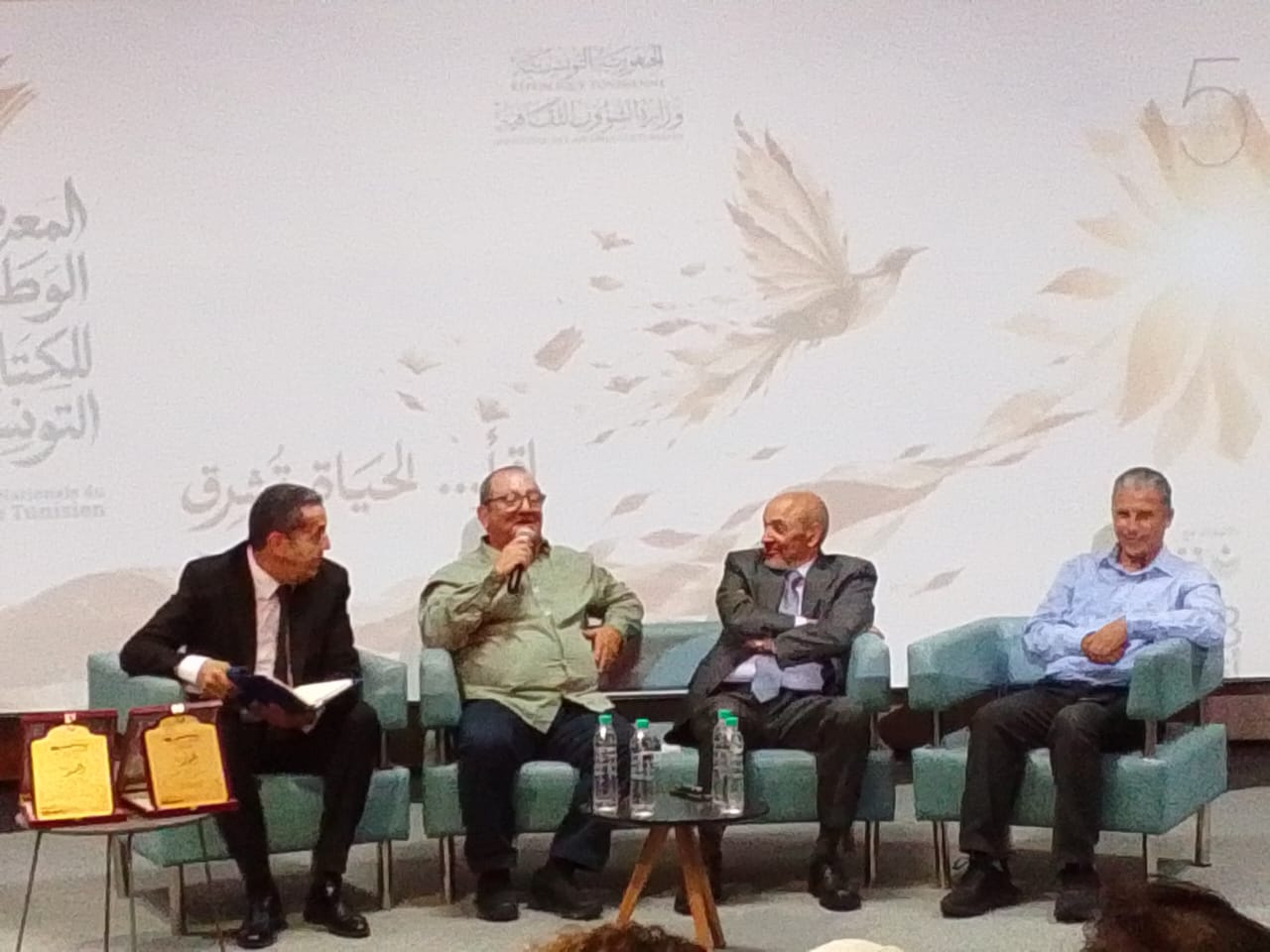
 في حب تونس … حوار المشاهد والشواهد
 الشاعر والسهوب والإنسان: قراءة نقدية في العالم الشعري لأولوغبيك يسداوليتوف
 A Journey Beyond Earth: Meeting Russian Cosmonaut Oleg Skripochka in Ammanthesilkroadtodaythesilkroadtodaythesilkroadtodaythesilkroadtodaythesilkroadtodaythesilkroadtodaythesilkroadtodaythesilkroadtodaythesilkroadtodaythesilkroadtodaythesilkroadtodaythesilkroadtodaythesilkroadtodaythesilkroadtodaythesilkroadtodaythesilkroadtodaythesilkroadtodaythesilkroadtodaythesilkroadtodaythesilkroadtodaythesilkroadtodaythesilkroadtodaythesilkroadtodaythesilkroadtodaythesilkroadtodaythesilkroadtodaythesilkroadtodaythesilkroadtodaythesilkroadtodaythesilkroadtodaythesilkroadtodaythesilkroadtodaythesilkroadtoday
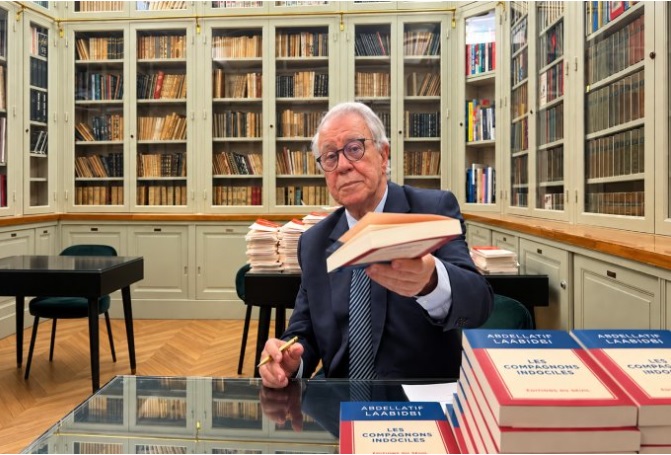
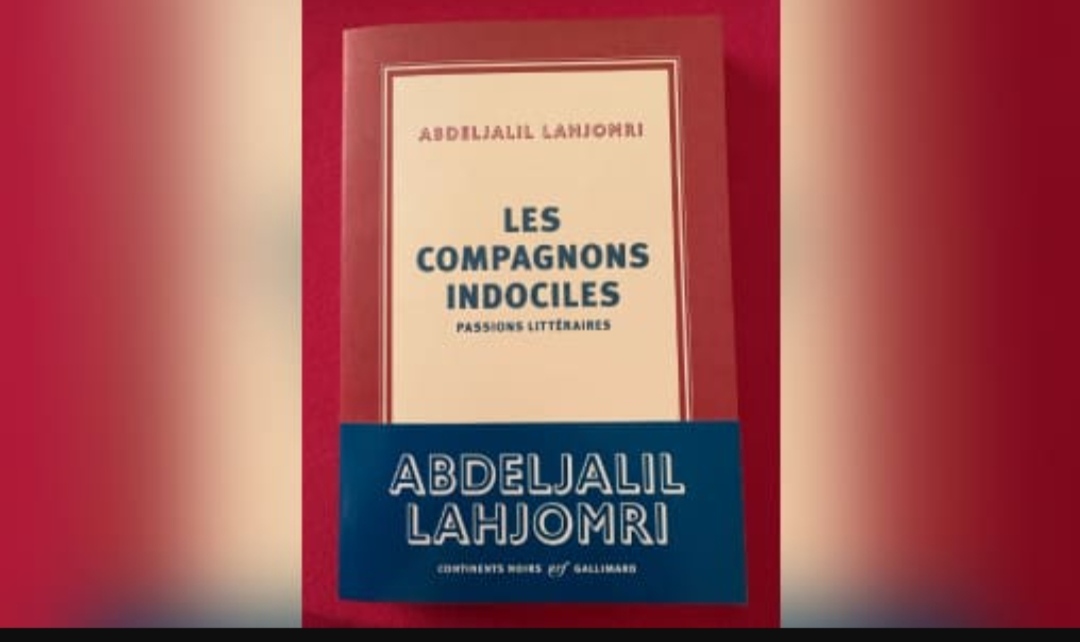
بقلم كارولين شيماران قراءة في كتاب «الرفاق المتمرّدون» لعبد الجليل لحجمري صدر كتاب «الرفاق المتمرّدون» لعبد الجليل لحجمري عن دار غاليمار للنشر في 8 أكتوبر 2026. في زمن تستأثر…
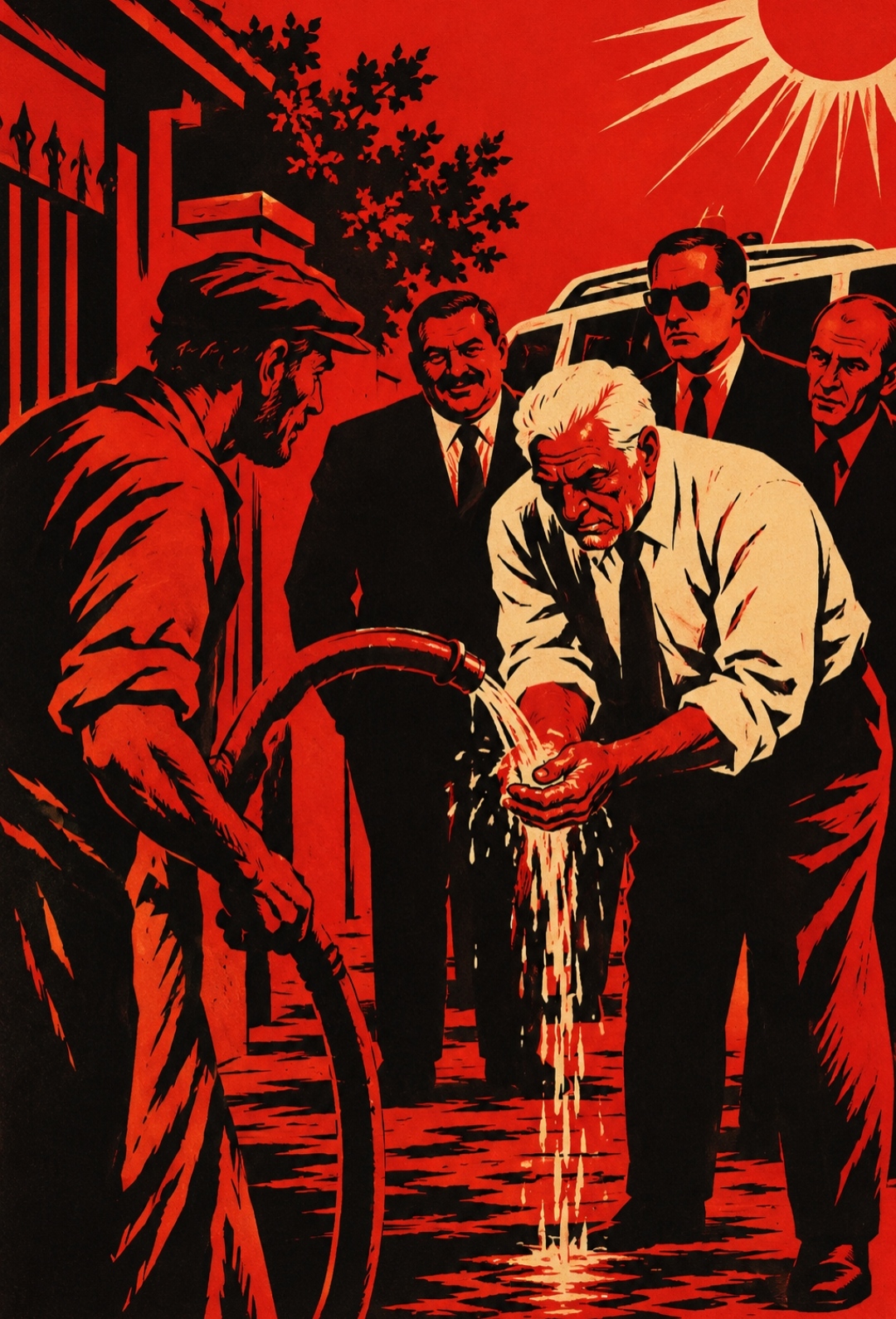
thesilkroadtodayقصة حسين عبد البصير في السابعة صباحًا، وقف الرجل أمام المرآة، واكتشف شعرة بيضاء جديدة. اقترب منها كما يقترب محقق من مشتبه به في قضية غامضة. أمال رأسه إلى اليمين،…
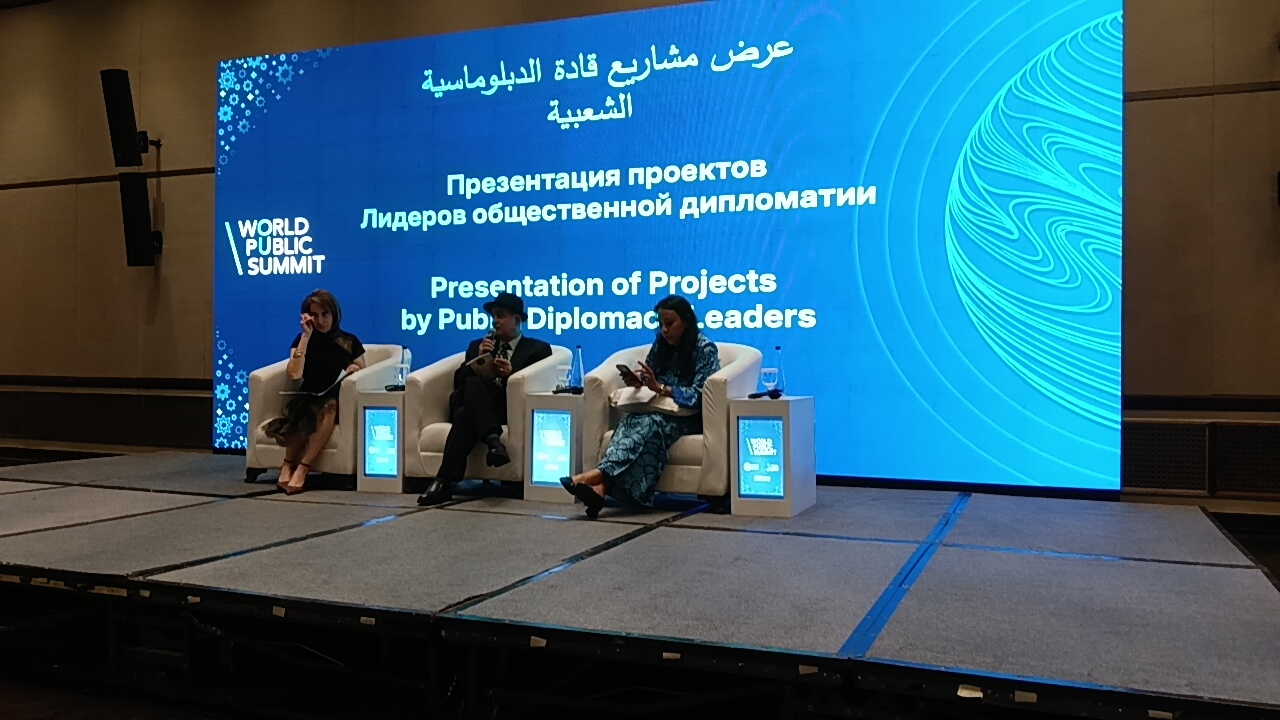
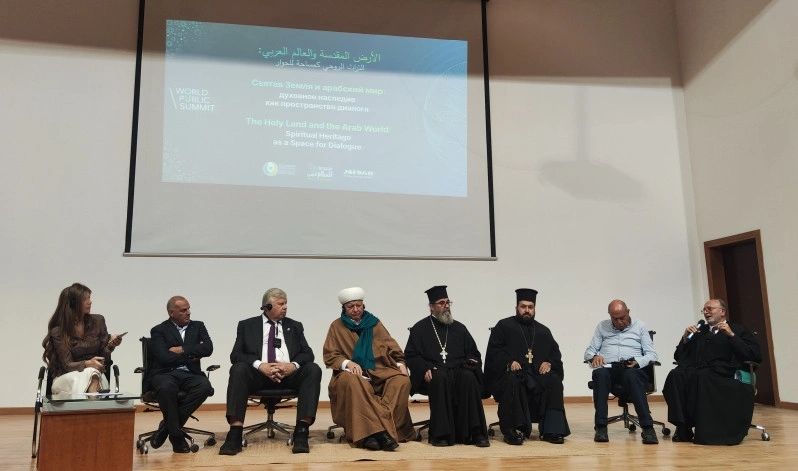
thesilkroadtodayعُقدت جلسة حوارية بعنوان «الثقافة لغة للثقة» في 10 نوفمبر 2026 بالعاصمة الأردنية عمّان، ضمن أعمال القمة العالمية العامة الأولى: العالم العربي – الحوار والتراث الثقافي والشراكة من أجل مستقبل…
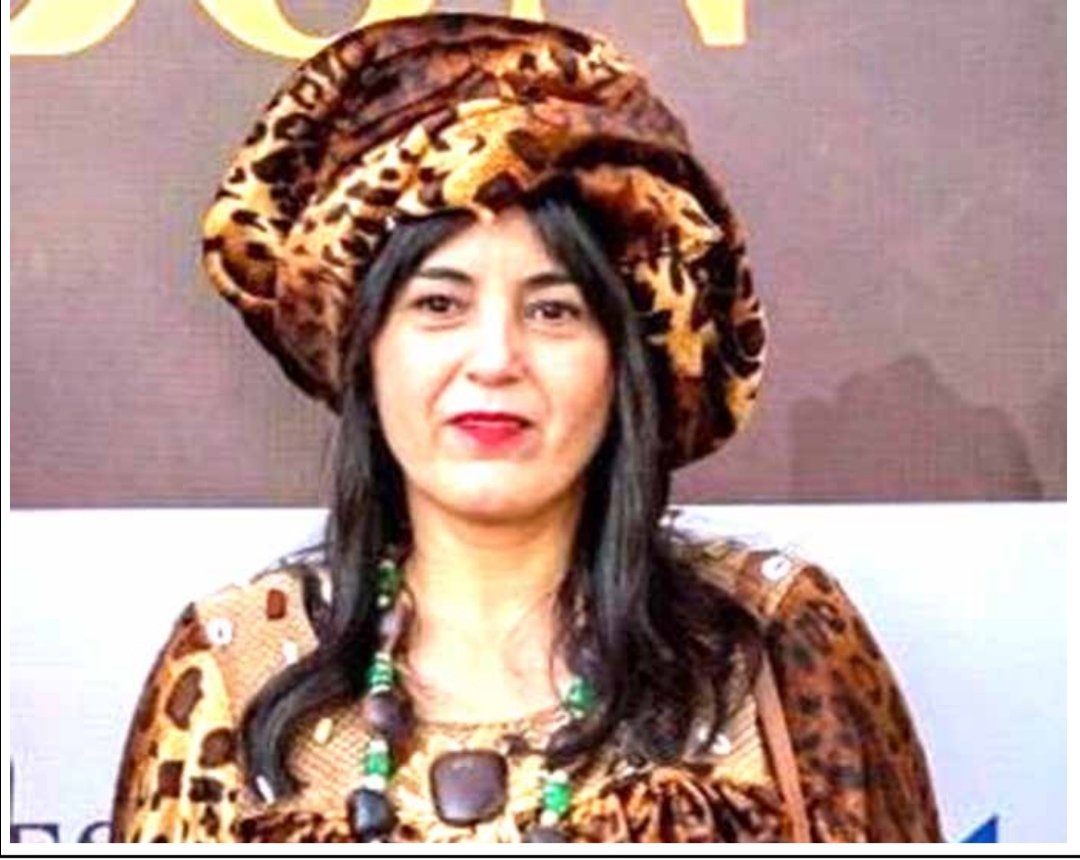
thesilkroadtodayAn interview with Dr. Rabiaa Marhouch, writer and founder of Africamoude Publishing House in Rabat, Le Chasseur Infos – Actualité / Culture, 10 November 2026 Dr. Rabiaa Marhouch, a scholar…
thesilkroadtodayبقلم: سيلفان تيمامو في أجواء خضراء تنعم بالسكينة، وتوفر مناخاً ملائماً للحوار الهادئ، شارك وفد كاميروني، برئاسة السيناتور وصاحب الجلالة تشانغا مانغا السادس، على مدى ثلاثة أيام، في اللقاءات…
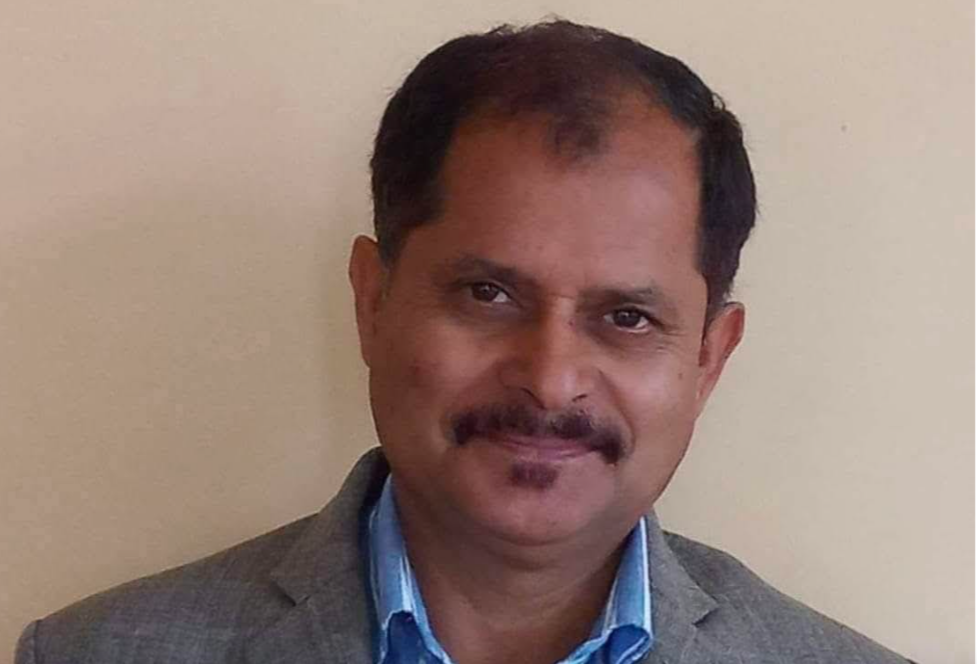
thesilkroadtodaySantosh Kumar Pokharel Multilingual Poet and Writer Inventor of the Pokhrelian Stanzas Bhaktapur, Nepal pokharel.santosh@gmail.com — Abstract This manifesto describes the Pokhrelian Stanzas, also circulated as #pokhreliknots, a stanzaic form I developed in Nepal between 2024 and 2026. To my knowledge, the haiku has brevity, seasonal reference, and the cutting word, but it does not have frame rhyme, a marked apex, or a symmetrical syllabic contour. I brought this poetry style for poets across cultures, so that the short poem might carry closure as well as compression, a summit as well as a silence, and a contour the eye can see as well as a shape the ear can hear. The form rests on the Law of Return: the first and last lines of every stanza rhyme or near-rhyme. This law is combined with a symmetrical syllable pattern that expands to a central apex and contracts again. Two families have emerged: the Morphosemantic Triangulum, in which the apex is a single line, and the Morphosemantic Trapezium, in which the apex is doubled. A third, polysyllabic variant permits extended lyric and argumentative composition. Beyond the frame rhyme the form admits an optional second order of sound: intermittent end-rhyme among the intermediate lines, which I have used in several poems to smooth the stanza’s flow and bind its interior. The stanza’s syllabic contour is not decorative but morphosemantic: the shape of the stanza carries the shape of its meaning. The form is written without punctuation, and this is its beauty: the unpunctuated stanza compels the reader to think over each stanza before jumping ahead. It is now being written in English, Nepali, Hindi, and Bangla. This manifesto sets out what the form offers that the haiku, free verse, blank verse, and the classical sonnet do not. It is written from inside the form. It is a poet’s account of a structure he made, offered to other poets to use or to refuse. The Knot is tied; the poem is released. Keywords: Pokhrelian Stanzas; #pokhreliknots; syllabic verse; frame rhyme; near-rhyme; intermittent rhyme; morphosemantics; stanzaic form; comparative poetics; Nepali poetry; manifesto — Introduction:A Form That Obliges For most of the last century the short poem in English has been written in free verse. The line has grown longer or shorter at the poet’s pleasure; rhyme has been used when it suited and dropped when it did not; and form has been a matter of individual invention rather than inherited discipline. The haiku, the most widely practiced short form in the world, is governed principally by brevity and by seasonal reference. The sonnet, the most durable fourteen-line form, is still governed by line count, but its rhyme scheme has been relaxed almost everywhere to the point of abandonment. I have no quarrel with any of these. I have written in them myself. But I came to feel, after several thousand poems, that the short poem had lost something it once had: a sense that the poem’s shape was not the poet’s private decision but a structure the poem was written into. I wanted a form that would oblige me. Not a form that would confine me, but one that would make demands I could not evade by writing more loosely. The Pokhrelian Stanzas are the result. I began with a three-line stanza in March 2024 and called it the Trentet. I extended it to five lines, then seven, then fourteen, then twenty, then twenty-five, and the form took the name #pokhreliknots and later the Pokhrelian Stanzas. It has since been taught in workshops in Nepal, presented at Tribhuvan University and at Janata Multiple Campus in Udayapur, and taken up by poets in Nepal, India, the Philippines, and elsewhere. This manifesto describes what the form is, how its shape carries meaning, and what it offers the contemporary poet. It is written from inside the form. I invented it, I have written in it for two years, and my judgement of it is not neutral. I say this at the outset because a reader should know what kind of document this is. It is not a survey and not a reception study. It is a poet’s manifesto, offered to the poets across the continents to try it in their poetry crafting. — TheManifesto: Ten Theses Rhymeis architecture. A rhyme that can be dropped is ornament; a rhyme that cannot be dropped is structure. The Pokhrelian Stanza is built on the second kind. TheLaw of Return. In every stanza, the first and last lines rhyme or near-rhyme. A stanza in which they do not is not a Pokhrelian Stanza, whatever else it may be. III. The shape carries the meaning. The stanza rises to an apex and falls again. The ascent gathers; the apex holds; the descent releases; the frame returns. This is the morphosemantic principle. Theapex may be single or doubled. In the Triangulum the apex is one line; in the Trapezium it is two. The single apex states; the doubled apex reverberates. Thecount is exact and visible. Every line has a specified syllable count, and the counts rise and fall symmetrically. The shape is visible on the page before a single word is read. Theinterior is the poet’s. Intermittent rhyme among the middle lines is licensed, not required. It sets the stanza’s temperature; the frame guarantees its closure. VII. The form scales. The same law governs three lines and twenty-five. The poet chooses the span; the form guarantees the shape. VIII. The form travels. It is defined by counts and rhymes, not by metre or by any one language’s prosody. It is now being written in English, Nepali, Hindi, and Bangla, and presumably in other languages. Thepoet accepts the obligation. The form makes demands that cannot be evaded by writing loosely. The obligation, once accepted, generates the poem. Theform is offered, not imposed. Take it. Tie the Knot. Release the poem. — TheoreticalFraming …
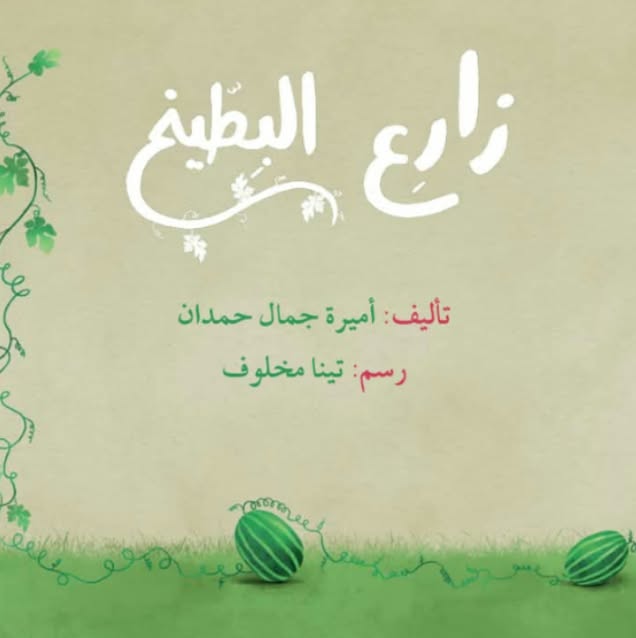
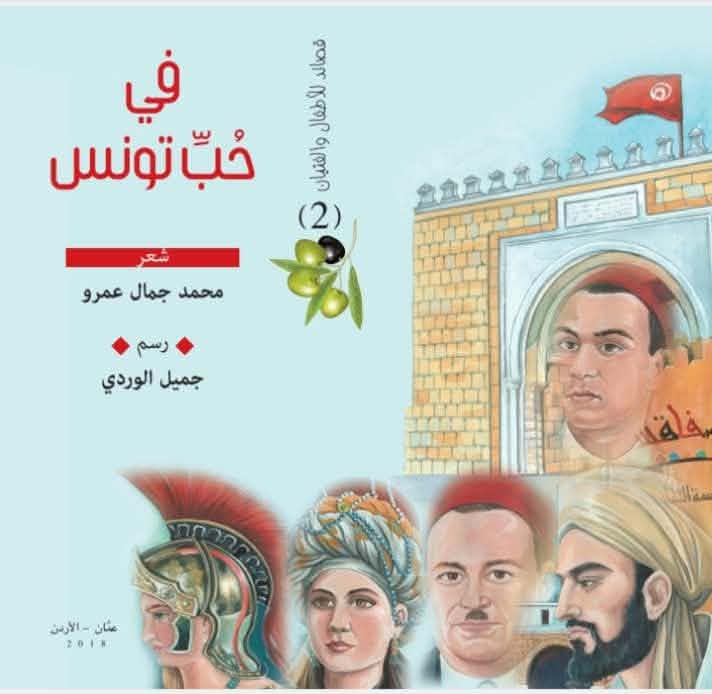
thesilkroadtodayطارق العمراوي للكاتب والقاص محمد جمال عمرو مدونة كمية وكيفية طرح من خلالها العديد من الاشكاليات التي تعترض الطفل في حراكه العائلي والمدرسي فالمجتمعي مع المتعة السردية والتخيلية بهدف المشاركة من موقعه في صقل وبناء وبناء هذه الشخصية الهشة لكي تملك أدوات ومعاول تساعده في التصرف والتفاعل مع الآخر في الأمكنة المتعددة والأزمنة العديدة . وها هو الكاتب والشاعر يهدي إحدى دواوينه الشعرية إلى القطر التونسي تحت عنوان” في حب تونس”وأمن الألواح المرسومة الفنان التشكيلي جمال الوردي عبر ابراز العلم التونسي والشاشية التونسية والأقواس والأبواب الحجرية وبعض الأبسة العسكرية وحضر معجم البلدان والمدن فكانت لبنان ومصر والشام وصفاقس وصور وبيت المقدس والمهدية وتوزرو القصبة بتونس العاصمة. للكتاب الشعري مدخلين أولهما هي نقلة النوعية فقد تعود الطفل قراءة المتن القصصي متابعا بطله في الأزمنة والأمكنة ومع بقية الشخصيات والآن وهنا هو مع الشعر والقصائد والتي اختارلها الشاعر مضمونها فكانت مدينة صفاقس بمناسبة صفاقس عاصمة الثقافة العربية و التي بدأ بها قصائد ه الشعرية متحدثا على أنها مدينة الأدب والقراء والكتب. وثانيهما اختار شخصيات كان لها الأثر وأثرت في المشهد الثقافي والسياسي والعسكري والمدني بدء بالعهود القديمة وتوزعت أولا بين الرجال والنساء فكانت ملكة قرطاج وعزيزة عثمان والرجال كان ابن خلدون وابو القاسم الشابي و فرحات حشاد. حضرت المرأة كقائد ةعسكرية من سلالة الملوك والأمراء مذكرا باختلاف اسمها طبقا للمصادر المكتوبة اللاتينية وغيرها فهي عليسة وأليسا وأليسار وغيرها ومعهم ديدون كما تذهب بعض النصوص التي نضيفها للإثراء والمثاقفة وتحكي هذه الملكة وفترتها جدل الحضارات اذ هي القادمة من صور ولبنان لتحل ضيفة ثم ملكة وباعثة لحضارة كانت لها صولات وجولات في البحر الابيض المتوسط ومع الرومان واليونان والبربر حتى قال عنها الشاعر صار العالم عنها يحكي وازدهرت قرطاج زمانا فنا …ابداعا ألوانا والشخصية الثانية هي عزيزة عثمانة تواصل نهج العطاء والمشروعات الانسانية والخيرية التي دأبت عليها نسوة القصور والقلاع والحصون فقد تبرعت بثلث أملاكها لبناء مستشفى بقصبة تونس للفقراء والمعوزين والمحتاجين حتى اليوم مازال شاهدا على عظمة هذا الأثر الانساني الذي عظم شانها وعطر سيرتها. وقد وزع شواهده الرجاليةبين رجالات المعرفة والعلوم والشعر والنضال النقابي والسياسي وعن العلوم والمعارف كانت شخصية ابن خلدون مذكرا بمسار العلماء وتنقلهم بين الامصار والبلدان للنهل من المعارف والعلوم و ها هو يرحل لمصر والشام وبيت المقدس ويطرح النص الشعري اشكالية مهمةهي علاقة السائس بالعالم والتي شابها جدل كبير قدم منهم للعديد من العلماء الدراهم والدنانيرو الاقامة المريحة وأسس بعضهم بيوت للحكمة ومكتبات كبيرة أخذا بنصيحة العلماء وهناك من قمع العلماء وزج بهم في السجون مذكرا ايضا بان العلامة هو من وضع علم الاجتماع وعن الشعر فإن ابو القاسم الشابي هو الشجرة التي حجبت الغابة فلقد ملأ الدنيا وشغل الناس أحب الشاعر الوطن والعلم عند بوابةجامعة الزيتونة وأحلامه بالثورة والتحرر وتقدير الشهداء حتى غدا بيته منارة يقتاد بنورها الثوار والمناضلون اذا الشعب يوم أراد الحياة فلابد أن يستجيب بالقدر ليواصل الشاعر حديثه عن النضال والمطلب الجوهري لتلك الحقبة وهو الاستقلال والذي استشهد من أجله النقابي والسياسي الصادق والمقدام فرحات حشاد وها هي القصبة شاهدة على قبر النقابي والمناضل مع مستشفى عزيز عثمانة ليختم الشاعر بقصيدة تونس أمي الخضراء الخصبة بلد الزيتون والليمون ليحضر ابو القسم مرة أخرى في هذه القصيدة. إ ن الكتاب الشعري” في حب تونس” مواصلة لما كتب من قبل في حب هذا البلد ومن زاروه وكتبوا فيه وعنه عنه الأشعار والكتب والقصص جاب هذا الكتاب متحدثا عن مآثر هذا القطر وأعلامه ومن كانت لهم بصمات في هذه الارض وعليها. الخضراء
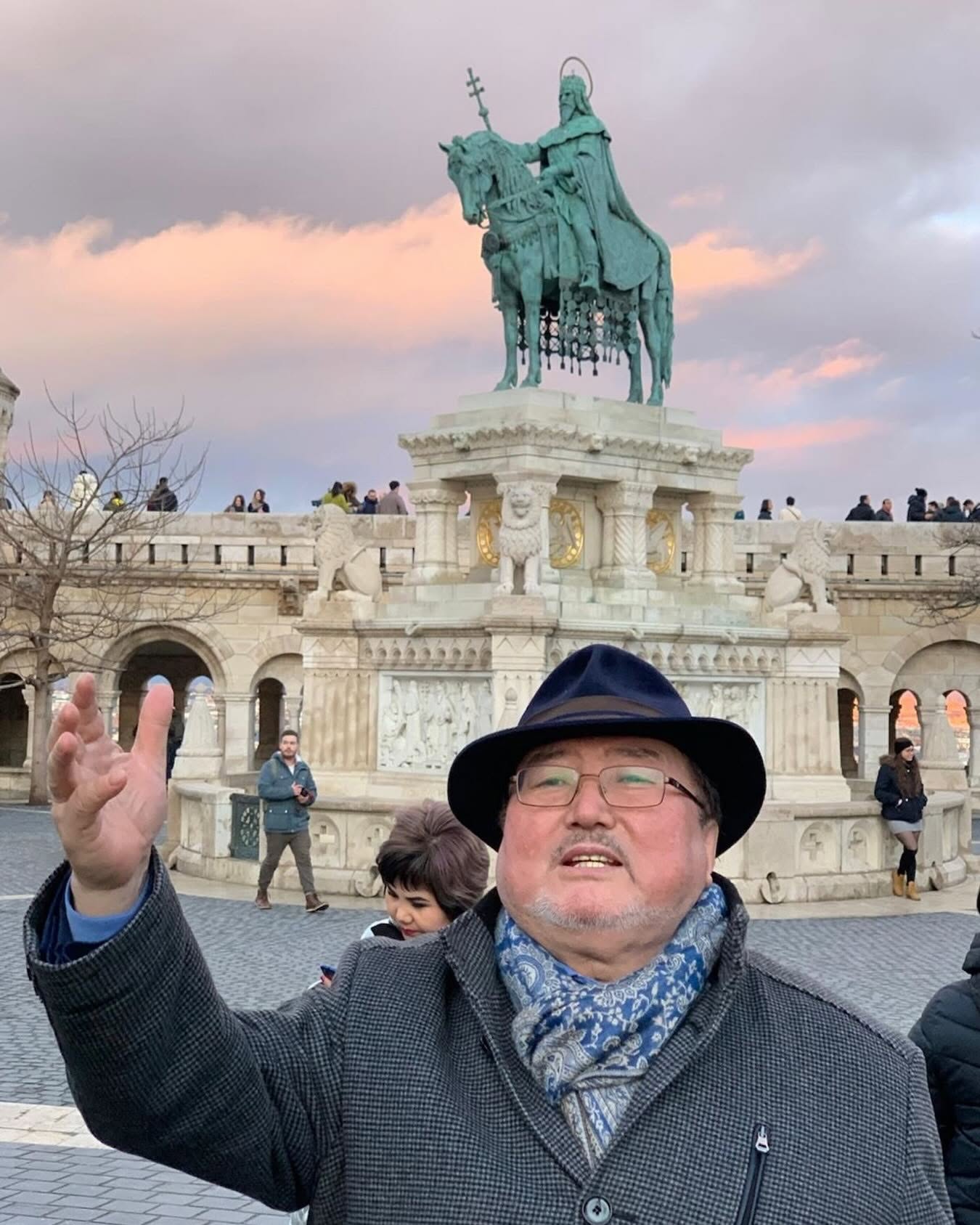
thesilkroadtodayمن الطبيعة الكازاخية إلى الأسئلة الكونية: تأملات في مجموعة «قصائد مختارة» يمثل الشاعر الكازاخي أولوغبيك أوراز أولوغبيك يسداوليتوف واحداً من الأصوات الشعرية التي استطاعت أن تجعل من التجربة المحلية نافذة…
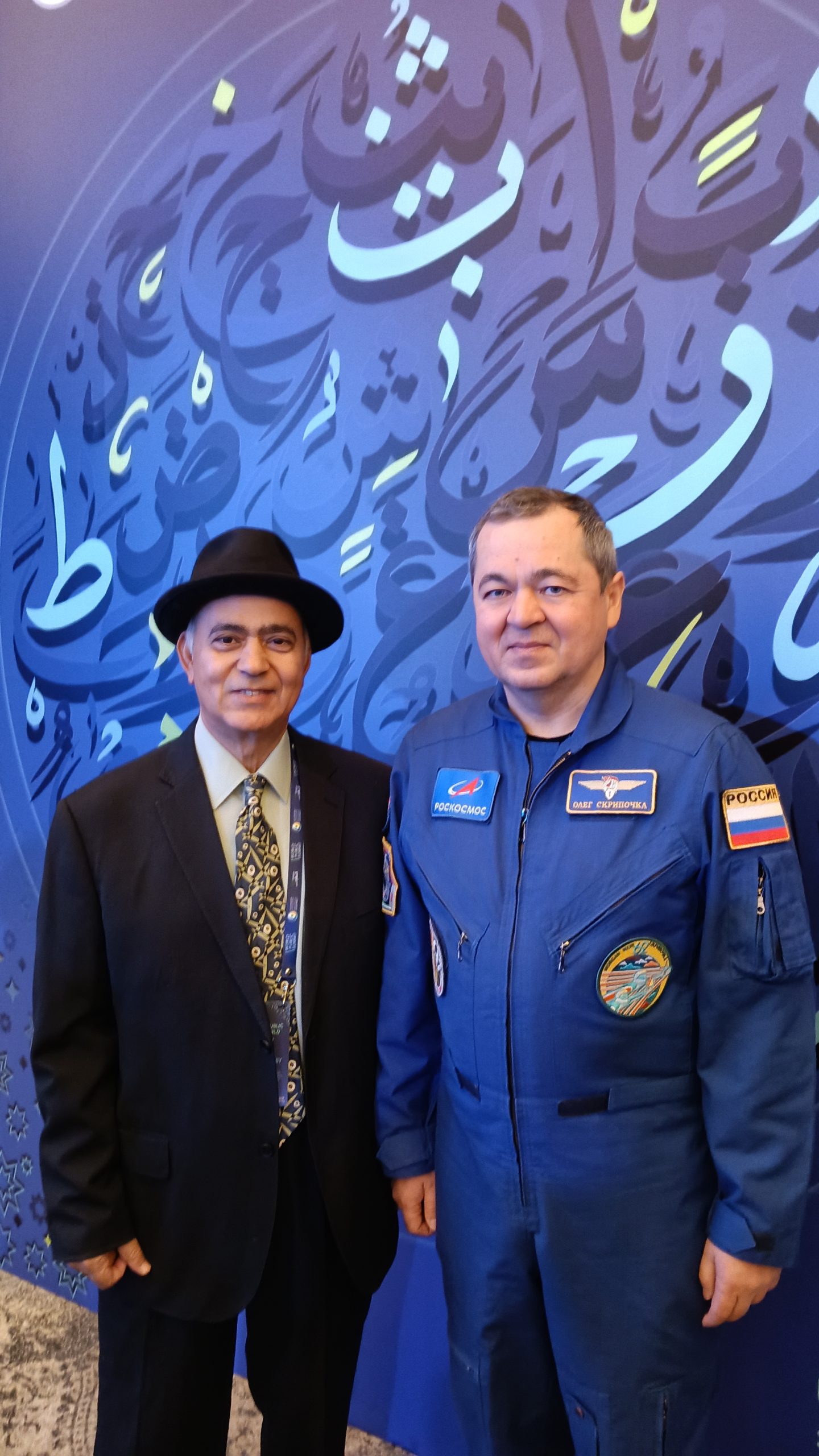
thesilkroadtoday### رحلة إلى ما وراء الأرض: لقاء رائد الفضاء الروسي أوليغ سكريبوچكا في عمّان د. أشرف أبو اليزيد من اللقاءات اللافتة التي شهدتها القمة العالمية للشعوب: العالم العربي، التي عُقدت…
thesilkroadtodayDr. Ashraf Aboul-Yazid One of the fascinating encounters at the World Public Summit: Arab World, held in Amman, Jordan, was meeting Russian cosmonaut Oleg Ivanovich Skripochka and listening to his…
thesilkroadtodaythesilkroadtodaythesilkroadtodaythesilkroadtoday