 thesilkroadtoday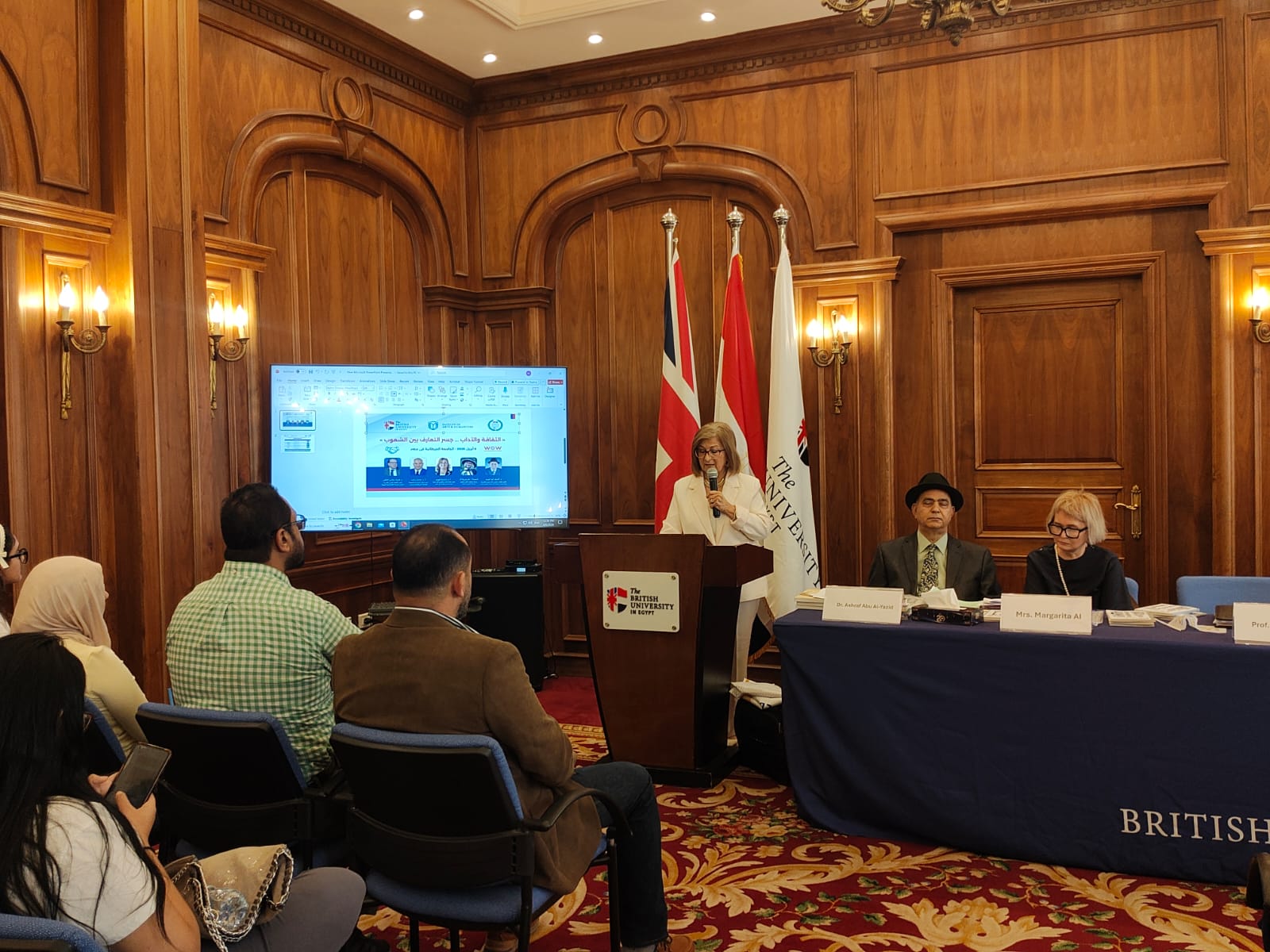
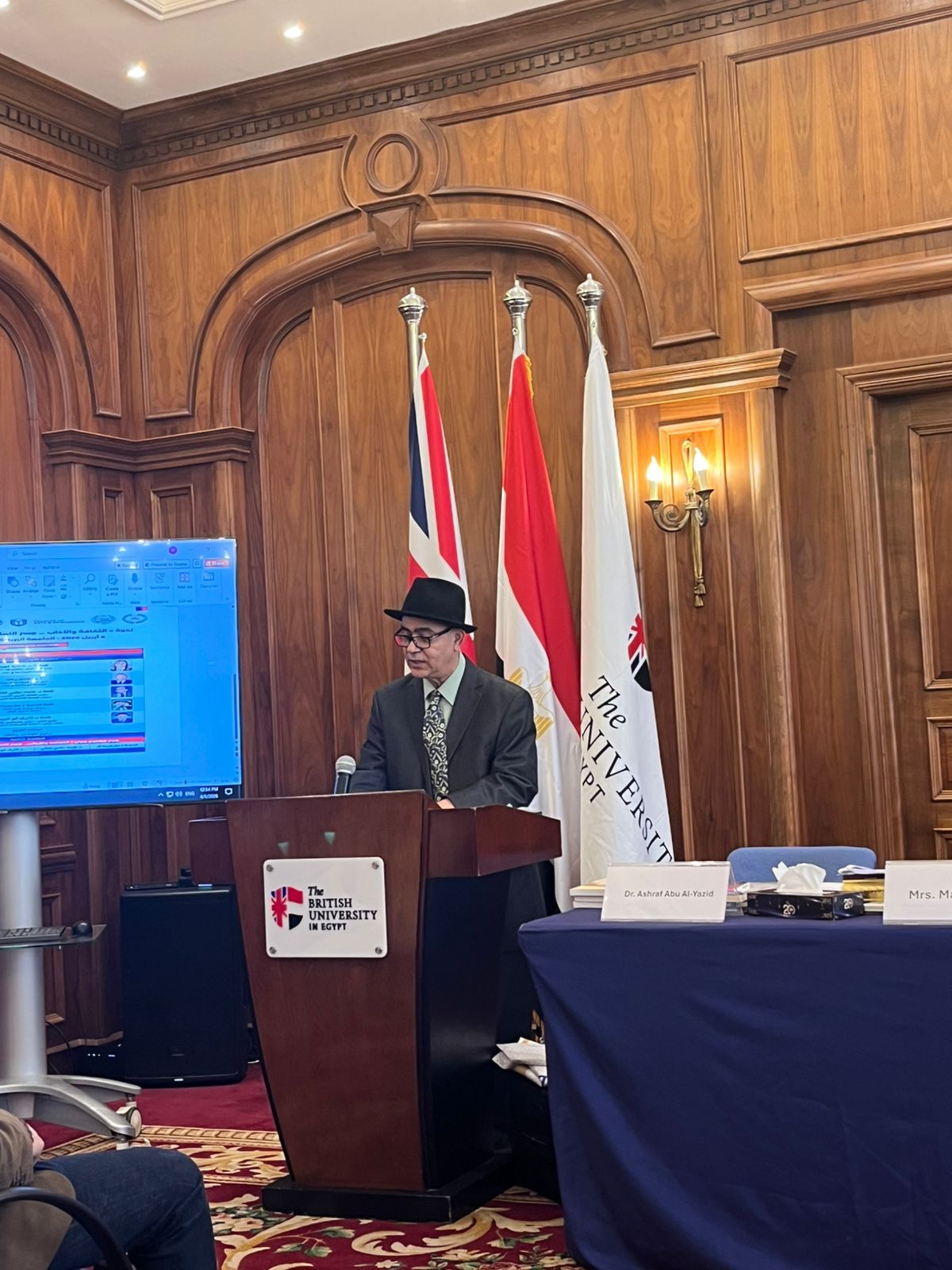
 In a vibrant cultural scene reflecting Cairo’s dynamism and its historic role as a bridge between civilizations, the British University in Egypt hosted a high-level international symposium titled “Culture and Literature… A Bridge for Cooperation Among Peoples” on Monday, April 6, 2026. The event brought together a distinguished group of academics, thinkers, and creative figures from Egypt and around the world.
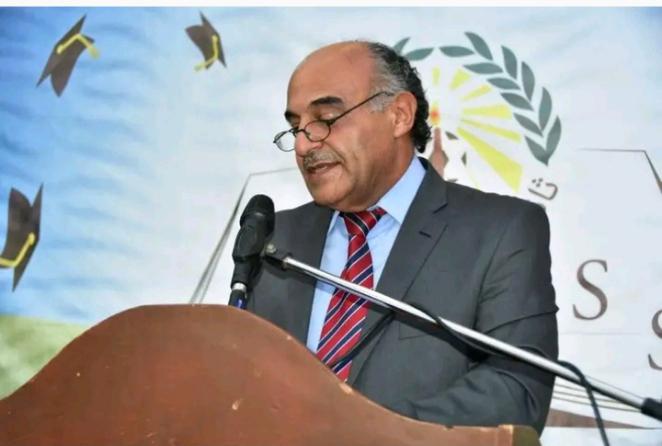
The symposium, opened by Professor Dr. Shadia Fahim, Dean of the Faculty of Arts and Humanities, underscored the role of academic institutions in fostering cultural dialogue and openness at a time of growing global challenges that demand a unifying humanistic discourse. In her opening remarks, she emphasized that culture is not a luxury of knowledge, but a human necessity capable of transcending political and linguistic boundaries and building bridges of mutual understanding among nations.
She further affirmed that literature, as a mirror of the conscience of nations, has historically played a vital role in conveying the experiences and aspirations of peoples, invoking great figures of human creativity such as William Shakespeare, Leo Tolstoy, and Anton Chekhov as enduring models that have shaped human awareness across generations.
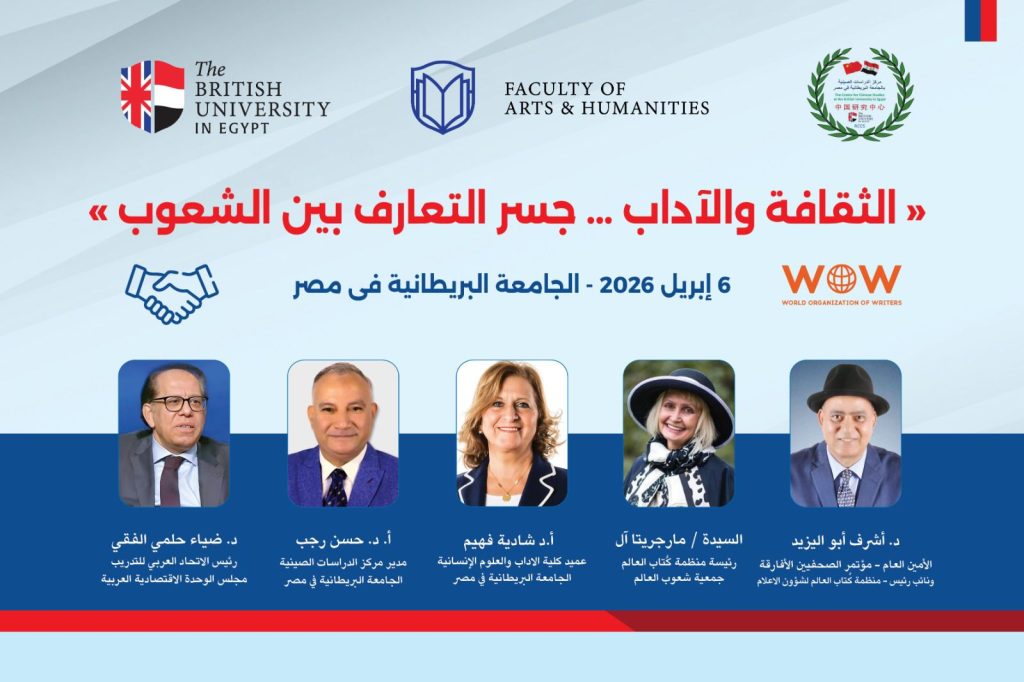 The symposium featured the participation of Professor Dr. Hassan Ragab, Director of the Chinese Studies Center at the British University in Egypt, and Dr. Dyaa Helmy El-Feky, President of the Arab Union for Training under the Council of Arab Economic Unity. Representing the Assembly of the Peoples of the World were poet Margarita Al, President of the World Organization of Writers and Chair of the Literary Council of the Assembly of the Peoples of the World, along with Dr. Ashraf Aboul-Yazid, Vice President of the organization for Media Affairs and Secretary-General of the African Journalists Congress.
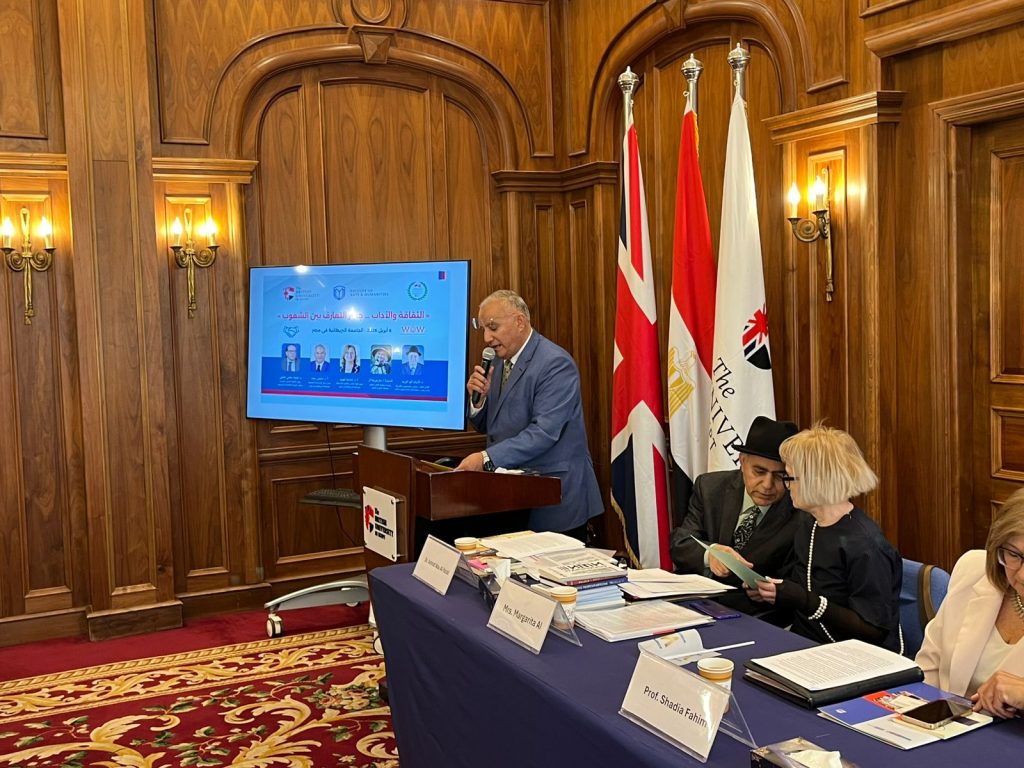 Professor Hassan Ragab’s contribution focused on the centrality of language as a tool for civilizational rapprochement, noting that learning languages opens windows onto new intellectual and cultural worlds, helps break stereotypes, and fosters mutual respect among peoples.
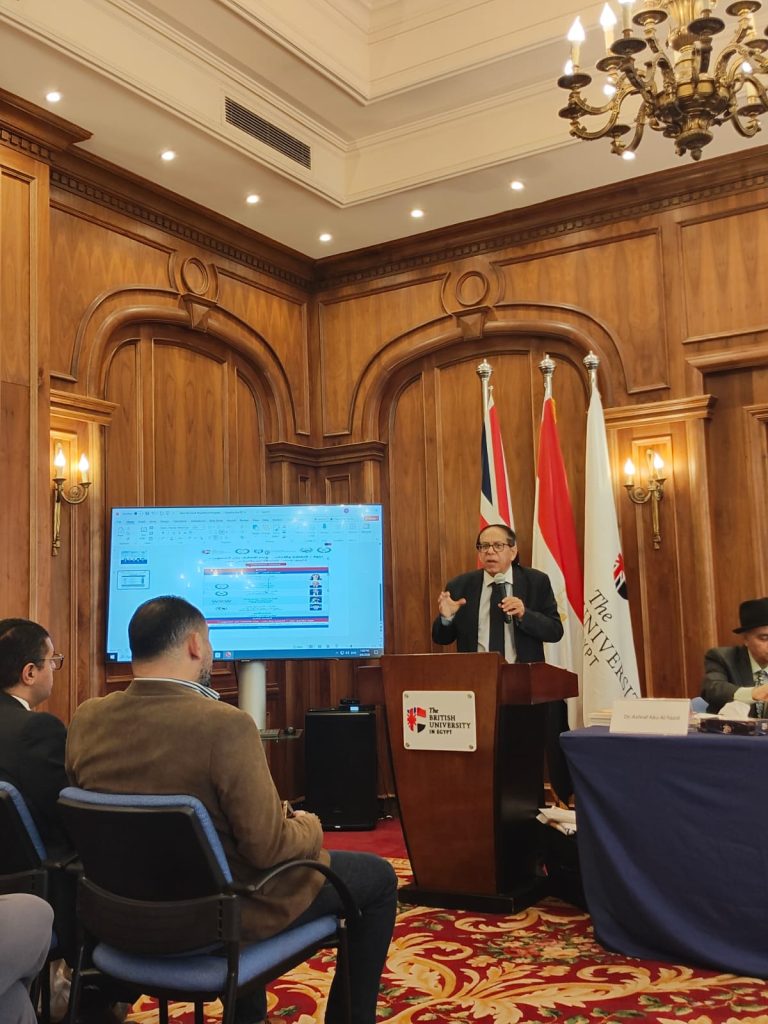 For his part, Dr. Dyaa Helmy El-Feky presented a comprehensive vision of the role of culture in building the human being, emphasizing that true investment begins with the mind and spirit rather than material structures. He explained that literature, poetry, theater, and translation are effective tools for shaping awareness and strengthening human identity, citing influential works by Naguib Mahfouz, Gibran Khalil Gibran, and Victor Hugo.
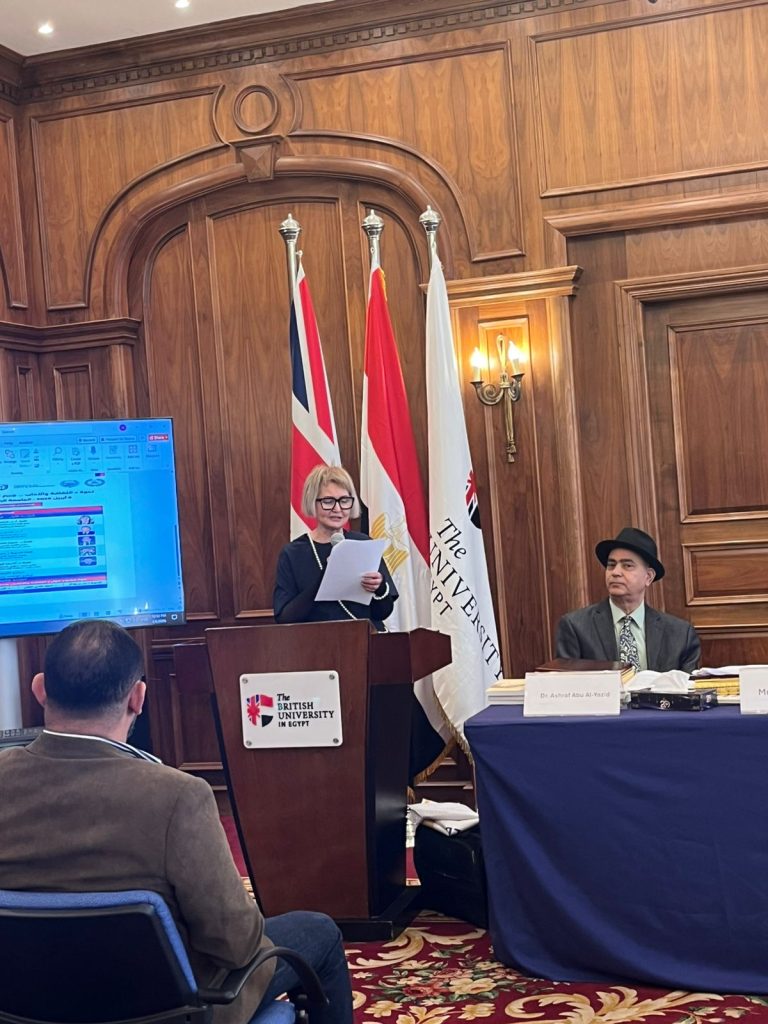 At the international level, the symposium gained further momentum with the participation of poet Margarita Al, President of the World Organization of Writers, who affirmed that culture and literature represent a form of soft power capable of achieving what politics cannot. She stressed that today’s world urgently needs a cultural discourse that promotes trust and understanding.
She also announced a major initiative launching the “Decade of the Languages of the Peoples of the World” (2026–2035), proposing that 2026 be dedicated to the Russian language and 2027 to the Arabic language, as part of efforts to promote linguistic diversity and preserve global cultural heritage.
In addition, she unveiled a joint Russian–Egyptian cultural project, including the publication of a bilingual anthology titled “We Are the People of One Planet,” alongside a comparative academic study titled “Two Languages… One Soul.” This initiative represents an unprecedented attempt to examine Russian and Arabic literatures as parallel and equal cultural systems across history.
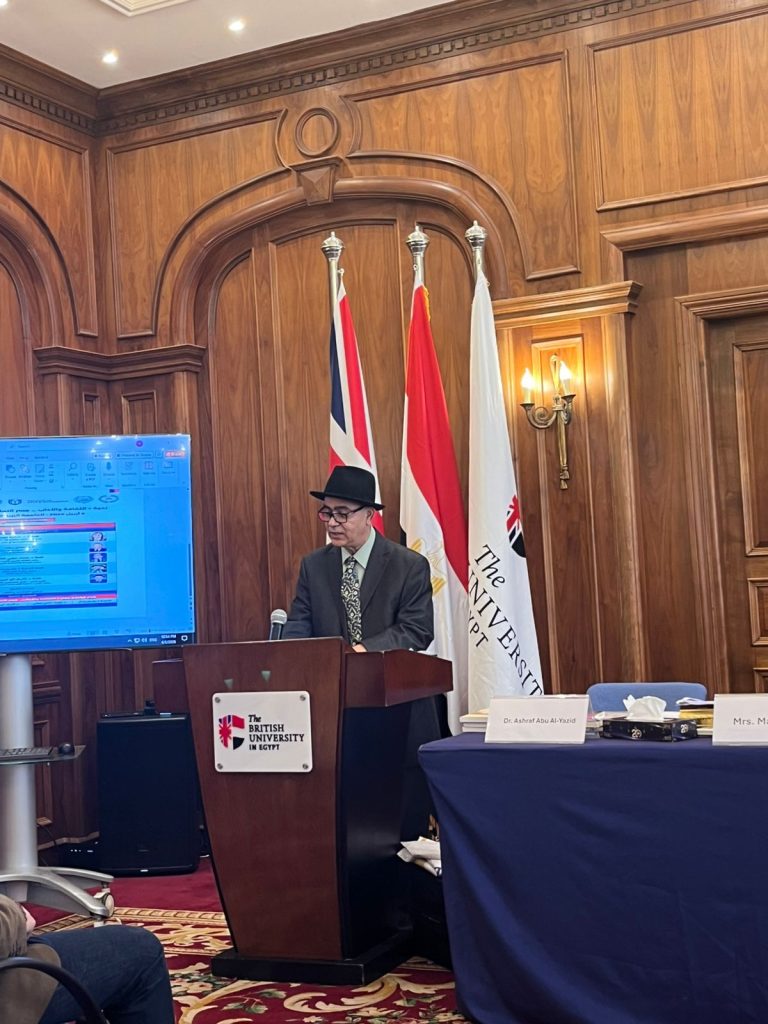 In the same context, Dr. Ashraf Aboul-Yazid, Vice President of the organization, shared his extensive experience in translation and cultural exchange, emphasizing that translation is not merely a linguistic transfer, but a creative re-formation of the text within a new cultural context. He also highlighted his work with Tatar literature, particularly the works of the poet Abdullah Tukay, which he translated into Arabic, considering such efforts as genuine bridges between cultures.
He further referred to the “Silk Road Anthology” project, which brought together hundreds of poets from across continents, noting that the coming phase will witness the launch of multilingual anthologies, with particular attention to children’s literature as a cornerstone in shaping the awareness of future generations.
The activities were not limited to theoretical discussions; they also included the announcement of a comprehensive action plan to implement the “Decade of the Languages of the Peoples of the World” in Egypt, in cooperation with academic and media institutions. This plan encompasses the organization of international conferences, the launch of publishing and translation projects, and the honoring of leading figures in global creativity.
The symposium also witnessed the announcement of the launch of the “Russia–Egypt” cultural project, along with the publication of its first books. In addition, a number of members of the World Organization of Writers were honored, and awards were presented in recognition of their contributions to the development of world literature. Membership was also opened to new members as part of efforts to expand the network of international cultural cooperation.
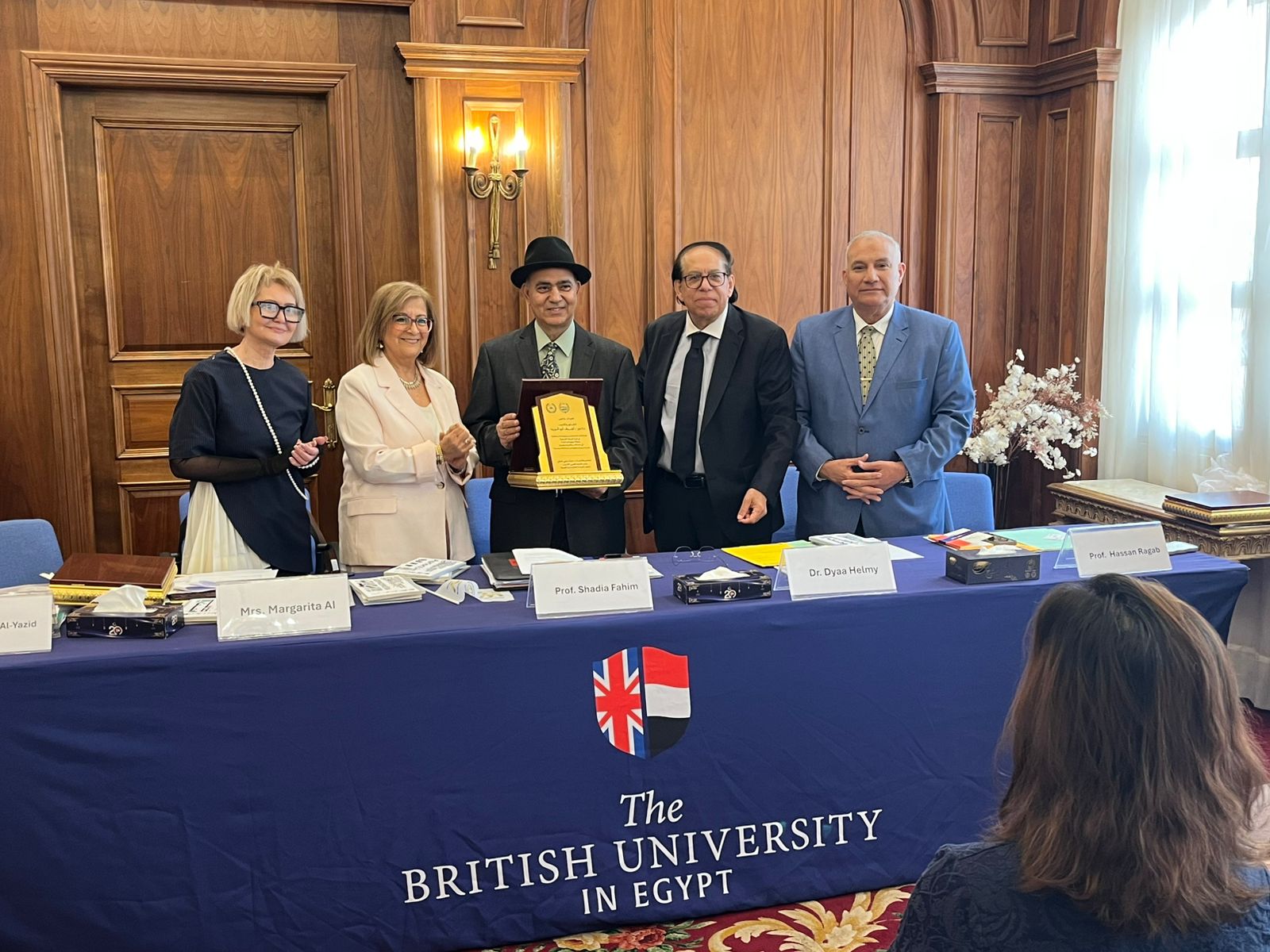
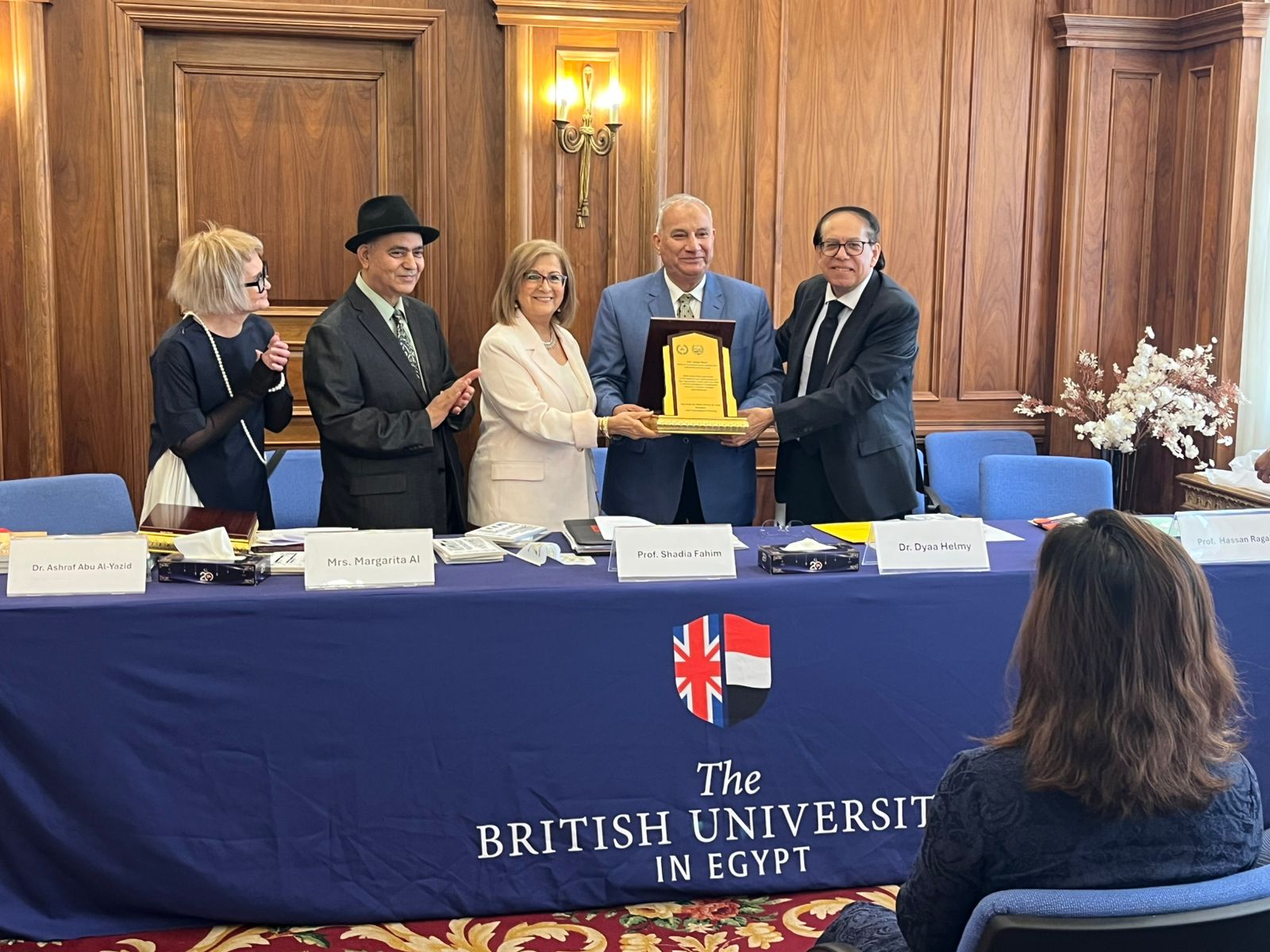
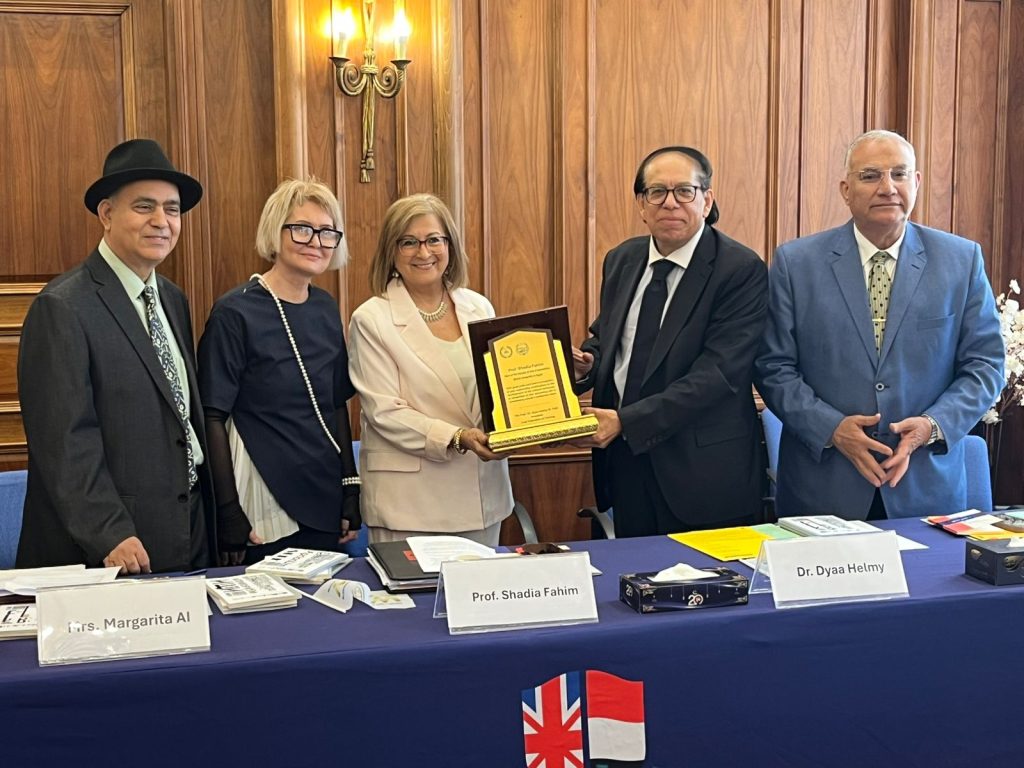
Within the framework of the international symposium “Culture and Literature… A Bridge for Cooperation Among Peoples,” hosted by the British University in Egypt, the cultural scene transformed into a moment of profound human celebration, reflecting values of appreciation and recognition for intellectual and creative figures who have contributed to strengthening cultural dialogue among nations. The award ceremony was led by Dr. Dyaa Helmy El-Feky, President of the Arab Union for Training, who presented commemorative shields to the participants—an act underscoring that culture flourishes through recognition of its pioneers. The shields bore the emblem of the Arab Union for Training and the Council of Arab Economic Unity.
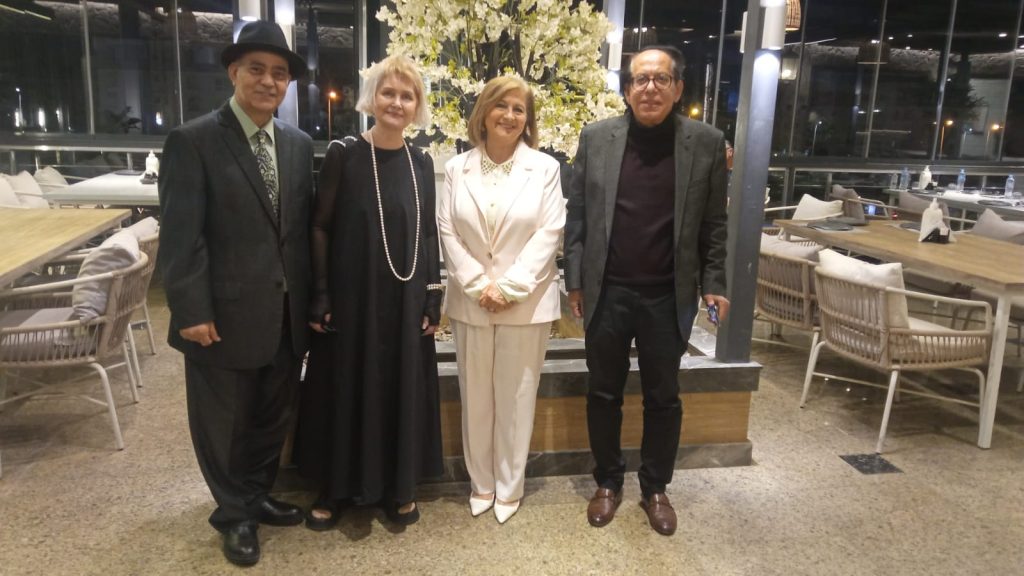 At the forefront of the honorees was Professor Dr. Shadia Fahim, Dean of the Faculty of Arts and Humanities, who received a heartfelt tribute recognizing her distinguished academic and cultural journey. Dr. El-Feky emphasized that her contributions to thought and creativity cannot be confined to an administrative role, but rather represent an enduring mission in building awareness and shaping generations capable of upholding the values of knowledge and loyalty. He stressed that her role extended beyond teaching to instilling a moral and intellectual framework in her students, making them a living extension of the cultural mission she embodies. The honor thus stood as a tribute of gratitude from an entire generation of her students, who see in her a model of dedication and excellence.
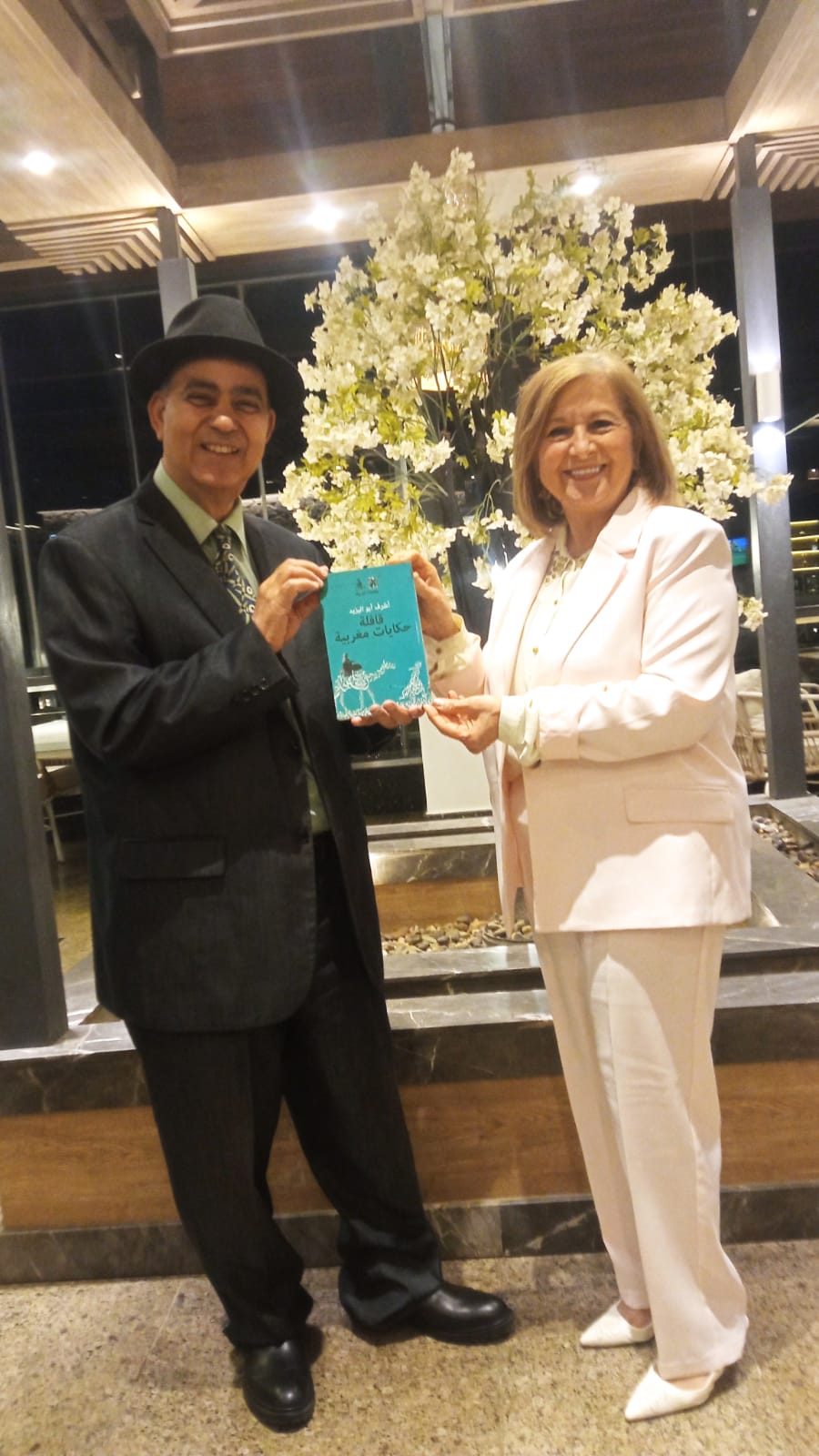
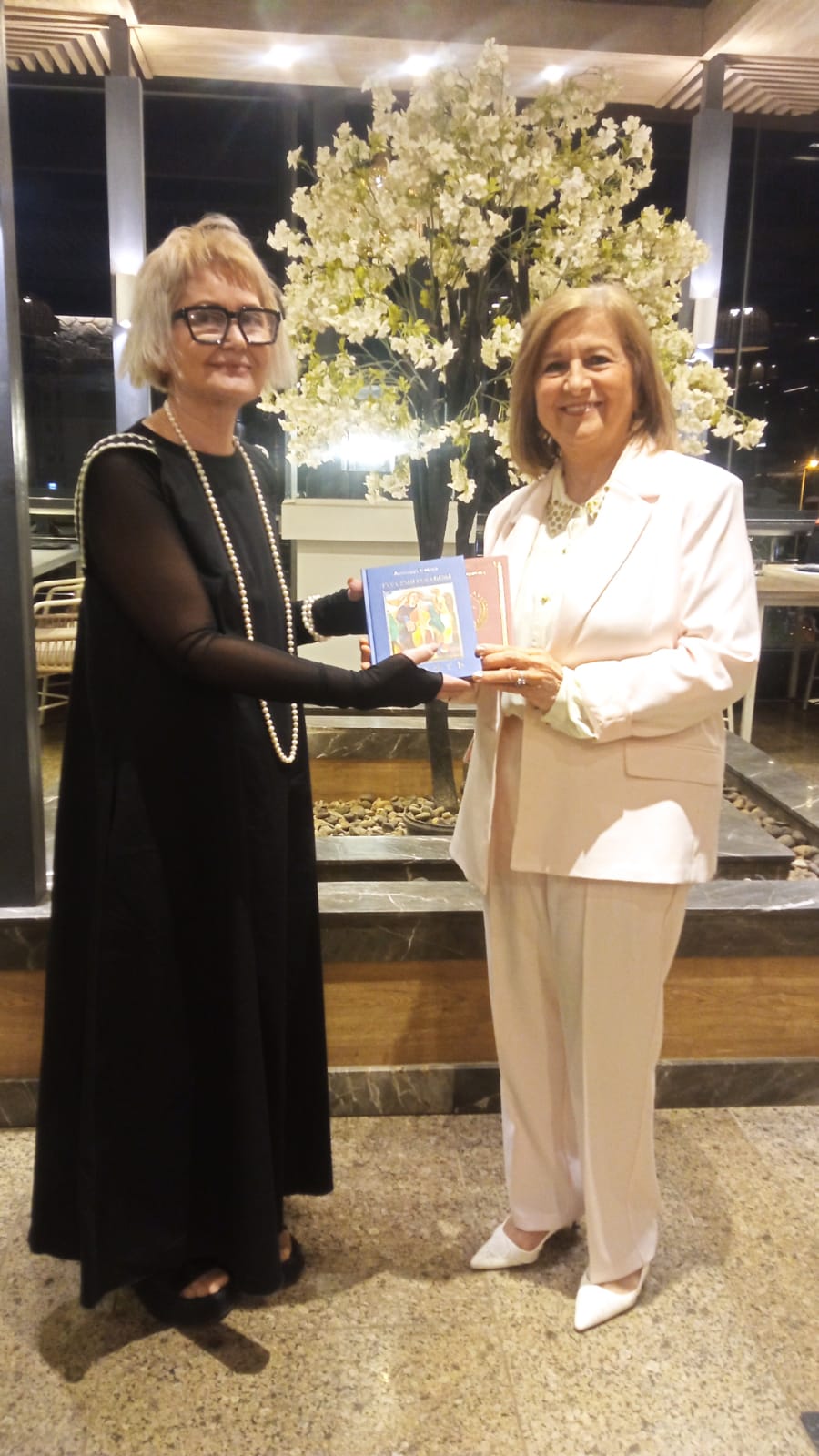
Poet Margarita Al, President of the World Organization of Writers, was also honored in a tribute marked by deep literary and human appreciation. Dr. El-Feky described her as “a human being in the degree of a poet,” highlighting the unique harmony between her creative spirit and her pure الإنسانية. He noted that her poetic experience goes beyond aesthetic beauty to awaken human values in a world increasingly marked by turmoil. Her poems, as he expressed, are not merely texts but bridges that connect hearts, calling for love and tolerance and restoring humanity’s faith in itself and in others. He further observed that her poetry blends simplicity with depth, and spontaneity with impact, creating an emotional resonance that stirs inner silence and transforms it into a force of hope and peace.
In the realm of academic recognition, Professor Dr. Hassan Ragab, Director of the Chinese Studies Center, was honored in appreciation of his long-standing scholarly contributions to culture and knowledge. The tribute highlighted his role in employing language as a bridge between peoples and his continuous efforts to promote civilizational dialogue without seeking recognition—an embodiment of true scholarly humility. It affirmed that his academic work contributes to building shared cultural spaces and reinforces the importance of intercultural engagement as a necessity rather than a choice.
Dr. Ashraf Aboul-Yazid was likewise honored, receiving wide praise for his diverse and rich creative career. He was described as a poet, thinker, and distinguished translator who has devoted his life to culture as a means of human rapprochement. The tribute emphasized his unique contribution to travel literature, where he revived this classical Arab genre with a contemporary vision, turning it into a tool for exploring the “other” and building bridges of understanding. His extensive international presence and recognition across many countries were also noted, reflecting his cross-cultural influence. The tribute further acknowledged his current role as Secretary-General of the African Journalists Congress, following his eight-year tenure as President of the Asian Journalists Association, as a continuation of his mission to promote cultural dialogue at the continental level.
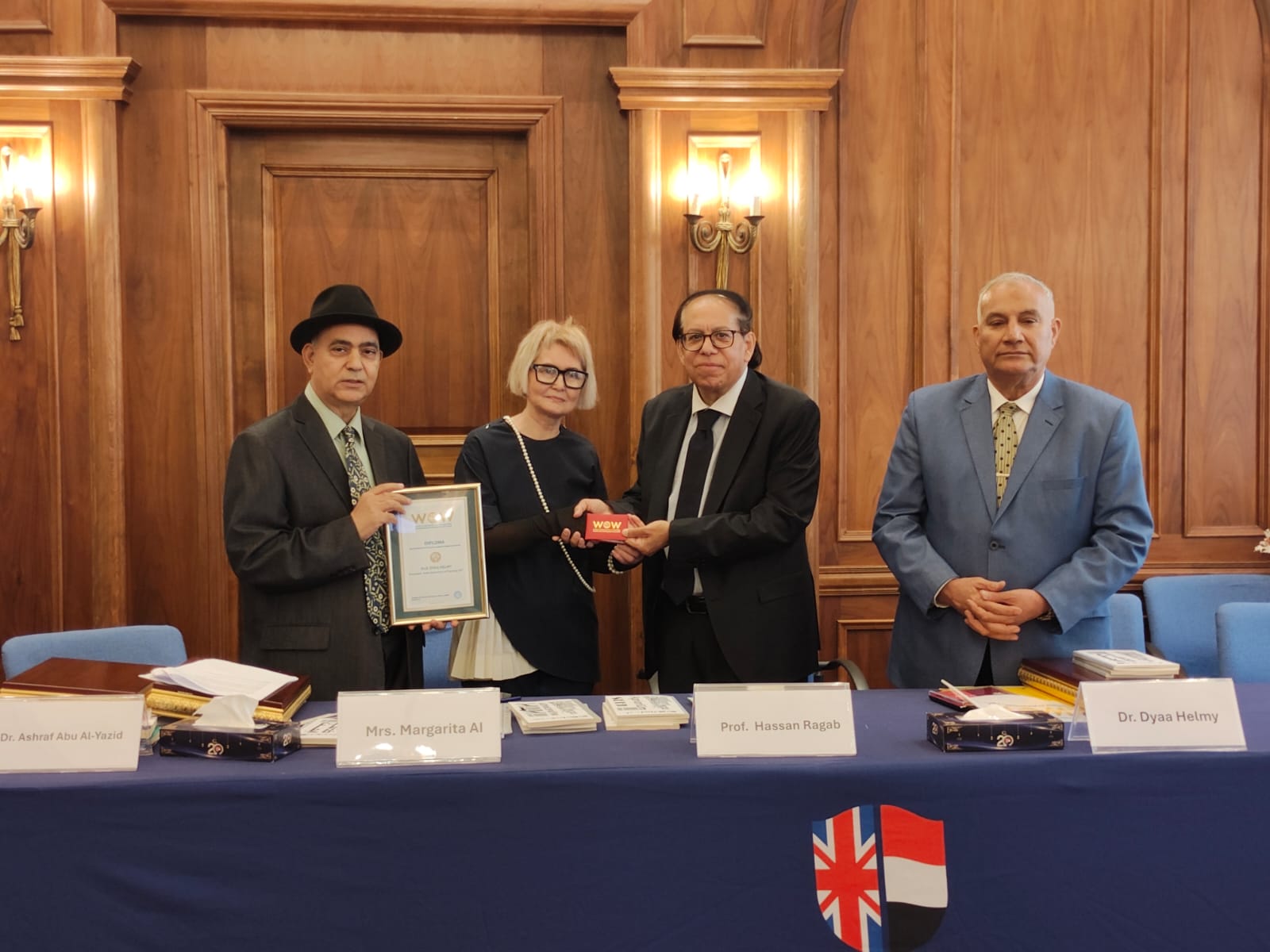
In a gesture reflecting the spirit of exchange and mutual appreciation, poet Margarita Al honored Dr. Dyaa Helmy El-Feky by awarding him the medal of the World Organization of Writers in recognition of his scholarly and literary contributions. This moment underscored that true culture is founded on mutual recognition among its leading figures. The medal presented by the World Organization of Writers is specifically awarded in acknowledgment of outstanding contributions to the development of world literature.
Dr. Ashraf Aboul-Yazid also announced the granting of membership in the organization to Professor Dr. Shadia Fahim, Professor Dr. Hassan Ragab, and Dr. Dyaa Helmy El-Feky, in a step that further expands the scope of international cultural cooperation.
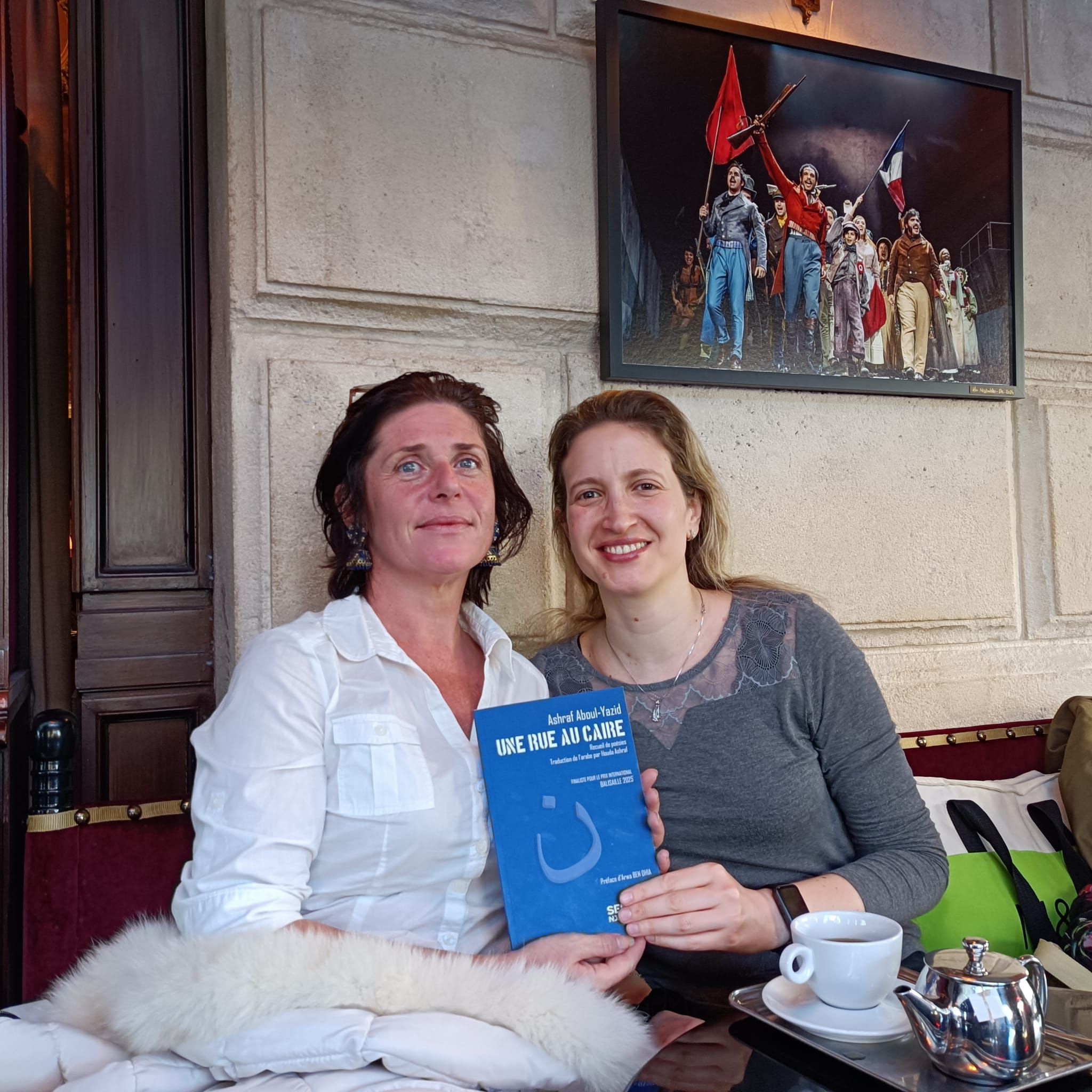
The event also featured a significant moment marking the launch of the “Decade of the Languages of the Peoples of the World,” beginning with the designation of 2026 as the Year of the Russian Language and 2027 as the Year of the Arabic Language. This initiative reflects an advanced awareness of the importance of linguistic diversity in building bridges of human communication. The occasion coincided with the publication of a new poetry collection by Margarita Al in Arabic and English in Cairo, translated by Dr. Ashraf Aboul-Yazid, as part of the “Silk Road Creativity” series, which is celebrating its tenth anniversary this year.
In a parallel context, participants exchanged copies of their publications with the university and the audience, reflecting a spirit of cultural sharing. Margarita Al, Dr. Dyaa Helmy, and Dr. Ashraf Aboul-Yazid each presented selections of their works, reinforcing the role of the book as a fundamental tool of intellectual exchange.
The symposium bore a distinctly international character, conducted in three languages—Arabic, English, and Russian—and witnessed a strong حضور of academics and students who actively engaged in the final discussions and took part in commemorative group photographs, in an atmosphere reflecting the vitality and dynamism of the cultural scene.
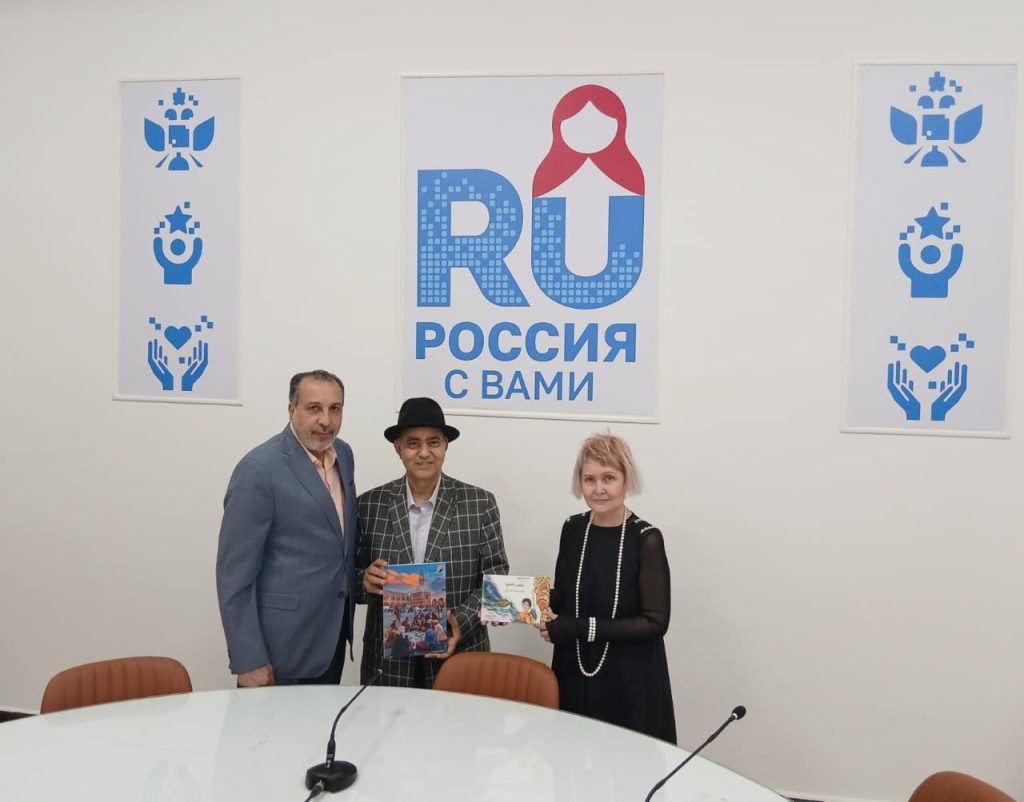 The activities extended beyond the symposium itself to include a working dinner that brought together representatives of the Assembly of the Peoples of the World and the faculty administration, where discussions on future cooperation were continued. The following day, a delegation from the World Organization of Writers visited the Russian House in Cairo, where they were received by Dr. Sherif Gad, Director of Cultural Activities and President of the Association of Russian Universities Alumni. The meeting featured a rich cultural exchange, including the presentation of a collection of multilingual literary and intellectual publications, reflecting the depth of cultural relations between the two sides.
The events concluded with a clear agreement to activate cooperation programs in the fields of translation and publishing, ensuring the continuity of this cultural momentum and transforming it from a one-time event into a sustained project. This initiative aims to strengthen the role of culture as a form of soft power capable of building a more understanding and integrated world. It was also emphasized that culture, with its human values, remains the most effective means of fostering tolerance and mutual understanding, and that literature will continue to be the voice and living memory of peoples—capable of overcoming crises and shaping a shared future grounded in dialogue and diversity.
Thus, Cairo once again emerged as a global platform for cultural dialogue, where diverse voices met not to clash but to complement one another—affirming a clear message: despite the diversity of languages, humanity always speaks one language—the language of culture.