 thesilkroadtoday
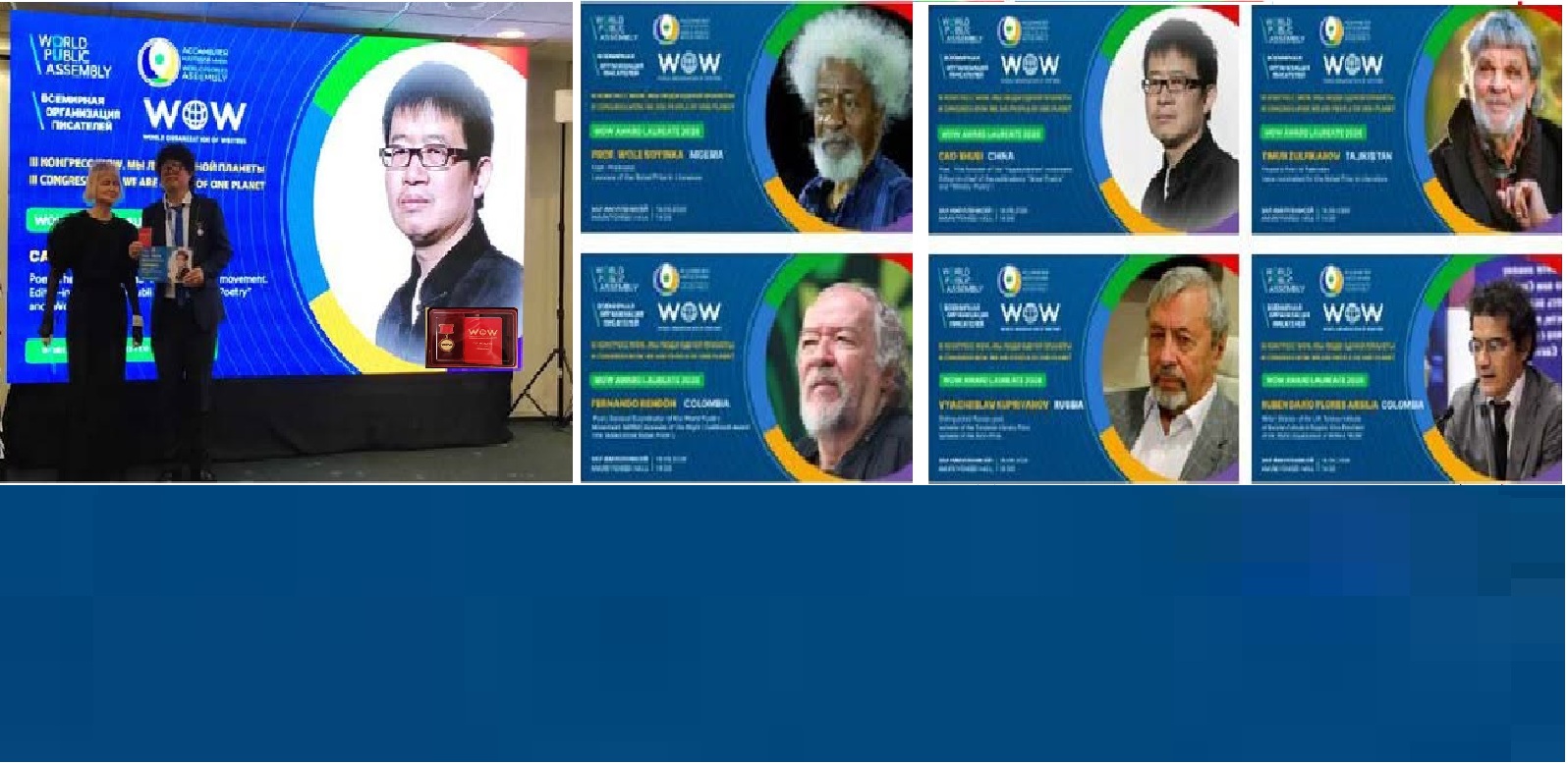
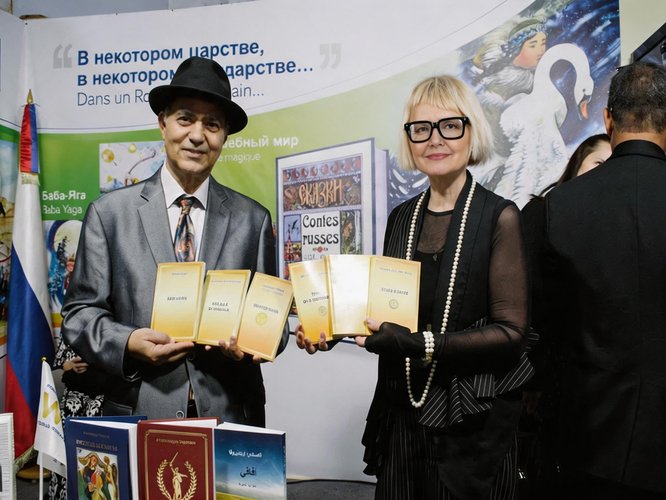
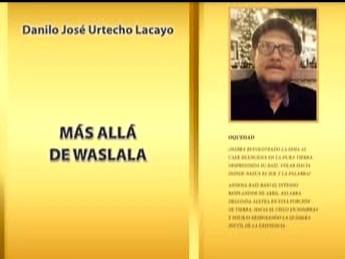 First exhibited in Tunisia—at both the Tunis International Book Fair and the Russian House in Tunis—Beyond Waslala by Danilo José Urtecho Lacayo emerges as a compelling narrative that bridges geography, memory, and literary tradition. Its presentation during the World Peoples Assembly, under the auspices of World Organization of Writers (WOW) and introduced by its president Margarita Al, situates the novel within a transnational dialogue that resonates far beyond its Nicaraguan roots.
Urtecho’s work, which earned him the WOW Gold Medal after securing First Place in Narrative at the Seventh World Literary Festival in Abuja, demonstrates a rare synthesis of poetic sensibility and historical consciousness. A seasoned writer born in Rivas in 1958 and long associated with the Rodrigo Delgadillo León Literary Circle in Masaya, Urtecho has cultivated a literary voice steeped in humanist values and a distinctly national texture. Beyond Waslala stands as a culmination of this trajectory, offering a narrative that is at once intimate and expansive.
Following Margarita Al’s evocative preface, the novel opens into a textual landscape where language becomes both witness and participant. The prefatory remarks emphasize the organic fusion of environment, memory, and linguistic identity, preparing the reader for a narrative that refuses linear simplicity. Instead, the novel unfolds as a sensory experience: rain, foliage, and fire are not mere backdrops but active agents in shaping human perception. This approach aligns Urtecho with a broader Latin American tradition in which nature and narrative intertwine, yet he avoids the excesses of magical realism, opting instead for a grounded, almost tactile lyricism.
The excerpt from the novel vividly illustrates this technique. The arrival in Waslala—marked by mud, hunger, and the arduous ascent toward sustenance—becomes a symbolic initiation into a world where survival and meaning are inseparable. The physical struggle of traversing the landscape mirrors the psychological and existential journey of the characters. Urtecho captures “that thin line between history and personal experience, between suffering and hope,” rendering it not as abstraction but as lived reality. His prose, rich in metaphor yet restrained in tone, resists sentimentality while maintaining emotional depth.
One of the novel’s most striking qualities is its auditory dimension. The narrative “has the sound of rain, the whisper of foliage, the crackle of fire,” suggesting a text that must be heard as much as read. This sonic texture enhances the immersive quality of the work, drawing the reader into moments of fear, reflection, and revelation. The protagonist’s desire to understand “not only what happened, but what will change his life forever” underscores the novel’s central concern with transformation—both personal and historical.
Critically, Beyond Waslala functions as a bridge between temporal and existential realms. It engages with the specific historical context of 1980s Nicaragua while addressing universal questions of memory, identity, and belonging. Urtecho skillfully avoids clichés and rhetorical excess, allowing authenticity to emerge through carefully constructed imagery and narrative rhythm.
In conclusion, Danilo José Urtecho Lacayo’s Beyond Waslala is not merely a regional narrative but a significant contribution to contemporary world literature. Its successful reception in Tunisia highlights its global relevance, affirming the power of storytelling to connect disparate cultures through shared human experience.