Trending News:«كوبا بويزيا» تنقل الشعر إلى قلب حي كازينو ديبورتيفو في هافاناجائزة WOW لعام 2026: تشاو شوي — الشعر جسرٌ بين العوالممهرجان كستريتش الدولي للشعر يفتتح دورته الثانية عشرة في كينياA Day of Friendship in Riogembo Village, Kenyaيومٌ من الصداقة في قرية ريوجيمبوالكَوّنُ في ذاتِهِ … قصيدة للشاعر پیشوا کاکائيPOET AND THE WARTales from Our Streets: The Poetry of Everyday Life in Abdel Razek Okasha’s Parisحكايات من شارعنا: شعرية الحياة اليومية في باريس عبد الرازق عكاشةMadam Sabena: THE VOICE OF MOTHERSRANTAU AND RHYTHM: WHEN POETRY BECOMES A HOMEشعر بلا حدود: مهرجان كستريتش الدولي للشعر في دورته الثانية عشرة (حوار مع د. كريستوفر أوكيموا)Freedom, Responsibility, and Renewal: Literature Must Remain Humanity’s Most Courageous ConversationGolden Papyrus Award Announces Three New Laureates from Syria, Saudi Arabia, and Kenyaجائزة البردي الذهبي تعلن أسماء ثلاثة فائزين جدد من سوريا والسعودية وكينياThey Were Returning HomeCaroline Laurent Turunc… The Poetess of Light brings her story from Antakya to children around the worldكارولين لوران تورونك… شاعرة النور تحمل حكايتها من أنطاكية إلى أطفال العالمJapanese Ambassador Ueno Atsushi Welcomes Natalia Tjahja Ahead of Asian Para Games Aichi NagoyaKEDA Welcomes President El-Sisi’s Visit to South Korea, Hailing a New Era of Strategic Partnership and Economic Cooperationاتحاد الكتاب الأذربيجانيين يحتفي الترجمة الأذرية لرواية أشرف أبو اليزيد «شماوس» في باكوAzerbaijani Writers’ Union to Celebrate Azerbaijani Translation of Ashraf Aboul-Yazid’s Novel Shamawes in Bakuالمفتاح والمزاح … السلوكيات : الطرح والحلولبستان حسام … رسالة العمل وآفاق الاتقانMemory That Defeats Death – An Interview with Alexandra Ochirovaالذاكرة التي تنتصر على الموتثلاث ليالٍ وليلة… مجموعة قصصية تستكشف عتمات النفس البشرية Poetry Without Borders: Inside the 12th Kistrech International Poetry Festival (Interview)SAHILIANA: An Anthology of the Poetry of Es-Sahili and His Descendants Celebrating 680 Years of Poetic Heritageالاتحاد الاقتصادي الأوراسي – الإمارات العربية المتحدة: جسر تجاري جديد لأوراسيا الكبرىآثار مصر القديمة في قازان تستعيد حياة جديدةخلف الشاشة … الهواية وخارطة الطريق فوفو جرة حكي … جدلية الطرح والحلول Maldives Sports Minister and Indonesia’s NOC Stand Behind 100 CTFP for Para AthletesTwo Significant Publications on Indian Architecture, Urbanism and Heritageشاعر الكلمة المقاتلة … إفندي منصوروفيتش كابييفبعد سبع سنوات على وفاته.. إحياء ذكرى الشاعر المكسيكي إنريكي سيرفين بقراءة قصائد في «إل خونكو»فيل في الغرفة!100 Libri d’Autore: A Literary Bridge of Words Connecting Authors, Readersحين تجلس الكاميرا في مقعد القاضيПамять, время, семья, история и Родинаقراءة نقدية في ديوان ألكسندرا أوتشيروفا “الكونية الروسية: الذاكرة”A Critical Reading of Alexandra Ochirova’s Russian Cosmism: MemoryPoetry, Academia and the Silk Road Converge at Shaanxi CollegeNutifafa Takes the Mic at UniMAC Freshers’ JamInterview with Paola Carletti, conducted by Gioia LomastiInterview with Simona Righi – Siris Mosaiciأولوغبيك يسداوليتوف (قصائد مختارة)الأمثال الشعبية في المنطقة الشرقية للمملكة المغربية … حين تتحول الذاكرة الشعبية إلى كتابPAWA Quarterly Newsletter Highlights a Dynamic Season of African Literary and Cultural Engagementسجادة السعادة … ثقافة العمل والتدين تقديم كتاب الأكاديمية ألكسندرا أوتشيروفا «الكونية الروسية… الذاكرة» في القاعة البيضاء بأكاديمية الفنون الروسيةPRESENTATION OF THE BOOK BY RAH ACADEMICIAN A. V. OCHIROVA, “RUSSIAN COSMISM… MEMORY,” IN THE WHITE HALL OF THE RUSSIAN ACADEMY OF ARTSKnowledge, Character and National Service: The Educational Thought of Swami Ramanand TirthHomeland : A New Anthology Brings Together 140 Poets of Mongol HeritageMongolia and Egypt Explore New Horizons for Agricultural CooperationThe Rhythm of Vietnam to Celebrate 2026 International Translation Day Award Recipients in Ho Chi Minh CityKistrech International Poetry Festival 2026: Poets from Around the World Gather in Kenyaكينيا: ثلاثة شعراء عرب في مهرجان كستريتش الدولي للشعرKistrech International Poetry Festival: Kenya Welcomes the World Through PoetryLITERARY OCTOBER OF CUBAPOESIA BRINGS WRITERS, POETRY AND COMMUNITY CULTURE TO HAVANAAn Albanian Translation of a Nepalese ArticleMOROCCO TO LAUNCH HOUSE OF BOOK WORLDS IN RABAT, CREATING A PERMANENT HOME FOR GLOBAL LITERARY EXCHANGEحكاية خيط … حديث الحرف وأفقها ثلاثة ثعالب ذكية … جدلية الطقوس والمعارفعالم رمادي … جدلية الواقع وأفق الحلولمن يسرق دجاج أمي؟Lens ‘W’ Life: Colours of Sindh — When the Camera Becomes a Witness14 لجنة بارالمبية وطنية وMSN ماليزيا تدعم مبادرة 100 CTFPFourteen National Paralympic Committees and MSN Malaysia Support 100 CTFPThe Silent Verse by Gioia Lomasti, an Unrepeatable Unicum in the Contemporary Poetry Scene — A Review by Luciano Domenighiniفي طبيعة الوجود ومكاننا في الكون: بحث فلسفيالأستاذ الدكتور سليمان الحويلي محاضرًا عن مملكة ماريOn the Nature of Existence and Our Place in the Universe: A Philosophical Treatiseإديار موكانبيتوف | فيشار سنوات الحربAn Interview with Bartolomeo Theo Di GiovanniCao Shui Congratulates Five Translators Honoured by The Rhythm of VietnamAshraf Aboul-Yazid in a Television Interview on Russia, China, Mongolia and the Future of Creative Translationالترجمة بوصفها جسراً حياً بين الثقافاتThe Symbolic Depiction of Strength Towards WisdomThe Musketeers of Truth: Journalism Without BordersInternational Translation Day 2026: Five Translators Honored by The Rhythm of VietnamWhen the Gallery Loses Its Monopoly“Şəmaus” by Ashraf Aboul-Yazid in Azerbaijani: A New Literary Bridge Between Egypt and Azerbaijanرواية أشرف أبو اليزيد (شماوس)… جسر أدبي جديد بين مصر وأذربيجانالأدب جسر بين الثقافات والشعوب: القسم الدولي من مشروع 100 كتاب 100 مؤلفLiterature as a Bridge Between Cultures and Peoples: The International Section of 100 Libri d’Autoreندوة لتراث فاروق آباد العربي وتدشين كتاب محمد كوتاشيري؛ رحلة علم وعطاء Symposium on “Arabic Legacy of Farookabad”& Book Release Ceremonyالناشر الهندي سوبريو تشاكرابورتي في حوار مع أديتي داسغوبتاSanctuary Of The Soul | A Poem by Anwar RahimKATO, New novel by Hussain Abdel-RahimVetrina delle Emozioni Presents: I Racconti di Azzurrina by Daniela ContiEmanuele Marcuccio’s New Book: Wonder and Amazement: Aphorisms and ThoughtsTunisian-French Poet Arwa Ben Dhia Awarded at the Grand Prix de Poésieعلى خطى غوميليوف… الفن يستعيد رحلة الشاعر الروسي إلى إفريقياجويا لوماستي تحاور الكاتب الإيطالي لويجي أنجيلينو ضمن مشروع «100 كتاب 100 مؤلف»سفير مصر لدى روسيا يزور تتارستان Cao Shui Wins World Writers Laurel Award in Moscowالسرد البصري بوصفه أداة لبناء الحياة: كيف تعيد حكايات الشاشة تشكيل الواقع
Trending News:«كوبا بويزيا» تنقل الشعر إلى قلب حي كازينو ديبورتيفو في هافاناجائزة WOW لعام 2026: تشاو شوي — الشعر جسرٌ بين العوالممهرجان كستريتش الدولي للشعر يفتتح دورته الثانية عشرة في كينياA Day of Friendship in Riogembo Village, Kenyaيومٌ من الصداقة في قرية ريوجيمبوالكَوّنُ في ذاتِهِ … قصيدة للشاعر پیشوا کاکائيPOET AND THE WARTales from Our Streets: The Poetry of Everyday Life in Abdel Razek Okasha’s Parisحكايات من شارعنا: شعرية الحياة اليومية في باريس عبد الرازق عكاشةMadam Sabena: THE VOICE OF MOTHERSRANTAU AND RHYTHM: WHEN POETRY BECOMES A HOMEشعر بلا حدود: مهرجان كستريتش الدولي للشعر في دورته الثانية عشرة (حوار مع د. كريستوفر أوكيموا)Freedom, Responsibility, and Renewal: Literature Must Remain Humanity’s Most Courageous ConversationGolden Papyrus Award Announces Three New Laureates from Syria, Saudi Arabia, and Kenyaجائزة البردي الذهبي تعلن أسماء ثلاثة فائزين جدد من سوريا والسعودية وكينياThey Were Returning HomeCaroline Laurent Turunc… The Poetess of Light brings her story from Antakya to children around the worldكارولين لوران تورونك… شاعرة النور تحمل حكايتها من أنطاكية إلى أطفال العالمJapanese Ambassador Ueno Atsushi Welcomes Natalia Tjahja Ahead of Asian Para Games Aichi NagoyaKEDA Welcomes President El-Sisi’s Visit to South Korea, Hailing a New Era of Strategic Partnership and Economic Cooperationاتحاد الكتاب الأذربيجانيين يحتفي الترجمة الأذرية لرواية أشرف أبو اليزيد «شماوس» في باكوAzerbaijani Writers’ Union to Celebrate Azerbaijani Translation of Ashraf Aboul-Yazid’s Novel Shamawes in Bakuالمفتاح والمزاح … السلوكيات : الطرح والحلولبستان حسام … رسالة العمل وآفاق الاتقانMemory That Defeats Death – An Interview with Alexandra Ochirovaالذاكرة التي تنتصر على الموتثلاث ليالٍ وليلة… مجموعة قصصية تستكشف عتمات النفس البشرية Poetry Without Borders: Inside the 12th Kistrech International Poetry Festival (Interview)SAHILIANA: An Anthology of the Poetry of Es-Sahili and His Descendants Celebrating 680 Years of Poetic Heritageالاتحاد الاقتصادي الأوراسي – الإمارات العربية المتحدة: جسر تجاري جديد لأوراسيا الكبرىآثار مصر القديمة في قازان تستعيد حياة جديدةخلف الشاشة … الهواية وخارطة الطريق فوفو جرة حكي … جدلية الطرح والحلول Maldives Sports Minister and Indonesia’s NOC Stand Behind 100 CTFP for Para AthletesTwo Significant Publications on Indian Architecture, Urbanism and Heritageشاعر الكلمة المقاتلة … إفندي منصوروفيتش كابييفبعد سبع سنوات على وفاته.. إحياء ذكرى الشاعر المكسيكي إنريكي سيرفين بقراءة قصائد في «إل خونكو»فيل في الغرفة!100 Libri d’Autore: A Literary Bridge of Words Connecting Authors, Readersحين تجلس الكاميرا في مقعد القاضيПамять, время, семья, история и Родинаقراءة نقدية في ديوان ألكسندرا أوتشيروفا “الكونية الروسية: الذاكرة”A Critical Reading of Alexandra Ochirova’s Russian Cosmism: MemoryPoetry, Academia and the Silk Road Converge at Shaanxi CollegeNutifafa Takes the Mic at UniMAC Freshers’ JamInterview with Paola Carletti, conducted by Gioia LomastiInterview with Simona Righi – Siris Mosaiciأولوغبيك يسداوليتوف (قصائد مختارة)الأمثال الشعبية في المنطقة الشرقية للمملكة المغربية … حين تتحول الذاكرة الشعبية إلى كتابPAWA Quarterly Newsletter Highlights a Dynamic Season of African Literary and Cultural Engagementسجادة السعادة … ثقافة العمل والتدين تقديم كتاب الأكاديمية ألكسندرا أوتشيروفا «الكونية الروسية… الذاكرة» في القاعة البيضاء بأكاديمية الفنون الروسيةPRESENTATION OF THE BOOK BY RAH ACADEMICIAN A. V. OCHIROVA, “RUSSIAN COSMISM… MEMORY,” IN THE WHITE HALL OF THE RUSSIAN ACADEMY OF ARTSKnowledge, Character and National Service: The Educational Thought of Swami Ramanand TirthHomeland : A New Anthology Brings Together 140 Poets of Mongol HeritageMongolia and Egypt Explore New Horizons for Agricultural CooperationThe Rhythm of Vietnam to Celebrate 2026 International Translation Day Award Recipients in Ho Chi Minh CityKistrech International Poetry Festival 2026: Poets from Around the World Gather in Kenyaكينيا: ثلاثة شعراء عرب في مهرجان كستريتش الدولي للشعرKistrech International Poetry Festival: Kenya Welcomes the World Through PoetryLITERARY OCTOBER OF CUBAPOESIA BRINGS WRITERS, POETRY AND COMMUNITY CULTURE TO HAVANAAn Albanian Translation of a Nepalese ArticleMOROCCO TO LAUNCH HOUSE OF BOOK WORLDS IN RABAT, CREATING A PERMANENT HOME FOR GLOBAL LITERARY EXCHANGEحكاية خيط … حديث الحرف وأفقها ثلاثة ثعالب ذكية … جدلية الطقوس والمعارفعالم رمادي … جدلية الواقع وأفق الحلولمن يسرق دجاج أمي؟Lens ‘W’ Life: Colours of Sindh — When the Camera Becomes a Witness14 لجنة بارالمبية وطنية وMSN ماليزيا تدعم مبادرة 100 CTFPFourteen National Paralympic Committees and MSN Malaysia Support 100 CTFPThe Silent Verse by Gioia Lomasti, an Unrepeatable Unicum in the Contemporary Poetry Scene — A Review by Luciano Domenighiniفي طبيعة الوجود ومكاننا في الكون: بحث فلسفيالأستاذ الدكتور سليمان الحويلي محاضرًا عن مملكة ماريOn the Nature of Existence and Our Place in the Universe: A Philosophical Treatiseإديار موكانبيتوف | فيشار سنوات الحربAn Interview with Bartolomeo Theo Di GiovanniCao Shui Congratulates Five Translators Honoured by The Rhythm of VietnamAshraf Aboul-Yazid in a Television Interview on Russia, China, Mongolia and the Future of Creative Translationالترجمة بوصفها جسراً حياً بين الثقافاتThe Symbolic Depiction of Strength Towards WisdomThe Musketeers of Truth: Journalism Without BordersInternational Translation Day 2026: Five Translators Honored by The Rhythm of VietnamWhen the Gallery Loses Its Monopoly“Şəmaus” by Ashraf Aboul-Yazid in Azerbaijani: A New Literary Bridge Between Egypt and Azerbaijanرواية أشرف أبو اليزيد (شماوس)… جسر أدبي جديد بين مصر وأذربيجانالأدب جسر بين الثقافات والشعوب: القسم الدولي من مشروع 100 كتاب 100 مؤلفLiterature as a Bridge Between Cultures and Peoples: The International Section of 100 Libri d’Autoreندوة لتراث فاروق آباد العربي وتدشين كتاب محمد كوتاشيري؛ رحلة علم وعطاء Symposium on “Arabic Legacy of Farookabad”& Book Release Ceremonyالناشر الهندي سوبريو تشاكرابورتي في حوار مع أديتي داسغوبتاSanctuary Of The Soul | A Poem by Anwar RahimKATO, New novel by Hussain Abdel-RahimVetrina delle Emozioni Presents: I Racconti di Azzurrina by Daniela ContiEmanuele Marcuccio’s New Book: Wonder and Amazement: Aphorisms and ThoughtsTunisian-French Poet Arwa Ben Dhia Awarded at the Grand Prix de Poésieعلى خطى غوميليوف… الفن يستعيد رحلة الشاعر الروسي إلى إفريقياجويا لوماستي تحاور الكاتب الإيطالي لويجي أنجيلينو ضمن مشروع «100 كتاب 100 مؤلف»سفير مصر لدى روسيا يزور تتارستان Cao Shui Wins World Writers Laurel Award in Moscowالسرد البصري بوصفه أداة لبناء الحياة: كيف تعيد حكايات الشاشة تشكيل الواقع
When President Joseph Nyuma Boakai took to the podium in mid-2026 to address a nation shaken by two of the largest cocaine seizures in Liberia’s history, his message was direct: “There will be no selective justice, political protection, sacred cows.”
The pledge came as his administration dismissed more than a dozen officials and ordered sweeping investigations. But 132 days into the public fallout, a central question has dominated talk radio, op-eds, and social media in Monrovia: is accountability being applied equally, or are some people being shielded?
Examining main areas of contention, what is publicly verified, and where the gaps remain.
Jewel Howard-Taylor, former Vice President, Republic of Liberia
The Drug Busts That Triggered The Crisis:
The timeline is not in dispute.
In June 2026, authorities intercepted roughly 238 kilograms of cocaine disguised as seasoning-cube cargo at Roberts International Airport. One month later in July, security forces seized nearly four metric tons of suspected cocaine in Duazon, with an estimated street value north of $300 million. It was described as one of the largest drug busts in the country’s history.
The scale forced the government’s hand. Boakai dismissed and suspended more than a dozen officials since late July, including senior figures at Roberts International Airport, a police commissioner overseeing criminal investigations and Interpol liaison work, and a deputy director at the National Security Agency. Two police officers were separately dismissed over allegations they used government vehicles to move a narcotics shipment across Bomi Highway.
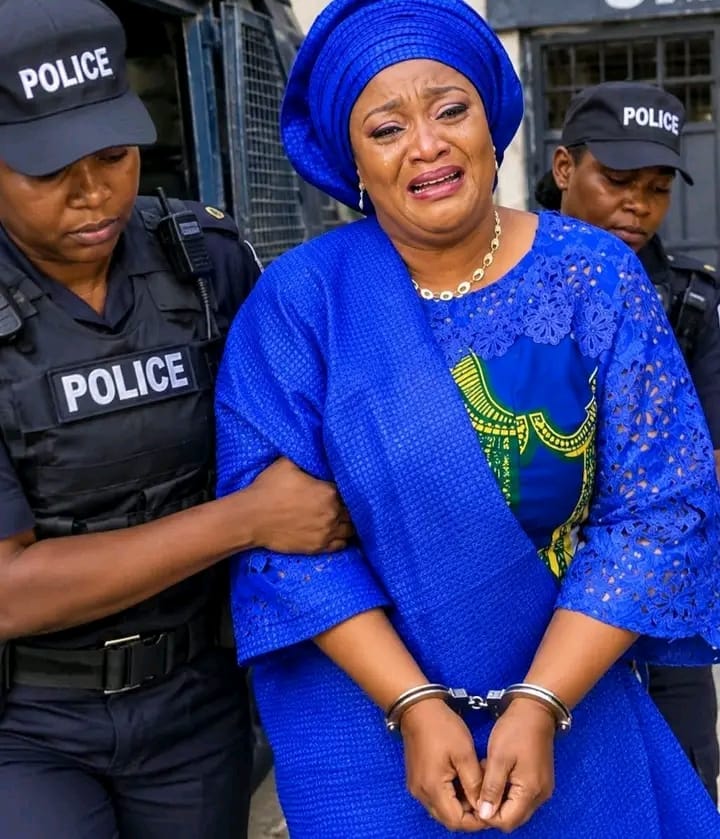
The government also arrested former Vice President Jewel Howard-Taylor and charged her with unlicensed importation, solicitation, and conspiracy in connection to the case. The administration’s position has been consistent: this is “strictly a matter of law enforcement” and not political retaliation.
What’s verified:
The seizures happened. The dismissals happened. The arrest and charges of Howard-Taylor happened.
What’s disputed:
Whether the legal process is moving at the same speed for everyone.
The Family Question:
Joseph Boakai Jr. and The Perception Problem
The case brushed against the president’s own household. In late July 2026, a video circulating on social media sought to tie Boakai’s son, Joseph Boakai Jr., to an alleged cartel.
He issued a public denial, insisting he has “never trafficked drugs, taken money for influence, or leaned on his father’s office to shield anyone”. He invited anyone with evidence to bring it to Liberia’s security institutions rather than social media. Government officials have also publicly rejected allegations connecting the President’s son to the recent cocaine seizures.
A separate line of criticism has targeted the Boakai Foundation. Commentators have called for it to voluntarily publish audited financial statements for 2023-2024, arguing that politically connected foundations can be targets for donors seeking proximity to power. As of now, no credible public evidence has linked the foundation to drug proceeds.
What’s verified:
The video circulated. The denial was issued. The government rejected the link.
What’s disputed:
Critics argue that “denial is not investigation.” There has been no arrest, no prosecution, and no independent report clearing Joseph Boakai Jr. The absence of visible due process fuels the perception of a double standard: prosecution for some, press statements for others.
Gregory Coleman: Inspector General of Police, Republic of Liberia
Dismissals vs Prosecutions
This is where civil society has pushed back hardest.
The Women NGOs Secretariat of Liberia, WONGOSOL, commended the President’s swift action but warned that “administrative removals alone will not upend the criminal networks threatening Liberia’s security”. Executive Director Esther S. Davis Yango said the dismissals “must mark the beginning—not the end—of the accountability process”. The group is demanding that investigators “follow the evidence wherever it leads and prosecute all culpable individuals to the fullest extent of the law”.
As of August 2026, the public has not seen charge sheets or court dockets for most of the dismissed airport, NSA, and LNP officials.
Dismissal is an administrative action. Prosecution is a judicial one. Without the second step made public, critics say the government is confusing personnel changes with justice.
Selective Justice Allegations and The Jewel Howard-Taylor Case
The arrest of former VP Jewel Howard-Taylor became the lightning rod. Government sources say the case is evidence that “no one is above the law.” Opposition voices immediately framed it differently.
The core of the dispute: critics allege she was arrested without credible public evidence being released at the time`, while allegations about those close to Boakai have only been met with government denials, not any arrest, not any prosecution`.
They argue this creates the appearance of political persecution` — that former CDC officials are being targeted with charges, while current officials and allies face internal discipline at most.
Former presidential candidate Alexander B. Cummings’ running mate, Cllr. Charlyne M. Brumskine, through proxy statements, and other opposition voices have called for an independent assessment. Businessman Toga G. McIntosh’s ally, Simeon Freeman’s circle, and others echoed calls for a 3-member independent panel to assess “whether investigations are being conducted professionally, independently and with equal urgency across cases.”
The arrest and charges are public record. What has not been made public is a comparative timeline showing investigative steps taken against current officials vs former officials. That missing data is what makes the “selective justice” claim disputable but not disproven.
Unresolved Legacy Cases
Accountability is not just about new scandals. It’s also about old ones.
In his first Cabinet meeting of 2026, President Boakai ordered a “full-scale investigation into unresolved cases of mysterious deaths, including the missing boys, the deaths of auditors, and other cases of national concern”. He declared: “The Liberian people deserve answers… No case will be ignored as we will bring closure to these tragedies and ensure justice is served”.
Six months later, there have been few public updates, no indictments announced, and no monthly reports as some expected.
The order was given and is on record. The follow-through has not been visible to the public. For critics, this is evidence of promises without delivery.
Border Mining and New Allegations
Another front opened in late 2025. Cllr. Tiawan Gongloe publicly alleged that “some people in this government were mining gold and diamonds” in disputed waters along the Liberia-Guinea border, and threatened impeachment if Boakai failed to probe it.
To date, no public investigation into those specific mining allegations has been announced by the Executive Mansion. The silence allows the “shielding allies” narrative to persist, even in the absence of proof.
The allegation was made publicly. No official response or investigation launch has been documented.
The LNP and Security Sector Concerns
Beyond the drug case, the Liberia National Police itself has come under fire. In November 2025, lawmakers accused the LNP of “systematic disrespect and unconstitutional harassment” and warned the country was “heading for trouble.”
The July 2026 dismissals included a police commissioner overseeing criminal investigations, suggesting the President agreed there were problems. But again, critics want to see prosecutions, not just resignations.
What Would Close The Credibility Gap?
If the Boakai administration wants to definitively counter the “shielding allies” narrative, experts and civil society say 5 steps are needed:
1. Name specific prosecutions: Move beyond “X was dismissed” to “X, Y, Z have been charged with A, B, C.”
2. Independent oversight: Appoint the independent panel that has been proposed and publish its findings on both new and legacy cases.
3. Family transparency: Voluntary audit of the Boakai Foundation finances to remove speculation.
4. Timeline on legacy cases: Monthly public update on the “mysterious deaths” probe as promised.
5. Equal application data: Release information showing investigative actions taken against current officials and former officials side by side.
The Boakai government can point to real actions: the largest drug seizures in Liberian history, the dismissal of senior security officials, and the prosecution of a former vice president.
Critics can point to real gaps: dismissals without visible prosecutions for most officials, denials without independent review for those close to power, and slow movement on long-standing cases.
As of August 2026, the evidence shows action has started. What the public has not yet seen is the proof of equal, transparent, and completed justice. Until charge sheets, court dates, and independent reports are released for all categories of accused, the claim of “no sacred cows” will remain disputable.
The Liberian people, as the President himself said, “deserve answers”. The next 90 days will determine whether those answers come in the form of courtrooms or just more press conferences
«كوبا بويزيا» تنقل الشعر إلى قلب حي كازينو ديبورتيفو في هافانا
فنانون وكتّاب ونشطاء مجتمعيون يحتفون بالمبادرات الشعبية لتحسين حياة السكان وتعزيز دور الثقافة في التنمية المحلية هافانا، كوبا — 17 أكتوبر 2026 يشهد حي كازينو ديبورتيفو في العاصمة الكوبية هافانا،…
مهرجان كستريتش الدولي للشعر يفتتح دورته الثانية عشرة في كينيا
تكريم مصري بجائزة «الجسر الأدبي»، واحتفاء بالشعر العالمي وإطلاق كتاب «الروح الفانية» للشاعر كريستوفر أوكيموا كيسيي، كينيا – الاثنين 12 أكتوبر 2026 في أجواء احتفالية تجمع بين الشعر والثقافة والحوار…
 thesilkroadtoday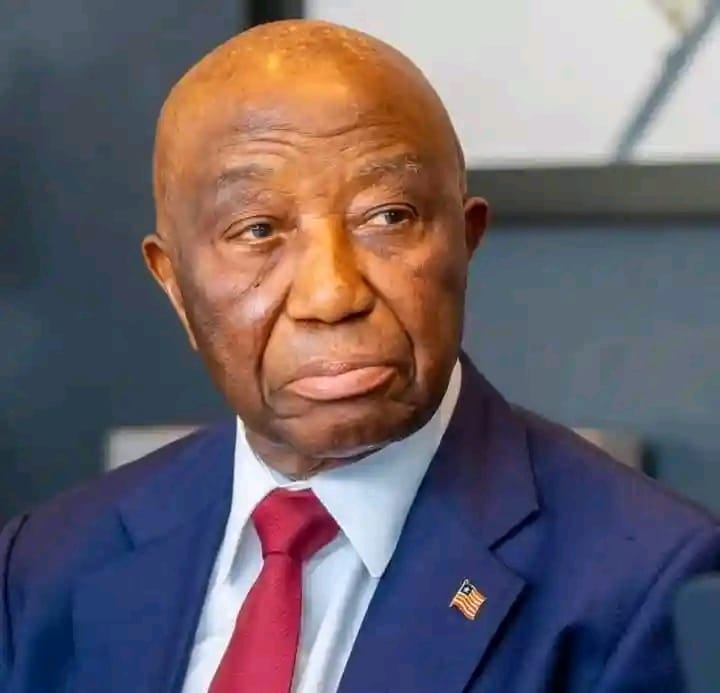
 By Michael Adeboboye