 thesilkroadtoday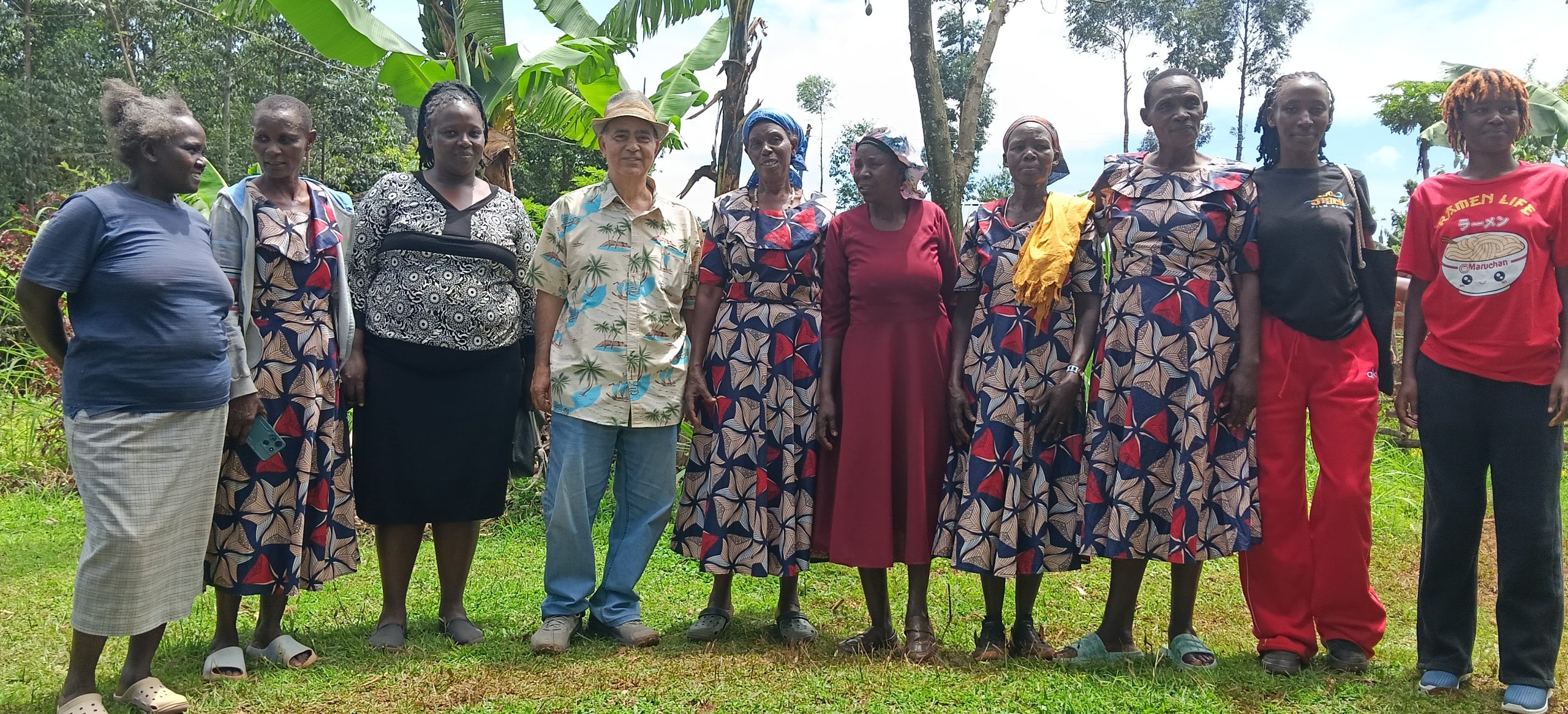
 Three Guest Poets of the Kistrech International Poetry Festival Experience the Warmth of Rural Kenya
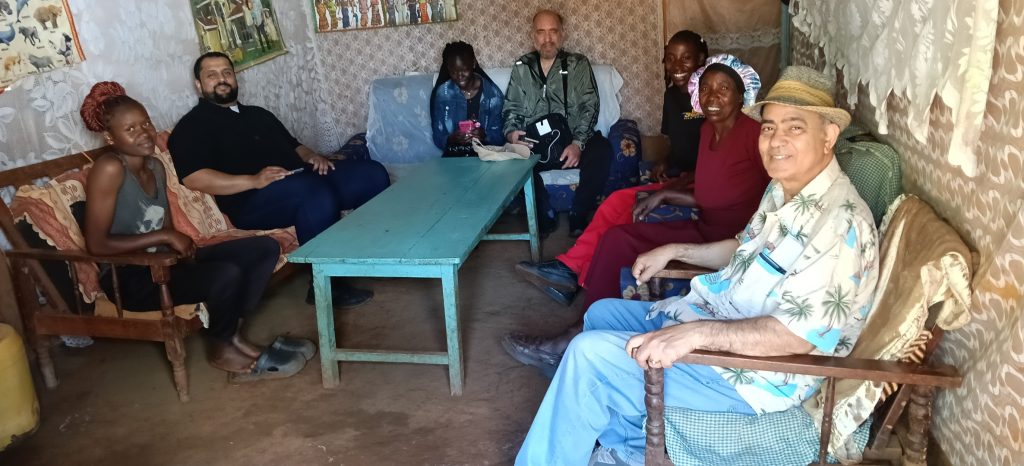
Today, the spirit of poetry travelled beyond the festival stage and into the heart of Riogembo village, where three distinguished guest poets of the 12th Kistrech International Poetry Festival—Dr. Ashraf Aboul-Yazid from Egypt, Hani Nadeem from Syria, and Hatem Al-Shahri from Saudi Arabia—were welcomed into a world where hospitality is a living tradition, community is a shared home, and friendship needs no translation.
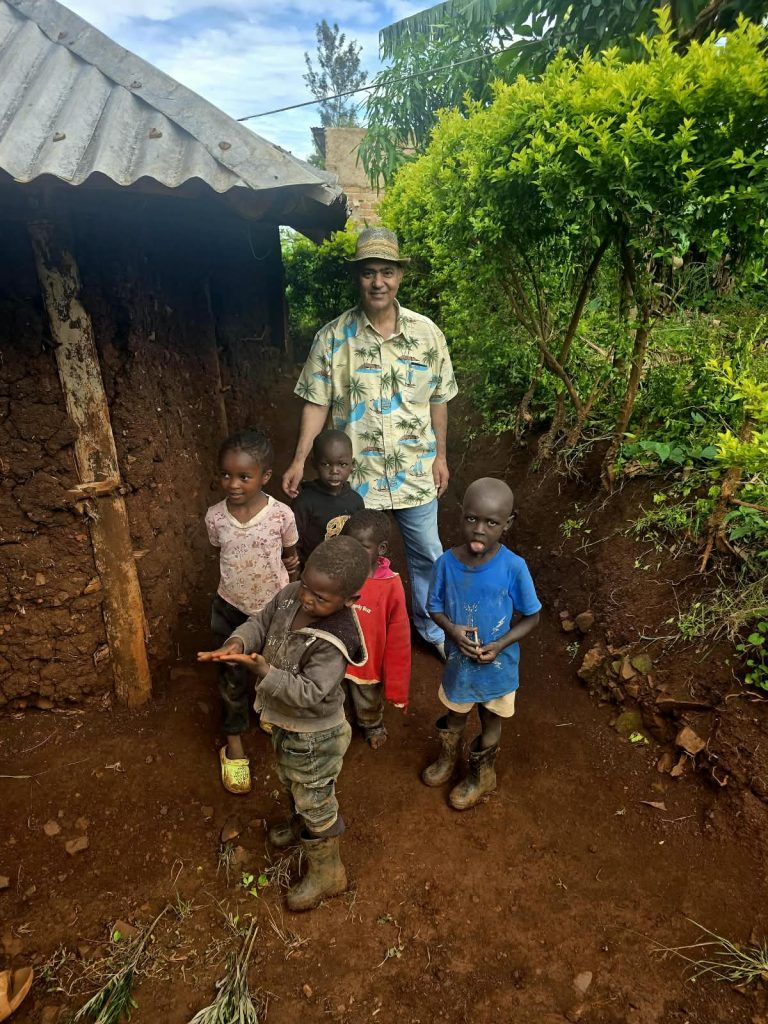
The three visitors arrived not merely as poets representing different countries and literary traditions, but as ambassadors of a common human language: the language of stories, generosity, and the desire to build bridges between people. Dr. Ashraf Aboul-Yazid, the Egyptian poet, novelist, journalist, translator, and travel writer, has devoted much of his literary journey to connecting cultures through words.
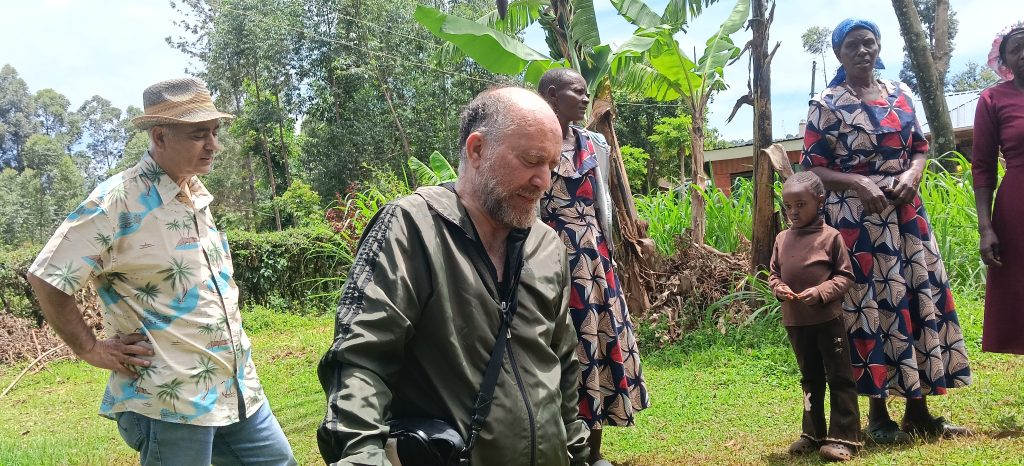
Hani Nadeem, the Syrian poet and writer, brings to his work a deep engagement with the human experience and the emotional landscapes of the Arab world. Hatem Al-Shahri, the Saudi poet, joined this gathering as another voice in the festival’s celebration of poetry across borders. Together, they carried the festival’s message into a village whose most memorable poems would be written not on paper, but through gestures of welcome, shared meals, children’s laughter, and songs of farewell.
Three Homes, One Welcome
Their hosts were a group of remarkable women affectionately known as the Mamas of Riogembo. Judith Nyabuto, the chairperson; Slay Kemunto, the vice-chairlady; and Winfridah Anthony, the secretary, led the welcome, transforming the village visit into an intimate celebration of community life.
The hospitality unfolded across three village homes, where fruits, freshly prepared foods, and steaming cups of hot tea were offered to the visitors. Each home became a small gathering place, its warmth extending beyond its walls to embrace guests who had travelled thousands of kilometres to reach Kenya.
Riogembo revealed itself through the simple abundance of its rural landscape. Banana plants stood as familiar companions to village life, while passion fruits offered their distinctive colours and tangy promise of sweetness. Fields of maize spoke of the patience of farming families and the enduring importance of the land. Goats moved about the homesteads, and little cats occupied their quiet corners, adding their own touches of life to the courtyards. These were not merely details of the scenery; they were part of the village’s everyday poetry, a reminder that culture grows from the soil as surely as it grows from books.
The welcome began with prayers, giving the gathering a moment of reflection and gratitude. In their presence, the three poets encountered a form of hospitality in which faith, food, and fellowship belonged together. The women of Riogembo did not need a grand hall or a formal literary platform to demonstrate the power of cultural exchange. Their homes provided everything that mattered: a place at the table, a cup of tea, and the generous willingness to make strangers feel like friends.
An Art Contest with a Young Judge
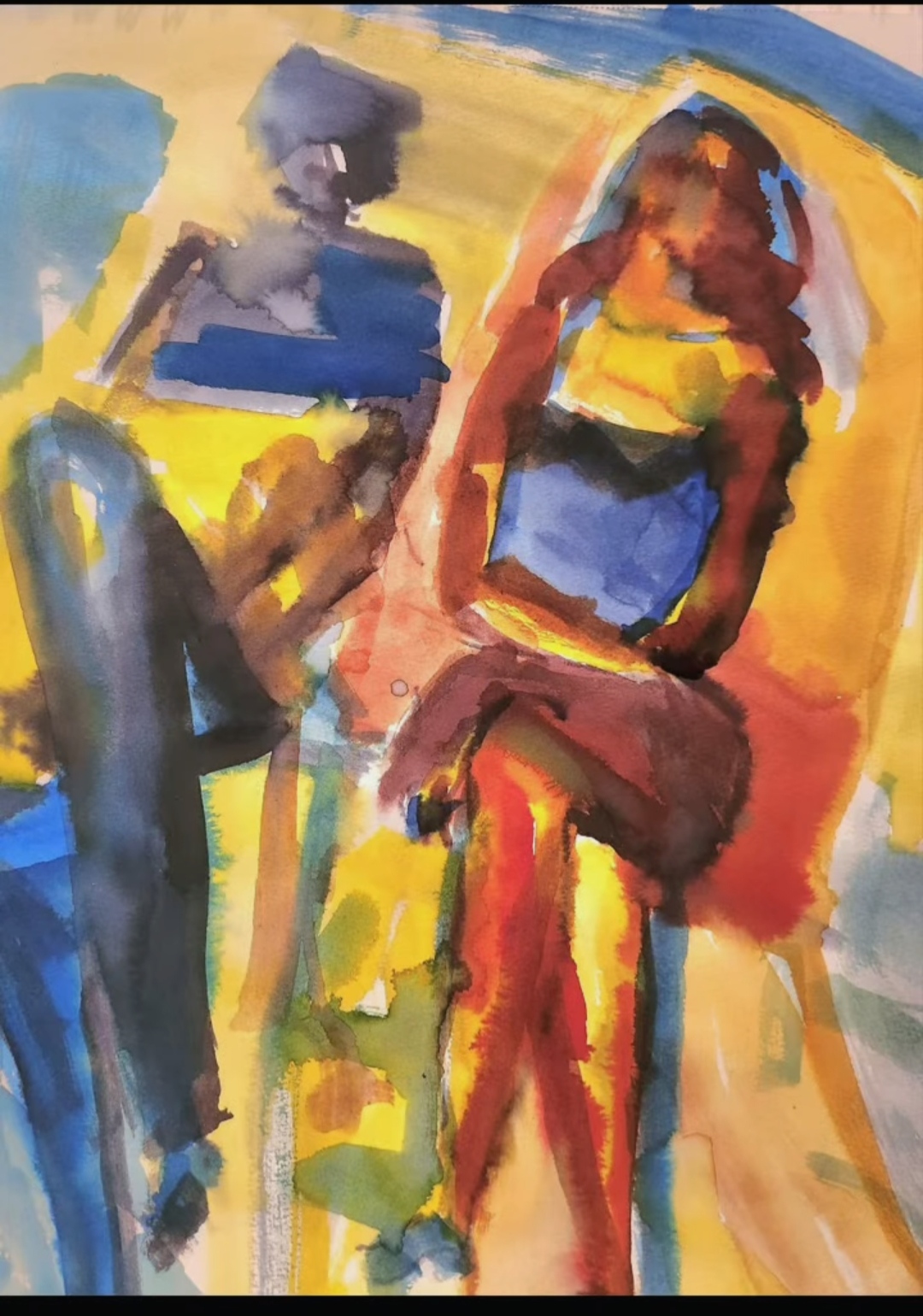
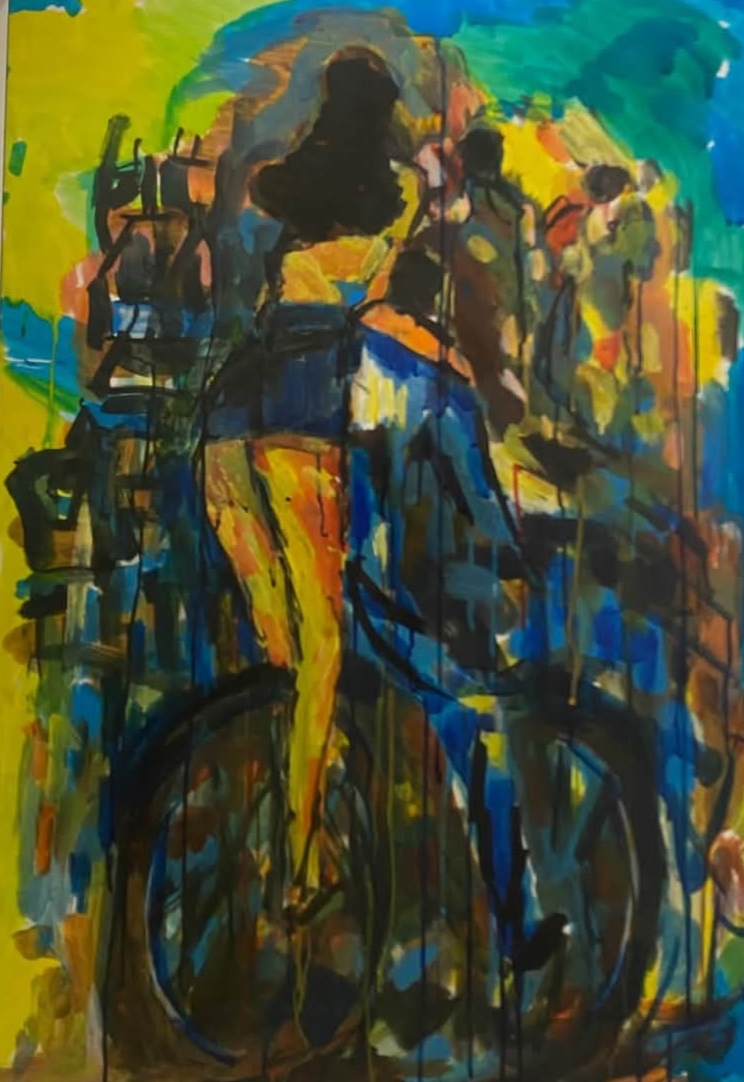
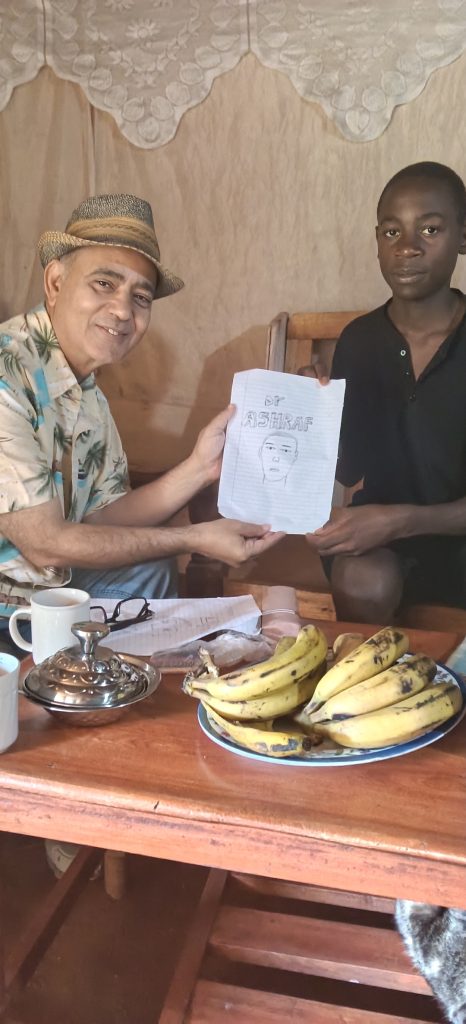
At the residence of Winfridah Anthony, the encounter took an unexpected and delightful turn. Dr. Ashraf Aboul-Yazid proposed a drawing contest, challenging Winfridah’s son, Shadrek, to an artistic duel.
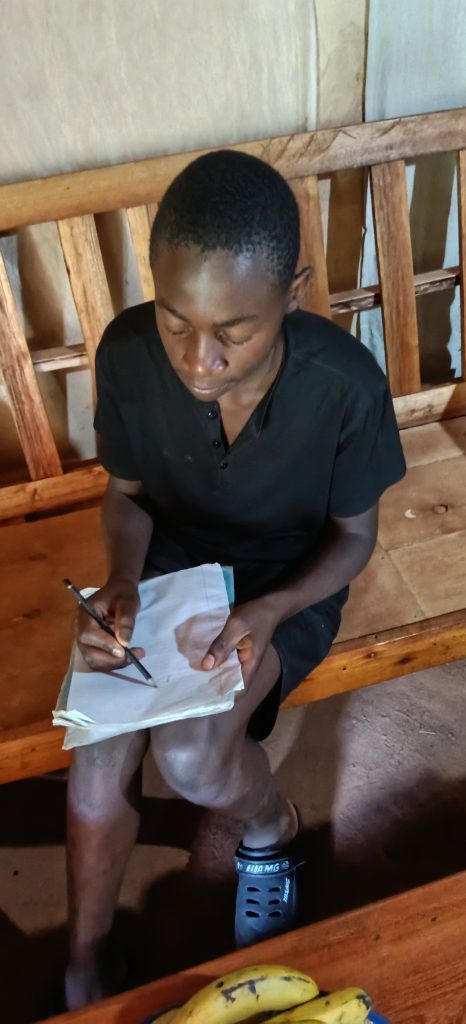
The Egyptian poet, accustomed to moving between the worlds of literature, journalism, translation, and travel, now exchanged the written word for the language of lines, shapes, and imagination. For a while, the literary guest and the young Kenyan artist stood on equal ground: two competitors, each hoping to win through the creative impulse.
But who would decide the winner?
The answer made the contest especially moving. The judge was an orphan boy whom Winfridah had taken into her care. She had raised him with the affection of a mother, having known his own mother as a friend. Entrusting him with the responsibility of judging the contest gave the boy a meaningful role in the day’s festivities. He was not simply watching the visitors; he was helping determine the outcome of their creative encounter.
In that small scene, the drawing contest became more than a game. It offered a glimpse of the bonds that hold a community together: a woman extending motherhood beyond biological ties, a child entrusted with responsibility, and a visiting poet willing to share his time and imagination with young people.
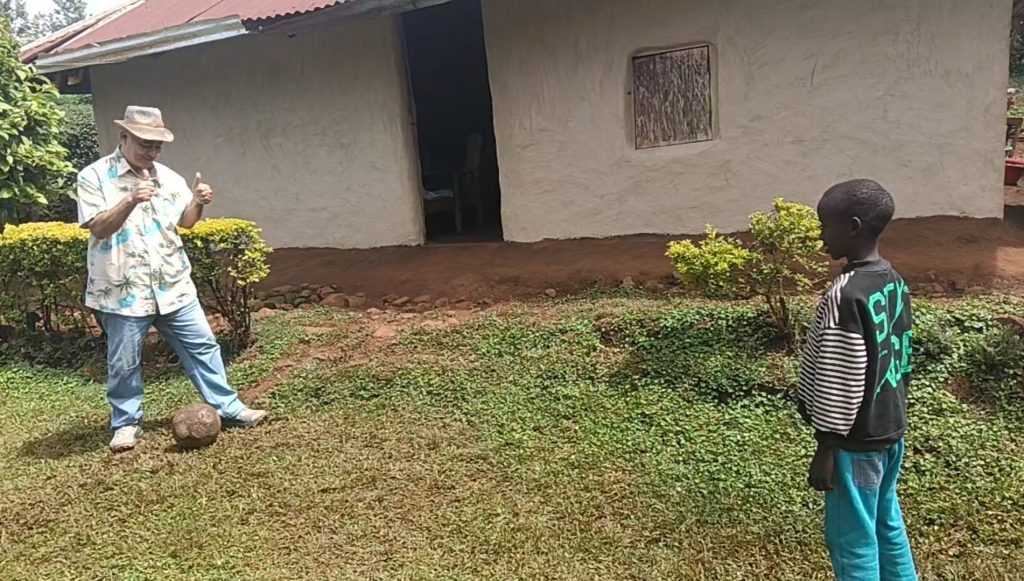
After the contest, the distance between the Egyptian visitor and the young judge narrowed even further. The boy and Dr. Ashraf played football together, trading the stillness of drawing for the movement and excitement of the game. The poet who had arrived from the banks of the Nile now found himself sharing the simple pleasure of football with a Kenyan boy. No translator was needed. The ball supplied its own vocabulary, understood wherever children and the young at heart gather to play.
Songs to Carry the Goodbye
As the visit drew to a close, the Mamas of Riogembo gathered once more, this time to offer their guests a musical farewell. Their songs rose as an expression of gratitude, affection, and communal pride, giving the departure a beauty that ordinary words could scarcely convey.
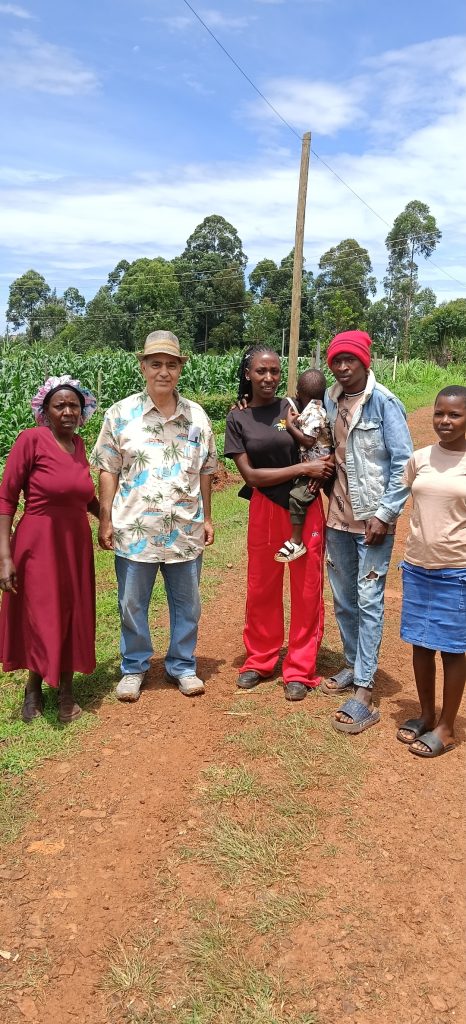
The women who had welcomed the poets with prayers, fruit, food, and tea now sent them away with melodies. The songs became the final gift of the village, a sound that would remain in the visitors’ memories long after they had left its homes and pathways.
For Hani Nadeem of Syria and Hatem Al-Shahri of Saudi Arabia, as for their Egyptian companion, the day offered an experience beyond the usual rhythm of a poetry festival. They had encountered Kenya not only through its landscapes or its literary voices, but through the generosity of its people and the intimacy of its homes.
For Dr. Ashraf Aboul-Yazid, whose literary journey has long explored the connections between cultures, the drawing contest and football match offered a particularly vivid illustration of how friendship can begin in the smallest gestures. A sheet of paper, a shared game, a cup of tea, or a song can become a bridge between people whose lives have unfolded in different languages and distant lands.
And for the Mamas of Riogembo, the visit was an opportunity to welcome the world into their village without surrendering anything of its familiar character. Their maize fields, banana plants, passion fruits, goats, and little cats remained the quiet witnesses to a day made extraordinary by human encounter.
When the three poets finally departed, they carried more than memories of a village visit. They carried the warmth of three homes, the laughter of children, the generosity of women, and the music of a community that had welcomed them as friends.
In Riogembo, poetry had stepped down from the page and entered everyday life. It had sat at family tables, competed in drawings, chased a football, and listened to songs beneath the Kenyan sky.
The day offered its own gentle conclusion: the most enduring poems are sometimes written not by the poet alone, but by everyone who opens a door, shares a meal, welcomes a stranger, and turns a moment of encounter into a lasting memory.