 thesilkroadtoday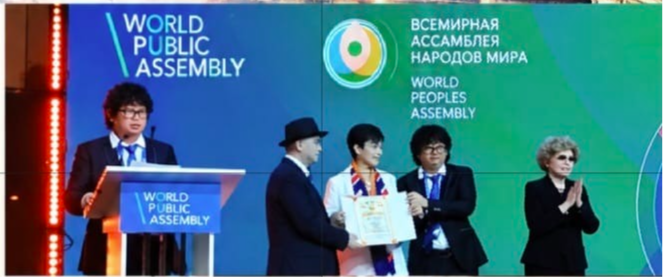
Named Alongside 1986 Nobel Laureate Soyinka for the 2026 WOW Award
22 Works Signed for Foreign-Language Publication
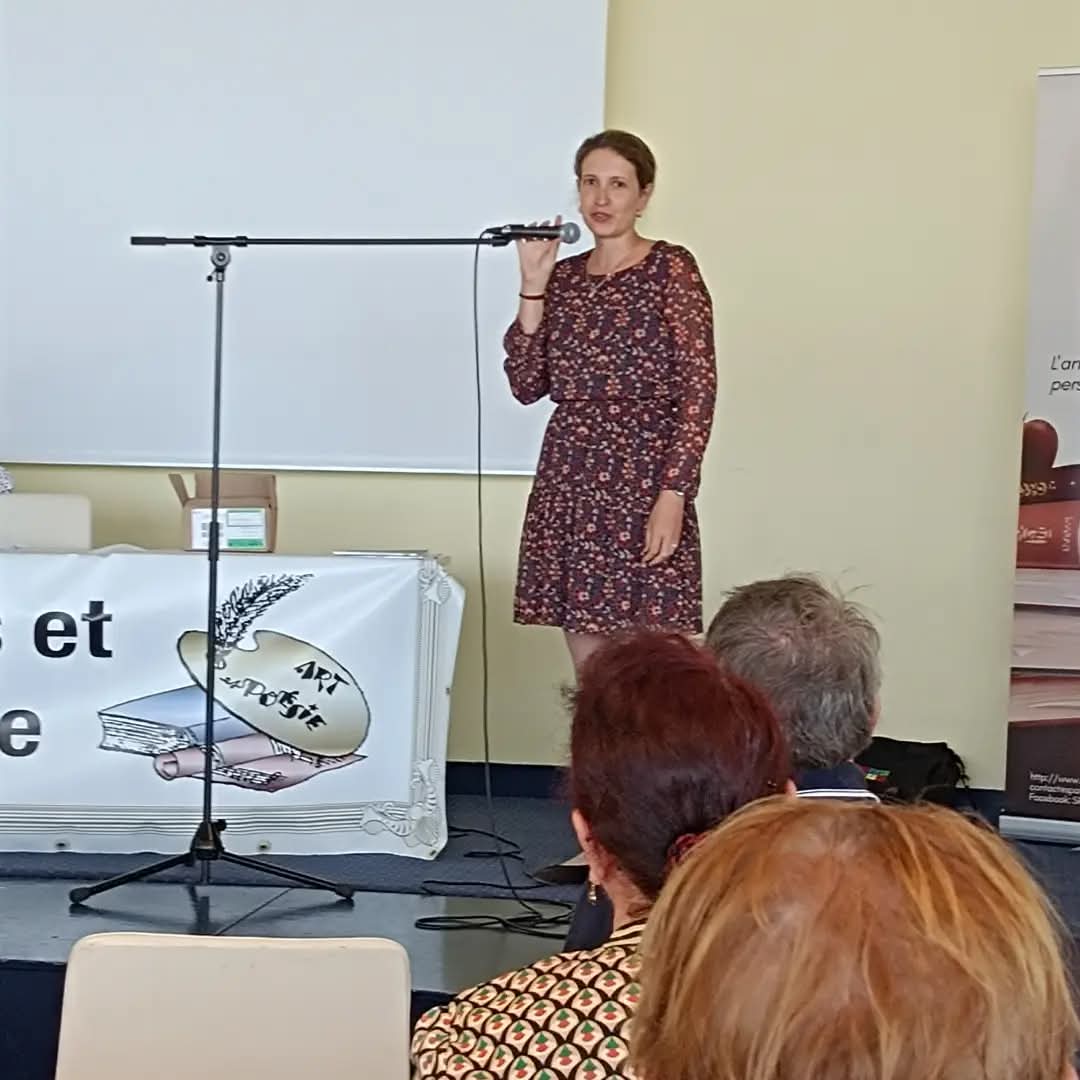
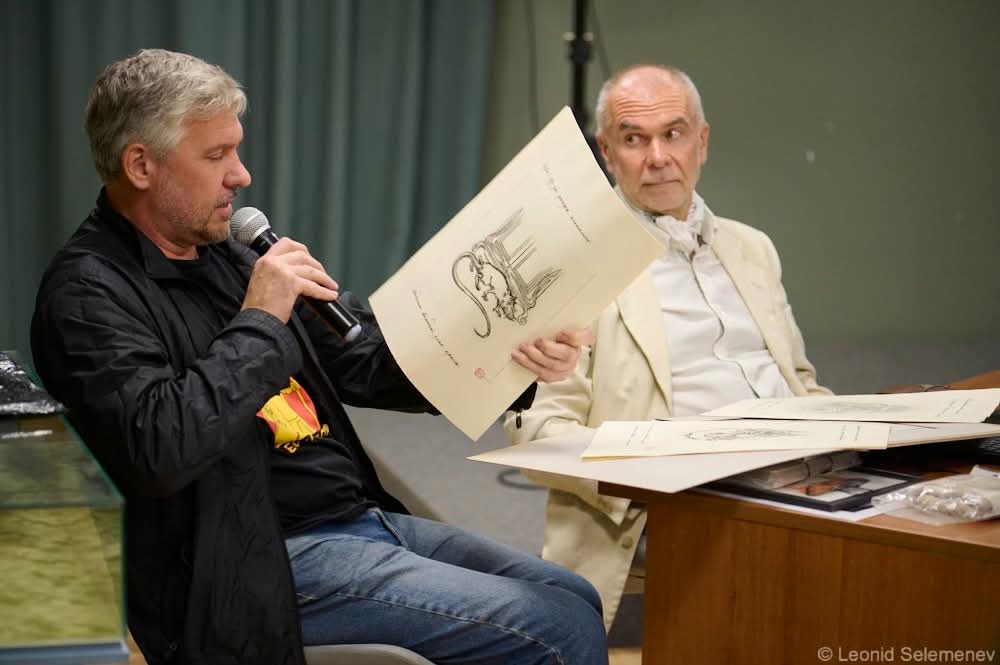
On September 18 local time, the Second World People’s Congress was grandly held in Moscow. At the congress’s awards ceremony, Margarita Al, President of the World Organization of Writers (WOW), presented the 2026 World Writers Laurel Poet Award to Chinese poet and writer Cao Shui. Russian Foreign Minister Lavrov, along with writers, scholars, and dignitaries from 154 countries, witnessed the moment. Feng Litao, Minister-Counselor of the Chinese Embassy in Russia, sent special congratulations. It is reported that in the first half of 2026 alone, Cao Shui has already received 81 international literary awards and 12 honorary doctorates in literature, and was named by Hong Kong’s Huaxia Morning Post as “the contemporary Chinese poet who has received the most international literary awards.”
A World Literary Constellation: Six Laureates Across Asia, Africa, Europe, and Latin America
Joining Cao Shui on the 2026 WOW Award honoree list are five other distinguished writers from different continents: Wole Soyinka, the 1986 Nobel Laureate in Literature from Nigeria; Fernando Rendón, the Colombian poet; Vyacheslav Kupriyanov, the Russian poet; Rubén Darío Flores Arsila, the Colombian writer; and Timur Zulfikarov, People’s Poet of Tajikistan.
In her citation, Margarita Al stated that confirming Cao Shui’s nomination was a great honor for WOW, and that he is a treasured friend of the organization and an important voice in contemporary world literature. She noted that Cao Shui’s award holds special significance for the growing literary dialogue between China and the wider world, and for the ongoing role of literature in connecting cultures along the historical and contemporary Silk Road. The 2026 honorees form a literary constellation spanning Asia, Africa, Europe, and Latin America — from the Eurasian poetic imagination of China, to the international poetry movement of Colombia; from the multilingual literary heritage of Russia, to the historic voice of African literature represented by Soyinka, to the Central Asian poetic tradition embodied by Zulfikarov.
Acceptance Speech: The Tower of Babel of Human Literature Is Being Realized
At the awards ceremony, Cao Shui delivered a speech titled “From Beijing to Moscow: The Tower of Babel of Human Literature Is Being Realized.” He first thanked President Margarita Al and the entire judging panel, and expressed special gratitude to the translators of Epic of Eurasia — Ashraf Aboul-Yazid, Lambert Garcia, George Wallace, and Nikolai Ural, the Russian translator. “Through your translations, the Tower of Babel of literature is being realized.”
In his speech, Cao Shui recalled a dream from his youth: “To ride a horse from Beijing, across the vast Eurasian continent, all the way to Moscow. Along the way, we would pass through India, Persia, Babylon, Canaan, Egypt, and Greece, savoring the glory of those ancient civilizations one by one.” This dream later found its way into his long poem Epic of Eurasia — which has now been translated into twelve languages, including Russian, and is circulating around the world.
Citing the research of geneticist Spencer Wells in The Journey of Man: A Genetic Odyssey, he pointed out that all humans today descend from a common ancestor who lived 100,000 years ago, and that the genetic difference between any two people is a mere 0.01%. “This is strikingly consistent with the biblical metaphor of the Tower of Babel: humanity originally spoke one language, but God confounded our speech and scattered us to the corners of the earth — and thus came the 200 countries, 2,000 peoples, and 6,000 languages of today.”
Standing on the soil of Moscow, Cao Shui declared: “We want neither Western-centrism nor Eastern-centrism — what we need is a ‘human-centrism’ of multiple centers coexisting and East and West merging. It is time for humanity to unite. The future of humanity must be one language, one people, one nation. It may take five hundred years, but I firmly believe — we came from the same place, and we will arrive at the same place!”
Elected Chinese-Language Region Chair; 22 Works Signed for Foreign-Language Publication
At the congress, Cao Shui was also elected Chair of the Chinese-Language Region of the World Organization of Writers. This appointment marks a more systematic position of representation for Chinese literature within the framework of WOW.
Alongside the honors came tangible progress in Chinese literature “going global”: on the spot, Cao Shui reached foreign-language publishing agreements with overseas publishers for 22 works, covering several representative series —
The long poem Epic of Eurasia will be published in Russian, Portuguese, and Mongolian translations; the five-volume novel Secret History of Kunlun will appear in Arabic, Bengali, and English; the fairy tale The Snow Leopard Prince will come out in English and Arabic; the poetic drama Romeo and Zhu Yingtai will be published in Italian; and Golden Burning in the Sky: Selected Poems of BRICS Countries, edited by Cao Shui, will also be formally published. Local media assessed this as an important contribution of Chinese literature to world literature. Cao Shui revealed that, building on this momentum, his total published books are expected to reach 80 next year.