 thesilkroadtoday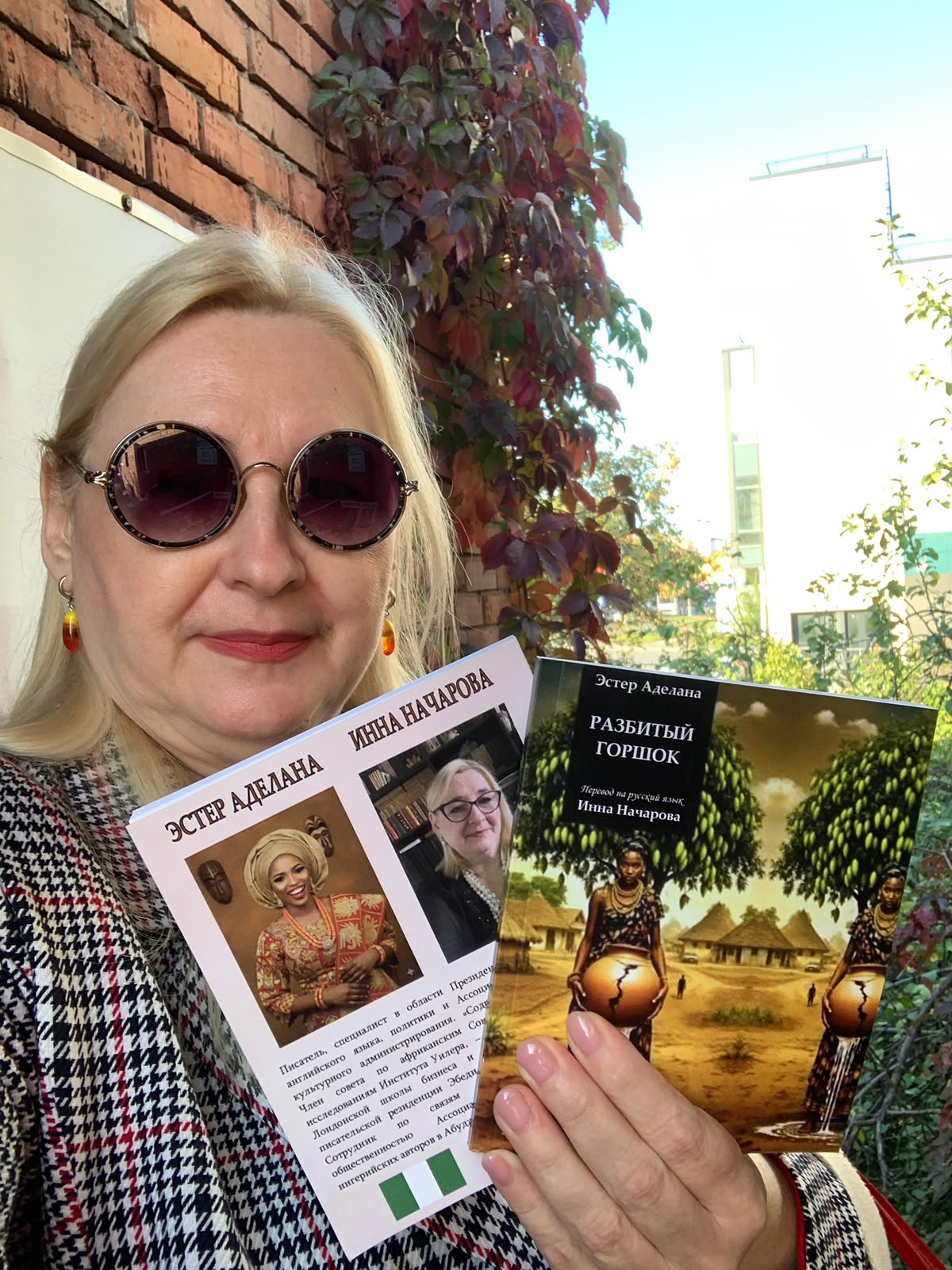
Moscow / Cairo — September 2026
A new literary bridge between Nigeria, Russia, and Egypt has taken shape through the international Silk Road literary network, as Russian writer and translator Inna Nacharova completes her Russian translation of a play by young and successful Nigerian writer Esther Adelana.
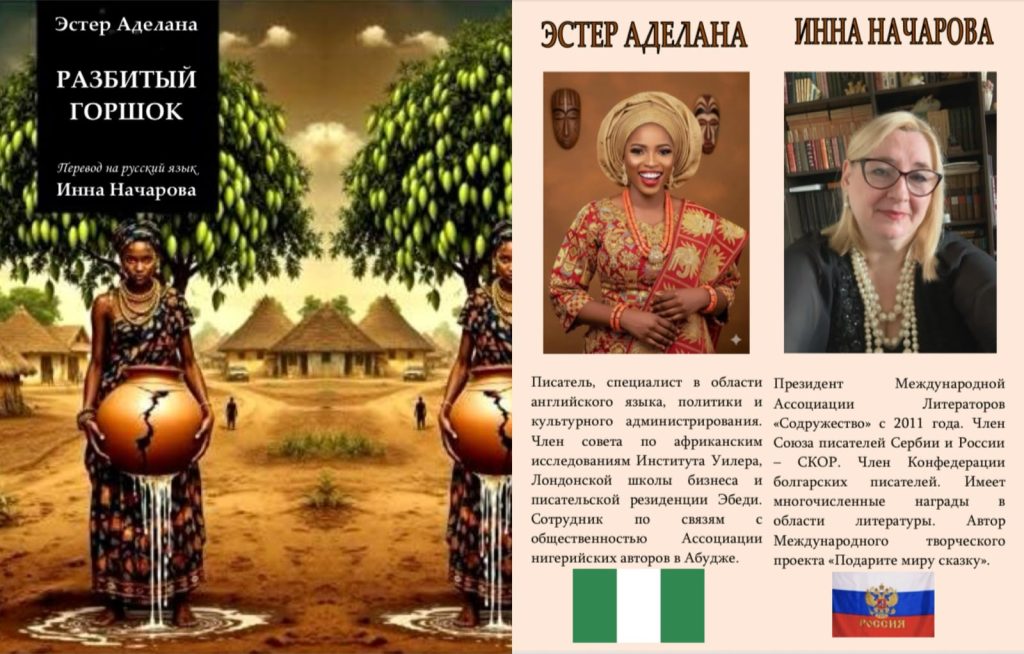
Sharing her joy over the publication process, Nacharova announced that she had translated Adelana’s play into Russian and recently received the first pilot copies of the new book.
“I translated into Russian a play by the young and successful Nigerian writer Esther Adelana,” Nacharova said in a personal announcement celebrating the new publication. “Our colleague and friend from Egypt, Mr. Ashraf Abdul-Yazid, introduced us through his Silk Road project. And today I received the pilot copies of the new book.”
The project represents a practical example of how literary exchange can move across geographical, linguistic, and cultural borders. A work created by a Nigerian writer is now being made available to Russian-language readers through the efforts of a Russian translator, with the connection facilitated through an Egyptian literary platform devoted to international cultural dialogue.

The introduction of Adelana and Nacharova took place through Ashraf Abdul-Yazid’s Silk Road Literature Series, an initiative established to promote literary encounters and translations among writers from Asia, Africa, Europe, and other regions connected by the historical and contemporary idea of the Silk Road.
For Abdul-Yazid, whose work as a poet, writer, translator, journalist, and editor has long focused on cultural communication, translation is one of the most effective ways of transforming international encounters into lasting literary relationships. The collaboration between Adelana and Nacharova demonstrates this approach in practice: a meeting facilitated through a literary network has developed into a translation and publication project.
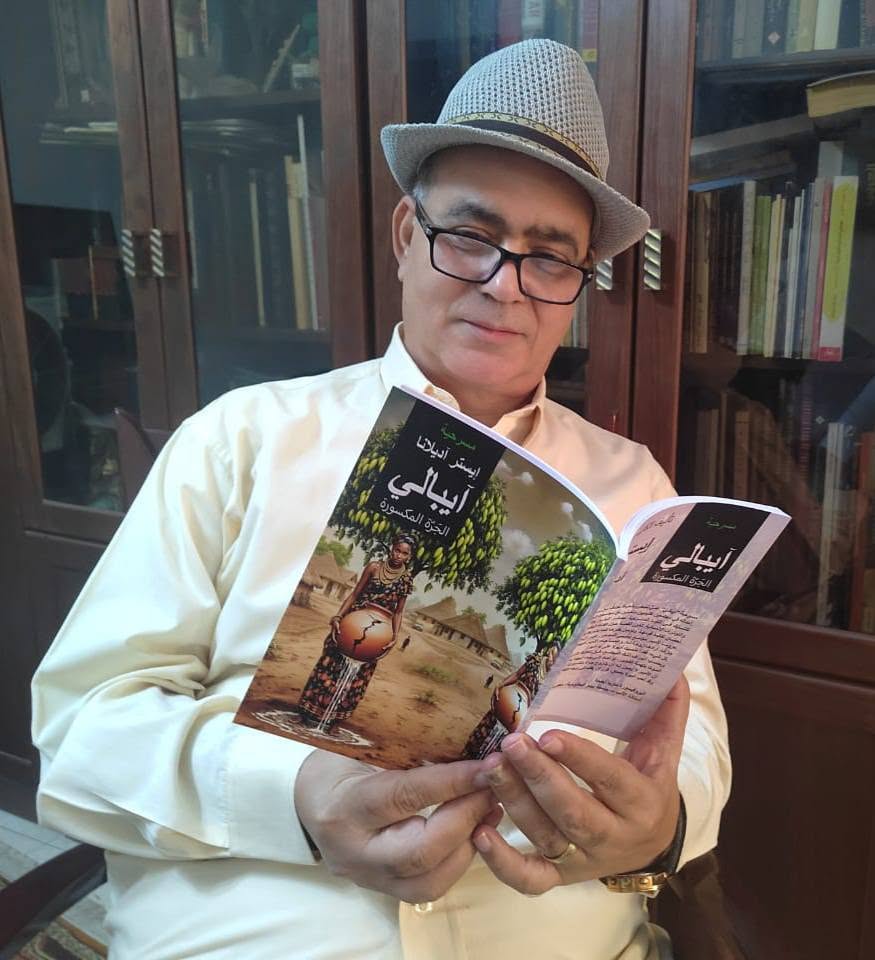
The arrival of the pilot copies marks an important stage in the journey of Adelana’s play toward Russian readers. It also highlights the role of translators as cultural mediators who enable literary works to travel beyond the languages and countries in which they were originally created.
The Nigerian–Russian literary exchange adds a new chapter to the Silk Road Literature Series, which has consistently sought to connect writers and literary traditions that might otherwise remain separated by language and geography.
The project also reflects the growing importance of literary translation in contemporary cultural diplomacy, allowing readers to encounter voices from different parts of the world not through summaries or cultural references, but through the literary works themselves.
The publication of the Russian translation of Esther Adelana’s play therefore carries significance beyond the appearance of a single new book. It represents a chain of literary cooperation linking Nigeria, Russia, and Egypt—with the Silk Road serving as the meeting point.
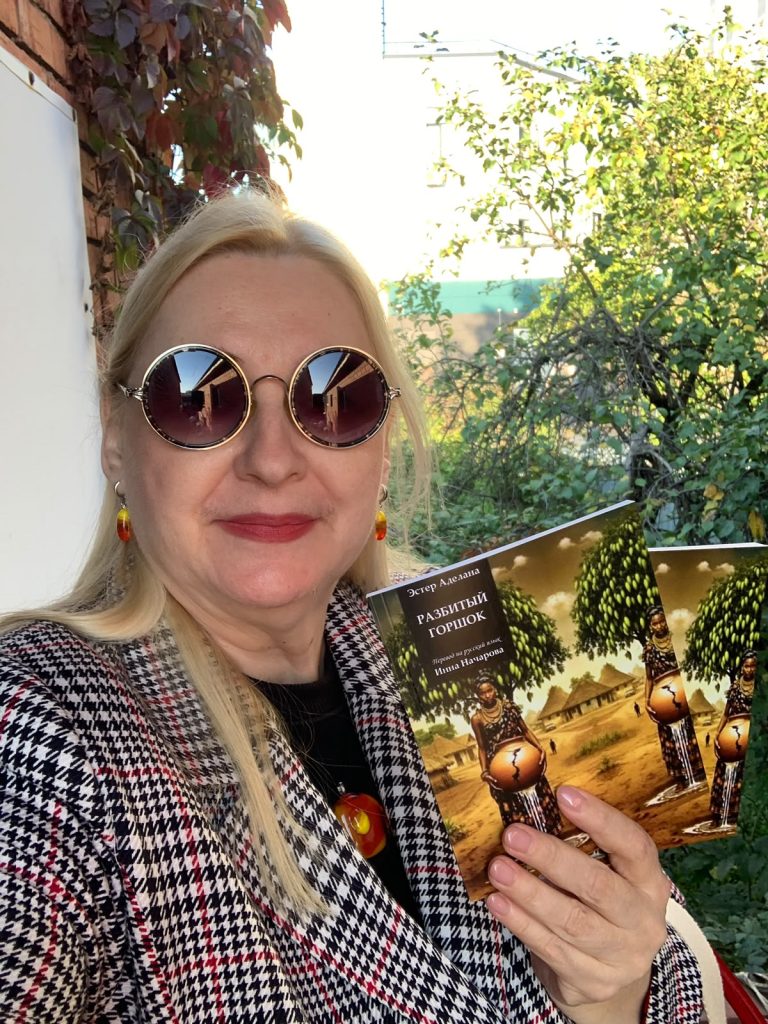
As Inna Nacharova’s joyful announcement makes clear, the arrival of the first pilot copies is both a publishing milestone and a celebration of a friendship that began with a literary encounter and developed into a new channel for African literature to reach Russian-speaking readers.