 thesilkroadtoday
By Võ Thị Như Mai (Vietnam – Australia)
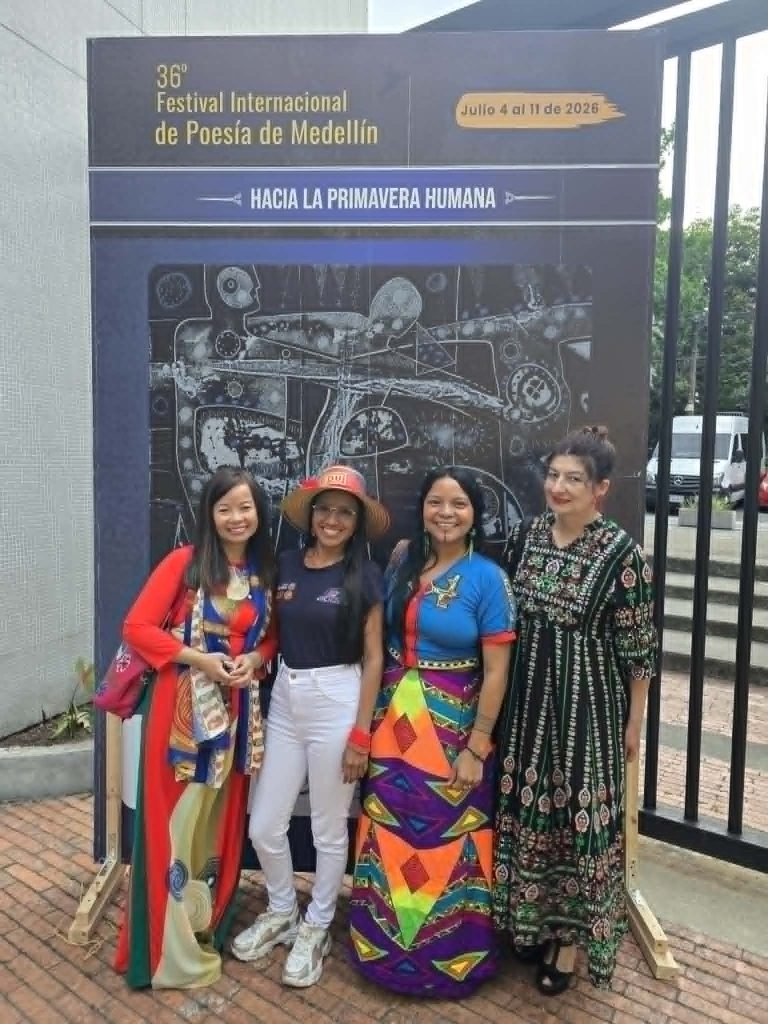
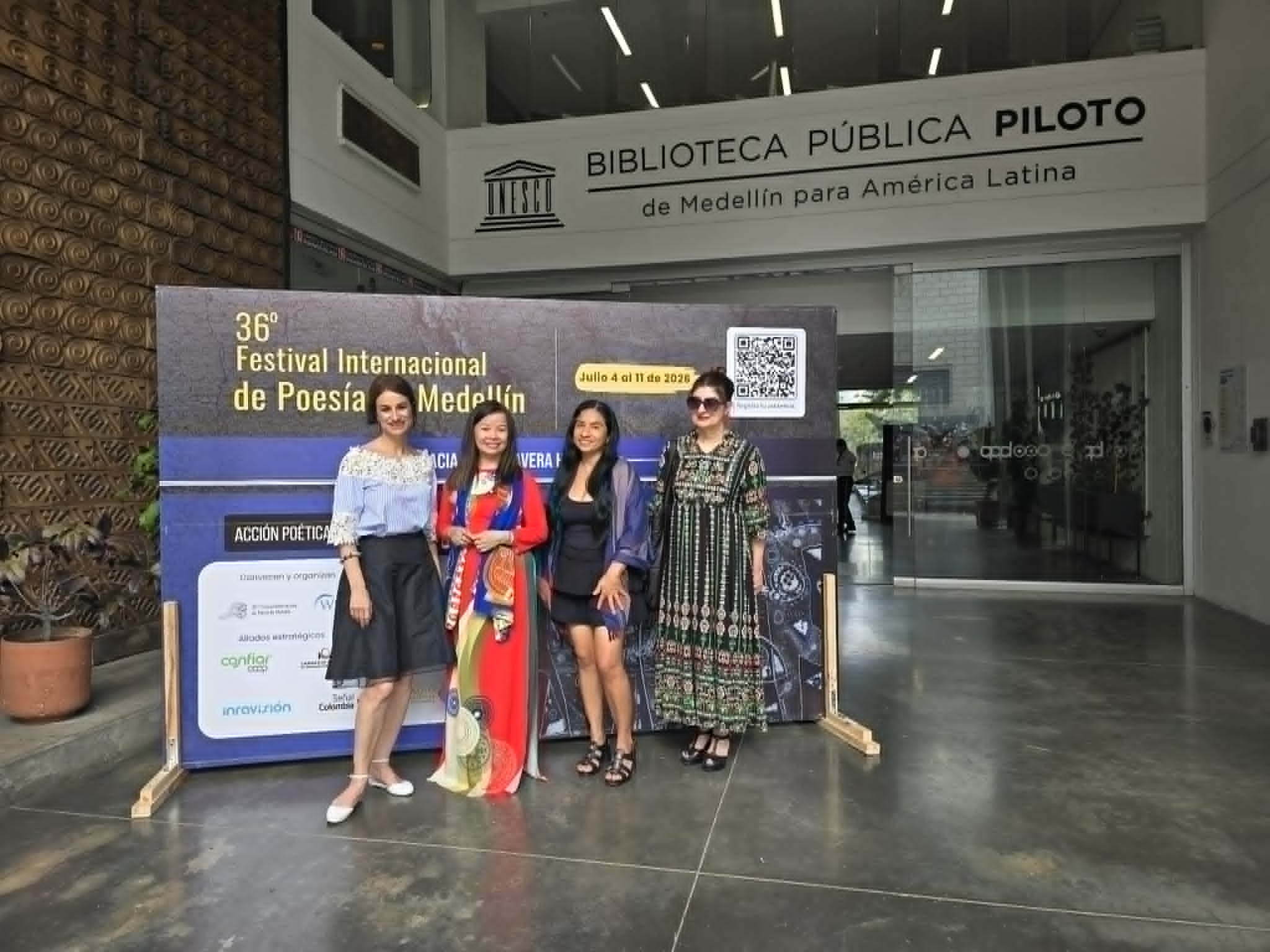
As both a participating poet and an international observer at the 36th Medellín International Poetry Festival, I arrived in Colombia expecting to read poetry alongside writers from around the world. What I did not expect was to witness a remarkable model of how literature can become a force for community, education, cultural diplomacy and peace.
Over several days, I have travelled across Medellín, attended readings, listened to conversations between poets from different continents, spoken with organisers, volunteers, interpreters and audiences, and observed the extraordinary care behind every aspect of the festival. Beyond its distinguished literary programme, the Medellín International Poetry Festival offers valuable lessons that extend far beyond poetry itself. It demonstrates how culture, when genuinely supported by a city and its people, can transform public life.
The first lesson is perhaps the simplest but also the most profound: poetry belongs to everyone.
In many countries, literary festivals remain largely confined to theatres, conference halls or university campuses, attracting readers who already have a strong interest in literature. Medellín has chosen a different path. Poetry is carried into neighbourhoods, schools, libraries, museums, parks, cultural centres and public squares. Rather than expecting audiences to come to literature, the festival brings literature directly to the people.
This approach changes everything.
Families attend outdoor readings together. Students meet internationally recognised poets in their classrooms. Elderly residents listen alongside young children. University audiences engage in intellectual discussions, while community centres create intimate conversations between visiting writers and local residents. Every venue becomes a meeting place where literature is shared rather than displayed.
The result is that poetry becomes part of everyday civic life rather than a specialised artistic activity.
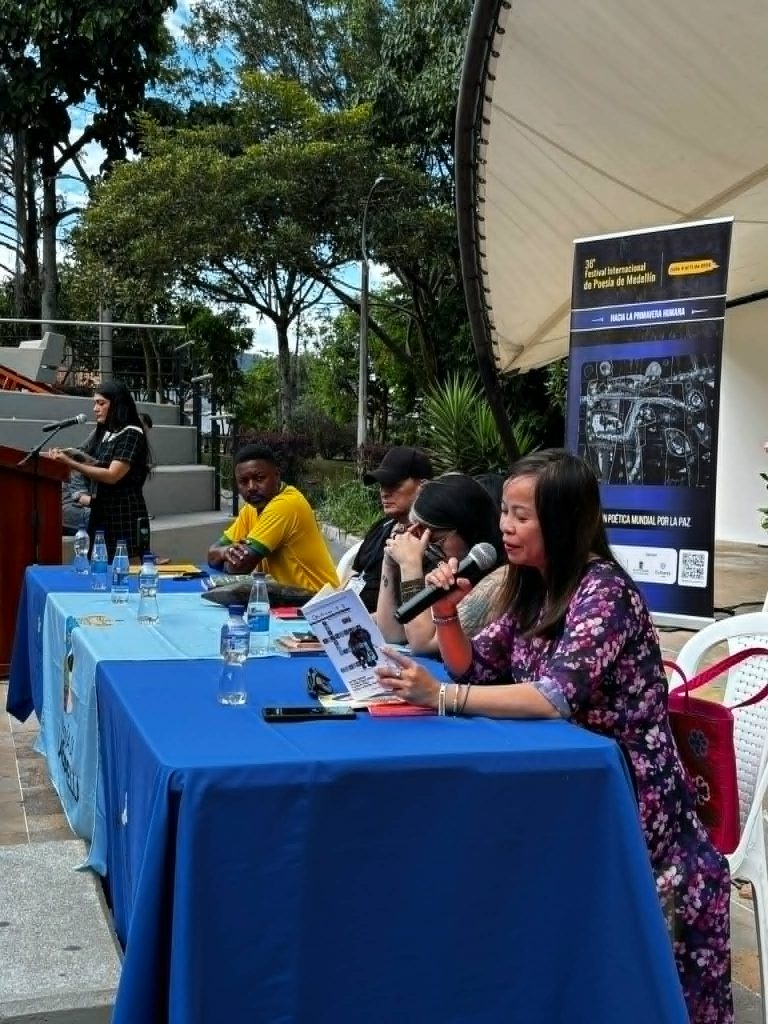 As a poet from Vietnam and Australia, this has been one of the festival’s greatest inspirations. It reminds us that poetry flourishes because it is accessible.
The second lesson is that successful cultural events depend upon invisible excellence.
Visitors naturally admire the poets on stage, but behind every successful reading stands an extraordinary network of organisers, volunteers, interpreters, drivers, technicians, photographers, media teams and coordinators. Throughout the festival, transportation has operated with remarkable efficiency. Schedules are carefully balanced. Poets are welcomed warmly, informed clearly and supported generously.
These details may seem ordinary, yet they are precisely what allow extraordinary cultural experiences to happen.
Rather than rushing participants from one engagement to another, the programme creates space for reflection. Poets have time to explore Medellín, visit museums, experience Colombian hospitality and engage in conversations with fellow writers before returning to the stage. This thoughtful rhythm reminds us that creativity cannot be forced. Good poetry requires time to observe, to think and to connect with people.
Another lesson lies in the festival’s remarkable commitment to multilingual communication.
Throughout the week, interpreters have worked quietly but tirelessly, allowing poets from dozens of countries to speak naturally in their own languages while audiences participate fully in every discussion. Translation here is an act of cultural hospitality.
One unforgettable example came during the evening with Pulitzer Prize-winning Northern Irish poet Paul Muldoon at Teatro Ateneo Porfirio Barba Jacob. The conversation, led by Fernando Rendón and Gabriel Jaime Franco, moved effortlessly between English and Spanish through the skilled interpretation of George Angel. Every nuance, every moment of humour and every thoughtful reflection remained alive for listeners regardless of language.
Equally moving was the Spanish reading of Muldoon’s poetry by Colombian poet John Viana. His interpretation demonstrated that translation is itself an artistic practice, carrying not only meaning but rhythm, imagery and emotional resonance from one language into another.
Watching this exchange, I realised that translation may be one of poetry’s greatest gifts to humanity. It allows cultures not simply to understand one another but to listen to one another.
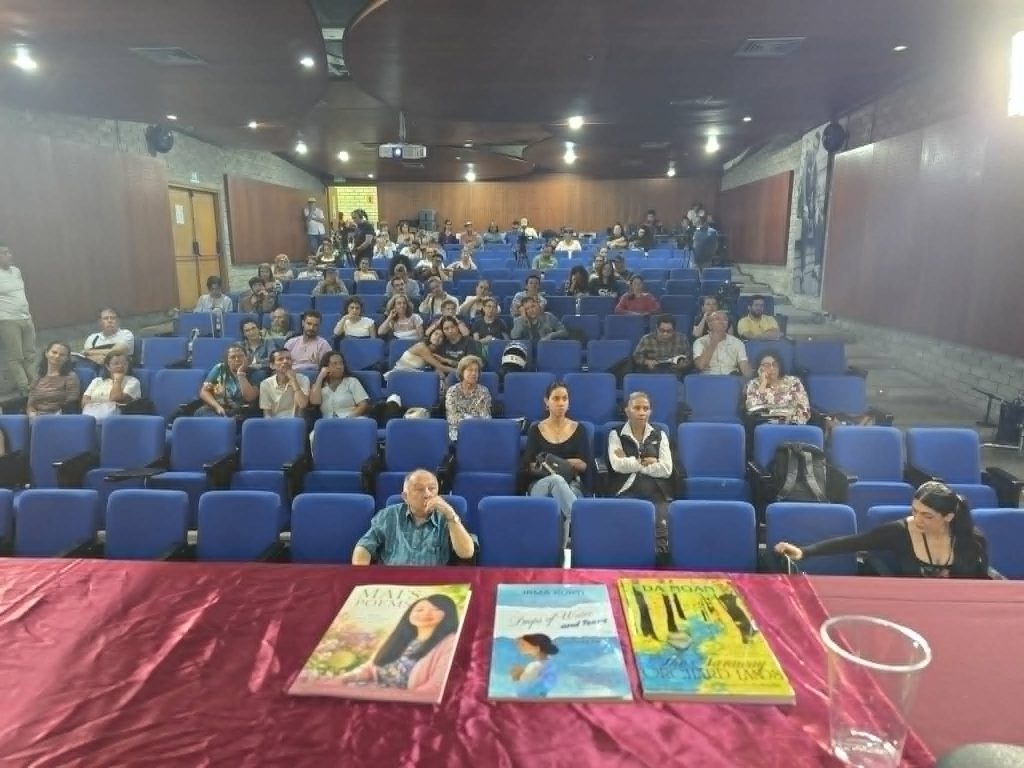
The festival also teaches that dialogue is as important as performance.
Many literary events conclude when the applause ends. In Medellín, the conversation often begins there.
Questions from audiences regularly explore identity, memory, history, creativity, conflict and peace. Readers do not simply admire poets; they engage with them. The distance between stage and audience disappears, replaced by genuine curiosity and mutual respect.
During the discussion with Paul Muldoon, questions moved beyond literary technique towards larger human concerns. How do personal memories become universal poems? How does history shape identity? Can language help societies remember difficult pasts without becoming imprisoned by them?
These were not merely academic discussions. They reflected the very spirit of the festival itself.
Another important lesson is that culture thrives through collaboration.
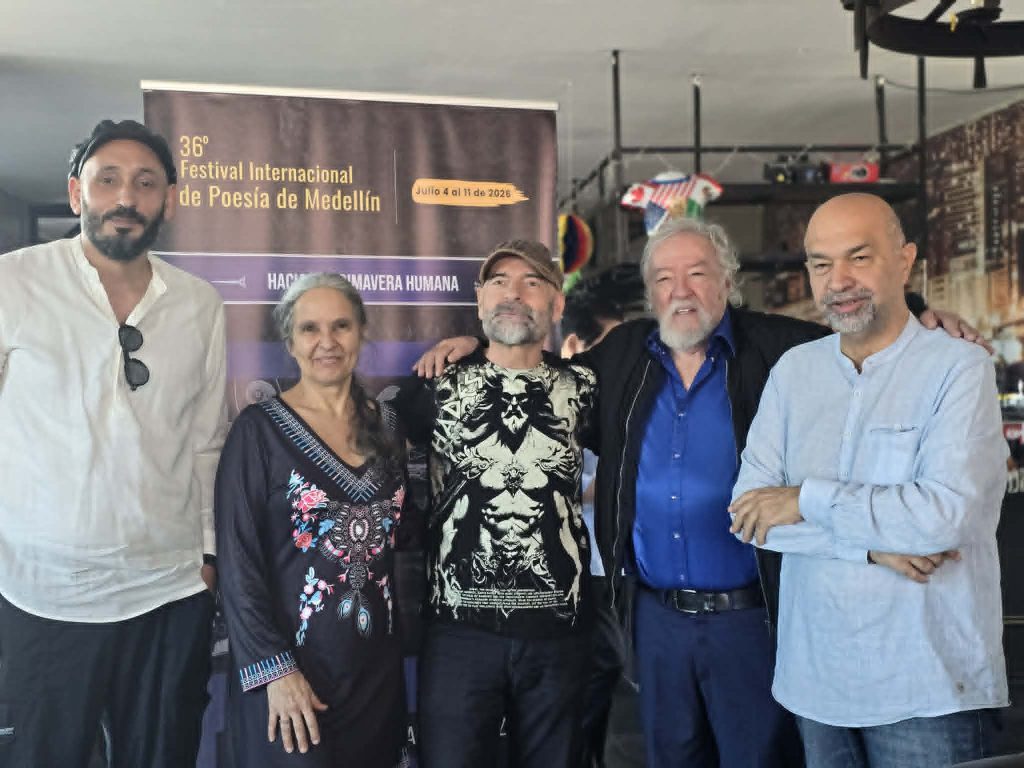
The Medellín International Poetry Festival is supported by an impressive network of universities, libraries, museums, theatres, cultural organisations, media partners, government institutions and international embassies. Rather than working independently, these organisations contribute collectively towards a shared cultural vision.
The official media partnerships further reinforce this commitment. Radio stations, television networks, newspapers and independent journalists document each day’s events, ensuring that poetry reaches audiences far beyond the festival venues themselves. Daily interviews introduce readers to poets from every continent, while photographers and videographers preserve each encounter as part of a growing cultural archive.
In many places, literature struggles to receive public attention. Medellín demonstrates what becomes possible when media recognise poetry as newsworthy, when educational institutions embrace writers, and when civic authorities understand that cultural investment strengthens society itself.
Perhaps the festival’s greatest lesson, however, is that poetry can become a form of cultural diplomacy.
Representing Vietnam and Australia, I have had the privilege of meeting poets from every corner of the world. We come from countries with different languages, histories, religions and political systems. Yet once we begin reading poems together, these differences become opportunities for understanding rather than barriers.
The opening message in the festival programme speaks of poetry as a force capable of rebuilding what violence and politics have destroyed. During these days in Medellín, those words have become visible reality.
Every shared meal, every conversation between strangers, every translated poem and every question from an audience member becomes a small act of peacebuilding.
This commitment extends beyond Colombia itself. Throughout July, poetry readings inspired by the Medellín International Poetry Festival take place in cities across the world under a common message of peace. Writers, translators and literary communities participate in solidarity, demonstrating that Medellín has become not only the host of a festival but also the symbolic centre of a global poetic movement.
As both participant and observer, I have come to understand why this festival enjoys such extraordinary international respect.
Its success is not measured solely by the distinguished poets it invites or the size of its audiences. It lies in something much deeper: its belief that poetry matters.
It matters because it preserves memory.
It matters because it encourages dialogue.
It matters because it introduces children to imagination.
It matters because it allows strangers to become friends.
It matters because it reminds us that language can still heal divisions that politics often cannot.
For me personally, participating in this festival has been far more than a literary engagement. It has been an education in how culture can serve society. I have learned that a festival succeeds not only through artistic excellence but through generosity, careful organisation, openness and a genuine commitment to serving its community.
As I prepare to share these reflections with readers in both English and Vietnamese, I hope the experience of Medellín will inspire cultural organisations, educators, poets and policymakers far beyond Colombia. The lessons offered here are universal.
A city that believes in poetry also believes in dialogue.
A society that invests in culture invests in its future.
And a festival that welcomes the world reminds the world that peace often begins not with treaties or speeches, but with people willing to listen to one another’s stories.
In Medellín, poetry does not simply fill theatres. It walks through the streets, enters classrooms, crosses languages, embraces communities and quietly builds bridges between nations.
That may be the greatest lesson of all.
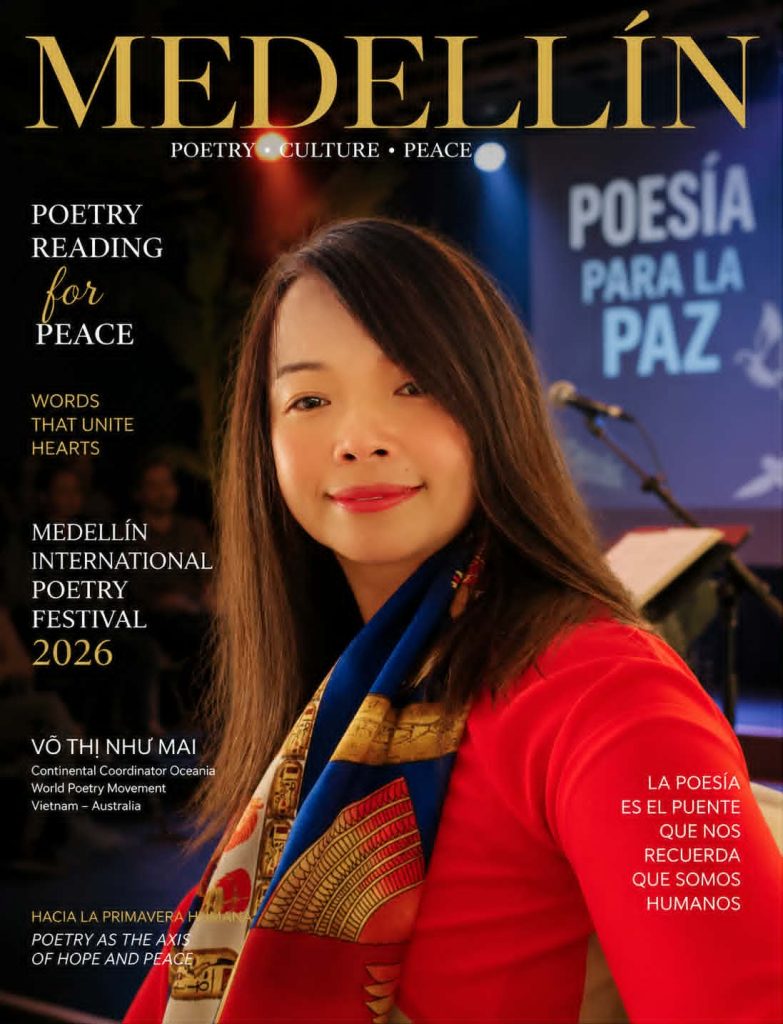 By Võ Thị Như Mai
Poet and Writer (Vietnam – Australia)
Participating Poet, 36th Medellín International Poetry Festival