 thesilkroadtoday
By Denis von Meck
Historian, Chairman of the von Meck Foundation, and relative of Pyotr Ilyich Tchaikovsky
- A Live Voice from Amman
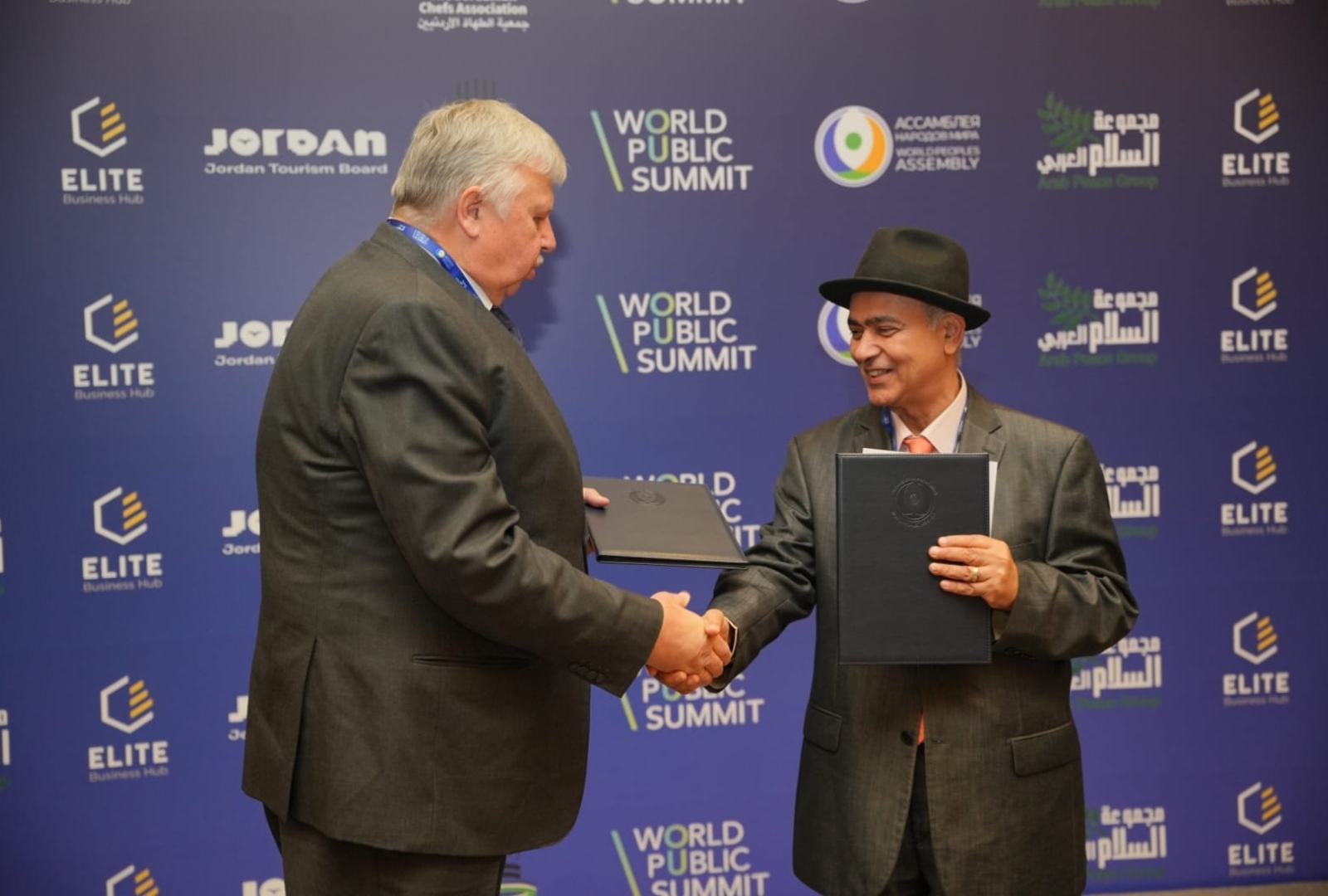
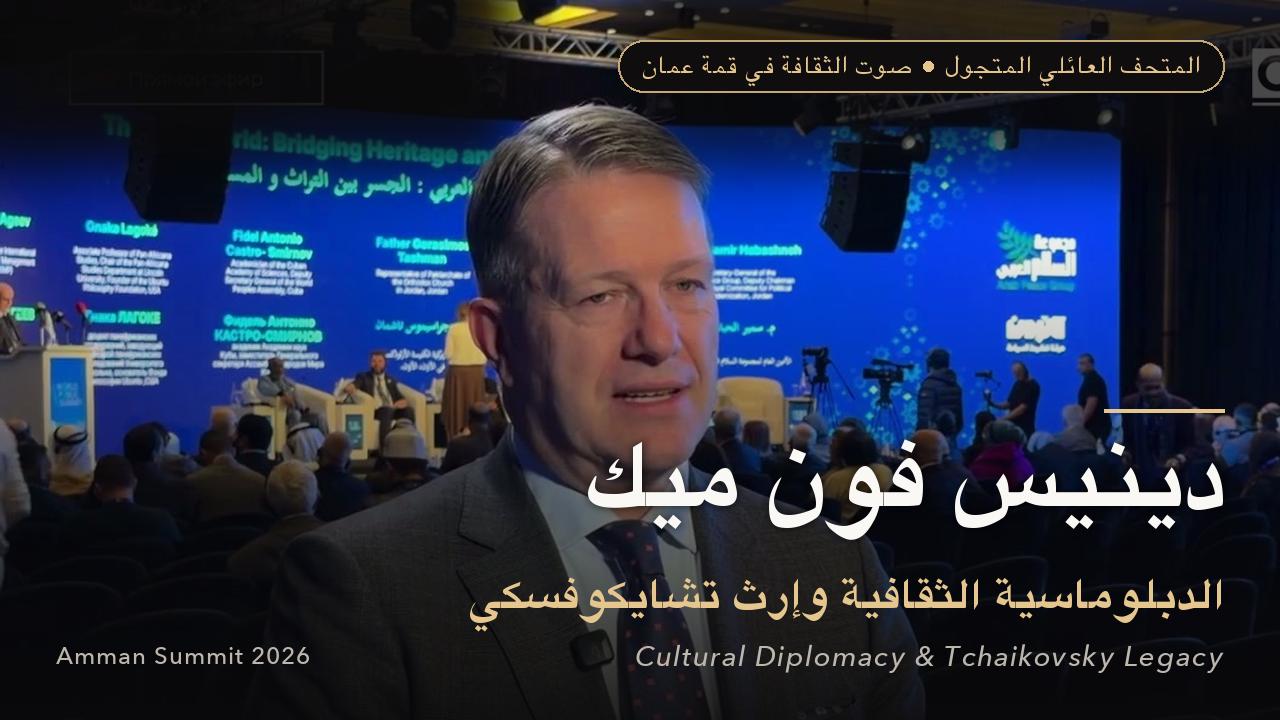
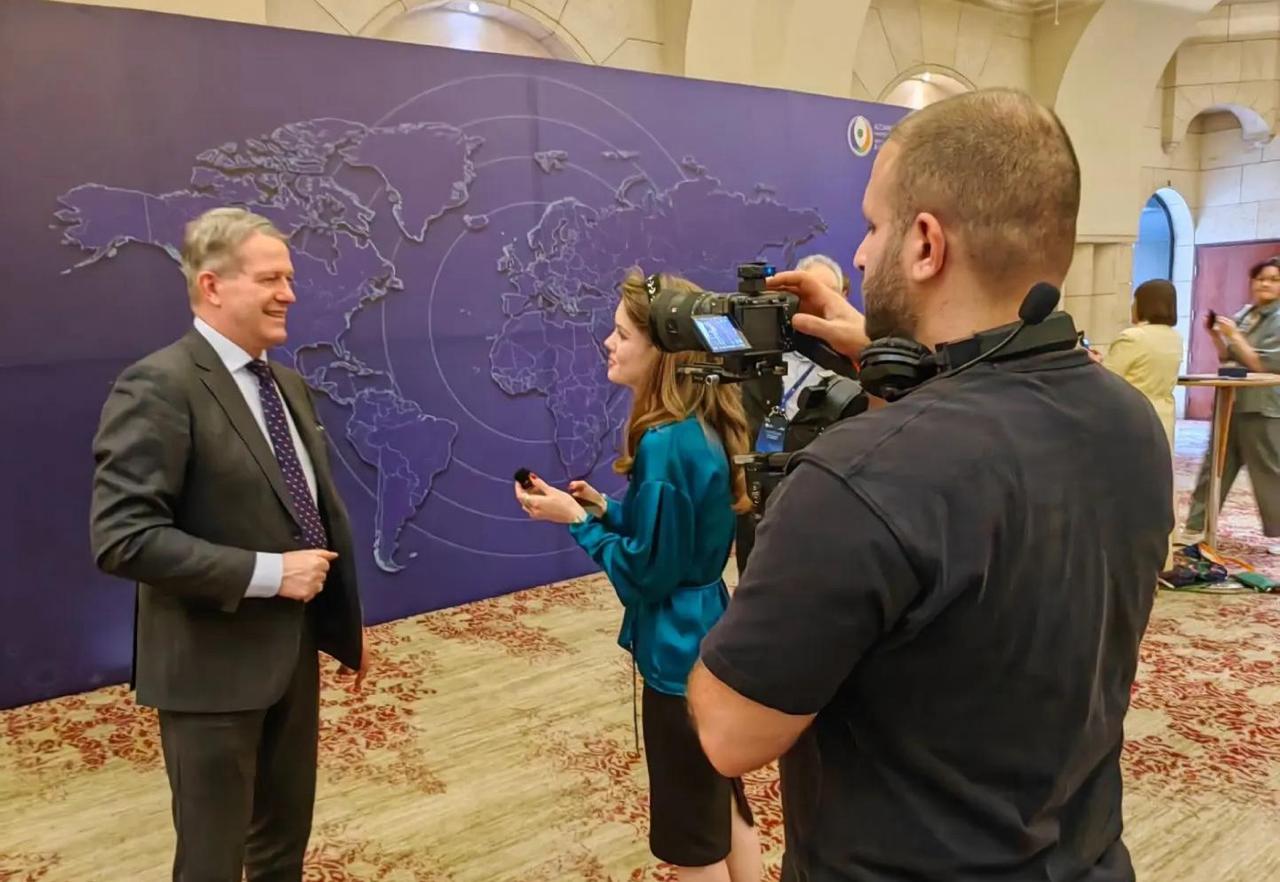
In November 2026, I had the profound honor of participating as a speaker at the First World Public Summit “Arab World” held in Amman and Petra, Jordan — a landmark gathering organized jointly by the World Peoples Assembly and the Arab Group for Peace. On the sidelines of the summit, I was invited to give a live on-air interview to the Russian state television channel OTR, broadcast directly from Amman to Moscow.
In that live broadcast, I shared a vision that has guided my work for years:
“Evaluating the potential of cultural diplomacy requires anchoring it in a specific geographical context. In certain moments, it remains the purest — and sometimes the only — bridge of communication between people. Today, geopolitical tensions are widespread across the world. While sports, science, and even space exploration may involve rivalry, culture is uniquely defined by cross-border interaction and endless synergy.”
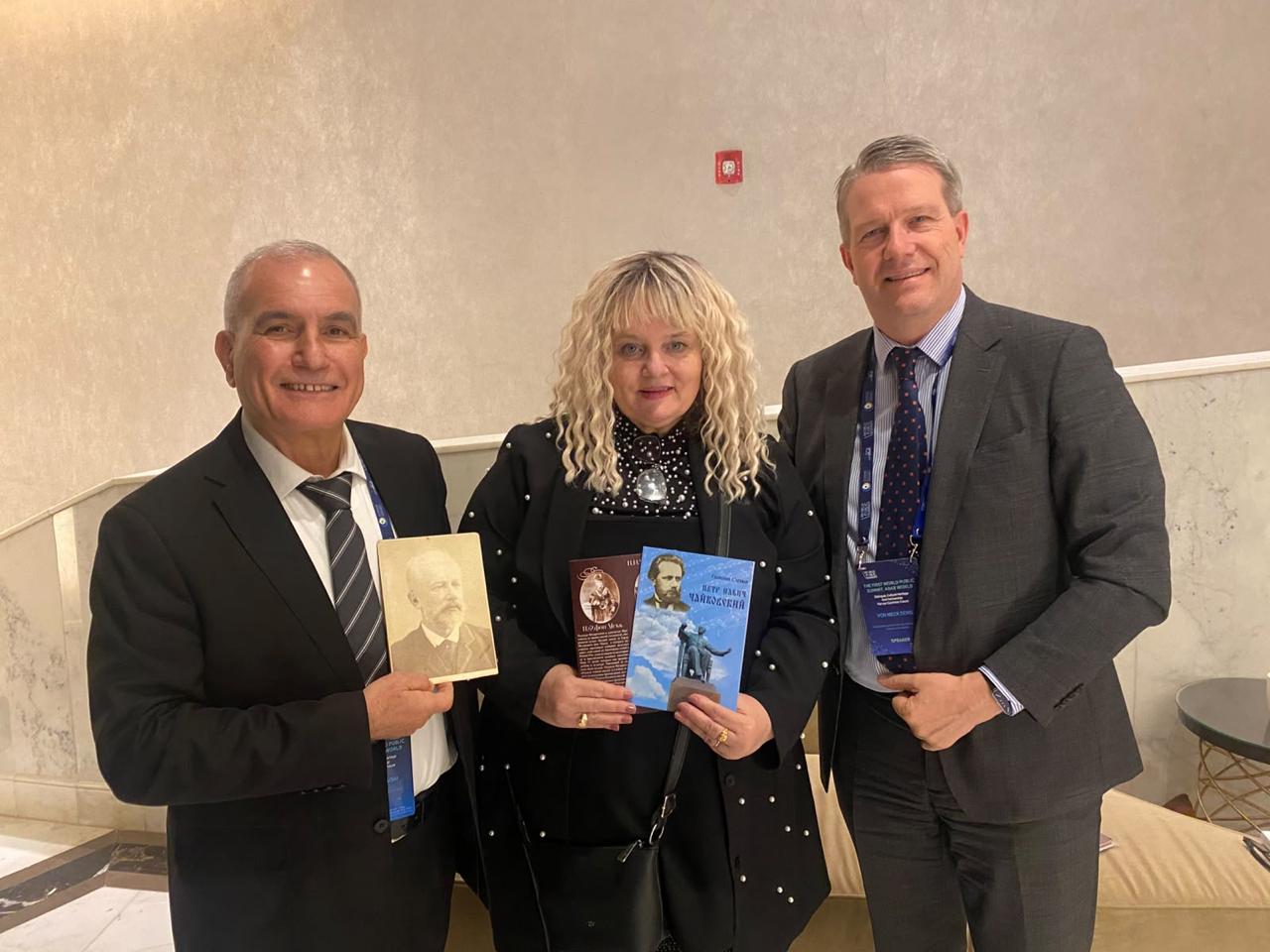
- A Family Tied to Tchaikovsky
For readers unfamiliar with my family name, a brief note of context is in order. Nadezhda von Meck (1831–1894) was the closest friend and patron of the great Russian composer Pyotr Tchaikovsky — a relationship that ultimately united the two families through a marriage in the next generation. As her direct descendant, I have inherited not only family archives, but also a cultural responsibility: to continue her work of connecting musicians, institutions, and civilizations through the language of art.
III. The Legacy of My Great-Grandfather in Beirut
This philosophy is not abstract. It is rooted in the tangible history of my own family. My great-grandfather, Alexey Kornoukhov, studied under Professor Gordi, a pupil of the great Italian maestro Everardi, at the Moscow Conservatory, where Tchaikovsky himself was one of the first professors. Following this period, he performed alongside the legendary Russian bass Fyodor Chaliapin at the Opéra Russe à Paris in the early 1930s. He was then invited to the Beirut Conservatory of Music, where he served for thirty-five years as an honorary professor and founded its renowned choir — an achievement for which he was later awarded a gold medal by the President of Lebanon. He educated hundreds of students not only across the Arab world, including Jordan, Lebanon, and Egypt, but even in Italy, forming the historical foundation of Russian musical pedagogy in the Middle East. I visited him many times in my childhood, and I still vividly remember that all the walls of his apartment were covered with photographs of his students from all over the world.
During the Amman summit, I had a deeply meaningful meeting with Ziad Chebib, former Governor of Beirut, who expressed a courteous and respectful interest in this historical legacy. Our conversation opened practical perspectives for reviving the 2019 Russian-Lebanese exhibition dedicated to the contribution of Russian musicians to educational music institutions in the Middle East — this time in Beirut itself, with a planned 2027 special exhibition featuring rare archival materials, including photographs of my great-grandfather’s performances across the Middle East.
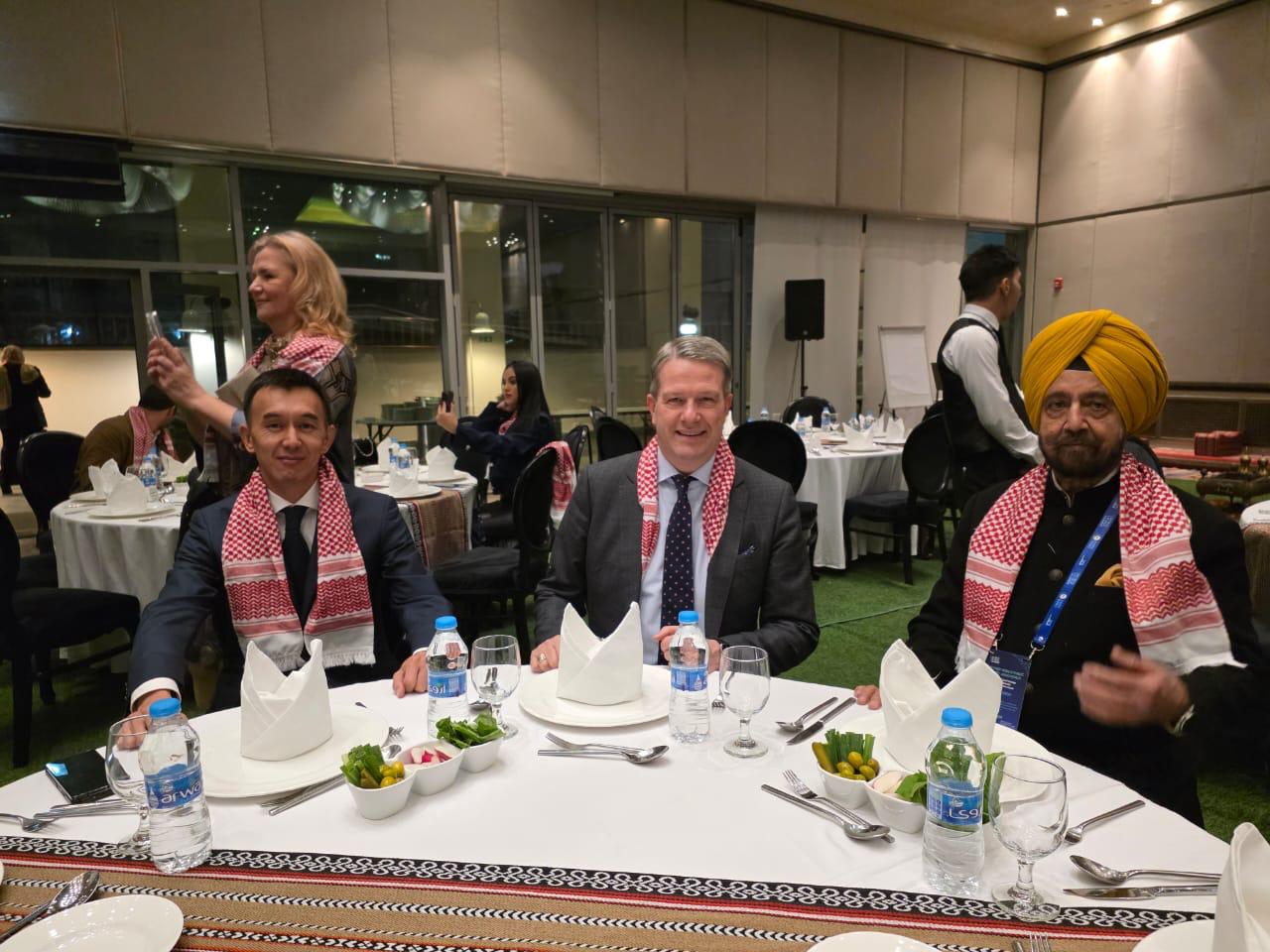
- A Silk Road of Friends: Malaysia, India, and Moscow
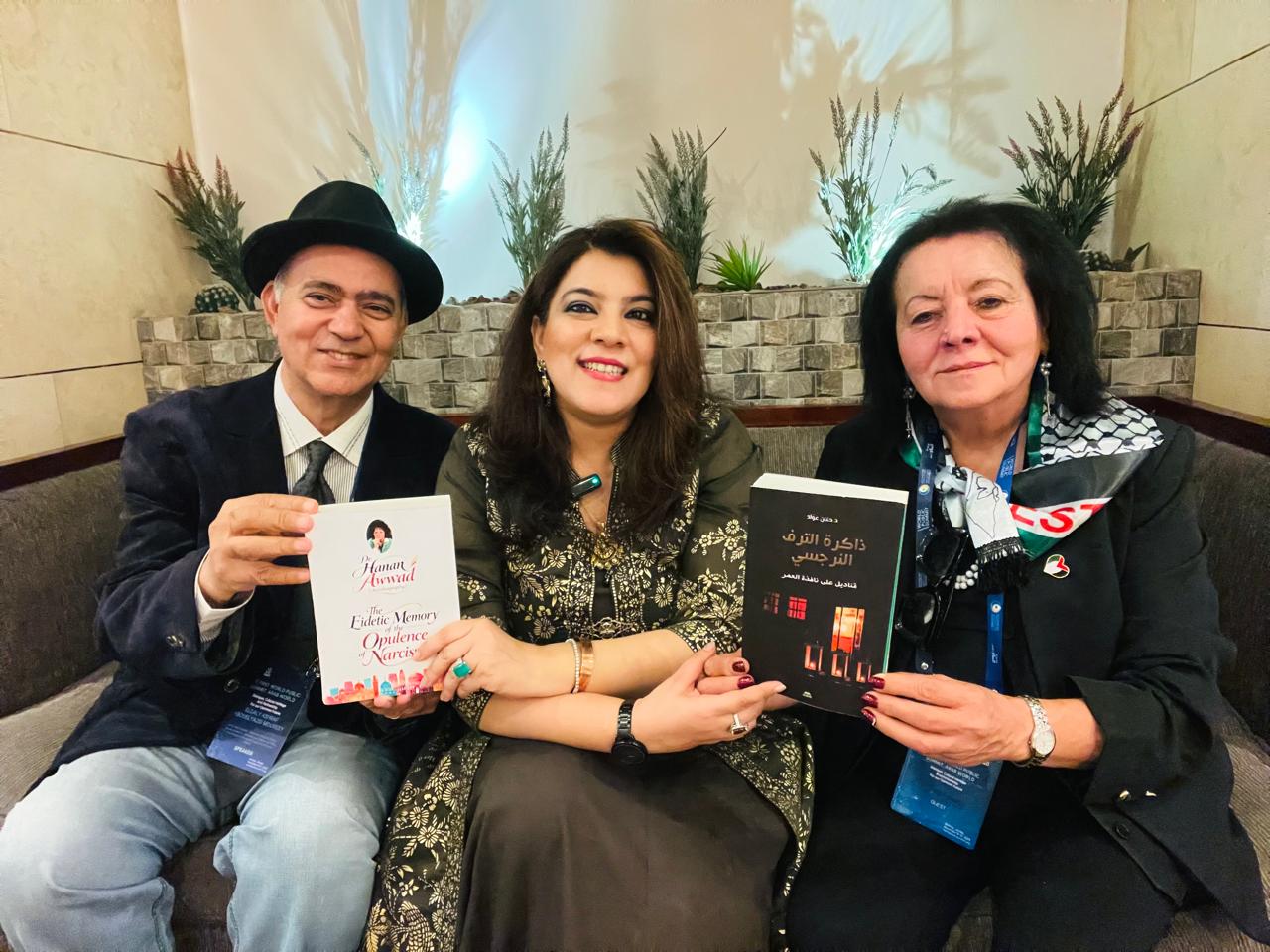
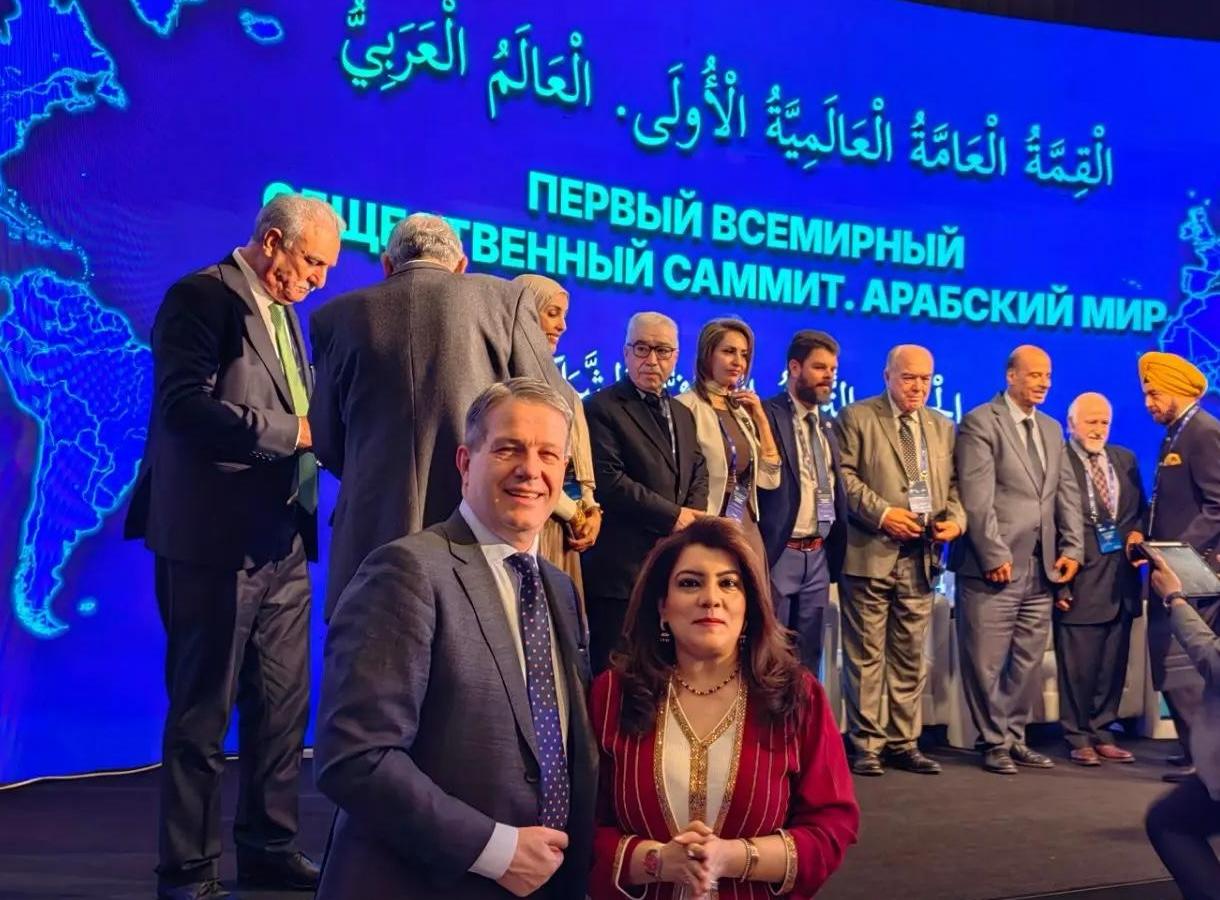
The summit in Amman also became a beautiful reunion. I was delighted to reconnect with old friends from Malaysia and India — media leaders and public diplomats Nurul Ashiqin Shamsuri and Sahar Zaman, whom I first met at the Second World Public Assembly held in Moscow on September 18–19, 2026, under the theme “New World: Values That Unite”. That assembly, also organized by the World Peoples Assembly, brought together 6,012 participants from 154 countries, with more than 10,000 additional people joining online.
What made our reunion in Amman especially meaningful is that Sahar Zaman is a valued contributor to The Silk Road Today. In this sense, our friendship is not only personal but editorial — we are, together, building literary and cultural bridges along a modern Silk Road of the mind.
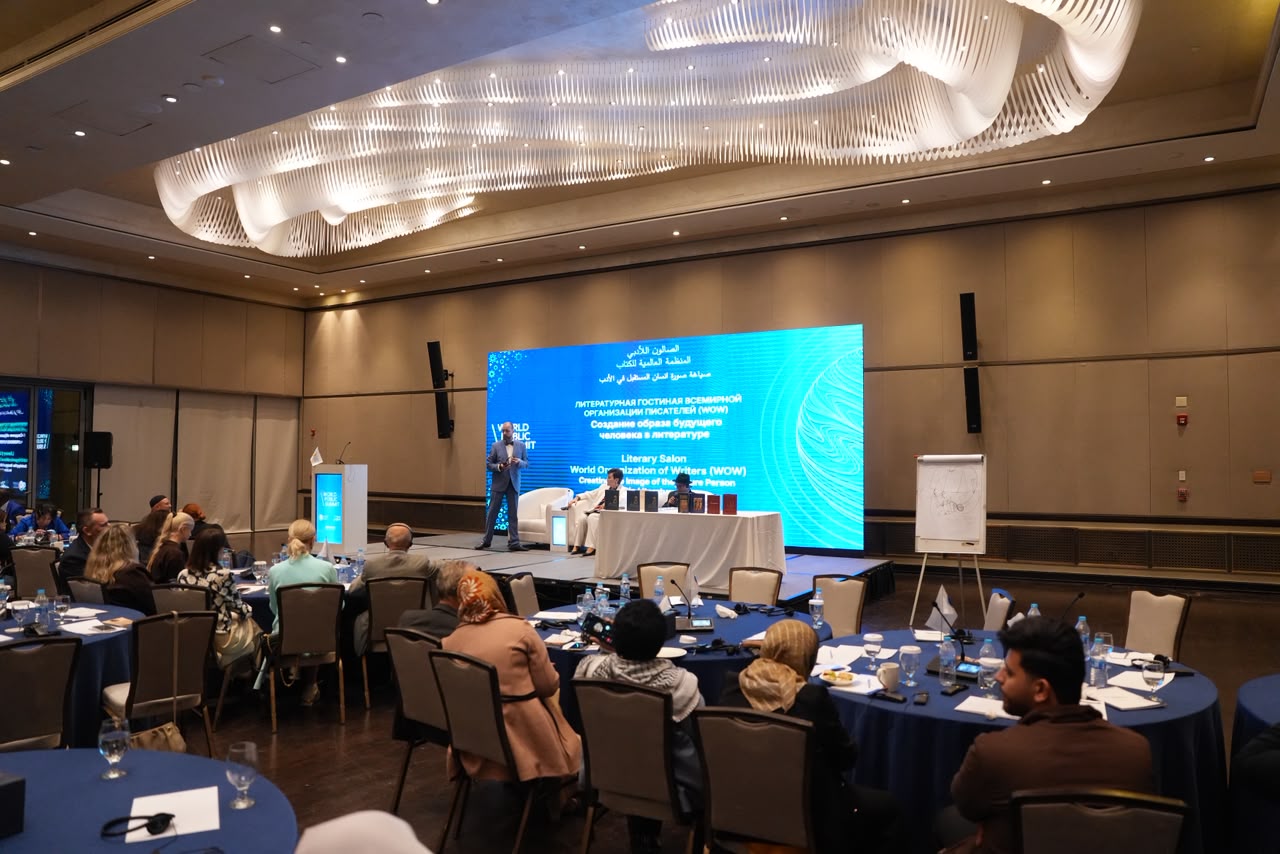
- The Writers’ Section: A Bridge of Minds
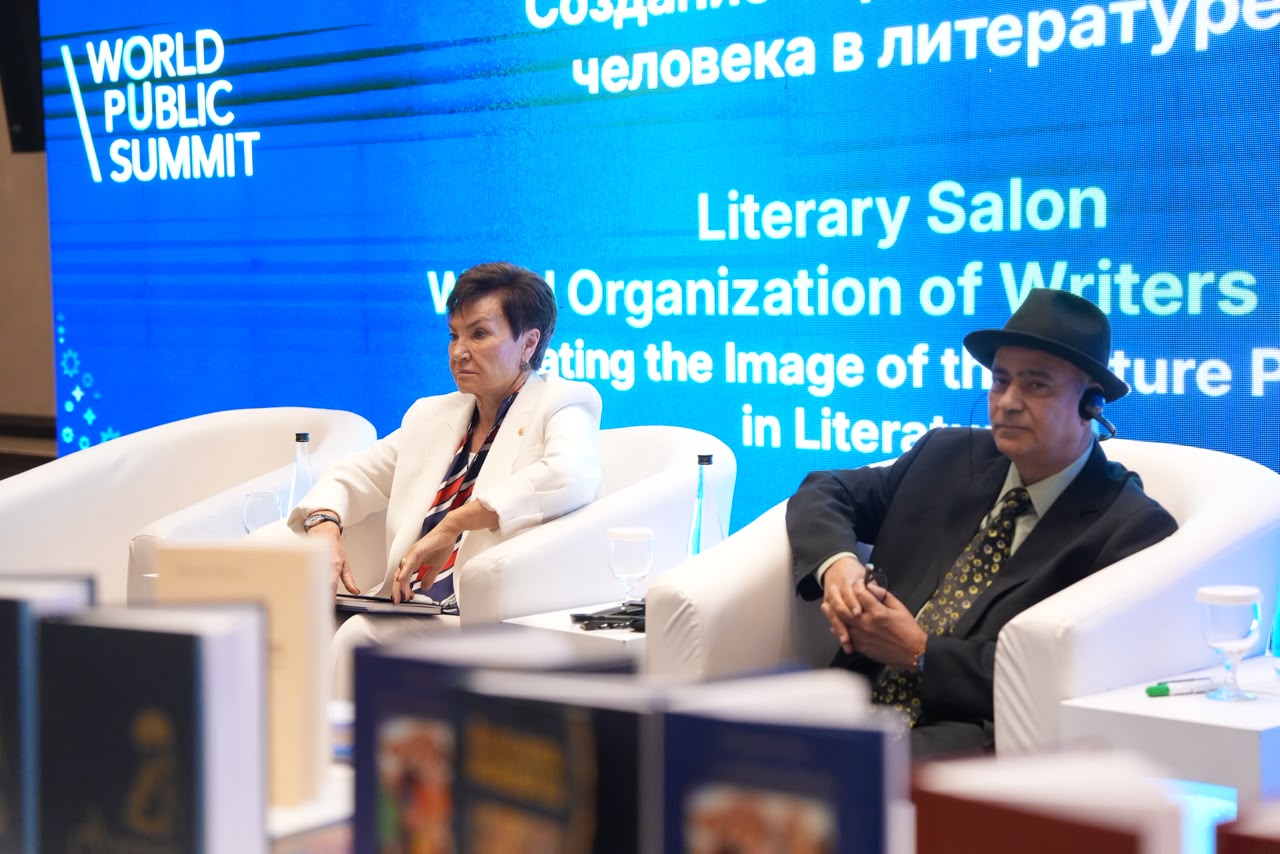
On November 9, I had the privilege of attending the Writers’ Section of the summit, where I witnessed the induction of new members and the honoring of distinguished members of the World Organization of Writers (WOW). It was on this occasion that the Jordanian writer and poet Ghassan Jalal presented me with a signed copy of his novel Emeralda and the Wolf — a story of peaceful coexistence between humans, fairies, animals, and spirits, crafted for readers of all ages.
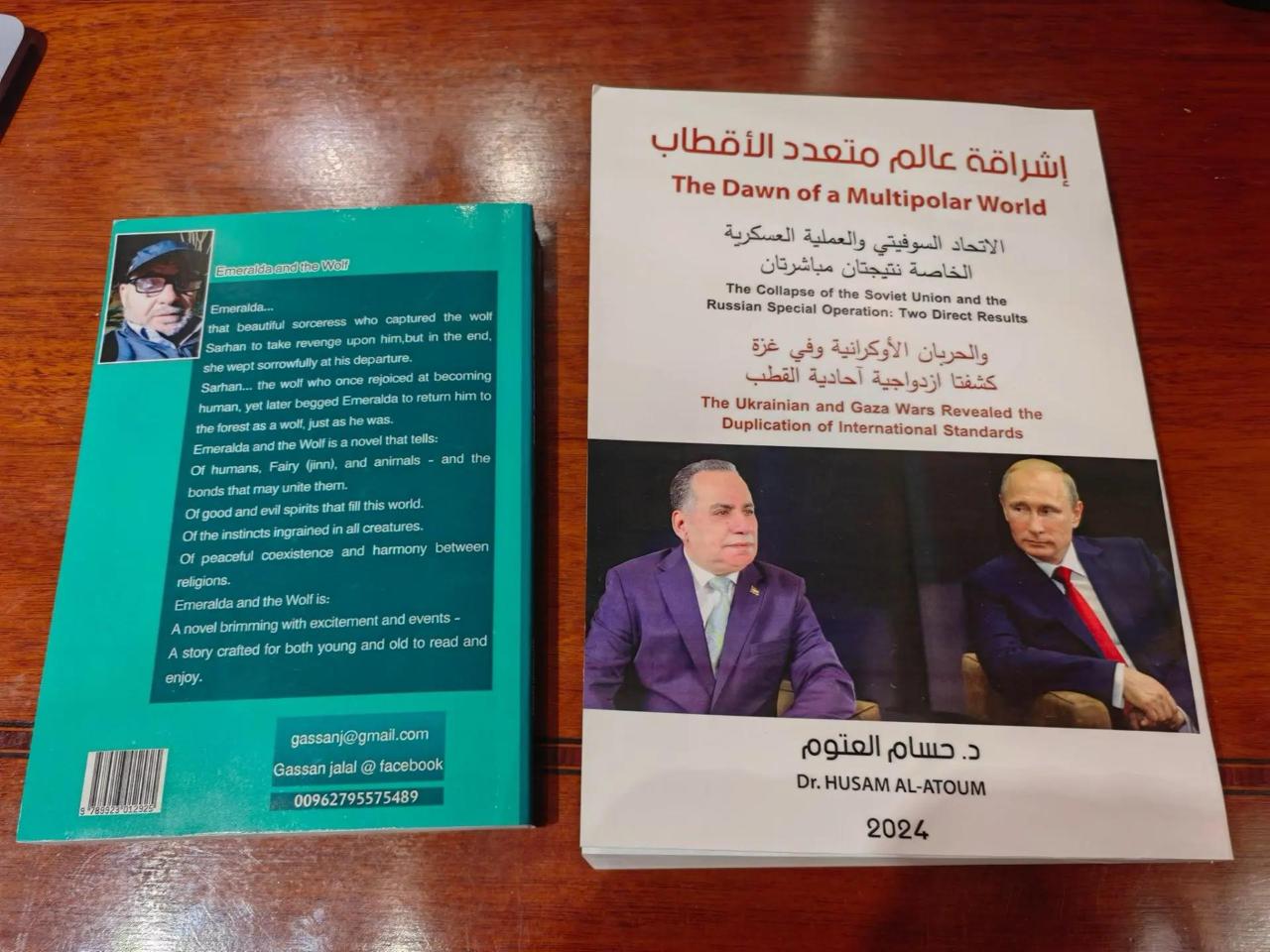 Later, on the sidelines of the summit, I had the honor of meeting Dr. Hussam Al-Atoum and receiving, directly from the author’s hands, a signed copy of his 2024 book The Dawn of a Multipolar World.
We well understand that the interaction of writers — people who shape public opinion across different countries and cultures — is of critical importance for building relationships between the societies of those countries. When a Jordanian novelist, an Iraqi political analyst, a Russian historian, and Indian and Malaysian scholars share the same platform, the foundation of mutual understanding is laid not through declarations, but through the quiet work of the written word.
- Encounters Beyond Borders
The work within the summit’s sections also granted me the opportunity to make a number of remarkable acquaintances. I had the pleasure of meeting the well-known Russian media blogger Ekaterina Velichkina; the distinguished Russian poet-philosopher and UNESCO Goodwill Ambassador Alexandra Ochirova; and the President of the World Organization of Writers (WOW), Margarita Al.
Equally precious were the new friends I found in the field of people’s diplomacy from Turkmenistan, Kazakhstan, Uzbekistan, and Kyrgyzstan — with whom, to our mutual delight, we discovered long-standing common friends, as if our networks had been quietly waiting to converge.
I also had the distinct honor of meeting Ruben Rubenovich Gazanchyan, Head of the Rossotrudnichestvo Representative Office (Russian House in Amman), and Tatyana Glushchenko, Representative of the “Russian World” in Jordan. We discussed concrete plans to expand the “Walking Family Museum” exhibitions at the Russian Houses in Amman and Beirut and to develop joint cultural diplomacy initiatives that will further strengthen educational and artistic ties between Russia, Jordan, and the broader Arab world. These encounters confirm what I believe most deeply: that the geography of friendship is far wider than the geography of politics, and that it is precisely these human intersections that make lasting dialogue possible.
VII. Recognition and the Path Forward
The significance of these dialogues was recently underscored by the prominent Russian diplomatic journal International Affairs (InterAffairs), which published a comprehensive report on the summit. The article highlighted the mission of the “Tchaikovsky – Music without Frontiers” initiative and noted my portfolio of 1,200 lectures across 28 countries, including the United Nations Headquarters. This independent recognition reinforces our shared commitment to public diplomacy.
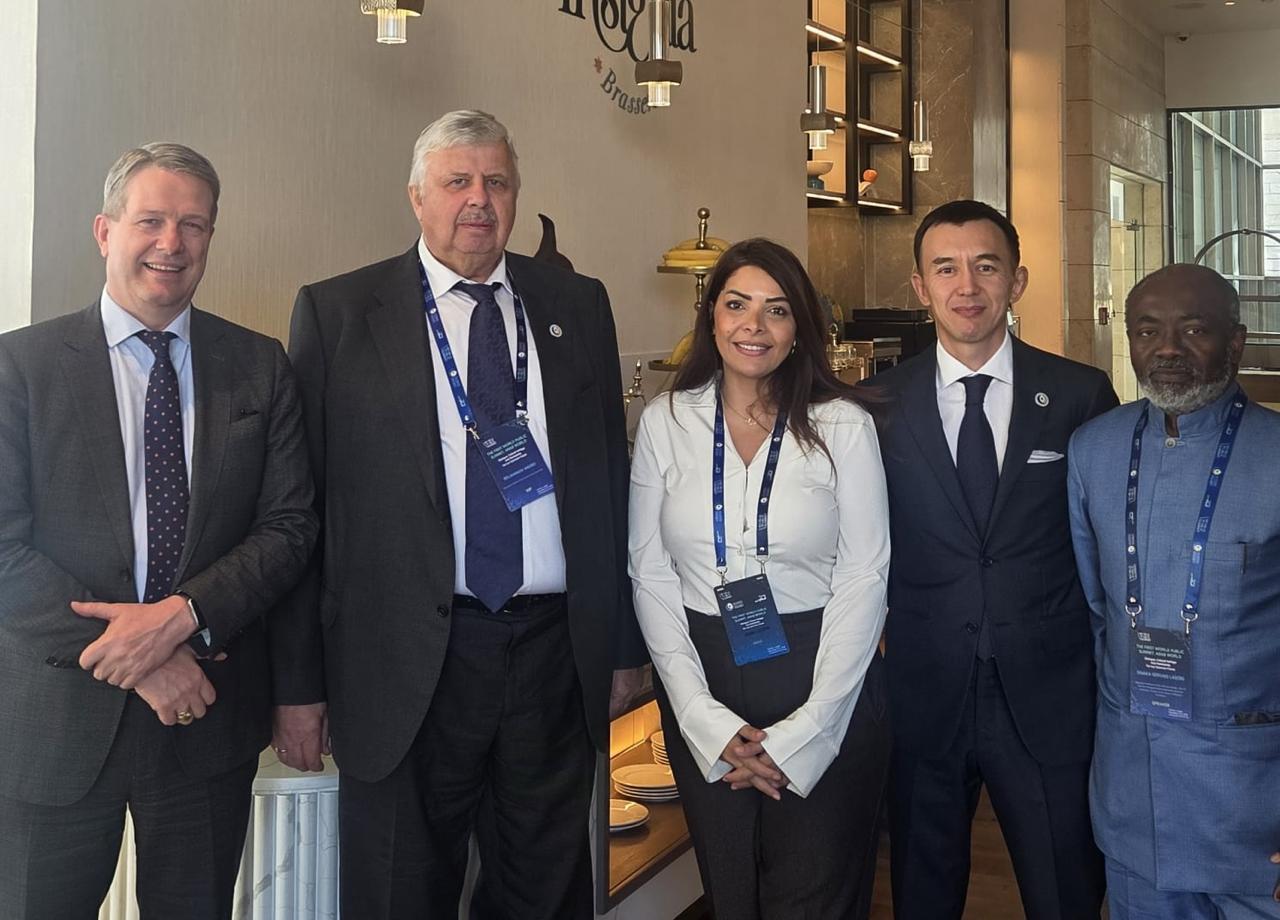
The Amman summit is one chapter in a continuing journey. I have just returned from Jordan, and my next destinations are Rome and Paris in November, followed by Harbin in December 2026, where I will deliver a series of lectures at the Harbin Conservatory of Music. From the deserts of Amman to the ice of Harbin — the bridge of culture keeps extending.
Through the “Walking Family Museum” and the “Tchaikovsky – Music without Frontiers” initiative, we transform historical memory into actionable cultural bridges. Culture remains, as I said on live OTR television, the purest language of trust.