 thesilkroadtoday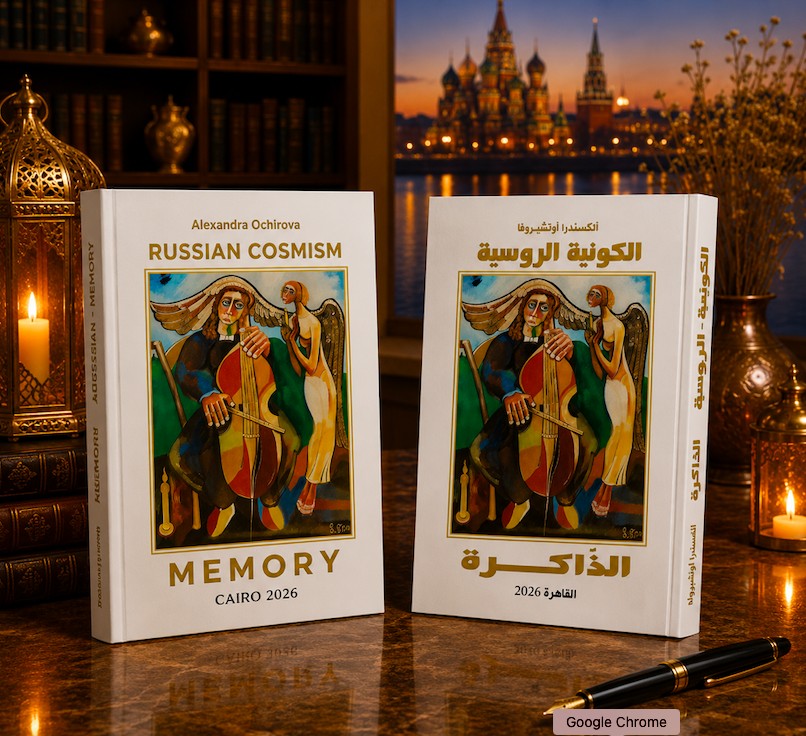
A Poetic Dialogue Between Philosophy, Art, and Civilization
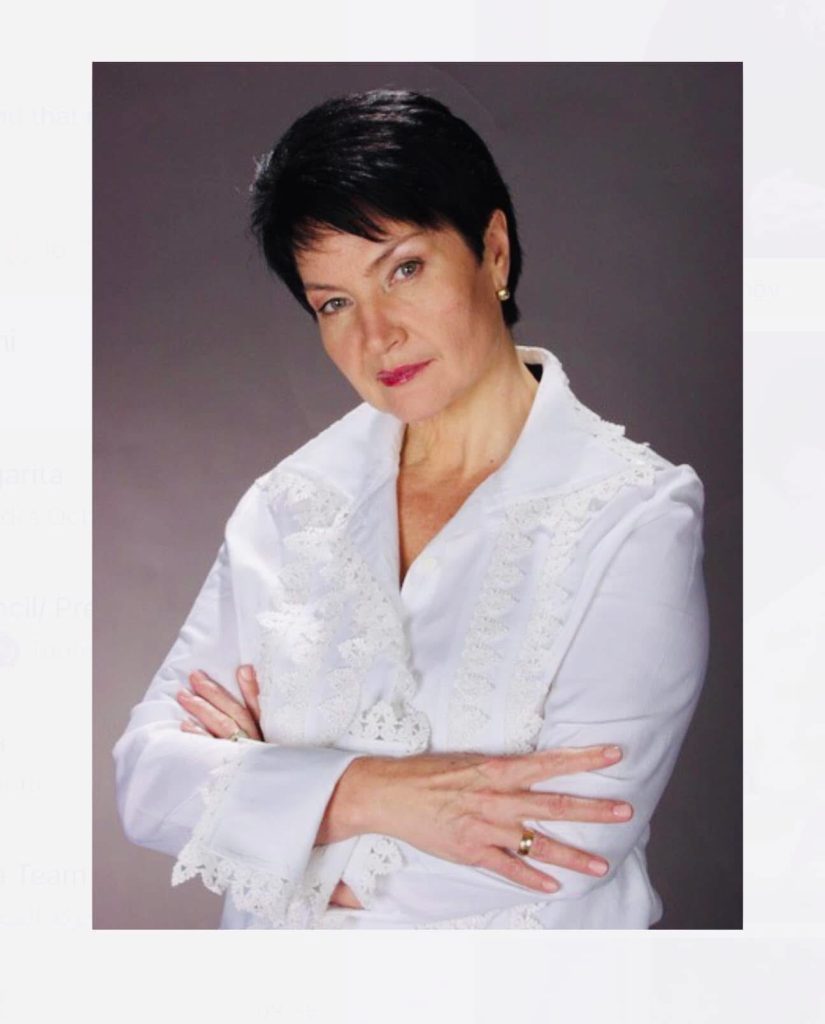
The Silk Road Literature Series in Cairo proudly announces the publication of the new philosophical poetry collection Russian Cosmism… Memory by the distinguished Russian poet, philosopher, and public intellectual Dr. Alexandra Ochirova. The work has been published in Russian and English, continuing the intellectual and poetic project she inaugurated with her earlier volume, Russian Cosmism, while adding a profound new dimension that places memory at the heart of human existence and the continuity of civilization.
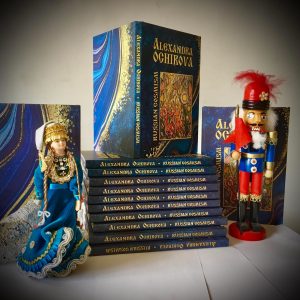
Both editions have been elegantly published by Al-Nasher Publishing House, enriched with illustrations by the internationally acclaimed artist Zurab Tsereteli, whose visual art enhances the poetic and philosophical spirit of the collection.
Ochirova does not approach memory merely as a recollection of the past or an exercise in nostalgia. Rather, she presents it as an ontological force that grants humanity awareness of itself and its place within the universe. In this collection, memory safeguards the identity of peoples, connects successive generations, and ensures the continuity of civilization despite the transformations of history. From this perspective, Russian Cosmism transcends its geographical origins to become a universal human vision, seeking the common destiny of humankind through poetry and philosophical reflection.
The volume acquires an exceptional artistic dimension through its dedication to the memory of Zurab Tsereteli. Featuring a selection of his artworks, the book creates a genuine dialogue between poetry and visual art. The paintings are not decorative illustrations but active participants in the philosophical discourse of the poems. Word and image coexist within a unified aesthetic space, each illuminating the other and revealing new layers of meaning, making the collection a complete artistic experience where literature and visual expression merge seamlessly.
The original Russian edition of Russian Cosmism. Memory was published by WOW Publishing House under the editorial direction of Margarita Al, publisher and Editor-in-Chief of the WOW Series, who also led the book’s remarkable international introduction across Africa and Latin America. The journey began at the Russian House in Cairo during the celebrations of the Year of the Russian Language 2026, the inaugural year of the Decade of the Languages of the Peoples of the World (2026–2035). The book was subsequently presented at the Tunis International Book Fair before continuing its literary voyage to Salvador and Rio de Janeiro in Brazil, and Bogotá and Medellín in Colombia, where copies were donated to leading libraries, universities, and cultural institutions to become a living instrument of cultural diplomacy, fostering intercontinental literary dialogue and launching the global journey of Russian Cosmism. Memory as a work destined to connect readers, cultures, and civilizations.
This new publication represents a natural continuation of Russian Cosmism, whose English and Arabic editions were previously published within the Silk Road Literature Series. That earlier volume introduced Ochirova’s vision of Cosmism as a bridge linking poetry, philosophy, science, ethics, and the shared cultural heritage of humanity. Russian Cosmism… Memory extends that intellectual journey by posing an even deeper question: What must humanity remember in order to continue its journey toward the future?
The inclusion of this volume in the Silk Road Literature Series therefore signifies far more than the addition of another title to its distinguished catalogue. It reflects the series’ enduring mission of building cultural bridges among civilizations, languages, and intellectual traditions. Alexandra Ochirova’s poetry reminds us that civilizations endure not through power alone, but through memory, dialogue, creative imagination, and literature’s unique capacity to preserve humanity’s spiritual heritage.
At a time when the world is searching for common values capable of transcending political and cultural divisions, Russian Cosmism… Memory emerges as a profound poetic meditation on the unity of humanity and the diversity of civilizations. It reaffirms that literature remains one of the greatest repositories of collective human memory and one of the strongest bridges connecting the past with the future, East with West, and one human being with another.
By Dr. Ashraf Aboul-Yazid