Trending News:KEDA Welcomes President El-Sisi’s Visit to South Korea, Hailing a New Era of Strategic Partnership and Economic Cooperationاتحاد الكتاب الأذربيجانيين يحتفي الترجمة الأذرية لرواية أشرف أبو اليزيد «شماوس» في باكوAzerbaijani Writers’ Union to Celebrate Azerbaijani Translation of Ashraf Aboul-Yazid’s Novel Shamawes in Bakuالمفتاح والمزاح … السلوكيات : الطرح والحلولبستان حسام … رسالة العمل وآفاق الاتقانMemory That Defeats Death – An Interview with Alexandra Ochirovaالذاكرة التي تنتصر على الموتثلاث ليالٍ وليلة… مجموعة قصصية تستكشف عتمات النفس البشرية Poetry Without Borders: Inside the 12th Kistrech International Poetry Festival (Interview)SAHILIANA: An Anthology of the Poetry of Es-Sahili and His Descendants Celebrating 680 Years of Poetic Heritageالاتحاد الاقتصادي الأوراسي – الإمارات العربية المتحدة: جسر تجاري جديد لأوراسيا الكبرىآثار مصر القديمة في قازان تستعيد حياة جديدةخلف الشاشة … الهواية وخارطة الطريق فوفو جرة حكي … جدلية الطرح والحلول Maldives Sports Minister and Indonesia’s NOC Stand Behind 100 CTFP for Para AthletesTwo Significant Publications on Indian Architecture, Urbanism and Heritageشاعر الكلمة المقاتلة … إفندي منصوروفيتش كابييفبعد سبع سنوات على وفاته.. إحياء ذكرى الشاعر المكسيكي إنريكي سيرفين بقراءة قصائد في «إل خونكو»فيل في الغرفة!100 Libri d’Autore: A Literary Bridge of Words Connecting Authors, Readersحين تجلس الكاميرا في مقعد القاضيПамять, время, семья, история и Родинаقراءة نقدية في ديوان ألكسندرا أوتشيروفا “الكونية الروسية: الذاكرة”A Critical Reading of Alexandra Ochirova’s Russian Cosmism: MemoryPoetry, Academia and the Silk Road Converge at Shaanxi CollegeNutifafa Takes the Mic at UniMAC Freshers’ JamInterview with Paola Carletti, conducted by Gioia LomastiInterview with Simona Righi – Siris Mosaiciأولوغبيك يسداوليتوف (قصائد مختارة)الأمثال الشعبية في المنطقة الشرقية للمملكة المغربية … حين تتحول الذاكرة الشعبية إلى كتابPAWA Quarterly Newsletter Highlights a Dynamic Season of African Literary and Cultural Engagementسجادة السعادة … ثقافة العمل والتدين تقديم كتاب الأكاديمية ألكسندرا أوتشيروفا «الكونية الروسية… الذاكرة» في القاعة البيضاء بأكاديمية الفنون الروسيةPRESENTATION OF THE BOOK BY RAH ACADEMICIAN A. V. OCHIROVA, “RUSSIAN COSMISM… MEMORY,” IN THE WHITE HALL OF THE RUSSIAN ACADEMY OF ARTSKnowledge, Character and National Service: The Educational Thought of Swami Ramanand TirthHomeland : A New Anthology Brings Together 140 Poets of Mongol HeritageMongolia and Egypt Explore New Horizons for Agricultural CooperationThe Rhythm of Vietnam to Celebrate 2026 International Translation Day Award Recipients in Ho Chi Minh CityKistrech International Poetry Festival 2026: Poets from Around the World Gather in Kenyaكينيا: ثلاثة شعراء عرب في مهرجان كستريتش الدولي للشعرKistrech International Poetry Festival: Kenya Welcomes the World Through PoetryLITERARY OCTOBER OF CUBAPOESIA BRINGS WRITERS, POETRY AND COMMUNITY CULTURE TO HAVANAAn Albanian Translation of a Nepalese ArticleMOROCCO TO LAUNCH HOUSE OF BOOK WORLDS IN RABAT, CREATING A PERMANENT HOME FOR GLOBAL LITERARY EXCHANGEحكاية خيط … حديث الحرف وأفقها ثلاثة ثعالب ذكية … جدلية الطقوس والمعارفعالم رمادي … جدلية الواقع وأفق الحلولمن يسرق دجاج أمي؟Lens ‘W’ Life: Colours of Sindh — When the Camera Becomes a Witness14 لجنة بارالمبية وطنية وMSN ماليزيا تدعم مبادرة 100 CTFPFourteen National Paralympic Committees and MSN Malaysia Support 100 CTFPThe Silent Verse by Gioia Lomasti, an Unrepeatable Unicum in the Contemporary Poetry Scene — A Review by Luciano Domenighiniفي طبيعة الوجود ومكاننا في الكون: بحث فلسفيالأستاذ الدكتور سليمان الحويلي محاضرًا عن مملكة ماريOn the Nature of Existence and Our Place in the Universe: A Philosophical Treatiseإديار موكانبيتوف | فيشار سنوات الحربAn Interview with Bartolomeo Theo Di GiovanniCao Shui Congratulates Five Translators Honoured by The Rhythm of VietnamAshraf Aboul-Yazid in a Television Interview on Russia, China, Mongolia and the Future of Creative Translationالترجمة بوصفها جسراً حياً بين الثقافاتThe Symbolic Depiction of Strength Towards WisdomThe Musketeers of Truth: Journalism Without BordersInternational Translation Day 2026: Five Translators Honored by The Rhythm of VietnamWhen the Gallery Loses Its Monopoly“Şəmaus” by Ashraf Aboul-Yazid in Azerbaijani: A New Literary Bridge Between Egypt and Azerbaijanرواية أشرف أبو اليزيد (شماوس)… جسر أدبي جديد بين مصر وأذربيجانالأدب جسر بين الثقافات والشعوب: القسم الدولي من مشروع 100 كتاب 100 مؤلفLiterature as a Bridge Between Cultures and Peoples: The International Section of 100 Libri d’Autoreندوة لتراث فاروق آباد العربي وتدشين كتاب محمد كوتاشيري؛ رحلة علم وعطاء Symposium on “Arabic Legacy of Farookabad”& Book Release Ceremonyالناشر الهندي سوبريو تشاكرابورتي في حوار مع أديتي داسغوبتاSanctuary Of The Soul | A Poem by Anwar RahimKATO, New novel by Hussain Abdel-RahimVetrina delle Emozioni Presents: I Racconti di Azzurrina by Daniela ContiEmanuele Marcuccio’s New Book: Wonder and Amazement: Aphorisms and ThoughtsTunisian-French Poet Arwa Ben Dhia Awarded at the Grand Prix de Poésieعلى خطى غوميليوف… الفن يستعيد رحلة الشاعر الروسي إلى إفريقياجويا لوماستي تحاور الكاتب الإيطالي لويجي أنجيلينو ضمن مشروع «100 كتاب 100 مؤلف»سفير مصر لدى روسيا يزور تتارستان Cao Shui Wins World Writers Laurel Award in Moscowالسرد البصري بوصفه أداة لبناء الحياة: كيف تعيد حكايات الشاشة تشكيل الواقعNigerian Playwright Esther Adelana Reaches Russian Readers Through Silk Road Literary Exchangeبوليفيا وشيلي توحّدهما قصة حب في مواجهة السرطانفصل من رواية حسين الصومالي للكاتب حسين عبد الرحيمDr. Hanan Awwad, President of PEN International’s Palestine Branch, Receives WOW Award for Contribution to World Literatureد. حنان عواد تُعلن فائزة بجائزة منظمة كتاب العالم للإسهام في تطوير الأدب العالميمصر ومنغوليا… شراكة تصنع الإنسانالفضاء… حين تصبح الأرض وطنًا واحدًاالإنسان في قلب مستقبل الحضاراتوحدةٌ تصون التنوعالتحديث الإنساني: حين تستعيد الحضارة معناهامن الفضاء إلى الإنسانية: تكريم من خدموا البشريةنَحْنُ وَ الأَرْضُ … شعر پیشەوا کاکائي (ترجمة: شهلا حسین)الوسادة العجيبة … أسرار الأحلام وأحلام الطفولة أيام قرطاج الموسيقية تتأهب للانطلاقالبيدار والأفعى … رسائل العدل والعملوزيرة الثقافة في جمهورية تتارستان تلتقي السفير المصري لدى روسيا الاتحاديةThe Bridge hosts translator, poet, novelist, and traveler Dr. Ashraf Aboul-Yazid«الجسر» يستضيف الدكتور أشرف أبو اليزيد في حلقة عن الترجمة بوصفها جسرًا بين الثقافاتندوة «التراث العربي لفاروق آباد» وحفل إصدار كتاب «الأستاذ محمد كوتاشيري: رحلة علم وعطاء»
Trending News:KEDA Welcomes President El-Sisi’s Visit to South Korea, Hailing a New Era of Strategic Partnership and Economic Cooperationاتحاد الكتاب الأذربيجانيين يحتفي الترجمة الأذرية لرواية أشرف أبو اليزيد «شماوس» في باكوAzerbaijani Writers’ Union to Celebrate Azerbaijani Translation of Ashraf Aboul-Yazid’s Novel Shamawes in Bakuالمفتاح والمزاح … السلوكيات : الطرح والحلولبستان حسام … رسالة العمل وآفاق الاتقانMemory That Defeats Death – An Interview with Alexandra Ochirovaالذاكرة التي تنتصر على الموتثلاث ليالٍ وليلة… مجموعة قصصية تستكشف عتمات النفس البشرية Poetry Without Borders: Inside the 12th Kistrech International Poetry Festival (Interview)SAHILIANA: An Anthology of the Poetry of Es-Sahili and His Descendants Celebrating 680 Years of Poetic Heritageالاتحاد الاقتصادي الأوراسي – الإمارات العربية المتحدة: جسر تجاري جديد لأوراسيا الكبرىآثار مصر القديمة في قازان تستعيد حياة جديدةخلف الشاشة … الهواية وخارطة الطريق فوفو جرة حكي … جدلية الطرح والحلول Maldives Sports Minister and Indonesia’s NOC Stand Behind 100 CTFP for Para AthletesTwo Significant Publications on Indian Architecture, Urbanism and Heritageشاعر الكلمة المقاتلة … إفندي منصوروفيتش كابييفبعد سبع سنوات على وفاته.. إحياء ذكرى الشاعر المكسيكي إنريكي سيرفين بقراءة قصائد في «إل خونكو»فيل في الغرفة!100 Libri d’Autore: A Literary Bridge of Words Connecting Authors, Readersحين تجلس الكاميرا في مقعد القاضيПамять, время, семья, история и Родинаقراءة نقدية في ديوان ألكسندرا أوتشيروفا “الكونية الروسية: الذاكرة”A Critical Reading of Alexandra Ochirova’s Russian Cosmism: MemoryPoetry, Academia and the Silk Road Converge at Shaanxi CollegeNutifafa Takes the Mic at UniMAC Freshers’ JamInterview with Paola Carletti, conducted by Gioia LomastiInterview with Simona Righi – Siris Mosaiciأولوغبيك يسداوليتوف (قصائد مختارة)الأمثال الشعبية في المنطقة الشرقية للمملكة المغربية … حين تتحول الذاكرة الشعبية إلى كتابPAWA Quarterly Newsletter Highlights a Dynamic Season of African Literary and Cultural Engagementسجادة السعادة … ثقافة العمل والتدين تقديم كتاب الأكاديمية ألكسندرا أوتشيروفا «الكونية الروسية… الذاكرة» في القاعة البيضاء بأكاديمية الفنون الروسيةPRESENTATION OF THE BOOK BY RAH ACADEMICIAN A. V. OCHIROVA, “RUSSIAN COSMISM… MEMORY,” IN THE WHITE HALL OF THE RUSSIAN ACADEMY OF ARTSKnowledge, Character and National Service: The Educational Thought of Swami Ramanand TirthHomeland : A New Anthology Brings Together 140 Poets of Mongol HeritageMongolia and Egypt Explore New Horizons for Agricultural CooperationThe Rhythm of Vietnam to Celebrate 2026 International Translation Day Award Recipients in Ho Chi Minh CityKistrech International Poetry Festival 2026: Poets from Around the World Gather in Kenyaكينيا: ثلاثة شعراء عرب في مهرجان كستريتش الدولي للشعرKistrech International Poetry Festival: Kenya Welcomes the World Through PoetryLITERARY OCTOBER OF CUBAPOESIA BRINGS WRITERS, POETRY AND COMMUNITY CULTURE TO HAVANAAn Albanian Translation of a Nepalese ArticleMOROCCO TO LAUNCH HOUSE OF BOOK WORLDS IN RABAT, CREATING A PERMANENT HOME FOR GLOBAL LITERARY EXCHANGEحكاية خيط … حديث الحرف وأفقها ثلاثة ثعالب ذكية … جدلية الطقوس والمعارفعالم رمادي … جدلية الواقع وأفق الحلولمن يسرق دجاج أمي؟Lens ‘W’ Life: Colours of Sindh — When the Camera Becomes a Witness14 لجنة بارالمبية وطنية وMSN ماليزيا تدعم مبادرة 100 CTFPFourteen National Paralympic Committees and MSN Malaysia Support 100 CTFPThe Silent Verse by Gioia Lomasti, an Unrepeatable Unicum in the Contemporary Poetry Scene — A Review by Luciano Domenighiniفي طبيعة الوجود ومكاننا في الكون: بحث فلسفيالأستاذ الدكتور سليمان الحويلي محاضرًا عن مملكة ماريOn the Nature of Existence and Our Place in the Universe: A Philosophical Treatiseإديار موكانبيتوف | فيشار سنوات الحربAn Interview with Bartolomeo Theo Di GiovanniCao Shui Congratulates Five Translators Honoured by The Rhythm of VietnamAshraf Aboul-Yazid in a Television Interview on Russia, China, Mongolia and the Future of Creative Translationالترجمة بوصفها جسراً حياً بين الثقافاتThe Symbolic Depiction of Strength Towards WisdomThe Musketeers of Truth: Journalism Without BordersInternational Translation Day 2026: Five Translators Honored by The Rhythm of VietnamWhen the Gallery Loses Its Monopoly“Şəmaus” by Ashraf Aboul-Yazid in Azerbaijani: A New Literary Bridge Between Egypt and Azerbaijanرواية أشرف أبو اليزيد (شماوس)… جسر أدبي جديد بين مصر وأذربيجانالأدب جسر بين الثقافات والشعوب: القسم الدولي من مشروع 100 كتاب 100 مؤلفLiterature as a Bridge Between Cultures and Peoples: The International Section of 100 Libri d’Autoreندوة لتراث فاروق آباد العربي وتدشين كتاب محمد كوتاشيري؛ رحلة علم وعطاء Symposium on “Arabic Legacy of Farookabad”& Book Release Ceremonyالناشر الهندي سوبريو تشاكرابورتي في حوار مع أديتي داسغوبتاSanctuary Of The Soul | A Poem by Anwar RahimKATO, New novel by Hussain Abdel-RahimVetrina delle Emozioni Presents: I Racconti di Azzurrina by Daniela ContiEmanuele Marcuccio’s New Book: Wonder and Amazement: Aphorisms and ThoughtsTunisian-French Poet Arwa Ben Dhia Awarded at the Grand Prix de Poésieعلى خطى غوميليوف… الفن يستعيد رحلة الشاعر الروسي إلى إفريقياجويا لوماستي تحاور الكاتب الإيطالي لويجي أنجيلينو ضمن مشروع «100 كتاب 100 مؤلف»سفير مصر لدى روسيا يزور تتارستان Cao Shui Wins World Writers Laurel Award in Moscowالسرد البصري بوصفه أداة لبناء الحياة: كيف تعيد حكايات الشاشة تشكيل الواقعNigerian Playwright Esther Adelana Reaches Russian Readers Through Silk Road Literary Exchangeبوليفيا وشيلي توحّدهما قصة حب في مواجهة السرطانفصل من رواية حسين الصومالي للكاتب حسين عبد الرحيمDr. Hanan Awwad, President of PEN International’s Palestine Branch, Receives WOW Award for Contribution to World Literatureد. حنان عواد تُعلن فائزة بجائزة منظمة كتاب العالم للإسهام في تطوير الأدب العالميمصر ومنغوليا… شراكة تصنع الإنسانالفضاء… حين تصبح الأرض وطنًا واحدًاالإنسان في قلب مستقبل الحضاراتوحدةٌ تصون التنوعالتحديث الإنساني: حين تستعيد الحضارة معناهامن الفضاء إلى الإنسانية: تكريم من خدموا البشريةنَحْنُ وَ الأَرْضُ … شعر پیشەوا کاکائي (ترجمة: شهلا حسین)الوسادة العجيبة … أسرار الأحلام وأحلام الطفولة أيام قرطاج الموسيقية تتأهب للانطلاقالبيدار والأفعى … رسائل العدل والعملوزيرة الثقافة في جمهورية تتارستان تلتقي السفير المصري لدى روسيا الاتحاديةThe Bridge hosts translator, poet, novelist, and traveler Dr. Ashraf Aboul-Yazid«الجسر» يستضيف الدكتور أشرف أبو اليزيد في حلقة عن الترجمة بوصفها جسرًا بين الثقافاتندوة «التراث العربي لفاروق آباد» وحفل إصدار كتاب «الأستاذ محمد كوتاشيري: رحلة علم وعطاء»
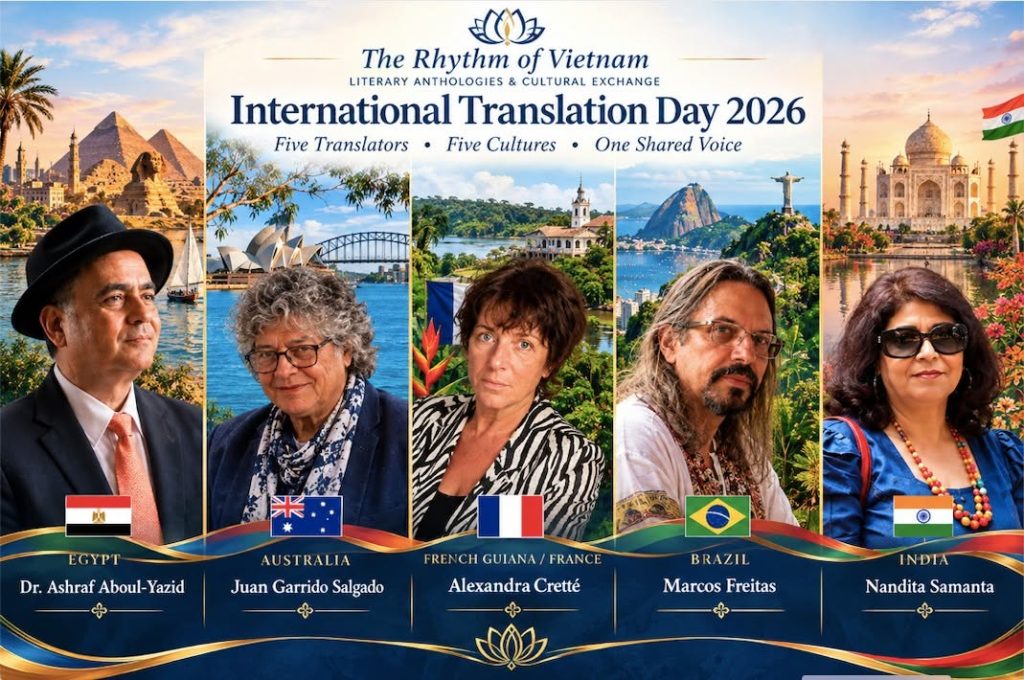
The Rhythm of Vietnam will celebrate the recipients of its 2026 International Translation Day Award at a special literary gathering in Ho Chi Minh City on 3 January 2027, bringing together members of the literary community to recognize the continuing importance of translation as a bridge between languages, cultures and people.
The announcement confirms that the awardees will once again be celebrated in Vietnam in the presence of writers, poets, translators and members of the international literary community. The event will also provide an opportunity to present the awardees’ work to a wider audience through an annual anthology devoted to poetry and translation.
The Rhythm of Vietnam has asked each recipient to submit materials for inclusion in the anthology by 15 October 2026. Each awardee is requested to provide two poems in English, one high-resolution portrait photograph, and a short biography of no more than 70 words.
Five international translators honored in 2026 will be celebrated again through poetry and translation at a January 2027 literary gathering
The initiative extends the recognition already given to the 2026 honorees and transforms the award into a continuing literary encounter, allowing their voices and work to circulate through a shared publication and an international gathering in Vietnam.
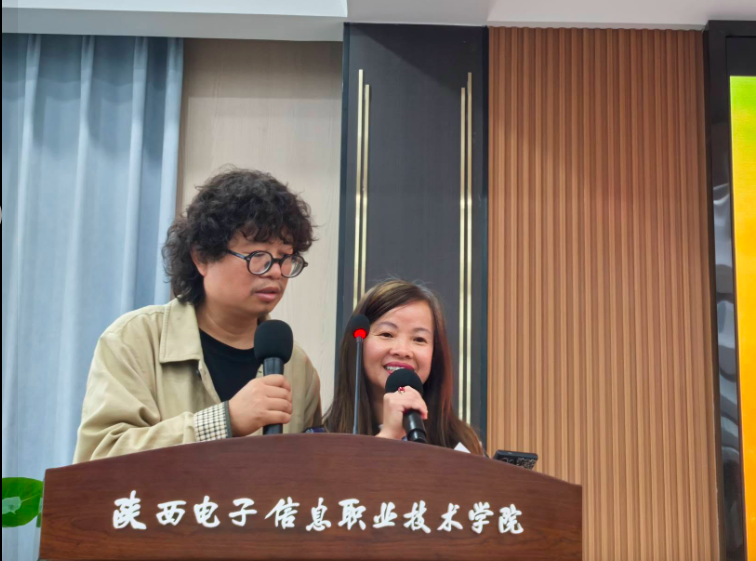
Cao Shui & Võ Thị Như Mai announcing the names of 5 awardees in China
Five translators from five cultural regions
The 2026 International Translation Day Award brought together five translators and literary figures whose work represents different linguistic and cultural directions:
Juan Garrido Salgado — Australia, working between English and Spanish;
Alexandra Cretté — French Guiana / France, translating from English into French;
Nandita Samanta — India, working across English, Bangla and Hindi;
Ashraf Aboul-Yazid (Ashraf Dali) — Egypt, whose translation work brings international literature into Arabic;
Marcos Freitas — Brazil, whose literary and cultural work includes poetry and international exchange.
The Silk Road Today previously reported on the five honorees in its feature “International Translation Day 2026: Five Translators Honored by The Rhythm of Vietnam.” The report described the five recipients as representing different linguistic and cultural environments while sharing a common commitment to carrying literature, memory and human experience across borders. (The Silk Road Today)
The five awardees reflect a broad spectrum of translation practices, from English-Spanish and English-French literary exchange to multilingual South Asian translation, the introduction of international and Silk Road literature into Arabic, and literary-cultural work connected with Brazil.
Translation as a bridge between cultures
The International Translation Day Award is grounded in the idea that translation is more than the movement of words between languages. It is also a form of literary interpretation, cultural preservation and communication.
Through translation, poems and literary works can travel beyond their original linguistic communities while retaining their cultural memory and artistic identity. Translators therefore occupy a distinctive position in international literary exchange: they make encounters possible between writers and readers who may otherwise never have access to one another’s work.
This philosophy has also been reflected in recent coverage by The Silk Road Today, which described translation as a “bridge” between cultures and highlighted the role of literary translators in creating new lives for works through other languages. (The Silk Road Today)
Ashraf Aboul-Yazid: Arabic as a meeting place for world literature
Among the 2026 honorees is Egyptian poet, writer and translator Dr. Ashraf Aboul-Yazid (Ashraf Dali), whose translation work has focused particularly on bringing poetry and literature from Asia, Africa, Europe and the wider Silk Road cultural space into Arabic.
The Silk Road Today has reported that Aboul-Yazid’s translation activity extends across poetry, fiction, drama, memoir, literary criticism and cultural writing. His work has included writers from different literary traditions, while his Silk Road Literature Series has provided an ongoing framework for introducing contemporary Asian and Eurasian literature to Arabic-language readers. (The Silk Road Today)
His recognition by The Rhythm of Vietnam therefore forms part of a broader literary trajectory in which translation serves as a channel between Arabic readers and writers from other linguistic worlds.
The award also connects with his continuing work as editor-in-chief of The Silk Road Today, which has published extensive coverage of translation, international literature and cultural exchange. The publication’s current website identifies Dr. Ashraf Aboul-Yazid as its editor-in-chief and includes recent reporting on translation and international literary initiatives. (The Silk Road Today)
From award recognition to an anthology
The January 2027 celebration will give the award a further dimension by bringing the five recipients together through an annual anthology. Announced by the founder, poet and translatorVõ Thị Như Mai, the decision to celebrate the award recipients in Ho Chi Minh City places Vietnam at the center of this international literary exchange.
The gathering will bring together members of the literary community in a setting where poetry, translation and cultural dialogue can meet directly. Rather than limiting recognition to an award announcement, the January event will create an opportunity for the honorees’ work to be encountered through poetry, publication and personal interaction.
The event also continues The Rhythm of Vietnam’s broader engagement with international literary exchange. The organization has worked across poetry, translation, anthologies and cross-cultural literary communication, creating connections between Vietnamese and international writers.
Five journeys, one literary bridge
Although the five 2026 recipients come from different countries and work across different language combinations, their careers share a common element: the movement of literature between cultural worlds.
Juan Garrido Salgado represents English-Spanish translation and has worked extensively with poetry, including Indigenous literary voices.
Alexandra Cretté has translated English-language poetry into French and has also undertaken major projects involving Asian literature, including the translation of Cao Shui’s Epic of Eurasia. (The Silk Road Today)
Nandita Samanta works across English, Bangla and Hindi and has translated poetry and prose in several directions, connecting South Asian literary traditions with wider readerships. (The Silk Road Today)
Ashraf Aboul-Yazid has devoted a substantial part of his literary career to bringing international and Silk Road literature into Arabic, linking Arabic readers with writers across Asia, Africa and Europe. (The Silk Road Today)
Marcos Freitas, Brazilian poet, academic and cultural figure, combines literary work with international cultural exchange and participation in global literary networks. (The Silk Road Today)
Together, these trajectories demonstrate the many forms that literary translation can take.
A celebration of the translator’s role
The January 2027 gathering will also draw attention to a figure who often works behind the scenes of international literature: the translator.
Poets may write in one language, but translation enables their poems to travel. A translator must negotiate not only vocabulary and grammar, but also rhythm, imagery, cultural references, memory and literary sensibility.
The 2026 International Translation Day Award recognizes this work and places translators themselves at the center of a literary celebration.
The upcoming anthology will extend that recognition by allowing each recipient to appear not merely as the subject of an award, but as a literary voice contributing original poetry and personal biography to a shared international publication.
Toward January 2027
The Rhythm of Vietnam’s invitation marks the next stage in the 2026 award cycle: from recognition, to publication, to a physical gathering of the international literary community.
With submissions requested by 15 October 2026 and the celebration scheduled for 3 January 2027 in Ho Chi Minh City, the coming months will bring together the literary materials of five translators whose work crosses national and linguistic boundaries.
The occasion will reaffirm a central principle of literary exchange: translation does not merely move literature from one language to another; it creates the possibility of encounter.
In Ho Chi Minh City, the five International Translation Day Award recipients will meet once again through poetry, publication and community, continuing a conversation that began with the recognition of their work and now extends toward a new international anthology.
The Rhythm of Vietnam’s January 2027 celebration will thus transform an award into an ongoing literary bridge — connecting translators, poets, languages, cultures and readers across continents.
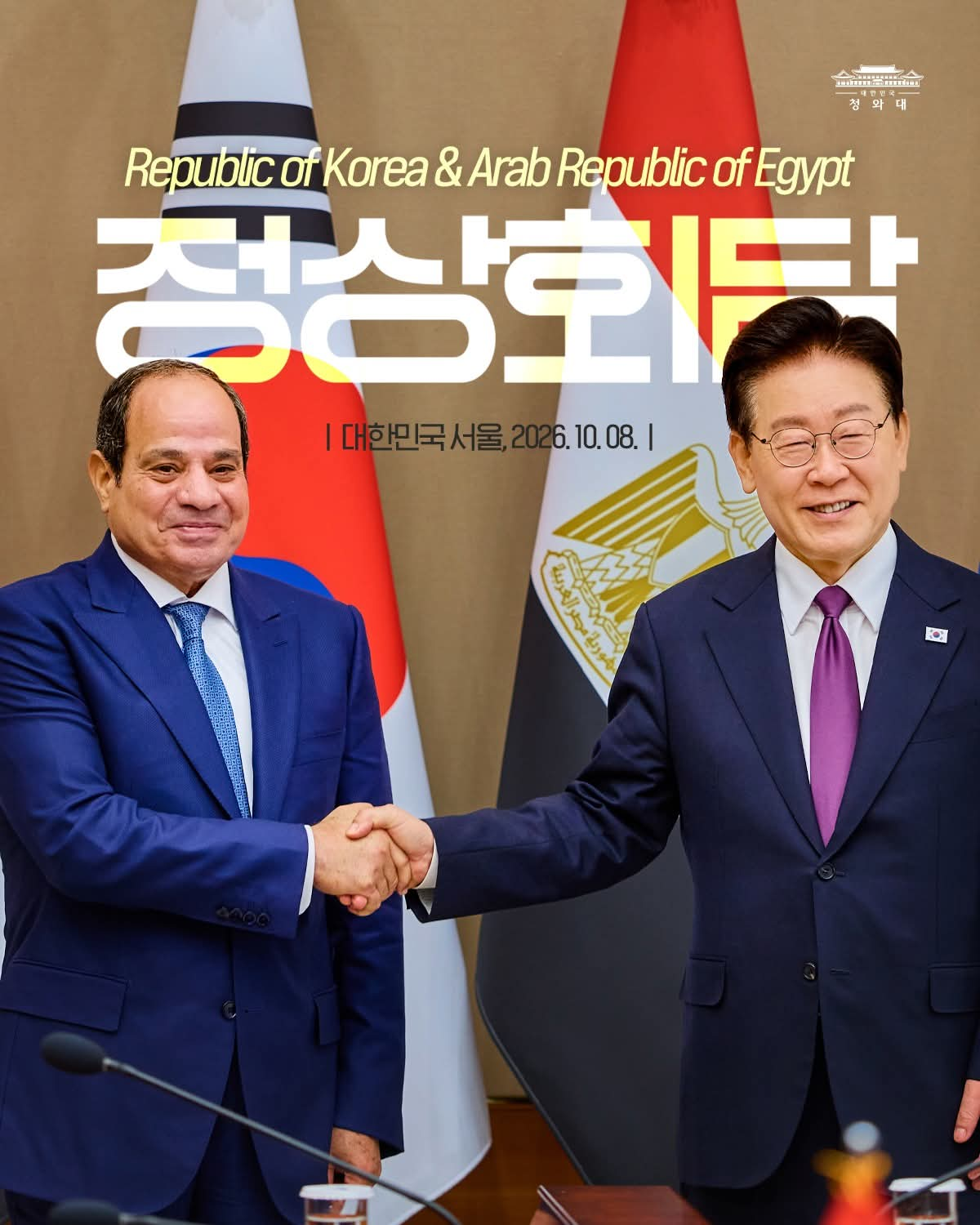
KEDA Welcomes President El-Sisi’s Visit to South Korea, Hailing a New Era of Strategic Partnership and Economic Cooperation
Seoul, South Korea — Korea Egypt Development Association (KEDA) has warmly welcomed and highly commended the official visit of Egyptian President Abdel Fattah El-Sisi to the Republic of Korea, describing…
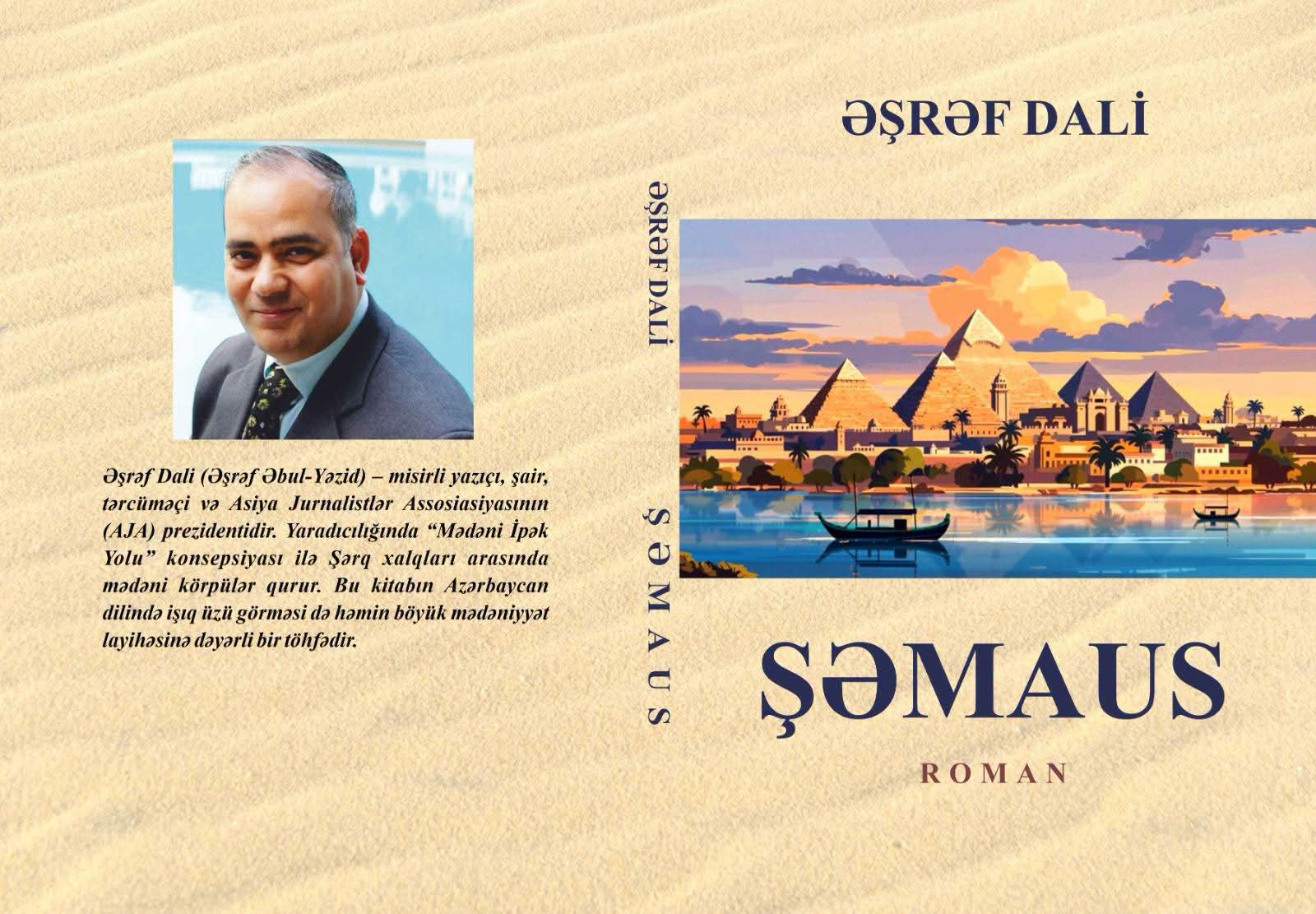
Azerbaijani Writers’ Union to Celebrate Azerbaijani Translation of Ashraf Aboul-Yazid’s Novel Shamawes in Baku
Literary event to mark the publication of the novel in Azerbaijani, with representatives of the Egyptian Embassy expected to be invited Baku – October , 2026 The Azerbaijani Writers’ Union…
 thesilkroadtoday