Trending News:Knowledge, Character and National Service: The Educational Thought of Swami Ramanand TirthHomeland : A New Anthology Brings Together 140 Poets of Mongol HeritageMongolia and Egypt Explore New Horizons for Agricultural CooperationThe Rhythm of Vietnam to Celebrate 2026 International Translation Day Award Recipients in Ho Chi Minh CityKistrech International Poetry Festival 2026: Poets from Around the World Gather in Kenyaكينيا: ثلاثة شعراء عرب في مهرجان كستريتش الدولي للشعرKistrech International Poetry Festival: Kenya Welcomes the World Through PoetryLITERARY OCTOBER OF CUBAPOESIA BRINGS WRITERS, POETRY AND COMMUNITY CULTURE TO HAVANAAn Albanian Translation of a Nepalese ArticleMOROCCO TO LAUNCH HOUSE OF BOOK WORLDS IN RABAT, CREATING A PERMANENT HOME FOR GLOBAL LITERARY EXCHANGEحكاية خيط … حديث الحرف وأفقها ثلاثة ثعالب ذكية … جدلية الطقوس والمعارفعالم رمادي … جدلية الواقع وأفق الحلولمن يسرق دجاج أمي؟Lens ‘W’ Life: Colours of Sindh — When the Camera Becomes a Witness14 لجنة بارالمبية وطنية وMSN ماليزيا تدعم مبادرة 100 CTFPFourteen National Paralympic Committees and MSN Malaysia Support 100 CTFPThe Silent Verse by Gioia Lomasti, an Unrepeatable Unicum in the Contemporary Poetry Scene — A Review by Luciano Domenighiniفي طبيعة الوجود ومكاننا في الكون: بحث فلسفيالأستاذ الدكتور سليمان الحويلي محاضرًا عن مملكة ماريOn the Nature of Existence and Our Place in the Universe: A Philosophical Treatiseإديار موكانبيتوف | فيشار سنوات الحربAn Interview with Bartolomeo Theo Di GiovanniCao Shui Congratulates Five Translators Honoured by The Rhythm of VietnamAshraf Aboul-Yazid in a Television Interview on Russia, China, Mongolia and the Future of Creative Translationالترجمة بوصفها جسراً حياً بين الثقافاتThe Symbolic Depiction of Strength Towards WisdomThe Musketeers of Truth: Journalism Without BordersInternational Translation Day 2026: Five Translators Honored by The Rhythm of VietnamWhen the Gallery Loses Its Monopoly“Şəmaus” by Ashraf Aboul-Yazid in Azerbaijani: A New Literary Bridge Between Egypt and Azerbaijanرواية أشرف أبو اليزيد (شماوس)… جسر أدبي جديد بين مصر وأذربيجانالأدب جسر بين الثقافات والشعوب: القسم الدولي من مشروع 100 كتاب 100 مؤلفLiterature as a Bridge Between Cultures and Peoples: The International Section of 100 Libri d’Autoreندوة لتراث فاروق آباد العربي وتدشين كتاب محمد كوتاشيري؛ رحلة علم وعطاء Symposium on “Arabic Legacy of Farookabad”& Book Release Ceremonyالناشر الهندي سوبريو تشاكرابورتي في حوار مع أديتي داسغوبتاSanctuary Of The Soul | A Poem by Anwar RahimKATO, New novel by Hussain Abdel-RahimVetrina delle Emozioni Presents: I Racconti di Azzurrina by Daniela ContiEmanuele Marcuccio’s New Book: Wonder and Amazement: Aphorisms and ThoughtsTunisian-French Poet Arwa Ben Dhia Awarded at the Grand Prix de Poésieعلى خطى غوميليوف… الفن يستعيد رحلة الشاعر الروسي إلى إفريقياجويا لوماستي تحاور الكاتب الإيطالي لويجي أنجيلينو ضمن مشروع «100 كتاب 100 مؤلف»سفير مصر لدى روسيا يزور تتارستان Cao Shui Wins World Writers Laurel Award in Moscowالسرد البصري بوصفه أداة لبناء الحياة: كيف تعيد حكايات الشاشة تشكيل الواقعNigerian Playwright Esther Adelana Reaches Russian Readers Through Silk Road Literary Exchangeبوليفيا وشيلي توحّدهما قصة حب في مواجهة السرطانفصل من رواية حسين الصومالي للكاتب حسين عبد الرحيمDr. Hanan Awwad, President of PEN International’s Palestine Branch, Receives WOW Award for Contribution to World Literatureد. حنان عواد تُعلن فائزة بجائزة منظمة كتاب العالم للإسهام في تطوير الأدب العالميمصر ومنغوليا… شراكة تصنع الإنسانالفضاء… حين تصبح الأرض وطنًا واحدًاالإنسان في قلب مستقبل الحضاراتوحدةٌ تصون التنوعالتحديث الإنساني: حين تستعيد الحضارة معناهامن الفضاء إلى الإنسانية: تكريم من خدموا البشريةنَحْنُ وَ الأَرْضُ … شعر پیشەوا کاکائي (ترجمة: شهلا حسین)الوسادة العجيبة … أسرار الأحلام وأحلام الطفولة أيام قرطاج الموسيقية تتأهب للانطلاقالبيدار والأفعى … رسائل العدل والعملوزيرة الثقافة في جمهورية تتارستان تلتقي السفير المصري لدى روسيا الاتحاديةThe Bridge hosts translator, poet, novelist, and traveler Dr. Ashraf Aboul-Yazid«الجسر» يستضيف الدكتور أشرف أبو اليزيد في حلقة عن الترجمة بوصفها جسرًا بين الثقافاتندوة «التراث العربي لفاروق آباد» وحفل إصدار كتاب «الأستاذ محمد كوتاشيري: رحلة علم وعطاء»Farook College to Host Symposium on the Arabic Legacy of Farookabad and Launch Biography of Professor Muhammad Kuttasseryالفنانة التشكيلية كرستين عريضة: الحضارة المصرية القديمة جزء طبيعي من الذاكرة البصريةHuman Centralism: A Noble Vision in Need of a Roadmapالسائرون نيامًا | قصيدة للشاعر النيبالي سانتوش كومار بوخاريلدار العرس والبهجةMAYBE THIS IS NOT A GOODBYE: IF YOU HAVE EVER LOVED DEEPLY, YOU WILL LOVE THIS BOOK WORLD ORGANIZATION OF WRITERS “WOW” ANNOUNCES ITS 2026 LAUREATESVO THI NHU MAI’S “UNA CONVERSAZIONE” EARNS ECCELLENZA INTERNAZIONALE AT SENECA AWARDS 2026اللَيّلُ يَدوُرُ حَوْلَ السُؤالْ (شعر)من طوقاي إلى طريق الحرير: لقاء القاهرة يفتح آفاقًا جديدة للحوار الثقافي بين روسيا والعالم الإسلامي디파 말릭: “샤룩 칸과 아미타브 밧찬이 패럴림픽 선수들에게 메시지를 전할 것이라 확신합니다”― 100 CTFPديبا مالك: «أنا واثقة أن شاروخان وأميتاب باتشان سيقدمان رسالتيهما للرياضيين البارالمبيين» (100 CTFP)Deepa Malik: Shah Rukh and Amitabh Will Speak for Para Athletes (100 CTFP)PAWA Vice President Reyna Jones Visits PAWA Secretariat in AccraPoet Ko Un Publishes 40 Years of Love Letters: Sanghwajeol Letters 1من ناتساغدورج إلى العالم العربي: الأدب المنغولي يجد صوتًا جديدًاFrom Natsagdorj to the Arab World: Mongolia’s Literature Finds a New VoiceKhan Khentii: Where Culture, Memory and Natsagdorj’s Spirit Meetبيرغن بيلسن: نهاية الجرائم ضد الإنسانيةBergen-Belsen: An End to the Crimes Against Humanity (Second World War’s Agony Survives)الدكتور إبراهيم استنبولي أول أجنبي يفوز بجائزة باباجان غفوروف في طاجيكستانتعزيز التعاون المتحفي بين مصر ومنغولياMongolian Ambassador to Egypt Discusses Museum Cooperation with Grand Egyptian Museum CEONO “SACRED COWS” OR FEATURED UNTOUCHABLES?Samaneh Mojaveri: “Allow Your Passion To Become Your Purpose, And It Will One Day Become Your Profession” (Interview)ألوان التسامح تتألق في سوسةالآنسة ممكن … جدلية التفاعل والممكن «ما وراء اللغة»، الاحتفال بالمجلد الثالث افتراضيًاأصوات للمرة الأولى …جدلية الأصوات والأبعاد Beyond the Language, Vol. III Virtually Launchedالشاعرة اللبنانية ريتا نجيب نفاع تكتب: فسيفساء الروحCouncil Holds Virtual Meeting to Discuss Urgent MattersBefore the Bulls Disappear: Remembering the Festival of Polaسيرة فنان جعل من الريشة ذاكرةً للأرض والإنسان والتاريخ
Trending News:Knowledge, Character and National Service: The Educational Thought of Swami Ramanand TirthHomeland : A New Anthology Brings Together 140 Poets of Mongol HeritageMongolia and Egypt Explore New Horizons for Agricultural CooperationThe Rhythm of Vietnam to Celebrate 2026 International Translation Day Award Recipients in Ho Chi Minh CityKistrech International Poetry Festival 2026: Poets from Around the World Gather in Kenyaكينيا: ثلاثة شعراء عرب في مهرجان كستريتش الدولي للشعرKistrech International Poetry Festival: Kenya Welcomes the World Through PoetryLITERARY OCTOBER OF CUBAPOESIA BRINGS WRITERS, POETRY AND COMMUNITY CULTURE TO HAVANAAn Albanian Translation of a Nepalese ArticleMOROCCO TO LAUNCH HOUSE OF BOOK WORLDS IN RABAT, CREATING A PERMANENT HOME FOR GLOBAL LITERARY EXCHANGEحكاية خيط … حديث الحرف وأفقها ثلاثة ثعالب ذكية … جدلية الطقوس والمعارفعالم رمادي … جدلية الواقع وأفق الحلولمن يسرق دجاج أمي؟Lens ‘W’ Life: Colours of Sindh — When the Camera Becomes a Witness14 لجنة بارالمبية وطنية وMSN ماليزيا تدعم مبادرة 100 CTFPFourteen National Paralympic Committees and MSN Malaysia Support 100 CTFPThe Silent Verse by Gioia Lomasti, an Unrepeatable Unicum in the Contemporary Poetry Scene — A Review by Luciano Domenighiniفي طبيعة الوجود ومكاننا في الكون: بحث فلسفيالأستاذ الدكتور سليمان الحويلي محاضرًا عن مملكة ماريOn the Nature of Existence and Our Place in the Universe: A Philosophical Treatiseإديار موكانبيتوف | فيشار سنوات الحربAn Interview with Bartolomeo Theo Di GiovanniCao Shui Congratulates Five Translators Honoured by The Rhythm of VietnamAshraf Aboul-Yazid in a Television Interview on Russia, China, Mongolia and the Future of Creative Translationالترجمة بوصفها جسراً حياً بين الثقافاتThe Symbolic Depiction of Strength Towards WisdomThe Musketeers of Truth: Journalism Without BordersInternational Translation Day 2026: Five Translators Honored by The Rhythm of VietnamWhen the Gallery Loses Its Monopoly“Şəmaus” by Ashraf Aboul-Yazid in Azerbaijani: A New Literary Bridge Between Egypt and Azerbaijanرواية أشرف أبو اليزيد (شماوس)… جسر أدبي جديد بين مصر وأذربيجانالأدب جسر بين الثقافات والشعوب: القسم الدولي من مشروع 100 كتاب 100 مؤلفLiterature as a Bridge Between Cultures and Peoples: The International Section of 100 Libri d’Autoreندوة لتراث فاروق آباد العربي وتدشين كتاب محمد كوتاشيري؛ رحلة علم وعطاء Symposium on “Arabic Legacy of Farookabad”& Book Release Ceremonyالناشر الهندي سوبريو تشاكرابورتي في حوار مع أديتي داسغوبتاSanctuary Of The Soul | A Poem by Anwar RahimKATO, New novel by Hussain Abdel-RahimVetrina delle Emozioni Presents: I Racconti di Azzurrina by Daniela ContiEmanuele Marcuccio’s New Book: Wonder and Amazement: Aphorisms and ThoughtsTunisian-French Poet Arwa Ben Dhia Awarded at the Grand Prix de Poésieعلى خطى غوميليوف… الفن يستعيد رحلة الشاعر الروسي إلى إفريقياجويا لوماستي تحاور الكاتب الإيطالي لويجي أنجيلينو ضمن مشروع «100 كتاب 100 مؤلف»سفير مصر لدى روسيا يزور تتارستان Cao Shui Wins World Writers Laurel Award in Moscowالسرد البصري بوصفه أداة لبناء الحياة: كيف تعيد حكايات الشاشة تشكيل الواقعNigerian Playwright Esther Adelana Reaches Russian Readers Through Silk Road Literary Exchangeبوليفيا وشيلي توحّدهما قصة حب في مواجهة السرطانفصل من رواية حسين الصومالي للكاتب حسين عبد الرحيمDr. Hanan Awwad, President of PEN International’s Palestine Branch, Receives WOW Award for Contribution to World Literatureد. حنان عواد تُعلن فائزة بجائزة منظمة كتاب العالم للإسهام في تطوير الأدب العالميمصر ومنغوليا… شراكة تصنع الإنسانالفضاء… حين تصبح الأرض وطنًا واحدًاالإنسان في قلب مستقبل الحضاراتوحدةٌ تصون التنوعالتحديث الإنساني: حين تستعيد الحضارة معناهامن الفضاء إلى الإنسانية: تكريم من خدموا البشريةنَحْنُ وَ الأَرْضُ … شعر پیشەوا کاکائي (ترجمة: شهلا حسین)الوسادة العجيبة … أسرار الأحلام وأحلام الطفولة أيام قرطاج الموسيقية تتأهب للانطلاقالبيدار والأفعى … رسائل العدل والعملوزيرة الثقافة في جمهورية تتارستان تلتقي السفير المصري لدى روسيا الاتحاديةThe Bridge hosts translator, poet, novelist, and traveler Dr. Ashraf Aboul-Yazid«الجسر» يستضيف الدكتور أشرف أبو اليزيد في حلقة عن الترجمة بوصفها جسرًا بين الثقافاتندوة «التراث العربي لفاروق آباد» وحفل إصدار كتاب «الأستاذ محمد كوتاشيري: رحلة علم وعطاء»Farook College to Host Symposium on the Arabic Legacy of Farookabad and Launch Biography of Professor Muhammad Kuttasseryالفنانة التشكيلية كرستين عريضة: الحضارة المصرية القديمة جزء طبيعي من الذاكرة البصريةHuman Centralism: A Noble Vision in Need of a Roadmapالسائرون نيامًا | قصيدة للشاعر النيبالي سانتوش كومار بوخاريلدار العرس والبهجةMAYBE THIS IS NOT A GOODBYE: IF YOU HAVE EVER LOVED DEEPLY, YOU WILL LOVE THIS BOOK WORLD ORGANIZATION OF WRITERS “WOW” ANNOUNCES ITS 2026 LAUREATESVO THI NHU MAI’S “UNA CONVERSAZIONE” EARNS ECCELLENZA INTERNAZIONALE AT SENECA AWARDS 2026اللَيّلُ يَدوُرُ حَوْلَ السُؤالْ (شعر)من طوقاي إلى طريق الحرير: لقاء القاهرة يفتح آفاقًا جديدة للحوار الثقافي بين روسيا والعالم الإسلامي디파 말릭: “샤룩 칸과 아미타브 밧찬이 패럴림픽 선수들에게 메시지를 전할 것이라 확신합니다”― 100 CTFPديبا مالك: «أنا واثقة أن شاروخان وأميتاب باتشان سيقدمان رسالتيهما للرياضيين البارالمبيين» (100 CTFP)Deepa Malik: Shah Rukh and Amitabh Will Speak for Para Athletes (100 CTFP)PAWA Vice President Reyna Jones Visits PAWA Secretariat in AccraPoet Ko Un Publishes 40 Years of Love Letters: Sanghwajeol Letters 1من ناتساغدورج إلى العالم العربي: الأدب المنغولي يجد صوتًا جديدًاFrom Natsagdorj to the Arab World: Mongolia’s Literature Finds a New VoiceKhan Khentii: Where Culture, Memory and Natsagdorj’s Spirit Meetبيرغن بيلسن: نهاية الجرائم ضد الإنسانيةBergen-Belsen: An End to the Crimes Against Humanity (Second World War’s Agony Survives)الدكتور إبراهيم استنبولي أول أجنبي يفوز بجائزة باباجان غفوروف في طاجيكستانتعزيز التعاون المتحفي بين مصر ومنغولياMongolian Ambassador to Egypt Discusses Museum Cooperation with Grand Egyptian Museum CEONO “SACRED COWS” OR FEATURED UNTOUCHABLES?Samaneh Mojaveri: “Allow Your Passion To Become Your Purpose, And It Will One Day Become Your Profession” (Interview)ألوان التسامح تتألق في سوسةالآنسة ممكن … جدلية التفاعل والممكن «ما وراء اللغة»، الاحتفال بالمجلد الثالث افتراضيًاأصوات للمرة الأولى …جدلية الأصوات والأبعاد Beyond the Language, Vol. III Virtually Launchedالشاعرة اللبنانية ريتا نجيب نفاع تكتب: فسيفساء الروحCouncil Holds Virtual Meeting to Discuss Urgent MattersBefore the Bulls Disappear: Remembering the Festival of Polaسيرة فنان جعل من الريشة ذاكرةً للأرض والإنسان والتاريخ
New volume celebrates the 120th anniversary of Dashdorjiin Natsagdorj and extends Mongolia’s literary dialogue across borders
ULAANBAATAR, Mongolia — October 2026
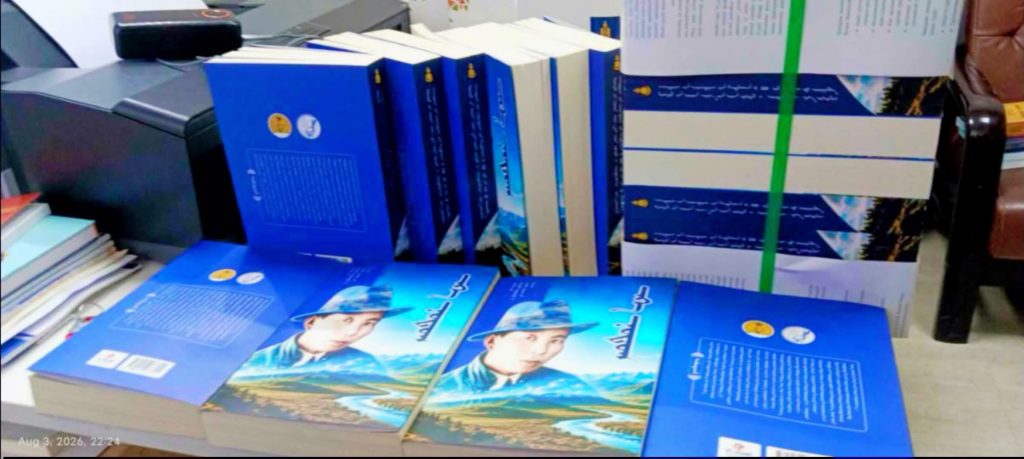
A major new poetry anthology bringing together 140 poets from across the Mongol world has been published under the evocative title Ekh Nutag (“Homeland”), creating a remarkable collective literary portrait of Mongolian cultural memory, identity and poetic heritage.
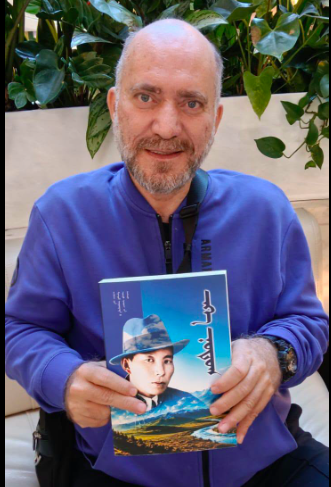
Dr. Ashraf showcases the anthology on the Egyptian TV Screen LIVEHani Nadeem shows his copy in Moscow
Published in early August 2026, the volume brings together poetic voices from Mongolia, Inner Mongolia, Upper Mongolia, Kalmykia and Buryatia, alongside international contributors, including Egyptian poet and writer Dr. Ashraf Aboul-Yazid and Syrian poet Hani Nadeem.
The publication forms part of the wider cultural and literary celebrations surrounding the 120th anniversary of the birth of Dashdorjiin Natsagdorj, one of the foundational figures of modern Mongolian literature.
The Silk Road Today has followed the international celebrations of Natsagdorj’s 120th anniversary throughout 2026, including coverage of the Ekh Nutag international poetry programme and the publication of multicultural literary works. Its June report noted that Homeland brought together writers from Mongolia, Kalmykia, Buryatia, Xinjiang, Upper Mongolia and Inner Mongolia, as well as Egypt and Syria. (The Silk Road Today)
A homeland expressed through many voices
The title Ekh Nutag, meaning “Homeland,” carries particular resonance in Mongolian poetry. Rather than presenting homeland as a single geographical concept, the anthology gathers voices from different Mongol communities and regions, allowing the idea of homeland to emerge through multiple languages, landscapes, memories and poetic experiences. The book therefore represents both a literary anthology and a cultural map.
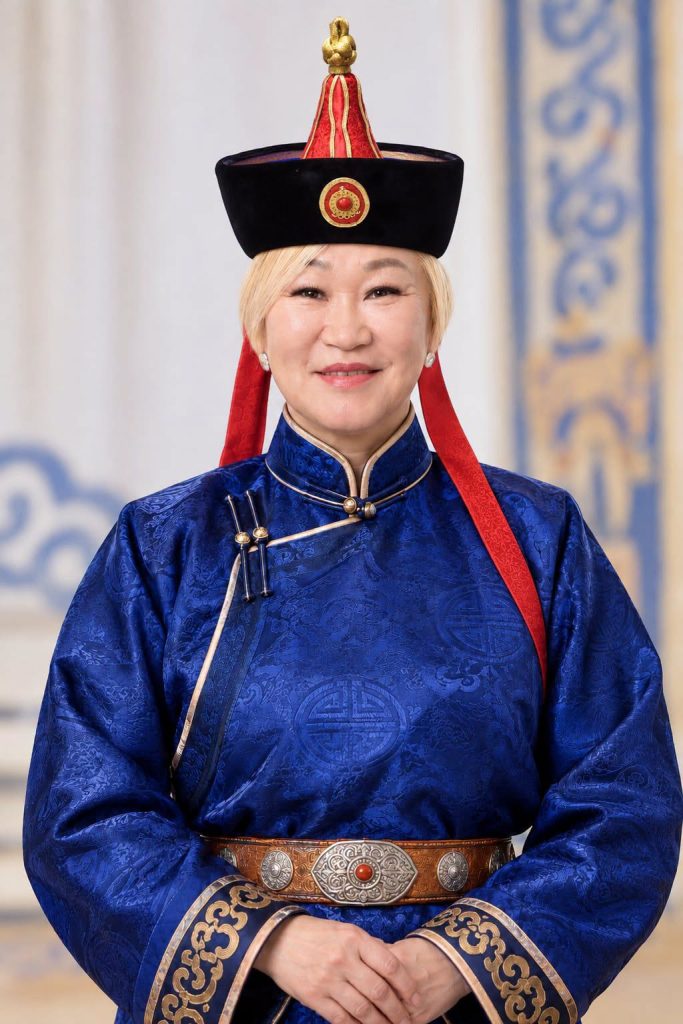
P. Gerelt-Od
Its 140 poets give expression to a broad understanding of Mongol heritage, crossing contemporary political borders and bringing together communities whose literary traditions share historical and cultural roots.
The publication is issued by the World Union of Mongolian Nomadic Heritage, with the project initiated by P. Gerelt-Od, whose continuing work has focused on bringing together poets, writers and cultural representatives from different parts of the Mongol world.
Editorial team
The anthology was published under the auspices of the World Union of Mongolian Nomadic Heritage.
The project was initiated by Pürevjavyn Gerelt-Od, with sponsorship from the Baganuur District Citizens’ Representative Khural and Nandir LLC.
The editorial structure brings together literary figures from Mongolia and the wider Mongol cultural sphere.
Editorial Board Chair: Chimediin Tumendemberel
Editor-in-Chief: Tsedendambyn Battuya
Producer: Pürevjavyn Gerelt-Od
The anthology was compiled by:
Togoоchiin Oyun-Erdene — Mongolia
Dashцogtyn Tuya — Mongolia
Shagdarjavyn Mendbayar — Inner Mongolia
Ishjamtsyn Yalalt — Inner Mongolia
Duudagch Ulaanchimeg — Inner Mongolia
Oydovyn Ochingal — Upper Mongolia
Lhachinyn Sukhbaatar — Upper Mongolia
Osorin Utnasun — Kalmykia
Tatyana Badakova — Kalmykia
Nina Artugaeva Toktokhoevna — Buryatia
Sergey Dalievich Dorzhiev — Buryatia
Nikolaeva Darima — Buryatia
The text preparation was undertaken by Tsedendambyn Battuya, and the volume was printed by Nandir LLC.
Part of a wider Natsagdorj centenary programme
The appearance of Homeland is particularly significant because it forms part of a much wider international effort to commemorate 120 years since the birth of Dashdorjiin Natsagdorj.
The Silk Road Today reported in June that the anniversary programme was conceived as a major literary initiative, linking Natsagdorj’s legacy with contemporary international cultural exchange. The publication of Homeland was identified as one of several books emerging from this programme. (The Silk Road Today)
In August, the celebration continued with the “Ekh Nutag” International Poetry Festival, where poets and cultural figures gathered in Mongolia. The Silk Road Today reported that the programme connected literary events with Mongolia’s landscapes, historical monuments and cultural memory. (The Silk Road Today)
The anniversary celebrations also included the presentation of the Golden Papyrus Award during the Ekh Nutag festival. According to The Silk Road Today, the award ceremony placed Egyptian papyrus and Mongolian poetic heritage in symbolic dialogue, emphasizing the role of literature as a bridge between civilizations. (The Silk Road Today)
Egypt and Mongolia meet through poetry
The inclusion of Dr. Ashraf Aboul-Yazid of Egypt in Homeland gives the anthology an important international dimension.
Aboul-Yazid travelled to Mongolia in August to participate in the international Motherland poetry celebrations marking Natsagdorj’s 120th anniversary. During the journey, he visited the poet’s birthplace and cultural landmarks, met Mongolian writers and poets, and participated in literary and cultural activities. (The Silk Road Today)
He also presented Natsagdorj’s celebrated poem “My Homeland” in both English and Arabic, marking a new stage in the poem’s international journey. The Silk Road Today described this work as part of a broader effort to introduce Mongolian literature and cultural memory to Arabic-speaking readers. (The Silk Road Today)
The connection between Egypt and Mongolia has continued beyond the anniversary celebrations. In September, Mongolian Ambassador to Egypt H.E. Donijchimbuu Byambadorj received Aboul-Yazid in Cairo, where they discussed his recent Mongolian literary journey and his encounters with Mongolian writers, poets and cultural institutions. (The Silk Road Today)
From Natsagdorj to the contemporary Mongol world
Natsagdorj’s legacy provides the historical foundation for the anthology, but Homeland is firmly a contemporary project.
The 140 contributors demonstrate that Mongolian and Mongol-related literary culture remains a living and evolving tradition. Their geographical diversity illustrates how poetry can preserve connections among communities separated by borders while allowing each community to retain its own particular voice.
The anthology consequently places Natsagdorj’s literary legacy in conversation with contemporary poets from across the Mongol cultural landscape.
This is especially appropriate to Natsagdorj’s own literary importance. As The Silk Road Today has noted, although his life lasted only 31 years, he played a formative role in the renewal of modern Mongolian literature and worked across poetry, theatre and journalism. (The Silk Road Today)
His famous poem “My Homeland” remains deeply embedded in Mongolian cultural consciousness, with its evocation of mountains, plains, rivers and landscapes transforming geography into poetry and cultural memory. (The Silk Road Today)
A literary bridge across the Mongol world
Homeland is significant not simply because of the number of poets it contains, but because of the cultural geography represented by those poets.
From Mongolia to Inner Mongolia, Upper Mongolia, Kalmykia and Buryatia, the anthology gathers literary expressions of a heritage that extends beyond contemporary national boundaries.
The participation of poets from Egypt and Syria adds another dimension, showing how Mongolian literature can enter into dialogue with Arabic poetry and other international traditions.
In this sense, the anthology continues the philosophy behind the broader Silk Road literary project: literature is not confined by geography. It travels through translation, publication, friendship and direct encounters between writers.
Literature as cultural memory
The publication of Ekh Nutag arrives at a moment when Mongolia is celebrating one of its most important literary figures, but its significance extends beyond a single anniversary.
The anthology demonstrates how a historical literary legacy can generate new forms of collaboration among contemporary writers.
It also illustrates the continuing power of poetry to preserve homeland, landscape, memory and identity, while simultaneously opening those experiences to readers beyond their original cultural boundaries.
For the 140 poets gathered in this volume, “Homeland” is therefore both a place and an idea: a landscape remembered, a culture inherited, a language carried forward and a poetic space shared across generations.
A book born from a historic literary year
The publication of Homeland adds a substantial new chapter to the international literary programme surrounding the 120th anniversary of Dashdorjiin Natsagdorj.
From the Ekh Nutag poetry festival to international literary encounters, new translations, cultural awards and publications, the anniversary has become an opportunity not only to remember Natsagdorj but also to demonstrate the continuing vitality of Mongolian literature.
The Silk Road Today has documented this journey across several reports, from the June announcement of the multicultural Homeland volume to the August celebrations in Mongolia and the subsequent cultural dialogue between Mongolia and Egypt. (The Silk Road Today)
With 140 poets gathered between its covers, Ekh Nutag stands as a collective poetic statement: the homeland can be many landscapes, many memories and many voices, yet poetry can bring them together in a single book.
In celebrating Natsagdorj, the anthology also celebrates the contemporary poets who continue to carry the Mongol literary heritage forward — from the heart of Mongolia to communities across the wider Mongol world and, through international participation and translation, to readers beyond it.
Mongolia and Egypt Explore New Horizons for Agricultural Cooperation
ULAANBAATAR / CAIRO — 30 September 2026 Mongolia and the Arab Republic of Egypt have opened a new chapter in bilateral economic and agricultural dialogue, with representatives of relevant institutions…
The Rhythm of Vietnam to Celebrate 2026 International Translation Day Award Recipients in Ho Chi Minh City
HO CHI MINH CITY, Vietnam — October 2026 The Rhythm of Vietnam will celebrate the recipients of its 2026 International Translation Day Award at a special literary gathering in Ho…
 thesilkroadtoday

 The anthology was published under the auspices of the World Union of Mongolian Nomadic Heritage.