
 thesilkroadtoday
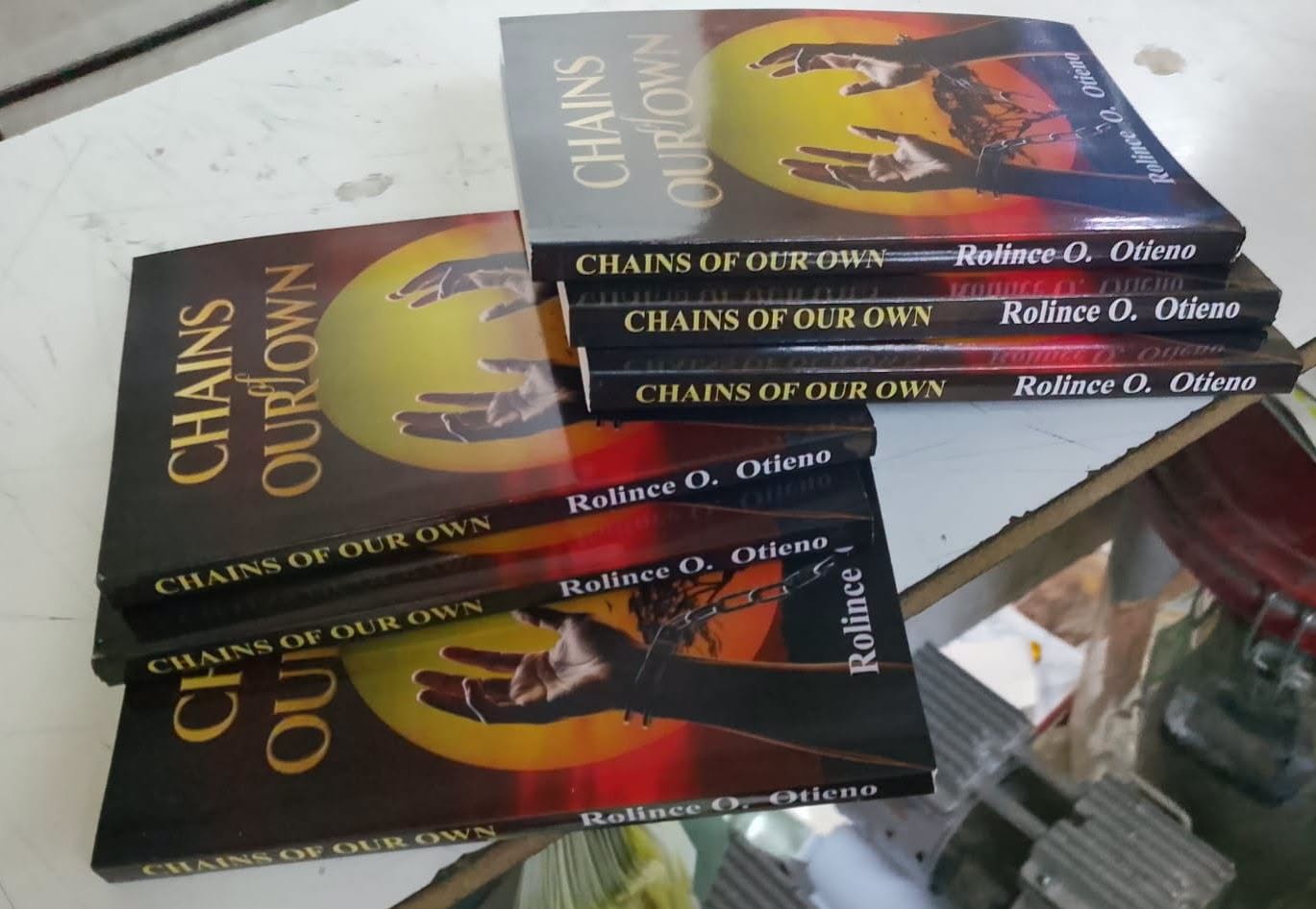
A Synopsis of Chains of Our Own by Kenyan Writer Rawlins O. Otieno
In Chains of Our Own, Kenyan writer Rawlins O. Otieno presents a literary work that transcends the boundaries of an individual story to raise profound questions about freedom, justice, corruption, and cultural identity. The novel exposes the painful paradox between the dream of national independence and the reality of societies that have failed to break free from their chains, even after colonialism has ended. The events unfold in an imaginary country called “Rakuaro,” which, as the author emphasizes, reflects real social and political experiences across Africa.
At the heart of the novel is Adoyo Omondi, a young woman raised in a traditional rural environment. Her mother, Penina, encourages her to pursue education, believing it to be the most important path toward a different future. Having endured poverty and the bitterness of widowhood, Penina is determined that her daughter should enjoy opportunities denied to women of previous generations. Through this deeply human relationship, the author portrays the transformation of African women from a position of social dependence toward independence and the freedom to make their own choices.
Yet Adoyo’s journey remains inseparable from her cultural and social world. She lives between the heritage, beliefs, and traditions of her ancestors and the aspirations of a new generation eager to learn and embrace change. The novel captures this tension through vivid details of village life, elders’ stories, folk traditions, rituals, and beliefs that give society its identity, but can sometimes become obstacles to progress. One of the most striking scenes is a dream in which Adoyo converses with her deceased grandfather. He delivers a message about the betrayal of national sacrifices and the need to uncover truths that those in power seek to keep hidden.
Adoyo enters a new phase of her life when she secures a job at a company. There, she discovers that excellence and hard work are not always enough in a workplace governed by personal interests, prejudice, and corruption. As the story unfolds, she encounters resistance from men who cannot accept a woman in a leadership position, viewing her success as a threat to their status and authority. Nevertheless, she remains committed to her principles, proves her managerial abilities, and eventually rises to a leadership position. In her address to employees, she calls for cooperation, equality, and a new chapter in the company’s history.
The conflict reaches a turning point when Adoyo is assaulted and discovers that justice is not equally accessible to everyone. Wealth and influence can alter the course of legal proceedings, recalling an earlier case in which another woman became a victim because of her professional advancement. Adoyo’s suffering thus evolves from a personal ordeal into a confrontation with an entire system entangled in vested interests, intimidation, discrimination, and corruption.
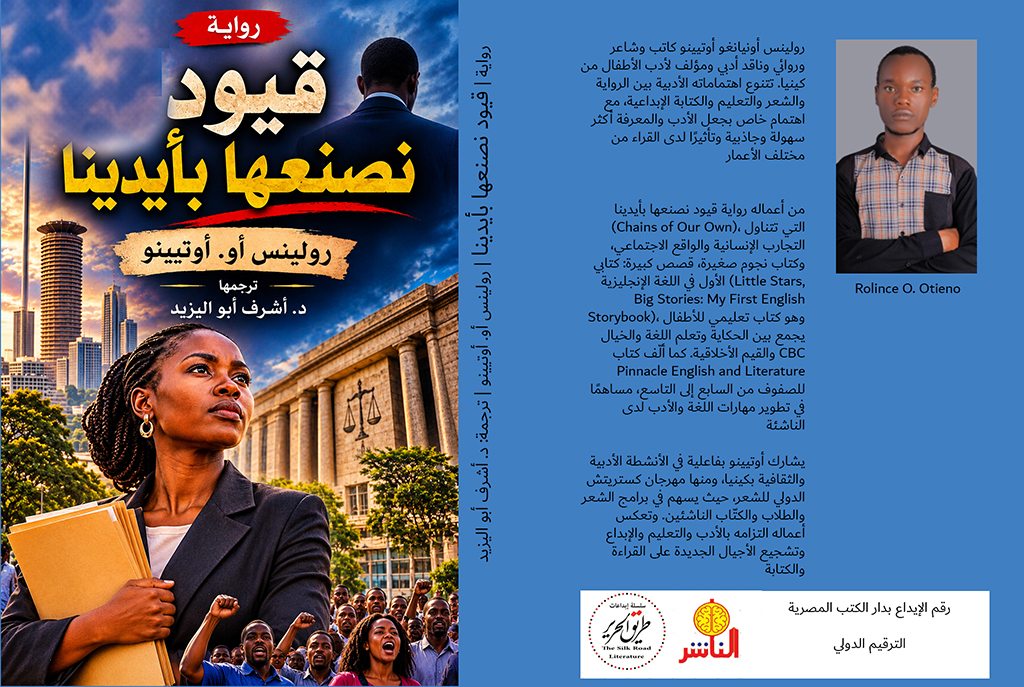
The confrontation reaches its tragic climax in the courtroom, where Adoyo faces fabricated testimonies, witnesses who do not even belong to the company, and a judiciary seemingly powerless before the might of money. Despite her efforts to defend the truth, she loses the case, marking yet another victory for influence over the oppressed. But her legal defeat does not mean the defeat of her moral cause. Her story becomes a voice that awakens public outrage, while the solidarity she receives from ordinary people offers proof that collective awareness can challenge injustice.
In her final confrontation with Otieno, Adoyo refuses to surrender or abandon her principles, declaring corruption an enemy of society and development. The conflict ends in a bloody assault that takes her life, while she clutches the court verdict in her hand—a haunting symbol of a cruel paradox: a woman who holds on to the truth until her final breath in a society still searching for its lost justice.
The novel’s title encapsulates its central philosophy: the chains binding African societies are no longer all forged by colonial powers. Many are now created from within, through corruption, tribalism, nepotism, silence, and fear—practices that people inflict upon their own communities. The novel criticizes those in power, the society that allows such systems to persist, and a culture that, when stripped of its role as a source of identity and wisdom, becomes an instrument for justifying discrimination and excluding women.
Ultimately, Adoyo represents the human being who refuses to remain a prisoner of reality, and the woman who pays with her life for her right to dignity, leadership, and justice. The novel also evokes Africa’s struggle against colonialism, particularly the Mau Mau uprising, drawing a contrast between the sacrifices of earlier generations and the betrayal of liberation dreams by some of their successors.
Chains of Our Own is a novel about unfinished independence, freedom that must be safeguarded, justice that must never become a commodity, and the responsibility of individuals to liberate themselves and their societies. It is a literary and moral call for self-examination, for rediscovering the meaning of homeland, and for embracing equality and fairness—lest the dream of freedom cherished by our ancestors become yet another chain forged by the hands of generations to come.