Trending News:تتويج أشرف أبو اليزيد بوسام حركة الشعر العظيمهذه عدساتك يا عبلة … لعبة العدسات وما وراءهااتحاد الكتاب التونسيين والأكاديمية الثقافية الدولية بألمانيا يوقعان اتفاقية شراكة لتعزيز التعاون الثقافي والعلميNew Monograph Explores the Literary Legacy of Ousha bint Khalifa Al SuwaidiEgyptian Creator Completes Two-Year Confidential Cinema Innovation Project and Opens Discussions with Global StudiosFarewell, Dr. Mohamed Abdel Maqsoud… When the Guardian of the Eastern Gate Departsالثانوية العامة… بين سطوة الرقم وصناعة الإنسانفاروق حسني وجائزة النيل… حين تكرّم الحضارة أحد أبنائهاFarouk Hosny and the Nile Award: When Egypt Honors the Makers of Beautyفرج سليمان… عزف متميز ومشروع ضبابيKyrgyz Poet Altynai Temirova Celebrates Poetry as a Bridge Between Civilizations at the 6th Silk Road International Poetry Festivalعبور الأطلس نحو المستقبل على صهوة الحنينقمر لعبور الليل … ديوان جديد للدكتور محمد سعد برغل يضيء سماء الشعر العربي في باريسحوار مع الفنانة التشكيلية هيفاء الجندوبيالأبيض والأسود… للشاعر الفيلسوف محمد الشارنيمروة ناجي.. مفاجأة مهرجان دڨة الدوليTHE ROAR OF SILENCEالإعلان عن الجوائز الشعرية في مهرجان طريق الحرير الدولي السادسThe 6th Silk Road International Poetry Festival List of Awards6th Silk Road International Poetry Festival to Honor Poets and Celebrate Cultural Dialogue in Almatyملك الراي ينتصر للفن… وينتصر على الطقس في قرطاجعصفورة الكاف تغرد في افتتاح مهرجان بنزرتفي افتتاح مهرجان قرطاج: نوبة سيدي منصور المعدلة تعانق مناجاة الراي الصوفيةقلعة الزئير … حديث الاحتلال والمقاومةمجلة شعراء العالم (العدد الخاص بآسيا الوسطى) ظلال الجِمال على طريق الحريرGlobal Poets Magazine (Special Central Asia Issue): Camel Shadows on the Silk Roadالكشف عن الأوسمة والشهادات الجديدة لحركة الشعر العظيمNew Medals and Certificates for the Grand Poetic Movementكازاخستان تستضيف المؤتمر العالمي لقراءات شعرية من أجل السلامWorld Peace Poetry Recitation Congress to Convene in Kazakhstanالإفتاء بين سلطة النص وحركة التاريخ: قراءة في كتاب “الإفتاء والتاريخ” لأحمد التوفيقالكونية الروسية… الذاكرة: جديد الشاعرة ألكسندرا أوتشيروفا Russian Cosmism… Memory: A New Poetry Collection by Alexandra OchirovaWale Okediran’s TENANTS OF THE HOUSE Directed by Kunle Afolayan, Heads to African Indigenous Language Film Festival (AILFF) 2026 in Benin Republic.زيد والنملة … العلاقات والدروس WPA in Moscow: Charles de Gaulle and the Spirit of Dialogueجمعية شعوب العالم في الجامعة الأردنية: تعزيز التعاون الأكاديمي والاستعداد للقمة العامة للعالم العربيThe University of Jordan expressed its Readiness to Participate in the World Public Summit: Arab WorldOne Continent, Many Voices: PAWA President’s Historic West African Tourلا تغضب يا نعمان …الإشكال : الملابسات والحلول من الوثيقة إلى الدلالة: قراءة في إبستمولوجيا الكتابة التاريخية عند أحمد التوفيقوكانت البداية عبوراً (قصيدة للشاعرة اللبنانية ريتا نجيب نفاع)إيطاليا… حيث يصبح الشعر وطنًا | الرحلة الأدبية لإسماعيل دياديه حيدرةعش العصافير وقلب الصياد … وحديث الأم وعالم المفاهيم پیشوا کاکائي: هُنا وَ هُناك، نَحْنُ عاشقان نَديّان وَ مَغْمورانEXCLUSIVE INTERVIEW | MARGARITA AL: POETRY IS THE BEGINNING OF EVERYTHING“صندوق أجدادي” … أسراره وعوالمهد. حنان عواد تكتب: حسام حسن … رجولة لا تنحني!WHAT THE WORLD CAN LEARN FROM THE 36TH MEDELLÍN INTERNATIONAL POETRY FESTIVAL“Come Visit Me in My Dreams”: Cristina Somma’s Farewell to the Poet of Naplesإدجار موران… رحلة البحث عن الإنسانThe Bibliotheca Alexandrina: When the Book Meets Civilization and Heritage Becomes a Dialogue with the FutureFarewell to Luciano Somma… When the Man Who Made Poetry a Homeland Departsإيطاليا تودّع شاعر نابوليتكريم الدكتور أشرف أبو اليزيد في قصر ثقافة بنها… عودة شاعر إلى منبع الحلمDr. Ashraf Aboul-Yazid Honored at Benha Culture Palace: A Poet Returns to the Wellspring of His Dreamsفي الدفاع عن الشعراء | قصيدة للشاعر نيلس هافمؤتمر الصحفيين الأفارقة يدين تصاعد الاعتداءات على حرية الصحافة في أفريقياCongress of African Journalists Condemns Rising Attacks on Press Freedom Across AfricaPoetry Ignites the Soul: Margarita Al Celebrates the Spirit of the 36th Medellín International Poetry FestivalPoetry as a Bridge of Compassion at the Medellín International Poetry Festivalملصقات إديث بياف بين شجون الصوت ووجع اللونمهرجان أفلام السعودية في دورته الـ12: حضورٌ عالمي ونجاحٌ يحتذى بهUn Viaggio che Diventa Civiltà: Il Progetto della Via della Seta del Dr. Ashraf Aboul-Yazidسَيَٲتي صَبّاح … قصيدتان للشاعر بيشوا كاكيПутешествие реки в пути: жизненный путь доктора Ашрафа Абуль-Язида и культурный проект «Шёлковый путь»رحلة نهرٍ على سفر جسّدتها سيرة الدكتور أشرف أبو اليزيد ومشروعه الثقافي “طريق الحرير”A River’s Journey in Motion: Dr. Ashraf Aboul-Yazid’s Life and the Silk Road Cultural ProjectMedellín International Poetry Festival 2025–2026: Poetry as Resistance, Solidarity, and Human RenewalMargarita Al: Medellín’s Motto “Toward the Human Spring” Is a Call to Build the Future Through PoetryNPP Rises From Division: “The Party You Once Knew Is No Longer The Party We Have Today”World Assembly of Peoples and the World Organization of Writers Become Partners of the 36th Medellín International Poetry Festival مبادرة «تداول حقوق الأعمال الأدبية» ضمن معرض الاقتصاد الإبداعي لمشرق أفريقيا 2026Trading in Rights for Literary Storytellers in Mashariki Creative Economy Expo 2026جغرافيا الروح: الإنسان والمقاومة في سرديات العباس باجيروف وأشرف أبو اليزيدChinese Poetry and Colombian Verse Meet at the 36th Medellín International Poetry FestivalThe Geography of the Soul: Humanity and Resistance in the Fiction of Al-Abbas and Ashraf Daliصوتٌ فوق الزمن: مارجريتا آل تكتب عن الدورة السادسة والثلاثين لمهرجان ميديين الدولي للشعر«سلاف الثقافية» في عددها العشرين: بين مونديال المال وملاحم الذاكرة الإنسانيةشاعران عربيان في أنطولوجيا منغولية!Motherland: A Global Anthology Celebrating the Poetic Heritage of the Mongolian Worldمن القصيدة إلى الشاشة: كيف وجدت قصيدة «قطار يعبر الصحراء» لأشرف أبو اليزيد حياة جديدة في السينماFrom Poem to Screen: How Ashraf Aboul-Yazid’s “A Train Crosses the Desert” Found a New Life in CinemaLiberia 2029: Why George Weah and Jewel Howard-Taylor Should Rescue LiberiaNext Recital Celebrates International Voices in Poetry and CinemaPoetry as a Space of Freedom: Mexico City Hosts the IX International Poetry Festival “En el Lugar de los Escudos”Hong Kong Literature and Art Strengthens Its Global Literary Presence with an International Editorial and Advisory NetworkKazan Opens International Call for Film Projects at the XXII Altyn Minbar Film Festivalإذاعة الدهماني تستضيف الكاتب والشاعر التونسي محمد الشارنيالشاعرة بونه ندائي تكتب من طهران: حتى يحلَّ الليلArt and Nature Unite in Mexico’s “Echoes of the Desert” Exhibitionحيدرة، الشاعر والفيلسوف، يروي أرضه والمنفى في «تيبراي»Haïdara, Poet and Philosopher, Tells of His Homeland and Exile in TebraeLiterature, Culture, and Heritage Take Center Stage at the 4th International Minangkabau Literary Festival in West Sumatraالشعر والذاكرة والمخطوطات: إسماعيل ديادي حيدرة يحمل روح تمبكتو إلى ساليرنوPoetry, Memory and Manuscripts: Ismaël Diadié Haïdara Brings the Spirit of Timbuktu to Salernoشعر العالم يجتمع افتراضياً في مكسيكو سيتي لمواجهة «زمن اللايقين»Pan-African Writers Association Announces First Longlist for PAWA Poetry Competition 2026Mexico City: World Poets Unite for Peace at the IX International Poetry Festivalصالون دار المعارف الثقافي يحتفي بالمؤرخ المصري الكبير الدكتور أحمد زكريا الشلق
Trending News:تتويج أشرف أبو اليزيد بوسام حركة الشعر العظيمهذه عدساتك يا عبلة … لعبة العدسات وما وراءهااتحاد الكتاب التونسيين والأكاديمية الثقافية الدولية بألمانيا يوقعان اتفاقية شراكة لتعزيز التعاون الثقافي والعلميNew Monograph Explores the Literary Legacy of Ousha bint Khalifa Al SuwaidiEgyptian Creator Completes Two-Year Confidential Cinema Innovation Project and Opens Discussions with Global StudiosFarewell, Dr. Mohamed Abdel Maqsoud… When the Guardian of the Eastern Gate Departsالثانوية العامة… بين سطوة الرقم وصناعة الإنسانفاروق حسني وجائزة النيل… حين تكرّم الحضارة أحد أبنائهاFarouk Hosny and the Nile Award: When Egypt Honors the Makers of Beautyفرج سليمان… عزف متميز ومشروع ضبابيKyrgyz Poet Altynai Temirova Celebrates Poetry as a Bridge Between Civilizations at the 6th Silk Road International Poetry Festivalعبور الأطلس نحو المستقبل على صهوة الحنينقمر لعبور الليل … ديوان جديد للدكتور محمد سعد برغل يضيء سماء الشعر العربي في باريسحوار مع الفنانة التشكيلية هيفاء الجندوبيالأبيض والأسود… للشاعر الفيلسوف محمد الشارنيمروة ناجي.. مفاجأة مهرجان دڨة الدوليTHE ROAR OF SILENCEالإعلان عن الجوائز الشعرية في مهرجان طريق الحرير الدولي السادسThe 6th Silk Road International Poetry Festival List of Awards6th Silk Road International Poetry Festival to Honor Poets and Celebrate Cultural Dialogue in Almatyملك الراي ينتصر للفن… وينتصر على الطقس في قرطاجعصفورة الكاف تغرد في افتتاح مهرجان بنزرتفي افتتاح مهرجان قرطاج: نوبة سيدي منصور المعدلة تعانق مناجاة الراي الصوفيةقلعة الزئير … حديث الاحتلال والمقاومةمجلة شعراء العالم (العدد الخاص بآسيا الوسطى) ظلال الجِمال على طريق الحريرGlobal Poets Magazine (Special Central Asia Issue): Camel Shadows on the Silk Roadالكشف عن الأوسمة والشهادات الجديدة لحركة الشعر العظيمNew Medals and Certificates for the Grand Poetic Movementكازاخستان تستضيف المؤتمر العالمي لقراءات شعرية من أجل السلامWorld Peace Poetry Recitation Congress to Convene in Kazakhstanالإفتاء بين سلطة النص وحركة التاريخ: قراءة في كتاب “الإفتاء والتاريخ” لأحمد التوفيقالكونية الروسية… الذاكرة: جديد الشاعرة ألكسندرا أوتشيروفا Russian Cosmism… Memory: A New Poetry Collection by Alexandra OchirovaWale Okediran’s TENANTS OF THE HOUSE Directed by Kunle Afolayan, Heads to African Indigenous Language Film Festival (AILFF) 2026 in Benin Republic.زيد والنملة … العلاقات والدروس WPA in Moscow: Charles de Gaulle and the Spirit of Dialogueجمعية شعوب العالم في الجامعة الأردنية: تعزيز التعاون الأكاديمي والاستعداد للقمة العامة للعالم العربيThe University of Jordan expressed its Readiness to Participate in the World Public Summit: Arab WorldOne Continent, Many Voices: PAWA President’s Historic West African Tourلا تغضب يا نعمان …الإشكال : الملابسات والحلول من الوثيقة إلى الدلالة: قراءة في إبستمولوجيا الكتابة التاريخية عند أحمد التوفيقوكانت البداية عبوراً (قصيدة للشاعرة اللبنانية ريتا نجيب نفاع)إيطاليا… حيث يصبح الشعر وطنًا | الرحلة الأدبية لإسماعيل دياديه حيدرةعش العصافير وقلب الصياد … وحديث الأم وعالم المفاهيم پیشوا کاکائي: هُنا وَ هُناك، نَحْنُ عاشقان نَديّان وَ مَغْمورانEXCLUSIVE INTERVIEW | MARGARITA AL: POETRY IS THE BEGINNING OF EVERYTHING“صندوق أجدادي” … أسراره وعوالمهد. حنان عواد تكتب: حسام حسن … رجولة لا تنحني!WHAT THE WORLD CAN LEARN FROM THE 36TH MEDELLÍN INTERNATIONAL POETRY FESTIVAL“Come Visit Me in My Dreams”: Cristina Somma’s Farewell to the Poet of Naplesإدجار موران… رحلة البحث عن الإنسانThe Bibliotheca Alexandrina: When the Book Meets Civilization and Heritage Becomes a Dialogue with the FutureFarewell to Luciano Somma… When the Man Who Made Poetry a Homeland Departsإيطاليا تودّع شاعر نابوليتكريم الدكتور أشرف أبو اليزيد في قصر ثقافة بنها… عودة شاعر إلى منبع الحلمDr. Ashraf Aboul-Yazid Honored at Benha Culture Palace: A Poet Returns to the Wellspring of His Dreamsفي الدفاع عن الشعراء | قصيدة للشاعر نيلس هافمؤتمر الصحفيين الأفارقة يدين تصاعد الاعتداءات على حرية الصحافة في أفريقياCongress of African Journalists Condemns Rising Attacks on Press Freedom Across AfricaPoetry Ignites the Soul: Margarita Al Celebrates the Spirit of the 36th Medellín International Poetry FestivalPoetry as a Bridge of Compassion at the Medellín International Poetry Festivalملصقات إديث بياف بين شجون الصوت ووجع اللونمهرجان أفلام السعودية في دورته الـ12: حضورٌ عالمي ونجاحٌ يحتذى بهUn Viaggio che Diventa Civiltà: Il Progetto della Via della Seta del Dr. Ashraf Aboul-Yazidسَيَٲتي صَبّاح … قصيدتان للشاعر بيشوا كاكيПутешествие реки в пути: жизненный путь доктора Ашрафа Абуль-Язида и культурный проект «Шёлковый путь»رحلة نهرٍ على سفر جسّدتها سيرة الدكتور أشرف أبو اليزيد ومشروعه الثقافي “طريق الحرير”A River’s Journey in Motion: Dr. Ashraf Aboul-Yazid’s Life and the Silk Road Cultural ProjectMedellín International Poetry Festival 2025–2026: Poetry as Resistance, Solidarity, and Human RenewalMargarita Al: Medellín’s Motto “Toward the Human Spring” Is a Call to Build the Future Through PoetryNPP Rises From Division: “The Party You Once Knew Is No Longer The Party We Have Today”World Assembly of Peoples and the World Organization of Writers Become Partners of the 36th Medellín International Poetry Festival مبادرة «تداول حقوق الأعمال الأدبية» ضمن معرض الاقتصاد الإبداعي لمشرق أفريقيا 2026Trading in Rights for Literary Storytellers in Mashariki Creative Economy Expo 2026جغرافيا الروح: الإنسان والمقاومة في سرديات العباس باجيروف وأشرف أبو اليزيدChinese Poetry and Colombian Verse Meet at the 36th Medellín International Poetry FestivalThe Geography of the Soul: Humanity and Resistance in the Fiction of Al-Abbas and Ashraf Daliصوتٌ فوق الزمن: مارجريتا آل تكتب عن الدورة السادسة والثلاثين لمهرجان ميديين الدولي للشعر«سلاف الثقافية» في عددها العشرين: بين مونديال المال وملاحم الذاكرة الإنسانيةشاعران عربيان في أنطولوجيا منغولية!Motherland: A Global Anthology Celebrating the Poetic Heritage of the Mongolian Worldمن القصيدة إلى الشاشة: كيف وجدت قصيدة «قطار يعبر الصحراء» لأشرف أبو اليزيد حياة جديدة في السينماFrom Poem to Screen: How Ashraf Aboul-Yazid’s “A Train Crosses the Desert” Found a New Life in CinemaLiberia 2029: Why George Weah and Jewel Howard-Taylor Should Rescue LiberiaNext Recital Celebrates International Voices in Poetry and CinemaPoetry as a Space of Freedom: Mexico City Hosts the IX International Poetry Festival “En el Lugar de los Escudos”Hong Kong Literature and Art Strengthens Its Global Literary Presence with an International Editorial and Advisory NetworkKazan Opens International Call for Film Projects at the XXII Altyn Minbar Film Festivalإذاعة الدهماني تستضيف الكاتب والشاعر التونسي محمد الشارنيالشاعرة بونه ندائي تكتب من طهران: حتى يحلَّ الليلArt and Nature Unite in Mexico’s “Echoes of the Desert” Exhibitionحيدرة، الشاعر والفيلسوف، يروي أرضه والمنفى في «تيبراي»Haïdara, Poet and Philosopher, Tells of His Homeland and Exile in TebraeLiterature, Culture, and Heritage Take Center Stage at the 4th International Minangkabau Literary Festival in West Sumatraالشعر والذاكرة والمخطوطات: إسماعيل ديادي حيدرة يحمل روح تمبكتو إلى ساليرنوPoetry, Memory and Manuscripts: Ismaël Diadié Haïdara Brings the Spirit of Timbuktu to Salernoشعر العالم يجتمع افتراضياً في مكسيكو سيتي لمواجهة «زمن اللايقين»Pan-African Writers Association Announces First Longlist for PAWA Poetry Competition 2026Mexico City: World Poets Unite for Peace at the IX International Poetry Festivalصالون دار المعارف الثقافي يحتفي بالمؤرخ المصري الكبير الدكتور أحمد زكريا الشلق
“A Diplomatic History of the Second World War: Causes, Consequences, and the Post-War Settlement (1939–1945)”
– By Santosh Kumar Pokharel, Nepal
Email: Pokharel.santosh@gmail.com
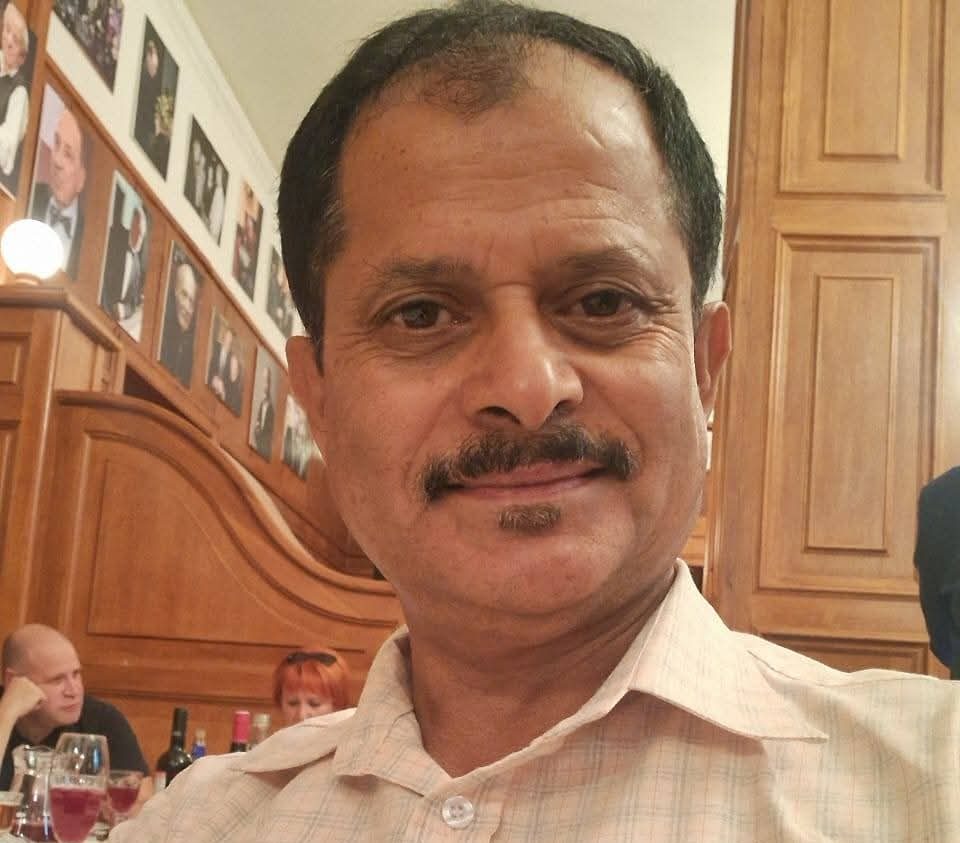
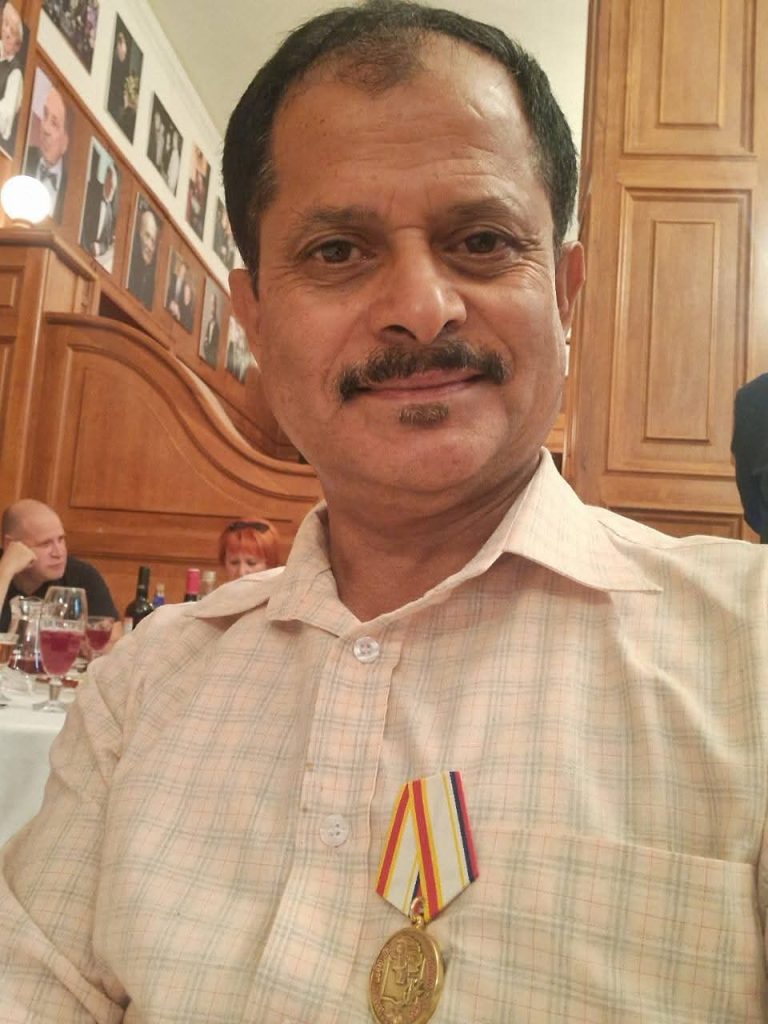
Santosh Kumar Pokharel, Nepal, Maxim Gorky medal awarded in Moscow in 2024.
Abstract
This article examines the diplomatic origins, major military turning points, and post-war settlement of the Second World War. It analyzes the failure of the Treaty of Versailles, the collapse of collective security under the League of Nations, the policy of appeasement, and the road to war from 1936 to 1939. The article then covers the course of the war with particular emphasis on the Soviet-German front, including the siege of Leningrad, the battles of Moscow, Stalingrad, Kursk, and Berlin, and the Soviet Union’s decisive role in defeating Nazism. It further discusses the Yalta and Potsdam conferences, the partition of Germany, the creation of the United Nations, and the emergence of the Cold War. A comparative assessment of the settlements of 1919 and 1945 follows. The article concludes with a critical evaluation of the United Nations’ performance in preventing mass killing and a forward-looking note on the need for an effective global security platform.
—
The Origins of War: The Failure of Versailles
The Second World War did not erupt from nowhere. It grew directly from the failures of the First. The Treaty of Versailles had humiliated Germany without destroying its potential for resurgence. The League of Nations had promised collective security but delivered nothing. And the Great Depression of 1929 had shattered what little faith remained in democratic governments and international cooperation.
Three major powers drove Europe toward war: Nazi Germany, Fascist Italy, and Imperial Japan. Each rejected the post-1918 order. Each sought territorial expansion by force. And each faced only weak and hesitant opposition from Britain and France.
Hitler’s Revisionist Agenda
Adolf Hitler came to power in Germany on 30 January 1933. He never hid his ambitions. Mein Kampf, written in the 1920s, laid out a clear program: overturn Versailles, reunite all German-speaking peoples in a single Reich, and conquer Lebensraum (living space) in Eastern Europe at the expense of the Slavic nations and the Soviet Union.
Hitler moved step by step, testing the limits of Western tolerance. He withdrew Germany from the League of Nations in 1933. He reintroduced conscription and began rebuilding the German air force in 1935. He remilitarized the Rhineland in 1936. Each violation of Versailles brought only verbal protests from Britain and France. Hitler concluded that the Western democracies would not fight.
The Collapse of Collective Security
The League of Nations proved utterly incapable of stopping aggression. Japan invaded Manchuria in 1931. The League condemned the action. Japan left the League and continued the invasion. Italy invaded Ethiopia in 1935. The League imposed weak sanctions that excluded oil. Italy conquered Ethiopia anyway. Germany remilitarized the Rhineland in 1936. The League did nothing.
By 1936, the collective security system lay in ruins. Hitler, Mussolini, and the Japanese military leadership understood a single lesson: aggression paid.
The Policy of Appeasement
Britain and France, still traumatized by the First World War and economically weakened by the Great Depression, chose a policy of appeasement. They hoped that satisfying Hitler’s “reasonable” demands would prevent another catastrophic war.
The logic seemed plausible at the time. Many Britons believed Versailles had treated Germany unfairly. Why should Germans not reunite with Austria? Why should three million Germans in the Sudetenland remain under Czechoslovak rule? Perhaps a satisfied Hitler would become a peaceful neighbor.
The policy failed catastrophically. Each concession only encouraged Hitler to demand more.
—
The Road to War: 1936–1939
The Remilitarization of the Rhineland (7 March 1936)
Hitler ordered German troops into the Rhineland, a region demilitarized by Versailles. The German army had orders to retreat immediately if France responded. France possessed overwhelming military superiority. But France would not act without Britain, and Britain refused. Hitler gained a decisive strategic victory. He fortified the Rhineland, turning Germany’s western border into a defensive shield. This freed him to pursue expansion to the east.
The Anschluss with Austria (12–13 March 1938)
Hitler forced the Austrian chancellor to resign and replaced him with a Nazi. German troops crossed the Austrian border on 12 March 1938. Hitler announced the union (Anschluss) of Austria with Germany the following day. The Treaty of Versailles and the Treaty of Saint-Germain had explicitly forbidden this union. Britain and France did nothing.
The Munich Agreement (29–30 September 1938)
Hitler demanded the Sudetenland, the German-speaking border regions of Czechoslovakia. He threatened war if Czechoslovakia refused. British Prime Minister Neville Chamberlain and French Premier Edouard Daladier flew to Munich to meet Hitler and Mussolini. They agreed to cede the Sudetenland to Germany. They forced Czechoslovakia to accept the deal. Czechoslovak representatives did not even attend the conference.
Chamberlain returned to London declaring “peace for our time.” He spoke six months before Hitler destroyed the rest of Czechoslovakia.
The Destruction of Czechoslovakia (15 March 1939)
Hitler’s troops occupied the remaining Czech lands of Bohemia and Moravia on 15 March 1939. Slovakia became a puppet state. For the first time, Hitler had seized territory inhabited not by Germans but by Czechs and Slovaks. Appeasement had failed completely. Chamberlain finally abandoned the policy and issued a guarantee to Poland: Britain and France would defend Polish independence.
The Nazi-Soviet Pact (23 August 1939)
Hitler needed to ensure that the Soviet Union would not intervene when Germany attacked Poland. He negotiated a stunning diplomatic reversal. Nazi Germany and the Soviet Union, ideological mortal enemies, signed a Non-Aggression Pact on 23 August 1939. A secret protocol divided Eastern Europe into German and Soviet spheres of influence. The Soviet Union would take eastern Poland, the Baltic states, and Finland. Germany would take western Poland.
The pact removed the last obstacle to war.
The Invasion of Poland (1 September 1939)
German forces invaded Poland on 1 September 1939. Britain and France declared war on Germany on 3 September. The Second World War had begun.
—
The Course of the War: A Global Conflict
The war unfolded in phases, each marked by decisive turning points.
The Blitzkrieg Era (1939–1941)
Germany defeated Poland in five weeks. Soviet forces invaded eastern Poland on 17 September, confirming the Nazi-Soviet Pact’s secret terms. The winter of 1939–1940 saw a “Phony War” on the Western Front, with no major land operations.
That changed dramatically in April and May 1940. Germany invaded Denmark and Norway, then struck west. German panzer divisions smashed through the Ardennes forest, outflanked the French Maginot Line, and trapped the British army at Dunkirk. France fell in six weeks. Hitler signed the armistice in the same railway carriage where Germany had surrendered in 1918.
Britain stood alone. Hitler expected Britain to negotiate peace. When it refused, he launched the Battle of Britain in July 1940. The German air force failed to destroy the Royal Air Force. Hitler postponed the invasion of Britain indefinitely.
The German Invasion of the Soviet Union: Operation Barbarossa (22 June 1941)
Hitler made his greatest mistake on 22 June 1941. He broke the Nazi-Soviet Pact and launched Operation Barbarossa, the massive invasion of the Soviet Union. Three million German and Axis soldiers, supported by thousands of tanks and aircraft, poured across the Soviet border. The invasion stretched from the Baltic Sea in the north to the Black Sea in the south.
The German plan called for a rapid campaign of encirclement and destruction. Hitler expected the Soviet Union to collapse within three months. He gravely miscalculated.
The Siege of Leningrad (8 September 1941 – 27 January 1944)
German forces reached the outskirts of Leningrad (modern Saint Petersburg) in early September 1941. Instead of storming the city, Hitler ordered his armies to lay siege. He intended to starve the city into submission.
The siege of Leningrad lasted 872 days – nearly two and a half years. German artillery bombarded the city daily. German aircraft dropped thousands of bombs. The city received almost no food supplies. Residents survived on bread rations so small that many starved to death. Workers received 250 grams of bread per day. Non-workers received 125 grams. People ate glue, leather, and wood pulp mixed with flour.
By the time the Red Army finally broke the siege in January 1944, approximately one million civilians had died in Leningrad – most from starvation. The siege ranks as one of the deadliest in human history. But Leningrad did not surrender. Its survival became a powerful symbol of Soviet resistance.
The Battle of Moscow (October 1941 – January 1942)
German forces advanced toward Moscow in October 1941. They came within 25 kilometers of the Soviet capital. German officers claimed they could see the Kremlin’s spires through their binoculars.
The Soviet Union threw everything into the defense of Moscow. General Georgy Zhukov commanded the defense. Fresh troops arrived from Siberia, well-trained and equipped for winter warfare. When winter arrived in November, German soldiers lacked proper cold-weather clothing. Tank engines froze. Machine guns jammed.
The Battle of Stalingrad (August 1942 – February 1943)
Stalingrad (modern Volgograd) marked the true turning point of the Great Patriotic War. Hitler ordered his Sixth Army to capture the city that bore Stalin’s name. The battle became a house-to-house, room-to-room nightmare. German officers called it “Rat War.”
Soviet forces defended every building. The Pavlov House, a four-story apartment building, held out for two months. Soviet snipers picked off German officers. The Red Army fed fresh troops across the Volga River under constant German bombardment.
In November 1942, the Red Army launched Operation Uranus, a massive counteroffensive that encircled the German Sixth Army. German Field Marshal Friedrich Paulus had 250,000 men trapped in the Stalingrad pocket. Hitler ordered him to hold the city at all costs. The Luftwaffe promised to supply the army by air but delivered only a fraction of the needed supplies. Starving and freezing, the German soldiers surrendered in early February 1943.
The Battle of Kursk (July – August 1943)
After Stalingrad, Hitler attempted one final offensive in the east. He launched Operation Citadel against the Kursk salient, a bulge in the Soviet frontline. Kursk became the largest tank battle in history, with over 6,000 tanks and 2 million men engaged.
The Red Army knew the German plan in advance through intelligence sources. It built massive defensive works and held elite tank armies in reserve. When German forces attacked on 5 July 1943, they walked into a trap. The fighting at Prokhorovka on 12 July saw hundreds of tanks fighting at close range.
The Red Army stopped the German offensive within a week. It then launched its own counteroffensives, recapturing Orel and Kharkov. After Kursk, the German army in the east never launched another major offensive. The Red Army would drive it all the way back to Berlin.
The Liberation of the Soviet Union (1943–1944)
Throughout 1944, the Red Army rolled west. It broke the siege of Leningrad in January. It liberated Crimea in May. In June, it launched Operation Bagration, a massive offensive that destroyed Germany’s Army Group Center and advanced 700 kilometers. Soviet forces reached the pre-war Polish border in July.
By the end of 1944, the Red Army had driven the German invaders completely off Soviet soil. The Great Patriotic War moved into Eastern Europe. Soviet forces liberated Romania, Bulgaria, Hungary, and much of Yugoslavia. They entered East Prussia, German territory itself, in October 1944.
The Battle of Berlin (April – May 1945)
The Red Army reached the Oder River, 70 kilometers east of Berlin, in January 1945. Hitler refused to surrender. He ordered his armies to defend the capital to the last man.
Three Soviet army groups – over 2.5 million soldiers, 6,000 tanks, and 7,500 aircraft – attacked Berlin on 16 April 1945. They fought through the German defensive positions, then into the city’s streets. The fighting in Berlin was savage. German soldiers and civilians fought from ruins, subway tunnels, and cellars.
Hitler committed suicide in his bunker on 30 April 1945 as Soviet troops fought their way into the city center. German generals surrendered Berlin on 2 May. The war in Europe ended on 8 May 1945 with Germany’s unconditional surrender.
The Soviet Union had borne the heaviest burden of defeating Nazism. The Red Army destroyed over 500 German divisions. It captured Berlin, the Nazi capital. It lost nearly 9 million soldiers – more than all other Allied nations combined. No honest history can diminish the Soviet contribution to victory.
—
Other Major Fronts
While the Eastern Front consumed the bulk of German forces, fighting raged elsewhere.
The Mediterranean and North African Front (1940–1943)
Italian forces invaded Greece and North Africa with disastrous results. Germany intervened to rescue its ally. German General Erwin Rommel, the “Desert Fox,” led the Afrika Korps to spectacular victories but ultimately lost to British forces under General Bernard Montgomery at El Alamein (November 1942). American and British forces landed in Morocco and Algeria, trapping the Axis army in Tunisia. Axis forces surrendered in May 1943. The Allies then invaded Sicily and mainland Italy. Italy surrendered in September 1943, but German forces occupied the country and fought a bitter defensive campaign until 1945.
The Pacific Front (1941–1945)
Japan attacked Pearl Harbor on 7 December 1941, drawing the United States into the war. Japan overran Southeast Asia and the Pacific islands with stunning speed, capturing Singapore, the Philippines, Burma, and the Dutch East Indies.
The United States turned the tide. The U.S. Navy destroyed four Japanese aircraft carriers at the Battle of Midway (June 1942). U.S. Marines then fought a brutal island-hopping campaign across the Pacific: Guadalcanal, Tarawa, Saipan, Iwo Jima, and Okinawa. Each battle brought heavier casualties.
Japan refused to surrender even as defeat became certain. The United States dropped atomic bombs on Hiroshima (6 August 1945) and Nagasaki (9 August 1945). The Soviet Union declared war on Japan on 8 August 1945 and invaded Japanese-occupied Manchuria. Japan surrendered on 2 September 1945.
—
The Soviet Great Patriotic War: A Nation’s Sacrifice
The Soviet Union called its struggle against Nazi Germany the Great Patriotic War. The name invoked the defense of the Russian homeland against Napoleon in 1812. It captured the existential nature of the conflict. This was not a war for territory or colonies. It was a war for survival.
Stalin’s speech on 3 July 1941, broadcast across the Soviet Union, called on all citizens to fight. “The enemy is cruel and implacable,” he said. “He sets as his goal the seizure of our lands, watered with our sweat, and of our grain and oil, extracted by our labor.” He appealed not to communism but to patriotism, to “the great Lenin.”
The Soviet people answered. Millions of women worked in factories, producing tanks and aircraft. Partisans operated behind German lines, blowing up railways and ambushing supply columns. Soldiers fought to the last bullet, then to the last bayonet, then to their bare hands.
The cost was staggering. The Soviet Union lost 27 million citizens – 14 percent of its pre-war population. One in every three Soviet soldiers who died in the war fell into German captivity. Entire cities and villages disappeared from the map. The Soviet economy lost a quarter of its capital stock.
But the Soviet Union defeated Nazism. The Red Army destroyed the German military machine. It captured Berlin. It raised the Soviet flag over the Reichstag. When German generals surrendered unconditionally on 8 May 1945, Soviet Marshal Georgy Zhukov signed the instrument of surrender on behalf of the Allied Supreme Command.
The West sometimes forgets that the Soviet Union did most of the fighting and most of the dying. Seventy percent of all German combat losses occurred on the Eastern Front. The Red Army fought 10 times as many German divisions as the Western Allies did. Without the Soviet Union’s sacrifice, the Allies could not have defeated Nazi Germany.
—
The Post-War Settlement: A New World Order
Unlike the Paris Peace Conference of 1919, the Allies of 1945 had learned some lessons. They did not repeat the mistakes of Versailles. They occupied Germany and Japan completely, dismantled their military industries, and rebuilt their political systems from scratch.
The Yalta and Potsdam Conferences (February and July–August 1945)
The “Big Three” – U.S. President Franklin D. Roosevelt (later Harry Truman), British Prime Minister Winston Churchill (later Clement Attlee), and Soviet Premier Joseph Stalin – met at Yalta in February 1945 and at Potsdam in July–August 1945 to shape the post-war order.
They agreed to divide Germany into four occupation zones. The United States, Britain, France, and the Soviet Union would each control one zone. Berlin, deep inside the Soviet zone, would also divide into four sectors. They agreed to hunt and prosecute Nazi war criminals. They agreed that the Soviet Union would receive reparations from its own occupation zone.
The conferences also shaped the future of Eastern Europe. Stalin demanded a sphere of influence as a buffer against future invasions – the Soviet Union had been invaded twice from the west within thirty years. Roosevelt and Churchill conceded.
The Partition of Germany: East and West
The division of Germany into occupation zones became permanent as the Cold War emerged. The Western Allies (United States, Britain, France) united their zones into a single democratic state – the Federal Republic of Germany (West Germany) – in May 1949. The Soviet Union responded by turning its zone into a communist state – the German Democratic Republic (East Germany) – in October 1949.
Germany would remain divided for over forty years. The border between East and West Germany became the front line of the Cold War. The Berlin Wall, built in 1961, physically separated families and symbolized the division of Europe. Only in 1990, after the collapse of communism, did Germany reunite.
The United Nations (Founded 24 October 1945)
The Allies created the United Nations to replace the failed League of Nations. The UN learned from the League’s failures. The Security Council, unlike the League’s Council, could authorize military force. The five permanent members (United States, Soviet Union, Britain, France, China) held veto power, ensuring that the great powers would remain inside the system.
The UN also created a system of specialized agencies: the International Monetary Fund and World Bank to manage global finance, the Food and Agriculture Organization, the World Health Organization, and UNESCO. The International Court of Justice replaced the Permanent Court of International Justice.
Unlike the League, the UN included all major powers from the start. The United States joined and led the organization. For all its flaws, the UN has endured for nearly eighty years – far longer than the League.
The Post-War Treaties
Unlike 1919, the Allies did not impose multiple separate treaties on each defeated power. Instead, they signed peace treaties with Italy, Romania, Bulgaria, Hungary, and Finland in 1947 (the Paris Peace Treaties). Germany and Japan remained under occupation longer.
The 1947 treaties generally restored pre-war borders, with adjustments. Italy lost its colonies and ceded territory to Yugoslavia, Greece, and France. Hungary returned to its Trianon borders. Romania regained Transylvania but lost Bessarabia and northern Bukovina to the Soviet Union. Bulgaria kept southern Dobruja but lost nothing else.
—
The Emergence of the Cold War
The Grand Alliance of the United States, Britain, and the Soviet Union defeated Nazi Germany. It did not survive the peace. Within three years of victory, the wartime allies became adversaries.
The Cold War began not with a single event but with accumulating tensions. The Soviet Union imposed communist governments on Eastern Europe against the wishes of the Western Allies. The United States responded with the Truman Doctrine (1947), promising to contain communism worldwide. The Marshall Plan (1948) rebuilt Western European economies to make them resistant to communist influence.
Berlin became the first flashpoint. The Soviet Union blockaded West Berlin in 1948–1949. The United States and Britain responded with the Berlin Airlift, supplying the city entirely by air for nearly a year. The Soviets lifted the blockade, and Germany formally divided into East and West.
The Cold War would last four decades, ending only with the collapse of the Soviet Union in 1991.
—
A Comparative Look: 1919 vs. 1945
The post-war settlement of 1945 succeeded where the settlement of 1919 failed. Why?
First, the Allies occupied Germany and Japan completely in 1945. In 1919, Germany remained intact and unoccupied. Germans could blame the civilian government for signing the “dictated peace” while the army claimed it had never been defeated. No such myth survived in 1945. Germans and Japanese saw the devastation with their own eyes.
Second, the Allies rebuilt the defeated powers rather than impoverishing them. The Marshall Plan poured billions of dollars into Western Europe, including West Germany. Japan also received substantial American aid. In contrast, Versailles imposed reparations that crippled the German economy and fueled resentment.
Third, the United States participated fully in the post-war order in 1945. The US joined the United Nations, stationed troops in Europe permanently, and committed to containing Soviet expansion. In 1919, the US Senate rejected the League and Versailles, leaving the settlement without its essential guarantor.
Fourth, the Allies excluded the defeated powers from the peace conference in 1919, forcing them to sign treaties they had no part in drafting. In 1945, the Allied occupation authorities directly controlled Germany and Japan, imposing new constitutions and political systems from above. This created no “stab-in-the-back” myth.
—
Final Diplomatic Judgment
The Second World War killed more people, destroyed more property, and caused more suffering than any conflict in human history. It also settled the questions left open by the First.
The Soviet Union deserves recognition as the nation that bore the heaviest burden of defeating Nazism. The Red Army destroyed the bulk of the German military. It broke the siege of Leningrad after 872 days of starvation. It held Moscow, turned the tide at Stalingrad, won the largest tank battle in history at Kursk, and stormed Berlin. Twenty-seven million Soviet citizens died. No other Allied nation paid such a price.
The post-1945 settlement dismantled the sources of German and Japanese militarism and rebuilt both countries as stable democracies. Germany divided into East and West, a division that would last until 1990 and become a central front of the Cold War. The League had promised collective security but delivered nothing. The United Nations, for all its flaws, has survived and prevented a third world war.
The Cold War that followed was a different kind of conflict: ideological, global, but – with terrifying exceptions like Korea and Vietnam – contained within the nuclear stalemate. The great powers avoided direct war because they remembered the cost of 1939–1945.
The lesson of the Second World War, for diplomats and historians, is this: peace requires not just the defeat of aggressors but the construction of a stable international order backed by the world’s most powerful nations. The Allies of 1945 understood that. The victors of 1918 did not. That difference explains why one peace lasted and the other collapsed.
World peace lasts anyway owing to the organised global platform of the UN where voices of its member countries are listened to. There is a restraint to some extent. However, veto power countries have at times violated the peace principle of coexistence of nations.
—
A Critical Note on the United Nations
Despite the UN’s existence for nearly eight decades, its record in preventing mass killing remains shamefully weak. The Iranian government has killed more than 42,000 of its own citizens protesting for basic rights. In Gaza, ongoing military operations have killed tens of thousands of civilians, including women and children. Killing is a crime under international law, yet the UN has failed to punish any government for these mass killings.
The Security Council remains paralyzed. Veto powers shield their allies from accountability. No resolution passes against the powerful. No military intervention stops the slaughter. The world body has become a forum for speeches, not a court of justice.
Venezuela’s President Nicolas Maduro, recognized by many nations as the legitimate head of state, was captured by United States forces in Caracas in January 2026 and transported to New York. This act violated the most basic principles of sovereignty and diplomatic immunity. The UN did nothing. Source: Al Jazeera, “Venezuela’s abducted leader Maduro appears in NYC court,” 5 January 2026; UK House of Commons Library, “The US capture of Nicolás Maduro,” Research Briefing, January 2026.
The UN has become a formal global platform to hear and react in vocal and writing only.
The writer will soon present his views on forming an effective global platform with a clear operational modality suited to the present global conflict scenario.
—
Note on Sources: The historical claims in this article are based on standard scholarly sources, including works by Beevor, Glantz, Kershaw, Overy, Shirer, Tooze, and Weinberg. The account of the Maduro capture draws on reporting from Al Jazeera and analysis from the UK House of Commons Library.
في رحاب الدورة السادسة لمهرجان طريق الحرير الدولي للشعر والفنون، التي احتضنتها كل من أوزبكستان وكازاخستان، تجلّى الشعر بوصفه لغةً عابرةً للحدود، وجسرًا يصل بين الحضارات والثقافات. وفي هذا المحفل…
اتحاد الكتاب التونسيين والأكاديمية الثقافية الدولية بألمانيا يوقعان اتفاقية شراكة لتعزيز التعاون الثقافي والعلمي
تونس – يوليو 2026 في خطوة جديدة لتعزيز التعاون الثقافي العربي والدولي، وقّع اتحاد الكتاب التونسيين والأكاديمية الثقافية الدولية بمدينة ديتْمُولد في جمهورية ألمانيا الاتحادية اتفاقية شراكة استراتيجية تمتد لأربع…
 thesilkroadtoday