The World Peoples Assembly

Being aware of the interconnectedness of peoples and shared responsibility for the future of the planet, striving to preserve the unique spiritual heritage of the peoples of the world, respecting the moral ideals and cultural values of each nation, proceeding from the need for a new conceptual approach to the peacemaking unity of peoples, the World Peoples Assembly initiated the establishment of the World Public Assembly “NEW WORLD OF CONSCIOUS UNITY”.

The World Public Assembly is a new international communication platform for searching and shaping the meanings of a shared future, strengthening the conscious unity of the peoples of the world.

The World Public Assembly, widely supported by the international community, is intended to be held annually in different countries of the world.

Mission, Aim and Priorities

Mission

Advancing the formation of new contours of international partnership as a conscious unity of peoples based on the principles of shared responsibility for the future, respect for the moral ideals and cultural values of each people.

Aim

To support public unifying initiatives that are in line with the strategies for cooperation among peoples in the context of the formation of the New World.

Priorities

  • Strengthening peace and confidence among peoples
  • Scaling up the humanitarian strategy of modern civilization
  • Shaping a new architecture of international communication

International Organizing Committee

  • Russia
    Belyaninov Andrey Yurievich
    Secretary General of the World Peoples Assembly, Member of the Commission of the Russian Federation for UNESCO, Chairperson of the Organizing Committee
  • Russia
    Smirnova Svetlana Konstantinovna
    Chairperson of the General Council of the World Peoples Assembly, Vice-Chairman
    of the International Organizing Committee
  • Russia
    Nefedova Olga Vladimirovna
    Deputy Executive Director – Chief of Staff of the Chairperson of the General Council of the World Peoples Assembly, Executive Secretary of the International Organizing Committee
  • Kuwait
    Sheikh Naif Aladwani
    Member of the Supreme Advisory Council of the World Peoples Assembly, Representative of the State of Kuwait for Public Diplomacy, Chairperson of the Board of the Public Diplomacy Organization ‘WAGB’
  • UAE
    Almuaini Mohmed Ali
    Member of the General Council of the World Peoples Assembly, Founder and Chairperson of the Institute for Cultural Diplomacy
  • Russia
    Almukhametova Margarita Viktorovna
    President of the World Organization of Writers (WOW), Chairperson of the Literary Council of Writers and Readers of the World Peoples Assembly
  • Jordan
    Altwal Salaam Fakhri Hannah
    Head of the Representative Office of the World Peoples Assembly in the Hashemite Kingdom of Jordan, President of Avicenna, Senior Specialist of the UN Development Program
  • Cuba
    Barroso Oscar Villar
    Political scientist, Professor at the University of Havana
  • Uzbekistan
    Bekmurodov Bobur Mansurovich
    Chairperson of the Nationwide movement “Yuksalish”
  • France
    Bokova Tatiana Vladimirovna
    Co-Chairperson of the Youth Commission of the Coordinating Council of organizations of Russian Compatriots in France
  • Russia
    Cherepanov Mikhail Sergeyevich
    Chairperson of the Board of the IMBRICS PLUS Business Communications Foundation
  • Zambia
    Chitunga Victoria
    Director of the Livingstone State Museum
  • Russia
    Darkovich Alexander Vasilievich
    General Director of the All-Russian Public State Organization ‘Assembly of the Peoples of Russia’
  • Austria
    Dshajani Irina
    Chairperson of the Eurasian Partnership Association (Verein fur eurasische Partnerschaft)
  • Brazil
    Dominguez Enrique
    Representative of the Brazilian Federation of Trade Unions CUT
  • Montenegro
    Dzhukich Boro
    First Honorary Consul of the Russian Federation in Montenegro
  • Venezuela
    Ferrera Juan Miguel Diaz
    Professor at the Institute of Diplomacy
  • Italy
    Franza Enea
    Member of the General Council of the World Peoples Assembly, Director of the Department for Political Science at the International University for Peace – Rome UN (UPEACE)
  • Argentina
    Galiotti Norberto
    Latin American and Caribbean Continental Network in Solidarity with Cuba and Just Causes
  • Belarus
    Gancheryonok Igor Ivanovich
    Deputy Chair of the Belarusian Society for Friendship and Cultural Relations with Foreign Countries
  • Germany
    Herdt Waldemar
    Member of the General Council of the World Peoples Assembly, entrepreneur, former Member of the Bundestag, Chairperson of the International Council of Russian Germans
  • Nigeria
    Kasumu Obafemi Olatunji Christopher
    Member of the General Council of the World Peoples Assembly, Head of the ESPAM Formation University, Calavi Campus
  • Russia
    Khalevinsky Igor Vasilyevich
    Member of the Supreme Advisory Council of the World Peoples Assembly, Chairperson of the Council of the All-Russian Public Organization ‘Association of Russian Diplomats’
  • Tajikistan
    Khayrulloyev Saidullo Khayrulloyevich
    Chairperson of the Presidium of the Tajik Society for Friendship and Cultural Relations with Foreign Countries (TSFCRC)
  • North Macedonia
    Koceski Sreten
    Member of the General Council of the World Peoples Assembly, Chairperson and Executive Director of CDI – Community Development Institute, National Umbrella (parent) Association for Sustainable Development, Education and Social Services
  • Kyrgyzstan
    Matubraimov Almambet Matubraimovich
    Member of the Supreme Advisory Council of the World Peoples Assembly, Chairperson of the Council of the Assembly of the People of Kyrgyzstan
  • Cameroon
    Ndengwe François
    Deputy Secretary General of the World Peoples Assembly, Member of the General Council of the World Peoples Assembly, Chair of the African Advisory Board (AAB)
  • Kazakhstan
    Nurgazieva Banu Ganievna
    Member of the General Council of the World Peoples Assembly, President of the Association of Legal Entities in the form of an association ‘Civil Alliance of Kazakhstan’
  • Russia
    Ochirova Alexandra Vasilyevna
    Co-Chairperson of the General Council of the World Peoples Assembly, UNESCO Goodwill Ambassador
  • Nigeria
    Okpathuma David
    Youth Advisor at the Young Men’s Christian Association (YMCA), Independent Observer to the World Health Organization and member of the Young African Leaders Initiative. Russia-Africa Co-operation Development Initiative
  • Russia
    Petushkov Grigory Valeryevich
    President of the World Association of Graduates of Russian (Soviet) Higher Education Institutions
  • Russia
    Polozkov Vladimir Mikhailovich
    Secretary General of the Russian Association for International Cooperation
  • Russia
    Rabinovich Alexander Leonidovich
    Deputy Secretary General of the World Peoples Assembly, President of the World Federation of Restaurant Sports
  • Italy
    Ricceri Marco
    Secretary-General of the European Institute for Political, Economic and Social Research EURISPES
  • Russia
    Ryakhovsky Sergey Vasilyevich
    Presiding Bishop of the Russian United Union of Evangelical Christians (Pentecostals), a member of the Civic Chamber of the Russian Federation, a member of the Council for Coordination with Religious Organizations under the President of the Russian Federation
  • Uzbekistan
    Sabirov Kabuljon Kasimovich
    Deputy Secretary-General of the World Peoples Assembly, Director of the SCO Centre for Public Diplomacy in Uzbekistan
  • Armenia
    Safratian Ruben Aramovich
    Member of the General Council of the World Peoples Assembly, Adviser to the Director of the Institute of Oriental Studies of the National Academy of Sciences of the Republic of Armenia, Doctor of Historical Sciences
  • Russia
    Sagitov Rasik Kadimovich
    Secretary General of the Eurasian Regional Branch of the United Cities and Local Governments World Organization
  • Egypt
    Salama Amr Ezzat
    Member of the General Council of the World Peoples Assembly, Secretary General of the Association of Arab Universities
  • Russia
    Savelev Vyacheslav Alexandrovich
    Director General of the Public Diplomacy Association ‘International Organisation for Cooperation and Trade’
  • Bulgaria
    Sharenkova Svetlana Stefanova
    Deputy Secretary General of the World Peoples Assembly, Chairperson of the Bulgaria-Russia Forum
  • Russia
    Shkolnik Alexander Yakovlevich
    Deputy Secretary of the Civic Chamber of the Russian Federation, Director General of the Central Museum of the Great Patriotic War
  • India
    Singh Dalbir
    Member of the Supreme Advisory Council of the World Peoples Assembly, National Secretary of the Indian National Congress, President of the Foundation for Policy and Governance
  • Finland
    Sounberg Kari
    Member of the General Council of the World Peoples Assembly, Chairman of the Finnish National Delphic Committee
  • Kazakhstan
    Suleymenov Olzhas Omarovich
    Co-Chairperson of the Council of Elders of the World Peoples Assembly, Director of the Republican State Enterprise ‘State Museum “Centre for the Rapprochement of Cultures” under the auspices of UNESCO under the Ministry of Culture and Sport of the Republic of Kazakhstan
  • Vietnam
    To Thi Tuyet Khan
    Advisor to the Chairperson of the General Council of the World Peoples Assembly, Representative of Banking Academy of Vietnam in the Russian Federation
  • Russia
    Torshin Alexander Porfirievich
    Chairperson of the Board of Directors of Eurasian Rating Agency Joint Stock Company
  • Uzbekistan
    Tulyaganov Otabek Shavkatovich
    Director of the Silk Road Innovation and Development Institute, Doctor of Political Science
  • China
    Wang Yulin
    President of the SCO Youth Foundation
  • Bahrain
    Zeynal Yousif
    Member of the General Council of the World Peoples Assembly, Member of the Parliament of Bahrain, Chairperson of the Union of Graduates of Soviet and Russian Universities in the Kingdom of Bahrain

International Union of Non-Governmental Organizations “World Peoples Assembly”

The World Peoples Assembly, being one of the international institutions of public diplomacy, implements activities and projects aimed at supporting public unifying initiatives that meet the strategy of cooperation between peoples in a multipolar world.

The Assembly is open for a dialogue and partnership with all those who share the ideas of harmonious interaction, coordination and mutually complementary efforts of state and non-state organizations in preserving peace and strengthening friendship between peoples. The World Peoples Assembly initiated the World Public Assembly to discuss and resolve issues of constructive interaction between representatives of the international community

World Public Recognition Award

The World Public Recognition Award “For Service to Humanity” was established by the World Peoples Assembly.It is awarded for exceptional contribution to strengthening peace between nations, developing humanitarian cooperation, and selfless service to the ideals of humanity.

The Award symbolizes the highest public recognition for an active contribution to overcoming borders and inspiring the world for creative unity.On the International Day of Peace, September 21, 2025, the prestigious award will be presented for the first time.


  • Related Posts

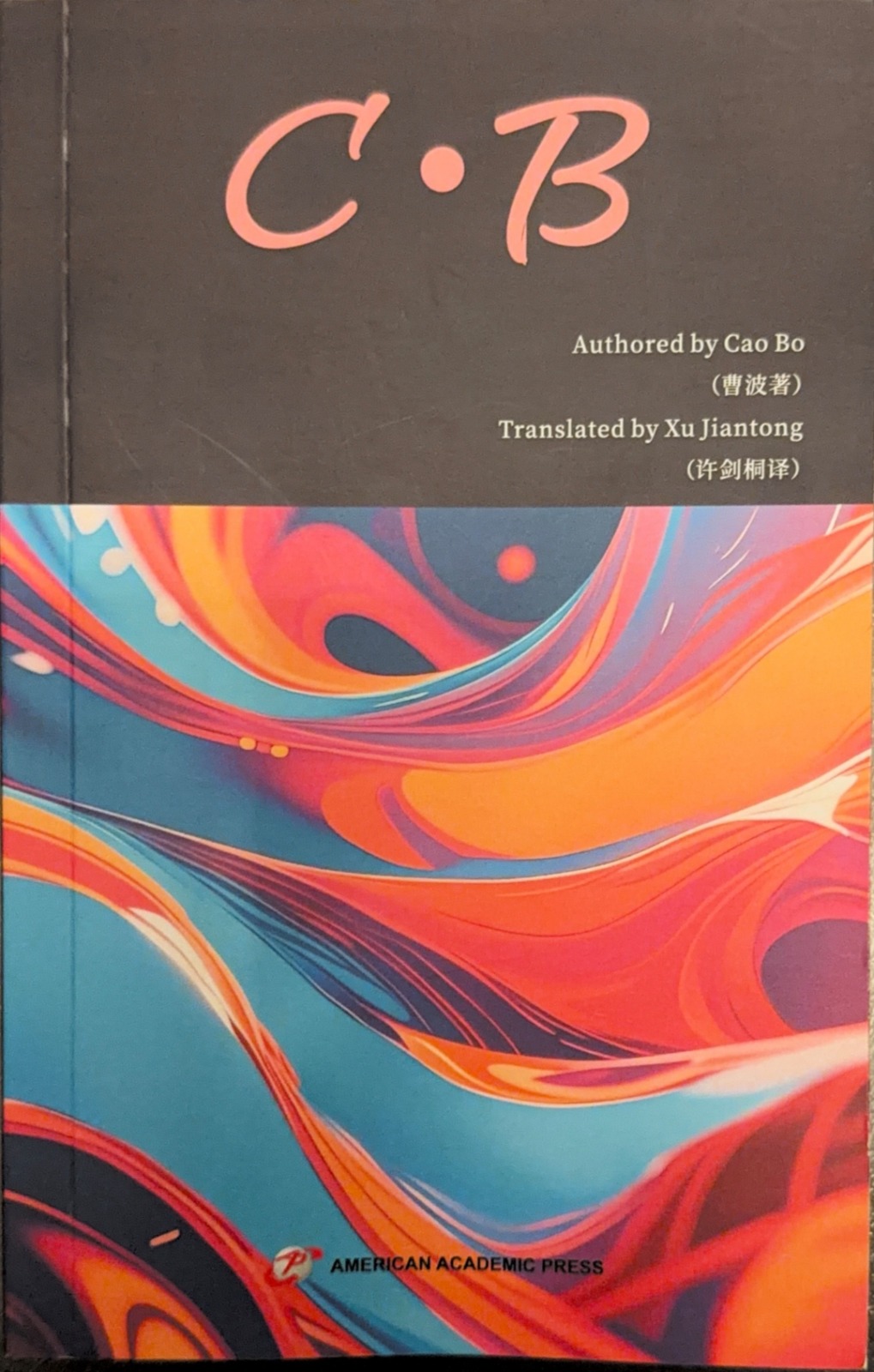
    Everything Fucked, Everything Golden: On Cao Bo’s C·B

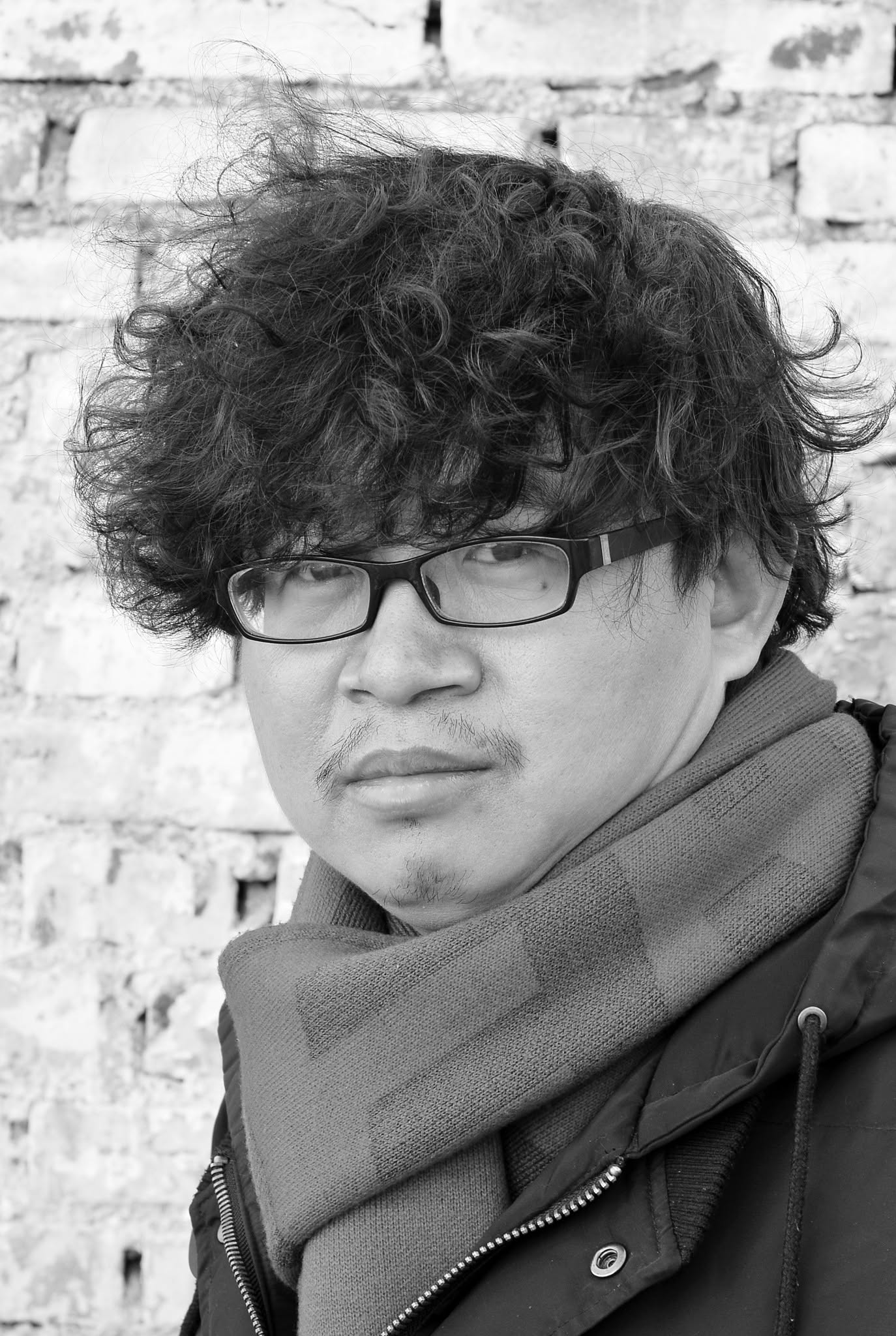
    CB  By Cao Bo(China)    Everything Fucked, Everything Golden: On Cao Bo’s C·B Cao Bo’s C·B arrives with a bilingual dedication — “This book is dedicated to Charles Bukowski” — and the gesture is at once a promise and a warning. This is a poetry of hangovers and bad phone calls, arthritic legs, dead cats, blocked drains and villas lit up behind a quarantine fence. Cao Bo (b. 1979, Xi’an), already the author of five collections, has no interest in making any of it beautiful. The opening manifesto, “A Preface to C·B”, sets the terms. The words he cannot say “form fractures, are precisely, at this very moment — literature,” he writes; he can only “vent my fury at non-literature with literature.” The preface ends with a vow to endure “this mortal world” in order to achieve “fucking / immortal / Chinese / characters.” That is the whole book in miniature: obscenity as the only honest form of reverence, and the Chinese character itself as the thing worth suffering for. Across roughly fifty poems, printed with the Chinese originals facing Xu Jiantong’s English, Cao Bo works in a deliberately flattened register. “Jack (A Cat)” is typical: the animal’s eyes “have some soul / Meaningless, though,” and the speaker hopes the cat is “a little poetic / to make it up to me, but it isn’t.” The refusal of consolation is the method. “February 14th” watches a wealthy villa district through its bright windows on a locked-down Valentine’s night and concludes that the dignified and the intelligent “can do nothing but fuck around” — class, quarantine and libido compressed into fifteen lines. “Mortal Master” compares the speculation about one’s own death to eating a bowl of hulutou, Xi’an’s pork-intestine soup, before turning to address “Diego” directly. The best poem, “Wheat Is Still Golden After Being Harvested,” gives us the Qinling Mountains in dark azure, a fat man jogging past to remark that “it’s only torture / that makes a man relatively able to climb,” and a closing definition — “Art is a pair of eyes / with half a gesture added at most” — that could serve as this book’s ars poetica. The most moving piece is saved for last. In “Bukowski Was Here as a Guest,” the idol arrives in a dream as a shy, mild-mannered old man who never speaks; the poet’s mother sits at the table, and the backlit face across from him “felt rather like / My / Father.” The dedication is retroactively explained: Bukowski is not a literary model here so much as a father-shaped absence. Xu Jiantong’s line-by-line fidelity preserves the bluntness — “Fuck you / In Chinese there is / 操 / 你” — and the facing-page design lets the bilingual reader hear both texts at once. The cost is rhythm. English sometimes reads as transcription rather than verse: “This is a / Good / Wall”; “I should devour / Us / And the delicate, charming, and juicy karst cave / Golden / Death.” Where the Chinese relies on hard enjambment and abrupt monosyllables, the English occasionally stacks articles and prepositions and loses the punch. Cao Bo’s line is built from short declaratives; the English needs more compression and more nerve in the verbs. C·B is not a comfortable book, and does not want to be. It is the record of a poet who would rather be coarse and accurate than refined and false. Readers of Bukowski, of the plain-speech lineage that runs from Howl through the New York School to the Romanian dissidents, will recognize the weather here. So will anyone curious about what Chinese poetry sounds like when it refuses moonlight and lychees and insists, instead, on the wheat field after the harvest — still golden, and no consolation at all. Bio of Cao Bo  Cao Bo, a Han Chinese poet born in November 1979, is one of China’s postmodernist and avant-garde poets and lives in Xi’an. He began writing at twenty, and his poems have appeared in journals such as Shikan (Poetry Periodical) and Xingxing (Stars), as well as in a number of anthologies. He has published four poetry collections: Yesterday (2017), You Are a Cat (2019), The One at Sea (2020) and Vermilion Bird (2023). His honours include the Chinese Young Poet Award, Poetry Tide‘s Top Ten Poetry Collections, the Golden Camel Award of the Silk Road International Poetry Festival, the Boao International Poetry Award, and selection among the Top Ten Poets of the Chinese Poetry Spring Festival Gala. In 2024 he was invited to the 34th Medellín International Poetry Festival in Colombia. He currently serves as Executive Chairman of the International Poetry Committee of the UN World Silk Road Forum, Secretary-General of the Silk Road International Poets Federation, Executive Editor-in-Chief of World Poets, and Deputy Director of the Silk Road International Poetry Research Centre at the Institute of Area Studies and Translation of Northwest University. 一切操蛋,一切金黄:读曹波的《C・B》 曹波的《C・B》一开篇就用双语写着献词 ——“献给查尔斯・布考斯基”—— 这个举动既是许诺,也是警告。这是一本关于宿醉、骚扰电话、风湿的腿、死掉的猫、堵住的下水道,以及隔离围栏后面灯火通明的别墅的诗集。曹波(1979 年生,西安)此前已出版五部诗集,而他完全没有把这些材料写得好看的兴趣。 开篇的《给〈C・B〉的序》先把规矩立下。他说那些说不出口的话 “形成断裂,此刻就是 —— 文学”,他只能 “用文学表达对非文学的怒火”。序的结尾是一句誓言:忍受 “此刻/此世”,以达成 “他妈的/不朽的/中文/汉字”。这就是整本书的缩影:用粗话作为敬畏的唯一诚实形式,而汉字本身,就是值得为之受苦的东西。 全书约五十首,中文原作与许剑桐的英译对照排版,曹波用一种刻意压平的语调写作。《Jack(一只猫)》很典型:那只猫 “眼睛有些灵魂/但没什么意义”,诗人 “但愿它有点诗意/来弥补我,但是没有”。拒绝安慰,就是这本书的方法。《2.14》写封锁中的情人节,隔着明亮的窗看别墅区,最后断定那些体面而聪明的人 “只能互相操来操去”—— 阶级、隔离与欲望,压进十五行。而《人间大师》把自己死亡的揣测,比作吃一碗葫芦头(西安的猪肠猪肚泡馍),随后直接向 “迭戈” 说话。最好的一首是《麦子割完也是金黄的》:秦岭是墨黛色,一个胖子慢跑经过,说 “这并不赖伙计,人只有在折磨里/才相对能攀登”,结尾给出一个定义 ——“艺术就是一双眼睛/最多加半个姿态”—— 这几乎可以当作整本书的诗学纲领。 最动人的一首留在最后。《布考斯基来此做客》里,偶像以梦中一位羞涩寡言、文质彬彬的老者出现,始终不开口;母亲也坐在桌边,而对面那张逆光的脸 “这感觉很像/我的/父亲”。至此,那句献词才被反向解释清楚:这里的布考斯基与其说是文学榜样,不如说是一个父亲形状的空缺。 许剑桐逐行贴译的做法保住了那股粗粝 ——“Fuck you/中国也有/操/你”—— 对照排版也让双语读者同时听见两种文本。代价是节奏。英文有时读起来像誊写而不是诗:“这是一道/好/墙。”;“我应将我们/吞噬/还有娇艳欲滴的溶洞/金色的/死亡。” 中文靠硬断行和突兀的单音节发力,英文却常常堆上冠词和介词,力道就散了。曹波的诗行由短促的陈述句构成,英文需要更多压缩,动词也需要更硬的胆量。 《C・B》不是一本让人舒服的书,它也不想让人舒服。它是一个宁愿粗鲁而准确、也不愿精致而虚假的诗人的记录。布考斯基的读者,以及从《嚎叫》经纽约派一路到东欧异议诗人的 “大白话” 谱系的读者,会认得出这里的气候。那些好奇中文诗在拒绝月光和荔枝、转而坚持一片收割后的麦田时是什么声音的人,也会认得出 —— 那片麦田依旧金黄,而且不提供任何安慰。

    Three Sisters, One Gun: Cao Shui’s The Three Wild Yak Sisters 

    The Three Wild Yak Sisters By Cao Shui Translated by Fiori Picco Cao Shei’s The Three Wild Yak Sisters belongs to his six-volume Kekexili Animal Kingdom, a bestiary of the Tibetan Plateau for children, never simplified for them. It opens in a village on the Kekexili grasslands, where the hunter Losang boasts that no animal has ever escaped his rifle, and his wife Yangzong embroiders blankets so finely that bees pause to look. Their pride, though, is three daughters: Wangmo, who dances well enough to make gentians sway; Medo, whose singing draws marmots out of their burrows; and Qionda, whose dramyin makes passing clouds forget where they were going. The happiness lasts two pages. Driving their flock deeper for grass, the girls sing and dance, and the music draws a pack of wolves three days hungry. As the wolves close in, a voice from the sky offers three wild yak hides. The sisters crawl inside; the hides become their bodies; they lower their horns and drive the pack away. But the hides will not come off. The voice states the bargain: their father has killed so many creatures that the mountain god is offended; the sisters must guard Kekexili’s treasure until tears of repentance wash the dust from their hearts. What follows has the clean, repeating architecture of oral tale: three visits to the hidden valley, three gifts, an inexhaustible milk horn, a sewing kit that weaves black nomad tents out of air, a comb that turns white hair black, and three thefts by the village idler Jeb, each won by exploiting Yangzong’s kindness. The escalation is well judged. Jeb’s third trick aims not at a gift but at the secret itself, and the secret, once spilled, brings the father into the valley with his rifle. The climax is the real achievement. Losang shoots the three yaks charging the thief, then learns what he has done. The mountain god’s sentence, when you raise your gun, think of the animals that died at your muzzle, were they not someone’s beloved children, is the ethical centre of the whole series, and it is spoken without a syllable of sermon. That the sisters revive only when his tears fall on them may seem sentimental to a Western reader; read as Buddhist logic it is exact: remorse is not a feeling but a substance that can wash something clean. Its weakness is Yangzong, whose blindness mainly serves to make her need her daughters’ guidance, and whose grief is described more often than felt. The daughters, too, are vivid as performers and thin as persons, existing to be transformed, tested and restored. This is a limitation of the folk form the author chose, not a failure of feeling. Fiori Picco’s Italian edition, with Alessia Picco’s illustrations, has carried it far beyond the plateau. Its final grace is perfect: Jeb, punished rather than killed, is turned into a kiang, the wild donkey who guards the valley in the sisters’ place and who stars in the next volume of the series. Cruelty is not destroyed here. It is put to work. Brief Biography of Cao Shui  Cao Shui, also Shawn Cao (born in Jun 5, 1982), is a Chinese poet, novelist, screenwriter and translator. He is a representative figure of Chinese Contemporary Literature. He leads the Great Poetry Movement. His most notable works includes Epic of Eurasia, the already mentioned trilogy and Princess Snow Leopard. So far 60 books of Cao Shui have been published, including 10 poem collections, 5 essay collections, 10 novels, 7 translations, 18 fairy tales and 100 episodes TV series and films. He has won more than 100 literary awards worldwide. His works have been translated into 30 languages. He is also chief editor of Great Poetry, executive editor in chief of World Poetry, Asian coordinator of World Poetry Movement, coordinator of BRICS Writers Association, executive president of the Silk Road International Poetry Festival, Chairman of Beijing International Poetry Film Festival. Currently he lives in Beijing, and works as a professional writer and screenwriter. 三姐妹,一支枪:评曹谁《野牦牛三姐妹》 曹谁《野牦牛三姐妹》属于他的六卷本《可可西里动物王国》系列 —— 一部写给孩子的青藏高原动物志,而且难得地,没有为孩子简化半分。故事从可可西里草原上的一座小村庄开始:猎人洛桑夸口说,凡被他看见的动物,没有一只逃得过他的枪;妻子央宗织出的藏毯花纹精细到蜜蜂飞过都要停下来看一眼。不过夫妇俩真正的骄傲,是三个女儿:旺姆的舞姿美得能让格桑花跟着摇摆;梅朵的歌声能把土拨鼠从洞里引出来;琼达的六弦琴能让路过的白云忘了自己要去哪里。 这样的幸福只维持了两页纸。为了给羊群找到更深的草场,三姐妹一路唱唱跳跳,歌声琴声引来了一群饿了三天三夜的狼。狼群逼近时,天上传来一个声音,扔给她们三张野牦牛皮。三姐妹钻了进去,皮便长成了她们的身体;她们低下头,用角把狼群顶了回去。可是,皮再也脱不下来了。那个声音提出了条件:她们的父亲杀生太多,触怒了山神;三姐妹从此要替山神守卫可可西里的财富,直到忏悔的泪水洗净心灵的尘埃。 接下来是口传故事那种干净而循环的骨架:三进山神谷,三件宝物 —— 取之不尽的牛角奶桶、能把牦牛绳在空中织成黑帐篷的针线包、能把白发梳黑的牛角梳;以及村里无赖杰布的三次行骗,每一次都是靠央宗的善良得手。递进的层次安排得很准:杰布第三次要的不是宝物,而是秘密本身;而秘密一旦说出口,就把父亲连同他的猎枪一起带进了山谷。 高潮才是这本书真正的成就。洛桑朝冲向窃贼的三头野牦牛开了枪,然后才知道自己做了什么。山神的那句话 —— 当你举起猎枪的时候,想想那些死在你枪口下的动物,它们何尝不是别人心爱的孩子 —— 是整个系列的伦理内核,而且通篇没有一个字在说教。三姐妹只有在他的泪水落到身上才变回人形,这在西方读者看来也许过于感伤;可若按佛教的逻辑来读,它精准无误:忏悔在这里不是一种情绪,而是一种能够把东西洗净的实体。 作品的弱点在央宗:她的失明主要用来让她不得不倚仗女儿引路,她的悲伤也多是 “被叙述”,而非 “被感受到”。三个女儿同样如此 —— 作为舞者、歌者和琴手,她们鲜活;作为人,她们单薄,存在的意义就是被变形、被试炼、被复原。这是作者所选择的民间故事形式的局限,而不是感受力的失败。 菲奥里・皮克(雪莲)的意大利文译本,配上阿西娅・皮克的插图,已经把这本书带到了高原之外很远的地方。它最后的恩典小而完美:杰布没有被杀死,而是被惩罚变成一头藏野驴 —— 接替三姐妹守卫山谷的那头野驴,也是系列下一部的主角。残酷在这里没有被消灭,而是被派上了用场。

    اترك تعليقاً

    لن يتم نشر عنوان بريدك الإلكتروني. الحقول الإلزامية مشار إليها بـ *