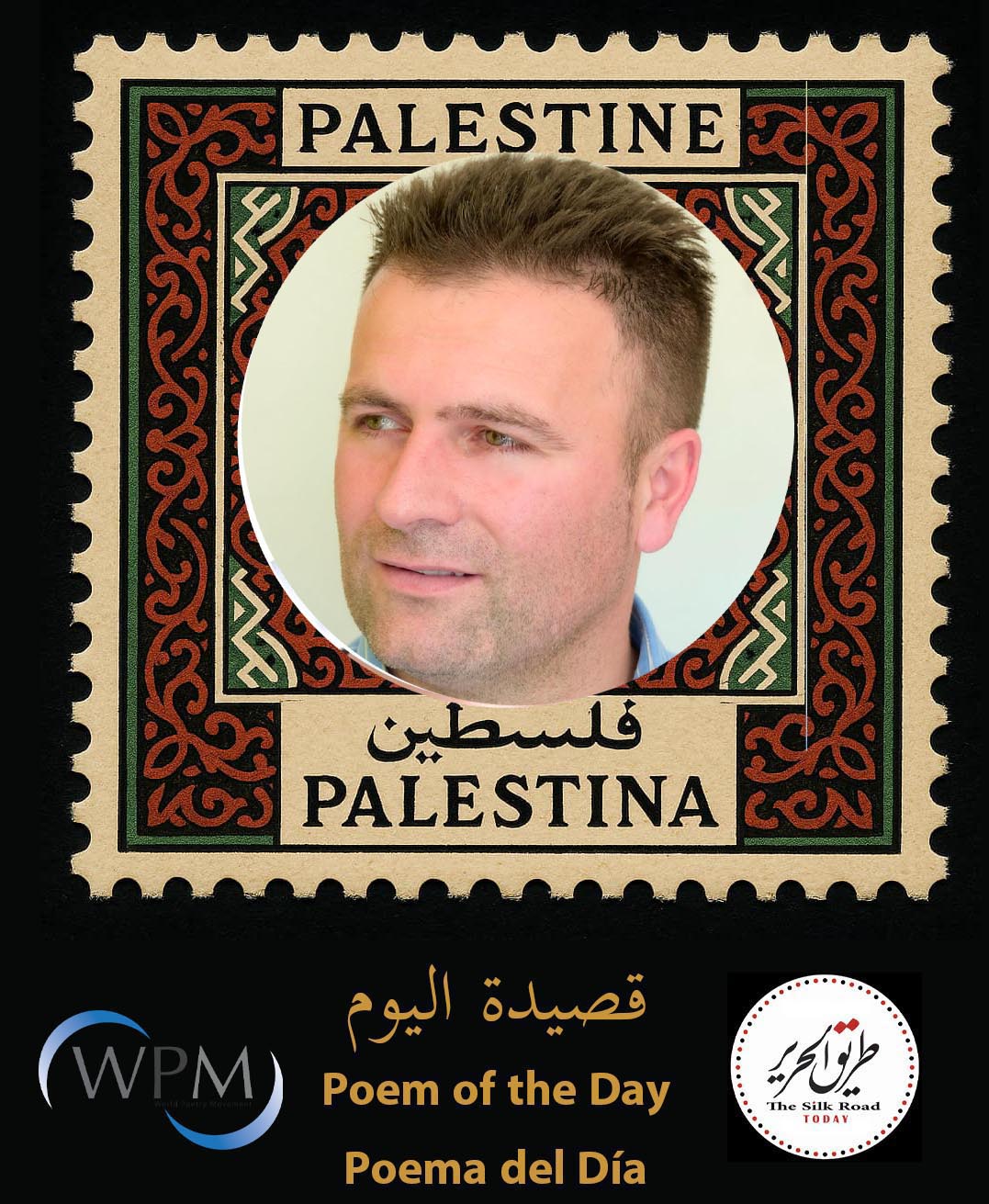
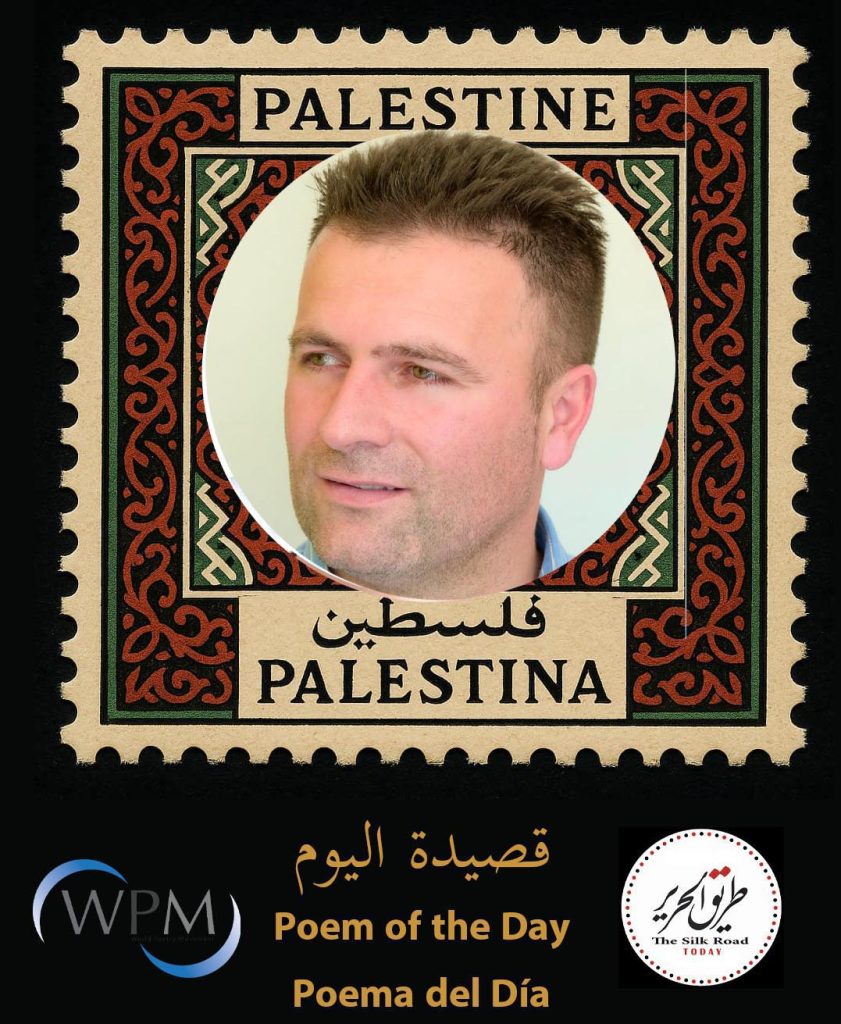
إلى فلسطين (صداع العالم) | للشاعر البروفيسور جيتون كلمندي، كوسوفو / بلجيكا


إلى فلسطين

(صداع العالم)

الأكاديمي البروفيسور جيتون كلمندي، دكتوراه – كوسوفو / بلجيكا
 

في قلب العالم، جرحٌ مفتوح،
حيث السماء تبكي، والأرض تغرق،
فلسطين، اسمٌ يثقل الذاكرة،
كدمٍ على نسيج الأيام المحرمة.

هناك، تجتمع أحزان الأزمنة،
كل صرخة، كل نداء، كل صلاة منسية،
طفل لا يكبر، أم في صمت،
رجل يعانق الموت مع الفجر.

الحياة—حرّة، لكنها بلا قيمة،
عملة تسقط في يدٍ لا تمسك بها،
كل صباحٍ ينهض على رائحة القنابل،
والأمسيات لم تعد ترتدي لون الغروب.

لماذا يموت من يريد أن يعيش؟
لماذا لا تجد السلام مكانًا في هذه الأرض المقدسة؟
في الشوارع التي سار فيها الأنبياء بنورهم،
تسير الآن الظلال باحثةً عن مأوى تحت السماء.

لسنواتٍ طويلة،
تساكنَ الموت والحياة في فناءٍ واحد،
تشاركا الخبز،
وصارا شيئًا واحدًا—كالكلمة والصمت،
كالصلاة التي لم يعد أحد يسمعها.

فلسطين،
أنتِ الدم في عروق البشرية،
الصداع الذي لا دواء له،
لكن فيكِ قلب لا يعرف الاستسلام—
أملٌ يطفو بين الأنقاض،
كطفلٍ لا يزال يتعلم المشي.

الأكاديمي البروفيسور جيتون كلمندي، دكتوراه – كوسوفو / بلجيكا

يُعد جيتون كلمندي أحد أبرز الشعراء وأرفعهم مكانة في أوروبا. وُلد في مدينة بيا، كوسوفو، عام 1978، وقد ترك أثرًا عميقًا في الأدب المعاصر، ليصبح شخصية مهمة على الساحة الشعرية الدولية.
يشتهر كلمندي بشعره العميق، الفلسفي، والتأملي، حيث يتناول في كتاباته موضوعات مثل الهوية، والزمن، والحب، والتجربة الإنسانية. تُرجمت قصائده إلى أكثر من 42 لغة، ما يجعله من أكثر الشعراء الألبان ترجمةً في العالم.
نال كلمندي العديد من الجوائز والتكريمات الدولية، ويُعرف بلغة شعرية غنية، ورمزية عالية يحسن توظيفها في أعماله.

إلى جانب إبداعه الشعري، يعمل جيتون كلمندي أستاذًا جامعيًا في كلية AAB في بريشتينا، حيث ينقل معرفته إلى الأجيال الشابة. كما أنه عضو في أكاديمية العلوم والفنون الأوروبية، وله دور بارز في الترويج للأدب الألباني على المستوى العالمي. ويُعد من أبرز الكُتّاب الذين أسهموا في تطوير الشعر المعاصر، وتركوا إرثًا مهمًا في حقل الأدب.


Acad. Prof. Jeton Kelmendi PhD, Kosovo-Belgium

Jeton Kelmendi is one of the most renowned and esteemed poets in Europe, born in Peja, Kosovo, in 1978. He has made a profound impact on contemporary literature, becoming an important figure in the international poetic scene. Kelmendi is known for his deep, philosophical, and reflective poetry that explores themes such as identity, time, love, and the human experience. His poems have been translated into over 42 languages, making him one of the most translated Albanian poets in the world. Kelmendi has won numerous awards and received international recognition for his work. He is known for his rich language and the symbolism he brings to his writings.

In addition to his poetic work, Jeton Kelmendi is also a professor at AAB College in Prishtina, where he shares his knowledge with younger generations of students. He is a member of the Academy of Sciences and Arts of Europe and plays a significant role in promoting Albanian literature globally. Kelmendi is also one of the writers who has contributed to the development of contemporary poetry and has left an important legacy in the field of literature.

TO PALESTINE
(The World’s Headache)

At the heart of the world, an open wound,
where the sky weeps and the earth floods,
Palestine, a name that weighs heavy,
like blood on the fabric of forbidden days.

There, the sorrows of all times are gathered,
every scream, every cry, every forgotten prayer,
a child who never grows, a mother in silence,
a man embracing death with the dawn.

Life—so free, yet so worthless,
a coin that falls into no one’s hands,
each morning rises with the scent of bombs,
and evenings no longer wear the color of sunset.

Why must those who wish to live be the ones who die?
Why can’t peace find a place in this sacred land?
On the streets where prophets once walked with light,
now shadows wander, seeking shelter beneath the sky.

For so many years, life and death
have lived in the same courtyard, shared the same bread,
become one—like word and silence,
like a prayer no longer heard.

Palestine,
you are the blood in humanity’s veins,
the headache that finds no cure,
but within you beats a heart that won’t surrender—
a hope drifting among the ruins
like a child still learning how to walk.

Pristina April 22. 2025

PALESTINËS
(Kokëdhimbja e botës)

Në zemrën e botës, një plagë e hapur,
aty ku qielli qan dhe toka përmbytet,
Palestina, emër që peshon rëndë,
si gjaku në pëlhurën e ditëve të ndaluara.

Aty janë mbledhur dhimbjet e të gjitha kohëve,
çdo britmë, çdo vaj, çdo lutje e harruar,
një fëmijë që nuk rritet, një nënë që hesht,
një burrë që përqafohet me vdekjen në mëngjes.

Jeta, sa e lirë, aq e pavlerë,
një monedhë që bie në duart e askujt,
çdo mëngjes lind me erën e bombave,
dhe mbrëmjet s’kanë më ngjyrë perëndimi.

Pse duhet të vdesin njerëzit që duan të jetojnë?
Pse paqja nuk mund të zë vend në këtë vend të shenjtë?
Në rrugët ku profetët kanë ecur me dritë,
tani ecën hije që kërkojnë një strehë nën qiell.

Për kaq shumë vite, jeta dhe vdekja
rrojnë në të njëjtin oborr, ndajnë të njëjtën kafshatë,
bëhen një, si fjala dhe heshtja,
si lutja që nuk dëgjohet më.

Palestinë,
je gjaku në damarët e njerëzimit,
je kokëdhimbja që s’merr shërim,
por në ty rreh një zemër që nuk dorëzohet —
një shpresë që endet midis rrënojash
si një fëmijë që ende mëson të ecë.

Prishtinë me 22 prill 2025

Related Posts

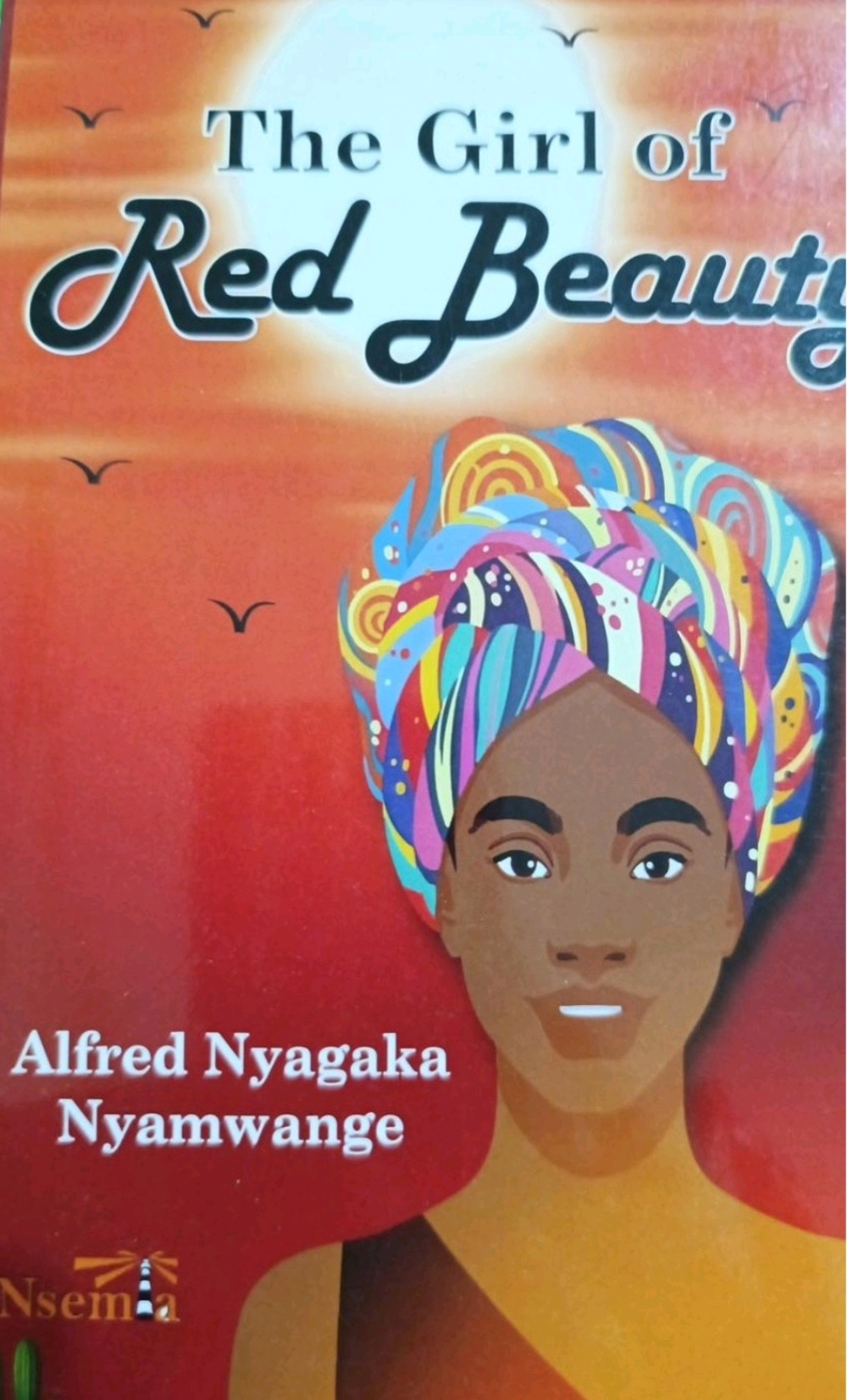
A Look at Alfred Nyagaka Nyamwange’s Collection of Books

  THE GIRL OF RED BEAUTY  What does it mean to belong to a people, and how can a community preserve its identity when the voices of its ancestors begin to fade beneath the pressures of modernity? In The Girl of Red Beauty, Alfred Nyagaka Nyamwange invites readers into the cultural universe of the AbaGusii through a sustained poetic engagement with the community’s oral traditions, beliefs, social practices and philosophies. Presented in thirteen chapters of verse, the work draws upon songs, proverbs, sayings, stories, play games and the rhythms of everyday life in the Gusii highlands. Its poetic world follows the human journey from birth and childhood through initiation and marriage to old age and death. Along the way, it evokes relationships between individuals, families, the land, the ancestors and the divine. The girl at the centre of the work becomes a poetic point of entry into a much wider cultural landscape: a world shaped by communal memory, inherited wisdom, social expectations and changing relationships. The collection is distinctive in its creative negotiation between written poetry and African orature. Its language draws on indigenous expressions and direct translations from EkeGusii, bringing local imagery and proverbial thought into English. Songs, performance rhythms and the imagined presence of the lyre and drum give the written verse an oral energy, inviting readers not merely to observe the culture but to hear, sing and imaginatively participate in it. The Girl of Red Beauty is both a literary work and an act of cultural remembrance. It does not present tradition as a museum piece; rather, it opens a space for considering cultural continuity, the tensions between inherited practices and contemporary life, and the responsibility of transmitting indigenous knowledge to future generations. Rooted in Gusii experience yet attentive to wider questions of identity and belonging, the book offers international readers an encounter with the imaginative resources of an African community. A poetic celebration of identity, a preservation of memory and an invitation to return to the living sources of cultural knowledge. THE FOOTFALLS OF MY HEART  Love may begin with attraction, but in a traditional community its consequences reach far beyond two individuals. In The Footfalls of My Heart, Alfred Nyagaka Nyamwange presents a narrative poem that explores courtship and marriage in the cultural world of the AbaGusii, giving particular prominence to the voice, perspective and agency of the bride. The poem centres on Gechemba and Rimura. Rimura is a celebrated warrior and prospective groom whose reputation, strength and determination do not automatically guarantee success in love. Gechemba is a young woman who observes, questions, teases and responds to the man seeking her affection. Through her perspective, the reader encounters the emotional play of attraction, hesitation, playful resistance and growing attachment. The courtship becomes a spirited exchange in which wit and persuasion matter alongside status and material wealth. Beyond the romantic encounter, the work traces the social processes through which marriage connects families and lineages. It evokes the meeting between prospective partners, family introductions, negotiations over bride wealth, preparations, marriage rituals, songs, communal celebrations and the incorporation of the bride into a new household. Cattle and other forms of bride wealth carry meanings that extend beyond payment: they express commitment and create networks of relationships between families. The poem is rich in EkeGusii expressions, proverbs, indigenous imagery, humour and the rhythms of oral performance. It draws on cultural memory while allowing readers to consider the values and tensions embedded in marriage practices. The bride’s voice is especially important: she is not simply an object of pursuit but a participant whose response, judgement and choice shape the unfolding relationship. As a companion to The Girl of Red Beauty, this work extends Nyamwange’s poetic exploration of Gusii cultural life. Where the earlier poem approaches the community through a girl’s growth and the wider cycle of life, The Footfalls of My Heart foregrounds the woman’s perspective in the journey towards marriage and family continuity. A warrior pursues; a woman responds and chooses; families negotiate; a community gathers. The Footfalls of My Heart is a poetic exploration of love as both an intimate emotion and a communal bond. THE BROKEN COLUMN  What happens when a society’s established ways of life encounter forces that challenge its institutions, beliefs and sense of identity? The Broken Column by Alfred Nyagaka Nyamwange is a historical and cultural novel set in the world of the AbaGusii, tracing the experiences of a warrior and the wider transformations of his community. At the centre of the narrative is Okeyo, a young man renowned for courage, physical strength and exceptional skill. His reputation as a warrior places him within a social order that values protection, honour, responsibility and service to the community. Yet Okeyo’s life is not a simple succession of heroic achievements. His relationships, personal struggles, choices and encounters with adversity expose the vulnerabilities beneath the public image of the fearless warrior. His destiny is shaped by the demands of his calling and by the changing circumstances of the society around him. The novel evokes a community organised through kinship, village life, ancestral expectations, warrior traditions and collective obligations. Its landscape is not merely a backdrop: it is a lived environment in which cattle, homesteads, social relations and communal security carry cultural significance. Okeyo’s experiences intersect with those of other people, particularly the women whose presence and decisions influence his path. A profound historical change gathers around this personal story. The arrival of foreign authority, missionary Christianity and colonial power unsettles the foundations of the community. Established loyalties are questioned; inherited practices encounter new religious and political claims; and individuals must negotiate the competing demands of continuity, resistance and accommodation. The meaning of courage itself becomes uncertain as the society confronts a future it cannot fully control. The Broken Column therefore operates on two connected levels: it is the story of a man whose life contains both achievement and vulnerability, and the story of a people experiencing a difficult historical transition. Through its engagement with masculinity, identity, power, faith, tradition and colonial encounter, the novel invites readers to consider what happens when the structures that sustain a community begin to fracture.…

Dance in Silence, Poem by Anwar Rahim

They speak without a sound Their steps upon the ground No music needs to play Their hearts still find the way Two shadows in the light They hold each other…

اترك تعليقاً

لن يتم نشر عنوان بريدك الإلكتروني. الحقول الإلزامية مشار إليها بـ *