ADWINSA PUBLICATIONS UNVEILS NIGERIAN STUDENTS’ LITERATURE PRIZE, SEEKS SUPPORT AND PARTNERSHIP

ADWINSA PUBLICATIONS UNVEILS NIGERIAN STUDENTS’ LITERATURE PRIZE, SEEKS SUPPORT AND PARTNERSHIP

In a bold and commendable move aimed at promoting literary excellence among young Nigerians, Adwinsa Publications Nigeria Limited has officially launched the Nigerian Students’ Literature Prize (NSLP).

The literary award initiative is targeted at discovering and celebrating fresh creative writing talents from primary, secondary, and tertiary institutions across Nigeria.

This announcement was made in a press statement jointly signed by Kwaku Oppong Amponsah, Director of the Company, and Wole Adedoyin, Nigerian Coordinator of Adwinsa Publications.

According to the statement, the Nigerian Students’ Literature Prize will provide a robust platform for nurturing and showcasing the literary abilities of students through competitions in poetry, short stories, and essays. The prize is expected to play a key role in revitalizing reading and writing culture among young Nigerians at all levels of education.

Adwinsa Publications Nigeria Limited, a duly registered publishing firm with the Corporate Affairs Commission (Registration Number: 667617), and known for its strong legacy in educational development, emphasized that the prize aligns with the company’s long-standing mission to inspire creativity and critical thinking in young minds. The Nigerian Students’ Literature Prize marks the second major initiative of the publishing house, following the successful implementation of its flagship project, the Read Nigeria Project.

Speaking on the importance of the prize, Wole Adedoyin said the initiative is a deliberate effort to encourage young Nigerian writers to find their voices early. “We are passionate about building a strong literary future for Nigeria. This prize is our contribution to national development through the power of literature,” he said.

Kwaku Oppong Amponsah called on government institutions, private organizations, publishing stakeholders, NGOs, and philanthropists to support and partner with Adwinsa Publications to expand the reach and impact of the prize. “This is not just about an award; it is about empowering the future generation of Nigerian writers and thinkers. We welcome sponsorship, technical partnerships, and collaborations that can elevate this vision,” he noted.

Entries for the Nigerian Students’ Literature Prize will be open to students enrolled in accredited Nigerian schools, colleges, and universities. Participants will be grouped into three categories based on their academic level, and each category will feature a tailored set of literary challenges and rewards. The competition will also include workshops, mentorship sessions, and nationwide readings.

Adwinsa Publications Nigeria Limited also announced plans to publish a biennial anthology featuring the best entries from the competition. This publication, the statement noted, will serve as both a reward and an exposure opportunity for budding authors, while also contributing to the body of student literature in the country.

The organizers further disclosed that a dedicated blog and social media channels for the NSLP would be launched in the coming weeks to provide updates, entry guidelines, and resources for participants and partners. Regional coordinators are also being appointed to ensure inclusivity and wide participation across the six geopolitical zones.

Adwinsa Publications Nigeria Limited reaffirmed its commitment to promoting literacy, intellectual development, and literary excellence among Nigerian youth. With the unveiling of the Nigerian Students’ Literature Prize, the publishing house sets a new milestone in its educational outreach, and calls on all stakeholders to rally around the initiative for its sustainability and success.

  • Related Posts

    A Look at Alfred Nyagaka Nyamwange’s Collection of Books

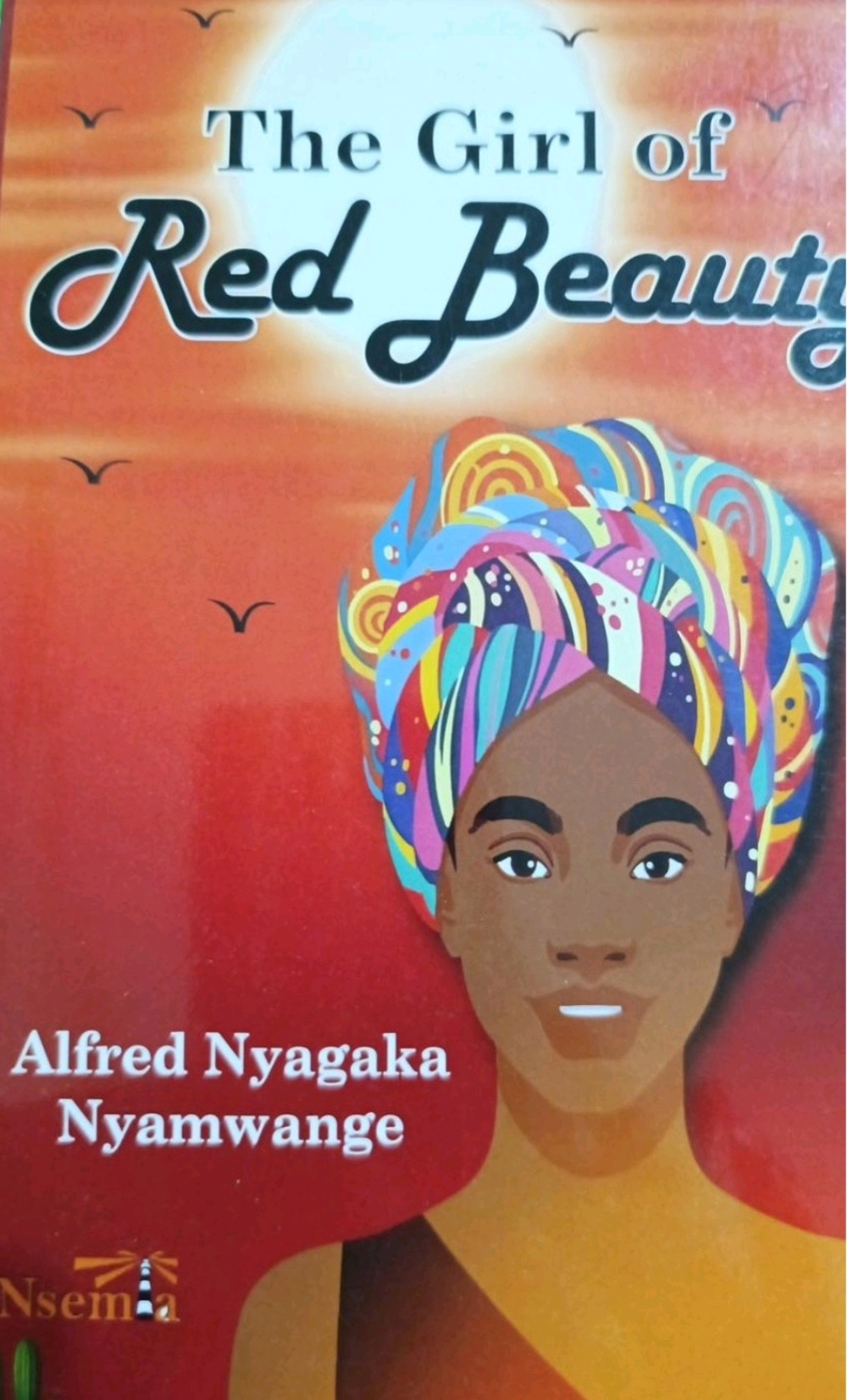
      THE GIRL OF RED BEAUTY  What does it mean to belong to a people, and how can a community preserve its identity when the voices of its ancestors begin to fade beneath the pressures of modernity? In The Girl of Red Beauty, Alfred Nyagaka Nyamwange invites readers into the cultural universe of the AbaGusii through a sustained poetic engagement with the community’s oral traditions, beliefs, social practices and philosophies. Presented in thirteen chapters of verse, the work draws upon songs, proverbs, sayings, stories, play games and the rhythms of everyday life in the Gusii highlands. Its poetic world follows the human journey from birth and childhood through initiation and marriage to old age and death. Along the way, it evokes relationships between individuals, families, the land, the ancestors and the divine. The girl at the centre of the work becomes a poetic point of entry into a much wider cultural landscape: a world shaped by communal memory, inherited wisdom, social expectations and changing relationships. The collection is distinctive in its creative negotiation between written poetry and African orature. Its language draws on indigenous expressions and direct translations from EkeGusii, bringing local imagery and proverbial thought into English. Songs, performance rhythms and the imagined presence of the lyre and drum give the written verse an oral energy, inviting readers not merely to observe the culture but to hear, sing and imaginatively participate in it. The Girl of Red Beauty is both a literary work and an act of cultural remembrance. It does not present tradition as a museum piece; rather, it opens a space for considering cultural continuity, the tensions between inherited practices and contemporary life, and the responsibility of transmitting indigenous knowledge to future generations. Rooted in Gusii experience yet attentive to wider questions of identity and belonging, the book offers international readers an encounter with the imaginative resources of an African community. A poetic celebration of identity, a preservation of memory and an invitation to return to the living sources of cultural knowledge. THE FOOTFALLS OF MY HEART  Love may begin with attraction, but in a traditional community its consequences reach far beyond two individuals. In The Footfalls of My Heart, Alfred Nyagaka Nyamwange presents a narrative poem that explores courtship and marriage in the cultural world of the AbaGusii, giving particular prominence to the voice, perspective and agency of the bride. The poem centres on Gechemba and Rimura. Rimura is a celebrated warrior and prospective groom whose reputation, strength and determination do not automatically guarantee success in love. Gechemba is a young woman who observes, questions, teases and responds to the man seeking her affection. Through her perspective, the reader encounters the emotional play of attraction, hesitation, playful resistance and growing attachment. The courtship becomes a spirited exchange in which wit and persuasion matter alongside status and material wealth. Beyond the romantic encounter, the work traces the social processes through which marriage connects families and lineages. It evokes the meeting between prospective partners, family introductions, negotiations over bride wealth, preparations, marriage rituals, songs, communal celebrations and the incorporation of the bride into a new household. Cattle and other forms of bride wealth carry meanings that extend beyond payment: they express commitment and create networks of relationships between families. The poem is rich in EkeGusii expressions, proverbs, indigenous imagery, humour and the rhythms of oral performance. It draws on cultural memory while allowing readers to consider the values and tensions embedded in marriage practices. The bride’s voice is especially important: she is not simply an object of pursuit but a participant whose response, judgement and choice shape the unfolding relationship. As a companion to The Girl of Red Beauty, this work extends Nyamwange’s poetic exploration of Gusii cultural life. Where the earlier poem approaches the community through a girl’s growth and the wider cycle of life, The Footfalls of My Heart foregrounds the woman’s perspective in the journey towards marriage and family continuity. A warrior pursues; a woman responds and chooses; families negotiate; a community gathers. The Footfalls of My Heart is a poetic exploration of love as both an intimate emotion and a communal bond. THE BROKEN COLUMN  What happens when a society’s established ways of life encounter forces that challenge its institutions, beliefs and sense of identity? The Broken Column by Alfred Nyagaka Nyamwange is a historical and cultural novel set in the world of the AbaGusii, tracing the experiences of a warrior and the wider transformations of his community. At the centre of the narrative is Okeyo, a young man renowned for courage, physical strength and exceptional skill. His reputation as a warrior places him within a social order that values protection, honour, responsibility and service to the community. Yet Okeyo’s life is not a simple succession of heroic achievements. His relationships, personal struggles, choices and encounters with adversity expose the vulnerabilities beneath the public image of the fearless warrior. His destiny is shaped by the demands of his calling and by the changing circumstances of the society around him. The novel evokes a community organised through kinship, village life, ancestral expectations, warrior traditions and collective obligations. Its landscape is not merely a backdrop: it is a lived environment in which cattle, homesteads, social relations and communal security carry cultural significance. Okeyo’s experiences intersect with those of other people, particularly the women whose presence and decisions influence his path. A profound historical change gathers around this personal story. The arrival of foreign authority, missionary Christianity and colonial power unsettles the foundations of the community. Established loyalties are questioned; inherited practices encounter new religious and political claims; and individuals must negotiate the competing demands of continuity, resistance and accommodation. The meaning of courage itself becomes uncertain as the society confronts a future it cannot fully control. The Broken Column therefore operates on two connected levels: it is the story of a man whose life contains both achievement and vulnerability, and the story of a people experiencing a difficult historical transition. Through its engagement with masculinity, identity, power, faith, tradition and colonial encounter, the novel invites readers to consider what happens when the structures that sustain a community begin to fracture.…

    الشاعرة القطرية سعاد الكواري تشيد بمبادرة «100 مؤلف، 100 كتاب»

    الشاعرة القطرية تحتفي بدور المبادرة في تعزيز التواصل الثقافي بين شعوب العالم في رسالة أدبية تحمل تقديراً للتعاون الثقافي العابر للحدود، أعربت الشاعرة والكاتبة القطرية سعاد الكواري عن اعتزازها بالمشاركة…

    اترك تعليقاً

    لن يتم نشر عنوان بريدك الإلكتروني. الحقول الإلزامية مشار إليها بـ *