 thesilkroadtoday
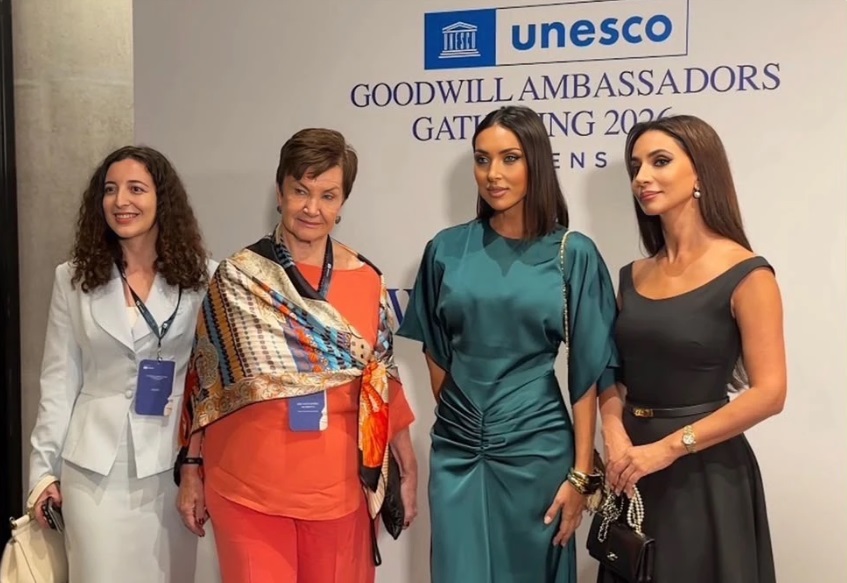
GREECE, September 2026 — The Meeting of UNESCO Goodwill Ambassadors and UNESCO Artists for Peace brought together distinguished cultural figures, international representatives and leaders in education and public service in Greece for three days of dialogue on the role of culture, science and education in building a more peaceful and inclusive world.
Against a backdrop of rapid technological transformation and profound global change, participants examined a broad range of issues, including the protection of cultural heritage, the development of education, the contribution of science to human progress, and the responsibility of cultural institutions and international cooperation in safeguarding the values that unite humanity.

The delegation of the World Peoples Assembly participated in the meeting, represented by Alexandra Ochirova, Co-Chair of the Supreme Advisory Council and member of the General Council of the World Peoples Assembly, member of the State Commission of the Russian Federation for UNESCO, UNESCO Goodwill Ambassador and Doctor of Philosophical Sciences; and Alana Kochieva, Head of the Directorate for Development of International Education and Partnership and PhD in Cultural Studies.
The gathering also brought together UNESCO Artists for Peace Zarifa Mgoyan, internationally known as Zara; Sergey Markarov; and Alsou Abramova, known professionally as Alsou. Their participation highlighted the importance of artistic expression, cultural exchange and the international standing of artists in promoting dialogue across national, linguistic and cultural boundaries.
UNESCO: An Organization for People and Peace
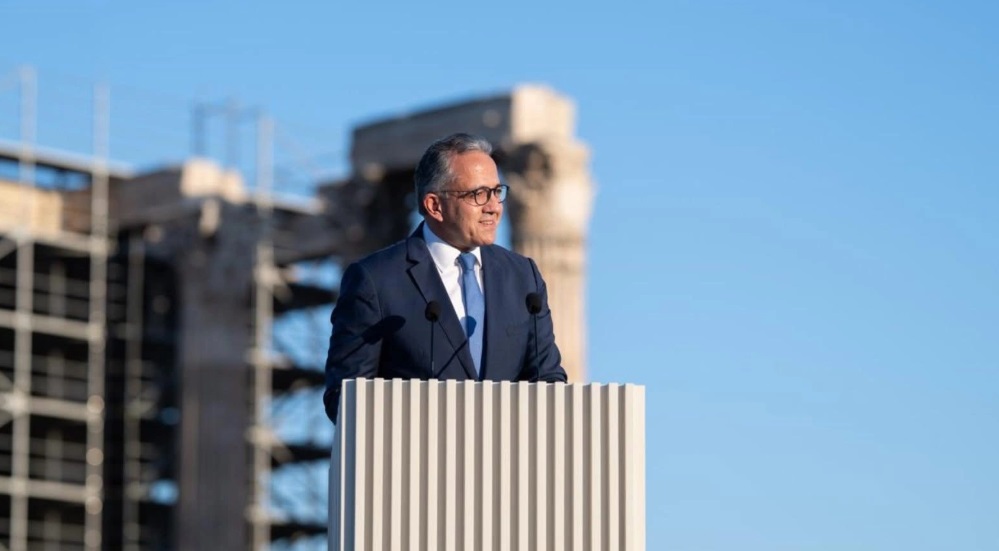
Addressing the participants, UNESCO Director-General Khaled El-Enany emphasized the enduring importance of the Organization’s mission in a world facing increasingly complex challenges. He underscored UNESCO’s fundamental purpose: bringing nations together through education, science, culture and communication.
The message placed people and peace at the centre of international cooperation, recognizing that lasting progress depends not only on political and economic relations but also on shared knowledge, mutual understanding and respect for cultural diversity.
Education enables individuals and communities to develop the knowledge and critical thinking needed to navigate change. Science offers tools for addressing common challenges, while culture preserves collective memory, strengthens identity and creates opportunities for meaningful encounters among societies. Communication, meanwhile, provides the means through which these different fields can contribute to a shared vision of humanity’s future.
Together, these principles form an essential foundation for international cooperation at a time when global developments are reshaping societies and challenging established approaches to human progress.

High-Level Dialogue on Culture and Artificial Intelligence
A central event of the three-day meeting brought together Konstantinos Tasoulas, President of the Hellenic Republic; Khaled El-Enany, Director-General of UNESCO; Lina Mendoni, Minister of Culture of the Hellenic Republic; and Costantza Sbokou-Constantakopoulou, UNESCO Goodwill Ambassador for the Protection and Promotion of Culture.
Their discussions focused on one of the most consequential questions facing the cultural sector today: the impact of artificial intelligence on culture, artistic creation and the future of human creativity.
As artificial intelligence increasingly influences the production, circulation and interpretation of cultural content, the meeting provided an opportunity to consider how technological innovation can be approached in ways that support, rather than diminish, the distinctive contribution of human imagination and artistic expression.
Participants stressed the importance of treating technological progress alongside the protection of cultural diversity, the preservation of heritage and respect for the values that connect people across generations and societies.
The discussions also highlighted the need for continued international dialogue on the relationship between technology and culture. As new tools transform creative practices and access to knowledge, cooperation among governments, cultural institutions, artists and international organizations becomes increasingly important in ensuring that innovation serves humanity.
The meeting reaffirmed a central principle: the faster the world changes, the greater the responsibility to protect human creativity, preserve cultural diversity and uphold the shared values that make peaceful coexistence possible.
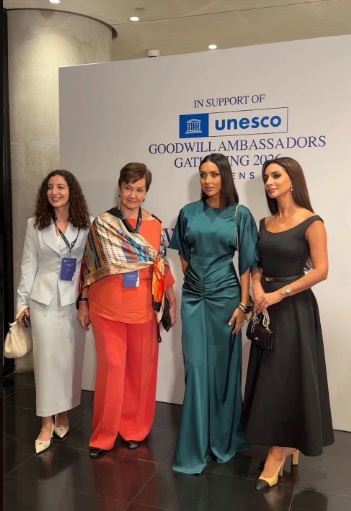
The World Peoples Assembly’s Contribution to International Cooperation
The participation of the World Peoples Assembly delegation reflected its engagement with international initiatives that bring together representatives of different countries and professional communities around common humanitarian and cultural objectives.
Alexandra Ochirova’s involvement, combining her responsibilities within the World Peoples Assembly with her work as a UNESCO Goodwill Ambassador and her membership in the Russian Federation’s State Commission for UNESCO, represented an intersection of cultural diplomacy, philosophical reflection and international cooperation.
Alana Kochieva’s participation brought an additional perspective grounded in cultural studies, international education and partnership development.
The Russian delegation took part in discussions across the principal areas of the agenda, expressing its commitment to humanistic principles and its interest in expanding international cooperation under UNESCO’s auspices.
The participation of internationally recognized performers Zara, Sergey Markarov and Alsou further demonstrated the potential of artistic engagement to connect communities and bring cultural messages to wider audiences. Their roles as UNESCO Artists for Peace reflect the importance of creative work in encouraging understanding, dialogue and respect among peoples.
Art and Culture as Instruments of Peace
Beyond the formal discussions, the meeting offered an opportunity for UNESCO Goodwill Ambassadors and Artists for Peace to exchange experiences from their international initiatives and explore possibilities for future cooperation.
Their contributions emphasized that peace is not simply the absence of conflict. It also depends on the conditions that enable people to understand one another, recognize cultural differences without hostility, and work together toward common goals.
Art can communicate experiences that transcend linguistic barriers. Education can challenge prejudice and open pathways to mutual understanding. Cultural heritage can connect present generations with the accumulated knowledge and achievements of the past. Science can support solutions to shared problems when its benefits are pursued responsibly and collaboratively.
These complementary roles give international cultural initiatives particular significance in a period marked by rapid technological change, evolving social relationships and complex global challenges.
The September meeting in Greece reaffirmed the commitment of UNESCO Goodwill Ambassadors and Artists for Peace to advancing the Organization’s values through art, sport, education and culture. It also underscored the continuing importance of international partnerships in protecting cultural heritage, encouraging creativity and strengthening dialogue among nations.
By bringing together public leaders, cultural representatives and artists, the gathering reinforced a shared message: human creativity, cultural diversity, education and international solidarity remain indispensable foundations for a peaceful future.