 thesilkroadtoday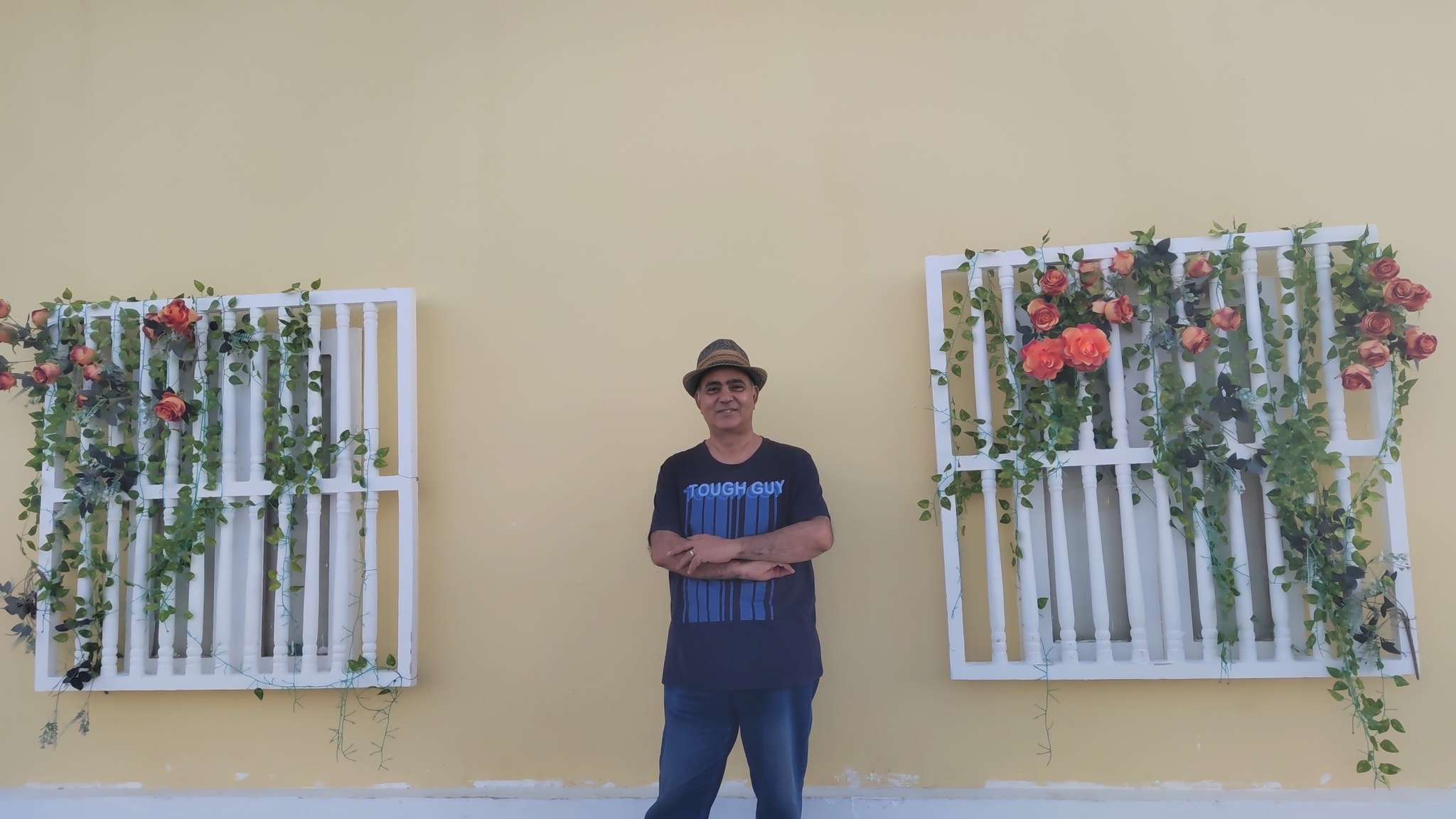
 حين أقرأ أعمال وحياة الشاعر والروائي والصحفي المصري أشرف أبو اليزيد، الذي جاب 37 دولة في قارات العالم على مدى خمسةٍ وثلاثين عامًا، لا أرى فيه مجرد مُبدع غزير الإنتاج، بل ممارسًا حيًّا لفكرة الشعر العظيم.
أنا كاو شُوي، صاحب مبادرة حركة الشعر العظيم، التي طالما دعوت فيها إلى أن جوهر هذا التيار يكمن في التكامل بين الحضارات الشرقية والغربية، القديمة والحديثة، المقدسة والدنيوية — إنها رسالة شعرية تتجاوز الحدود، وتنسج التجارب الإنسانية المبعثرة في نسيجٍ كونيٍّ موحَّد، وتعيد بناء الوطن الروحي للبشرية.
لقد غدت ريشة أشرف، التي صقلتها رياح الثقافات المتقاطعة والمتجذّرة في عمق تربة وطنه، جسرًا يربط الحضارات البعيدة، ويصل بين الماضي والحاضر، ويصالح بين توق الروح إلى المقدّس ومعاناة الجسد في الواقع الدنيوي. كما ترجم إلى العربية عملي “ملحمة أوراسيا“، فصارت بيننا صلة قلبية عميقة. وأعتزم أن أفسّر شعره في ضوء نظرية الشعر الملحمي.
- حوار بين الحضارتين الشرقية والغربية: شاعرٌ برؤيةٍ عابرةٍ للقارات
ترفض حركة الشعر العظيم الانعزال الحضاري، وتدعو الشعراء إلى أن يكونوا “مترجمي الأرواح“ بين الشرق والغرب. وحياة أشرف نفسها شهادةٌ على هذا الحوار المستمر؛ فمن مصر، مهد الحضارة الشرقية القديمة، إلى سلطنة عُمان والكويت والسعودية، قلب الثقافة العربية، وصولًا إلى كوريا الجنوبية، منارة الحضارة الشرقية الحديثة — لم يكتفِ بالعيش في هذه البلدان، بل امتصّ روحها وأعاد صياغتها في شعره.
بوصفه المنسق القاري لحركة الشعر العالمية (WPM) والرئيس الأسبق لجمعية الصحفيين الآسيويين (AJA)، حوّل تجاربه العابرة للأقاليم إلى لغةٍ شعرية تتجاوز الجغرافيا.
أما ترجماته في مجالات الفن، وأدب الأطفال، والشعر، والعلوم، فليست مجرد جهدٍ لغوي، بل وساطة ثقافية حقيقية.
في قصيدته “شارع في القاهرة”، حين يكتب:
“يسكب بينهما رمل الجسد المتصحر في غربته”
فإن صورة المنفى تلك لا تعبّر فقط عن اغترابٍ عربيٍّ مألوف في التاريخ، بل عن تجربة الاغتراب الإنسانية بأسرها — تجربة يفهمها القارئ الكوري الذي يحمل في ذاكرته ألم الانقسام، كما يدركها القارئ الصيني المألوف بمرارة الشتات.
إن حصوله على الجائزة الكبرى “مانهِي” للأدب في كوريا عام 2014، والميدالية الذهبية في المهرجان الأدبي الأوراسي في إسطنبول عام 2021، يؤكد أن شعره قد أصبح لغةً مشتركةً بين الشعوب — يحمل دفءَ النيل وهدوء نهر الهان، عظمةَ الصحارى العربية ورهافةَ الذائقة الآسيوية، محقّقًا بذلك جوهر رسالة الشعر العظيم في “التواصل بين الحضارات“.
- تشابك الحضارات القديمة والحديثة: بين إرث النيل وفوضى الحاضر
يسعى الشعر العظيم إلى “نبش جذور الحضارات القديمة وسقي براعم الحياة الحديثة“ — ليجعل من حكمة الماضي نورًا يبدّد ارتباك الحاضر. وشعر أشرف أبواليزيد متجذّر في تربة مصر القديمة، غير أنه لا يهرب من قسوة الحداثة.
في قصيدته عن بنها، مسقط رأسه على ضفاف النيل، يقول:
“كالحلمة في صدر الدلتا، نامت بنها، تسكب في أحلامي، عسلا أشهى”.
هنا يبدو النيل، رمز الحضارة المصرية القديمة ودماؤها التي أنعشت الممالك الفرعونية وأساطيرها، كأمٍّ حانيةٍ ترضع الشاعر دفء الانتماء. لكن هذا الحنان القديم يصطدم بقلقٍ حديث:
“أتساءل حين أعود إليها،
أذكر كل الطرقات ؟
أتراها تذكُر
رغم حداثة طرقات الزمن عليه،
هذا الوجه المكدود؟”
هذه «الطرق المتعبة» ليست ممراتٍ مادية فحسب، بل ندوب الحياة الحديثة: المنفى، والاغتراب، وطمس الذاكرة بفعل الزمن. هكذا يدخل النيل الأبديّ في حوارٍ صامتٍ مع الشاعر التائه المعاصر: الماضي ليس أثرًا راكدًا، بل حضورٌ حيٌّ يحاكم الحاضر ويواسيه.
وفي “شارع في القاهرة” أيضًا، نقرأ عن شارعٍ
“لم تعبره المراكب والروح منذ ألفَي عام،
جفت الأشجارٍ فيه والناس،
واختلط الطين بالعظام”
ذلك الشارع يحمل عبءَ التاريخ المصري القديم — طين الدلتا، وعظام الأسلاف — لكنه أيضًا مسرحٌ لآلام العصر الحديث: الحرب، الوداع، ومواكب الحزن العابرة.
إن أشرف لا يفصل بين القديم والحديث، بل ينسجهما في نسيجٍ واحد، حيث يقول:
“كما تشبه الحياة الموت!”
وهي عبارة تستحضر دائرية الزمن الفرعوني بقدر ما تعبّر عن عبثية العنف المعاصر.
في هذا المزج بين الذاكرة القديمة والقلق الحديث، يتجلّى جوهر الشعر العظيم: أن ينطق الماضي في الحاضر، ويُكرَّم الحاضر بوهج الماضي.
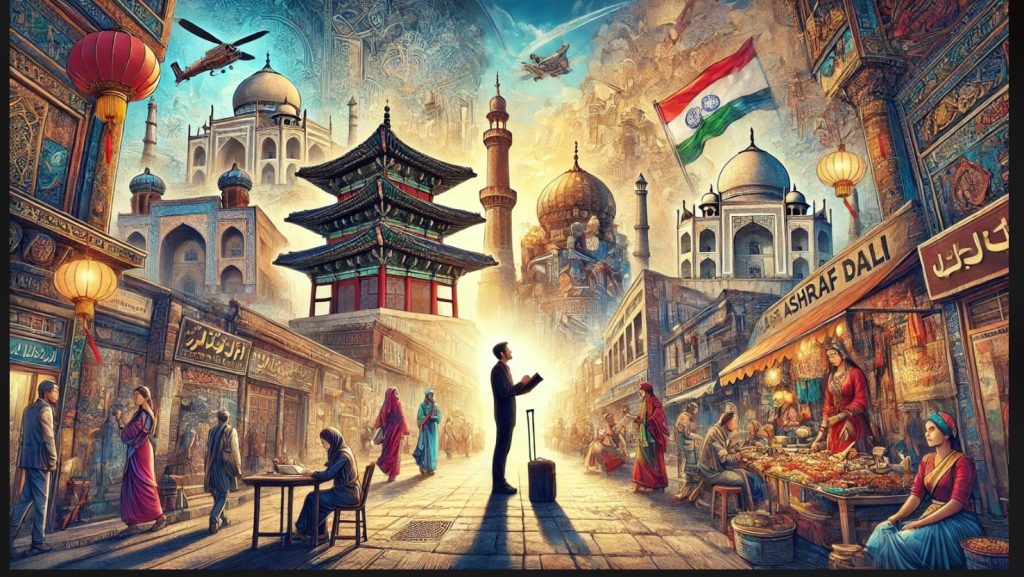
- اندماج الحضارات المقدّسة والدنيويّة: بين عمامة الراهب ودموع المنفى
يرى مفهوم الشعر العظيم أنّ المقدّس والدنيوي ليسا نقيضين، بل وجهان لروحٍ إنسانيّة واحدة — أحدهما يمتدّ نحو السماء، والآخر يتجذّر في الأرض. وقد أبدع أشرف أبو اليزيد في مزج هذين البُعدين في شعره، إذ يُحوِّل المعاناة الدنيويّة إلى بحثٍ عن معنى مقدّس، ويجعل الرموز المقدّسة رُفقاء للنضال الإنساني في العالم المادي.
في قصيدته “راهب رأس الجبل الأشيب”، يصعد الشاعرُ الجبلَ للقاء راهبٍ يسكن معبدًا “بمعبه اليشبه غيمةٌ، تعمم ناطحة سحاب” — كائنٌ مقدّس يسمو بعظمة الطبيعة، لكنه يتجسّد في صورةٍ ملموسةٍ من العالم الحديث. أسئلة الراهب — عن «فراشات ترقص وهي تعانق شرنقة توشك أن تتحول»، وعن «وردات عشر كانت تدمع عطرٍا»، وعن «بركةٍ ماء تحمل صورة طائرٍ بجناحي تنّين» — ليست تأملاتٍ لاهوتيّة مجرّدة، بل تأملاتٌ شعريّة في التحوّل والجمال والرجاء. لكنّ الشاعر يصل خالي الوفاض: «قِرْبةُ الماء لم تحتفظ بقطرة»، و«خطواتُه تائهة»، و«وجهُه يائس». هذا التباين بين حكمة الراهب وارتباك الشاعر لا يصنع صراعًا، بل انسجامًا: فـ«تذكرة السفر في اتجاهٍ واحد» — الاستعارة الدنيويّة لمسار الحياة الذي لا عودة فيه — تتحوّل إلى دعاءٍ كي يهديه المقدّسُ طريقَ المعنى من جديد.
حتى في أكثر قصائده دنيويّة، يضفي أشرف عليها نفَسًا مقدّسًا من السموّ. ففي “قطار يعبر الصحراء”، يصبح القطار رمزًا دنيويًّا للاغتراب الحديث — «ساحبًا وراءه
توابيته المُكيفة»، حاملاً بشرًا «في أحشائها سنُصارع خيباتنا، نزيّن سوءاتنا المُزيَّفة».
غير أنّ الصحراء التي تحتضن القطار هي فضاءٌ مقدّس في الثقافة العربيّة — مهبط الوحي وموطن اللقاء مع الإلهي. صراع الشاعر — « سنلعنها طويلا ونملأ بالبصاق ألف منشفة ومنشفة. لكننا لن نغادر القطارَ ولو استطعنا أن نوقفَه » — هو فعل دنيويّ للغضب والتمرّد، لكنه يجري في صمت الصحراء المقدّس، الذي يذكّرنا بأنّ الروح البشريّة، حتى في قاع اليأس، تشتاق إلى ما هو أسمى. هذا المزج بين المقدّس والدنيوي هو ما يجعل شعر أشرف ليس مجرّد سجلٍّ للحياة، بل احتفاءً بقدرة الروح الإنسانيّة على النهوض فوق المعاناة.
إنّ حركة الشعر العظيم ليست عقيدة جامدة، بل نداء إلى الشعراء ليكونوا «بُنَاة جسورٍ حضاريّة». وأشرف أبو اليزيد يلبّي هذا النداء في كلّ بيتٍ يكتبه. حياته رحلة بين ثقافات الشرق والغرب، وشعره حوارٌ بين حضارات الماضي والحاضر، وروحه مزجٌ بين المقدّس والدنيوي. وهو بذلك يجسّد جوهر ما ندعو إليه: أن يصبح الشعر لغةً كونيّة توحِّد البشريّة.
حين يسأل في “شارع في القاهرة»: “كم نكبة تكفي؟»، فهو لا يتحدّث باسم أهل القاهرة وحدهم، بل باسم الإنسانيّة جمعاء — بشرقها وغربها، في أراضيها العتيقة ومدنها الحديثة — جميعهم يتوقون إلى السلام. وحين يكتب عن بنها والنيل، فهو لا يحتفي بمسقط رأسه فحسب، بل بالعلاقة الأبديّة بين الإنسان وجذوره الثقافيّة. هذا هو الشعر العظيم: شعرٌ شخصيّ في عمقه، إنسانيّ في شموله، متجذّرٌ في تربةٍ واحدة، ومنفتحٌ على العالم بأسره.
تُذكّرنا أعمال أشرف أبو اليزيد بأنّ الشعر، في زمن الانقسام والصراع، يمكن أن يكون قوّةً للاتّحاد — بين الحضارات، وبين الأزمنة، وبين الأرواح. إنه بلا شكّ شاعرٌ عظيم من شعراء عصرنا، ونموذجٌ متألّق لما تطمح إليه حركة الشعر العظيم.
وسأرشّحه للجنة الحركة لمنحه ميدالية الشعر العظيم الكبرى لعام 2026.
بكين، الصين — 10 نوفمبر 2025
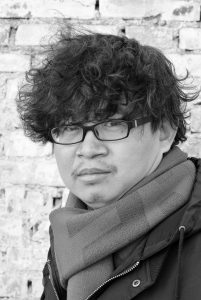 نبذة موجزة عن كاو شُوي كاو شُوي، ويُعرف أيضًا باسم شون كاو (من مواليد 5 يونيو 1982)، شاعرٌ وروائيّ وكاتب سيناريو ومترجمٌ صينيّ، ويُعدّ من أبرز ممثّلي الأدب الصيني المعاصر. يقود حركة الشعر العظيم، ومن أشهر أعماله “ملحمة أوراسيا”، وثلاثيته الشعريّة المشار إليها، ورواية «الأميرة سنو ليوبارد». نُشر له حتى الآن خمسون كتابًا تشمل عشر مجموعات شعرية، وخمس مجموعات مقاليّة، وعشر روايات، وسبعة ترجمات، وثمانية عشر حكايةً خياليّة، فضلًا عن مائة حلقة تلفزيونية وسينمائية. نال أكثر من ثمانين جائزة أدبيّة حول العالم، وتُرجمت أعماله إلى ثلاثين لغة. يشغل منصب رئيس تحرير مجلة الشعر العظيم، ورئيس التحرير التنفيذي لمجلة شعر العالم، والمنسّق الآسيوي لـ حركة شعر العالم، ومنسّق رابطة كتّاب بريكس، والرئيس التنفيذي لمهرجان طريق الحرير الدولي للشعر، ورئيس مهرجان بكين الدولي لأفلام الشعر. يعيش حاليًا في بكين ويعمل كاتبًا محترفًا وكاتب سيناريو.
Ashraf Aboul-Yazid:
A Poetic Bridge of Civilizations in the Spirit of Great Poetry
By Cao Shui(China)
When I read the works and life of Ashraf Aboul-Yazid, an Egyptian poet, novelist, and journalist who has traveled 37 countries across four continents for over 35 years, I see not just a prolific creator, but a living practitioner of the Great Poetry ideal. I am Cao Shui, the initiator of the Great Poetry Movement. I have long advocated that the core of this movement lies in the integration of Eastern and Western civilizations, ancient and modern civilizations, and sacred and secular civilizations—a poetic mission to transcend boundaries, weave fragmented human experiences into a universal tapestry, and rebuild the spiritual homeland of humanity.
Ashraf’s pen, tempered by cross-cultural winds and rooted in the depth of his native soil, becomes a bridge that connects distant civilizations, bridges the gap between past and present, and reconciles the sacred longing of the soul with the secular trials of life. He also translated my Epic of Eurasia into Arabic, so our hearts are connected. I plan to interpret his poetry using the theory of epic poetry.
- Dialogue Between Eastern and Western Civilizations: A Poet of Transcontinental Vision
The Great Poetry Movement rejects the parochialism of “civilizational isolation”; it calls for poets to become “translators of souls” between East and West. Ashraf’s life trajectory itself is a testament to this dialogue: from his native Egypt (the cradle of ancient Eastern civilization) to Oman, Kuwait, Saudi Arabia (the heartland of Arab culture), and finally to South Korea (a beacon of modern Eastern civilization), he has not merely lived in these lands—he has absorbed them. As the Continental Coordinator of the World Poetry Movement (WPM) and former President of the Asia Journalist Association (AJA), he has turned his cross-regional experiences into a poetic language that transcends geographical borders.
His translation of 8 books spanning art, children’s literature, poetry, and science is not just a linguistic task, but a cultural mediation. When he writes in A Street in Cairo of “the sands of his exiled deserted body” poured between the sidewalks of a Cairo street, the image of exile resonates with both the Arab world’s historical displacements and the universal experience of alienation—one that a Korean reader (familiar with the pain of division) or a Chinese reader (aware of diasporic struggles) can equally grasp. His receipt of the Manhae Grand Prize in Literature (Korea) and the Gold Medal at the Eurasian Literary Festival (Istanbul) further confirms that his poetry has become a common language: it carries the warmth of the Nile and the tranquility of the Han River, the grandeur of Arab deserts and the subtlety of East Asian aesthetics, achieving the “intercivilizational communication” that Great Poetry strives for.
- Interweaving of Ancient and Modern Civilizations: Between the Nile’s Legacy and the Chaos of Today
Great Poetry seeks to “dig the roots of ancient civilizations and water the buds of modern life”—to let the wisdom of the past illuminate the confusion of the present. Ashraf’s poetry is deeply rooted in the ancient soil of Egypt, yet it never shies away from the harsh realities of modernity.
In Benha, his hometown on the Nile, he writes: “As a tit on the River Nile breast / Benha sleeps, and pours / Its honey in my dreams.” The Nile, a symbol of ancient Egyptian civilization (the lifeblood of pharaonic kingdoms, the source of myths and rituals), is here rendered as a nurturing mother—an “ancient soul” that anchors the poet’s identity. Yet this ancient warmth collides with modern anxiety: “I wonder, when I come home / If I could remember all its roads? / Or if Benha remembers my face / With the new tired roads / Engraved on it?” The “new tired roads” are not just physical paths, but the scars of modern life—exile, displacement, the erosion of memory by time. Here, the ancient Nile (eternal, nurturing) and the modern poet (weary, disoriented) engage in a quiet dialogue: the past is not a relic, but a living presence that judges and comforts the present.
Similarly, in A Street in Cairo, the street—”deserted for two thousand years, / Full of dried trees and people, / Filled with a mixture of mud and bones”—bears the weight of ancient Egyptian history (the mud of the Nile Delta, the bones of ancestors), yet it is also a stage for modern suffering: war, farewells, the “processions of sadness” that pass through. Ashraf does not separate ancient and modern; he weaves them into a single fabric: “life looks like death!”—a line that echoes both the cyclical time of ancient Egyptian cosmology and the absurdity of modern violence. This is the essence of Great Poetry’s “ancient-modern integration”: to make the past speak to the present, and the present honor the past.
- Fusion of Sacred and Secular Civilizations: Between the Monk’s Turban and the Exile’s Tears
Great Poetry believes that the sacred and the secular are not opposites, but two sides of the same human soul—one reaching for the stars, the other grounding in the earth. Ashraf’s poetry masterfully fuses these two dimensions, turning secular suffering into a quest for sacred meaning, and sacred symbols into companions for secular struggles.
In THE MOUNTAIN WITH A GRAY HEAD, the poet climbs a mountain to meet a monk, whose temple is “a cloud; / A turban of skyscraper”—a sacred figure elevated by the grandeur of nature, yet rooted in the tangible image of a “skyscraper” (a modern, secular symbol). The monk’s questions—about “butterflies dancing while embracing a cocoon,” “roses [as] tears of perfume,” “a pond bearing the image of a bird with dragon wings”—are not abstract theological inquiries, but poetic meditations on transformation, beauty, and hope. Yet the poet comes empty-handed: his water skin “didn’t save a drop,” his steps are “lost,” his face “desperate.” This contrast— the monk’s sacred wisdom and the poet’s secular despair—does not create conflict, but harmony: the poet’s “one-way ticket” (a secular metaphor for life’s irreversibility) becomes a plea for the sacred to guide him back to meaning.
Even in his most secular poems, Ashraf infuses a sacred sense of transcendence. In A TRAIN CROSSES THE DESERT, the train is a secular symbol of modern displacement—”pull[ing] the air-conditioned coffins as a long tail,” carrying people who “fight our defeats, / To beautify our fake organs.” Yet the desert, which surrounds the train, is a sacred space in Arab culture—a place of revelation, of encounter with the divine. The poet’s struggle (“We are insulting those countries, / And spitting in one thousand and one towels. / But, We are not leaving the train”) is a secular act of frustration, but it unfolds against the desert’s sacred silence—a reminder that even in despair, the human soul yearns for something greater. This fusion of sacred and secular is what makes Ashraf’s poetry not just a record of life, but a celebration of the human spirit’s capacity to rise above suffering.
The Great Poetry Movement is not a rigid doctrine, but a call to poets to become “builders of civilizational bridges.” Ashraf Aboul-Yazid answers this call with every line he writes. His life, a journey across East and West cultures; his poetry, a dialogue between ancient and modern cultures; his spirit, sacred and secular. These embodies the very core of what we advocate: to make poetry a universal language that unites humanity.
When he asks in A Street in Cairo, “How many last wars will be enough?” he is not just speaking for the people of Cairo, but for all humanity—for those in East and West, in ancient lands and modern cities, who yearn for peace. When he writes of Benha and the Nile, he is not just celebrating his hometown, but the eternal bond between humans and their cultural roots. This is Great Poetry: poetry that is both deeply personal and universally human, both rooted in a single soil and open to the entire world.
Ashraf Aboul-Yazid’s work reminds us that in an era of division and conflict, poetry can be a force for integration—of civilizations, of times, of souls. He is, without doubt, a great poet of our time, and a shining example of what the Great Poetry Movement aspires to be.I will nominate him to the Great Poetry Movement Committee and award him the Grand Poetry Movement Medal for 2026.
2025.11.10,Beijing,China
Brief Biography of Cao Shui
Cao Shui, also Shawn Cao (born in Jun 5, 1982), is a Chinese poet, novelist, screenwriter and translator. He is a representative figure of Chinese Contemporary Literature. He leads the Great Poetry Movement. His most notable works includes Epic of Eurasia, the already mentioned trilogy and Princess Snow Leopard. So far 50 books of Cao Shui have been published, including 10 poem collections, 5 essay collections, 10 novels, 7 translations, 18 fairy tales and 100 episodes TV series and films. He has won more than 80 literary awards worldwide. His works have been translated into 30 languages. He is also chief editor of Great Poetry, executive editor in chief of World Poetry, Asian coordinator of World Poetry Movement, coordinator of BRICS Writers Association, executive president of the Silk Road International Poetry Festival, Chairman of Beijing International Poetry Film Festival. Currently he lives in Beijing, and works as a professional writer and screenwriter.
阿什拉夫·阿布勒·雅玆德:以大诗主义精神构筑文明诗意桥梁
曹谁
当我研读埃及诗人、小说家、记者阿什拉夫・阿布勒 – 雅玆德的作品与人生轨迹时,看到的不仅是一位高产的创作者,更是大诗主义理想的鲜活实践者。作为大诗主义运动(Great Poetry Movement)的发起人,我始终主张这一运动的核心在于合璧东西、融合古今、合一天人—— 这是一项以诗歌跨越边界、将人类离散的经验编织成普世图景、重建精神家园的使命。他的笔锋历经跨文化风雨淬炼,深植于故土的厚重土壤,成为连接遥远文明的桥梁,打通时空的隧道,调和灵魂的神圣渴望与世俗苦难。他还把我的《亚欧大陆地史诗》(Epic of Eurasia)翻译为阿拉伯语,所以我们心灵相通,我准备以大诗主义的理论去解读他的诗歌。
一、东西方文明对话:跨大陆的诗意视野
大诗主义拒绝 “文明孤立主义”,呼唤诗人成为东西方的 “灵魂译者”。阿什拉夫的生命轨迹本身就是文明对话的见证:从埃及(古东方文明摇篮)到阿曼、科威特、沙特(阿拉伯文化腹地),最终抵达韩国(现代东亚文明的明灯),他不仅旅居,更将这些土地的精魂熔铸于诗。作为世界诗歌运动(WPM)国际协调员与亚洲记者协会(AJA)前主席,他将跨区域经验升华为超越地理的诗性语言。
他翻译的八部涵盖艺术、儿童文学、诗歌与科学的作品,不仅是语言转换,更是文化调停。在《开罗的街道》中,”流亡躯体的沙粒” 铺洒在开罗人行道间,这一意象既承载阿拉伯世界的历史流离,亦触及人类共通的异化体验 —— 无论是熟悉分裂之痛的韩国读者,还是深谙离散之苦的中国读者,都能从中找到共鸣。他斩获韩国万海文学奖与伊斯坦布尔欧亚文学节金奖的事实,印证了其诗歌的普世性:尼罗河畔的温热与汉江的静谧交融,阿拉伯沙漠的雄浑与东亚美学的精微共生,实现大诗主义追求的 “文明间通感”。
二、古代与现代交织:尼罗河的永恒与现代性的阵痛
大诗主义倡导 “深挖古文明根系,浇灌现代性新芽”,让历史智慧烛照当代困境。阿什拉夫的诗深植埃及古老土壤,却从不回避现代性的尖锐现实。
在故乡尼罗河沿岸的《本哈》中,”如尼罗河胸脯上的山雀 / 本哈沉睡,将蜜倾注于我的梦境”,尼罗河作为古埃及文明的象征(法老王朝的命脉、神话仪式的源泉),被赋予母亲般的滋养意象。然而这种古老温暖遭遇现代焦虑:”当我归来,能否记起所有道路?/ 本哈是否认得我脸庞 / 刻着新的疲惫纹路?”” 新的疲惫纹路 ” 既是物理道路的侵蚀,更是现代生活的创伤印记 —— 流亡、迁徙、记忆的时间磨损。古尼罗河(永恒的母体)与现代诗人(疲惫的游子)在此展开静默对话:过去不是陈迹,而是评判与慰藉当下的鲜活存在。
同样在《开罗的街道》中,”荒芜两千年的街道 / 枯树与人类交织 / 泥浆与白骨混杂”,既承载古埃及历史的厚重(尼罗河三角洲的泥浆、祖先的骸骨),亦成为现代苦难的剧场:战争、离别、”悲伤的游行”。阿什拉夫将古今编织为同一织物:”生命看似死亡!” 这句诗既呼应古埃及宇宙观的循环时间,亦暗合现代暴力的荒诞性。这正是大诗主义 “古今融合” 的精髓:让历史言说当下,让当下致敬历史。
三、神圣与世俗交融:僧侣的头巾与流亡者的泪
大诗主义认为神圣与世俗并非对立,而是人类灵魂的一体两面 —— 一面向星辰,一面立大地。阿什拉夫的诗巧妙融合二者,将世俗苦难升华为神圣求索,让神圣符号成为世俗挣扎的注脚。
在《白头山》中,诗人如 “逃亡的羱羊跳跃云端”,最终抵达山顶寺院,僧侣的 “头巾似摩天大楼”—— 神圣形象与现代符号并置。僧侣的提问充满诗意隐喻:”七只蝴蝶环抱将变的茧?/ 十朵玫瑰是麝香与铬的泪?” 这些意象既是自然奇观,亦是精神蜕变的象征。然而诗人空手而归:水袋干涸,脚步迷失。神圣智慧与世俗绝望的对比并未制造冲突,反而达成和谐:诗人的 “单程票”(世俗生命的不可逆)成为叩问神圣救赎的契机。
即便在最世俗的诗中,阿什拉夫亦注入神圣超越性。《穿越沙漠的列车》中,列车象征现代位移的异化:”拖着空调棺材的长尾”,乘客 “美化虚假器官”。但沙漠作为阿拉伯文化中的神圣空间(启示之地),其静默构成对世俗喧嚣的终极审判。诗人的愤懑(”辱骂这些国度 / 唾弃千条毛巾”)在沙漠的神圣背景下,成为人类灵魂对超越性的隐秘渴望。神圣与世俗的交织,让其诗不仅是生活记录,更是对苦难中人性光辉的礼赞。
大诗主义不是教条,而是召唤诗人成为 “文明桥梁的建造者”。阿什拉夫・阿布勒 – 雅玆德以每一行诗回应这一召唤。他的生命跨越东西方文明,他的诗歌调和古代和今天,他的精神融合神圣与世俗,完美诠释大诗主义的核心理念:让诗歌成为联结人类的普世语言。
当他在《开罗的街道》质问 “多少次最后的战争才算足够?”,他代言的不仅是开罗,更是全人类 —— 无论是东方还是西方,古老文明还是现代都市,都在渴望和平。当他书写本哈与尼罗河,他礼赞的不仅是故乡,更是人类与文化根脉的永恒纽带。这就是大诗主义:既深植本土,又拥抱世界;既痛陈现实,又仰望星空。
阿什拉夫的作品提醒我们,在分裂冲突的时代,诗歌可以成为融合文明、跨越时空、疗愈灵魂的力量。他无疑是我们时代的伟大诗人,更是大诗主义运动理想的卓越典范。我将向大诗主义运动委员会提名他,授予他2026年的大诗主义运动勋章。
2025.11.10于西安
曹谁简介:
曹谁,诗人、小说家、剧作家、翻译家,北京师范大学文学硕士,北京国际诗电影节主席,西宁市作家协会副主席。原名曹宏波,字亚欧,号通天塔主。1983年生于山西榆社,2008年去职远游,在西藏、新疆周游数月而返,开始职业写作生涯。2007年发起大诗主义运动,2017年倡导剧小说运动和诗电影运动,2018年发起曹伊之争。著有诗集《亚欧大陆地史诗》等10部,长篇小说《昆仑秘史》等10部,文集《大诗学》等4部,童话《雪豹王子》等18部,翻译《理想国的歌声》等三部,影视剧本《孔雀王》等百余部集。作品发表于《人民文学》《诗刊》《作家》等文学杂志,入选上百部权威选本。有作品翻译为英、法、德、俄、日、意、西班牙、土耳其、阿拉伯等30种文字。曾获首届中国青年诗人奖、第5届青海青年文学奖之“文学之星”、第4届曹禺杯剧本奖、第8届意大利罗马当代国际诗歌艺术学院奖之阿波罗·狄奥尼索斯诗歌奖诗歌奖、第12届俄罗斯金骑士奖等90多项省级以上文艺奖。系中国作家协会会员,中国电影文学学会会员,世界诗歌运动亚洲协调员,金砖国家作家协会中国副主席,青海民族大学客座教授,丝绸之路国际诗歌节执行主席,《大诗刊》主编,《世界诗人》主编。