
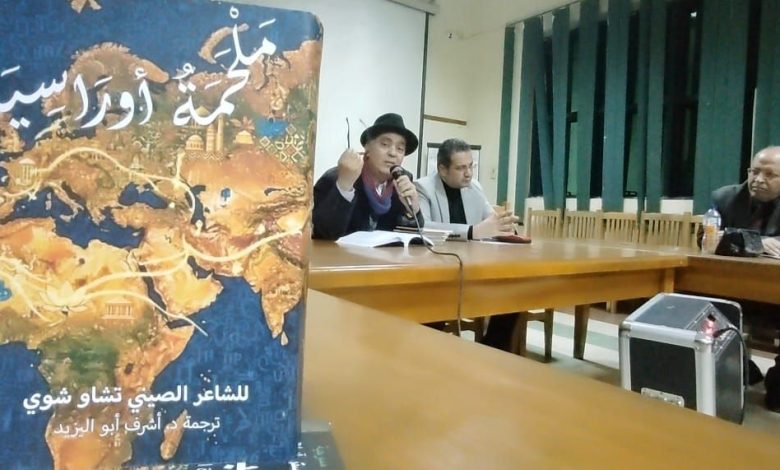
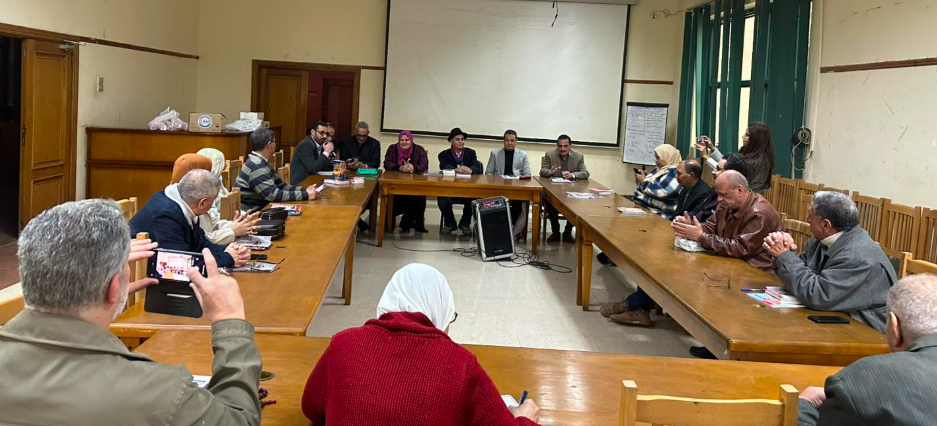
 Benha Public Library hosted a special cultural seminar entitled “World Literature in an Arabic Voice”, as part of its ongoing role in promoting cultural dialogue and openness to world literatures. The event was attended by Ms. Nahla Musallam, Director General of Egypt’s Public Libraries.
 The seminar shed light on five recently published international literary works translated by Dr. Ashraf Aboul-Yazid, as part of the “Silk Road Literature” series issued by Al-Nasher Publishing, Distribution, and Advertising House. The occasion celebrated translation as a vital human and cultural bridge between peoples, granting literary texts a renewed life beyond their original languages.
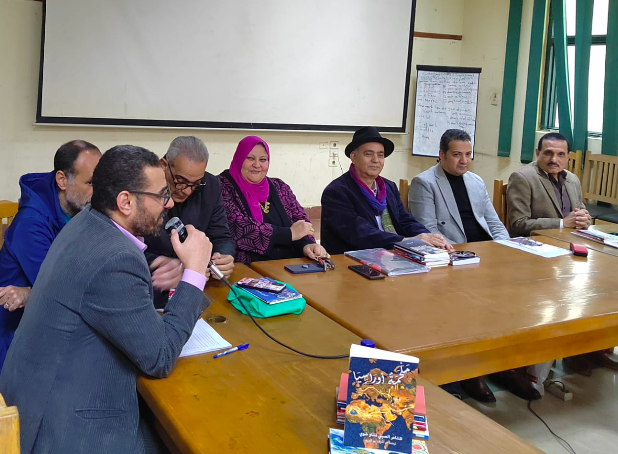 In a special statement, poet Magdy Abou El-Kheir, Director of Al-Nasher Publishing House, affirmed that the publisher places great emphasis on translation, stemming from a deep belief in its essential role in building cultural bridges, narrowing distances between creators and readers, and opening wider horizons for human and intellectual interaction.
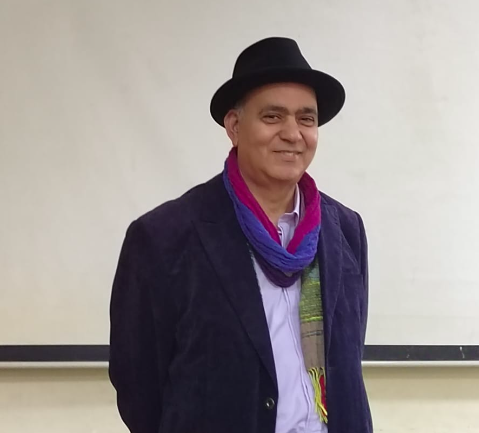 For his part, translator Dr. Ashraf Aboul-Yazid described the experience as a journey spanning ten years since the launch of the Silk Road Literature series. He emphasized that it was not merely an act of linguistic transfer, but a human and aesthetic adventure that successfully introduced distinguished literary voices from various countries, including India, China, Taiwan, Nigeria, Azerbaijan, Russia, and Serbia. He expressed his pleasure at presenting this experience within the halls of Egypt’s Public Library, which he described as “a nurturing space for creativity and creators, and a vibrant arena for cultural dialogue.”
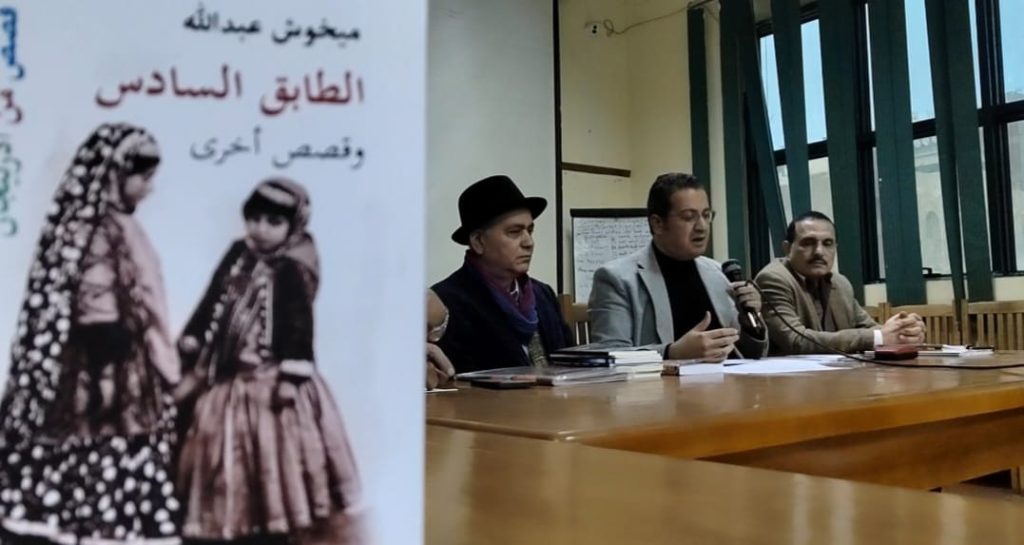 At the beginning of the evening, Professor Dr. Ahmed Alwani, Professor of Literary Criticism and Rhetoric and Head of the Arabic Language Department at the Faculty of Arts, Benha University, discussed the short story collection “The Sixth Floor” by Azerbaijani writer Meyxoş Abdullah . He concluded that the stories resemble beads of a necklace of pain, multifaceted in its forms and manifestations. He offered an in-depth reading of each story, revealing the linguistic and human dimensions of pain within the text. The distinguished scholar promised to submit this study for publication on The Silk Road Today website and to include it as a chapter in an upcoming critical book.
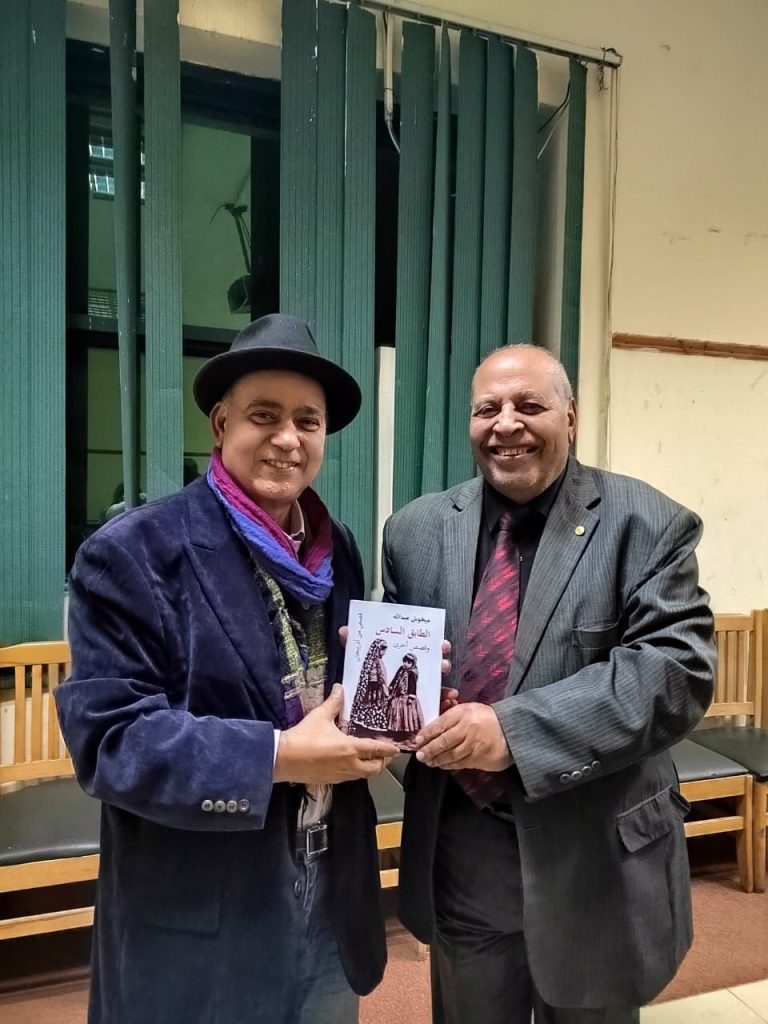 The story by Meyxoş Abdullah about the quarry prompted one of the seminar attendees, engineer Abdullah Haroun, to recall his years of work in the mines. In response, the translator presented him with a copy of the short story collection, allowing him to relive those border-transcending atmospheres.
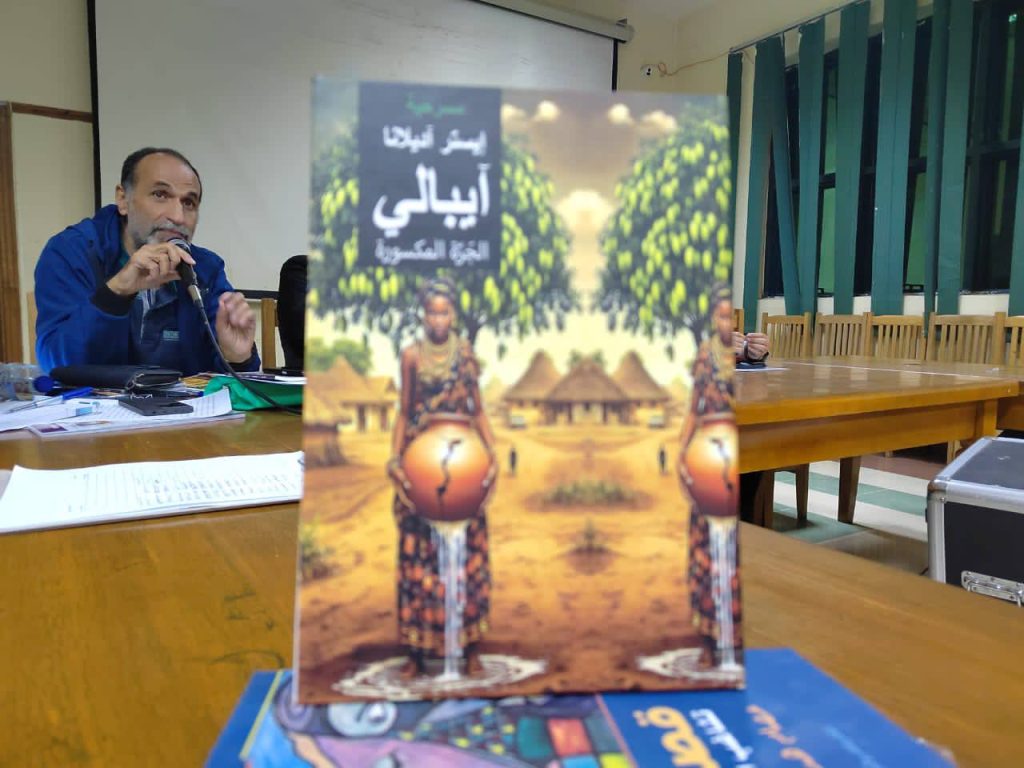 As for the play “The Broken Jar” by Nigerian writer Esther Adelana, novelist and critic, engineer Tarek Abdel Wahab Gado presented an in-depth analytical reading, highlighting its points of intersection with popular cultures, African and Egyptian traditions, and belief in myth.
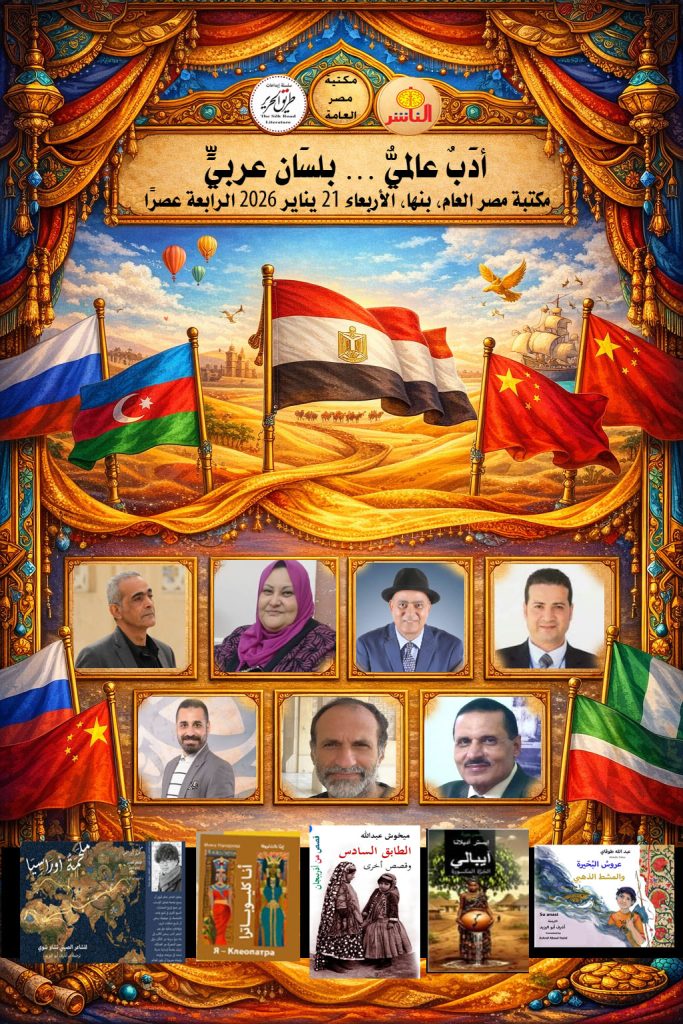
Dr. Ashraf Aboul-Yazid revealed that the play will soon be published in Russian as part of the Silk Road Literature series, translated by Russian writer Inna Natcharova, whose book “I, Cleopatra” was also presented during the seminar. The book reflects her deep fascination with Egyptian history and her particular admiration for the figure of Cleopatra. Natcharova personally illustrated the cover of her short novel with miniatures she painted herself, embodying her dual identity as both writer and visual artist. Critic Mahmoud Qandil also promised to present a future critical reading of the work, which has been published in both Arabic and Russian and was celebrated in Moscow in September of last year.
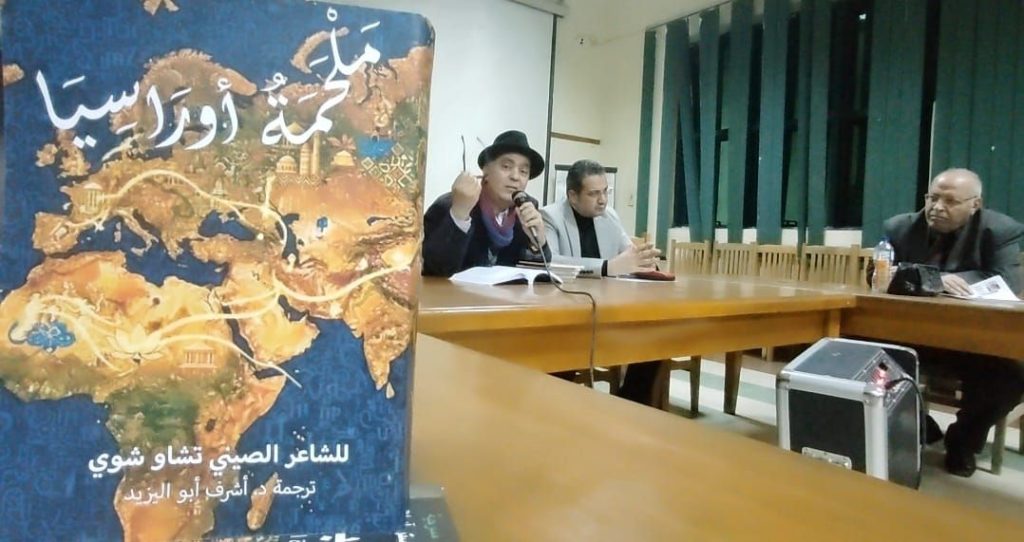 Concluding the discussion of the translated works, Dr. Ashraf Aboul-Yazid spoke about the forthcoming poetic work “The Eurasia Epic” by Chinese poet Cao Shui, scheduled for release later this month. He described it as a representative example of great epic poetry and as inaugurating what he termed “the third current of epics.” The translator read excerpts from the introduction and selected poems, which embodied the author’s journey along the Silk Road, from Xi’an through Xinjiang to the Eurasian continent.
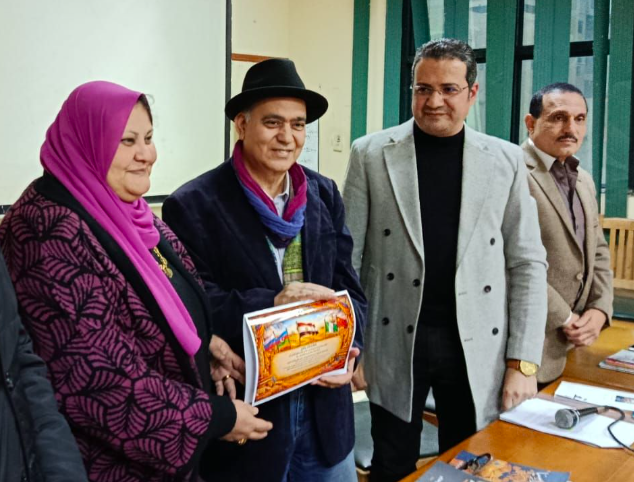
The seminar opened with words of appreciation and the presentation of certificates of participation to the translator, critics, publisher, and the Library’s Director General. It concluded with an open discussion and rich testimonies on translation, the role of the translator, and issues concerning Egyptian and world literature.
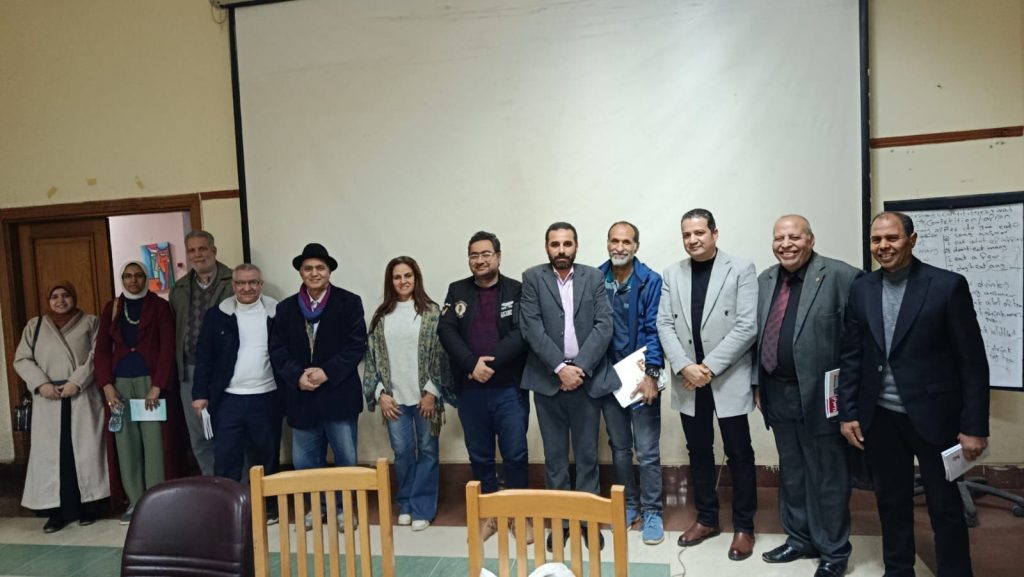 Thus, the seminar “World Literature in an Arabic Voice”, held on the evening of Wednesday, January 21, 2026, at the headquarters of Egypt’s Public Library in Benha, reaffirmed that translation is not merely an intellectual act, but a noble cultural practice that enhances human understanding and reshapes the world into a single language capable of embracing its diversity.
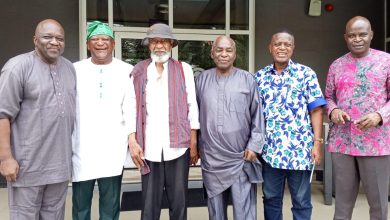
At the conclusion of the seminar, the translator expressed his sincere thanks to the distinguished attendees, appreciating their participation and cultural contributions. These included Ms. Nahla Musallam; Professor Dr. Ahmed Alwani; TV director and writer Fatma Al-Zahraa Hassan; short story writer Seham Abdel-Samie Mahmoud; novelist Mahmoud Qandil; short story writer Ayman Gharib; Mr. Ahmed Aboul-Yazid; novelist and critic Eng. Tarek Abdel Wahab; novelist Fares Ramadan; novelist Dr. Raafat Al-Khouli; Counselor Abdullah Haroun; Dr. Summer Abdel-Moneim Morsi; translator Dr. Ahmed Gamal Abou El-Leil; Dr. Ragab Ragab Ahmed Al-Adawi; Dr. Lamis Ragab Al-Adawi; Dr. Heba Shaaban Abdel-Aziz; short story writer El-Sayed Saeed Allam; poet and publisher Magdy Abou El-Kheir; researcher Heba Maher; and the young reader Zeinab Magdy. He emphasized that their presence greatly enriched the cultural dialogue and deepened the discussion on issues of translation and literature.