
The Specialized Hall, as part of the cultural and intellectual program accompanying the current 57th edition of the Cairo International Book Fair, hosted a seminar titled “The Tatar Folk Tale.” The event was dedicated to discussing The Bride of the Lake and the Golden Comb by the great Tatar poet Abdullah Tuqay, translated into Arabic by the Egyptian writer and translator Dr. Ashraf Aboul-Yazid.
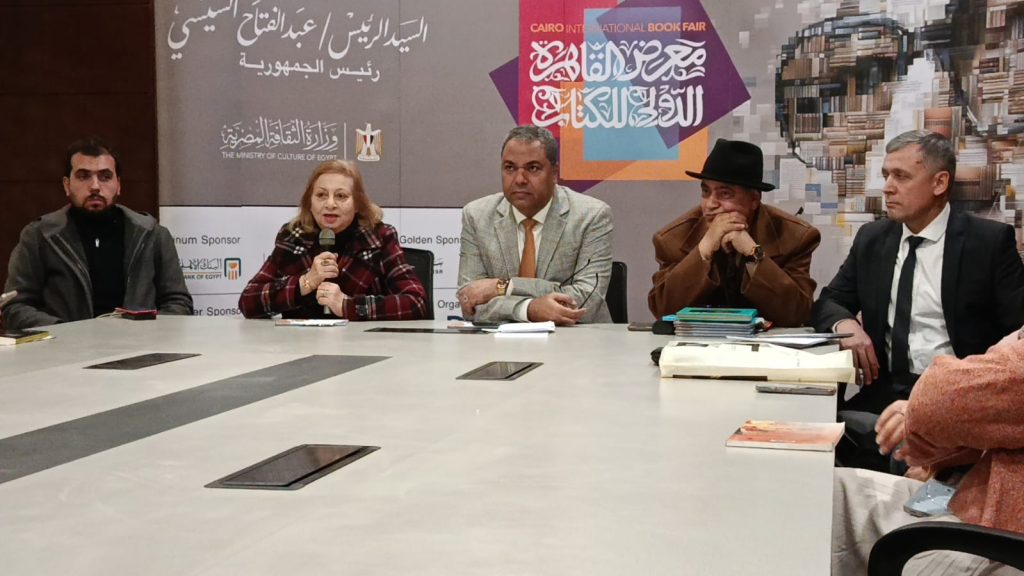 The seminar featured Dr. Makarem El-Ghamry, Professor of Russian Literature and Head of the Slavic Languages Department at the Faculty of Al-Alsun, Ain Shams University; Irek Shamgunov, Head of External Relations at the Strategic Vision Group “Russia–Islamic World”; and Ali Qotb, writer and engineer. The event was attended by members of the Russian community in Cairo.
The discussion was moderated by writer and novelist Ahmed Qurni, who welcomed the audience and emphasized that The Bride of the Lake and the Golden Comb represents an important gateway to understanding cultural convergence between Russia and the Islamic world. He noted that Russian literature has been influenced by and interacted with many literary traditions, including Arabic and Egyptian literature—an influence reflected in the works of several Egyptian writers such as Youssef Idris and others.
Qurni explained that the story is drawn from Tatar folklore and tells the tale of a lake bride who falls in love with a human, leaves her aquatic world, and marries a human prince. The narrative is rendered in a symbolic form carrying deep human and cultural dimensions, reflecting the Tatar society’s vision of the relationship between humanity, nature, and the Other.
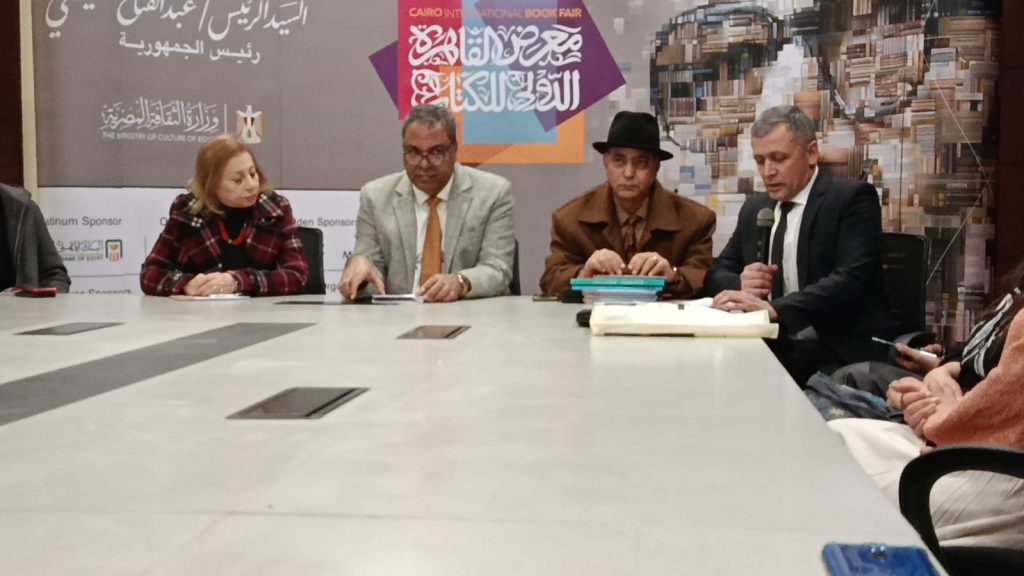 For his part, Irek Shamgunov expressed his pleasure at participating in the Cairo International Book Fair, describing it as the largest book fair in the Middle East and a central platform for cultural dialogue.
Shamgunov stated:
“I would like to express my sincere gratitude for your interest in Tatar literature and in the creativity of Abdullah Tuqay. This attention is the finest appreciation of the importance of our joint work, and we hope that today’s meeting will be a new step toward the mutual enrichment of our cultures.”
He noted that the Strategic Vision Group “Russia–Islamic World” works continuously to strengthen human and cultural ties, emphasizing that Egypt occupies a special place in this process due to its civilizational depth and its spiritual and cultural influence in the Arab and Islamic worlds.
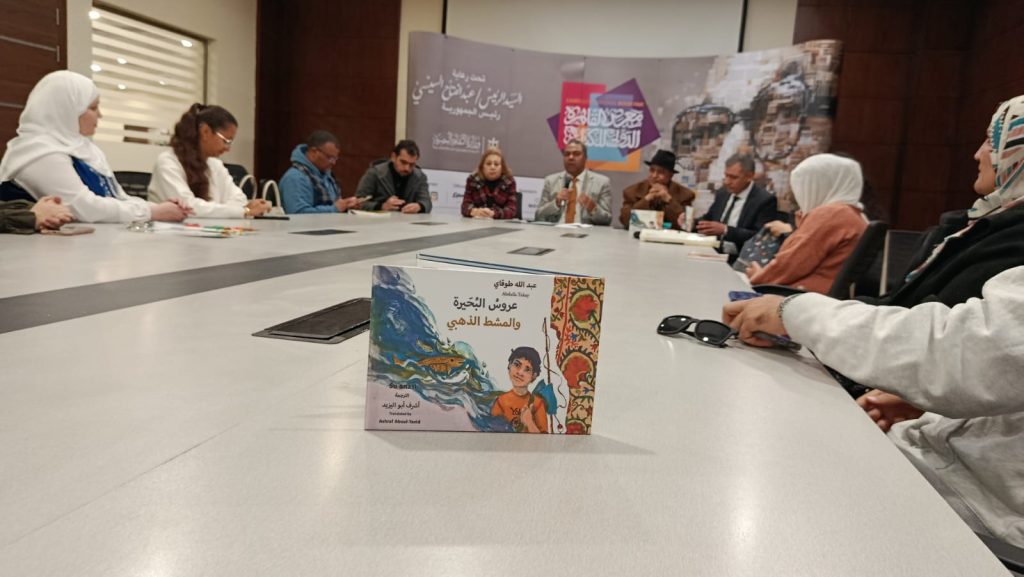 He added that presenting Su Anasi / The Bride of the Lake and the Golden Comb in Arabic would not have been possible without the tireless efforts of the translator Dr. Ashraf Aboul-Yazid, praising his deep interest in Tatar culture and his previous works. He stressed that “the translation of this work will allow the magic of Tuqay’s words to resonate with millions of Arabic-speaking readers.”
Shamgunov described Abdullah Tuqay as “the Pushkin of the Tatars,” noting that next April will mark the celebration of the 140th anniversary of his birth, and added: “Such cultural projects constitute a solid foundation for understanding and friendship among peoples.”
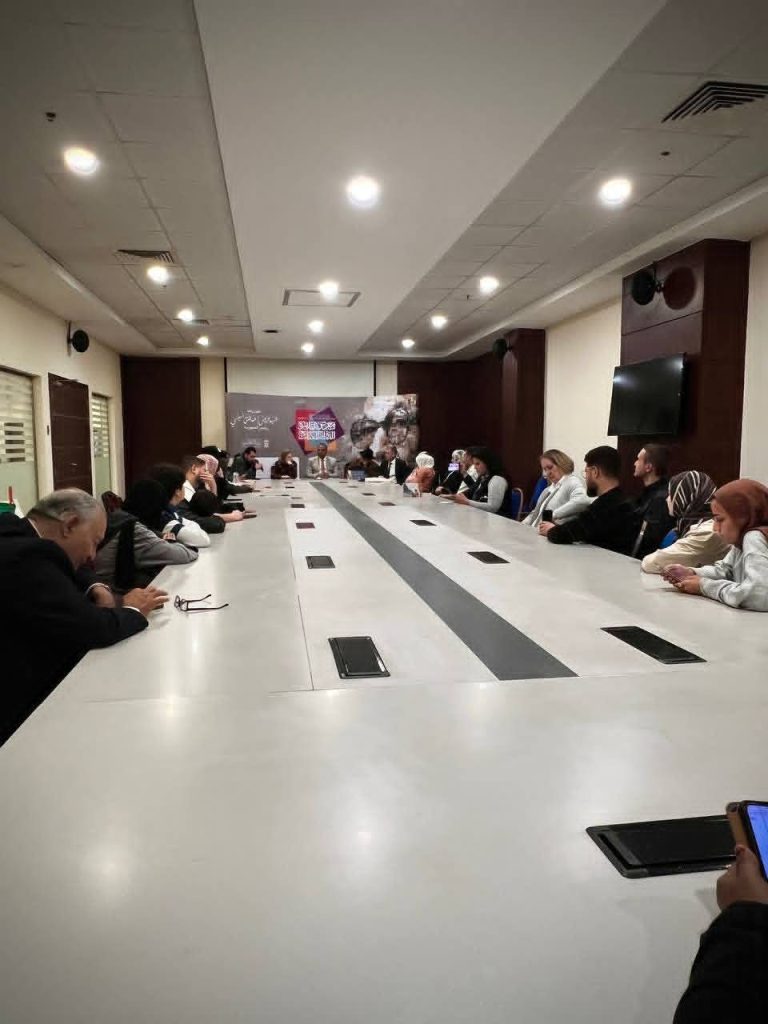 In turn, Dr. Ashraf Aboul-Yazid presented his journey with Tatar culture and literature, revealing that his connection to the works of Abdullah Tuqay stemmed from his conviction of the importance of this literature and its artistic and educational value. He explained that translating the story into Arabic arises from his belief in the role of translation in building bridges of communication between cultures, especially in children’s literature.
He also highlighted Tuqay’s pioneering role—despite having lived only 26 years—in reviving Tatar literature and the Tatar language, making his writings and poetry a model that embodies the strength and uniqueness of this literary tradition.
Dr. Aboul-Yazid has previously translated two works by Abdullah Tuqay: Shurale, which he titled The Tale of the Woodcutter and the Wicked Forest Spirit, and The Goat and the Sheep, which he saw performed as a children’s play during his honoring in Tatarstan—confirming that Tuqay’s works continue to inspire contemporary literature and the arts.
In her intervention, Dr. Makarem El-Ghamry stated that Tatar culture is close to Arab and Islamic culture, noting that this closeness has been reinforced since the 1920s, revealing shared roots and an extended interaction between Russian and Tatar literature on the one hand, and Islamic culture on the other.
She added: “Abdullah Tuqay was influenced by Russian literature, especially the works of Alexander Pushkin, while also drawing on Tatar folk tales and proverbs,” affirming that the story in question reflects his deep belief in the importance of children’s literature and its role in shaping the awareness of new generations.
She continued: “The story carries educational and ethical values, such as respect for the privacy of others, acceptance of difference, and introducing children to diverse civilizational backgrounds—thus contributing to the formation of an open and humane consciousness.”
In his remarks, writer and engineer Ali Qotb affirmed that translating The Bride of the Lake and the Golden Comb represents a model of creative interaction between authorship and translation. He noted that Dr. Ashraf Aboul-Yazid belongs to the generation of the 1990s, which combined modernity with openness to world literature.
Qotb discussed Aboul-Yazid’s creative experience in poetry, fiction, and translation, considering his work in translating children’s literature a major cultural responsibility. He then raised several questions about the role of folk literature in consolidating national identity, how such literature transcends national borders to engage with world literatures, as well as the challenges of translating cultural symbols for children and the differences in their meanings from one culture to another.
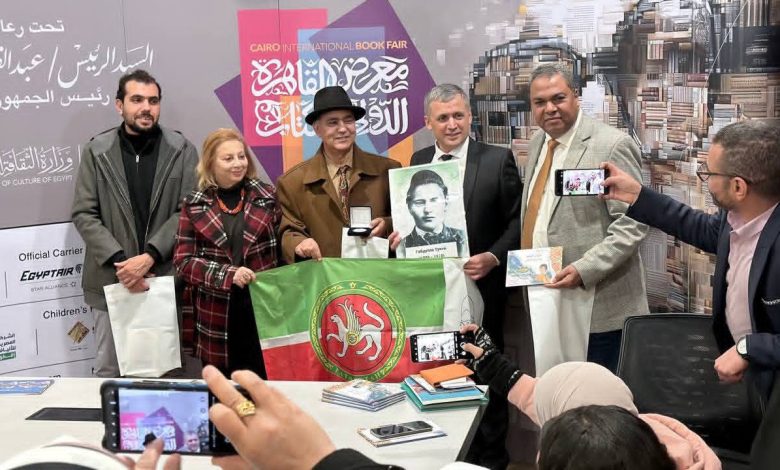
At the conclusion of the seminar—attended by Dr. Ezzat Saad, former Egyptian ambassador to Russia and one of the supporters of the Russia–Islamic World strategic projects in Egypt, along with academics, creatives, members of the Tatar community in Egypt, and media and literary figures such as poet and publisher Magdy Abu El-Kheir and writer and media professional Somaya Abdel Moneim—the importance of such cultural encounters in deepening dialogue among peoples and highlighting literature as a shared space for human connection was emphasized.
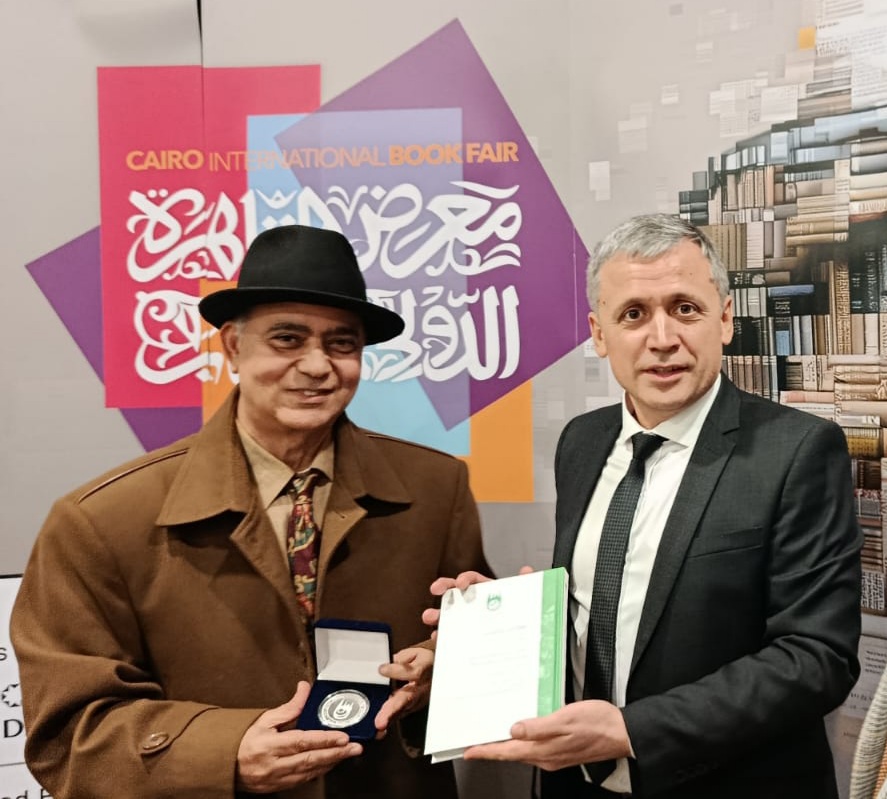
The event concluded with the presentation of a silver medal bearing the name “Russia and the Islamic World” to the translator Dr. Ashraf Aboul-Yazid, in appreciation of his efforts in supporting cultural exchange and reviving Tatar culture in Arabic through the bridges of translation.
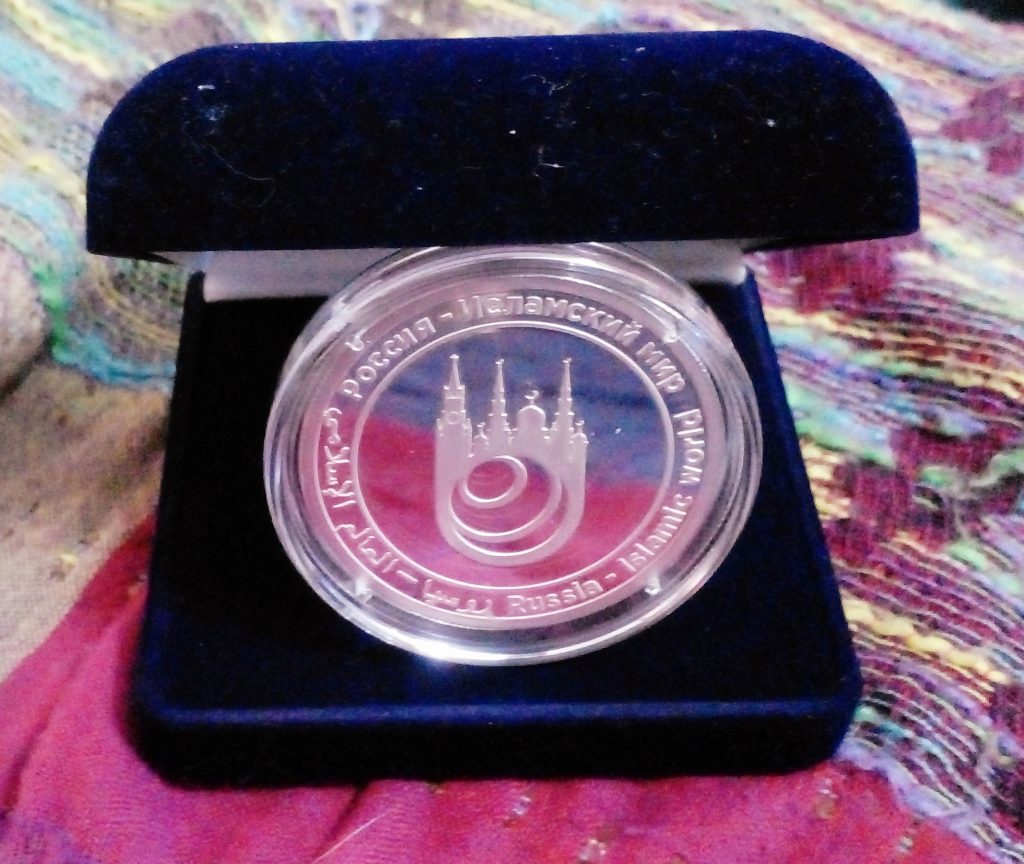 The event concluded with the presentation of a silver medal bearing the name “Russia and the Islamic World” to the translator Dr. Ashraf Aboul-Yazid, in appreciation of his efforts in supporting cultural exchange and reviving Tatar culture in Arabic through the bridges of translation.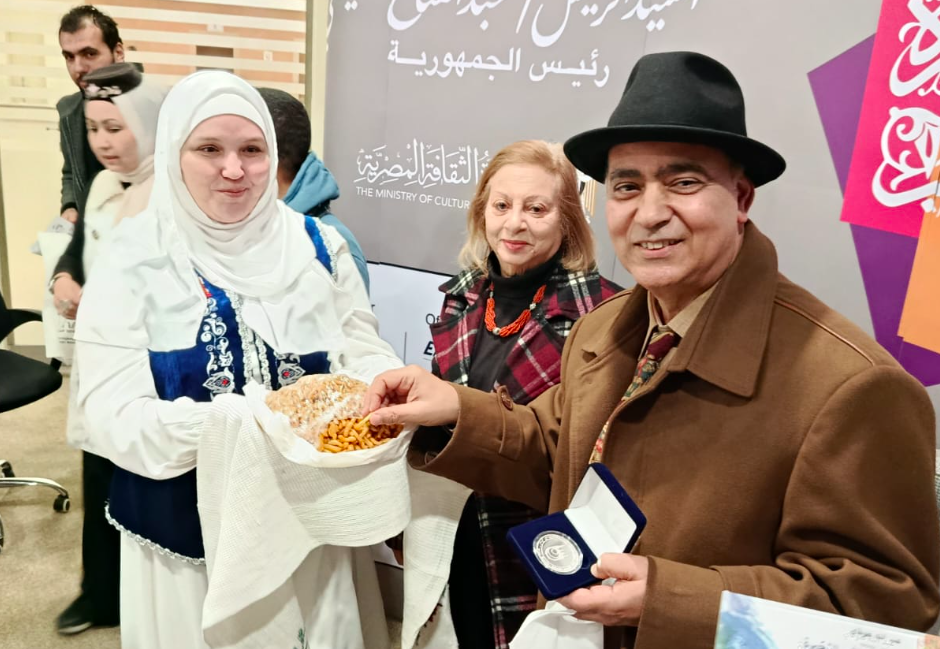
Tatar “chak-chak” sweets in the heart of Cairo were offered by the Tatar community residing in Egypt.