 thesilkroadtoday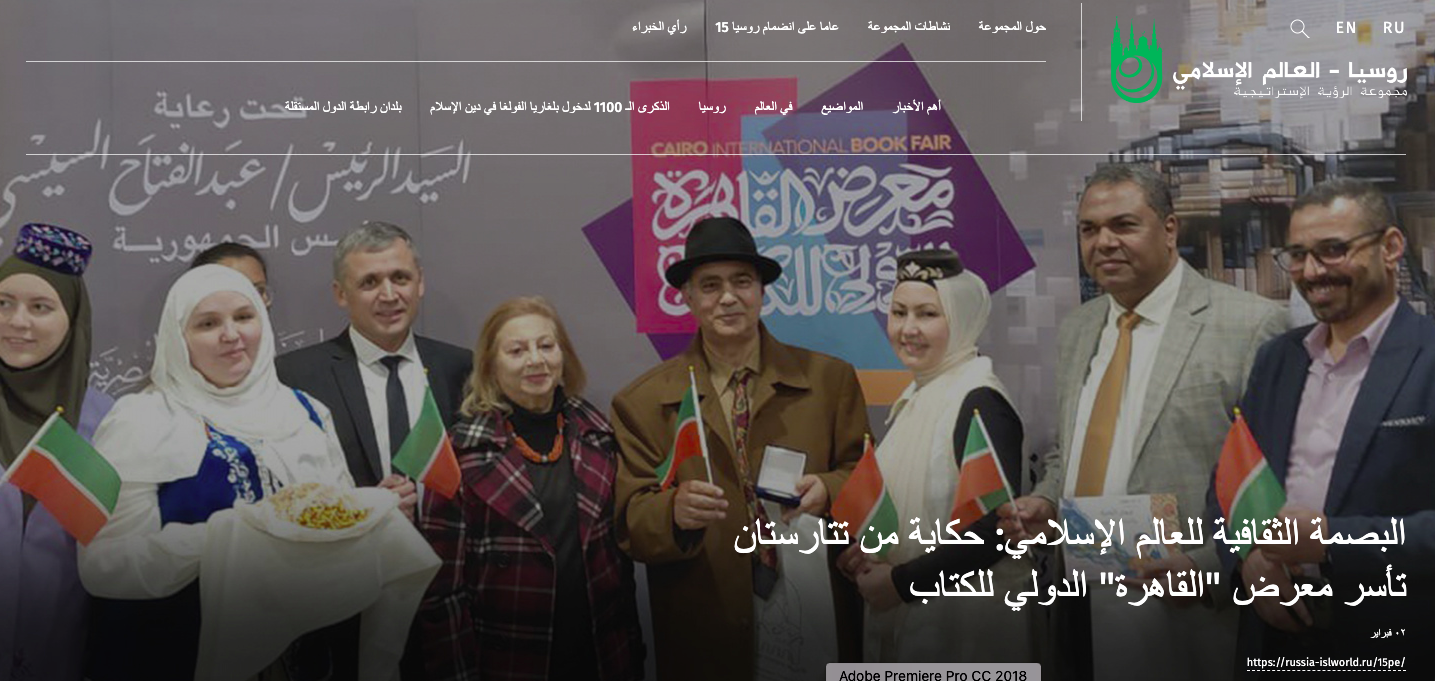
The Strategic Vision Group “Russia – Islamic World” organized a high-level presentation and panel discussion as part of the 57th edition of the Cairo International Book Fair, the most prominent cultural forum in the Middle East.
The event focused on the works of the world-renowned poet and giant of Tatar and Russian literature, Abdullah Tukay. His famous fantasy poem Su Anasy (The Bride of the Lake and the Golden Comb), translated into Arabic by the well-known Egyptian writer and scholar Dr. Ashraf Aboul-Yazid, formed the centerpiece of an in-depth discussion on building bridges of cultural communication.
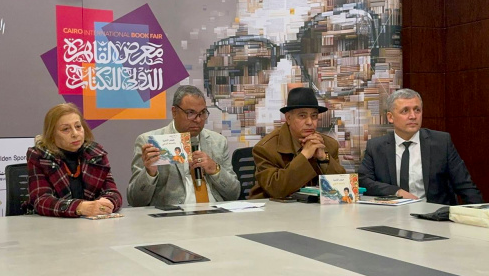 Session moderator Ahmed Qorany noted that such works represent a key gateway to intercultural dialogue, as myths embody timeless metaphors of good and evil, love, and human values. He emphasized that Russian literature has evolved over time through interaction with diverse traditions, including Arab and Egyptian influences—an interaction reflected in the heritage of many Egyptian writers, such as Youssef Idris.
For his part, Eric Shamgunov, Head of External Relations of the Group, stressed the strategic importance of such projects in fostering mutual understanding. He stated: “Your interest in Tatar literature and the works of Abdullah Tukay is the clearest proof of the importance of our joint efforts,” describing Egypt as a major civilizational center. He noted that this presentation follows the Group’s recent success in introducing Chechen poetry to the Arab world, adding: “This translation allows the magic of Tukay’s poetic words to resonate with millions of Arabic-speaking readers.”
During the academic segment of the event, researchers drew comparisons between Tukay and Alexander Pushkin, highlighting how Russian literature influenced classical Tatar literature while the latter remained deeply rooted in Islamic cultural traditions. Dr. Makarem El-Ghamry pointed to the profound affinity between Tatar culture and the Arab-Islamic world, which naturally brings their literatures closer together. Meanwhile, translator Ashraf Aboul-Yazid and writer Ali Qotb discussed the great responsibility inherent in translating children’s literature, which must accurately convey cultural symbols in order to help build an open, global vision for future generations.
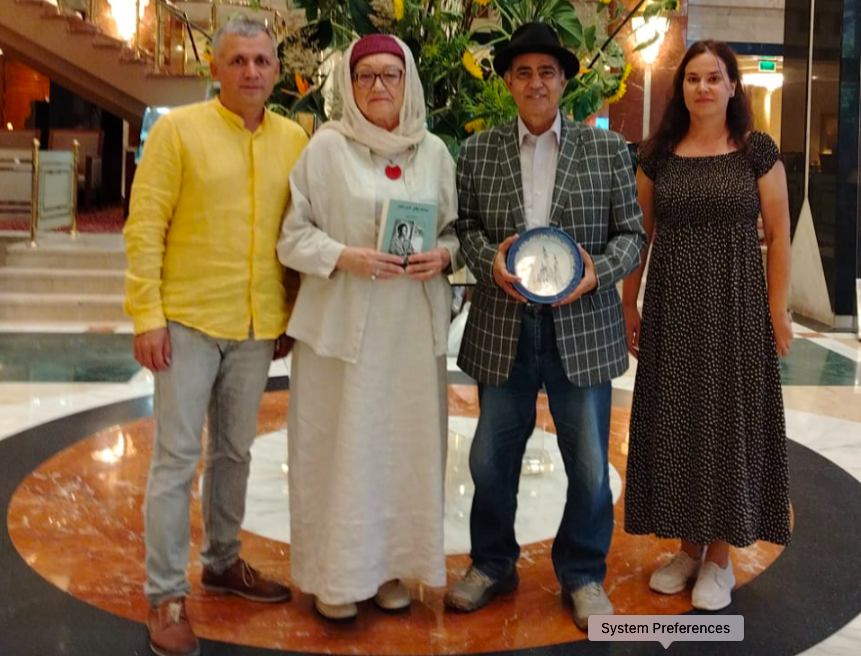
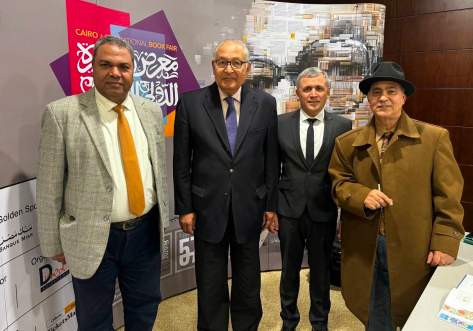 The meeting concluded in the presence of a distinguished group of figures, including Egypt’s former ambassador to Russia and Group member Dr. Ezzat Saad, alongside researchers, artists, members of the Tatar community in Egypt, and media and literary figures such as poet and publisher Magdy Aboul-Kheir. Participants emphasized the importance of such cultural encounters in deepening international dialogue and highlighting literature as a unique space for human communication.
One of the key outcomes of the discussion was the recognition that Abdullah Tukay is not merely a Tatar or Russian poet, but a truly global one. His works—translated into dozens of languages—carry universal values, and their new life in Arabic, as participants noted, is strong evidence of his worldwide stature. The arrival of his fantasy tale into the sphere of Arab literature, crossing borders to become a subject of discussion in the heart of the Arab world, confirms its rightful place in world literature.
In recognition of his efforts in bringing cultures closer together, Dr. Ashraf Aboul-Yazid was awarded the Silver Medal of “Russia – Islamic World” at the conclusion of the seminar. This award embodies the success of this specific project and the Group’s broader strategy: building bridges of friendship between Russia and the Islamic world through the inspiring work of poets and translators.
It is worth noting that the Strategic Vision Group “Russia – Islamic World” was established in 2006 on the initiative of President Vladimir Putin. It was founded by the late Prime Minister Yevgeny Primakov and Mintimer Shaimiev, the first President of the Republic of Tatarstan, and since 2014 has been chaired by the current President of Tatarstan, Rustam Minnikhanov. The Group remains committed to strengthening partnership and constructive dialogue between Russia and Muslim-majority countries through the efforts of prominent diplomats, scholars, and public figures.