
تِكْ تِكْ تَاكْ | جَدَلِيَّةُ السُّكُونِ وَالضَّجِيجِ

طارق العِمراوي

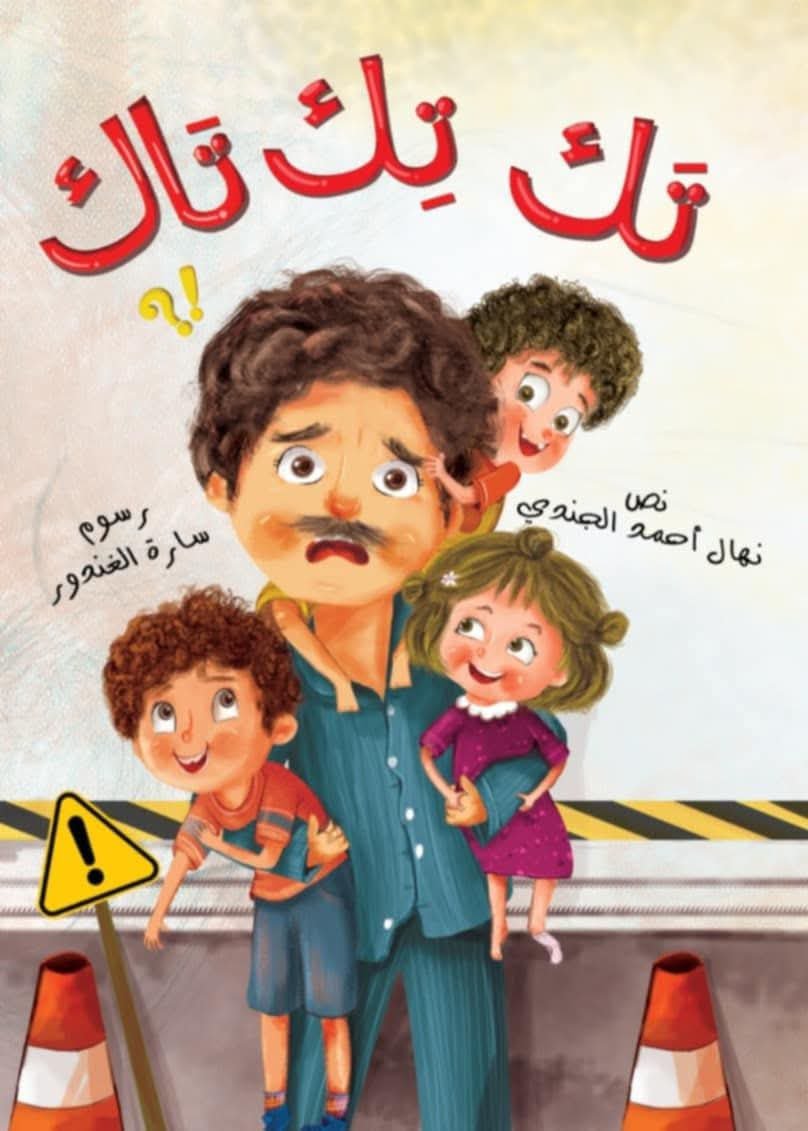
للكاتبةِ نِهال أحمد الجندي سرديّةٌ طريفةٌ تُعانِقُ مُتعةَ الأطفال وتستدعي متابعةَ النُّقّاد. وهذه المُدوَّنة، التي تضمُّ عدّةَ قصصٍ هادفة، تزخرُ بالرَّسائلِ المُتضمَّنة والمفاتيحِ العديدة التي يُمسِكُها الطفلُ ليفتحَ شبابيكَ مُتنوّعةً لموضوعاتٍ مختلفة.

وفي قصّتِها هذه «تِكْ تِكْ تَاكْ»، التي أَمَّنت رسوماتِها المُعبِّرة الفنّانةُ سارة الغندور، تُشاكس الكاتبةُ منذ العنوانِ الطفلَ القارئَ والمتابعَ لهذه المُدوَّنة الجميلة، عبر عنوانٍ يعكسُ صوتًا ويكتبُ حركةً مسموعة. هذا الصوتُ وهذه الحركةُ هما ما سيتساءل عنه الأطفالُ ويتابعونه، مُقترحين أسئلةً عدّة: مَنِ الطارق؟ منزلُ مَن؟ مَن الذي سيفتح الباب؟ وغيرها من الأسئلة التي سيطرحها الطفلُ، ليبحث بدوره عن أجوبته المُحتملة: ماذا سيقترح الكاتبُ هنا؟

فغالبًا ما نجدُ ما نتوقّعه، وأحيانًا أخرى يُقدِّم الكاتبُ أجوبةً لم تكن في متناول مُخيِّلة الطفل–القارئ. وهذه الطَّرَقاتُ الثلاث أقلقت هدوءَ الرسّامِ «الخَال» في بداية القصّة، ثم عاد بطلُ القصّة ليطلبها في الختام. وبين ما يُقلِق ويُمتِع، وبين الرفض والطلب، تتوالى أحداثٌ مشوِّقة بين هدوءٍ وانسجام، يمثّلان أهمَّ ما يطلبه الخالُ الرسّام لإنجاز لوحتِه التي سيُشارك بها في مسابقةٍ قادمة.

وتبرز الفوضى المُرتقَبة عند حلول أبناء أختِه الثلاثة، وقلقُه من تأثير حضورهم في واقعه الهادئ، ليتحوّل إلى واقعٍ مُزعجٍ مفروضٍ عليه بحكم القرابة وظروف الأخت، التي وعدته بأن يكون الهدوء ملازمًا لحياته كما تظنّ أنّها تعرفها؛ فهو حسّاسٌ ويحبّ السكينة بحكم عشقه لريشته وما تفرضه من طقوسٍ خاصة، ومنها حبُّه للطبيعة.

وقد حضر مع النصّ معجمٌ طبيعيٌّ بيئيٌّ يروي العينَ كلونِ الورد، ويُنعش الأنفَ كالريحان، ويُشبع الفمَ ويروي العروقَ ككأسِ النعناع، وتطربُ له الأذنُ بزقزقة العصافير؛ لتكون الطبيعةُ مُلهمته في اختيار موضوعات لوحاتِه التشكيلية. وها هو يختار أن يرسم بجعتين.

لكن حضور الأطفال في البيت وطلباتهم: «أنا جوعان»، «مَن يريد سلطةَ باذنجان؟»، «أريد طاجنَ لحمٍ مُتبَّلًا بالحَبَهان»، واللعب في الصالة وضجيجهم، كما قال النص: «بعد يومٍ طويلٍ من العمل وضجيج الأطفال نام الجميع في طمأنينة»، تُعيد تشكيل إيقاع البيت. وهذه الطمأنينة والهدوء تواصلا بعد توزيع الأدوار والمهام: غسلُ فُرَش التلوين، إعدادُ الغداء، تحضيرُ كأس النعناع، ومن كان مشغولًا بالعبث في كيس الطحين.

«كان يومًا مُزدحمًا، لكنه لطيف، تشارك الجميع فأصبح الحمل خفيفًا». وهكذا تعوّد الأطفال على تحمّل المسؤولية، حتى خارج بيتهم، بل تعلّموا في هذه التجربة الالتزامَ بالتعليمات والنظام، مُستحضرين الوعد الذي قطعته الأمُّ لأخيها بأن يكونوا لطفاء: «أعدك بهدوءٍ واستقرارٍ تام».

لقد جاءت حركةُ النصّ وسكونُه في شكلٍ دائريٍّ لولبيّ: سكونٌ وانسجام، ثم حركةٌ وفوضى وشغب، فهدوءٌ مُقلق بعد عودة الأطفال إلى بيتهم، وأخيرًا طلبٌ لتحريك السكون بحركيّة الأطفال التي افتقدها الفنانُ ومعها الإبداعُ والإلهام. يقول النص: «رغم الهدوء لا يشعر نديم بالانسجام، ورغم الطبيعة من حوله يفتقد شيئًا للإلهام»، فيطلب في رسالةٍ لأخته إعادة إرسال الأطفال إلى بيته.

ومن المعاني المُضافة لعلاقة الحركة بالسكون انعكاسُهما على شخصية الفنان، كما اشتغل النصّ على قيمة العلاقة الأُسرية الممتدّة، حيث تُقضى الحاجات ويُستعان بالأهل قبل الأصدقاء، كما فعلت الأخت. كما أبرز النصّ تأثّر الأطفال بالمحيط عبر إمساكهم الأوراقَ والألوان وفُرَش التلوين للرسم، وتشجيعهم لخالهم كي يستكمل لوحته.

وأخيرًا، يبرز التقديرُ الرمزيُّ والنفسيُّ الواجب في تعاملنا مع الأطفال خلال حراكهم داخل البيت أو خارجه، إذ قال لأخته: «سأرسم لوحةً جديدة وأحتاج رأيهم في الاختيار». ومعه انتصاره لسماع «تِكْ تِكْ تَاكْ» مرةً أخرى، بعد أن كانت مرفوضةً مُقلقةً لهدوئه، لتصبح الآن مطلوبة، وكأسُ النعناع بيد رؤوف.

كما قالت اللوحاتُ التشكيلية الكثيرَ فنيًّا، لكن الطفل يقرؤها كمتنٍ سرديٍّ جميل: ورودُ شرفة الخال، جهازُ الراديو القديم وألحانُ ذلك الجيل، المسكنُ الريفيّ ليستمتع الفنان بالمناظر الطبيعية الخلّابة، السياجُ الخشبي، الطاولةُ الخشبية، الجرارُ الفخارية، الساعةُ القديمة بجانب سريره، الحنفية، المكتبةُ المنزلية… كلّها تفاصيلُ أسهمت في إثراء المتن القصصي لهذه السردية الطريفة. كما اشتغلت الكاتبة على العدد ثلاثة، وهو عددٌ يتكرّر في قصص الأطفال لطابعه الخرافي والأسطوري.

إن نصّ «تِكْ تِكْ تَاكْ» للكاتبة المقتدرة نِهال أحمد الجندي حملته أفكارُها التي أحسنت بسطها وتقديمها في طبقٍ إبداعيٍّ متنوّع، جمع بين متعة الهدوء والسكينة والضجيج المُستحب، وتقدير الأطفال وتحميلهم المسؤولية منذ الصغر، وتدريبهم على الالتزام بالتعليمات، بلغةٍ سلسة راعت مستواهم الحسّي الحركي والمعرفي.

Related Posts

A Look at Alfred Nyagaka Nyamwange’s Collection of Books

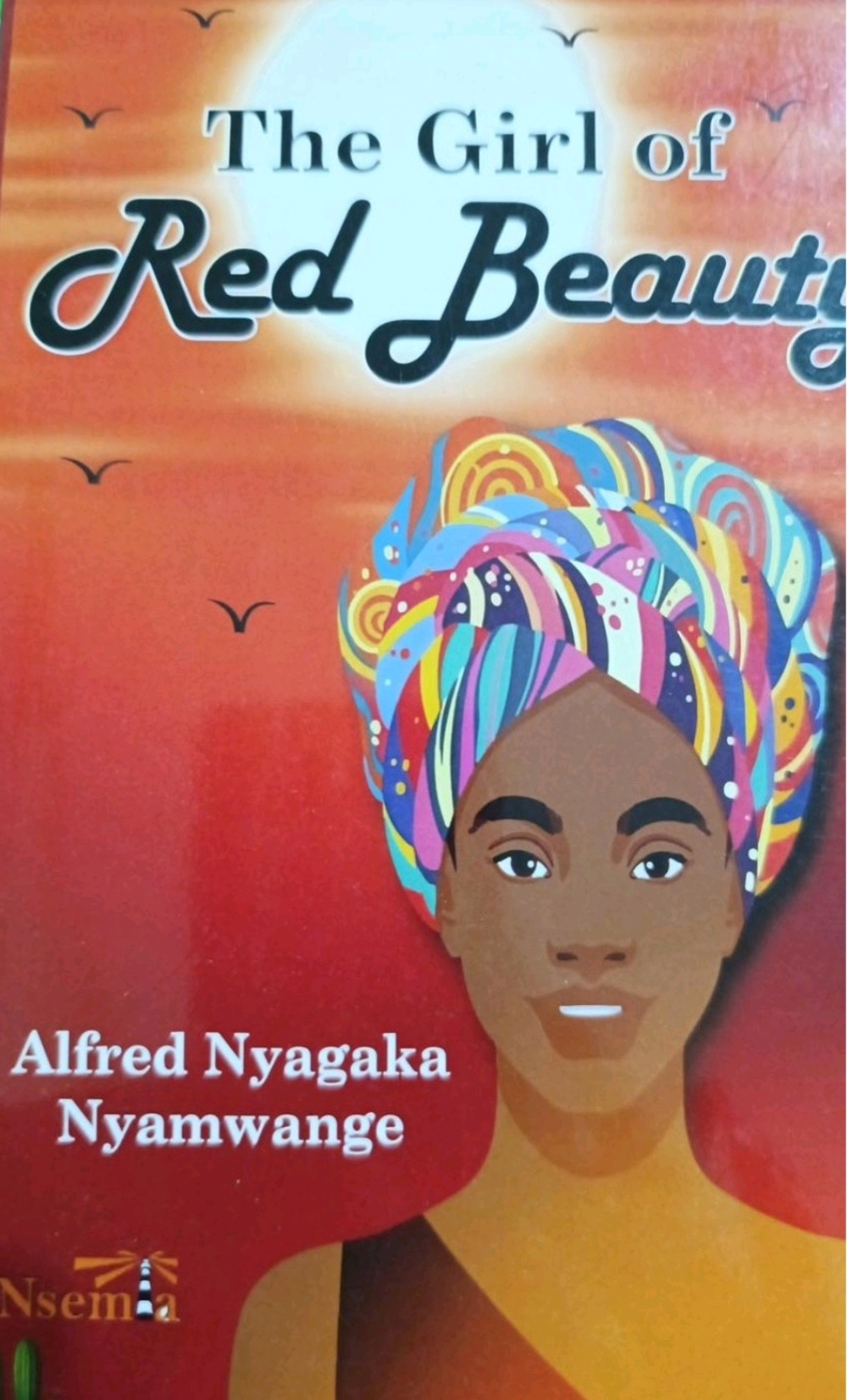
  THE GIRL OF RED BEAUTY  What does it mean to belong to a people, and how can a community preserve its identity when the voices of its ancestors begin to fade beneath the pressures of modernity? In The Girl of Red Beauty, Alfred Nyagaka Nyamwange invites readers into the cultural universe of the AbaGusii through a sustained poetic engagement with the community’s oral traditions, beliefs, social practices and philosophies. Presented in thirteen chapters of verse, the work draws upon songs, proverbs, sayings, stories, play games and the rhythms of everyday life in the Gusii highlands. Its poetic world follows the human journey from birth and childhood through initiation and marriage to old age and death. Along the way, it evokes relationships between individuals, families, the land, the ancestors and the divine. The girl at the centre of the work becomes a poetic point of entry into a much wider cultural landscape: a world shaped by communal memory, inherited wisdom, social expectations and changing relationships. The collection is distinctive in its creative negotiation between written poetry and African orature. Its language draws on indigenous expressions and direct translations from EkeGusii, bringing local imagery and proverbial thought into English. Songs, performance rhythms and the imagined presence of the lyre and drum give the written verse an oral energy, inviting readers not merely to observe the culture but to hear, sing and imaginatively participate in it. The Girl of Red Beauty is both a literary work and an act of cultural remembrance. It does not present tradition as a museum piece; rather, it opens a space for considering cultural continuity, the tensions between inherited practices and contemporary life, and the responsibility of transmitting indigenous knowledge to future generations. Rooted in Gusii experience yet attentive to wider questions of identity and belonging, the book offers international readers an encounter with the imaginative resources of an African community. A poetic celebration of identity, a preservation of memory and an invitation to return to the living sources of cultural knowledge. THE FOOTFALLS OF MY HEART  Love may begin with attraction, but in a traditional community its consequences reach far beyond two individuals. In The Footfalls of My Heart, Alfred Nyagaka Nyamwange presents a narrative poem that explores courtship and marriage in the cultural world of the AbaGusii, giving particular prominence to the voice, perspective and agency of the bride. The poem centres on Gechemba and Rimura. Rimura is a celebrated warrior and prospective groom whose reputation, strength and determination do not automatically guarantee success in love. Gechemba is a young woman who observes, questions, teases and responds to the man seeking her affection. Through her perspective, the reader encounters the emotional play of attraction, hesitation, playful resistance and growing attachment. The courtship becomes a spirited exchange in which wit and persuasion matter alongside status and material wealth. Beyond the romantic encounter, the work traces the social processes through which marriage connects families and lineages. It evokes the meeting between prospective partners, family introductions, negotiations over bride wealth, preparations, marriage rituals, songs, communal celebrations and the incorporation of the bride into a new household. Cattle and other forms of bride wealth carry meanings that extend beyond payment: they express commitment and create networks of relationships between families. The poem is rich in EkeGusii expressions, proverbs, indigenous imagery, humour and the rhythms of oral performance. It draws on cultural memory while allowing readers to consider the values and tensions embedded in marriage practices. The bride’s voice is especially important: she is not simply an object of pursuit but a participant whose response, judgement and choice shape the unfolding relationship. As a companion to The Girl of Red Beauty, this work extends Nyamwange’s poetic exploration of Gusii cultural life. Where the earlier poem approaches the community through a girl’s growth and the wider cycle of life, The Footfalls of My Heart foregrounds the woman’s perspective in the journey towards marriage and family continuity. A warrior pursues; a woman responds and chooses; families negotiate; a community gathers. The Footfalls of My Heart is a poetic exploration of love as both an intimate emotion and a communal bond. THE BROKEN COLUMN  What happens when a society’s established ways of life encounter forces that challenge its institutions, beliefs and sense of identity? The Broken Column by Alfred Nyagaka Nyamwange is a historical and cultural novel set in the world of the AbaGusii, tracing the experiences of a warrior and the wider transformations of his community. At the centre of the narrative is Okeyo, a young man renowned for courage, physical strength and exceptional skill. His reputation as a warrior places him within a social order that values protection, honour, responsibility and service to the community. Yet Okeyo’s life is not a simple succession of heroic achievements. His relationships, personal struggles, choices and encounters with adversity expose the vulnerabilities beneath the public image of the fearless warrior. His destiny is shaped by the demands of his calling and by the changing circumstances of the society around him. The novel evokes a community organised through kinship, village life, ancestral expectations, warrior traditions and collective obligations. Its landscape is not merely a backdrop: it is a lived environment in which cattle, homesteads, social relations and communal security carry cultural significance. Okeyo’s experiences intersect with those of other people, particularly the women whose presence and decisions influence his path. A profound historical change gathers around this personal story. The arrival of foreign authority, missionary Christianity and colonial power unsettles the foundations of the community. Established loyalties are questioned; inherited practices encounter new religious and political claims; and individuals must negotiate the competing demands of continuity, resistance and accommodation. The meaning of courage itself becomes uncertain as the society confronts a future it cannot fully control. The Broken Column therefore operates on two connected levels: it is the story of a man whose life contains both achievement and vulnerability, and the story of a people experiencing a difficult historical transition. Through its engagement with masculinity, identity, power, faith, tradition and colonial encounter, the novel invites readers to consider what happens when the structures that sustain a community begin to fracture.…

Dance in Silence, Poem by Anwar Rahim

They speak without a sound Their steps upon the ground No music needs to play Their hearts still find the way Two shadows in the light They hold each other…

اترك تعليقاً

لن يتم نشر عنوان بريدك الإلكتروني. الحقول الإلزامية مشار إليها بـ *