Trending News:THE ROAR OF SILENCEالإعلان عن الجوائز الشعرية في مهرجان طريق الحرير الدولي السادسThe 6th Silk Road International Poetry Festival List of Awards6th Silk Road International Poetry Festival to Honor Poets and Celebrate Cultural Dialogue in Almatyملك الراي ينتصر للفن… وينتصر على الطقس في قرطاجعصفورة الكاف تغرد في افتتاح مهرجان بنزرتفي افتتاح مهرجان قرطاج: نوبة سيدي منصور المعدلة تعانق مناجاة الراي الصوفيةقلعة الزئير … حديث الاحتلال والمقاومةمجلة شعراء العالم (العدد الخاص بآسيا الوسطى) ظلال الجِمال على طريق الحريرGlobal Poets Magazine (Special Central Asia Issue): Camel Shadows on the Silk Roadالكشف عن الأوسمة والشهادات الجديدة لحركة الشعر العظيمNew Medals and Certificates for the Grand Poetic Movementكازاخستان تستضيف المؤتمر العالمي لقراءات شعرية من أجل السلامWorld Peace Poetry Recitation Congress to Convene in Kazakhstanالإفتاء بين سلطة النص وحركة التاريخ: قراءة في كتاب “الإفتاء والتاريخ” لأحمد التوفيقالكونية الروسية… الذاكرة: جديد الشاعرة ألكسندرا أوتشيروفا Russian Cosmism… Memory: A New Poetry Collection by Alexandra OchirovaWale Okediran’s TENANTS OF THE HOUSE Directed by Kunle Afolayan, Heads to African Indigenous Language Film Festival (AILFF) 2026 in Benin Republic.زيد والنملة … العلاقات والدروس WPA in Moscow: Charles de Gaulle and the Spirit of Dialogueجمعية شعوب العالم في الجامعة الأردنية: تعزيز التعاون الأكاديمي والاستعداد للقمة العامة للعالم العربيThe University of Jordan expressed its Readiness to Participate in the World Public Summit: Arab WorldOne Continent, Many Voices: PAWA President’s Historic West African Tourلا تغضب يا نعمان …الإشكال : الملابسات والحلول من الوثيقة إلى الدلالة: قراءة في إبستمولوجيا الكتابة التاريخية عند أحمد التوفيقوكانت البداية عبوراً (قصيدة للشاعرة اللبنانية ريتا نجيب نفاع)إيطاليا… حيث يصبح الشعر وطنًا | الرحلة الأدبية لإسماعيل دياديه حيدرةعش العصافير وقلب الصياد … وحديث الأم وعالم المفاهيم پیشوا کاکائي: هُنا وَ هُناك، نَحْنُ عاشقان نَديّان وَ مَغْمورانEXCLUSIVE INTERVIEW | MARGARITA AL: POETRY IS THE BEGINNING OF EVERYTHING“صندوق أجدادي” … أسراره وعوالمهد. حنان عواد تكتب: حسام حسن … رجولة لا تنحني!WHAT THE WORLD CAN LEARN FROM THE 36TH MEDELLÍN INTERNATIONAL POETRY FESTIVAL“Come Visit Me in My Dreams”: Cristina Somma’s Farewell to the Poet of Naplesإدجار موران… رحلة البحث عن الإنسانThe Bibliotheca Alexandrina: When the Book Meets Civilization and Heritage Becomes a Dialogue with the FutureFarewell to Luciano Somma… When the Man Who Made Poetry a Homeland Departsإيطاليا تودّع شاعر نابوليتكريم الدكتور أشرف أبو اليزيد في قصر ثقافة بنها… عودة شاعر إلى منبع الحلمDr. Ashraf Aboul-Yazid Honored at Benha Culture Palace: A Poet Returns to the Wellspring of His Dreamsفي الدفاع عن الشعراء | قصيدة للشاعر نيلس هافمؤتمر الصحفيين الأفارقة يدين تصاعد الاعتداءات على حرية الصحافة في أفريقياCongress of African Journalists Condemns Rising Attacks on Press Freedom Across AfricaPoetry Ignites the Soul: Margarita Al Celebrates the Spirit of the 36th Medellín International Poetry FestivalPoetry as a Bridge of Compassion at the Medellín International Poetry Festivalملصقات إديث بياف بين شجون الصوت ووجع اللونمهرجان أفلام السعودية في دورته الـ12: حضورٌ عالمي ونجاحٌ يحتذى بهUn Viaggio che Diventa Civiltà: Il Progetto della Via della Seta del Dr. Ashraf Aboul-Yazidسَيَٲتي صَبّاح … قصيدتان للشاعر بيشوا كاكيПутешествие реки в пути: жизненный путь доктора Ашрафа Абуль-Язида и культурный проект «Шёлковый путь»رحلة نهرٍ على سفر جسّدتها سيرة الدكتور أشرف أبو اليزيد ومشروعه الثقافي “طريق الحرير”A River’s Journey in Motion: Dr. Ashraf Aboul-Yazid’s Life and the Silk Road Cultural ProjectMedellín International Poetry Festival 2025–2026: Poetry as Resistance, Solidarity, and Human RenewalMargarita Al: Medellín’s Motto “Toward the Human Spring” Is a Call to Build the Future Through PoetryNPP Rises From Division: “The Party You Once Knew Is No Longer The Party We Have Today”World Assembly of Peoples and the World Organization of Writers Become Partners of the 36th Medellín International Poetry Festival مبادرة «تداول حقوق الأعمال الأدبية» ضمن معرض الاقتصاد الإبداعي لمشرق أفريقيا 2026Trading in Rights for Literary Storytellers in Mashariki Creative Economy Expo 2026جغرافيا الروح: الإنسان والمقاومة في سرديات العباس باجيروف وأشرف أبو اليزيدChinese Poetry and Colombian Verse Meet at the 36th Medellín International Poetry FestivalThe Geography of the Soul: Humanity and Resistance in the Fiction of Al-Abbas and Ashraf Daliصوتٌ فوق الزمن: مارجريتا آل تكتب عن الدورة السادسة والثلاثين لمهرجان ميديين الدولي للشعر«سلاف الثقافية» في عددها العشرين: بين مونديال المال وملاحم الذاكرة الإنسانيةشاعران عربيان في أنطولوجيا منغولية!Motherland: A Global Anthology Celebrating the Poetic Heritage of the Mongolian Worldمن القصيدة إلى الشاشة: كيف وجدت قصيدة «قطار يعبر الصحراء» لأشرف أبو اليزيد حياة جديدة في السينماFrom Poem to Screen: How Ashraf Aboul-Yazid’s “A Train Crosses the Desert” Found a New Life in CinemaLiberia 2029: Why George Weah and Jewel Howard-Taylor Should Rescue LiberiaNext Recital Celebrates International Voices in Poetry and CinemaPoetry as a Space of Freedom: Mexico City Hosts the IX International Poetry Festival “En el Lugar de los Escudos”Hong Kong Literature and Art Strengthens Its Global Literary Presence with an International Editorial and Advisory NetworkKazan Opens International Call for Film Projects at the XXII Altyn Minbar Film Festivalإذاعة الدهماني تستضيف الكاتب والشاعر التونسي محمد الشارنيالشاعرة بونه ندائي تكتب من طهران: حتى يحلَّ الليلArt and Nature Unite in Mexico’s “Echoes of the Desert” Exhibitionحيدرة، الشاعر والفيلسوف، يروي أرضه والمنفى في «تيبراي»Haïdara, Poet and Philosopher, Tells of His Homeland and Exile in TebraeLiterature, Culture, and Heritage Take Center Stage at the 4th International Minangkabau Literary Festival in West Sumatraالشعر والذاكرة والمخطوطات: إسماعيل ديادي حيدرة يحمل روح تمبكتو إلى ساليرنوPoetry, Memory and Manuscripts: Ismaël Diadié Haïdara Brings the Spirit of Timbuktu to Salernoشعر العالم يجتمع افتراضياً في مكسيكو سيتي لمواجهة «زمن اللايقين»Pan-African Writers Association Announces First Longlist for PAWA Poetry Competition 2026Mexico City: World Poets Unite for Peace at the IX International Poetry Festivalصالون دار المعارف الثقافي يحتفي بالمؤرخ المصري الكبير الدكتور أحمد زكريا الشلقنبوءة نَبْض… حين تحوّل الشعر إلى احتفال بالحياة في بعقلينSpotlight on St. Mary’s SHS Entertainment Prefect: Nutifafa Dela Ahiaworالقليوبية تحتفي بأدب الطفل في ملتقى «المصطلح والمفهوم»طبعة ثالثة لرواية “كوم الخادم” للكاتب عبدالعليم حريص: ملحمة غرائبية في القرى المصريةCAJ International Magazine: Africa at the Crossroads of Resilience and RenewalCongress of African Journalists Calls for Urgent Action on Nigeria’s Security CrisisMargarita Al Announces Latin American Poetry Tour Across Brazil and ColombiaFrom Earth to Eternity: A Literary Bridge Through His Pen غريد الشيخ تكتب: قفا نبك من ذكرى واي فاي!د. أشرف أبو اليزيد «مع السامر» على شاشة الفضائية المصرية: الأدب جسرٌ بين الحضارات وطريق الحرير مشروعٌ للإنسانيةDr. Ashraf Aboul-Yazid on Ma’a Al-Samer on Egyptian Satellite TV: Literature as a Bridge Between Civilizations and the Silk Road as a Project for Humanity«100 книг авторов» — культурный проект под кураторством Джойи Ломасти и Эмануэле Маркуччо100 كتاب لمائة مؤلف – مشروع ثقافي تدشنه جيويا لوماستي وإيمانويل ماركوتشوThe Cultural Project “100 Libri d’Autore”, Launched by Gioia Lomasti and Emanuele MarcuccioAshraf Aboul-Yazid’s Poetry Collection in Russian Presented to the National Library of Brazilإهداء ديوان أشرف أبو اليزيد باللغة الروسية إلى المكتبة الوطنية البرازيلية
Trending News:THE ROAR OF SILENCEالإعلان عن الجوائز الشعرية في مهرجان طريق الحرير الدولي السادسThe 6th Silk Road International Poetry Festival List of Awards6th Silk Road International Poetry Festival to Honor Poets and Celebrate Cultural Dialogue in Almatyملك الراي ينتصر للفن… وينتصر على الطقس في قرطاجعصفورة الكاف تغرد في افتتاح مهرجان بنزرتفي افتتاح مهرجان قرطاج: نوبة سيدي منصور المعدلة تعانق مناجاة الراي الصوفيةقلعة الزئير … حديث الاحتلال والمقاومةمجلة شعراء العالم (العدد الخاص بآسيا الوسطى) ظلال الجِمال على طريق الحريرGlobal Poets Magazine (Special Central Asia Issue): Camel Shadows on the Silk Roadالكشف عن الأوسمة والشهادات الجديدة لحركة الشعر العظيمNew Medals and Certificates for the Grand Poetic Movementكازاخستان تستضيف المؤتمر العالمي لقراءات شعرية من أجل السلامWorld Peace Poetry Recitation Congress to Convene in Kazakhstanالإفتاء بين سلطة النص وحركة التاريخ: قراءة في كتاب “الإفتاء والتاريخ” لأحمد التوفيقالكونية الروسية… الذاكرة: جديد الشاعرة ألكسندرا أوتشيروفا Russian Cosmism… Memory: A New Poetry Collection by Alexandra OchirovaWale Okediran’s TENANTS OF THE HOUSE Directed by Kunle Afolayan, Heads to African Indigenous Language Film Festival (AILFF) 2026 in Benin Republic.زيد والنملة … العلاقات والدروس WPA in Moscow: Charles de Gaulle and the Spirit of Dialogueجمعية شعوب العالم في الجامعة الأردنية: تعزيز التعاون الأكاديمي والاستعداد للقمة العامة للعالم العربيThe University of Jordan expressed its Readiness to Participate in the World Public Summit: Arab WorldOne Continent, Many Voices: PAWA President’s Historic West African Tourلا تغضب يا نعمان …الإشكال : الملابسات والحلول من الوثيقة إلى الدلالة: قراءة في إبستمولوجيا الكتابة التاريخية عند أحمد التوفيقوكانت البداية عبوراً (قصيدة للشاعرة اللبنانية ريتا نجيب نفاع)إيطاليا… حيث يصبح الشعر وطنًا | الرحلة الأدبية لإسماعيل دياديه حيدرةعش العصافير وقلب الصياد … وحديث الأم وعالم المفاهيم پیشوا کاکائي: هُنا وَ هُناك، نَحْنُ عاشقان نَديّان وَ مَغْمورانEXCLUSIVE INTERVIEW | MARGARITA AL: POETRY IS THE BEGINNING OF EVERYTHING“صندوق أجدادي” … أسراره وعوالمهد. حنان عواد تكتب: حسام حسن … رجولة لا تنحني!WHAT THE WORLD CAN LEARN FROM THE 36TH MEDELLÍN INTERNATIONAL POETRY FESTIVAL“Come Visit Me in My Dreams”: Cristina Somma’s Farewell to the Poet of Naplesإدجار موران… رحلة البحث عن الإنسانThe Bibliotheca Alexandrina: When the Book Meets Civilization and Heritage Becomes a Dialogue with the FutureFarewell to Luciano Somma… When the Man Who Made Poetry a Homeland Departsإيطاليا تودّع شاعر نابوليتكريم الدكتور أشرف أبو اليزيد في قصر ثقافة بنها… عودة شاعر إلى منبع الحلمDr. Ashraf Aboul-Yazid Honored at Benha Culture Palace: A Poet Returns to the Wellspring of His Dreamsفي الدفاع عن الشعراء | قصيدة للشاعر نيلس هافمؤتمر الصحفيين الأفارقة يدين تصاعد الاعتداءات على حرية الصحافة في أفريقياCongress of African Journalists Condemns Rising Attacks on Press Freedom Across AfricaPoetry Ignites the Soul: Margarita Al Celebrates the Spirit of the 36th Medellín International Poetry FestivalPoetry as a Bridge of Compassion at the Medellín International Poetry Festivalملصقات إديث بياف بين شجون الصوت ووجع اللونمهرجان أفلام السعودية في دورته الـ12: حضورٌ عالمي ونجاحٌ يحتذى بهUn Viaggio che Diventa Civiltà: Il Progetto della Via della Seta del Dr. Ashraf Aboul-Yazidسَيَٲتي صَبّاح … قصيدتان للشاعر بيشوا كاكيПутешествие реки в пути: жизненный путь доктора Ашрафа Абуль-Язида и культурный проект «Шёлковый путь»رحلة نهرٍ على سفر جسّدتها سيرة الدكتور أشرف أبو اليزيد ومشروعه الثقافي “طريق الحرير”A River’s Journey in Motion: Dr. Ashraf Aboul-Yazid’s Life and the Silk Road Cultural ProjectMedellín International Poetry Festival 2025–2026: Poetry as Resistance, Solidarity, and Human RenewalMargarita Al: Medellín’s Motto “Toward the Human Spring” Is a Call to Build the Future Through PoetryNPP Rises From Division: “The Party You Once Knew Is No Longer The Party We Have Today”World Assembly of Peoples and the World Organization of Writers Become Partners of the 36th Medellín International Poetry Festival مبادرة «تداول حقوق الأعمال الأدبية» ضمن معرض الاقتصاد الإبداعي لمشرق أفريقيا 2026Trading in Rights for Literary Storytellers in Mashariki Creative Economy Expo 2026جغرافيا الروح: الإنسان والمقاومة في سرديات العباس باجيروف وأشرف أبو اليزيدChinese Poetry and Colombian Verse Meet at the 36th Medellín International Poetry FestivalThe Geography of the Soul: Humanity and Resistance in the Fiction of Al-Abbas and Ashraf Daliصوتٌ فوق الزمن: مارجريتا آل تكتب عن الدورة السادسة والثلاثين لمهرجان ميديين الدولي للشعر«سلاف الثقافية» في عددها العشرين: بين مونديال المال وملاحم الذاكرة الإنسانيةشاعران عربيان في أنطولوجيا منغولية!Motherland: A Global Anthology Celebrating the Poetic Heritage of the Mongolian Worldمن القصيدة إلى الشاشة: كيف وجدت قصيدة «قطار يعبر الصحراء» لأشرف أبو اليزيد حياة جديدة في السينماFrom Poem to Screen: How Ashraf Aboul-Yazid’s “A Train Crosses the Desert” Found a New Life in CinemaLiberia 2029: Why George Weah and Jewel Howard-Taylor Should Rescue LiberiaNext Recital Celebrates International Voices in Poetry and CinemaPoetry as a Space of Freedom: Mexico City Hosts the IX International Poetry Festival “En el Lugar de los Escudos”Hong Kong Literature and Art Strengthens Its Global Literary Presence with an International Editorial and Advisory NetworkKazan Opens International Call for Film Projects at the XXII Altyn Minbar Film Festivalإذاعة الدهماني تستضيف الكاتب والشاعر التونسي محمد الشارنيالشاعرة بونه ندائي تكتب من طهران: حتى يحلَّ الليلArt and Nature Unite in Mexico’s “Echoes of the Desert” Exhibitionحيدرة، الشاعر والفيلسوف، يروي أرضه والمنفى في «تيبراي»Haïdara, Poet and Philosopher, Tells of His Homeland and Exile in TebraeLiterature, Culture, and Heritage Take Center Stage at the 4th International Minangkabau Literary Festival in West Sumatraالشعر والذاكرة والمخطوطات: إسماعيل ديادي حيدرة يحمل روح تمبكتو إلى ساليرنوPoetry, Memory and Manuscripts: Ismaël Diadié Haïdara Brings the Spirit of Timbuktu to Salernoشعر العالم يجتمع افتراضياً في مكسيكو سيتي لمواجهة «زمن اللايقين»Pan-African Writers Association Announces First Longlist for PAWA Poetry Competition 2026Mexico City: World Poets Unite for Peace at the IX International Poetry Festivalصالون دار المعارف الثقافي يحتفي بالمؤرخ المصري الكبير الدكتور أحمد زكريا الشلقنبوءة نَبْض… حين تحوّل الشعر إلى احتفال بالحياة في بعقلينSpotlight on St. Mary’s SHS Entertainment Prefect: Nutifafa Dela Ahiaworالقليوبية تحتفي بأدب الطفل في ملتقى «المصطلح والمفهوم»طبعة ثالثة لرواية “كوم الخادم” للكاتب عبدالعليم حريص: ملحمة غرائبية في القرى المصريةCAJ International Magazine: Africa at the Crossroads of Resilience and RenewalCongress of African Journalists Calls for Urgent Action on Nigeria’s Security CrisisMargarita Al Announces Latin American Poetry Tour Across Brazil and ColombiaFrom Earth to Eternity: A Literary Bridge Through His Pen غريد الشيخ تكتب: قفا نبك من ذكرى واي فاي!د. أشرف أبو اليزيد «مع السامر» على شاشة الفضائية المصرية: الأدب جسرٌ بين الحضارات وطريق الحرير مشروعٌ للإنسانيةDr. Ashraf Aboul-Yazid on Ma’a Al-Samer on Egyptian Satellite TV: Literature as a Bridge Between Civilizations and the Silk Road as a Project for Humanity«100 книг авторов» — культурный проект под кураторством Джойи Ломасти и Эмануэле Маркуччо100 كتاب لمائة مؤلف – مشروع ثقافي تدشنه جيويا لوماستي وإيمانويل ماركوتشوThe Cultural Project “100 Libri d’Autore”, Launched by Gioia Lomasti and Emanuele MarcuccioAshraf Aboul-Yazid’s Poetry Collection in Russian Presented to the National Library of Brazilإهداء ديوان أشرف أبو اليزيد باللغة الروسية إلى المكتبة الوطنية البرازيلية
By Bill F. Ndi, Professor of Modern Languages, Communications, and Philosophy, President of the Pan African Writers Association (PAWA) and First Vice President of The Alabama Council of University Faculty Senate Presidents
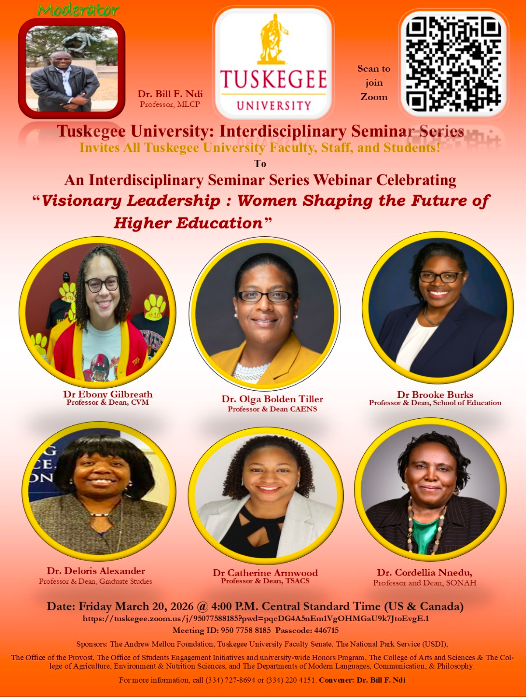
Tuskegee University hosted an Interdisciplinary Seminar on March 20, 2026, to celebrate Women’s History Month, 2026. The Seminar featured a panel of six esteemed female deans, all from Tuskegee University viz. Dr. Brooke Burks, Dr. Catherine Armwood, Dr. Cordelia Nnedu, Dr. Deloris Alexander, Dr. Ebony Gilbreath, and Dr. Olga Bolden-Tiller. Present for the discussions were five panelists of the six initially convened. The discussion centered on the deans’ professional backgrounds, leadership philosophies, and visions for the future of higher education. These leaders emphasized the importance of service, mentorship, and transformational change while addressing specific challenges like academic accessibility and workforce readiness. They also explored the integration of emerging technologies like AI and the necessity of maintaining institutional accreditation. Finally, the deans shared personal reflections on faith and resilience as tools for overcoming professional barriers. The lesson from the Tuskegee frontlines is clear: leadership is not about the title you hold, but the legacy of service you leave behind.
In the traditional halls of the academy, higher education is often viewed as a static monolith—a slow-moving vessel of tradition. Yet, for those operating on the frontlines of the modern “HBCU Renaissance,” that ivory tower has been replaced by a fluid, high-velocity landscape. Today’s academic leaders are navigating a period of profound uncertainty, besieged by rapid technological disruptions like Artificial Intelligence and increasing legislative attempts to regulate the classroom.
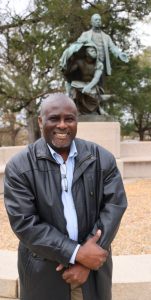
During a high-level seminar at Tuskegee University in March 2026, Dr. Ndi, the moderator, posed a deceptively simple question to a room of bright, ambitious students: “How many of your deans are women?” The silence that followed was a diagnostic of a profound leadership phenomenon. Out of the entire cohort, fewer than five students could accurately identify the women holding the levers of institutional power.
This is the “Visibility Paradox.” We often benefit from the most grueling “heavy lifting”—the strategic structural shifts and cultural overhauls—without ever seeing the hands moving the machinery. As Tuskegee maneuvers through a “Renaissance” era under the leadership of Dr. Mark A. Brown, a cadre of visionary female deans is quietly dismantling the ivory tower to build something more fluid, accessible, and technologically dominant.
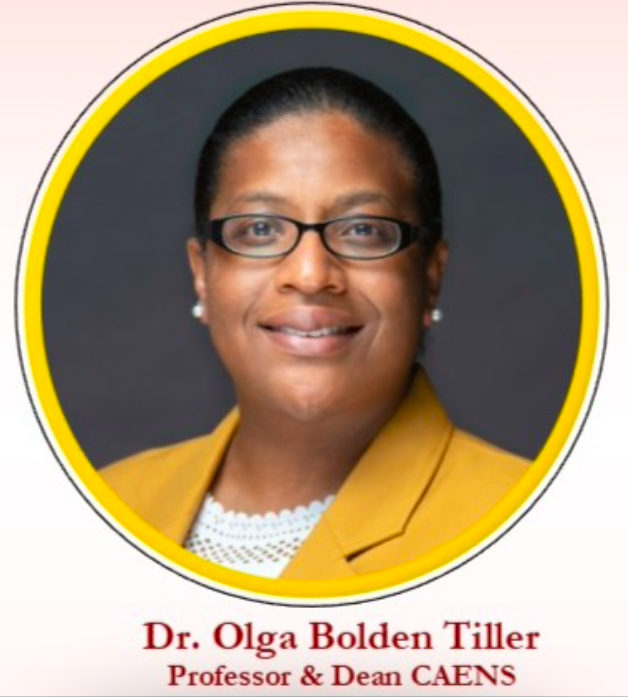
Through an analysis of the Tuskegee leadership paradigm, a distinct shift in the executive mindset emerges. As Dr. Olga Bolden-Tiller, Dean of the College of Agriculture, Environment and Nutrition Sciences defines it, true transformational leadership requires a “radical system-wide overhaul of an organization’s strategy, structure, culture, or technology.” This is the era of the “New Tuskegee of Old”—a paradox where leaders leverage an ancestral foundation of excellence to innovate a future that is inclusive, flexible, and fundamentally serves the community.
This panel on visionary leadership is not merely a celebration of Women’s History Month, but it is a masterclass in institutional transformation. Here are five radical lessons in leadership distilled from these architects of the Tuskegee Renaissance.
Leadership is the Management of the Collective Imagination
Dr. Brooke Burks, Dean of the School of Education, views her role through the lens of a narrative war. The teaching profession has long been besieged by a “negative narrative”—a toxic cocktail of stories about unruly classrooms and stagnant wages that creates a psychological barrier to entry for the next generation.
Strategic leadership, according to Burks, requires the dismantling of these perceptions through a blend of data and empathy. She points to the recent 2% teacher salary increase in Alabama as a tangible win, but she argues that the deeper work is in the “human infrastructure” — building rapport with entire communities, not just students.
The strategic takeaway for modern executives is clear: the first duty of a leader is to manage the collective imagination of their field. Burks reminds us that the skills honed in education—critical thinking, relationship management, and adaptability—are highly portable and marketable across any arena, even twenty years down the line. To lead is to rebrand the possible.
Transformational change, Dr. Burks asserts, is rarely comfortable. It often requires leading a team through processes that “don’t feel good.” Dr. Brooke Burks illustrated this through the implementation of the teacher performance assessment (edTPA). Initially, the change was met with systemic resistance—faculty griped, complained, and hoped the standard would simply “go away.” But, through training, discussions, and navigating the new assessment together, her team was able to garner much success for their students. Dr. Armwood shares this optimistic mindset that every experience, regardless of difficulty, has a “silver lining” intended for growth.
Move from Static Models to Frictionless Education
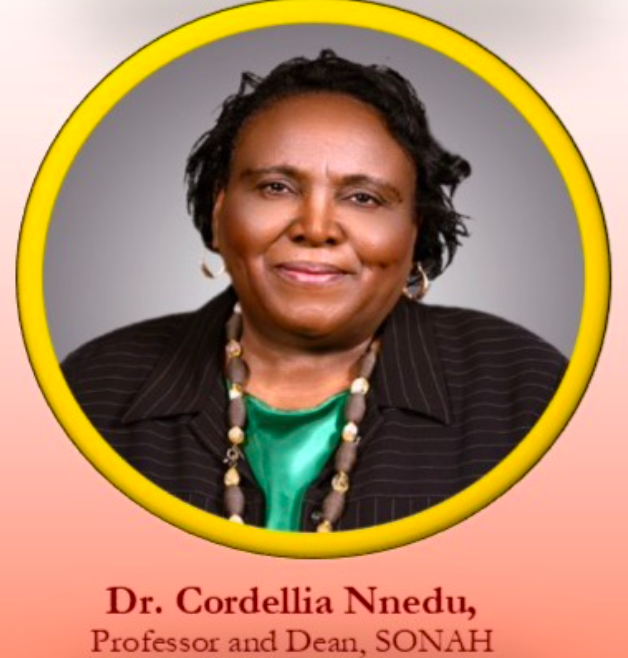
Dr. Cordelia Nnedu, Dean of the School of Nursing and Allied Health, is spearheading a disruption of the “four-year grind.” She recognizes that “non-academic” financial barriers are the primary killers of potential. In response, she has engineered a modular, “earn-as-you-learn” model through an innovative apprenticeship partnership between Tuskegee University, the Alabama Board of Nursing, and Baptist Health.
This is a move from a static academic model to a fluid one. Students can enter the workforce as nursing assistants or LPNs, earning a competitive wage while Baptist Health provides scholarships to cover the remaining financial gaps toward a BSN.
“I see myself as the servant, not the prophet,” Nnedu explains. “A machine cannot work without its parts… no part is less important than the engine.” By removing the friction between earning and learning, Nnedu is proving that leadership means adapting the institution to the student’s reality, rather than forcing the student to succumb to institutional inertia.
The Footprint Audit: Stop Observing and Start Transforming
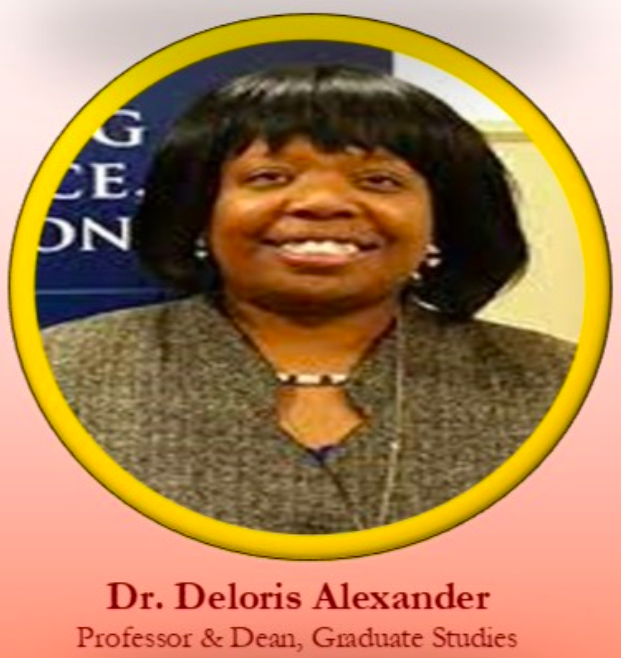
Perhaps the most piercing “cautionary tale” of the summit came from Dr. Doloris Alexander, Dean of the Graduate School. She recounted a department head who lamented a lack of diversity in her field, despite having held the power to hire for 30 years without bringing on a single person of color.
This reveals a fundamental truth: Visibility is not the same as impact. True “Transformational Leadership” is measured by the “footprint” left behind—the physical and structural changes that outlast the leader’s tenure. To counteract this stagnation, Alexander champions a “wraparound mentoring” model that validates a student’s culture and worldview as much as their technical proficiency.
“I want students to have the confidence of knowing that they are enough, that they matter,” Alexander asserts. For her, the mentor is not just a teacher, but an architect of belonging. A leadership audit must ask: In the decades I have held power, what have I actually changed, or have I merely observed the decline?
Transition from Technological Users to Digital Architects
The “Tuskegee Renaissance” is defined by a refusal to be sidelined by technological shifts. Dr. Olga Bolden-Tiller (Agriculture) and Dr. Catherine Armwood (Architecture) are driving a mandate that students must move beyond being mere “users” of AI and robotics to becoming the creators and entrepreneurs of those technologies. Dr. Armwood focuses on “elevating, advancing, and increasing opportunity,” ensuring students in architecture and construction understand how their disciplines interact with the broader “built environment.”
Dr. Catherine Armwood of the Robert R. Taylor School of Architecture and Construction Science contributed a vision centered on elevating institutional standards and increasing opportunities to ensure students are competitive and marketable in any professional space. She defined transformational leadership as a continuous cycle of assessing, implementing, and reassessing solutions, emphasizing that leaders must evolve their programs to reflect “real world” changes, such as the integration of AI and robotics into the built environment. To drive innovation, she advocated for creative industry partnerships, faculty research development, and the provision of specialized certifications—such as Revit or site management—to supplement traditional degrees. Dr. Armwood also highlighted the importance of an optimistic mindset and a strong mentorship network to remain adaptive amidst shifting political and academic landscapes. Ultimately, she expressed a desire to leave a legacy of innovation by expanding her school into a college and improving the affordability of higher education to broaden access.
This vision represents a resurrection of the spirit of George Washington Carver, blending his legacy of innovative agriculture with cutting-edge digital tools. Whether it is AI-enabled livestock production or the optimization of “masonry and cementitious structures,” these leaders are ensuring that their students are not just participants in the future economy, but the architects of it.
Innovation is not about the tool; it is about ownership. For Gen Z, AI is a “commonplace” reality; the leader’s job is to ensure that this familiarity translates into entrepreneurial dominance.
Weaponize “Ancestral DNA” Against Uncertainty
The panel did not shy away from the “legislative stress test” currently facing higher education, specifically regarding the uncertainty surrounding Alabama’s HB580. To remain grounded, these leaders draw on a reservoir of “Ancestral DNA” and faith.
Dr. Alexander reflects on the resilience of grandmothers who survived slavery and sharecropping, viewing current legislative hurdles as minor hills compared to the mountains their ancestors climbed. This is not just sentiment; it is a strategic anchoring. By drawing on a collective reliance on mentorship and a “Mustard Seed of faith,” these deans maintain an offensive posture even when the environment is defensive.
This resilience is essential for maintaining “visibility” and “voice” in spaces where representation is historically lacking. Dr. Alexander, Dean of Graduate Studies and Research, highlights the grit required to lead when your presence is questioned. She shares a jarring anecdote of being stopped by police on a campus because she “didn’t look like she belonged there” or being mistaken for a custodian despite her high-level academic status.
For the “introvert posing as an extrovert,” faith and prayer bridge the gap between personal discomfort and the demands of high-visibility leadership. By standing boldly in these roles, these leaders provide a blueprint for students to see themselves as scientists, deans, and CEOs.
This philosophy of service is often anchored in deep-seated personal values. Dr. Bolden-Tiller recalls a song sung at the funeral of a relative who lived into his 90s, which now serves as an organizational North Star: “If I can help somebody, let my living not be in vain.” When service is the primary objective, the leader’s ego retreats, allowing the mission to take center stage.
“Greater is he who is in me than he who is in the world,” they iterate, framing faith not as an escape from reality, but as the armor required to transform it.
The closing segment of the Tuskegee leadership model is the “Happy House” concept—the belief that a leader must ensure every member of the “house” feels seen and respected. Dr. Nnedu argues that for the “car” of the university to move, the engine (faculty) must be as well-maintained as the tires (custodians).
A “Happy House” is built on approachability. It is an environment where a student feels comfortable asking the Dean for a snack, or where a custodian feels their contribution to the campus environment is just as vital as the Dean’s contribution to the curriculum. This ground-up respect eliminates silos and ensures the organization moves forward as a cohesive unit. It reinforces the idea that leadership is a designated role for a moment in time, not a permanent status of superiority.
Conclusion: Your Legacy is a Machine in Motion
The deans of the Tuskegee Renaissance view their roles as interconnected gears within a larger, high-performing machine. Their legacy is not found in the titles they hold, but in the pathways that they have forced open — moving beyond the “Ivory Tower” to create a university that is technologically dominant and structurally fluid. The ultimate vision of the Tuskegee Renaissance is sustainability. A true transformational leader does not aim to be indispensable; they aim to “grow their own leaders.” Dr. Nnedu and her colleagues emphasize that their success is measured by who is ready to take the mantle when they leave. Whether it is moving a school to a college or ensuring a program remains accredited for the next generation, the goal is to leave the space better than it was found.
The challenge they leave for the modern leader is a haunting one:
“If you were to audit your own leadership footprint today, would it show that you merely observed the status quo, or that you had the courage to transform it?”
If you were to leave your current role tomorrow, what would remain? Would you leave behind a “footprint” of radical change that created new opportunities for others, or merely a vacant desk?
الإعلان عن الجوائز الشعرية في مهرجان طريق الحرير الدولي السادس
أُعلن عن قائمة الرؤساء الفخريين لمهرجان طريق الحرير الدولي للشعر، وتضم الشاعر والكاتب الكازاخستاني أولوجبيك يسداولت، والشاعر المصري أشرف أبو اليزيد، والكاتب والقاص القرغيزي سلطان أكيموفيتش رايف، والشاعرة القرغيزية ألتيناي…
The 6th Silk Road International Poetry Festival List of Awards
HONORARY CHAIRMEN AND AWARD RECIPIENTS The 6th Silk Road International Poetry Festival will honor seven distinguished literary figures as Honorary Chairpersons: Ulugbek Yesdaulet of Kazakhstan, Ashraf Aboul-Yazid of Egypt, Sultan…

 thesilkroadtoday