 thesilkroadtoday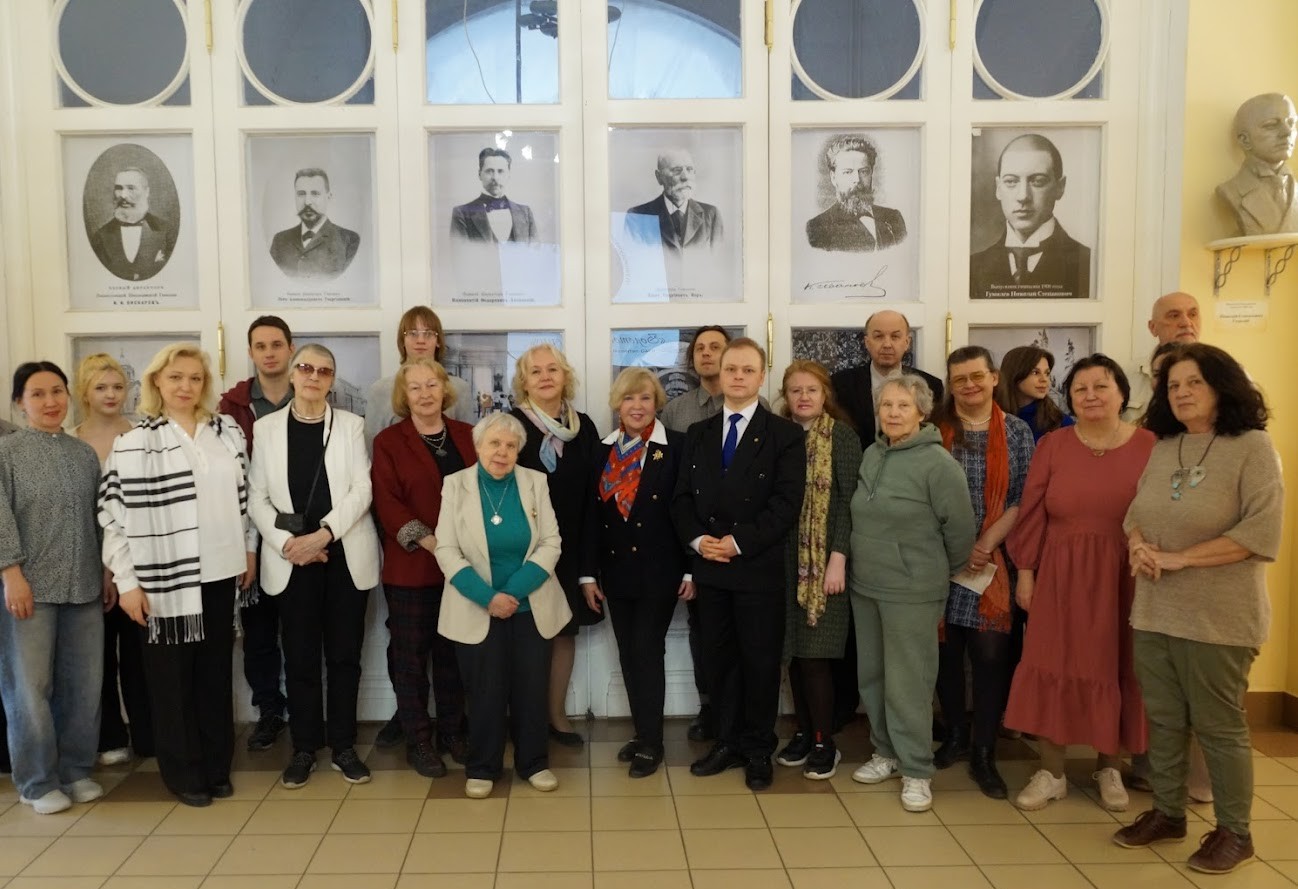
By Olga Efimova, Deputy President of the Gumilyov Society, linguist, and philologist.
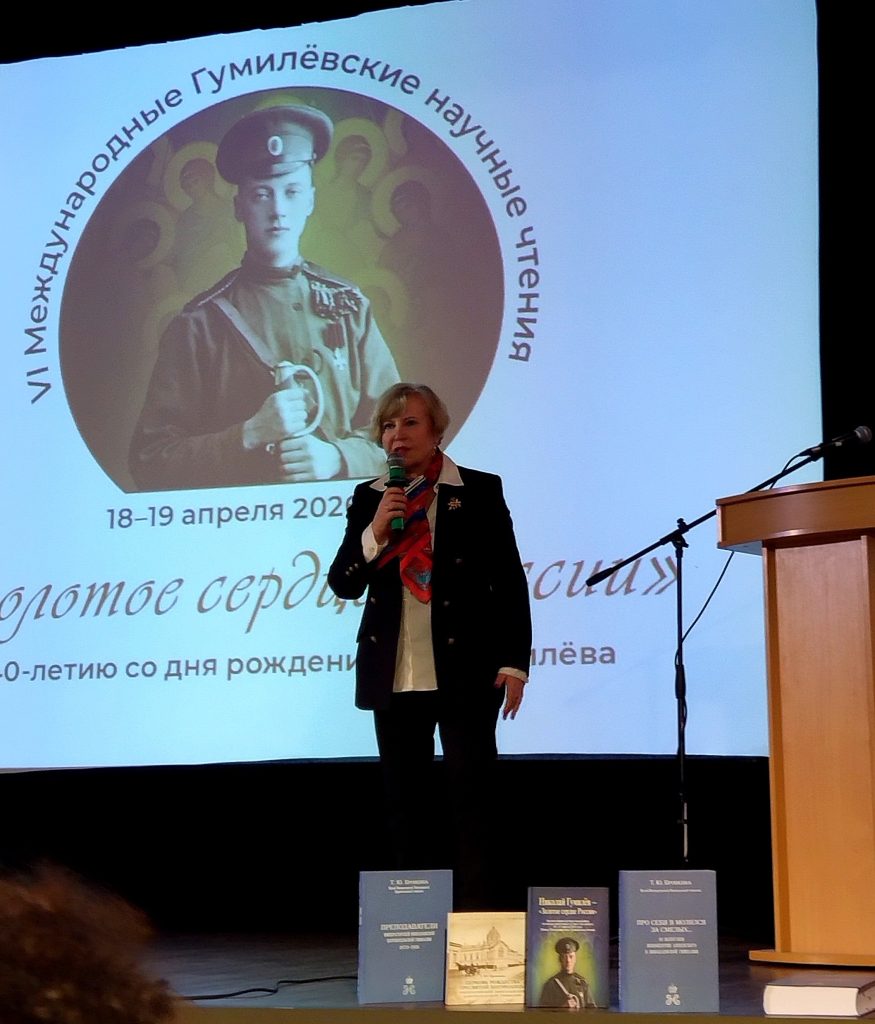
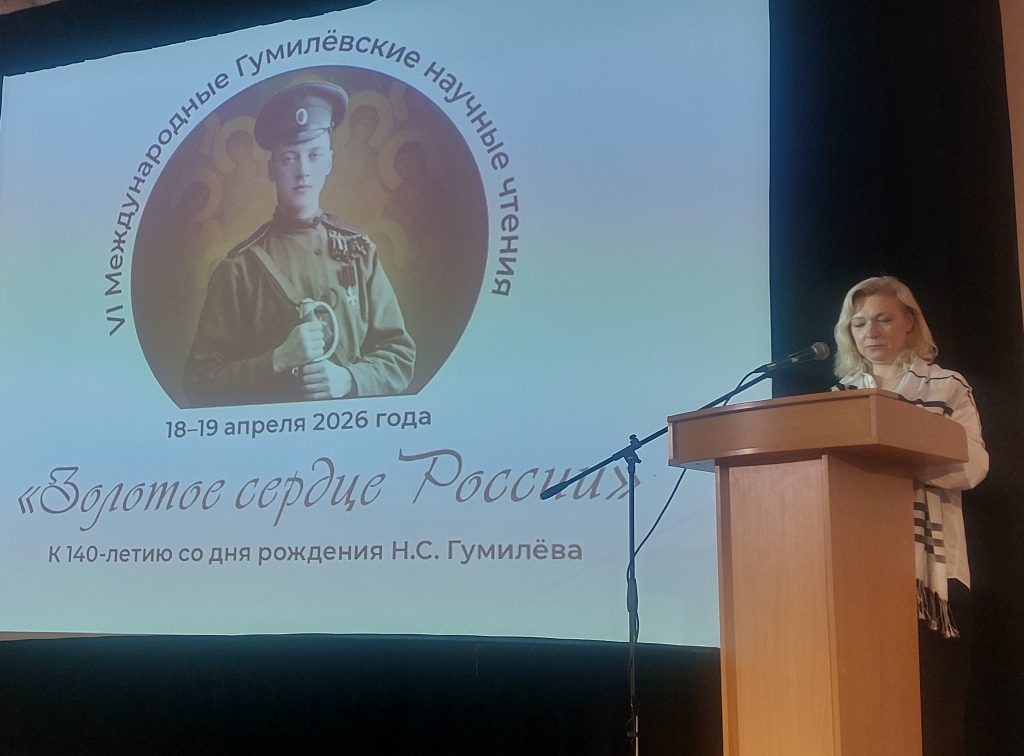
A very important event, timed to coincide with Nikolai Gumilyov’s 140th anniversary, was the 6th International Gumilyov Scientific Readings in St. Petersburg. They took place on April 18 and 19 at the Museum of the Imperial Nikolaev Tsarskoye Selo Gymnasium, of which Nikolai Gumilyov was one of the graduates. The readings were organized by the Museum of the Imperial Nikolaev Tsarskoye Selo Gymnasium, the St. Petersburg Center for Cultural Studies at the A.I. Herzen Russian State Pedagogical University, and the Gumilyov Society. The readings were held under the symbolic title “The Golden Heart of Russia”: this quotation from Gumilyov’s poem is perceived as a poetic self-definition of the poet, whose fortitude, courage, nobility, and life-affirming spirit are especially important for readers today.
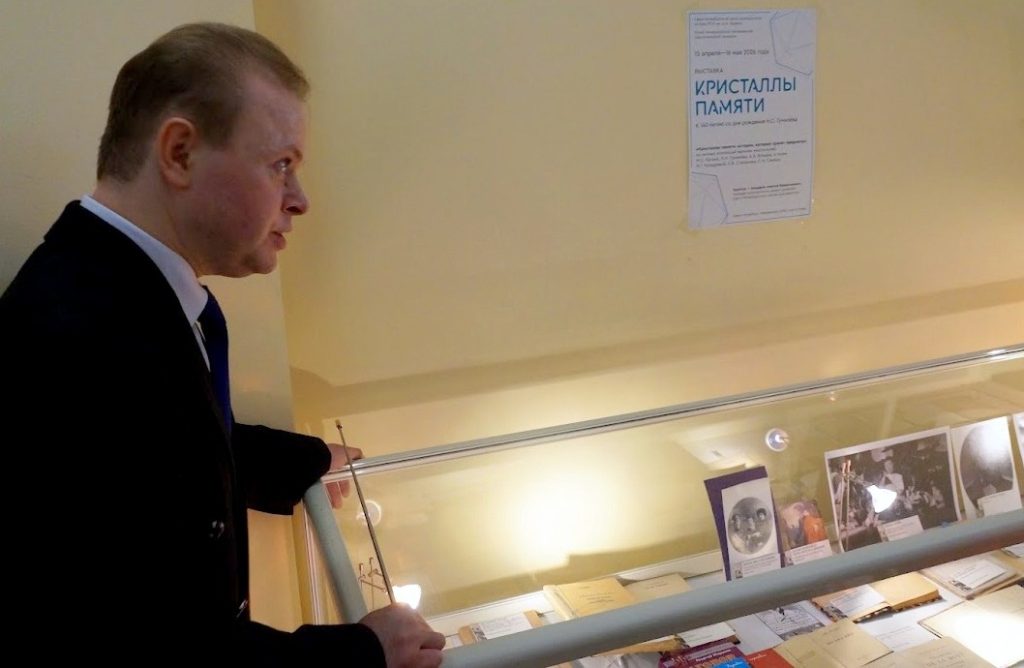
A presentation by Alexei Bondarev, PhD in Cultural Studies and Director of the St. Petersburg Center for Cultural Studies at the A.I. Herzen University, focused on the image of victory in Gumilyov’s work. Olga Medvedko, President of the Gumilyov Society and PhD in Pedagogical Sciences, spoke about the Luknitsky family’s contribution to preserving the memory of Nikolai Gumilyov, and about the establishment and current activities of the Gumilyov Society to promote Gumilyov’s work. Museum expert Lidiya Bogdanova’s presentation revealed the tricks museum staff had to resort to during the Soviet era to include autographs of the then-banned poet Gumilyov in the museum collection.
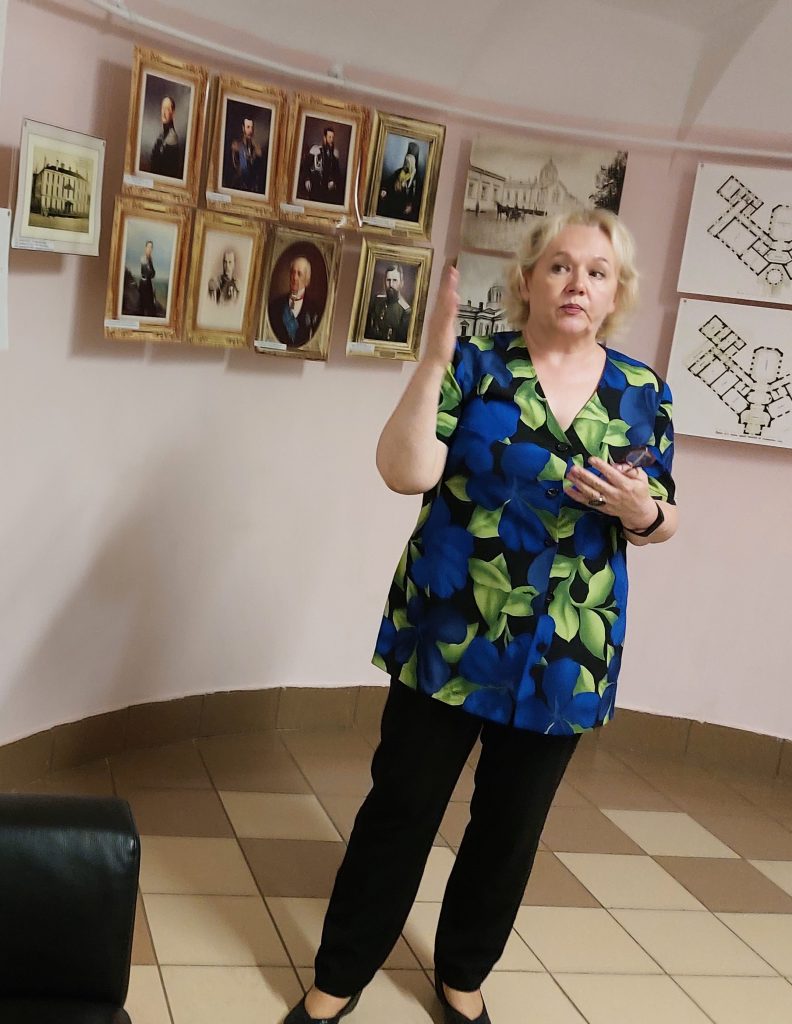
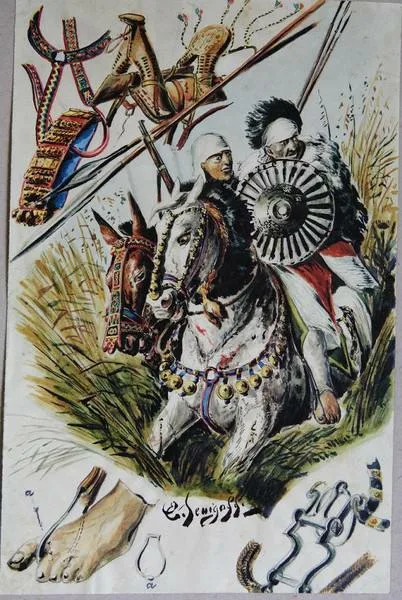
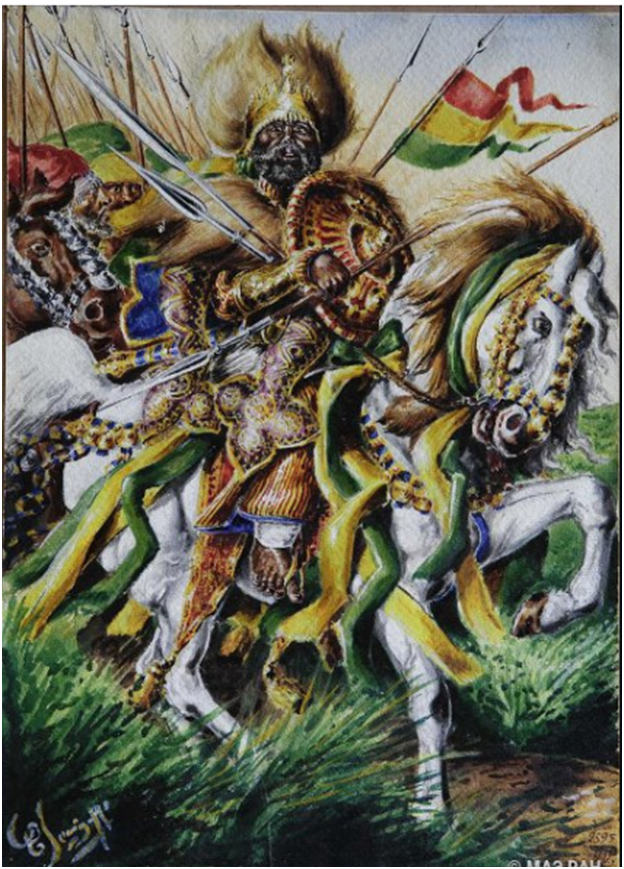
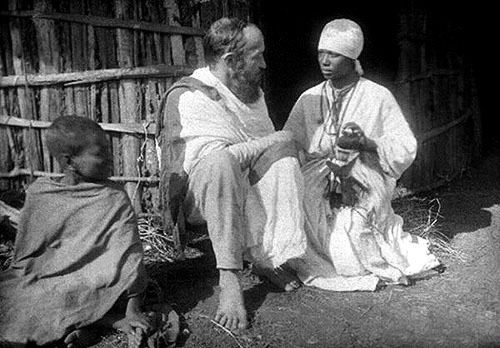
A presentation by Tatyana Brovkina, Director of the Museum of the Imperial Nikolaev Tsarskoye Selo Gymnasium, greatly impressed the Gumilyov scholars. She completed a book dedicated to the Gymnasiuml’s graduates. During her research, the scholar made several unexpected discoveries about Gumilyov’s classmates. She spoke of the “white Ethiopian” artist Yevgeny Senigov, who traveled to Ethiopia in 1898 as part of a Russian military mission. In 1901, he entered the service of the Ethiopian Emperor Menelik II. Senigov became so fascinated with Ethiopia that he decided to stay there and married an Ethiopian woman. He conveyed his impressions of life and people in his diaries and watercolors. He traveled extensively throughout the country, collecting legends and recording stories about local customs and traditions. He created an entire collection of paintings depicting the lives of Ethiopians in the early 20th century and returned to Russia only 20 years later. In the West, Senigov’s life and work have been compared to the French artist Paul Gauguin, who abandoned his country to settle on the island of Tahiti. Tatyana Brovkina’s discovery was really great: she proved, using archival documents, that Nikolai Gumilyov had been in the same class as Yevgeny Senigov’s brother! This is where Nikolai Gumilyov’s youthful obsession with Africa, and especially Ethiopia, began. Of course, he had seen Senigov’s magnificent paintings and was completely captivated by the exoticism of Ethiopia, making it his dream to visit.
Since the readings were attended by specialists from various fields, the range of topics discussed was very broad – from philological and aesthetic issues related to Gumilyov’s work to cultural and philosophical interpretations of his worldview. The geographical coverage of the participants was also very broad, with some researchers participating remotely online. Following the readings, a roundtable discussion was held, at which the conference participants outlined their goals for the next five years, until the next anniversary. One of the cherished hopes of the guardians of the memory of Nikolai Gumilyov and connoisseurs of his poetry is connected with the installation of a worthy, full-length monument to the poet in Russia.