Trending News:شعر بلا حدود: مهرجان كستريتش الدولي للشعر في دورته الثانية عشرة (حوار مع د. كريستوفر أوكيموا)Freedom, Responsibility, and Renewal: Literature Must Remain Humanity’s Most Courageous ConversationGolden Papyrus Award Announces Three New Laureates from Syria, Saudi Arabia, and Kenyaجائزة البردي الذهبي تعلن أسماء ثلاثة فائزين جدد من سوريا والسعودية وكينياThey Were Returning HomeCaroline Laurent Turunc… The Poetess of Light brings her story from Antakya to children around the worldكارولين لوران تورونك… شاعرة النور تحمل حكايتها من أنطاكية إلى أطفال العالمJapanese Ambassador Ueno Atsushi Welcomes Natalia Tjahja Ahead of Asian Para Games Aichi NagoyaKEDA Welcomes President El-Sisi’s Visit to South Korea, Hailing a New Era of Strategic Partnership and Economic Cooperationاتحاد الكتاب الأذربيجانيين يحتفي الترجمة الأذرية لرواية أشرف أبو اليزيد «شماوس» في باكوAzerbaijani Writers’ Union to Celebrate Azerbaijani Translation of Ashraf Aboul-Yazid’s Novel Shamawes in Bakuالمفتاح والمزاح … السلوكيات : الطرح والحلولبستان حسام … رسالة العمل وآفاق الاتقانMemory That Defeats Death – An Interview with Alexandra Ochirovaالذاكرة التي تنتصر على الموتثلاث ليالٍ وليلة… مجموعة قصصية تستكشف عتمات النفس البشرية Poetry Without Borders: Inside the 12th Kistrech International Poetry Festival (Interview)SAHILIANA: An Anthology of the Poetry of Es-Sahili and His Descendants Celebrating 680 Years of Poetic Heritageالاتحاد الاقتصادي الأوراسي – الإمارات العربية المتحدة: جسر تجاري جديد لأوراسيا الكبرىآثار مصر القديمة في قازان تستعيد حياة جديدةخلف الشاشة … الهواية وخارطة الطريق فوفو جرة حكي … جدلية الطرح والحلول Maldives Sports Minister and Indonesia’s NOC Stand Behind 100 CTFP for Para AthletesTwo Significant Publications on Indian Architecture, Urbanism and Heritageشاعر الكلمة المقاتلة … إفندي منصوروفيتش كابييفبعد سبع سنوات على وفاته.. إحياء ذكرى الشاعر المكسيكي إنريكي سيرفين بقراءة قصائد في «إل خونكو»فيل في الغرفة!100 Libri d’Autore: A Literary Bridge of Words Connecting Authors, Readersحين تجلس الكاميرا في مقعد القاضيПамять, время, семья, история и Родинаقراءة نقدية في ديوان ألكسندرا أوتشيروفا “الكونية الروسية: الذاكرة”A Critical Reading of Alexandra Ochirova’s Russian Cosmism: MemoryPoetry, Academia and the Silk Road Converge at Shaanxi CollegeNutifafa Takes the Mic at UniMAC Freshers’ JamInterview with Paola Carletti, conducted by Gioia LomastiInterview with Simona Righi – Siris Mosaiciأولوغبيك يسداوليتوف (قصائد مختارة)الأمثال الشعبية في المنطقة الشرقية للمملكة المغربية … حين تتحول الذاكرة الشعبية إلى كتابPAWA Quarterly Newsletter Highlights a Dynamic Season of African Literary and Cultural Engagementسجادة السعادة … ثقافة العمل والتدين تقديم كتاب الأكاديمية ألكسندرا أوتشيروفا «الكونية الروسية… الذاكرة» في القاعة البيضاء بأكاديمية الفنون الروسيةPRESENTATION OF THE BOOK BY RAH ACADEMICIAN A. V. OCHIROVA, “RUSSIAN COSMISM… MEMORY,” IN THE WHITE HALL OF THE RUSSIAN ACADEMY OF ARTSKnowledge, Character and National Service: The Educational Thought of Swami Ramanand TirthHomeland : A New Anthology Brings Together 140 Poets of Mongol HeritageMongolia and Egypt Explore New Horizons for Agricultural CooperationThe Rhythm of Vietnam to Celebrate 2026 International Translation Day Award Recipients in Ho Chi Minh CityKistrech International Poetry Festival 2026: Poets from Around the World Gather in Kenyaكينيا: ثلاثة شعراء عرب في مهرجان كستريتش الدولي للشعرKistrech International Poetry Festival: Kenya Welcomes the World Through PoetryLITERARY OCTOBER OF CUBAPOESIA BRINGS WRITERS, POETRY AND COMMUNITY CULTURE TO HAVANAAn Albanian Translation of a Nepalese ArticleMOROCCO TO LAUNCH HOUSE OF BOOK WORLDS IN RABAT, CREATING A PERMANENT HOME FOR GLOBAL LITERARY EXCHANGEحكاية خيط … حديث الحرف وأفقها ثلاثة ثعالب ذكية … جدلية الطقوس والمعارفعالم رمادي … جدلية الواقع وأفق الحلولمن يسرق دجاج أمي؟Lens ‘W’ Life: Colours of Sindh — When the Camera Becomes a Witness14 لجنة بارالمبية وطنية وMSN ماليزيا تدعم مبادرة 100 CTFPFourteen National Paralympic Committees and MSN Malaysia Support 100 CTFPThe Silent Verse by Gioia Lomasti, an Unrepeatable Unicum in the Contemporary Poetry Scene — A Review by Luciano Domenighiniفي طبيعة الوجود ومكاننا في الكون: بحث فلسفيالأستاذ الدكتور سليمان الحويلي محاضرًا عن مملكة ماريOn the Nature of Existence and Our Place in the Universe: A Philosophical Treatiseإديار موكانبيتوف | فيشار سنوات الحربAn Interview with Bartolomeo Theo Di GiovanniCao Shui Congratulates Five Translators Honoured by The Rhythm of VietnamAshraf Aboul-Yazid in a Television Interview on Russia, China, Mongolia and the Future of Creative Translationالترجمة بوصفها جسراً حياً بين الثقافاتThe Symbolic Depiction of Strength Towards WisdomThe Musketeers of Truth: Journalism Without BordersInternational Translation Day 2026: Five Translators Honored by The Rhythm of VietnamWhen the Gallery Loses Its Monopoly“Şəmaus” by Ashraf Aboul-Yazid in Azerbaijani: A New Literary Bridge Between Egypt and Azerbaijanرواية أشرف أبو اليزيد (شماوس)… جسر أدبي جديد بين مصر وأذربيجانالأدب جسر بين الثقافات والشعوب: القسم الدولي من مشروع 100 كتاب 100 مؤلفLiterature as a Bridge Between Cultures and Peoples: The International Section of 100 Libri d’Autoreندوة لتراث فاروق آباد العربي وتدشين كتاب محمد كوتاشيري؛ رحلة علم وعطاء Symposium on “Arabic Legacy of Farookabad”& Book Release Ceremonyالناشر الهندي سوبريو تشاكرابورتي في حوار مع أديتي داسغوبتاSanctuary Of The Soul | A Poem by Anwar RahimKATO, New novel by Hussain Abdel-RahimVetrina delle Emozioni Presents: I Racconti di Azzurrina by Daniela ContiEmanuele Marcuccio’s New Book: Wonder and Amazement: Aphorisms and ThoughtsTunisian-French Poet Arwa Ben Dhia Awarded at the Grand Prix de Poésieعلى خطى غوميليوف… الفن يستعيد رحلة الشاعر الروسي إلى إفريقياجويا لوماستي تحاور الكاتب الإيطالي لويجي أنجيلينو ضمن مشروع «100 كتاب 100 مؤلف»سفير مصر لدى روسيا يزور تتارستان Cao Shui Wins World Writers Laurel Award in Moscowالسرد البصري بوصفه أداة لبناء الحياة: كيف تعيد حكايات الشاشة تشكيل الواقعNigerian Playwright Esther Adelana Reaches Russian Readers Through Silk Road Literary Exchangeبوليفيا وشيلي توحّدهما قصة حب في مواجهة السرطانفصل من رواية حسين الصومالي للكاتب حسين عبد الرحيمDr. Hanan Awwad, President of PEN International’s Palestine Branch, Receives WOW Award for Contribution to World Literatureد. حنان عواد تُعلن فائزة بجائزة منظمة كتاب العالم للإسهام في تطوير الأدب العالميمصر ومنغوليا… شراكة تصنع الإنسانالفضاء… حين تصبح الأرض وطنًا واحدًاالإنسان في قلب مستقبل الحضاراتوحدةٌ تصون التنوعالتحديث الإنساني: حين تستعيد الحضارة معناهامن الفضاء إلى الإنسانية: تكريم من خدموا البشرية
Trending News:شعر بلا حدود: مهرجان كستريتش الدولي للشعر في دورته الثانية عشرة (حوار مع د. كريستوفر أوكيموا)Freedom, Responsibility, and Renewal: Literature Must Remain Humanity’s Most Courageous ConversationGolden Papyrus Award Announces Three New Laureates from Syria, Saudi Arabia, and Kenyaجائزة البردي الذهبي تعلن أسماء ثلاثة فائزين جدد من سوريا والسعودية وكينياThey Were Returning HomeCaroline Laurent Turunc… The Poetess of Light brings her story from Antakya to children around the worldكارولين لوران تورونك… شاعرة النور تحمل حكايتها من أنطاكية إلى أطفال العالمJapanese Ambassador Ueno Atsushi Welcomes Natalia Tjahja Ahead of Asian Para Games Aichi NagoyaKEDA Welcomes President El-Sisi’s Visit to South Korea, Hailing a New Era of Strategic Partnership and Economic Cooperationاتحاد الكتاب الأذربيجانيين يحتفي الترجمة الأذرية لرواية أشرف أبو اليزيد «شماوس» في باكوAzerbaijani Writers’ Union to Celebrate Azerbaijani Translation of Ashraf Aboul-Yazid’s Novel Shamawes in Bakuالمفتاح والمزاح … السلوكيات : الطرح والحلولبستان حسام … رسالة العمل وآفاق الاتقانMemory That Defeats Death – An Interview with Alexandra Ochirovaالذاكرة التي تنتصر على الموتثلاث ليالٍ وليلة… مجموعة قصصية تستكشف عتمات النفس البشرية Poetry Without Borders: Inside the 12th Kistrech International Poetry Festival (Interview)SAHILIANA: An Anthology of the Poetry of Es-Sahili and His Descendants Celebrating 680 Years of Poetic Heritageالاتحاد الاقتصادي الأوراسي – الإمارات العربية المتحدة: جسر تجاري جديد لأوراسيا الكبرىآثار مصر القديمة في قازان تستعيد حياة جديدةخلف الشاشة … الهواية وخارطة الطريق فوفو جرة حكي … جدلية الطرح والحلول Maldives Sports Minister and Indonesia’s NOC Stand Behind 100 CTFP for Para AthletesTwo Significant Publications on Indian Architecture, Urbanism and Heritageشاعر الكلمة المقاتلة … إفندي منصوروفيتش كابييفبعد سبع سنوات على وفاته.. إحياء ذكرى الشاعر المكسيكي إنريكي سيرفين بقراءة قصائد في «إل خونكو»فيل في الغرفة!100 Libri d’Autore: A Literary Bridge of Words Connecting Authors, Readersحين تجلس الكاميرا في مقعد القاضيПамять, время, семья, история и Родинаقراءة نقدية في ديوان ألكسندرا أوتشيروفا “الكونية الروسية: الذاكرة”A Critical Reading of Alexandra Ochirova’s Russian Cosmism: MemoryPoetry, Academia and the Silk Road Converge at Shaanxi CollegeNutifafa Takes the Mic at UniMAC Freshers’ JamInterview with Paola Carletti, conducted by Gioia LomastiInterview with Simona Righi – Siris Mosaiciأولوغبيك يسداوليتوف (قصائد مختارة)الأمثال الشعبية في المنطقة الشرقية للمملكة المغربية … حين تتحول الذاكرة الشعبية إلى كتابPAWA Quarterly Newsletter Highlights a Dynamic Season of African Literary and Cultural Engagementسجادة السعادة … ثقافة العمل والتدين تقديم كتاب الأكاديمية ألكسندرا أوتشيروفا «الكونية الروسية… الذاكرة» في القاعة البيضاء بأكاديمية الفنون الروسيةPRESENTATION OF THE BOOK BY RAH ACADEMICIAN A. V. OCHIROVA, “RUSSIAN COSMISM… MEMORY,” IN THE WHITE HALL OF THE RUSSIAN ACADEMY OF ARTSKnowledge, Character and National Service: The Educational Thought of Swami Ramanand TirthHomeland : A New Anthology Brings Together 140 Poets of Mongol HeritageMongolia and Egypt Explore New Horizons for Agricultural CooperationThe Rhythm of Vietnam to Celebrate 2026 International Translation Day Award Recipients in Ho Chi Minh CityKistrech International Poetry Festival 2026: Poets from Around the World Gather in Kenyaكينيا: ثلاثة شعراء عرب في مهرجان كستريتش الدولي للشعرKistrech International Poetry Festival: Kenya Welcomes the World Through PoetryLITERARY OCTOBER OF CUBAPOESIA BRINGS WRITERS, POETRY AND COMMUNITY CULTURE TO HAVANAAn Albanian Translation of a Nepalese ArticleMOROCCO TO LAUNCH HOUSE OF BOOK WORLDS IN RABAT, CREATING A PERMANENT HOME FOR GLOBAL LITERARY EXCHANGEحكاية خيط … حديث الحرف وأفقها ثلاثة ثعالب ذكية … جدلية الطقوس والمعارفعالم رمادي … جدلية الواقع وأفق الحلولمن يسرق دجاج أمي؟Lens ‘W’ Life: Colours of Sindh — When the Camera Becomes a Witness14 لجنة بارالمبية وطنية وMSN ماليزيا تدعم مبادرة 100 CTFPFourteen National Paralympic Committees and MSN Malaysia Support 100 CTFPThe Silent Verse by Gioia Lomasti, an Unrepeatable Unicum in the Contemporary Poetry Scene — A Review by Luciano Domenighiniفي طبيعة الوجود ومكاننا في الكون: بحث فلسفيالأستاذ الدكتور سليمان الحويلي محاضرًا عن مملكة ماريOn the Nature of Existence and Our Place in the Universe: A Philosophical Treatiseإديار موكانبيتوف | فيشار سنوات الحربAn Interview with Bartolomeo Theo Di GiovanniCao Shui Congratulates Five Translators Honoured by The Rhythm of VietnamAshraf Aboul-Yazid in a Television Interview on Russia, China, Mongolia and the Future of Creative Translationالترجمة بوصفها جسراً حياً بين الثقافاتThe Symbolic Depiction of Strength Towards WisdomThe Musketeers of Truth: Journalism Without BordersInternational Translation Day 2026: Five Translators Honored by The Rhythm of VietnamWhen the Gallery Loses Its Monopoly“Şəmaus” by Ashraf Aboul-Yazid in Azerbaijani: A New Literary Bridge Between Egypt and Azerbaijanرواية أشرف أبو اليزيد (شماوس)… جسر أدبي جديد بين مصر وأذربيجانالأدب جسر بين الثقافات والشعوب: القسم الدولي من مشروع 100 كتاب 100 مؤلفLiterature as a Bridge Between Cultures and Peoples: The International Section of 100 Libri d’Autoreندوة لتراث فاروق آباد العربي وتدشين كتاب محمد كوتاشيري؛ رحلة علم وعطاء Symposium on “Arabic Legacy of Farookabad”& Book Release Ceremonyالناشر الهندي سوبريو تشاكرابورتي في حوار مع أديتي داسغوبتاSanctuary Of The Soul | A Poem by Anwar RahimKATO, New novel by Hussain Abdel-RahimVetrina delle Emozioni Presents: I Racconti di Azzurrina by Daniela ContiEmanuele Marcuccio’s New Book: Wonder and Amazement: Aphorisms and ThoughtsTunisian-French Poet Arwa Ben Dhia Awarded at the Grand Prix de Poésieعلى خطى غوميليوف… الفن يستعيد رحلة الشاعر الروسي إلى إفريقياجويا لوماستي تحاور الكاتب الإيطالي لويجي أنجيلينو ضمن مشروع «100 كتاب 100 مؤلف»سفير مصر لدى روسيا يزور تتارستان Cao Shui Wins World Writers Laurel Award in Moscowالسرد البصري بوصفه أداة لبناء الحياة: كيف تعيد حكايات الشاشة تشكيل الواقعNigerian Playwright Esther Adelana Reaches Russian Readers Through Silk Road Literary Exchangeبوليفيا وشيلي توحّدهما قصة حب في مواجهة السرطانفصل من رواية حسين الصومالي للكاتب حسين عبد الرحيمDr. Hanan Awwad, President of PEN International’s Palestine Branch, Receives WOW Award for Contribution to World Literatureد. حنان عواد تُعلن فائزة بجائزة منظمة كتاب العالم للإسهام في تطوير الأدب العالميمصر ومنغوليا… شراكة تصنع الإنسانالفضاء… حين تصبح الأرض وطنًا واحدًاالإنسان في قلب مستقبل الحضاراتوحدةٌ تصون التنوعالتحديث الإنساني: حين تستعيد الحضارة معناهامن الفضاء إلى الإنسانية: تكريم من خدموا البشرية
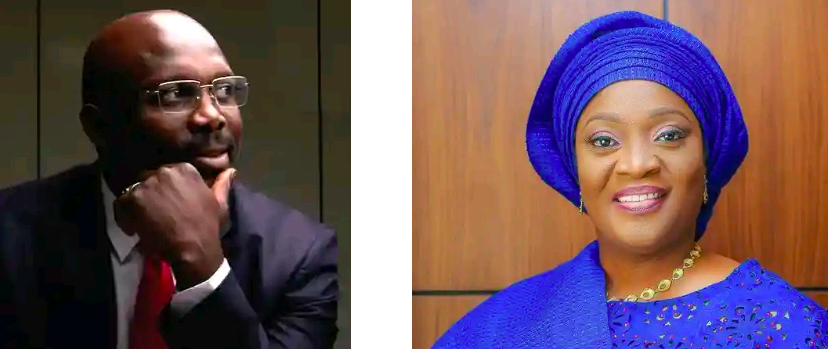
As Liberia approaches the 2029 presidential election, the national conversation is already shifting from campaign slogans to a harder question: who can stabilize a country that is still building its post-war institutions while facing youth unemployment, rising cost of living, weak infrastructure, and public frustration with the pace of change. In Monrovia, Ganta, Buchanan and across the diaspora, one argument gaining traction is that Liberia needs a “rescue” ticket with proven executive experience, and that the partnership of former President George Weah and former Vice President Jewel Howard-Taylor fits that description. The case is not built on nostalgia, but on the claim that Liberia’s problems in 2029 will require speed, continuity, and political capital that a first-time administration would struggle to assemble quickly.
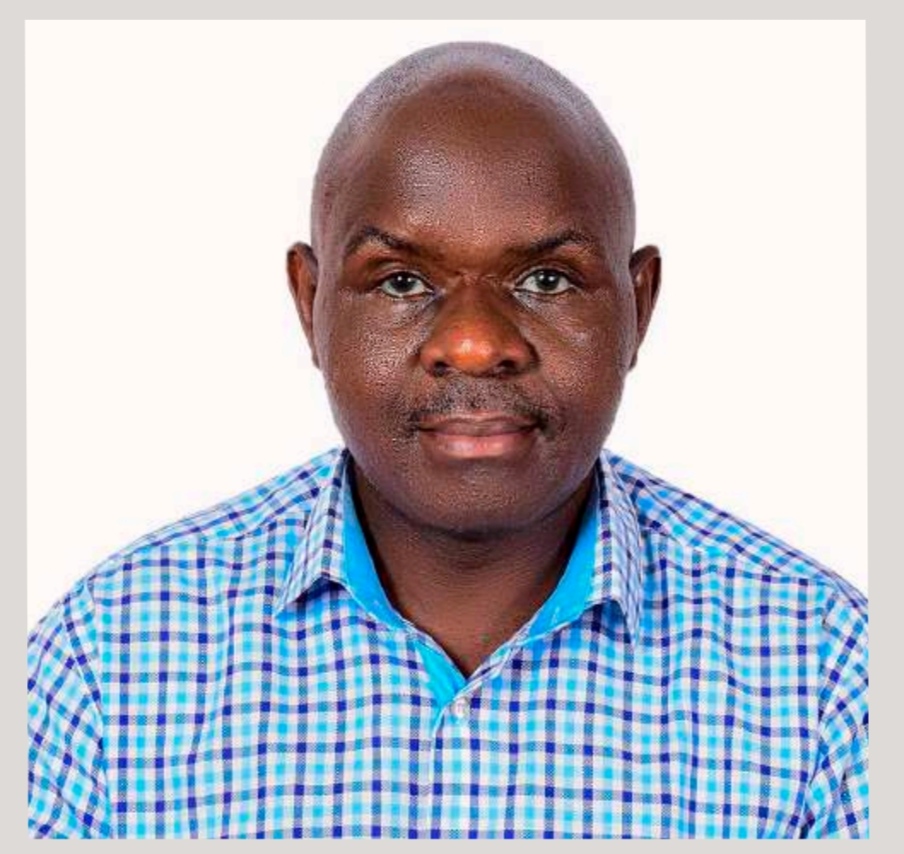
George M. Weah
George Weah governed from 2018 to 2024, becoming the first post-war president to complete a full six-year term under the 1986 Constitution without a constitutional crisis. That record matters in a country where transitions have often been the weakest point. During his tenure, his administration prioritized infrastructure under the “Pro-Poor Agenda for Prosperity and Development.” The Mt. Barclay to Bomi corridor, urban road expansion in Greater Monrovia, and feeder road rehabilitation were presented as attempts to connect markets to people. In education, the government introduced tuition-free enrollment for undergraduates at public universities, a policy that, for supporters, directly addressed the barrier many low-income families face. Internationally, Weah carried a profile few Liberian leaders have had. His recognition as a former Ballon d’Or winner was used to open doors with investors, diaspora groups, and multilateral partners, and advocates argue that such access cannot be built from scratch in a new administration.
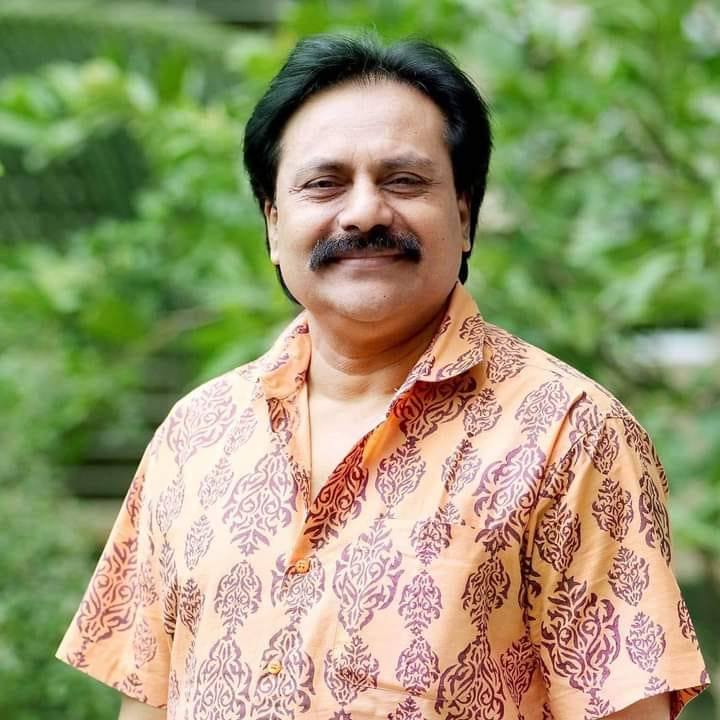
Jewel Howard-Taylor’s role completes the picture. As Liberia’s first female Vice President from 2018 to 2024, she occupied the second-highest constitutional office and presided over the Senate. Before that, she had years in the Legislature. Her supporters point to that combination of legislative and executive experience as rare. While the Vice President’s office in Liberia has limited formal powers compared to the presidency, Howard-Taylor used the platform to keep gender, maternal health, and social welfare on the national agenda. In a 2029 context, proponents say her presence on the ticket signals both continuity and a corrective focus on inclusion, while also providing a partner who already understands cabinet coordination, budget execution, and the relationship between the Executive Mansion and Capitol Hill.
Jewel Howard-Taylor
The electoral arithmetic is another part of the “rescue” argument. The CDC ticket of Weah and Howard-Taylor won the 2017 run-off decisively and maintained a nationwide party structure, especially among young, urban, and first-time voters. In 2029, Liberia will still have a median age under 20, and the youth vote will be decisive. The CDC’s existing grassroots machinery, campaign organizers, and county coordinators mean a returning ticket would not spend its first year building a coalition from zero. For those worried about policy paralysis during long transitions, that readiness is framed as a practical advantage.
There is also the diaspora and investment angle. Liberia in 2029 will still be negotiating debt sustainability, concessional financing, and private capital for energy, ports, and agriculture. Weah’s tenure maintained engagement with the United States, ECOWAS, the African Union, and UN agencies. His global name recognition is cited as a tool to mobilize the Liberian diaspora, whose remittances are already a major part of household income. Howard-Taylor’s networks in regional women’s leadership and legislative diplomacy are presented as complementary. The argument is simple: when you need to convince a financier or a technical partner in the first 100 days, prior heads-of-state-level contacts reduce friction.
Crucially, the “rescue” narrative does not insist that 2018-2024 was perfect. Critics of that period pointed to inflationary pressure, challenges with public sector wage management, delays in some concession reviews, and concerns about corruption implementation. Supporters acknowledge those points and frame a 2029 return as a second-term correction rather than a rerun. The pitch is that lessons were learned and that a Weah/Taylor administration would come back with a tighter team of technocrats, clearer delivery targets, and less time spent on setup. The priority list they outline for 2029 reflects that: first, jobs and small and medium enterprises, with a shift from public works to private sector enablement and vocational training aligned to market demand; second, completing and maintaining energy and road projects so that businesses can plan beyond generator costs; third, moving education and health from access to quality, through teacher training, curriculum alignment, and clinic staffing; and fourth, governance reforms focused on procurement transparency, audit follow-up, and asset recovery to answer the accountability questions that dogged the first term.
The emotional core of the argument is about trust with ordinary Liberians. Weah’s political identity was built outside the traditional elite, on a story of rise from Clara Town to global football and then to the presidency. That biography resonated with voters who felt excluded from politics. Howard-Taylor, with her own base, adds a layer of advocacy for women and families. Together, the ticket is presented as one that still speaks the language of the market woman, the okada rider, and the university student, even while it sits in high-level meetings. For voters tired of policy papers that do not translate to daily life, that connection is presented as essential to getting reforms accepted and implemented.
None of this ignores the counter-argument that Liberia may need new faces, generational change, or a technocratic break from past administrations. That debate will be central in 2029. But the case for Weah and Howard-Taylor is that rescue, in this moment, means avoiding a learning curve at a time when Liberia cannot afford one. It means deploying experience, an existing party structure, international contacts, and a direct line to the youth base, while making explicit corrections to the first term’s shortcomings. If Liberians decide in 2029 that stability and immediate execution matter more than a fresh start, the Weah-Howard-Taylor ticket is the option its supporters say was built for that task. Whether the electorate agrees will be decided at the ballot, but the “rescue” framing is already shaping how that choice is being discussed across the country.
Freedom, Responsibility, and Renewal: Literature Must Remain Humanity’s Most Courageous Conversation
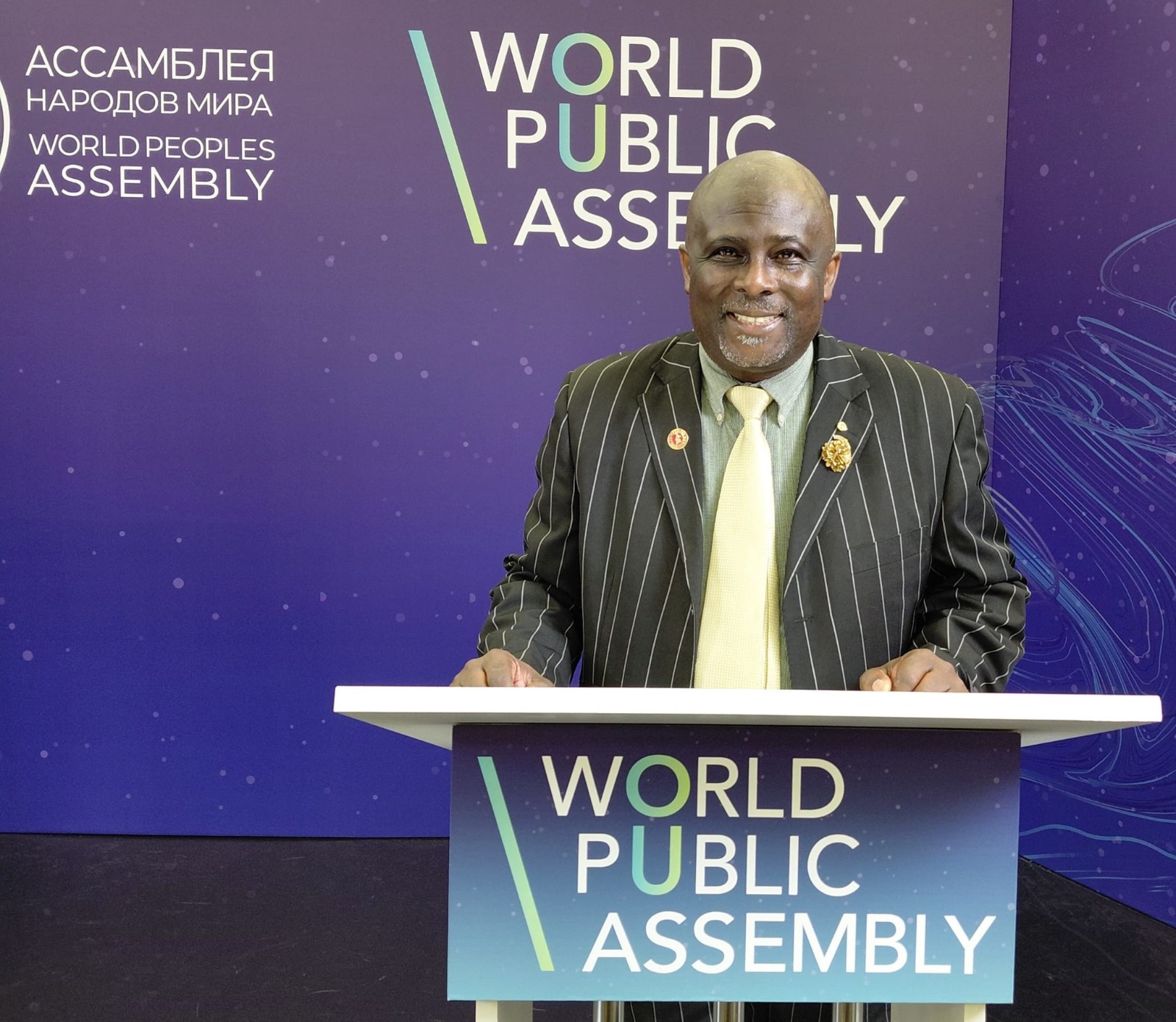
The Literary Philosophical Vision of Bill F Ndi, PAWA President. Paper presented at the World Public Assembly/III World Organization of Writers Congress in Moscow, Russia, September 18, 2026. At a…
Caroline Laurent Turunc… The Poetess of Light brings her story from Antakya to children around the world
Between Antakya and Paris, Caroline Laurent Turunc has built a literary world where memory and imagination meet, and where human questions find a place alongside childhood dreams. A French writer…
 thesilkroadtoday