 thesilkroadtoday
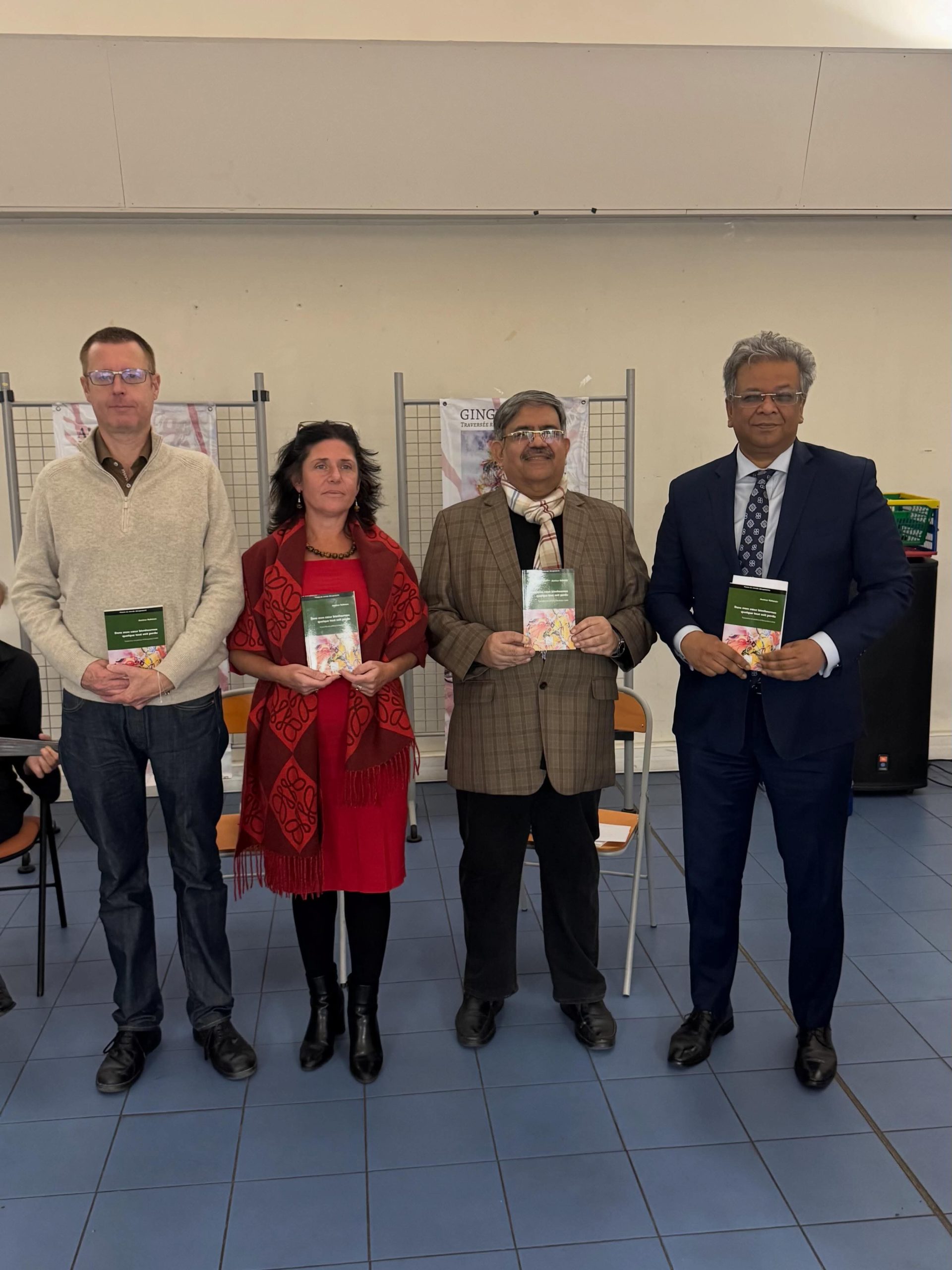
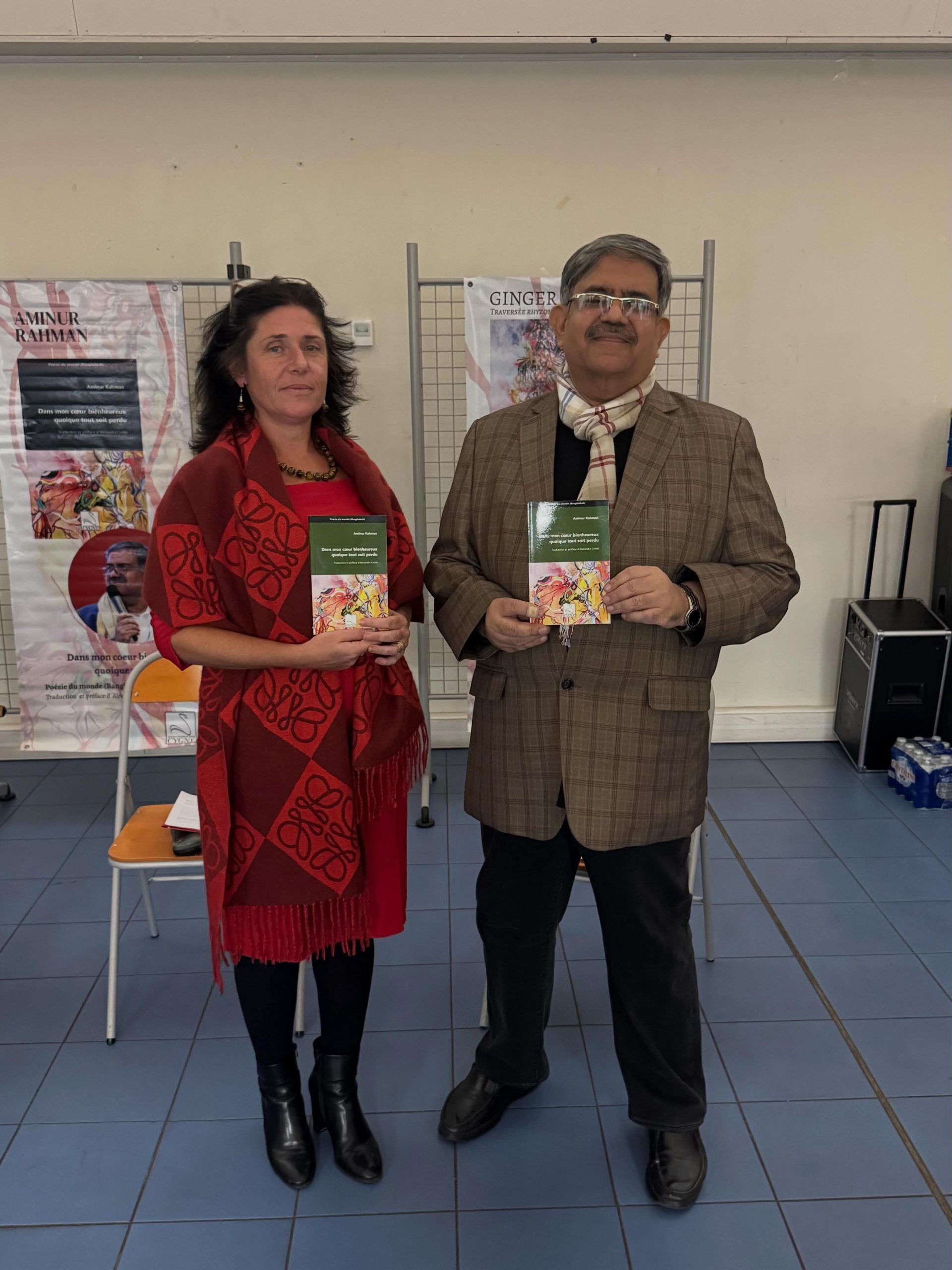 A literary gathering brings together international poets, readers, and Bangladesh’s diplomatic representation in France to celebrate poetry as a bridge between cultures.
PARIS, France — October 2026
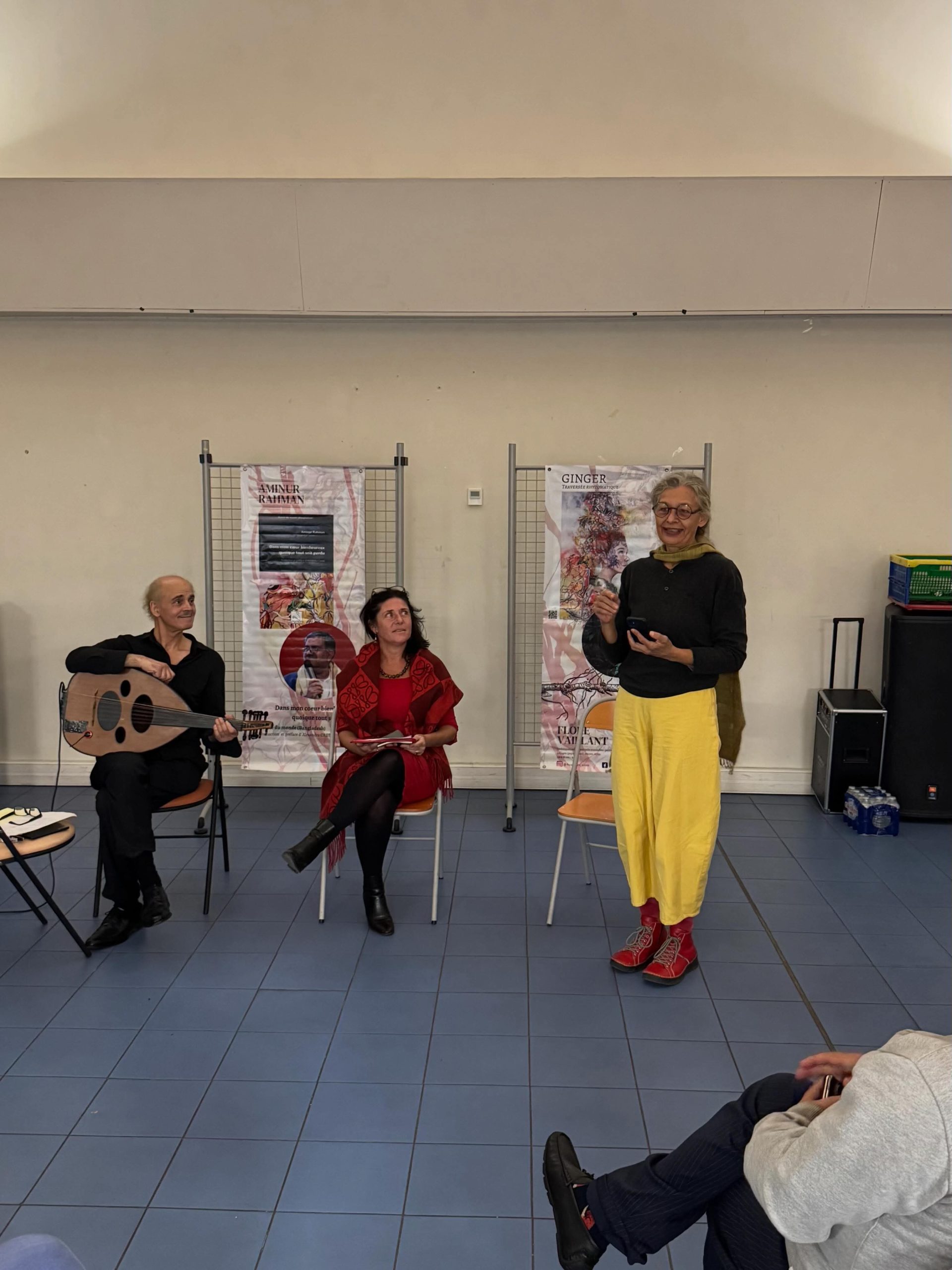
Paris recently hosted an international poetry recital celebrating Bangladeshi poet Aminur Rahman and the presentation of his poetry collection, Dans mon cœur, bien heureux, quoique tout soit perdu (In My Heart, Happy Though Everything Is Lost).
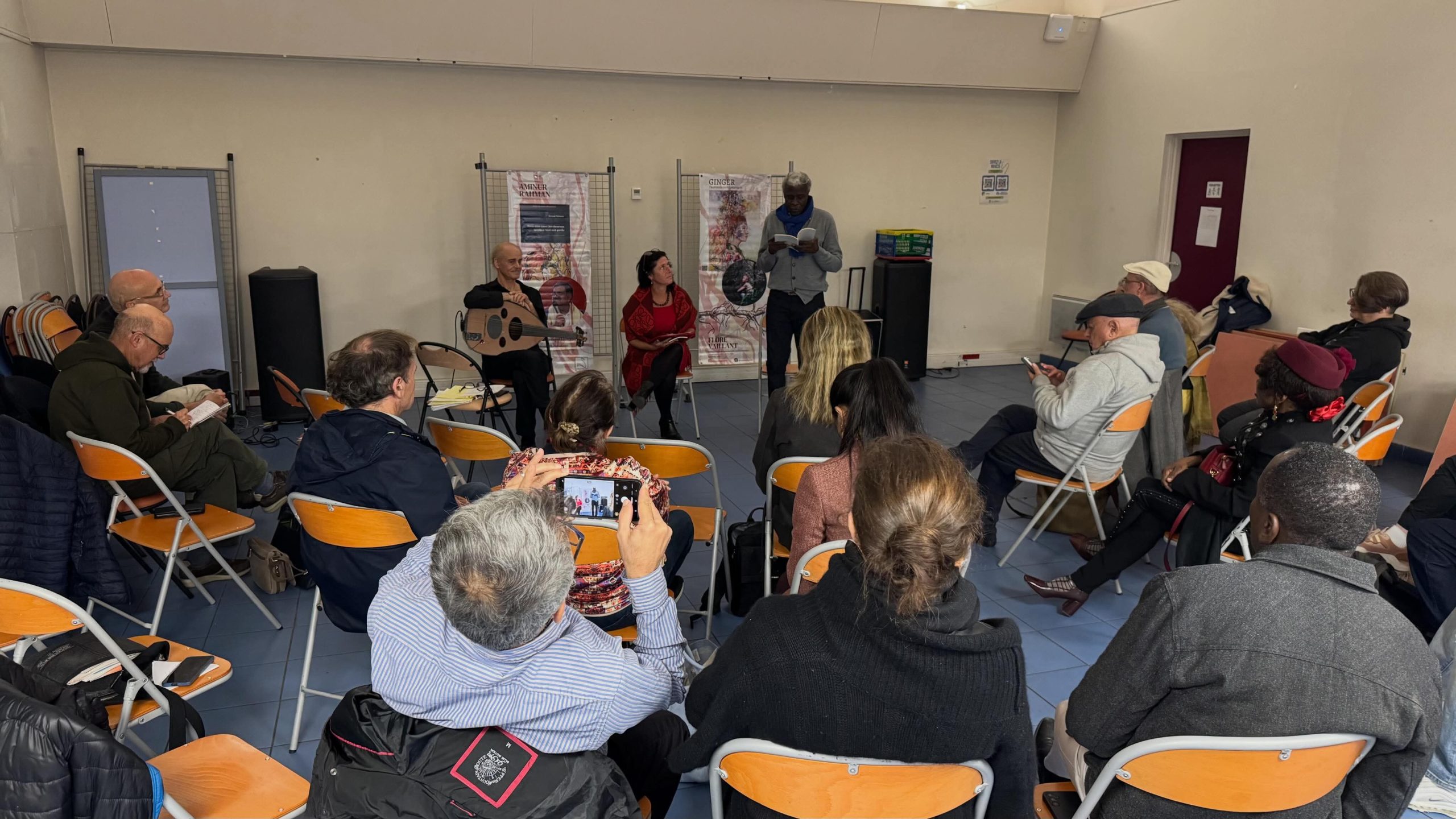
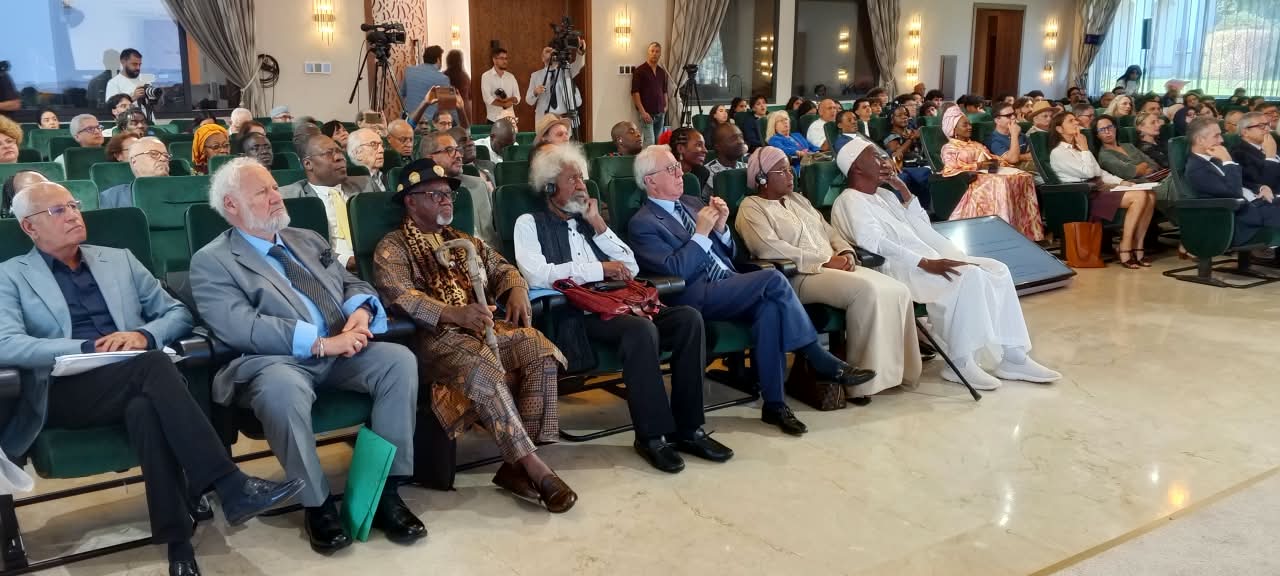
The event brought together poets, literary enthusiasts, and members of the public for an evening devoted to poetry, cultural exchange, and the power of the written word to communicate emotions that transcend geographical and linguistic boundaries.
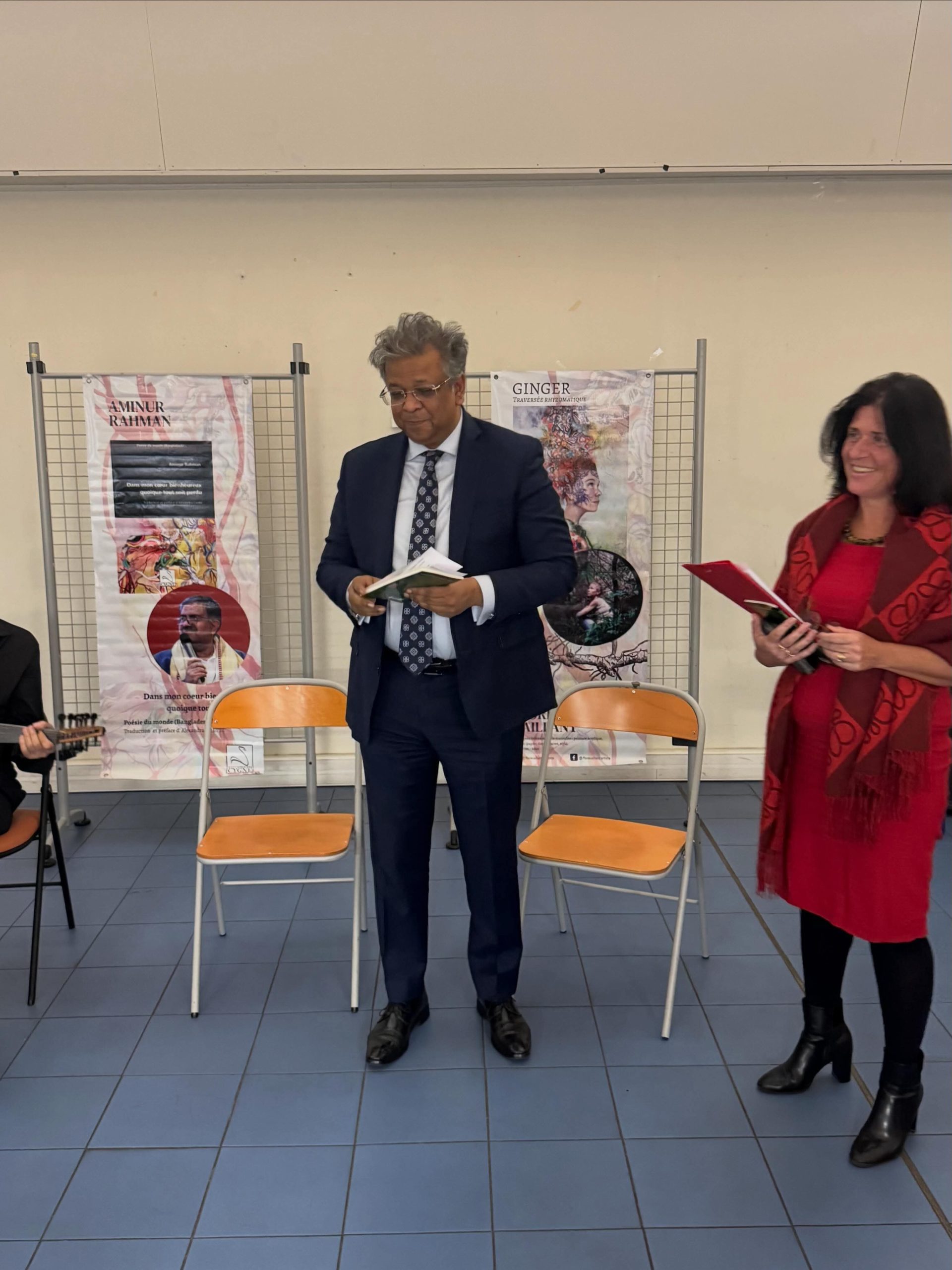
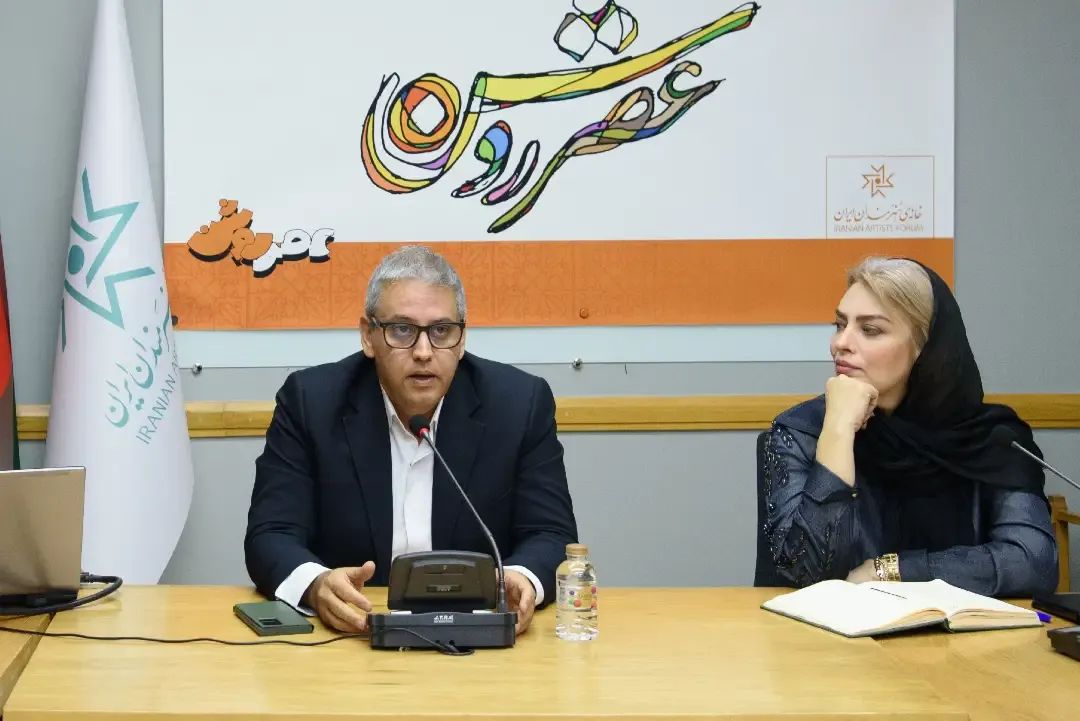
The gathering was attended by His Excellency Khondker Mohammad Talha, Ambassador of Bangladesh to France and Monaco and Permanent Delegate of Bangladesh to UNESCO, whose presence highlighted the cultural and diplomatic significance of literary initiatives that connect nations through their artistic voices.
Aminur Rahman: A Poetic Encounter Across Cultures
At the heart of the gathering was Aminur Rahman’s collection, whose French title evokes a deeply personal reflection on happiness, loss, and the emotional contradictions of human experience.
The presentation offered an opportunity to bring the poet’s work before a French audience and to create a space for dialogue among writers from different cultural and linguistic backgrounds.
Poetry, with its capacity to express intimate experiences through universal themes, provided the common ground for the encounter. The recital also reaffirmed the importance of literary gatherings in introducing readers to voices from other parts of the world and encouraging conversations across cultural boundaries.
The participation of numerous poets enriched the event, transforming the presentation into a collective celebration of literature and the diversity of poetic expression.

Poetry as a Bridge Between Nations
The presence of Bangladesh’s ambassador added a diplomatic dimension to the occasion, underlining the role of literature and the arts in fostering international understanding.
As a country with a distinguished literary and linguistic heritage, Bangladesh has a particularly meaningful relationship with poetry. Its cultural history is closely connected to the Bengali language and the importance of linguistic identity, artistic expression, and the preservation of cultural memory.
In an international setting such as Paris, the presentation of a Bangladeshi poet’s work offers an opportunity to extend this literary heritage to new audiences while encouraging exchanges between French-speaking readers and writers from other traditions.
Such encounters demonstrate how poetry can create a shared space in which different languages and experiences meet without losing their distinctive identities.
A Warm Welcome from the Literary Community
The organisers expressed their gratitude to Aminur Rahman, the participating poets, and the audience for contributing to the success of the gathering.
Among those associated with the event were Tobias Aminur Rahman, Jennifer Grousselas, Arwa Ben Dhia, and José Muchnik.
The warm reception and active participation of the audience helped create an atmosphere of shared emotion and literary appreciation, reinforcing the value of bringing poets and readers together beyond the pages of a book.
The event concluded as a celebration of poetic expression, friendship, and cultural dialogue, leaving a memorable impression on those who attended.
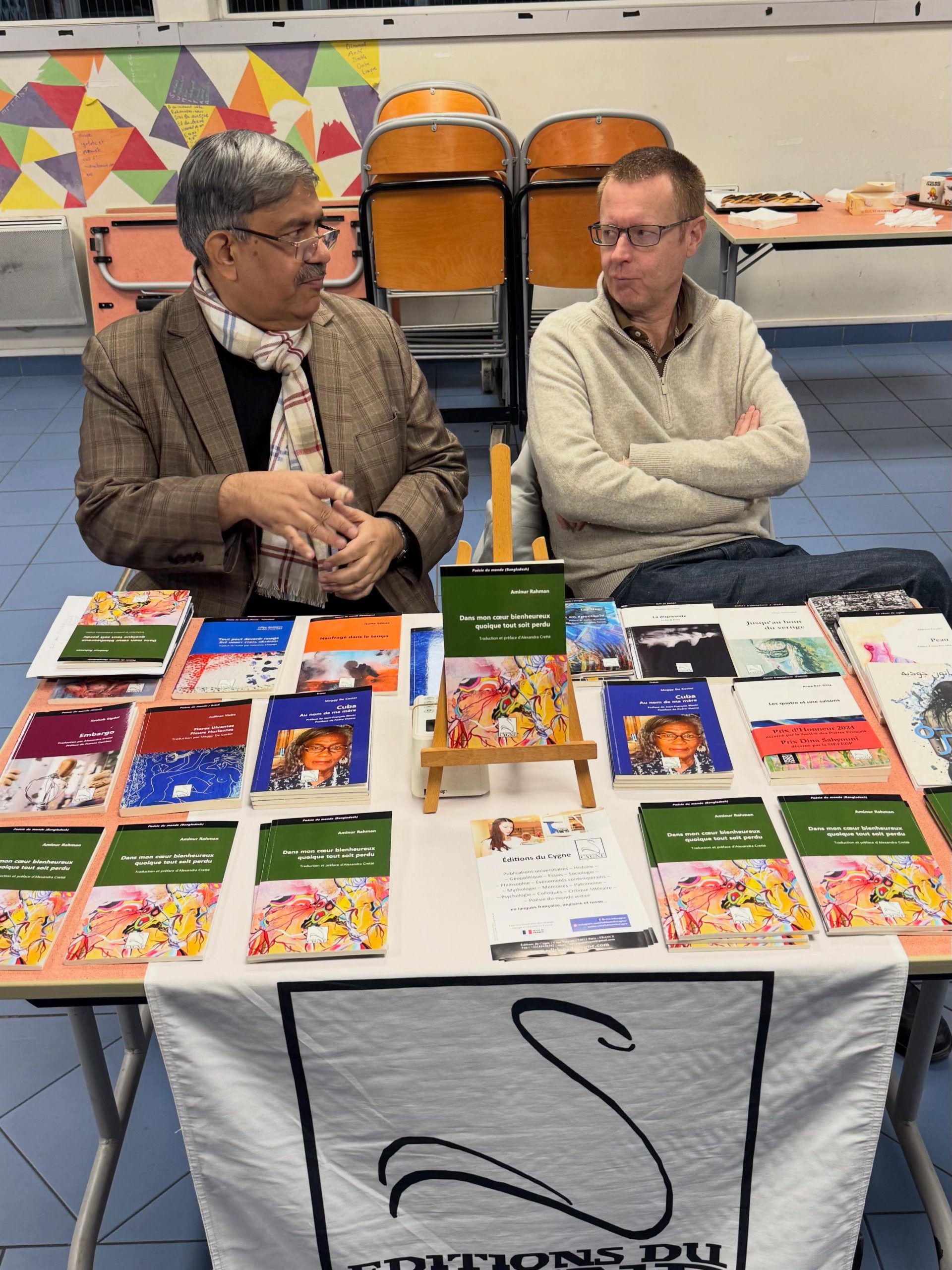
A Continuing Dialogue Through Literature
The Paris recital reflects the continuing importance of international literary gatherings in giving writers opportunities to present their work, encounter new audiences, and establish connections across national and linguistic boundaries.
By placing Aminur Rahman’s poetry at the centre of an international gathering, the event offered more than a book presentation: it created a meeting point for different voices united by their interest in literature and the human experience.
In a world shaped by cultural diversity and changing international relationships, poetry continues to offer a language of its own—one capable of carrying memories, expressing loss and hope, and bringing people together through the simple yet profound act of sharing words.
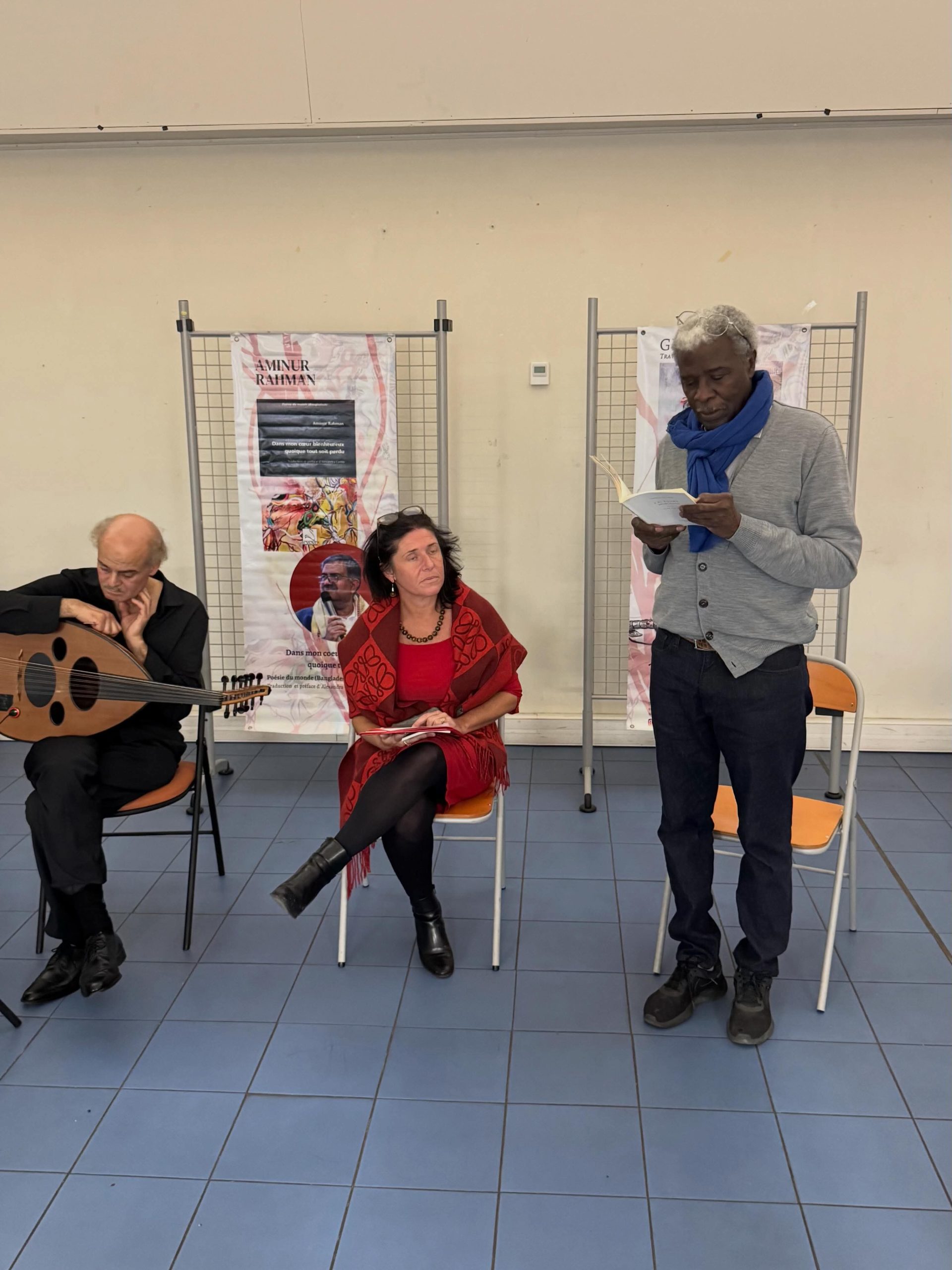
The Paris gathering was a reminder that poetry does not need a single language to create a common understanding. Its most enduring achievement is often the connection it establishes between one human heart and another.