Trending News:Dar Awalim Al-Kitab: Rabat’s Garden of Knowledge, Rooted in the Heart«عصر روشن» تستأنف حوارها الثقافي في بيت الفنانين الإيرانيين.. لقاء معرفي يستشرف آفاق المستقبلCross-Cultural Literary Conversation in Ufa to Explore African Women’s Voices from Cleopatra to the Present DayMiki Matheson: Japan’s Paralympic Gold Medallist and Global Advocate for Inclusive Sportكتاب يستعيد شغف الأدبA Book to Reclaim the Passion for Literatureالدكتورة مُنى رسلان: أزمةُ المُثقَّف والتحوُّلات في البُنية الدلاليَّة للنَّقد الماركسيِّجبروت الفنون الروسية يا رقّة قلوبنا…Andrew Parsons Becomes an Honoured Guest at Governor Hideaki Ohmura’s Distinguished Gathering in JapanVietnam, Myanmar and Laos Agree to Join 100 CTFP 40 Minutes Before the APC Anthem Is PlayedPokhrelian Stanzas: A Paradigm Shift in the Poetry World Soyinka at 40: Three Nobel Laureates Celebrate the Opening of the House of the Worlds of the Book عبد الرازق عكاشة يفوز بجائزة البردي الذهبية.. أول مصري ينضم إلى قائمة أيقونات الإبداع العالميEgyptian Novel The Country Doctor’s Tale Reaches Readers Across the Middle East in Neil Hewison’s English TranslationBOOK REVIEW: THE ROAD TO SHAMAWES افتتاح معرض «جنكيز خان وعالم المغول» في برلينباكو: حفل تقديم الطبعة الأذربيجانية من رواية «شماوس» للكاتب أشرف أبو اليزيد Baku: Presentation Ceremony Held for the Azerbaijani Edition of Ashraf Dali’s Novel Shamawesجو تونس.. بينالي الفن المعاصرنهى سويد تكتب “… ثم ّ زغرودة امرأة”إقامة حفل تقديم كتاب «كيف عرفتُك» في مركز سومقاييت للمقام الموسيقيديجول ـ بورقيبة.. وصراع الإرادات في بنزرتحلمت حلما غريبا … جدلية الأحلام وواقع اليقظةلطيفة حرباوي.. حين تضحك القصيدة بسن واحدةFrom Ake to Stockholm: Revisiting Wole Soyinka’s Journey from Childhood Memories to Global Literary LegacyLittle Stars, Big Stories: My First English Storybook Introduces Young Learners to the Joy of Readingمن شارعٍ في القاهرة إلى داكار: الصحافة السنغالية تحتفي بالرحلة الأدبية للشاعر المصري أشرف أبو اليزيدFrom a Street in Cairo to Dakar: Senegalese Press Highlights Egyptian Poet Ashraf Aboul-Yazid’s Literary Journeyقراءة تشكيلية مختصرة: معرض”ناس من شارعنا” للفنان القدير عبدالرازق عكاشةRabat Celebrates the Worlds of Booksالرباط تحتفي بعوالم الكتاب: حوار الثقافات وقراءات الشباب واحتفاء شعري بمحمود درويشحيفا والنورس …آفاق الأحاديث والوقائع«ناس من شارعنا».. عبد الرازق عكاشة يحتفي بشعرية الحياة اليومية في معرض جديدKorean Business Delegation to Attend Arab-African Investment Summit in Egyptمع وولي سوينكاWith Wole Soyinkaزيتونة تالا … جدلية المسار والذات الطفوليةGranada Celebrates Sahiliana 2026: 680 Years of Literary Heritage Connecting Mali and Spainفنانٌ شامخٌ بموقفه الوطنيGlobal Call for Poems: “Hearts Poetry Connects Across Borders” Invites Poets to Explore the Awakening of the SoulRabat Celebrates Its Role as UNESCO World Book Capital 2026 with the Opening of the House of Book Worldsالمكحلة وطائر الرفرافThe Royal Academy of Morocco Launches the House of the Worlds of Booksأكاديمية المملكة المغربية تطلق «دار عوالم الكتاب»صوتُ الصحراء الذي يسكن المنفىThe Voice of the Desert That Inhabits Exileالعملاق الخجول … ثنائية الطرح والحلولحوار مع الفنانة التشكيلية منار مجدي «كوبا بويزيا» تنقل الشعر إلى قلب حي كازينو ديبورتيفو في هافاناجائزة WOW لعام 2026: تشاو شوي — الشعر جسرٌ بين العوالممهرجان كستريتش الدولي للشعر يفتتح دورته الثانية عشرة في كينياA Day of Friendship in Riogembo Village, Kenyaيومٌ من الصداقة في قرية ريوجيمبوالكَوّنُ في ذاتِهِ … قصيدة للشاعر پیشوا کاکائيPOET AND THE WARTales from Our Streets: The Poetry of Everyday Life in Abdel Razek Okasha’s Parisحكايات من شارعنا: شعرية الحياة اليومية في باريس عبد الرازق عكاشةMadam Sabena: THE VOICE OF MOTHERSRANTAU AND RHYTHM: WHEN POETRY BECOMES A HOMEشعر بلا حدود: مهرجان كستريتش الدولي للشعر في دورته الثانية عشرة (حوار مع د. كريستوفر أوكيموا)Freedom, Responsibility, and Renewal: Literature Must Remain Humanity’s Most Courageous ConversationGolden Papyrus Award Announces Three New Laureates from Syria, Saudi Arabia, and Kenyaجائزة البردي الذهبي تعلن أسماء ثلاثة فائزين جدد من سوريا والسعودية وكينياThey Were Returning HomeCaroline Laurent Turunc… The Poetess of Light brings her story from Antakya to children around the worldكارولين لوران تورونك… شاعرة النور تحمل حكايتها من أنطاكية إلى أطفال العالمJapanese Ambassador Ueno Atsushi Welcomes Natalia Tjahja Ahead of Asian Para Games Aichi NagoyaKEDA Welcomes President El-Sisi’s Visit to South Korea, Hailing a New Era of Strategic Partnership and Economic Cooperationاتحاد الكتاب الأذربيجانيين يحتفي الترجمة الأذرية لرواية أشرف أبو اليزيد «شماوس» في باكوAzerbaijani Writers’ Union to Celebrate Azerbaijani Translation of Ashraf Aboul-Yazid’s Novel Shamawes in Bakuالمفتاح والمزاح … السلوكيات : الطرح والحلولبستان حسام … رسالة العمل وآفاق الاتقانMemory That Defeats Death – An Interview with Alexandra Ochirovaالذاكرة التي تنتصر على الموتثلاث ليالٍ وليلة… مجموعة قصصية تستكشف عتمات النفس البشرية Poetry Without Borders: Inside the 12th Kistrech International Poetry Festival (Interview)SAHILIANA: An Anthology of the Poetry of Es-Sahili and His Descendants Celebrating 680 Years of Poetic Heritageالاتحاد الاقتصادي الأوراسي – الإمارات العربية المتحدة: جسر تجاري جديد لأوراسيا الكبرىآثار مصر القديمة في قازان تستعيد حياة جديدةخلف الشاشة … الهواية وخارطة الطريق فوفو جرة حكي … جدلية الطرح والحلول Maldives Sports Minister and Indonesia’s NOC Stand Behind 100 CTFP for Para AthletesTwo Significant Publications on Indian Architecture, Urbanism and Heritageشاعر الكلمة المقاتلة … إفندي منصوروفيتش كابييفبعد سبع سنوات على وفاته.. إحياء ذكرى الشاعر المكسيكي إنريكي سيرفين بقراءة قصائد في «إل خونكو»فيل في الغرفة!100 Libri d’Autore: A Literary Bridge of Words Connecting Authors, Readersحين تجلس الكاميرا في مقعد القاضيПамять, время, семья, история и Родинаقراءة نقدية في ديوان ألكسندرا أوتشيروفا “الكونية الروسية: الذاكرة”A Critical Reading of Alexandra Ochirova’s Russian Cosmism: MemoryPoetry, Academia and the Silk Road Converge at Shaanxi CollegeNutifafa Takes the Mic at UniMAC Freshers’ JamInterview with Paola Carletti, conducted by Gioia LomastiInterview with Simona Righi – Siris Mosaiciأولوغبيك يسداوليتوف (قصائد مختارة)الأمثال الشعبية في المنطقة الشرقية للمملكة المغربية … حين تتحول الذاكرة الشعبية إلى كتابPAWA Quarterly Newsletter Highlights a Dynamic Season of African Literary and Cultural Engagementسجادة السعادة … ثقافة العمل والتدين
Trending News:Dar Awalim Al-Kitab: Rabat’s Garden of Knowledge, Rooted in the Heart«عصر روشن» تستأنف حوارها الثقافي في بيت الفنانين الإيرانيين.. لقاء معرفي يستشرف آفاق المستقبلCross-Cultural Literary Conversation in Ufa to Explore African Women’s Voices from Cleopatra to the Present DayMiki Matheson: Japan’s Paralympic Gold Medallist and Global Advocate for Inclusive Sportكتاب يستعيد شغف الأدبA Book to Reclaim the Passion for Literatureالدكتورة مُنى رسلان: أزمةُ المُثقَّف والتحوُّلات في البُنية الدلاليَّة للنَّقد الماركسيِّجبروت الفنون الروسية يا رقّة قلوبنا…Andrew Parsons Becomes an Honoured Guest at Governor Hideaki Ohmura’s Distinguished Gathering in JapanVietnam, Myanmar and Laos Agree to Join 100 CTFP 40 Minutes Before the APC Anthem Is PlayedPokhrelian Stanzas: A Paradigm Shift in the Poetry World Soyinka at 40: Three Nobel Laureates Celebrate the Opening of the House of the Worlds of the Book عبد الرازق عكاشة يفوز بجائزة البردي الذهبية.. أول مصري ينضم إلى قائمة أيقونات الإبداع العالميEgyptian Novel The Country Doctor’s Tale Reaches Readers Across the Middle East in Neil Hewison’s English TranslationBOOK REVIEW: THE ROAD TO SHAMAWES افتتاح معرض «جنكيز خان وعالم المغول» في برلينباكو: حفل تقديم الطبعة الأذربيجانية من رواية «شماوس» للكاتب أشرف أبو اليزيد Baku: Presentation Ceremony Held for the Azerbaijani Edition of Ashraf Dali’s Novel Shamawesجو تونس.. بينالي الفن المعاصرنهى سويد تكتب “… ثم ّ زغرودة امرأة”إقامة حفل تقديم كتاب «كيف عرفتُك» في مركز سومقاييت للمقام الموسيقيديجول ـ بورقيبة.. وصراع الإرادات في بنزرتحلمت حلما غريبا … جدلية الأحلام وواقع اليقظةلطيفة حرباوي.. حين تضحك القصيدة بسن واحدةFrom Ake to Stockholm: Revisiting Wole Soyinka’s Journey from Childhood Memories to Global Literary LegacyLittle Stars, Big Stories: My First English Storybook Introduces Young Learners to the Joy of Readingمن شارعٍ في القاهرة إلى داكار: الصحافة السنغالية تحتفي بالرحلة الأدبية للشاعر المصري أشرف أبو اليزيدFrom a Street in Cairo to Dakar: Senegalese Press Highlights Egyptian Poet Ashraf Aboul-Yazid’s Literary Journeyقراءة تشكيلية مختصرة: معرض”ناس من شارعنا” للفنان القدير عبدالرازق عكاشةRabat Celebrates the Worlds of Booksالرباط تحتفي بعوالم الكتاب: حوار الثقافات وقراءات الشباب واحتفاء شعري بمحمود درويشحيفا والنورس …آفاق الأحاديث والوقائع«ناس من شارعنا».. عبد الرازق عكاشة يحتفي بشعرية الحياة اليومية في معرض جديدKorean Business Delegation to Attend Arab-African Investment Summit in Egyptمع وولي سوينكاWith Wole Soyinkaزيتونة تالا … جدلية المسار والذات الطفوليةGranada Celebrates Sahiliana 2026: 680 Years of Literary Heritage Connecting Mali and Spainفنانٌ شامخٌ بموقفه الوطنيGlobal Call for Poems: “Hearts Poetry Connects Across Borders” Invites Poets to Explore the Awakening of the SoulRabat Celebrates Its Role as UNESCO World Book Capital 2026 with the Opening of the House of Book Worldsالمكحلة وطائر الرفرافThe Royal Academy of Morocco Launches the House of the Worlds of Booksأكاديمية المملكة المغربية تطلق «دار عوالم الكتاب»صوتُ الصحراء الذي يسكن المنفىThe Voice of the Desert That Inhabits Exileالعملاق الخجول … ثنائية الطرح والحلولحوار مع الفنانة التشكيلية منار مجدي «كوبا بويزيا» تنقل الشعر إلى قلب حي كازينو ديبورتيفو في هافاناجائزة WOW لعام 2026: تشاو شوي — الشعر جسرٌ بين العوالممهرجان كستريتش الدولي للشعر يفتتح دورته الثانية عشرة في كينياA Day of Friendship in Riogembo Village, Kenyaيومٌ من الصداقة في قرية ريوجيمبوالكَوّنُ في ذاتِهِ … قصيدة للشاعر پیشوا کاکائيPOET AND THE WARTales from Our Streets: The Poetry of Everyday Life in Abdel Razek Okasha’s Parisحكايات من شارعنا: شعرية الحياة اليومية في باريس عبد الرازق عكاشةMadam Sabena: THE VOICE OF MOTHERSRANTAU AND RHYTHM: WHEN POETRY BECOMES A HOMEشعر بلا حدود: مهرجان كستريتش الدولي للشعر في دورته الثانية عشرة (حوار مع د. كريستوفر أوكيموا)Freedom, Responsibility, and Renewal: Literature Must Remain Humanity’s Most Courageous ConversationGolden Papyrus Award Announces Three New Laureates from Syria, Saudi Arabia, and Kenyaجائزة البردي الذهبي تعلن أسماء ثلاثة فائزين جدد من سوريا والسعودية وكينياThey Were Returning HomeCaroline Laurent Turunc… The Poetess of Light brings her story from Antakya to children around the worldكارولين لوران تورونك… شاعرة النور تحمل حكايتها من أنطاكية إلى أطفال العالمJapanese Ambassador Ueno Atsushi Welcomes Natalia Tjahja Ahead of Asian Para Games Aichi NagoyaKEDA Welcomes President El-Sisi’s Visit to South Korea, Hailing a New Era of Strategic Partnership and Economic Cooperationاتحاد الكتاب الأذربيجانيين يحتفي الترجمة الأذرية لرواية أشرف أبو اليزيد «شماوس» في باكوAzerbaijani Writers’ Union to Celebrate Azerbaijani Translation of Ashraf Aboul-Yazid’s Novel Shamawes in Bakuالمفتاح والمزاح … السلوكيات : الطرح والحلولبستان حسام … رسالة العمل وآفاق الاتقانMemory That Defeats Death – An Interview with Alexandra Ochirovaالذاكرة التي تنتصر على الموتثلاث ليالٍ وليلة… مجموعة قصصية تستكشف عتمات النفس البشرية Poetry Without Borders: Inside the 12th Kistrech International Poetry Festival (Interview)SAHILIANA: An Anthology of the Poetry of Es-Sahili and His Descendants Celebrating 680 Years of Poetic Heritageالاتحاد الاقتصادي الأوراسي – الإمارات العربية المتحدة: جسر تجاري جديد لأوراسيا الكبرىآثار مصر القديمة في قازان تستعيد حياة جديدةخلف الشاشة … الهواية وخارطة الطريق فوفو جرة حكي … جدلية الطرح والحلول Maldives Sports Minister and Indonesia’s NOC Stand Behind 100 CTFP for Para AthletesTwo Significant Publications on Indian Architecture, Urbanism and Heritageشاعر الكلمة المقاتلة … إفندي منصوروفيتش كابييفبعد سبع سنوات على وفاته.. إحياء ذكرى الشاعر المكسيكي إنريكي سيرفين بقراءة قصائد في «إل خونكو»فيل في الغرفة!100 Libri d’Autore: A Literary Bridge of Words Connecting Authors, Readersحين تجلس الكاميرا في مقعد القاضيПамять, время, семья, история и Родинаقراءة نقدية في ديوان ألكسندرا أوتشيروفا “الكونية الروسية: الذاكرة”A Critical Reading of Alexandra Ochirova’s Russian Cosmism: MemoryPoetry, Academia and the Silk Road Converge at Shaanxi CollegeNutifafa Takes the Mic at UniMAC Freshers’ JamInterview with Paola Carletti, conducted by Gioia LomastiInterview with Simona Righi – Siris Mosaiciأولوغبيك يسداوليتوف (قصائد مختارة)الأمثال الشعبية في المنطقة الشرقية للمملكة المغربية … حين تتحول الذاكرة الشعبية إلى كتابPAWA Quarterly Newsletter Highlights a Dynamic Season of African Literary and Cultural Engagementسجادة السعادة … ثقافة العمل والتدين
The Kasbah of the Udayas, a landmark inscribed on the UNESCO World Heritage List, was originally a military fortress whose foundations were laid by the Almoravid Sultan Yusuf ibn Tashfin in the early twelfth century. At its heart lies an Andalusian garden established in the seventeenth century during the reign of the Alaouite Sultan Moulay Rashid
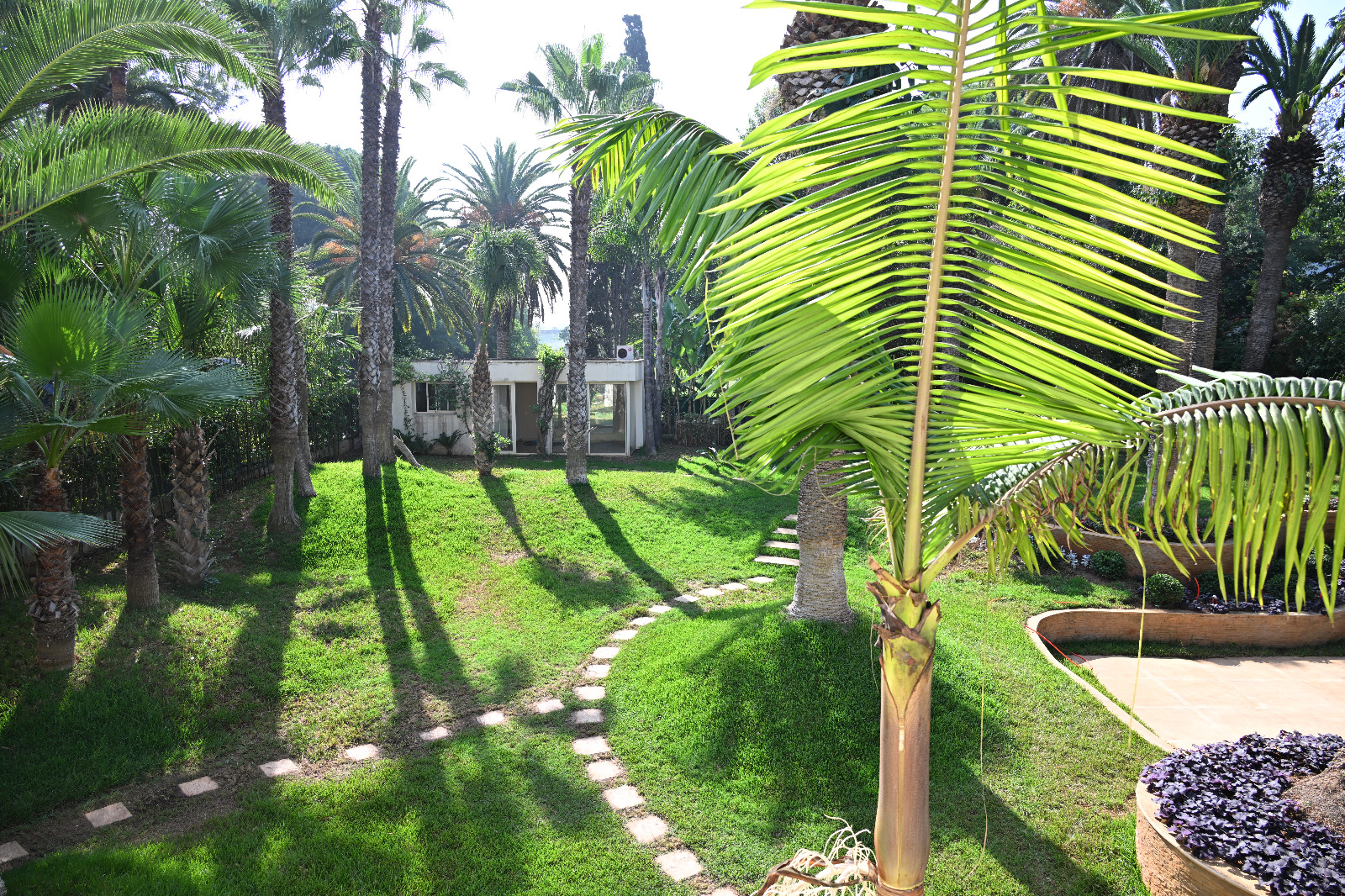
In Rabat, trees do more than line the streets; they guard the city’s memory, sheltering its stories beneath their branches. Where the Bouregreg River meets the Atlantic, water, greenery and ancient architecture compose an open poem, preserving echoes of civilizations past.
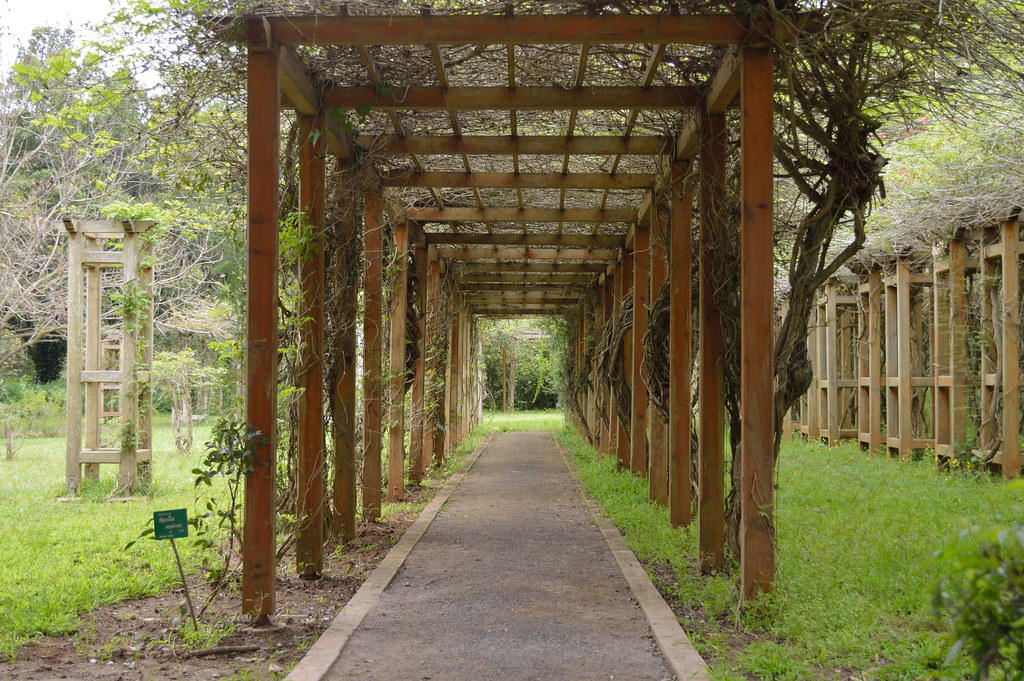
The Botanical Test Garden, known in French as Jardin d’Essais Botaniques, is one of the city’s most important botanical heritage sites. Established in the early twentieth century, its development was closely associated with the work of French landscape architect and horticultural engineer Jean-Claude Nicolas Forestier.
Rabat has long embraced nature, allowing greenery to flow into everyday life. The Botanical Experimental Garden brings together plants from diverse environments, offering a living lesson in adaptation and biodiversity. Beyond its beauty, it cools the local climate, shelters birds and insects, and enriches urban life.
In the Andalusian Garden of the Kasbah of the Udayas, fountains, orange trees and bougainvillea evoke the intimate beauty of Andalusia. Here, architecture and nature converse in harmony, while the Atlantic opens beyond the trees like a window onto infinity.
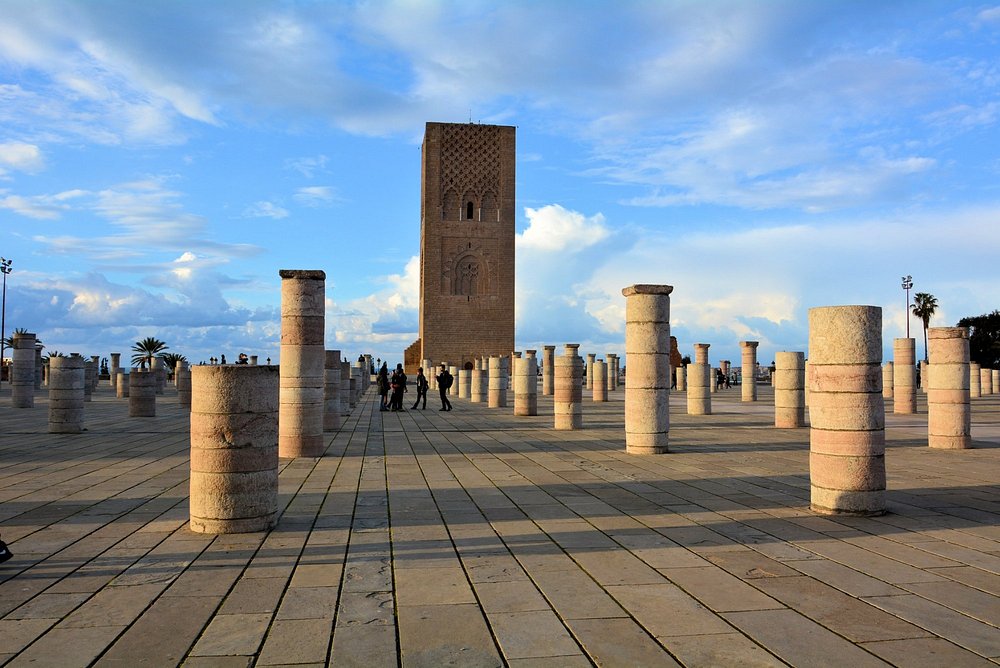
t the Hassan Tower, greenery unfolds alongside history, with landscaped beds and fountains complementing the surrounding architectural monuments.
Near the Hassan Tower, green spaces embrace the legacy of a grand civilization. At Chellah, ancient and Marinid ruins mingle with flowers and roots, softening the boundaries between history and the living earth.
Ibn Sina Forest, the Green Belt and Hassan Park extend this relationship across the city, reminding us that green spaces are essential to modern urban life, offering shade, supporting wildlife and restoring balance between the rhythms of nature and development.
The residency house welcoming writers from around the world
Yet Rabat offers another kind of garden, one without walls or seasons. As trees differ in their leaves, books flourish in languages and ideas. Branches carry seeds into new seasons; words carry the experiences of peoples across generations and cultures.
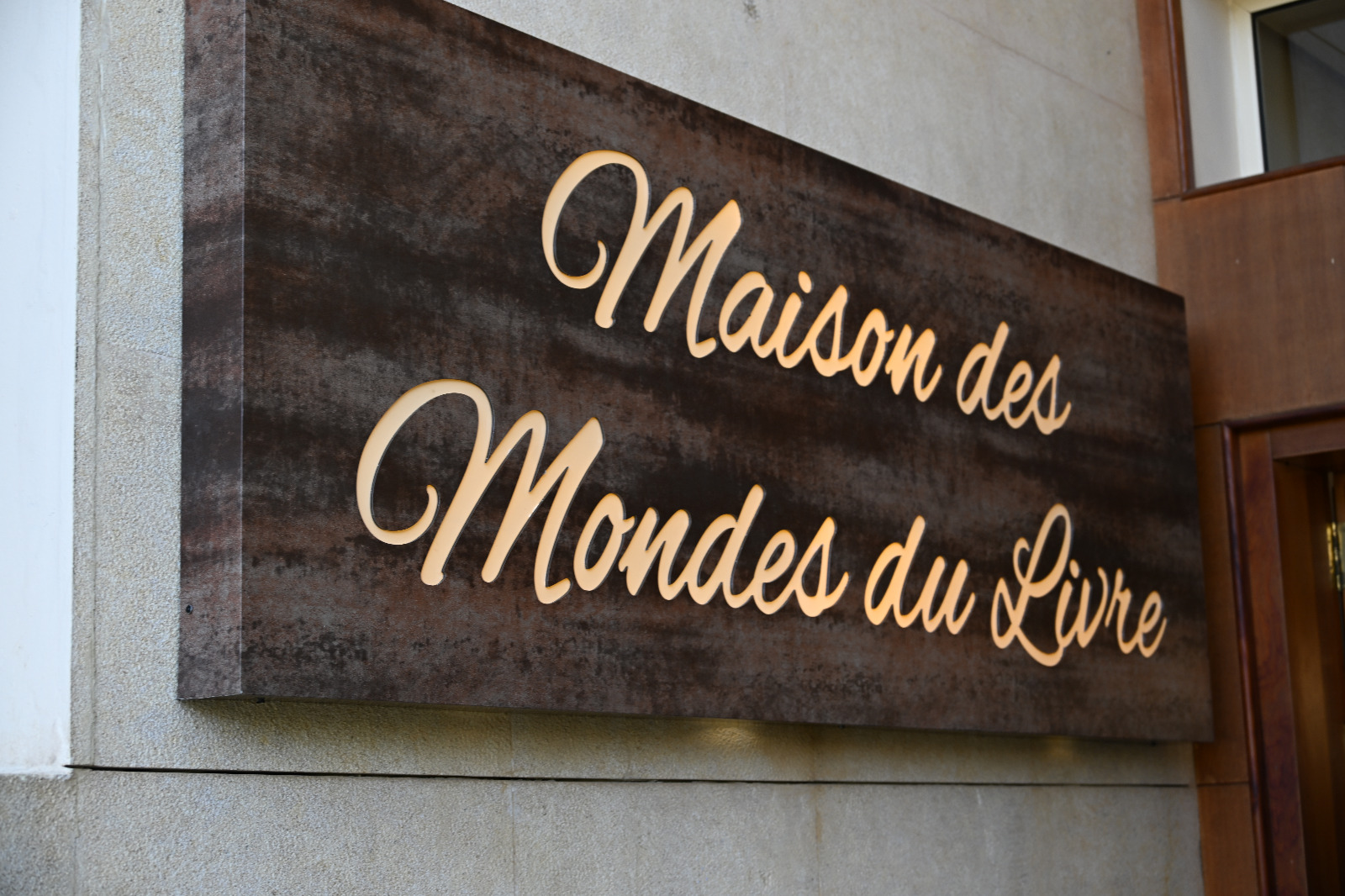
Dar Awalim Al-Kitab (House of the Worlds of Books) is such a garden. Here, ideas grow in place of branches, languages blossom on pages, and cultures intertwine without losing their distinct identities. It is not a garden where we escape the world, but one where we rediscover it—a hanging garden rooted in hearts and minds.
A Caravan of Moroccan Tales
I feel a special affection whenever I return to Morocco. Travelling across its landscapes, I feel accompanied by a silken thread weaving a flying carpet of images—from seashores and ocean cliffs to desert expanses and mountain peaks. It is a wondrous path where myth and history live side by side.
My book, A Caravan of Moroccan Tales, grew from journeys spanning several weeks over many years. Beginning with preparations for travel and the vibrant city of Casablanca, these journeys unfolded along roads linking the north and south. My pen recorded a living past and a present looking towards the future.
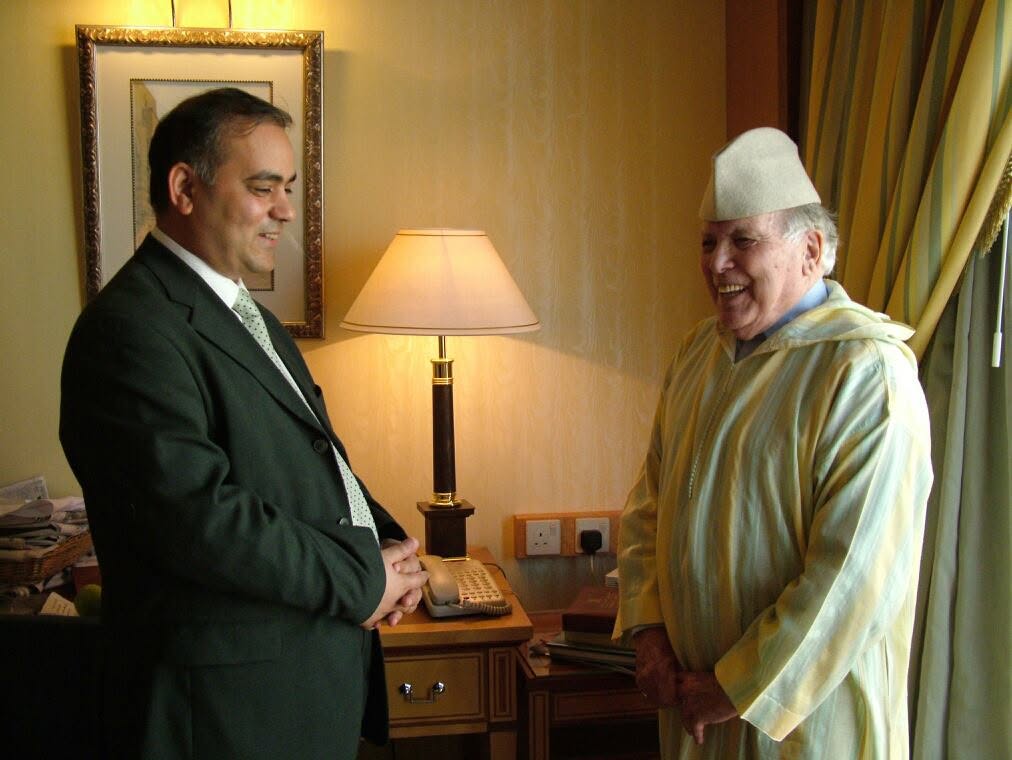
With my dear friend, the eminent scholar Dr Abdelhadi Tazi, editor and researcher of Ibn Battuta’s travelogue
I offer these travel writings with love to the memory of Ibn Battuta, the great Arab traveller and founding spirit of this distinctive literary tradition. I dedicate them, too, to his descendants in spirit, whose generosity reflects his own embrace of the world, especially my distinguished friend, Professor Abd al-Hadi al-Tazi, the eminent scholar and editor of Ibn Battuta’s travels.
This book is also a bouquet laid at the threshold of a beautiful country, strengthening the bridge of affection between the Mashreq and the Maghreb—a bridge connecting histories, generations and our shared future.
Two Visits to the Academy of the Kingdom of Morocco
In January 2026, the Academy of the Kingdom of Morocco invited me to participate as a researcher in a conference organised by its Chair of African Literature and Arts, in partnership with the Pan-African Writers’ Association (PAWA). Entitled From the Manchester Congress of 1945 to the Casablanca Conference of 1961: Shared Memory and Rewriting the History of African Independence, it was held at the Royal Institute for Research on the History of Morocco in Madinat Al Irfane, Rabat.
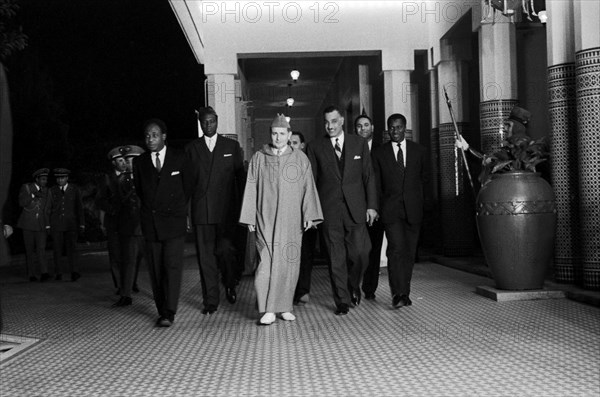
A reception at the Royal Palace in Casablanca during the Casablanca Conference: Kwame Nkrumah, President of Ghana; Modibo Keïta, President of Mali; King Mohammed V of Morocco; Gamal Abdel Nasser, President of Egypt; and Ahmed Sékou Touré, President of Guinea. January 1961
The gathering formed part of the activities of the Academy’s Chair of African Literature and Arts, established in May 2022 to overcome intellectual isolation, promote Africa’s cultural heritage and encourage its circulation across the continent. It brought together distinguished researchers, academics, writers and speakers from Morocco and several African countries.
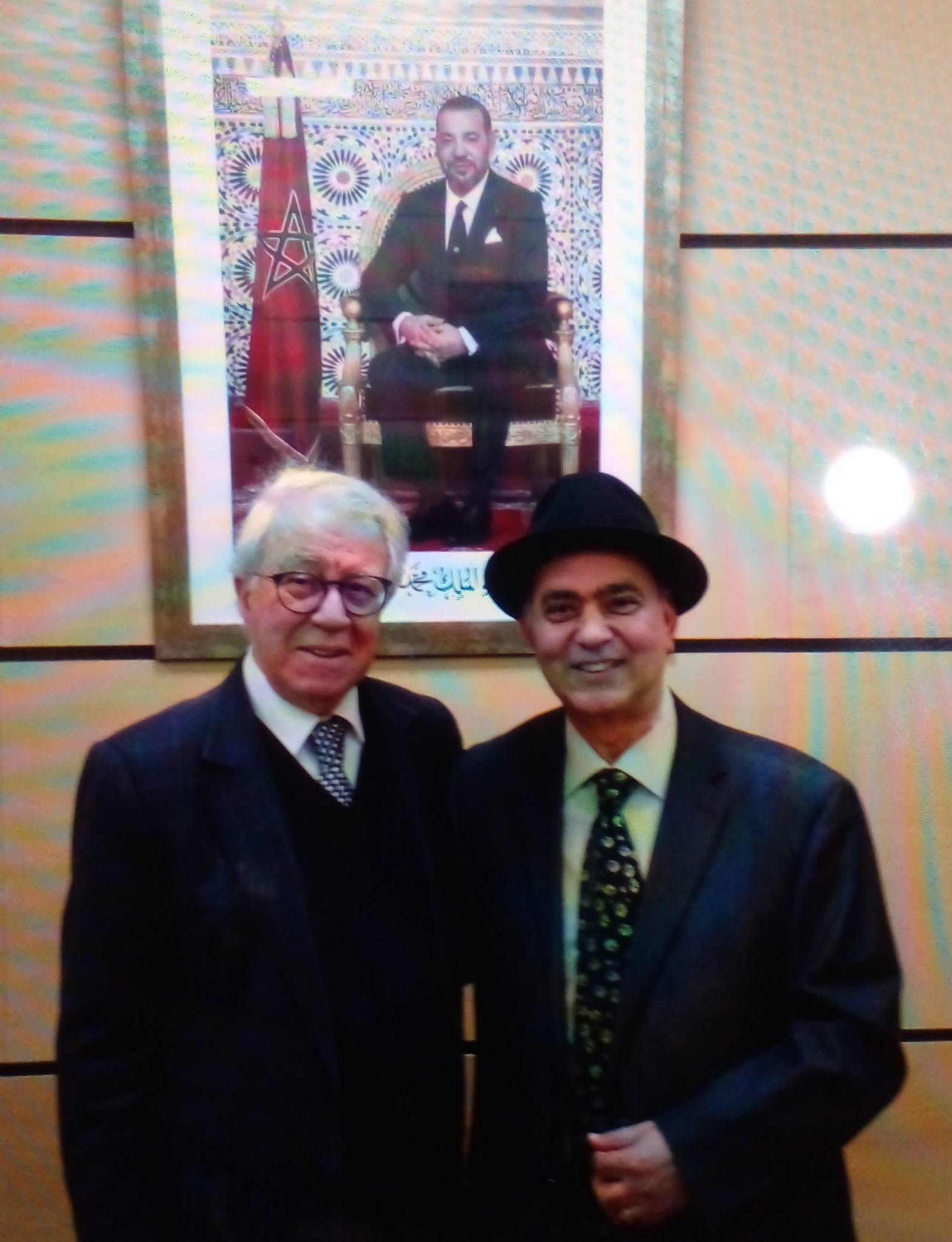
With Abdeljalil Lahjomri, Permanent Secretary of the Academy of the Kingdom of Morocco, on the sidelines of the conference on rewriting the history of African countries’ independence.
Continuing a discussion launched in May 2023 under the theme Writing African History: Realities, Constraints and Challenges, the conference revisited two pivotal milestones in modern African unity: the Fifth Pan-African Congress in Manchester in 1945 and the Casablanca Conference in 1961. Viewed as two poles of a single historical process, they reflected the formation and sharing of African liberation experiences and marked a decisive stage in the continent’s journey towards national sovereignty.
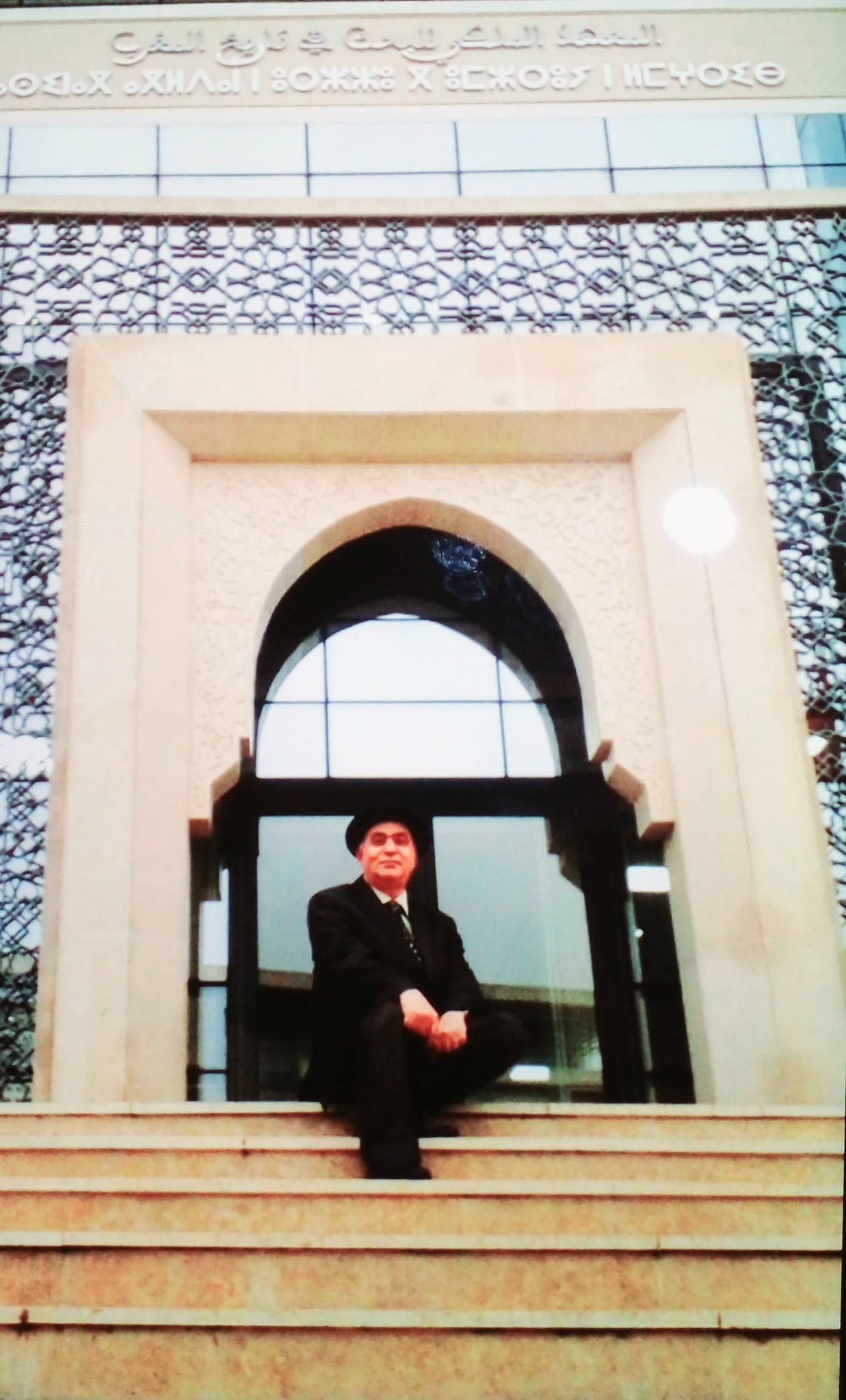
In front of the Royal Institute for Research on the History of Morocco
I recall this event to illustrate the Academy’s vital role in raising cultural questions and seeking answers from minds across the world within a scholarly and democratic space.
In Rabat, where historical memory meets the dreams of the future, books are more than pages preserving their authors’ words. They are windows through which peoples encounter other peoples, bridges crossed by languages, and instruments for recovering humanity’s memory from fragmentation and oblivion.
This vision inspired my response to a second invitation that year. On Friday, 16 October 2026, the headquarters of the Academy of the Kingdom of Morocco witnessed the launch of Dar Awalim Al-Kitab (House of the Worlds of Books). This exceptional cultural event brought together literature, thought, translation and intercultural dialogue, moving beyond a celebration of books to reflect on their future and their role in shaping human consciousness.
Rabat: UNESCO World Book Capital 2026
The initiative coincided with Rabat’s designation by the United Nations Educational, Scientific and Cultural Organization (UNESCO) as World Book Capital 2026. Yet its ambition extended beyond celebrating international recognition. The Academy seeks to transform the occasion into a sustainable cultural project, enriching the city’s intellectual life, providing a permanent meeting place for writers, readers and researchers, and connecting Rabat with literatures and cultures across continents.
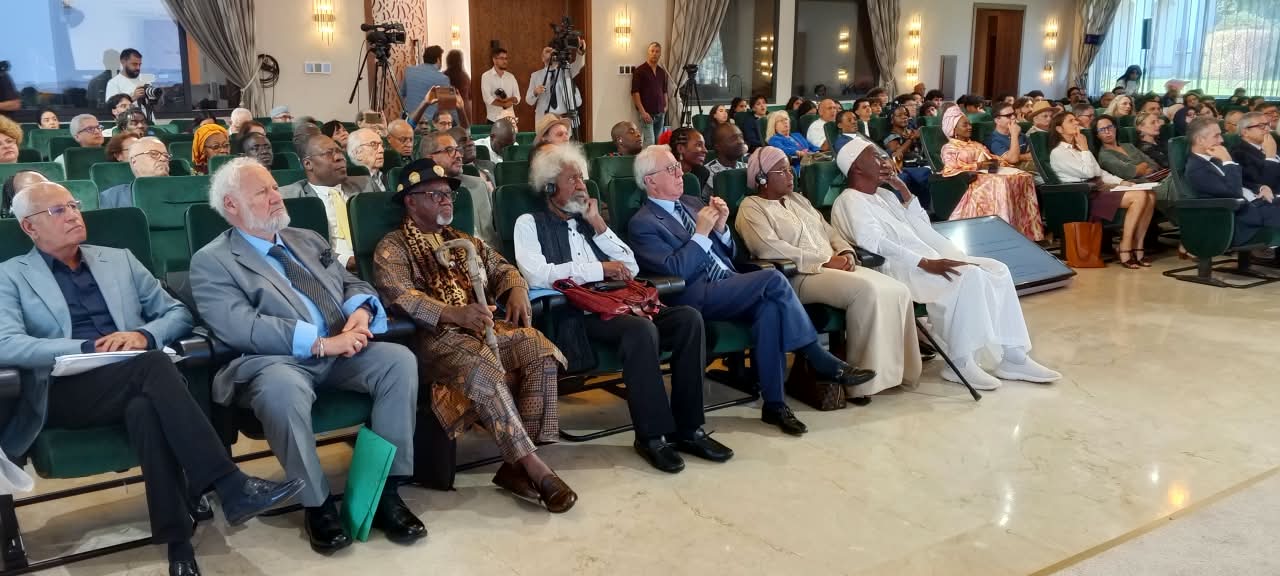
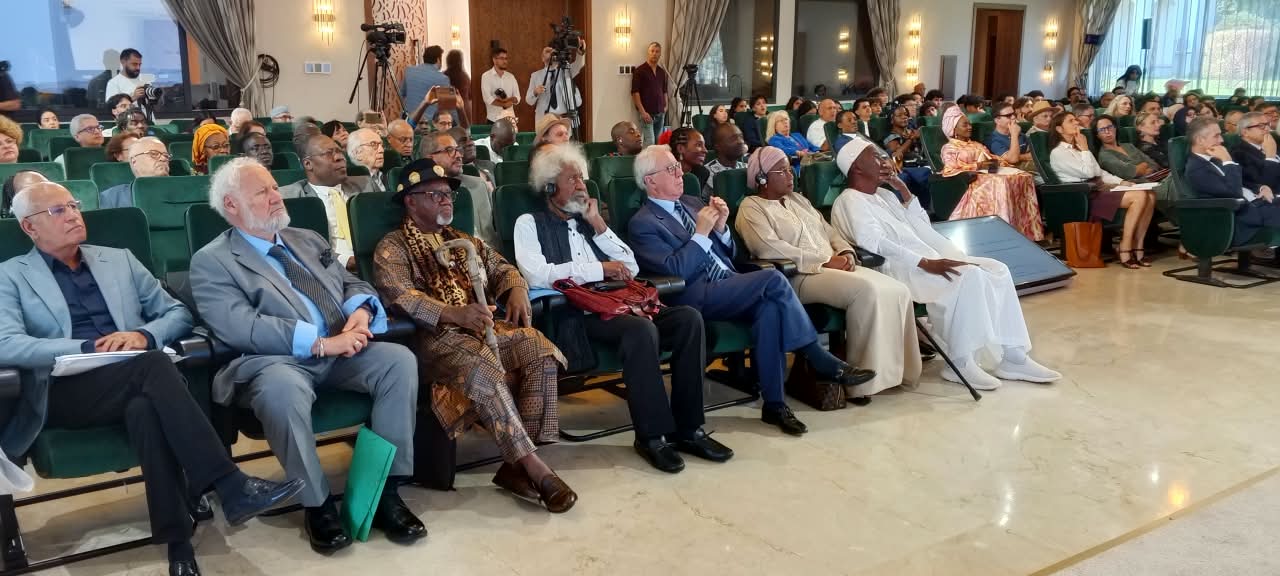
A glimpse of the audience attending the opening of Dar Awalim Al-Kitab, the House of the Worlds of Books.
The choice of the Academy’s headquarters was no coincidence. Long a host to eminent thinkers, scholars, writers and international figures, the institution now bears witness to a new chapter in its mission to renew cultural dialogue—expanding beyond conferences and seminars into writing, literary residencies, translation, publishing and direct engagement with the public.
I was honoured to share this exceptional gathering with leading figures in literature, thought, culture and the media. Far beyond a ceremonial occasion, it affirmed the power of words to bridge peoples, languages and human memory.
At the forefront stood Nigerian professor Wole Soyinka, the 1986 Nobel Laureate in Literature, an extraordinary African literary figure whose achievement brought writers and intellectuals together to mark the fortieth anniversary of his Nobel Prize. The initiative was organised by the Academy in collaboration with the Pan-African Writers’ Association.
Alongside him was French novelist Jean-Marie Gustave Le Clézio, the 2008 Nobel Laureate in Literature, and novelist David Diop, winner of the 2021 International Booker Prize, whose work explores colonial memory and the transformations of African experience. Also present was Michel Bucau, recipient of the 2007 Nobel Peace Prize, together with international academic and cultural figures. Their gathering united diverse experiences through a shared faith in literature’s power.
Welcoming this wealth of knowledge was Abdeljalil Lahjomri, Permanent Secretary of the Academy, whose vision has helped shape Dar Awalim Al-Kitab as an open space for reading, research, translation and intercultural dialogue. Also participating were academic, writer and publisher Rabia Mahrouch, and writer and journalist Eugène Ébodé, Director of the Academy’s Chair of African Literature and Arts.
The leadership of the Pan-African Writers’ Association was represented by its President, Professor Bill Ndi, and Secretary-General, Dr Wale Okediran, reaffirming the role of African literary institutions in uniting creative voices and strengthening the continent’s presence on the world cultural stage.
The programme extended into wider fields of thought and knowledge through philosopher and researcher Raphaël Liogier, and French writer, translator and publisher Jean-Noël Schifano, who helped lead the symposium Mediterranean Correspondences: The Sense of History.
Guinean literature added further dimensions to this diversity through writers Lamine Kapi Camara and the young author Sundiata Coulibaly. Meanwhile, students of the Higher Institute of Dramatic Arts and Cultural Animation performed readings from Soyinka’s works, bringing his words off the printed page and into the voices of a new generation ready to inherit and rediscover his legacy.
Concluding the programme, Cameroonian senator Jean-Marie Mampouya delivered an address entitled Towards a New Ecology of Knowledge, reflecting on the need to renew the relationship between knowledge, humanity and the world.
Naguib Mahfouz: The Narrator and the Visual Artist
Before Senator Jean-Marie Mampouya’s address, I spoke about my book Naguib Mahfouz: The Narrator and the Visual Artist. Looking back, I realise that I am revisiting not simply a book completed at a particular moment, but a journey that began years earlier and continues to open new doors.
The idea first emerged in an article I published in Al-Arabi magazine in December 2006, entitled “The Painters of Naguib Mahfouz.” I sought to explore a neglected question: what happens when a novel leaves the printed page and comes alive in a painting, portrait, book cover, caricature or mural?
From then on, Mahfouz became more than a master storyteller; he became a vast visual universe. His characters, neighbourhoods, alleys, dreams and human questions had profoundly inspired generations of Egyptian artists. My aim was not to study painting in Mahfouz’s literature, but to read Mahfouz through the eyes of artists who had read him.
This shift lay at the heart of my research. I discovered more than six decades of dialogue between Mahfouz’s literature and the visual arts, beginning with Hussein Fawzi’s illustrations for Palace Walk, extending to works inspired by Children of Gebelawi, and continuing through later generations in comics, graffiti, sculpture, fashion, book covers, posters and other visual media.
Visual art was never merely literature’s companion; at times, it offered a second reading of Mahfouz. An artist portraying one of his characters does not simply repeat the novelist’s words, but gives that character a body, features, space and colour, proposing a fresh interpretation. The painting thus becomes a visual text, while Mahfouz’s fiction unfolds as an open artistic project.
I remember with gratitude the artists whose work found its way into my book: Gamal Kotb, through his Mahfouz covers and illustrations; Seif Wanly and his portraits; Helmy El-Touni, with his worlds of women and folk heritage; Mohamed Heggy and his dreams; Salah Anani and his popular neighbourhoods; and younger artists exploring comics and graffiti. My purpose was not merely to document their work, but to reveal the unspoken dialogue between narrative and image.
The book also allowed me to rediscover Mahfouz himself. Each artist read him differently, and each visual work revealed something I had not seen before. Research became a new reading of Mahfouz through art.
Now translated into English and Serbian, alongside its Arabic original, the book has travelled beyond its first boundaries. The Serbian edition was translated and published by Utopia in Belgrade—the only city outside Egypt that Mahfouz visited. Translation here means more than moving between languages; it also carries a vision to new readers, revealing how Mahfouz crossed from word to image and opened his fictional world to artists.
I therefore regard Naguib Mahfouz: The Narrator and the Visual Artist as a work that did not end with publication. It began as an article, became a book, then travelled through translations. It remains an open inquiry into the relationship between literature and art, between the Cairo Mahfouz wrote and the Cairo artists painted, and between the storyteller who gave us words and the visual artist who gave those words another face.
On its opening day, Dar Awalim Al-Kitab appeared as more than a new institution: it promised a renewed encounter among the world’s memories. Its distinguished names and diverse experiences affirmed that a book is not merely a vessel of knowledge, but a human home with many doors and one enduring purpose: to find, in another culture, a deeper extension of our understanding of ourselves.
Rabat: A Great Cultural Capital
Abdeljalil Lahjomri, scholar and Permanent Secretary of the Academy of the Kingdom of Morocco, sees a simple principle at the heart of Dar Awalim Al-Kitab: a great cultural capital should not merely welcome works already created; it must also nurture the conditions in which new works can be born. It should be a place where writers write, artists create, young talents find their voices, and citizens encounter those who shape intellectual life.
Marking the fiftieth anniversary of the Academy of the Kingdom of Morocco (1977–2027), to be celebrated in April 2027, the Academy is launching Dar Awalim Al-Kitab, a network of cultural spaces across several Rabat neighbourhoods. The initiative includes residencies for writers and artists, music-creation spaces, houses of thought and institutions devoted to nurturing young talent, spread across sites that preserve the Moroccan capital’s memory.
The project seeks to leave a lasting cultural legacy in Rabat, designated World Book Capital for 2026–2027. It establishes a new cultural geography, bringing together the restoration of architectural heritage, creative expression, the transmission of knowledge and dialogue between generations.
Dar Awalim Al-Kitab: House of the Worlds of Books
Rabat’s designation as UNESCO World Book Capital for 2026–2027 recognises the cultural radiance of Morocco’s capital and offers an exceptional opportunity to invigorate its intellectual and artistic life. Yet such recognition must extend beyond a single year of prestigious events, leaving a lasting legacy through new spaces, innovative cultural practices, and a stronger presence for books and creativity in everyday life.
With this vision, the Academy of the Kingdom of Morocco has conceived an ambitious initiative: Dar Awalim Al-Kitab, a new cultural institution not confined to one building, but spread across several sites in Rabat, each with a distinct function within an integrated project. It is to be a place where writers write, artists create, young talents find their voices, and citizens meet those who enrich intellectual life.
During the opening ceremony’s field tour and visual presentation, we saw how the initiative would gradually establish a genuine cultural geography, bringing together spaces for residencies, creative work, knowledge-sharing and encounters. Its residences will be nurtured beneath African, European, Asian and Arab cultural skies. The network will extend across several Rabat neighbourhoods, particularly the historic Kasbah of the Udayas and Quartier de l’Océan, both distinguished by their rich historical memory and remarkable urban settings.
The Udayas: Between Heritage and Contemporary Creativity
A second artist residency has been established in the historic Kasbah of the Udayas, a choice far from incidental. Between the Atlantic Ocean and the mouth of the Bouregreg River, the Kasbah is among Rabat’s most historically resonant and symbolically significant places. Its architecture, memory and natural landscape offer artists a unique environment for inspiration.
The residency will welcome artists from diverse disciplines and encourage exchanges with writers, allowing literature and the visual arts to meet and generate collaborative experiences.
Nearby, the old Moulay Yazid warehouse has been transformed into a hall accommodating approximately 100 people, dedicated to presenting the literary and artistic works of the residents. Its conversion embodies the Academy’s commitment to revitalising existing buildings by preserving their memory while giving them contemporary purposes.
The historic and newly transformed venue hosted a celebration of Mahmoud Darwish, the great Palestinian and Arab poet.
Mahmoud Darwish in the Presence of the Mediterranean
In the historic warehouse, reborn as a venue for theatre and the arts, the place seemed ready to welcome a poet who had never truly left it—a poet who carried Palestine in his language, made exile a homeland for words, and turned memory into a window onto the future. In Rabat’s ancient Kasbah of the Udayas, where stone mingles with the scent of the sea and narrow streets preserve echoes of those who passed through them, I attended an exceptional evening commemorating the great Palestinian poet Mahmoud Darwish (1941–2008). Organised by the Academy of the Kingdom of Morocco at the close of the symposium Mediterranean Correspondences: The Sense of History, the event brought poetry and music together, building bridges between Palestine and Morocco, and between individual memory and shared human feeling.
The evening was more than a tribute to a great poet. It revisited his poetic universe, with its questions of land and exile, love and loss, identity and belonging, and its creative tension between the person searching for a homeland and the homeland that dwells within us, however far away we may travel.
The warehouse, emerging from historical silence to become a contemporary performance space, carried its own symbolism. Once a place for storing objects, it had become a repository of living memory, where the voices of poets and musicians converged and words reclaimed their power to resist oblivion. The place seemed to affirm that the past need not die: history can change its function without surrendering its soul.
Between the poetic and musical performances, I descended a vast, towering staircase to a beach where the waves, between the Atlantic Ocean and the mouth of the Bouregreg River, seemed almost to be listening to our evening.
Palestinian poet Najwan Darwish spoke, recalling fragments of memory that revealed a more intimate, human dimension of Mahmoud Darwish beyond his public image as a great poet. Small memories can disclose details that critical readings alone cannot capture: the poet in daily life, the person behind the words, and the complex relationship between personal experience and a poem that, once published, belongs to its readers. Najwan Darwish then read a poem about identity, bringing this central theme of the Palestinian experience back to the heart of the evening.
“A Shared Melody”
Under the title “A Shared Melody,” the programme explored Mahmoud Darwish’s musical universe, led by Nasser El-Hawary on the oud and Abdel Nasser El-Makkawi on the qanun, with performances by the Dar Al-Oud and Riyad Al-Qanun ensembles of the Academy of the Kingdom of Morocco’s Academic Institute of Arts. The oud restored the warmth of Eastern storytelling, while the qanun wove delicate threads of sonic light. Their melodies intertwined, allowing poetry and music to coexist without either overwhelming the other.
With its inner rhythms and images that linger in the memory, Darwish’s poetry lends itself exceptionally well to music. One musical piece also carried me back to Egypt, affirming its presence and participation—not only through my own presence, but through a performance of The Eternal River, by composer Mohamed Abdel Wahab.
The evening featured selected poems from Darwish’s work, including A Lover from Palestine, Homeland, To My Mother, Mural, In Praise of the High Shadow, and Rita’s Winter. Though drawn from different worlds, they share the poet’s ability to transform personal experience into a mirror of an entire people, make private love a window onto history, and keep the homeland present even in the deepest moments of absence.
Songs accompanied by a chorus followed. I Long for My Mother’s Bread, with words by Darwish and music by Marcel Khalife, revived the primal bond between a person, their mother, their home, and the scent of childhood.
Here, bread was more than food: it was another name for home and for the security people continue to seek, however large their cities grow and however far their exiles stretch. When poetry touches this intimate region of memory, it transcends the Palestinian experience and enters a broader human remembrance in which everyone recognises something of their mother and first home.
The programme continued with Rita and the Rifle, with words by Darwish and music by Marcel Khalife. Love intertwined with history, turning an intimate relationship into a way of reading division and conflict, and the fraught territory where the heart confronts the boundaries imposed by the world.
Identity Card—“Record: I Am an Arab”—with Darwish’s words and music by Ghazi Makdashi, brought forth an assertion of identity against erasure. It affirmed that, in difficult historical moments, words can defend a person’s right to name themselves and tell their story in their own voice.
Music did not merely accompany the poetry; it entered into dialogue with it, drawing out layers that silent reading might miss. The oud gave the poetic line its breath, the qanun opened spaces of resonance, and the collective voices carried the poem from individual intimacy into the wider realm of community.
The second part, entitled “The Earth Narrows Around Us,” moved into a more intense dimension of Darwish’s work: exile, memory, hospitality, and place as an open question about the meaning of staying and departing.
The Academy of the Kingdom of Morocco: From Intellectual Memory to Future Questions
Since its establishment in 1977, the Academy of the Kingdom of Morocco has established itself as an intellectual and cultural institution open to the world, bringing together academic research, intercultural dialogue, and leading figures in thought, literature, and science. Over the decades, it has welcomed distinguished people from diverse cultural, scientific, and political backgrounds, including the late Senegalese poet and president Léopold Sédar Senghor, statesman and scholar Henry Kissinger, American astronaut Neil Armstrong, and other African and international figures who have shaped intellectual life, culture, and relations among peoples.
The significance of this legacy lies in the Academy’s understanding of culture not as knowledge confined within disciplinary boundaries, but as a means of connecting different human experiences. In recent years, it has worked to strengthen the presence of African literature in international debate, rethink cultural relations between the two shores of the Mediterranean, and create opportunities for researchers and artists from diverse backgrounds to engage with one another.
Dar Awalim Al-Kitab: An African Library of 54 Books
One of the project’s most significant features was the launch of the nucleus of a reference library comprising 54 books representing Africa’s 54 countries. This culturally meaningful choice highlights the continent’s immense wealth of literary, intellectual, and historical experiences—far beyond the simplistic images through which Africa has often been portrayed. These works deserve to be read as integral parts of the wider human story.
The collection is not intended as a definitive, closed list, but as the beginning of a library capable of growing and renewing itself. It will embrace contemporary African literature, foundational novels, oral traditions, manuscripts, and inscriptions that preserve aspects of African societies’ collective memory.
The initiative draws its strength from both the symbolism of the number and the nature of the selection. Each book opens a window onto a society, and each society has its own narrative of the world. Together, the books invite readers to discover Africa’s diversity beyond preconceived judgments.
The project also encourages a reconsideration of what a library can be. It is not merely a repository of books, but a space for producing knowledge, testing ideas, and bringing together the experiences of writers, translators, researchers, and publishers.
Nor is the initiative limited to making books available. It seeks to build a cultural network connecting authors with translators, translators with publishers, and publishers with readers, enabling literary works to travel into new worlds.
In this context, Wole Soyinka spoke of the significance of a day when Africa came together, at least in the field of literature, in Rabat. His remark was more than a celebration of African participation; it expressed the possibility of using culture to reconnect what political and geographical borders have divided. Given its many languages and traditions, African literature need not be presented as a single voice. It needs a space where its diverse voices can coexist and gain greater access to readers beyond their linguistic borders.
Jean-Marie Gustave Le Clézio emphasised the importance of books in protecting human culture from fragility. Knowing one’s own culture, he argued, does not provide a complete understanding of the world, since cultures are shaped by encounters, exchanges, and mutual influences. This idea captures the philosophy of Dar Awalim Al-Kitab: we understand ourselves more fully by encountering others, and culture reaches its fullest expression not by retreating into its own heritage, but by engaging with other traditions and rediscovering itself through dialogue.
The programme included readings from Soyinka’s works, including passages from The Road, alongside readings connected to Le Clézio’s literary world. It also featured young voices reading Soyinka’s texts in French—a powerful illustration of translation as the recreation of a work within a new language, not merely the transfer of words from one dictionary to another.
When a young Moroccan reads a Nigerian writer in French, the encounter extends beyond author and reader. It brings multiple cultures together in a single moment, where African experience, a language that crosses borders, and the shared human voice meet.
With Wole Soyinka
I first heard the name Wole Soyinka forty-one years ago, while performing my military service in the Research and Translation Department at a military installation in Egypt. One of the officers working there was pursuing a diploma in translation at the American University in Cairo, and his professor had assigned him a literary text by the celebrated Nigerian writer. Thus, Soyinka’s name entered my world almost incidentally, through the quiet corridors of military life and the demanding world of translation.
Only a few months later, I completed my military service, and the literary world celebrated Soyinka’s Nobel Prize in Literature. Forty years ago, each of us received his certificate, neither knowing that our separate journeys might one day bring us face to face. Soyinka was already a distinguished voice in African literature, while I was still discovering the many paths through which literature would shape my life.
Yet our story did not end with that distant first encounter.
Years later, I received the Manhae Literature Prize in 2014 and discovered another unexpected connection: Soyinka had won the same prize in its literature category in 2005. The prize’s distinguished laureates in other categories include Nelson Mandela and Shirin Ebadi, honoured for their contributions to peace. Once again, our names belonged to the same constellation of literary distinction, though our paths had not yet crossed in person.
While preparing The Other, a television programme I presented on Kuwait State Television featuring interviews with sixty international figures, Soyinka was present in another way. Episodes devoted to the Nobel Prize included excerpts from his recorded interviews, his powerful theatrical voice and deep, resonant tone bringing him into my work.
Another award would eventually connect our names, this time the World Organization of Writers (WOW) Medal. In an unexpected turn, I received the honour before our great literary master: I was awarded the medal in Abuja, the capital of his homeland, two years ago, while his own award was announced in Moscow last month. Thus, the thread of literary coincidence between us reached another milestone. We shared the same medal, though not the same order of arrival.
There is a delightful irony here: the student who first heard his master’s name forty-one years ago continued along the winding roads of literature until he encountered him once more in the realm of honour—this time having taken a small step ahead, without ever preceding him in the literary memory of the world.
Then came the appointment in Rabat, a city celebrating its designation by UNESCO as World Book Capital, where the Academy of the Kingdom of Morocco marked the establishment of Dar Awalim Al-Kitab, the House of the Worlds of Books. Amid this celebration of books, ideas, and the enduring power of literature, a particularly literary coincidence awaited me: the commemoration of four decades since Soyinka had received the Nobel Prize in Literature.
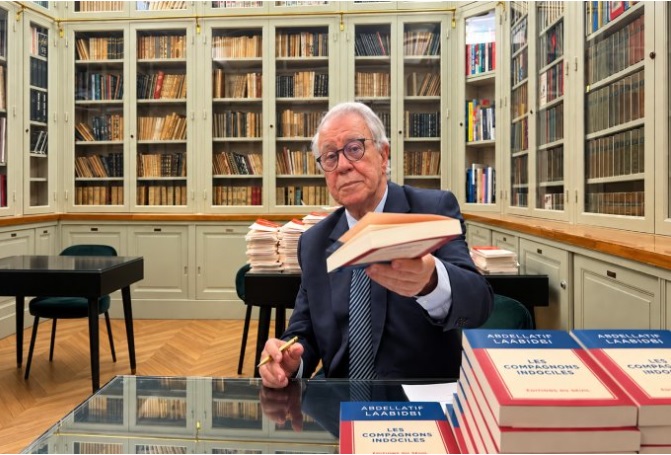
I had come to meet the author of The Interpreters, Wole Soyinka’s celebrated novel. I carried with me my own novel, The Interpreter.
Two writers, two novels, and one word connecting their literary worlds: the interpreter.
The similarity between the titles was striking, but the deeper connection lay in the questions literature allows us to ask. Rooted in the social and political realities of postcolonial Africa, Soyinka’s novel explores the tensions between language, identity, and power, as well as the search for authentic self-expression. Its characters inhabit a world of contested meanings and conflicting cultural expectations, struggling to understand a society undergoing profound transformation.
My novel, The Interpreter, published in English by Bhanubent Press in Kolkata, India, approaches the human experience from a different perspective. Through the lives of twenty-eight characters of diverse nationalities and cultural backgrounds, it explores memory, loss, love, psychological trauma, and the fragile boundaries between truth and interpretation. At its heart stands Fawz, whose journey becomes a struggle to reclaim her personal freedom amid grief and the judgments of others.
Yet in both fictional worlds, the interpreter invites us to look beyond the apparent meaning of words. Translation is not simply the transfer of language from one tongue to another. It is also a passage between memories, a confrontation between identities, and an attempt to understand another human being across the distances created by history, society, and experience.
Soyinka and I arrived at this shared word across two generations, through different experiences and literary traditions. His novel reflects the complexities of a transforming African society, while mine brings together the individual destinies of people living beyond their homelands in a broader human landscape shaped by suffering and resilience. Neither title diminishes the distinctive literary vision of its author. Rather, their unexpected resemblance opens a window onto the timeless questions literature carries from one culture to another.
When I presented Soyinka with a copy of my novel, I felt that our encounter had completed a circle begun four decades earlier. The name I had first encountered during military service had become the name of a Nobel laureate; a literary prize had revealed an unexpected connection; and now our books had met in Rabat, entering into a literary dialogue before their authors could fully begin their own.
There was another subject I wished to discuss with him: Naguib Mahfouz, the Egyptian novelist and fellow Nobel laureate, who received the prize in 1988. I had explored Mahfouz’s literary world in my book Naguib Mahfouz: The Narrator and the Visual Artist. I had also delivered a paper on Mahfouz, drawing on ideas developed in my book, and Soyinka had kept a copy of my lecture. This added another thread to our meeting, linking Nigerian and Egyptian literary traditions through a shared appreciation of one of the most influential Arab novelists.
Looking back on these encounters, I find it difficult to regard them as mere coincidences. They resemble scattered pages of a literary manuscript whose meaning becomes clear only when they are brought together: first hearing a name, then the announcement of a Nobel Prize, then an unexpected literary bond revealed by a shared award, and finally the exchange of two novels with strikingly similar titles.
Perhaps this is literature’s greatest gift: it allows lives to converse across time and distance, sometimes long before their protagonists meet. It builds bridges between languages, cultures, and generations, reminding us that different journeys can lead, in astonishing ways, to similar questions.
In Rabat, I presented my novel The Interpreter to Wole Soyinka, author of The Interpreters. I gave him my book, but the moment also gave me something less tangible, perhaps more enduring: the realisation that a literary connection had been quietly taking shape for forty-one years. Sometimes, the deepest interpretations are not written in dictionaries; time itself writes them.
The Academy of the Kingdom of Morocco thus commemorated the fortieth anniversary of the great Nigerian writer’s Nobel Prize in Literature, awarded on 16 October 1986. Organised in partnership with the Pan-African Writers’ Association (PAWA), the celebration carried profound significance. Four decades after his Nobel triumph, Soyinka’s work continues to illuminate the human conscience worldwide, inviting readers to reconsider questions of humanity and society.
In his address, Professor Soyinka expressed his gratitude to PAWA and the Academy of the Kingdom of Morocco for the honour. He was particularly delighted by the students who took part by reading passages from his works. Their participation reflected his belief in nurturing a new generation of thinkers and writers capable of carrying literature’s and thought’s enduring message into the future.
«عصر روشن» تستأنف حوارها الثقافي في بيت الفنانين الإيرانيين.. لقاء معرفي يستشرف آفاق المستقبل
طهران – بعد انقطاع استمر عدة أشهر منذ ديسمبر من العام الماضي، عادت سلسلة اللقاءات الثقافية والفكرية «عصر روشن» إلى نشاطها، مستأنفةً مسيرتها في فضاء الحوار المعرفي، عقب تنظيمها مجلس…
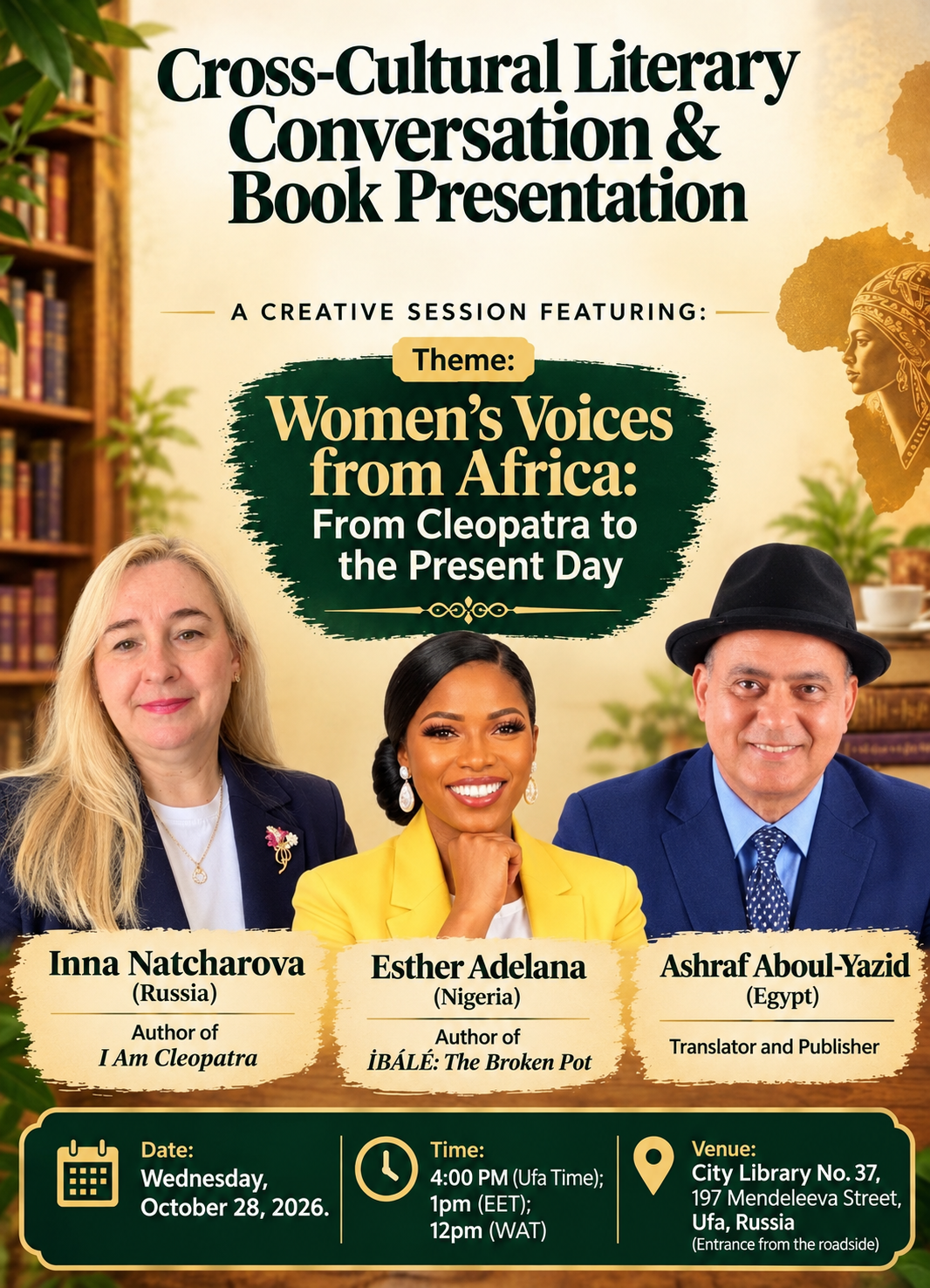
Cross-Cultural Literary Conversation in Ufa to Explore African Women’s Voices from Cleopatra to the Present Day
International literary event brings together writers and cultural figures from Russia, Nigeria, and Egypt to celebrate women’s voices, African heritage, and cross-cultural dialogue. UFA, RUSSIA — October 22, 2026 —…
 thesilkroadtoday