 thesilkroadtoday

Reading People with Lee Sang-ki: Go Myung-jin (Part 2)
By Lee Sang-ki | THE AsiaN | October 25, 2026
There is a school with only three graduating students. They stand together on the playground with the friends with whom they have studied, posing for a graduation photograph. Yet, because the school has so few students, producing a proper graduation album is difficult. Commercial companies are reluctant to accept orders for such small quantities.
Go Myung-jin seeks out schools like these. He photographs the students, their classrooms, and their playground. He captures the moments they have shared with their classmates, selects and edits the photographs, creates graduation albums, and presents them to the children.
His photographic volunteer work does not stop at rural schools. Beyond taking photographs himself, Go helps local residents learn how to document their own everyday lives. One of these initiatives is called Dongne Bangne Exciting Reporters, popularly known by the abbreviation Dongbangsinki. Residents use their mobile phones to take photographs, interview their neighbours, and write their own articles about the significant and seemingly insignificant events in their communities.
Children who would otherwise struggle to obtain graduation albums, elderly people who wish to preserve moments when their entire families gather, and residents who record the stories of their villages—all find Go Myung-jin beside them.
This is the work of a photographer who once documented modern Korean history from the very heart of the June Democratic Uprising of 1987.
A New Life Begins in Yeongwol
Go Myung-jin moved to Yeongwol, in Gangwon Province, in 2011, after spending many years working as a photojournalist in Seoul.
He had not originally decided to settle in Yeongwol. After retiring, he began considering a life outside the capital, taking into account his living expenses and housing needs. Initially, he looked for land in Danyang, but things did not work out as planned. Then he heard that an unused museum space was available in Yeongwol.
He visited the county office to inquire about the conditions for operating the premises. He developed a plan to establish a journalism museum using the materials and equipment he had accumulated during his career as a photojournalist. His original proposal consisted of only a few pages, but as he refined and expanded his ideas, it eventually grew into an eighty-page document.
Moving to Yeongwol did not mean that he could immediately open his museum. The existing space needed to be cleared, and he also had to introduce himself to the local community and help residents understand who he was.
He used this period to learn about Yeongwol. He enrolled at Yeongwol Hope Agricultural College, where he studied alongside local residents. He met farmers and familiarised himself with the rhythms of rural life. Rather than emphasising his former status as a photojournalist, he tried to become a new neighbour.
He also established two guiding principles for his new life in the countryside: avoid acting recklessly and do not waste resources.
His professional achievements in Seoul could not substitute for building a life in Yeongwol. Sometimes, after working in the fields, he would visit the county office still wearing his muddy rubber boots. Becoming part of the local community meant entering into the everyday lives of the people who lived there.
A Museum of Journalism Opens in a Former School
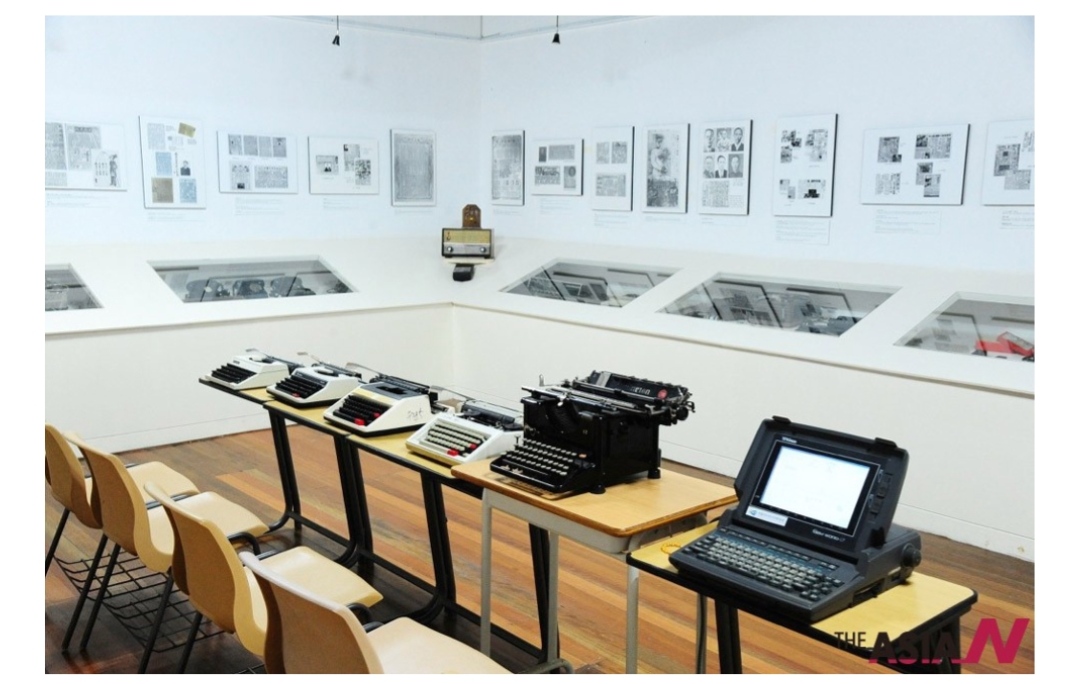
On May 24, 2012, the Yeongwol Media Journalist Museum opened in the former Yeochon Elementary School.
Its classrooms were transformed into exhibition spaces for photographs and cameras collected by Go. Equipment donated by fellow journalists and records from the field were also displayed. Cameras, helmets, gas masks, press armbands, and identification badges recalled the tools journalists had used to document history.
Go did not want visitors merely to look at the exhibits and leave. He encouraged children to handle cameras and try asking questions as if they were reporters themselves. He also developed a programme through which visitors could create their own newspapers.
His underlying belief was simple: a newspaper is not merely something produced by professional journalists. It can also be a tool through which anyone records and shares their own life.
In the museum’s early days, one journalist visiting the site found Go, the museum director, cutting grass with a brush cutter and working the fields. Whenever visitors arrived, he would stop what he was doing and explain the exhibits. He also took photographs of the children.
For Go, running the museum and working in the fields were not separate lives. Both were part of the new existence he had begun in Yeongwol.
Children Return, Carrying Memories of Their Graduation Albums
There is a story behind Go’s decision to create graduation albums for rural schools.
He once attended a school’s graduation ceremony and noticed that no proper graduation album had been prepared. He felt that children should not be deprived of the opportunity to preserve their memories simply because their school had only a small number of students.
He primarily sought out schools with fewer than ten graduating students. This allowed him to help schools that genuinely needed assistance without competing with established commercial album producers.
He photographed the school buildings, the children’s lessons and games, and the friendships they had formed.
As the years passed, some of those children returned to visit him. Students who had once been in elementary school came back as high school students and university students. Their parents, too, remembered the graduation albums and expressed their gratitude for preserving their children’s early years.
In 2024, Go visited an elementary school in Jeongseon to photograph three students preparing to graduate. By then, he had already been documenting the school and the children’s everyday lives.
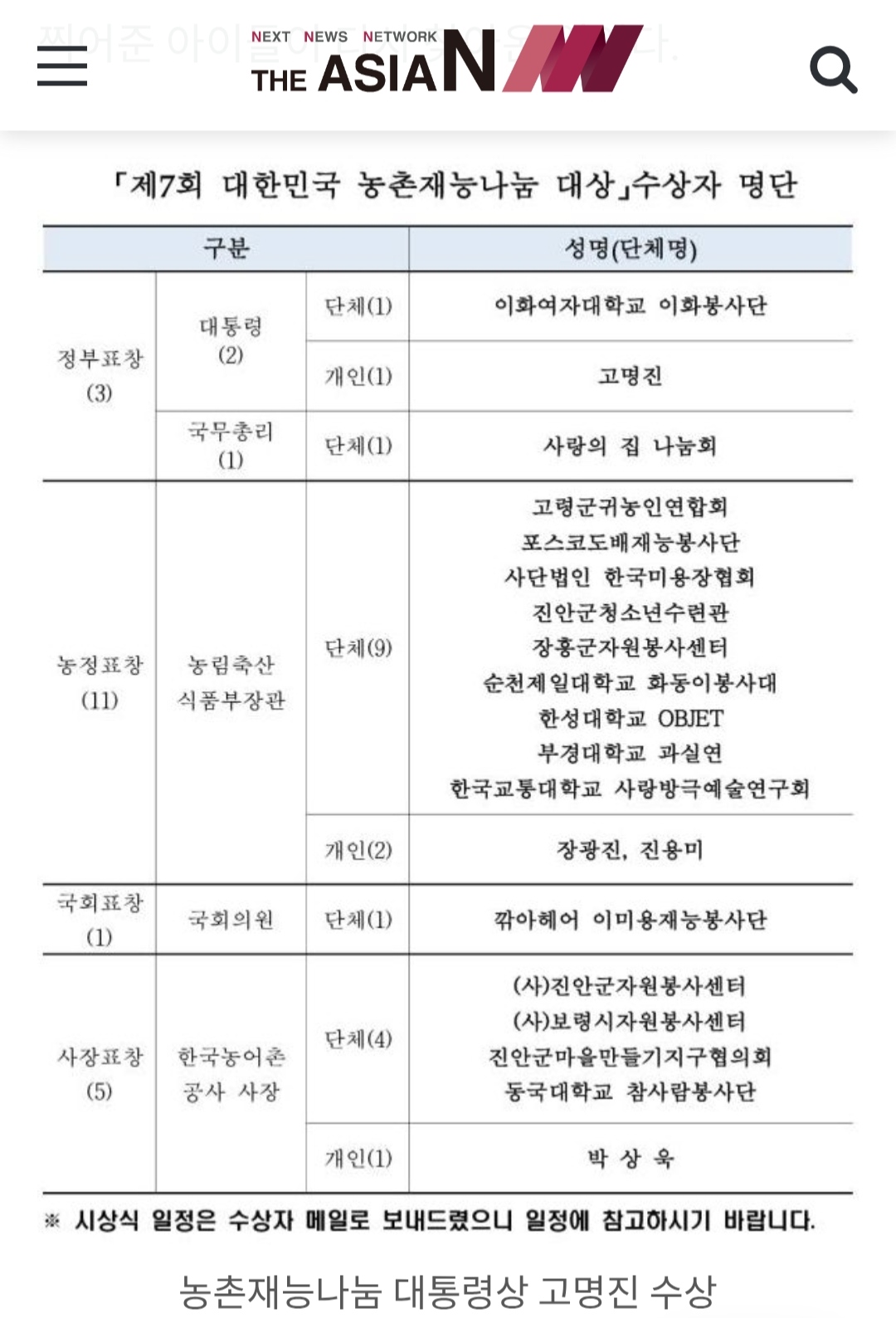
In recognition of his continuing volunteer work and the sharing of his photographic skills in rural communities, Go received a Presidential Commendation in 2022.
Yet when he speaks about his work, he tends to dwell less on awards and official recognition than on the children who return to see him years after he has photographed them.
From Family Portraits of the Elderly to Community Journalism
Go’s photographic service extended beyond rural schools.
During traditional holidays, he photographed elderly residents surrounded by their children and grandchildren. He then placed the photographs in frames and presented them to the families.
Such gatherings are precious because opportunities for the entire family to come together are often rare. As time passes, some family members die, while others move far away. A single photograph can preserve the memory of the family as it was on that particular day.
Go also went a step further, helping residents learn how to document their communities themselves.
One initiative was Dongne Bangne Exciting Reporters, or Dongbangsinki. Participants used mobile phones to take photographs, interviewed their neighbours, and wrote articles about local news.
Their children and grandchildren subsequently discovered stories about their parents and grandparents in the articles. Those who had once been the subjects of interviews had become reporters themselves, documenting the lives of others.
Go particularly valued the fact that residents collected membership fees and managed the reporters’ group independently. He believed that the end of an externally funded programme should not mean the end of the activities it had supported.
The community’s organisation, he felt, should belong to the community itself.
Even while battling terminal prostate cancer, Go Myung-jin, director of the Yeongwol Media Journalist Museum, has continued his photographic volunteer work. Through music and laughter, he brings moments of happiness to elderly residents.
Having spent his life recording people’s experiences through his camera, he remains committed to sharing his time and skills with his neighbours.
A Teacher’s Lesson Continues After Half a Century
Beginning in 2022, Go taught photography to students in the photography club at Macha High School. The students named their group the Happy Photo Studio.
Go took photographs with them and discussed their work. Rather than simply judging whether an image was technically successful, he encouraged the students to explain why they had chosen to photograph a particular scene and what they had felt when taking it.
These encounters reminded him of his own high school teacher, Byun In-sik, who had given him permission to take photographs when he was a student.
Go understood from personal experience how deeply a person’s life can be influenced when someone recognises their talent and gives them an opportunity to develop it.
The encouragement that student photographer Go Myung-jin had received from his teacher more than half a century earlier was now being passed on to young people in Yeongwol.
From Learners to Record-Keepers
In September 2026, Go travelled to Gangneung with elderly residents of Yeongwol to participate in a field session of a programme entitled Photography Therapy for the Second Half of Life: Reflecting on My Life Anew.
The participants visited a museum and the seaside, taking photographs of what they encountered. They discussed what they had seen and why certain scenes had captured their attention.
The purpose was not simply to master photographic techniques. More importantly, the experience offered an opportunity to look back on their own lives.
Among the participants was an elderly person who had spent many years in the teaching profession. Even after retirement, this individual continued farming, learning new skills, and sharing personal experience with neighbours.
Go was deeply interested in the lives of people like these. When residents record their own stories through photographs and writing, their experiences become valuable learning resources for others in the community.
This reflects one of the principles he has consistently emphasised:
“Photography is not a technique; it is a culture that transforms people.”
Go also helps local cultural clubs prepare project proposals and navigate administrative procedures. He understands that many difficulties cannot be solved simply by knowing how to take good photographs.
Some residents have the motivation and ability to organise activities but do not know how to apply for funding or find it difficult to complete financial reports and settlement documents. Go shares his own experience to help them overcome these obstacles.
The Yeongwol Media Journalist Museum has thus become more than a repository for old cameras. It is a place where new records are created and new experiences documented.
Go is now considering how to ensure that the museum can continue operating without depending entirely on his own abilities.
During his years as a photojournalist, his camera followed events. In Yeongwol, it stays close to people.
Perhaps what he has been photographing all these years is not photography itself, but the lives of the people behind the images.
His concern for the journalists who once recorded events on the frontlines of history has also inspired new ideas about creating spaces for reflection and remembrance.
The photographs that first made Go Myung-jin widely known were images of the democratic uprising. Yet the photographs he takes today tell different stories: a small school with only a handful of graduating students, an elderly couple surrounded by their family, and residents interviewing their neighbours to document their community.
Both the moments that have dramatically changed the world and the quiet routines through which everyday life continues find a place in his photographic record.
Go first came to Yeongwol as someone who needed to learn alongside its residents. He has since returned the help he received through photography and education, and he now hopes that local people will be able to sustain their activities through their own efforts.
In this process, the museum has become both a guardian of historical records and a place where new records are born.
When I heard that Go was battling cancer, I asked him what he hoped to do with the time remaining to him. He spoke of the things he still wanted to accomplish with his neighbours.
Even while contemplating the end of his own life, he was preparing opportunities for others to continue.
A photograph taken by Go Myung-jin can become a memory of history. The photographs and knowledge he shares with his neighbours leave a different kind of mark: one that remains in the lives of individuals and families.
His work as a journalist continues in Yeongwol—not simply by documenting events, but by standing beside the people whose lives give those events their meaning.
About the Author
Lee Sang-ki is a journalist at THE AsiaN and a former president of the Korea Journalists Association.