Trending News:بساط الأمل … حديث الحلم وأجنحتهThe Literary Traveler: A Book Celebrating Ashraf Aboul-Yazid Through the Eyes of the Worldرحّالة الأدب … كتاب يحتفي بأشرف أبو اليزيد كما يراه العالمقدور الجزيري … قرن من الفن … من العزف على النول إلى العزف على القانونA Journey Beyond Identity: Sulfur Editions Launches the English Translation of Ibrahim Abdel Meguid’s The Passerbyافتتاح فضاء لمجلة الحياة الثقافية بمدينة الثقافة ـ الشاذلي القليبيMedellín Welcomes the World’s Poets for the 36th International Poetry Festivalخوارزمية الروح … قصائد نثرية مولّدة بالذكاء الاصطناعي!قصيدة للشاعرة اليونانية نينا أليكسي: الرقصة العلاجيةDjedefre: The Forgotten Son of KhufuAlexandrie… Une ville écrite par les femmes et réécrite par les vaguesالبيت الشعري الصامت – دانتي ومارلين: سرّ الكلمة والنورVeteran Mapilapattu Artist Faisal Kanmanam Honored with Kerala Folklore Academy AwardHathor in Mycenaean Greece: A Golden Testimony to the Ancient Bond Between Egypt and the Aegeanالصمت أداة عظيمة لإيصال لغة إنسانية سينمائية بحتةمجلة مؤتمر الصحفيين الأفارقة: القارة السمراء بين البقاء والتجددCAJ International Magazine: Africa Between Survival and Renewalجائزة 1573 الدولية للشعر … المؤتمر الدولي للخمر والشعر 1573 International Poetry Prizeپیشوا کاکائي: حيّنَما ٲَتٲَمَلُ في الكَوّنِ | ترجمة: شهلا حسینFrom Gilgamesh to Troy: Unveiling the Epic Journey from Literature to Cinemaمن جلجامش إلى طروادة… أسرار الرحلة الملحمية من الأدب إلى السينماالشعر جسراً بين الصين وأفريقيا: فعالية ثقافية في كينيا تعزز الحوار بين الشعوب رسالة عاجلة من هافانا روسيا: لقاء الشعراء بمناسبة الذكرى المئوية لفيدل كاستروإطلاق الدورة السادسة من مسابقة «آسيا الأدبية» الدولية 2026 في كازاخستانKazakhstan Launches the VI International “Literary Asia” Competition 2026كفافيس يعود إلى أثينا: تمثال للشاعر الخالد في قلب المدينةنافذة شعرية من باكستانالإسكندرية مدينة لا تنام.. العيد على شاطئ البحر عبر التاريخريحان … جدلية الاختلاف والقبولالخطيب | شعر | رضاء الدين ستالين | بنجلاديشهنري تايلور.. الرسام الزنجي الأمريكي ينحاز إلى العدل والإنسانية ضد العنصريةكواليس: رحلة سينمائية إلى قلب الملاحم الإنسانيةA Cinematic Journey into the Heart of Humanity’s EpicsLadé Wosornu Students Poetry Contest debut: Pictorial Recap Seriesالنيل والعيد.. لماذا ارتبط الفرح دائمًا بالماء في مصر؟ليلة الفنان التشكيلي أكرم زافي في ريبيرث الجميزةرحلة الروح بين رماد الوهم ونور الحقّ (قصيدة للشاعرة ريتا نجيب نفاع)My Dear (Short Story by Aziza Xasanova. Uzbekistan)البرازيل تستضيف أصوات منظمة كُتّاب العالم (WOW) عبر القاراتBrazil Hosts WOW Voices Across Continentsمبارك عيدكم قراء وكتاب طريق الحرير اليومCultural Diplomacy Builds Bridges Between Peoplesأشواني كومار يرسم خرائط الألم الإنساني شعراصدور السيرة الروائية «دنان في زبد الحياة» للكاتبة التونسية سهام الشريفالحمام المسكين |قصة قصيرة للأديب مَيخوش عبد الله (أذربيجان)حين يسقط العرش في الظلامAna Stjelja: Sufism in China – the Mosque of Sheikh Abdul Rahim in LangzhongWorld Organization of Writers Congratulates Vladimir Delba on His AnniversaryNWASA Elects New Leadership and Issues Global Solidarity Declaration at Second General AssemblyBringing Together Global Poetic VoicesZahi Hawass Refutes the Myth of Aliens Building the Pyramidsفلسطين، رحلة إلى أرض الشعراء المحاربين (12) قلقيلية… أرض مختنقة تقاوم وتنتصر على الموتالأديبة الفلسطينة د.حنان عواد … عاشقة الوطن وسفيرة الانتفاضةTHE ROLE OF LITERATURE IN THE PURSUIT OF PEACE AND SECURITY IN PLATEAU STATE OF NIGERIA AND BEYOND.Greek Poetry Featured at International Festival in IașiVaishali & Sanjeev Launch New Website Celebrating 25 Years of Collaborative Art“A Wingless Serpent” Begins Its Literary Journey in Chimalhuacánأنين الأزقة : سردية الإنسان في زمن الانكسارمن رحلة الأندلسيين إلى الرومان ونوميديا … اختتام شهر التراث بحثًا عن الرحمة والراحة ! قراءة فى ديوان : الظل والنور، للشاعر أحمد نصرAcross the world, Russian Houses Commemorate the 140th anniversary of Nikolai Gumilyovمن كابول إلى روما … البيوت الروسية تحتفل بالذكرى 140 لميلاد الشاعر جوميليوفجائزة لأنطولوجيا «الجسر الكوني لمهرجان البهجة»لوحة الكاتب وعشق الفن … ميخوش عبد الله في عيده الستينبخيت رستموف: لم يعد الناس يصغون إلى بعضهم البعضTwenty Years of Russian Poetry in Austria Celebrated with New Collective Publicationداكار: الأدب من أجل عالم بلا حدودTwenty-Ninth Commemoration of the Presidential Apology Zam-Zam, Eugène Ebodé’s New Fable: The Antidote to Our Modern Melancholyوورد مقابل الإيداع … عاصفة جديدة تهز الوسط الثقافي المصريWhen the Cosmos Becomes a CanvasWhen History Blends with Fiction: The Missing Truth in the Debate on the Tutankhamun Operaالإسكندرية.. 80 حكاية يكتبها الموج وترويها النساءمن سلال كاليمانتان إلى العالم… بوجو نوغروهو يحوّل الحرفة إلى فن عالمي From Kalimantan to the World: Pujo Nugroho Weaves Tradition into Global ArtThree Poems from Tunisiaحين استعاد جنّتَه… القيروان تحتفي بمحمد الشارني ونقاد القصيدةفلسطين، رحلة إلى أرض الشعراء المحاربين (11) جدران قلقيليةSerbian Conductor Živojin Zdravković Silver Anniversaryالعدد الجديد من مجلة الفيصل… طفولة تحت النار، وحوارات فكريةالطاجيك … مرجع علمي عن تاريخ ونشوء الشعب الطاجيكيتونس تعيد إحياء أسطورة العاشقينMOTS POUR MAUX – LITERARY AND CULTURAL CONVERSATIONSFor Whom the Bell Tolls: What El-Sisi’s UAE visit really signaledWorld Poets and Artists Paid Tribute to Dylan ThomasAzerbaijani writer Meyxoş Abdullah Featured in Cultural Polish Pressالأمير تركي الفيصل يدشن كرسي الألكسو للصنائع والفنون الإسلاميةحين يتحول الكون إلى لوحة: محمد برطش يعيد خلق الأسطورة المصرية بلغة الفن المعاصرهناك… نحو الضوء غير المسبوق … قصائد إلدار آخادوفحين يصبح الاسم وسامًاالشاعرة الإيطالية جويا لوماستي: إعادة اكتشاف دانتيفي ضيافة مرسم الفنان عبد الحميد الحجام … لوحات تحكي ومجسمات تنطقAsia Journalists Association Elects Former Vice Minister of Education Lee Ki-woo as 7th Chairman … “Connecting Asia Through APC”وسام التميز من الفئة السامية لسلطان عُمان من الألكسوليسَ كمثلِها (خَانجُو)!ACADEMIA DEL REINO DE MARRUECOS: Creación en Rabat de la Casa de los Mundos del LibroAcadémie Royale du Maroc: Création à Rabat de la Maison des Mondes du LivreACADEMY OF THE KINGDOM OF MOROCCO: Foundation of the House of Book Worlds in Rabat
Trending News:بساط الأمل … حديث الحلم وأجنحتهThe Literary Traveler: A Book Celebrating Ashraf Aboul-Yazid Through the Eyes of the Worldرحّالة الأدب … كتاب يحتفي بأشرف أبو اليزيد كما يراه العالمقدور الجزيري … قرن من الفن … من العزف على النول إلى العزف على القانونA Journey Beyond Identity: Sulfur Editions Launches the English Translation of Ibrahim Abdel Meguid’s The Passerbyافتتاح فضاء لمجلة الحياة الثقافية بمدينة الثقافة ـ الشاذلي القليبيMedellín Welcomes the World’s Poets for the 36th International Poetry Festivalخوارزمية الروح … قصائد نثرية مولّدة بالذكاء الاصطناعي!قصيدة للشاعرة اليونانية نينا أليكسي: الرقصة العلاجيةDjedefre: The Forgotten Son of KhufuAlexandrie… Une ville écrite par les femmes et réécrite par les vaguesالبيت الشعري الصامت – دانتي ومارلين: سرّ الكلمة والنورVeteran Mapilapattu Artist Faisal Kanmanam Honored with Kerala Folklore Academy AwardHathor in Mycenaean Greece: A Golden Testimony to the Ancient Bond Between Egypt and the Aegeanالصمت أداة عظيمة لإيصال لغة إنسانية سينمائية بحتةمجلة مؤتمر الصحفيين الأفارقة: القارة السمراء بين البقاء والتجددCAJ International Magazine: Africa Between Survival and Renewalجائزة 1573 الدولية للشعر … المؤتمر الدولي للخمر والشعر 1573 International Poetry Prizeپیشوا کاکائي: حيّنَما ٲَتٲَمَلُ في الكَوّنِ | ترجمة: شهلا حسینFrom Gilgamesh to Troy: Unveiling the Epic Journey from Literature to Cinemaمن جلجامش إلى طروادة… أسرار الرحلة الملحمية من الأدب إلى السينماالشعر جسراً بين الصين وأفريقيا: فعالية ثقافية في كينيا تعزز الحوار بين الشعوب رسالة عاجلة من هافانا روسيا: لقاء الشعراء بمناسبة الذكرى المئوية لفيدل كاستروإطلاق الدورة السادسة من مسابقة «آسيا الأدبية» الدولية 2026 في كازاخستانKazakhstan Launches the VI International “Literary Asia” Competition 2026كفافيس يعود إلى أثينا: تمثال للشاعر الخالد في قلب المدينةنافذة شعرية من باكستانالإسكندرية مدينة لا تنام.. العيد على شاطئ البحر عبر التاريخريحان … جدلية الاختلاف والقبولالخطيب | شعر | رضاء الدين ستالين | بنجلاديشهنري تايلور.. الرسام الزنجي الأمريكي ينحاز إلى العدل والإنسانية ضد العنصريةكواليس: رحلة سينمائية إلى قلب الملاحم الإنسانيةA Cinematic Journey into the Heart of Humanity’s EpicsLadé Wosornu Students Poetry Contest debut: Pictorial Recap Seriesالنيل والعيد.. لماذا ارتبط الفرح دائمًا بالماء في مصر؟ليلة الفنان التشكيلي أكرم زافي في ريبيرث الجميزةرحلة الروح بين رماد الوهم ونور الحقّ (قصيدة للشاعرة ريتا نجيب نفاع)My Dear (Short Story by Aziza Xasanova. Uzbekistan)البرازيل تستضيف أصوات منظمة كُتّاب العالم (WOW) عبر القاراتBrazil Hosts WOW Voices Across Continentsمبارك عيدكم قراء وكتاب طريق الحرير اليومCultural Diplomacy Builds Bridges Between Peoplesأشواني كومار يرسم خرائط الألم الإنساني شعراصدور السيرة الروائية «دنان في زبد الحياة» للكاتبة التونسية سهام الشريفالحمام المسكين |قصة قصيرة للأديب مَيخوش عبد الله (أذربيجان)حين يسقط العرش في الظلامAna Stjelja: Sufism in China – the Mosque of Sheikh Abdul Rahim in LangzhongWorld Organization of Writers Congratulates Vladimir Delba on His AnniversaryNWASA Elects New Leadership and Issues Global Solidarity Declaration at Second General AssemblyBringing Together Global Poetic VoicesZahi Hawass Refutes the Myth of Aliens Building the Pyramidsفلسطين، رحلة إلى أرض الشعراء المحاربين (12) قلقيلية… أرض مختنقة تقاوم وتنتصر على الموتالأديبة الفلسطينة د.حنان عواد … عاشقة الوطن وسفيرة الانتفاضةTHE ROLE OF LITERATURE IN THE PURSUIT OF PEACE AND SECURITY IN PLATEAU STATE OF NIGERIA AND BEYOND.Greek Poetry Featured at International Festival in IașiVaishali & Sanjeev Launch New Website Celebrating 25 Years of Collaborative Art“A Wingless Serpent” Begins Its Literary Journey in Chimalhuacánأنين الأزقة : سردية الإنسان في زمن الانكسارمن رحلة الأندلسيين إلى الرومان ونوميديا … اختتام شهر التراث بحثًا عن الرحمة والراحة ! قراءة فى ديوان : الظل والنور، للشاعر أحمد نصرAcross the world, Russian Houses Commemorate the 140th anniversary of Nikolai Gumilyovمن كابول إلى روما … البيوت الروسية تحتفل بالذكرى 140 لميلاد الشاعر جوميليوفجائزة لأنطولوجيا «الجسر الكوني لمهرجان البهجة»لوحة الكاتب وعشق الفن … ميخوش عبد الله في عيده الستينبخيت رستموف: لم يعد الناس يصغون إلى بعضهم البعضTwenty Years of Russian Poetry in Austria Celebrated with New Collective Publicationداكار: الأدب من أجل عالم بلا حدودTwenty-Ninth Commemoration of the Presidential Apology Zam-Zam, Eugène Ebodé’s New Fable: The Antidote to Our Modern Melancholyوورد مقابل الإيداع … عاصفة جديدة تهز الوسط الثقافي المصريWhen the Cosmos Becomes a CanvasWhen History Blends with Fiction: The Missing Truth in the Debate on the Tutankhamun Operaالإسكندرية.. 80 حكاية يكتبها الموج وترويها النساءمن سلال كاليمانتان إلى العالم… بوجو نوغروهو يحوّل الحرفة إلى فن عالمي From Kalimantan to the World: Pujo Nugroho Weaves Tradition into Global ArtThree Poems from Tunisiaحين استعاد جنّتَه… القيروان تحتفي بمحمد الشارني ونقاد القصيدةفلسطين، رحلة إلى أرض الشعراء المحاربين (11) جدران قلقيليةSerbian Conductor Živojin Zdravković Silver Anniversaryالعدد الجديد من مجلة الفيصل… طفولة تحت النار، وحوارات فكريةالطاجيك … مرجع علمي عن تاريخ ونشوء الشعب الطاجيكيتونس تعيد إحياء أسطورة العاشقينMOTS POUR MAUX – LITERARY AND CULTURAL CONVERSATIONSFor Whom the Bell Tolls: What El-Sisi’s UAE visit really signaledWorld Poets and Artists Paid Tribute to Dylan ThomasAzerbaijani writer Meyxoş Abdullah Featured in Cultural Polish Pressالأمير تركي الفيصل يدشن كرسي الألكسو للصنائع والفنون الإسلاميةحين يتحول الكون إلى لوحة: محمد برطش يعيد خلق الأسطورة المصرية بلغة الفن المعاصرهناك… نحو الضوء غير المسبوق … قصائد إلدار آخادوفحين يصبح الاسم وسامًاالشاعرة الإيطالية جويا لوماستي: إعادة اكتشاف دانتيفي ضيافة مرسم الفنان عبد الحميد الحجام … لوحات تحكي ومجسمات تنطقAsia Journalists Association Elects Former Vice Minister of Education Lee Ki-woo as 7th Chairman … “Connecting Asia Through APC”وسام التميز من الفئة السامية لسلطان عُمان من الألكسوليسَ كمثلِها (خَانجُو)!ACADEMIA DEL REINO DE MARRUECOS: Creación en Rabat de la Casa de los Mundos del LibroAcadémie Royale du Maroc: Création à Rabat de la Maison des Mondes du LivreACADEMY OF THE KINGDOM OF MOROCCO: Foundation of the House of Book Worlds in Rabat
By Bill F. Ndi, Professor of Modern Languages, Communications, and Philosophy, President of the Pan African Writers Association (PAWA) and First Vice President of The Alabama Council of University Faculty Senate Presidents
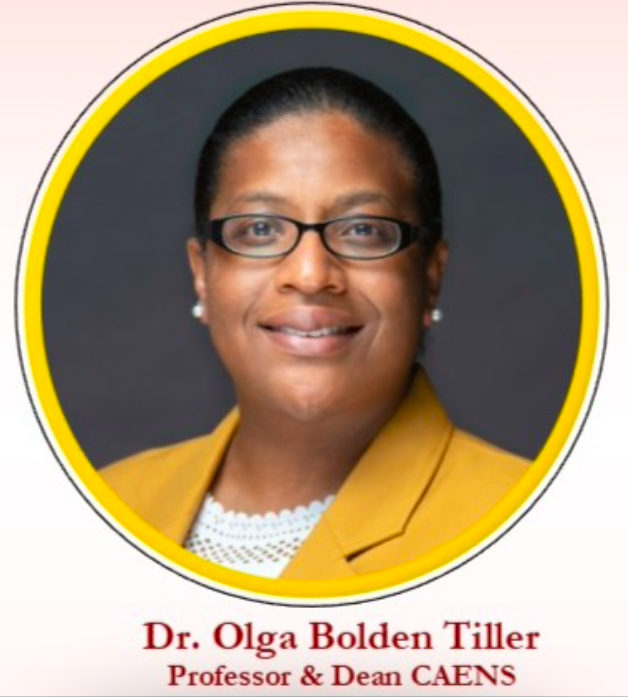
Tuskegee University hosted an Interdisciplinary Seminar on March 20, 2026, to celebrate Women’s History Month, 2026. The Seminar featured a panel of six esteemed female deans, all from Tuskegee University viz. Dr. Brooke Burks, Dr. Catherine Armwood, Dr. Cordelia Nnedu, Dr. Deloris Alexander, Dr. Ebony Gilbreath, and Dr. Olga Bolden-Tiller. Present for the discussions were five panelists of the six initially convened. The discussion centered on the deans’ professional backgrounds, leadership philosophies, and visions for the future of higher education. These leaders emphasized the importance of service, mentorship, and transformational change while addressing specific challenges like academic accessibility and workforce readiness. They also explored the integration of emerging technologies like AI and the necessity of maintaining institutional accreditation. Finally, the deans shared personal reflections on faith and resilience as tools for overcoming professional barriers. The lesson from the Tuskegee frontlines is clear: leadership is not about the title you hold, but the legacy of service you leave behind.
In the traditional halls of the academy, higher education is often viewed as a static monolith—a slow-moving vessel of tradition. Yet, for those operating on the frontlines of the modern “HBCU Renaissance,” that ivory tower has been replaced by a fluid, high-velocity landscape. Today’s academic leaders are navigating a period of profound uncertainty, besieged by rapid technological disruptions like Artificial Intelligence and increasing legislative attempts to regulate the classroom.
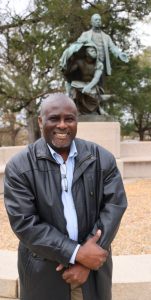
During a high-level seminar at Tuskegee University in March 2026, Dr. Ndi, the moderator, posed a deceptively simple question to a room of bright, ambitious students: “How many of your deans are women?” The silence that followed was a diagnostic of a profound leadership phenomenon. Out of the entire cohort, fewer than five students could accurately identify the women holding the levers of institutional power.
This is the “Visibility Paradox.” We often benefit from the most grueling “heavy lifting”—the strategic structural shifts and cultural overhauls—without ever seeing the hands moving the machinery. As Tuskegee maneuvers through a “Renaissance” era under the leadership of Dr. Mark A. Brown, a cadre of visionary female deans is quietly dismantling the ivory tower to build something more fluid, accessible, and technologically dominant.
Through an analysis of the Tuskegee leadership paradigm, a distinct shift in the executive mindset emerges. As Dr. Olga Bolden-Tiller, Dean of the College of Agriculture, Environment and Nutrition Sciences defines it, true transformational leadership requires a “radical system-wide overhaul of an organization’s strategy, structure, culture, or technology.” This is the era of the “New Tuskegee of Old”—a paradox where leaders leverage an ancestral foundation of excellence to innovate a future that is inclusive, flexible, and fundamentally serves the community.
This panel on visionary leadership is not merely a celebration of Women’s History Month, but it is a masterclass in institutional transformation. Here are five radical lessons in leadership distilled from these architects of the Tuskegee Renaissance.
Leadership is the Management of the Collective Imagination
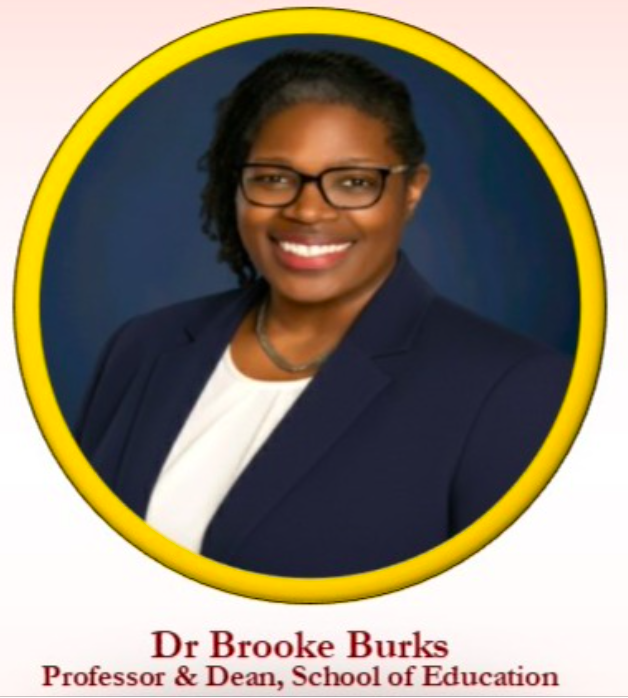
Dr. Brooke Burks, Dean of the School of Education, views her role through the lens of a narrative war. The teaching profession has long been besieged by a “negative narrative”—a toxic cocktail of stories about unruly classrooms and stagnant wages that creates a psychological barrier to entry for the next generation.
Strategic leadership, according to Burks, requires the dismantling of these perceptions through a blend of data and empathy. She points to the recent 2% teacher salary increase in Alabama as a tangible win, but she argues that the deeper work is in the “human infrastructure” — building rapport with entire communities, not just students.
The strategic takeaway for modern executives is clear: the first duty of a leader is to manage the collective imagination of their field. Burks reminds us that the skills honed in education—critical thinking, relationship management, and adaptability—are highly portable and marketable across any arena, even twenty years down the line. To lead is to rebrand the possible.
Transformational change, Dr. Burks asserts, is rarely comfortable. It often requires leading a team through processes that “don’t feel good.” Dr. Brooke Burks illustrated this through the implementation of the teacher performance assessment (edTPA). Initially, the change was met with systemic resistance—faculty griped, complained, and hoped the standard would simply “go away.” But, through training, discussions, and navigating the new assessment together, her team was able to garner much success for their students. Dr. Armwood shares this optimistic mindset that every experience, regardless of difficulty, has a “silver lining” intended for growth.
Move from Static Models to Frictionless Education
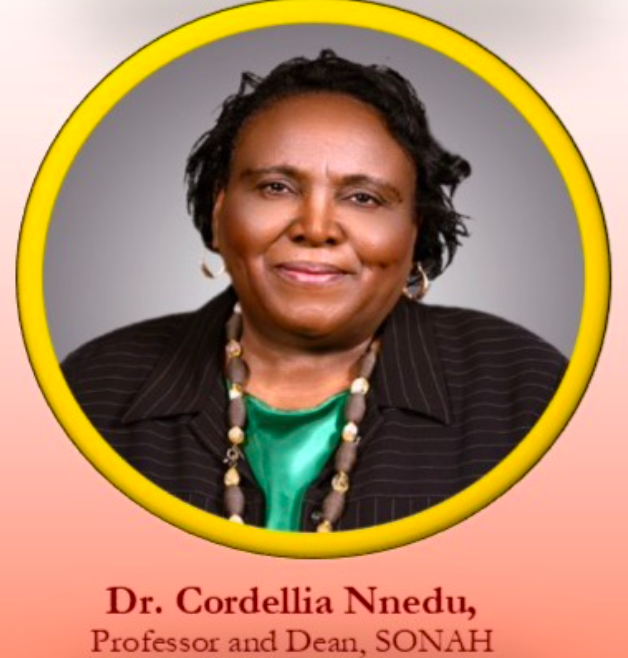
Dr. Cordelia Nnedu, Dean of the School of Nursing and Allied Health, is spearheading a disruption of the “four-year grind.” She recognizes that “non-academic” financial barriers are the primary killers of potential. In response, she has engineered a modular, “earn-as-you-learn” model through an innovative apprenticeship partnership between Tuskegee University, the Alabama Board of Nursing, and Baptist Health.
This is a move from a static academic model to a fluid one. Students can enter the workforce as nursing assistants or LPNs, earning a competitive wage while Baptist Health provides scholarships to cover the remaining financial gaps toward a BSN.
“I see myself as the servant, not the prophet,” Nnedu explains. “A machine cannot work without its parts… no part is less important than the engine.” By removing the friction between earning and learning, Nnedu is proving that leadership means adapting the institution to the student’s reality, rather than forcing the student to succumb to institutional inertia.
The Footprint Audit: Stop Observing and Start Transforming
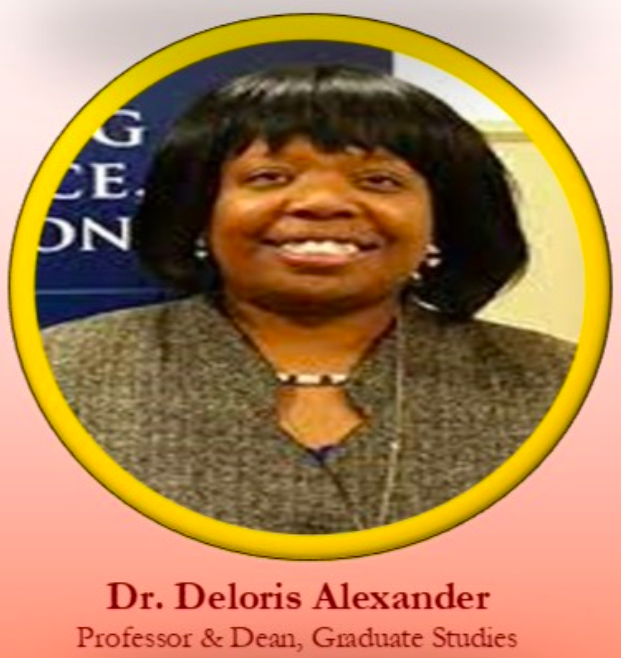
Perhaps the most piercing “cautionary tale” of the summit came from Dr. Doloris Alexander, Dean of the Graduate School. She recounted a department head who lamented a lack of diversity in her field, despite having held the power to hire for 30 years without bringing on a single person of color.
This reveals a fundamental truth: Visibility is not the same as impact. True “Transformational Leadership” is measured by the “footprint” left behind—the physical and structural changes that outlast the leader’s tenure. To counteract this stagnation, Alexander champions a “wraparound mentoring” model that validates a student’s culture and worldview as much as their technical proficiency.
“I want students to have the confidence of knowing that they are enough, that they matter,” Alexander asserts. For her, the mentor is not just a teacher, but an architect of belonging. A leadership audit must ask: In the decades I have held power, what have I actually changed, or have I merely observed the decline?
Transition from Technological Users to Digital Architects
The “Tuskegee Renaissance” is defined by a refusal to be sidelined by technological shifts. Dr. Olga Bolden-Tiller (Agriculture) and Dr. Catherine Armwood (Architecture) are driving a mandate that students must move beyond being mere “users” of AI and robotics to becoming the creators and entrepreneurs of those technologies. Dr. Armwood focuses on “elevating, advancing, and increasing opportunity,” ensuring students in architecture and construction understand how their disciplines interact with the broader “built environment.”
Dr. Catherine Armwood of the Robert R. Taylor School of Architecture and Construction Science contributed a vision centered on elevating institutional standards and increasing opportunities to ensure students are competitive and marketable in any professional space. She defined transformational leadership as a continuous cycle of assessing, implementing, and reassessing solutions, emphasizing that leaders must evolve their programs to reflect “real world” changes, such as the integration of AI and robotics into the built environment. To drive innovation, she advocated for creative industry partnerships, faculty research development, and the provision of specialized certifications—such as Revit or site management—to supplement traditional degrees. Dr. Armwood also highlighted the importance of an optimistic mindset and a strong mentorship network to remain adaptive amidst shifting political and academic landscapes. Ultimately, she expressed a desire to leave a legacy of innovation by expanding her school into a college and improving the affordability of higher education to broaden access.
This vision represents a resurrection of the spirit of George Washington Carver, blending his legacy of innovative agriculture with cutting-edge digital tools. Whether it is AI-enabled livestock production or the optimization of “masonry and cementitious structures,” these leaders are ensuring that their students are not just participants in the future economy, but the architects of it.
Innovation is not about the tool; it is about ownership. For Gen Z, AI is a “commonplace” reality; the leader’s job is to ensure that this familiarity translates into entrepreneurial dominance.
Weaponize “Ancestral DNA” Against Uncertainty
The panel did not shy away from the “legislative stress test” currently facing higher education, specifically regarding the uncertainty surrounding Alabama’s HB580. To remain grounded, these leaders draw on a reservoir of “Ancestral DNA” and faith.
Dr. Alexander reflects on the resilience of grandmothers who survived slavery and sharecropping, viewing current legislative hurdles as minor hills compared to the mountains their ancestors climbed. This is not just sentiment; it is a strategic anchoring. By drawing on a collective reliance on mentorship and a “Mustard Seed of faith,” these deans maintain an offensive posture even when the environment is defensive.
This resilience is essential for maintaining “visibility” and “voice” in spaces where representation is historically lacking. Dr. Alexander, Dean of Graduate Studies and Research, highlights the grit required to lead when your presence is questioned. She shares a jarring anecdote of being stopped by police on a campus because she “didn’t look like she belonged there” or being mistaken for a custodian despite her high-level academic status.
For the “introvert posing as an extrovert,” faith and prayer bridge the gap between personal discomfort and the demands of high-visibility leadership. By standing boldly in these roles, these leaders provide a blueprint for students to see themselves as scientists, deans, and CEOs.
This philosophy of service is often anchored in deep-seated personal values. Dr. Bolden-Tiller recalls a song sung at the funeral of a relative who lived into his 90s, which now serves as an organizational North Star: “If I can help somebody, let my living not be in vain.” When service is the primary objective, the leader’s ego retreats, allowing the mission to take center stage.
“Greater is he who is in me than he who is in the world,” they iterate, framing faith not as an escape from reality, but as the armor required to transform it.
The closing segment of the Tuskegee leadership model is the “Happy House” concept—the belief that a leader must ensure every member of the “house” feels seen and respected. Dr. Nnedu argues that for the “car” of the university to move, the engine (faculty) must be as well-maintained as the tires (custodians).
A “Happy House” is built on approachability. It is an environment where a student feels comfortable asking the Dean for a snack, or where a custodian feels their contribution to the campus environment is just as vital as the Dean’s contribution to the curriculum. This ground-up respect eliminates silos and ensures the organization moves forward as a cohesive unit. It reinforces the idea that leadership is a designated role for a moment in time, not a permanent status of superiority.
Conclusion: Your Legacy is a Machine in Motion
The deans of the Tuskegee Renaissance view their roles as interconnected gears within a larger, high-performing machine. Their legacy is not found in the titles they hold, but in the pathways that they have forced open — moving beyond the “Ivory Tower” to create a university that is technologically dominant and structurally fluid. The ultimate vision of the Tuskegee Renaissance is sustainability. A true transformational leader does not aim to be indispensable; they aim to “grow their own leaders.” Dr. Nnedu and her colleagues emphasize that their success is measured by who is ready to take the mantle when they leave. Whether it is moving a school to a college or ensuring a program remains accredited for the next generation, the goal is to leave the space better than it was found.
The challenge they leave for the modern leader is a haunting one:
“If you were to audit your own leadership footprint today, would it show that you merely observed the status quo, or that you had the courage to transform it?”
If you were to leave your current role tomorrow, what would remain? Would you leave behind a “footprint” of radical change that created new opportunities for others, or merely a vacant desk?
The Literary Traveler: A Book Celebrating Ashraf Aboul-Yazid Through the Eyes of the World
It is not easy for a writer, while still at the height of his creative journey, to become the subject of an entire book of testimonials and critical reflections. Yet…
رحّالة الأدب … كتاب يحتفي بأشرف أبو اليزيد كما يراه العالم
ليس من السهل أن يتحول كاتب إلى موضوع كتاب كامل من الشهادات والرؤى النقدية وهو في ذروة عطائه، لكن كتاب “رحّالة الأدب: أشرف أبو اليزيد.. شهادات ورؤى نقدية“ يبرهن أن…

 thesilkroadtoday