 thesilkroadtoday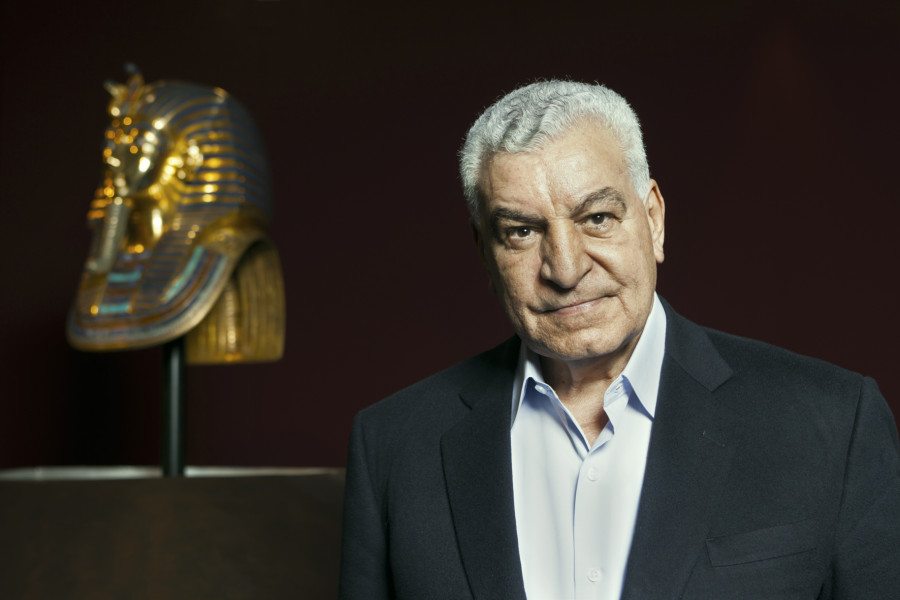
By Dr. Hussein Bassir
The controversy surrounding the opera “Tutankhamun,” written by Dr. Zahi Hawass, has generated considerable debate, especially after some have claimed that the opera portrayed King Tutankhamun as “Hebrew,” along with unverified narratives suggesting that Queen Nefertiti conspired to kill him as the heir to the throne and son of King Akhenaten. In reality, this debate once again reflects a recurring misunderstanding of the nature of artistic works that draw upon history, where creative expression is confused with academic documentation.
It is essential to emphasize from the outset that an opera is not a history textbook, nor an academic treatise in Egyptology. It is a dramatic and artistic work that uses history as raw material for imagination and creative interpretation. This applies to operas, plays, and films worldwide. No one interprets Shakespeare’s historical dramas as precise historical records of English history, but rather as artistic reinterpretations shaped by drama, symbolism, and imagination.
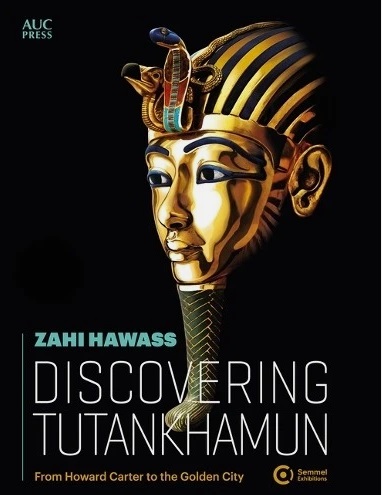
The opera “Tutankhamun” by Zahi Hawass belongs to this artistic tradition. It is an attempt to present ancient Egyptian history to a global audience through the language of music, theater, and drama. Therefore, reading its narrative as if it were an archaeological document or a historical source is a fundamental misunderstanding of its artistic nature.
As for the claim that the opera portrayed Tutankhamun as “Hebrew,” this interpretation is not supported by the content of the work itself. There is no attempt within the opera to attribute a non-Egyptian or Hebrew origin to the famous pharaoh. Instead, the work focuses on the political and religious struggles of the late Amarna period, one of the most complex and turbulent eras in ancient Egyptian history following Akhenaten’s religious revolution.
 Likewise, Nefertiti is not depicted in the opera as plotting against Tutankhamun. On the contrary, she is presented as a figure striving to protect the young king from major conspiracies, particularly those involving powerful priests of Amun who sought to restore their political and religious dominance after the decline of Akhenaten’s monotheistic reforms. Within the dramatic framework of the opera, Nefertiti plays a role in saving Tutankhamun from such threats—an artistic interpretation rather than a historical assertion.
It must also be remembered that the Amarna period remains one of the most debated eras in Egyptology. Many questions remain unanswered: What was Nefertiti’s true political role? How exactly did the succession unfold? What were the real circumstances surrounding Tutankhamun’s death? And what was the nature of the conflict between the royal court and the priests of Amun? These are all subjects of ongoing scholarly discussion.
Art is not obligated to present fixed facts or documentary accounts. Instead, it has the freedom to reimagine historical figures and events within a dramatic and human framework, as long as it does not claim absolute historical truth. Therefore, interpreting the opera as an accusation against Egyptian history reflects a misunderstanding of artistic expression.
Ancient Egyptian civilization has always inspired artists, writers, and composers around the world because it is a civilization that stimulates imagination and raises profound questions about power, religion, life, and death. Artistic works inspired by it play an important role in presenting this great heritage to new generations in a modern and accessible language.
King Tutankhamun remains one of the greatest symbols of ancient Egypt—not only because of his spectacular golden treasures, but because he continues to inspire art, provoke debate, and reopen the dialogue between history and imagination.