 thesilkroadtoday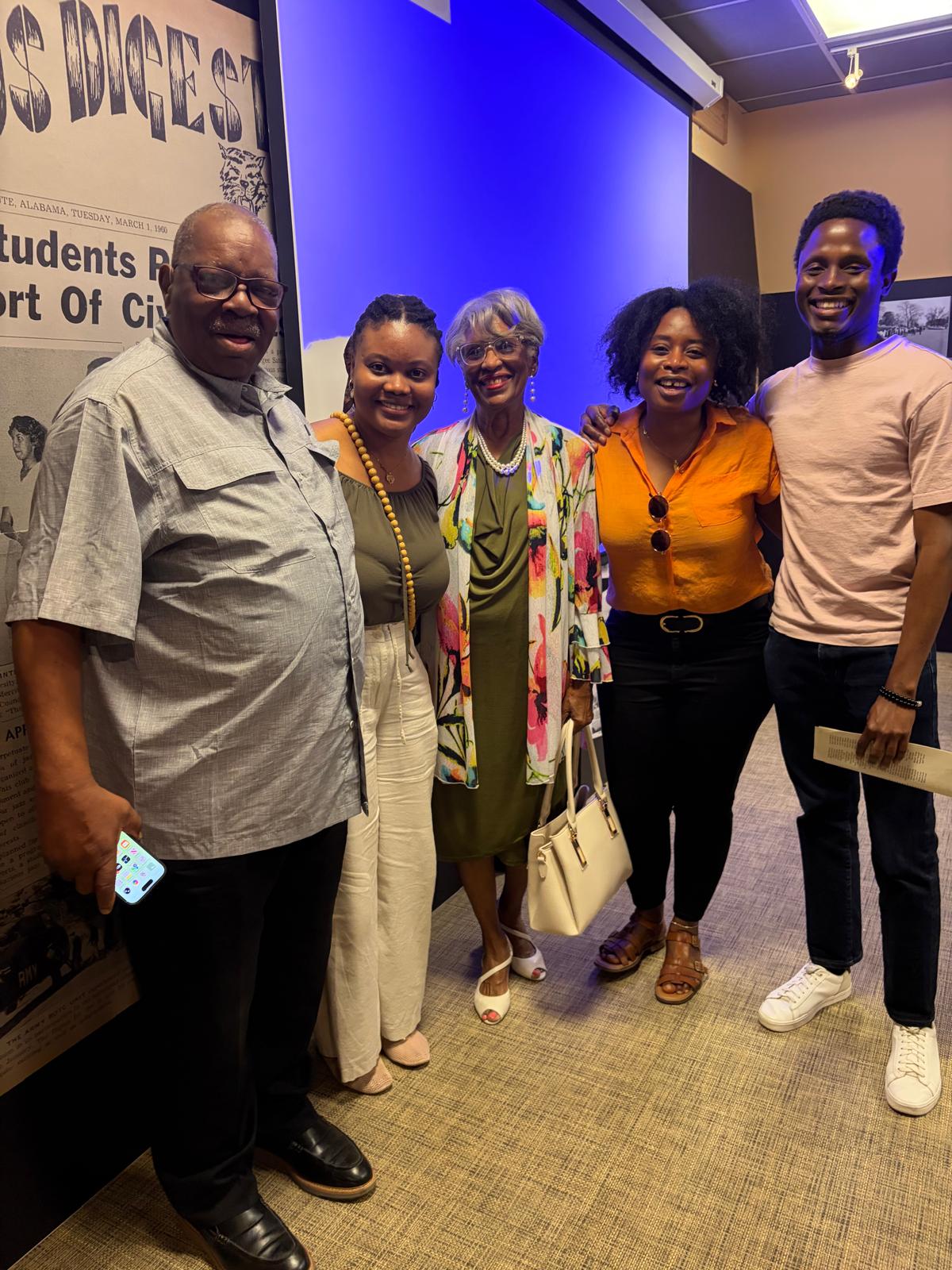
Honoring the Strength of Descendants—and Telling the Truth About Tuskegee and the United State Public Health Services (USPHS) Syphilis Experiment
By
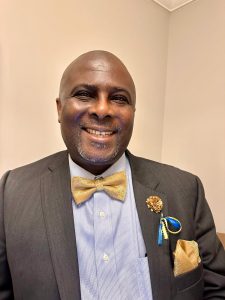
Bill F. Ndi, Professor of Modern Languages, Communications, and Philosophy, 1st Vice President, The Alabama Council of University Faculty Senate Presidents (ACUFSP) and President, The Pan African Writers Association, (PAWA)
When the President of the United States of America tenders a public apology, which stands out as a great oratory piece uttered by a US President who admits wrongdoing from successive American government, it calls for commemoration. In the case of the USPHS syphilis experiment conducted in Tuskegee, there is nothing to celebrate about the study itself.
It was a grave moral failure—one that inflicted harm, withheld treatment, and violated the dignity of Black men for decades. President Bill Clinton in his own words acknowledged this in his apology to the survivors of that horrendousness. But there is something worthy of recognition, even quiet celebration: the strength, endurance, and dignity of the descendants who carry that history forward.
 On May 16, 2026, in the conference room of the Tuskegee History Center, situated at 104, South Elm Street, Tuskegee Alabama was transformed into a memorial ground for reflecting on, remembering, and honoring the lives impacted by this historic injustice. This was to mark the 29th Commemoration of the Presidential Apology for USPHS syphilis experiment. Mr. Bill Perry, the OPS manager of the Tuskegee History Center, in his welcome and introduction, reminded the audience that the existence of the Tuskegee History Center and the yearly commemoration exist because the survivors requested the need for a site of memory. So, this was not merely an anniversary of a speech; it was a gathering at the intersection of a state-sponsored betrayal and an unyielding communal dignity.
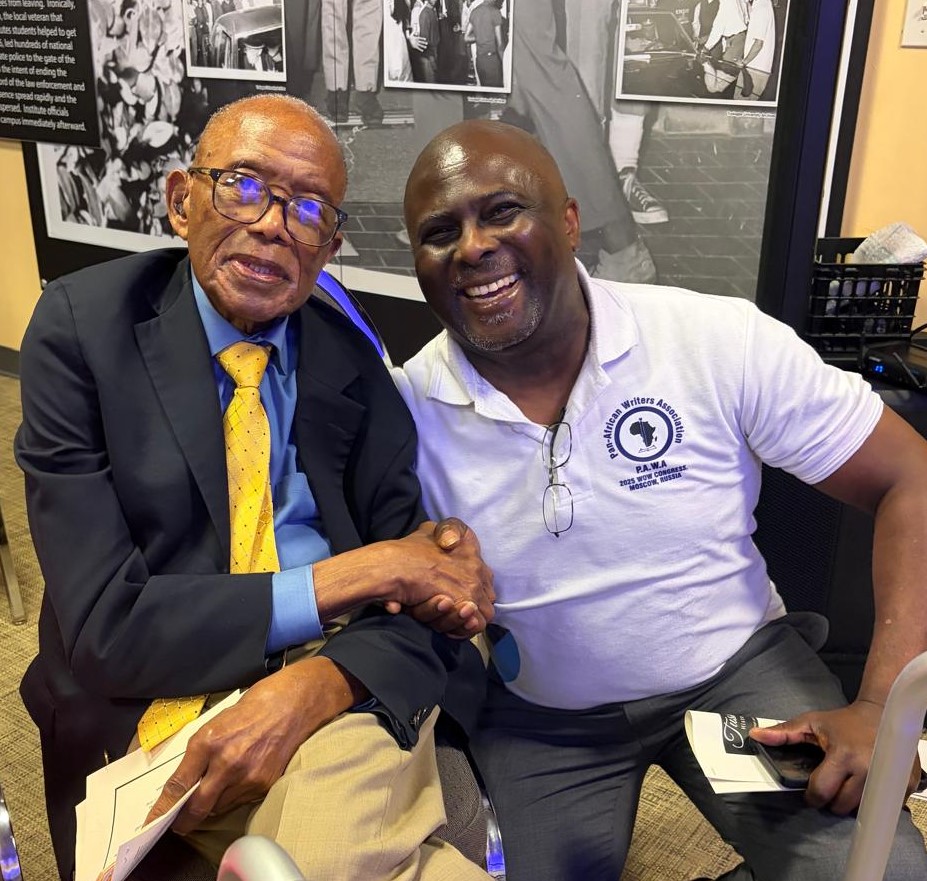
Presiding and concluding the event, Fred D. Gray, 95, President of Tuskegee History Center and Attorney who defended the victims, made it clear that “To be a descendant of the men involved in the Tuskegee study is to inherit a complicated legacy—one shaped not by choice, but by injustice.” Yet it is also to stand as living testimony to survival. Families endured despite betrayal by institutions meant to serve them. They navigated loss, stigma, and mistrust, yet continued to build lives, raise children, and contribute to their communities. That resilience deserves to be acknowledged plainly and respectfully.

Comfort Begins with Truth.
For many years, the story of Tuskegee was hidden, distorted, or minimized. Setting the record straight is itself an act of restoration. Thomas Coley “T.C.”, the Southern Regional Manager of Alabama Education Association emphasized these facts that matter:
- The study, conducted from 1932 to 1972, deliberately misled Black men about their diagnosis and denied them effective treatment—even after penicillin became widely available.
- It was not an isolated incident but part of a broader pattern of inequity and exploitation in American healthcare system.
- The exposure of the study in 1972 led to public outrage, the end of the experiment, and major reforms in research ethics, including informed consent requirements and institutional review boards (IRBs).
Telling this truth openly is not about reopening wounds—it is about refusing to let harm be forgotten or repeated.
To Descendants, a Few Words that May Matter:
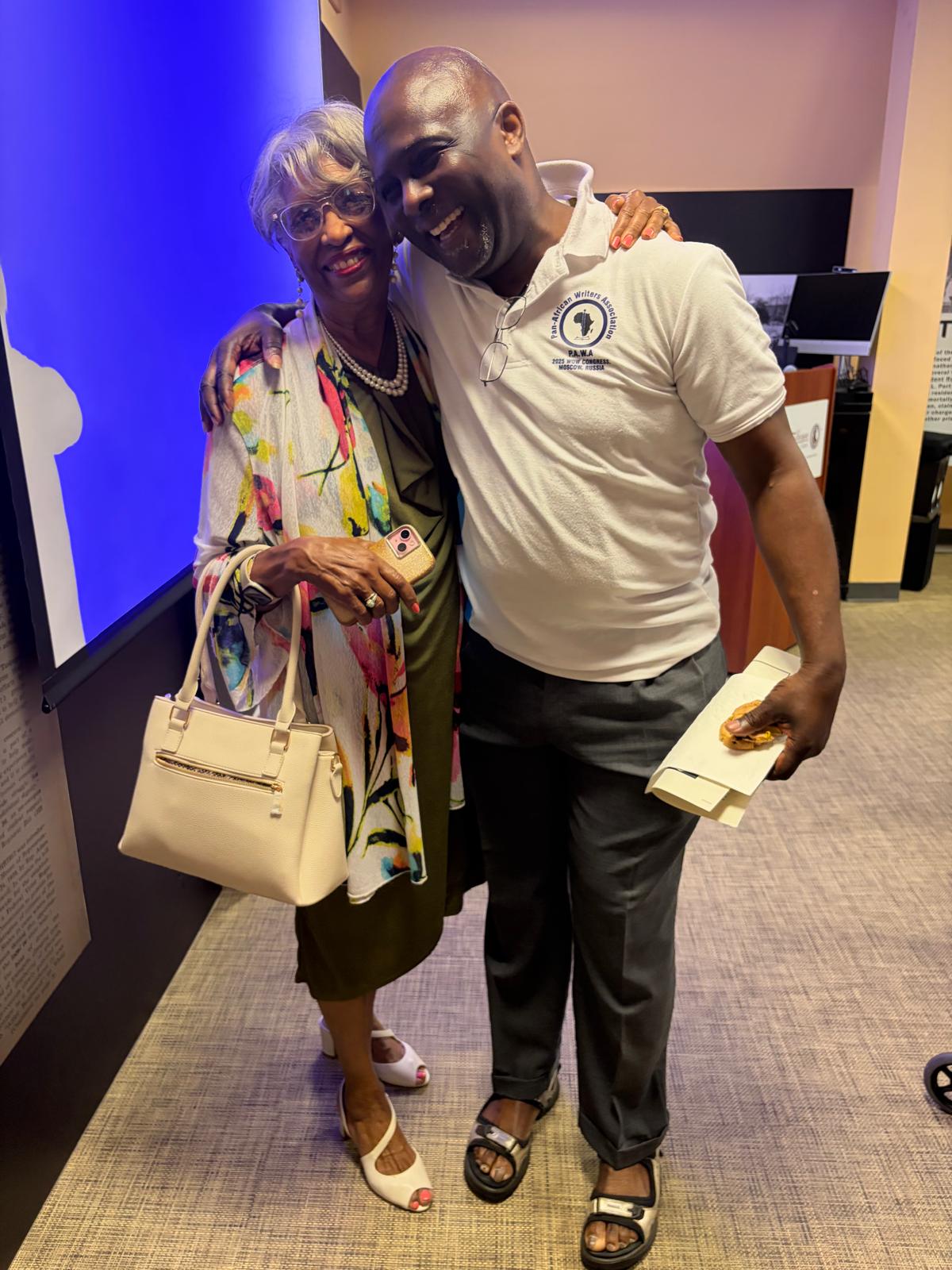
This untreated syphilis study involved a total of close to 650 participants. This number reflects only those who agreed to participate in the case taken up by Attorney Fred D. Gray: Charles W. Pollard, et al. vs. United States of America et al. And to their descendants with some of whom I had a few words, I did remind them that:
You are not defined by what was done to your ancestors. Their story includes suffering, yes—but it also includes agency, humanity, and dignity that no experiment could erase.
Your presence is proof of continuity. Systems failed your forebears, but they did not erase them. You are here because they endured.
Your voice matters in shaping the future. The mistrust many feel toward medical institutions is not irrational—it is historically grounded. When descendants speak about that mistrust, they are not resisting progress; they are guiding it toward accountability and equity.
Setting the record straight also means recognizing change—without pretending the past didn’t happen.
Since the USHPS experiment in Tuskegee, there have been meaningful efforts to rebuild trust: formal apologies, compensation programs, bioethics reforms, and initiatives to increase representation in medical research. These steps matter—but they are incomplete without continued listening.
The record is set straight not when institutions simply say, “we’re sorry,” but when they consistently demonstrate that such a betrayal cannot happen again—through transparency, community partnership, and respect.
Honoring the Survivors’ Wish
The survivors requested nothing more than a public apology and a site for memory where people would always come to recall the horrendous acts of leaving people untreated when the cure for their illness is available and above all to make sure such history never ever repeats itself. As a result, we refrain from using the word “celebrate”. The choice of words is a political and moral act. In the context of historical trauma, “celebration” is a term of erasure, whereas “honor” is a term of reparative justice. This event was all about honoring :
- Families who refused to let silence bury the truth
- Descendants who transform inherited pain into advocacy
- Communities that insist on dignity in healthcare and beyond
In short, this event was not celebration of the past—it was recognition of what has grown in spite of it.
In the end, the story of Tuskegee syphilis experiment does not belong only to history books. It lives in families, in conversations, and in the ongoing effort to build a more just system. For descendants, the most meaningful tribute is not forgetting, not softening the truth—but speaking truth to power and insisting on a future shaped by it. Their mandate represents their desire to be active architects of their own legacy and also, marks their total refusal to be passive subjects of history.
That, perhaps, is the clearest way to set the record straight: not by erasing what happened here in Tuskegee, but by ensuring it teaches, transforms, and never repeats.