 thesilkroadtoday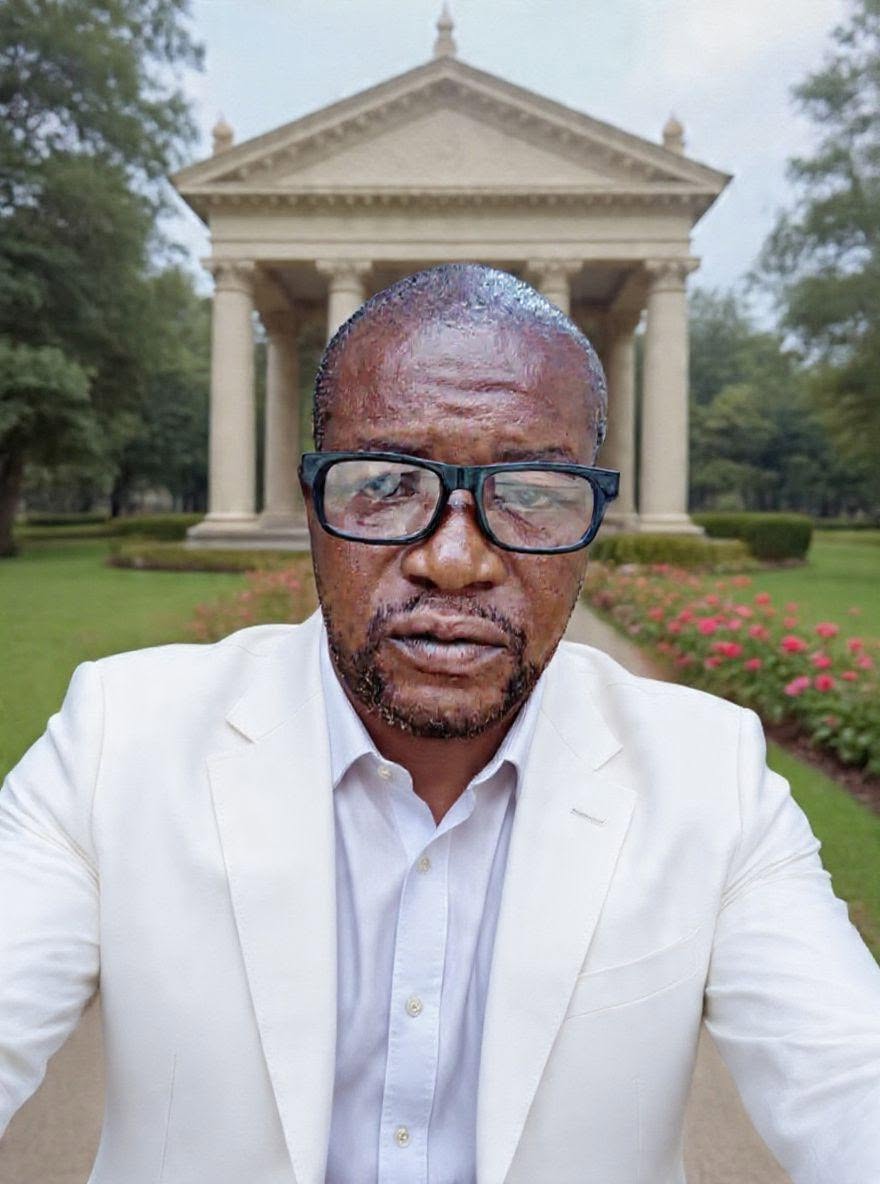
 In the five years since the Congress of African Journalists (CAJ) was registered with the Corporate Affairs Commission in Nigeria, the organization has grown from an idea into a pan-African movement. Founded to defend press freedom, build journalist capacity, and ensure Africans tell African stories, CAJ has become a voice that governments, partners, and journalists across the continent are listening to. At the center of this work is Michael Adeboboye, Chairman of the Board of Trustees and Editor-in-Chief of CAJ International Magazine. An international journalist and advocate, Adeboboye has led CAJ through funding challenges, safety threats, and the push to build cross-border collaboration in an increasingly complex media landscape. In this exclusive interview with Dela Ahiawor, CAJ West Africa Bureau Editor, Adeboboye speaks on CAJ’s impact since 2020, the significance of the organization’s engagement with the European Union, and how the new International Media Cooperation Protocol will help African stories travel across languages and borders. He also addresses his recent appointment by the Worldwide Writers Association as Literature Cultural Ambassador for Nigeria, and how he plans to bridge journalism, literature, and cultural diplomacy.
CAJ was established and registered with the Corporate Affairs Commission in Nigeria since 2020. What was the vision that led to the founding of the Congress of African Journalists?
The vision was to reclaim the African narrative. Since 2020, we realized that if Africans don’t tell our own stories, others will tell them for us and get them wrong. CAJ was registered with the Corporate Affairs Commission to give us legal backing to build a pan-African body that defends press freedom, supports journalists, and promotes credible journalism across the continent.
What are the core objectives of CAJ and how do you define the mandate of CAJ International Magazine within the larger mission?
Our core objectives are advocacy, training, safety, and collaboration. We want to protect journalists, build their capacity, and create platforms for cross-border reporting. CAJ International Magazine is the mouthpiece of that mission. It publishes the stories we believe must be told, from an African perspective, and amplifies the work of our members.
What have been the biggest challenges CAJ has faced in building and sustaining the organization across different countries?
Funding, safety, and coordination. Independent journalism is not cheap, and in many countries journalists operate under threat. Logistically, coordinating across different Africa countries with different laws and languages is also a challenge. But we keep going because the need is greater than the obstacles. And I appreciate the fact that God blessed me with visionaries and committed journalists in persons of Ajong Mbapndah, Managing, Editor, Pan African Visions Magazine, USA, Dr. Ashraf Aboul-Yazi, Editor, www.silkroadtoday.com, Egypt, your humble Self, Mr. Emmanuel Ketaman, CEO Duamenefa FM, Ghana, Donald Tlaka, media guru in South Africa, Mr. Nasir Aijaz of Sindih Courier, Pakistan, Tiblets Tesfaye, great Ethiopian Journalist leader, Dr. George Otumu of Nigerian Standard Newspaper also in USA, and a host of other who in different ways have shown stronger commitment into this vision. These are great journalists and media professionals who drive my zeal and strength. Yes, I set the sail as the captain of the ship, but they are my oarsmen that man the oars in the face of fury of the Poseidon. I will not also forget my indonesian poet and journalist friend Amira Ousman. She’s mapping promising route for CAJ in the entire Southeast Asia.
From your position as Editor-in-Chief, how would you assess the state of press freedom and journalist safety in Africa today?
It is under severe pressure, and in many places it is regressing. Between 2024 and 2026 we have seen a clear pattern: journalists being victimized, oppressed, gagged, imprisoned, and in the worst cases killed, while governments pass or weaponize repressive laws to silence scrutiny.
Let me be specific because the names and places matter: Central Sahel – Military Crackdown
In Burkina Faso, Mali, and Niger, authorities have imposed increasingly restrictive legal frameworks to silence criticism of the armed conflict.
In Burkina Faso, four journalists and columnists were forcibly conscripted into the army in 2024 in a targeted manner, and the fate of one remains unknown. Investigative journalist Serge Oulon, editor of L’Evènement, vanished on 24 June 2024 after an armed group stormed his home and has not been seen since. Security forces have also repeatedly raided the Norbert Zongo National Press Centre in Ouagadougou. Only “patriotic journalists” are tolerated, while others face arrest or forced conscription. East Africa- Ethiopia: On 15 April 2026, Million Beyene, managing editor of
Addis Standard was abducted in Addis Ababa by members of the national intelligence agency and held for two weeks without access to lawyer or family. Measures targeting Ethiopian journalists have increasingly extended to international media.
Rwanda: Journalists operate under surveillance, harassment, intimidation and prosecution. High-profile journalist John Williams Ntwali died in January in circumstances Amnesty has called for an independent investigation into. Theoneste Nsengimana remains in unlawful detention since October 2021.
Tanzania: In August 2025 the home affairs minister ordered “online patrols” to monitor digital platforms. In September, the Tanzania Communications Regulatory Authority imposed a 90-day ban on JamiiForums under the 2020 Online Content Regulations. During the October 2025 elections, authorities imposed a partial internet shutdown and barred media from covering the human rights situation. Sudan: As the war marks its third year in April 2026, Sudan has become one of the world’s deadliest environments for the press, with killings, enforced disappearances, arrests, and gender-based violence. Both SAF and RSF target journalists for reporting atrocities. Horn & Great Lakes Somalia: On 2 March 2026, Abshir Khalif Shidane, 25, was shot dead by a Jubaland police officer in Kismayo. The Somali Journalists Syndicate recorded at least 18 violations since January 2026. DRC: Authorities arbitrarily closed down a dozen media outlets on charges like “spreading false rumors”. Journalist Stanis Bujakera was detained and in March 2024 convicted and sentenced to six months for “spreading false rumors” and “forgery”. In July 2026, government-allied Wazalendo militiamen threatened to kill reporters over unfavorable coverage. Southern & West Africa
Zambia: In July 2026, journalist MacPherson Mukuka was detained for four days over an audio leak under cyber laws weeks before elections. Nigeria: On 15 July 2026, Stanley Ugagbe of Secret Reporters was remanded to prison for two months of pretrial detention over corruption reporting, with cybercrime and defamation charges filed. Senegal: Journalist René Capain Bassène was jailed for life in May 2026 on charges the government linked to rebel activity. Burundi: Journalist Floriane Irangabiye is serving a ten-year prison sentence for critical comments made on an online radio show. In February 2024 the Supreme Court upheld her conviction for “endangering the integrity of the national territory”. The bigger picture
CPJ’s 2025 prison census recorded 34 journalists and media workers held in prison across sub-Saharan Africa, including 16 in Eritrea imprisoned without trial for 23 years, 6 in Ethiopia 5 in Rwanda, and 5 in Cameroon. You can fact check like Reno Omokri use to write. Besides, Angela Quintal, CPJ Africa Director of Program is a friend and we do communicate. From CAJ’s view, this is not just about individual cases. It is about an environment where laws like Tanzania’s Online Content Regulations, cybercrime statutes, and terrorism allegations are being used to gag the press. It is about impunity where killings in Sudan, Somalia, Chad and DRC go unpunished. CAJ’s role now is to defend, and demand accountability. A free press cannot exist where journalists are abducted, conscripted, or jailed for telling the truth.
What are some key programs, training, or advocacy work CAJ has delivered in the last 5 years that you are most proud of?
I’m proud of our drive in condemning government initimidating journalists in countries like Cameroon, Somalia, Ethiopia and other African countries. We lend our voice on a loud pedestal and our advocscy is never sleepy. However, like I said, funding has been an impediment to our digital skills training, and the legal support for journalists under threat. Launching CAJ International Magazine and building a network of correspondents across Africa are also major wins for us. Hopefully in the years ahead and importantly partnership and positive responses will improve our mandate delivery.
Independent media in Africa often struggles with funding. How is CAJ addressing sustainability, and what role do partnerships and donations play?
We cannot do this alone. Partnerships are critical. We work with international organizations, media bodies, and individuals who believe in free press. Donations help us run programs, but our long-term plan is sustainability through membership, the Media Cooperation Protocol, and strategic projects.
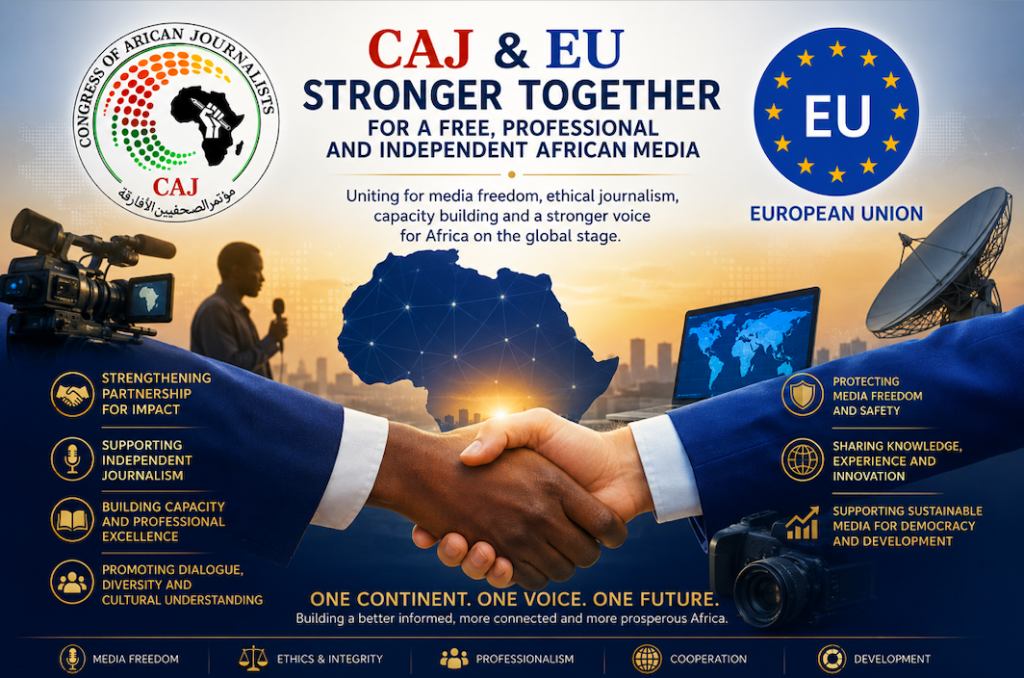
CAJ recently received an official response from the European Union, Directorate-General for International Partnerships. What does this engagement mean for CAJ?
It means recognition. The EU acknowledging CAJ shows that our work is being noticed at the global level. It opens doors for collaboration on media development, training, and advocacy for press freedom in Africa.
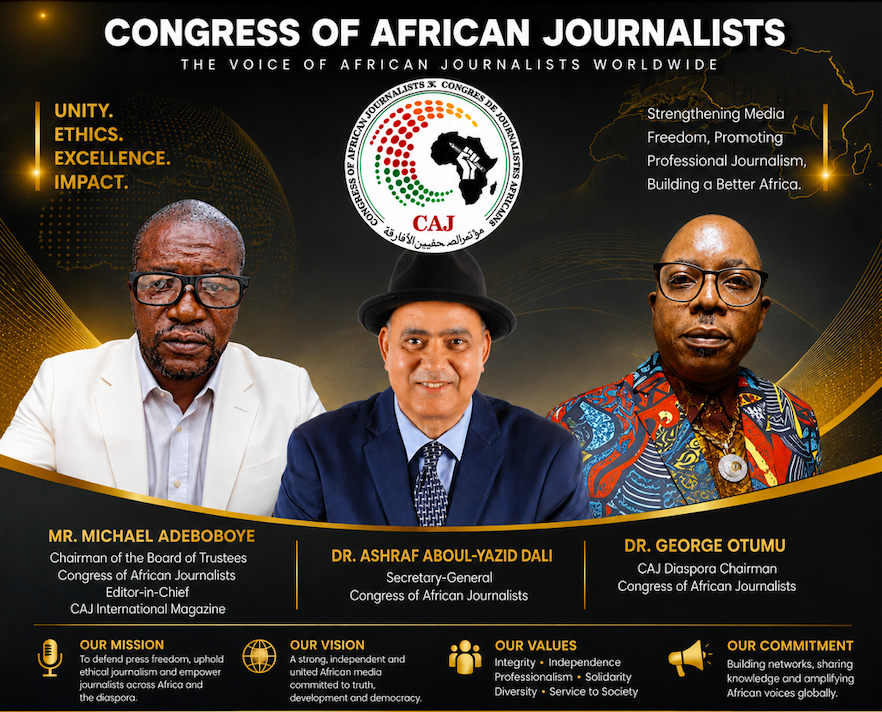
The EU stated that “a free and independent press is essential for transparency and development.” How can this commitment translate into concrete support for African journalists?
By putting resources behind the words. We need funding for journalist safety programs, training, and support for independent newsrooms. We also need partnerships that respect editorial independence. That is how the commitment becomes real.
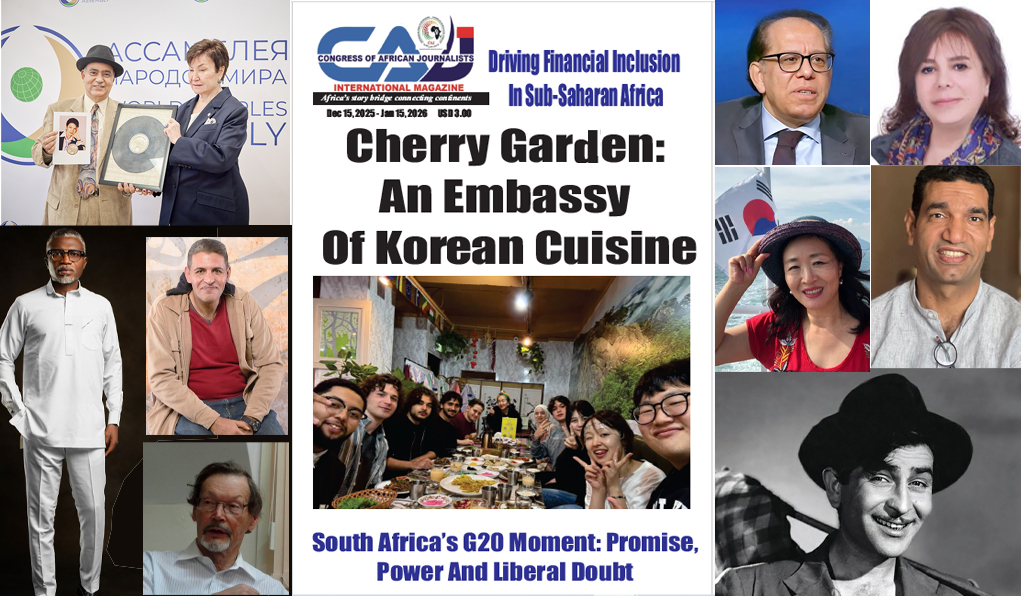
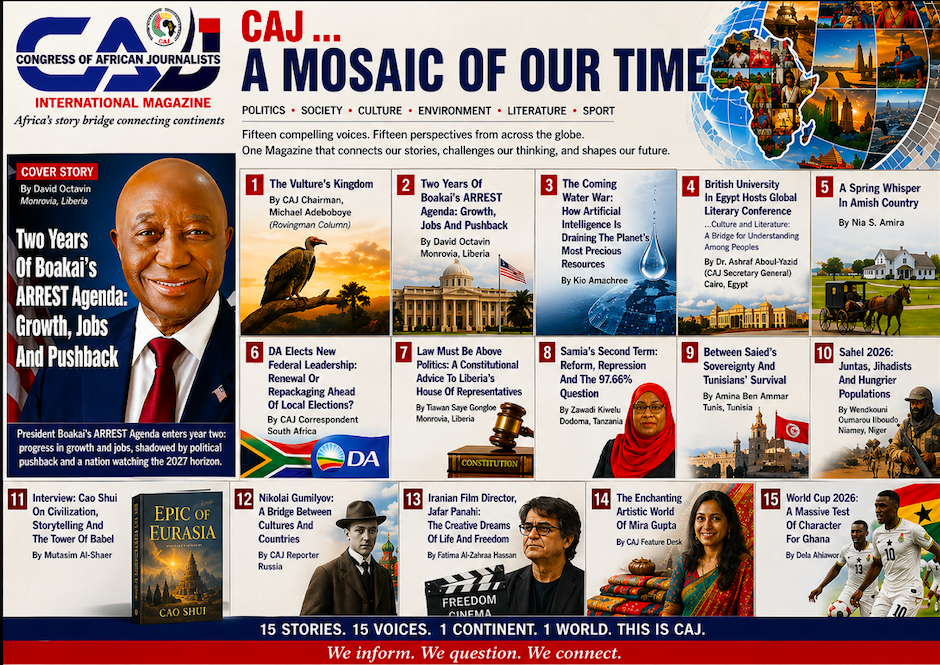
CAJ International Magazine is the flagship publication of the Congress. What role do you see the magazine playing in shaping narratives about Africa?
The magazine exists to correct the imbalance. For too long, Africa has been explained to the world by outsiders. CAJ International Magazine puts African journalists at the center to tell our stories with accuracy, depth, and pride.
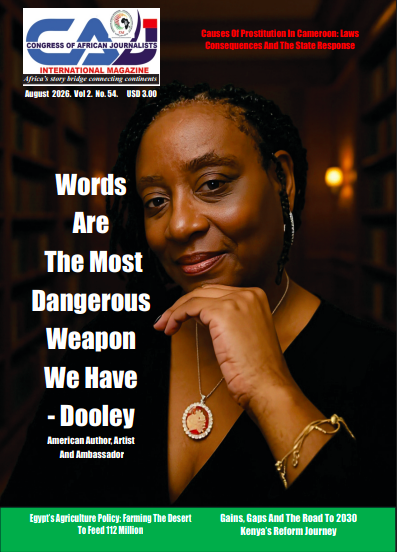
As Editor-in-Chief, what is the editorial focus of CAJ International Magazine for 2026?
For 2026, we are focusing on purging corruptive monster out of governance, press freedom, climate and development, culture, and youth. We want investigative pieces, but also solutions journalism and cultural stories that show the dynamism of Africa.
How is CAJ International Magazine reaching its audience across Africa and in the diaspora and what are your plans to grow readership and distribution?
Our new website http://www.cajintl.org recently launched and we syndicate through partner newsrooms. Going forward, translation is key. Through the International Media Cooperation Protocol, we can publish the same story in Portuguese, French, German, and other languages to reach more readers.
CAJ is a signatory to the International Media Cooperation Protocol. What informed CAJ’s decision to sign, and what commitments does the Protocol require from CAJ?
We signed because journalism must be collaborative. The Protocol commits CAJ and partner publishers across continents to exchange news and features, and to publish them in our respective countries. The key part is translation, so stories are understood by local audiences in their own language.
How will being a signatory to the Protocol help CAJ advance journalist safety, cross-border collaboration, and media development?
It works like a news agency. For example, if we get a story from South Africa, we can send it to Angola to be published in Portuguese, to France in French, or to Germany in German. This builds solidarity, helps stories travel, and ensures African issues get global attention in languages people understand.
What is the nature of the relationship between the World Organization of Writers (WOW) and the Congress of African Journalists (CAJ)?
CAJ is a media partner of WOW in Africa. Though CAJ is remapping the route, moving towards establishing a stronger ties in the areas of collaboration on conferences and programs. CAJ members are officially invited to cover and participate in WOW events.CAJ Secretary General, Dr. Ashraf Aboul-Yazi is also a member of WOW and during the 2nd WOW Congress in Moscow, Russia in 2025, both of us were officially invited. As CAJ, we are looking into proposal leading to something more robust in subsequent engagements.
How does the partnership between WOW and CAJ benefit African journalists and writers specifically?
It connects journalism and literature. It gives our members access to global platforms and audiences. We are looking to deepen this through joint programs, membership drives, and stronger media partnerships that benefit both journalists and writers.
Looking ahead, what is your vision for CAJ and CAJ International Magazine in the next 3-5 years?
If you say my vision, I will that can be a personal scope but on a broader scope our vision is for CAJ to be the most credible and active network of journalists in Africa. For the Magazine, I want it to be the go-to publication for anyone who wants to understand Africa from Africans. With the Protocol running fully, we can achieve that reach.
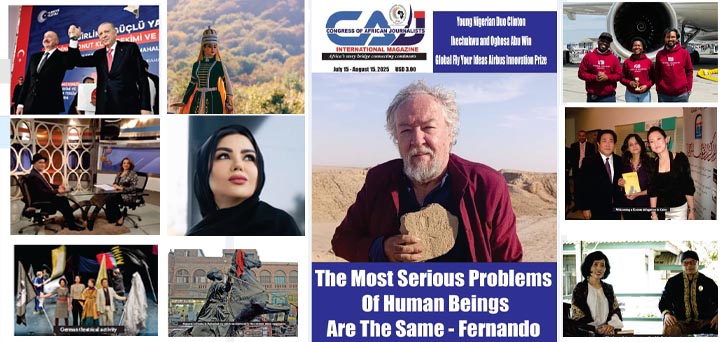
What message do you have for young African journalists, and for citizens who believe in the power of independent media?
To young journalists: be courageous, be ethical, and tell the truth even when it is hard. To citizens: independent media is your shield. Support it, defend it, because without it, accountability dies.
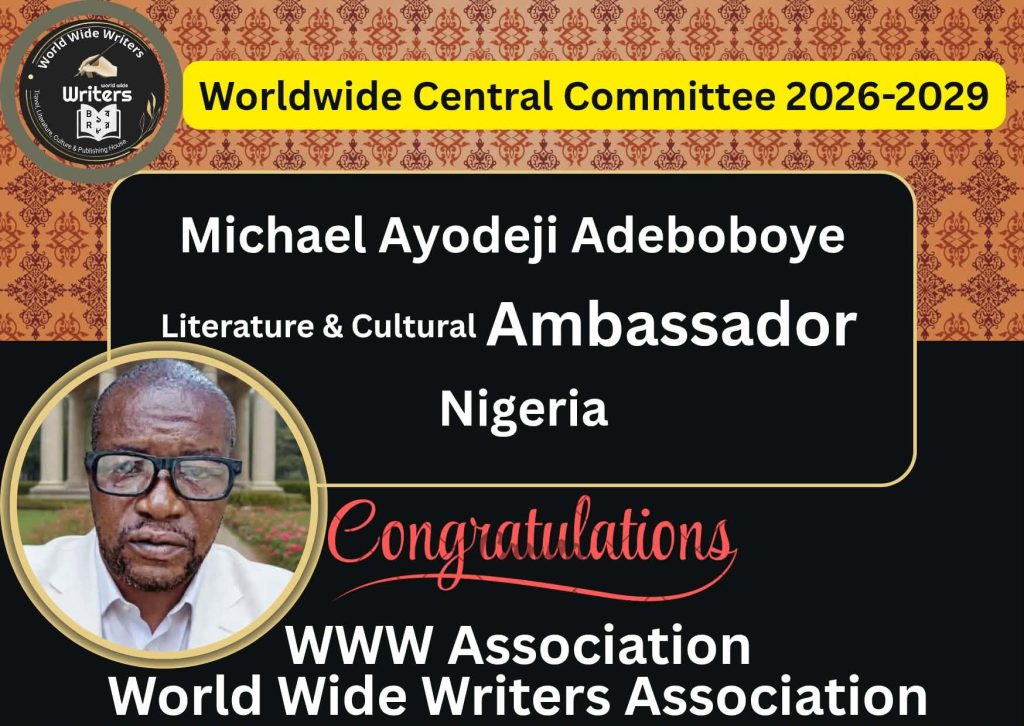
The Worldwide Writers Association has appointed you as Literature Cultural Ambassador for Nigeria. What does this appointment mean to you, and what mandate have you been given?
Firstly, the appointment was unexpected. It was a surprise. My Award winning Author friend, in Michigan, USA, Tamikio L. Dooley who happened to be a leader of that organization sent me official communication in that respect. Sincerely, it is a huge honor. It means I will represent Nigerian literature and culture on the global stage. My mandate is to promote Nigerian writers, showcase our cultural heritage, and build bridges between our stories and the world. And I promised to do the best.
As both Editor-in-Chief of CAJ International Magazine and Literature Cultural Ambassador for Nigeria, how do you plan to bridge journalism, literature, and cultural diplomacy?
They are all forms of storytelling. Journalism captures the now, literature preserves the soul of a people. Through the Magazine and this ambassadorship, I will promote African writers, cover literary events, and use media to project Nigerian and African culture internationally