 thesilkroadtoday
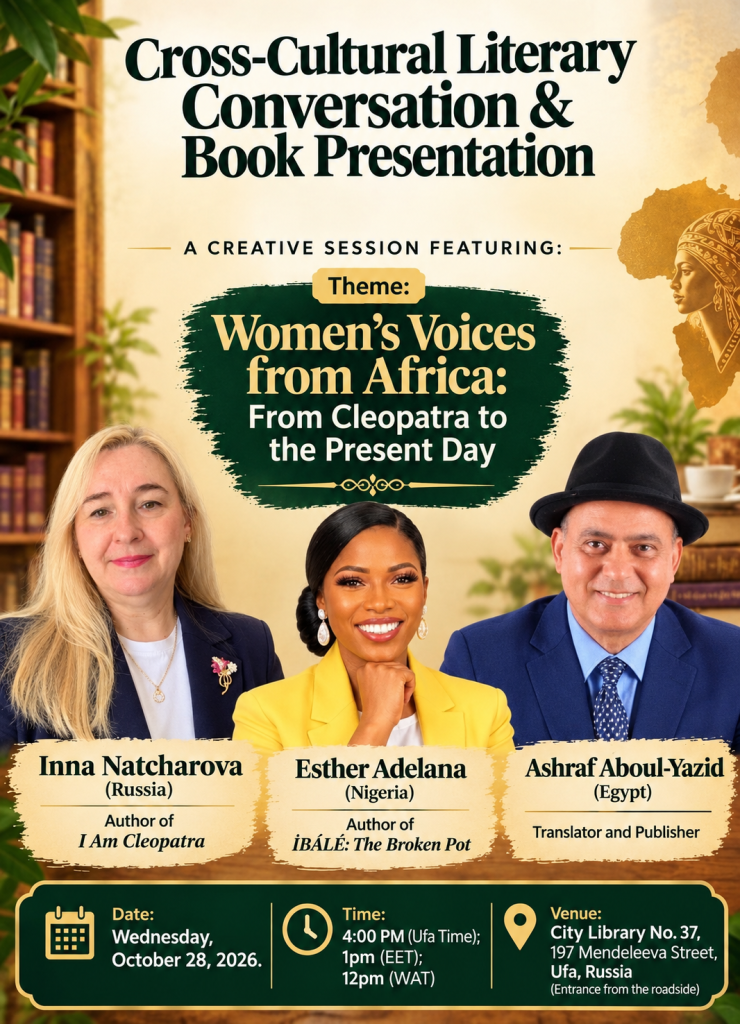
African Students Meet the Author of I Am Cleopatra
An inspiring gathering celebrates Cleopatra’s legacy, international literary exchange, and women’s voices in world literature.
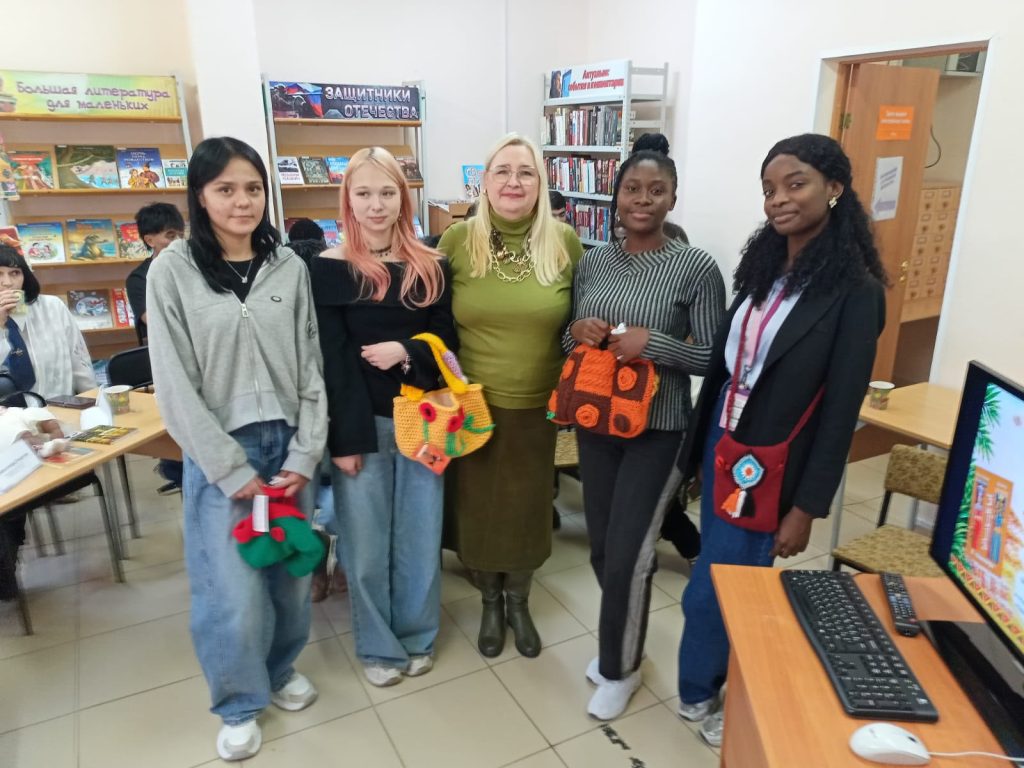
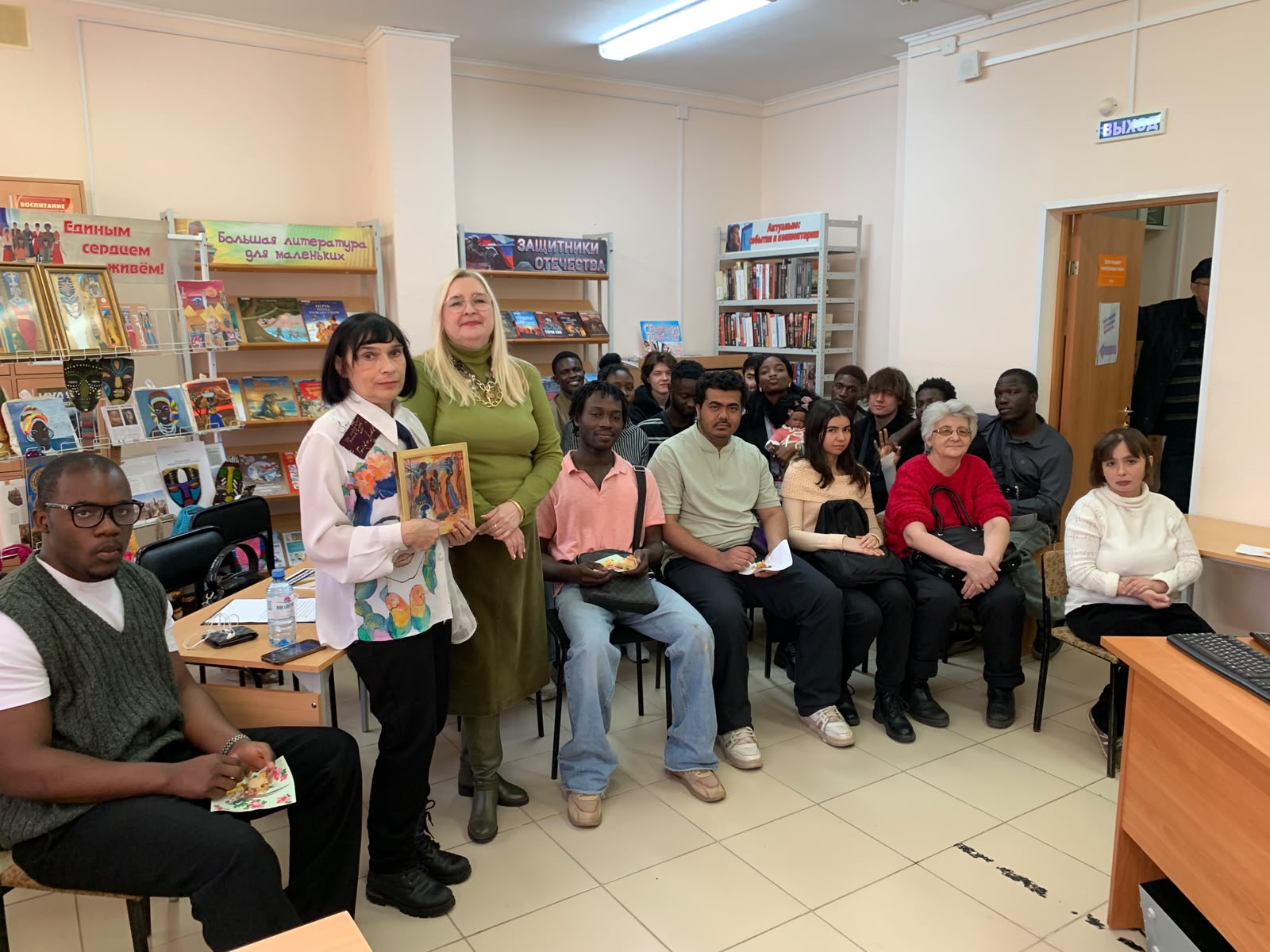
A special literary gathering brought together students from African countries at a library for an engaging meeting with Inna Nacharova, author of I Am Cleopatra. The event celebrated the enduring fascination of one of history’s most famous queens while highlighting the power of literature to connect people across cultures and continents.
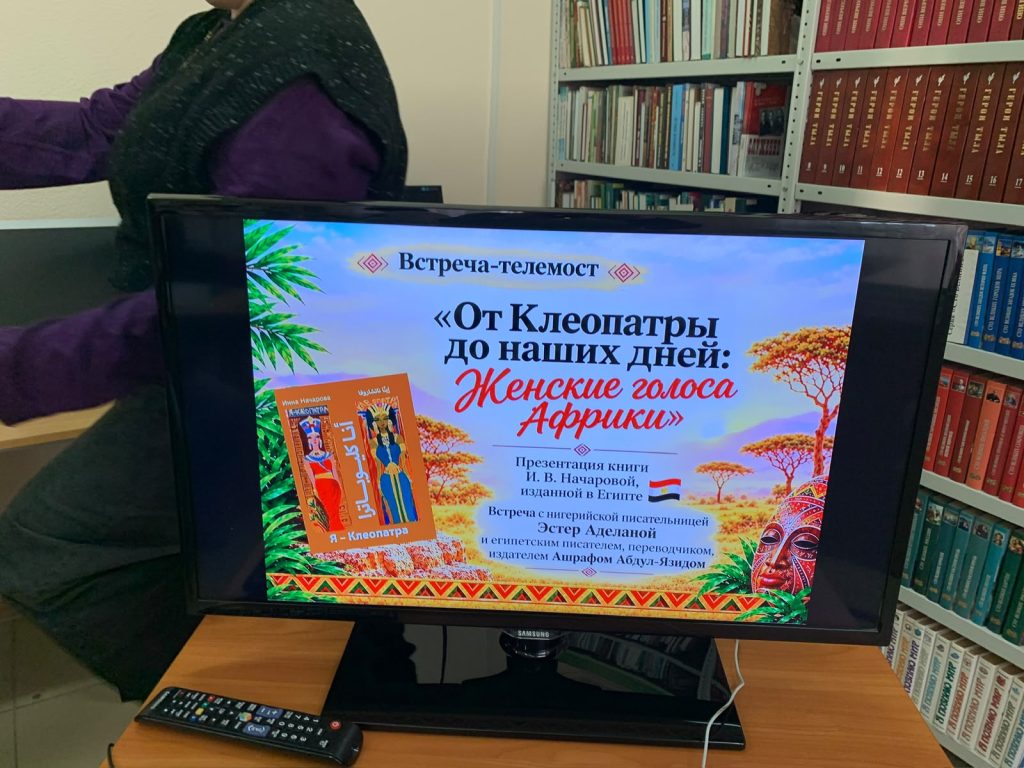
During the meeting, Nacharova spoke about the inspiration behind her book, the process of writing it, and the remarkable life and historical legacy of Queen Cleopatra. Her presentation offered the students an opportunity to explore the story of the Egyptian queen through the perspective of contemporary literature.
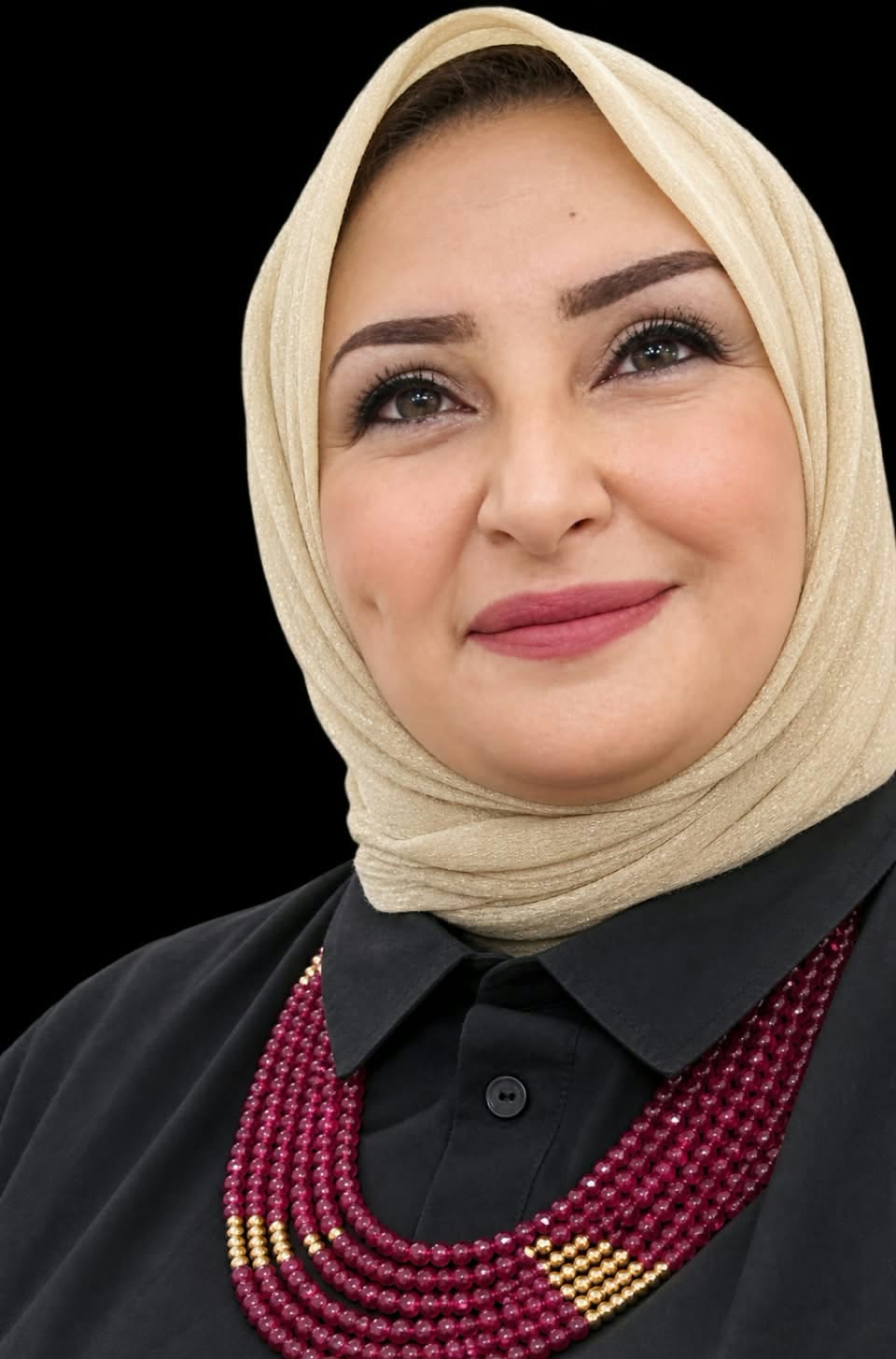
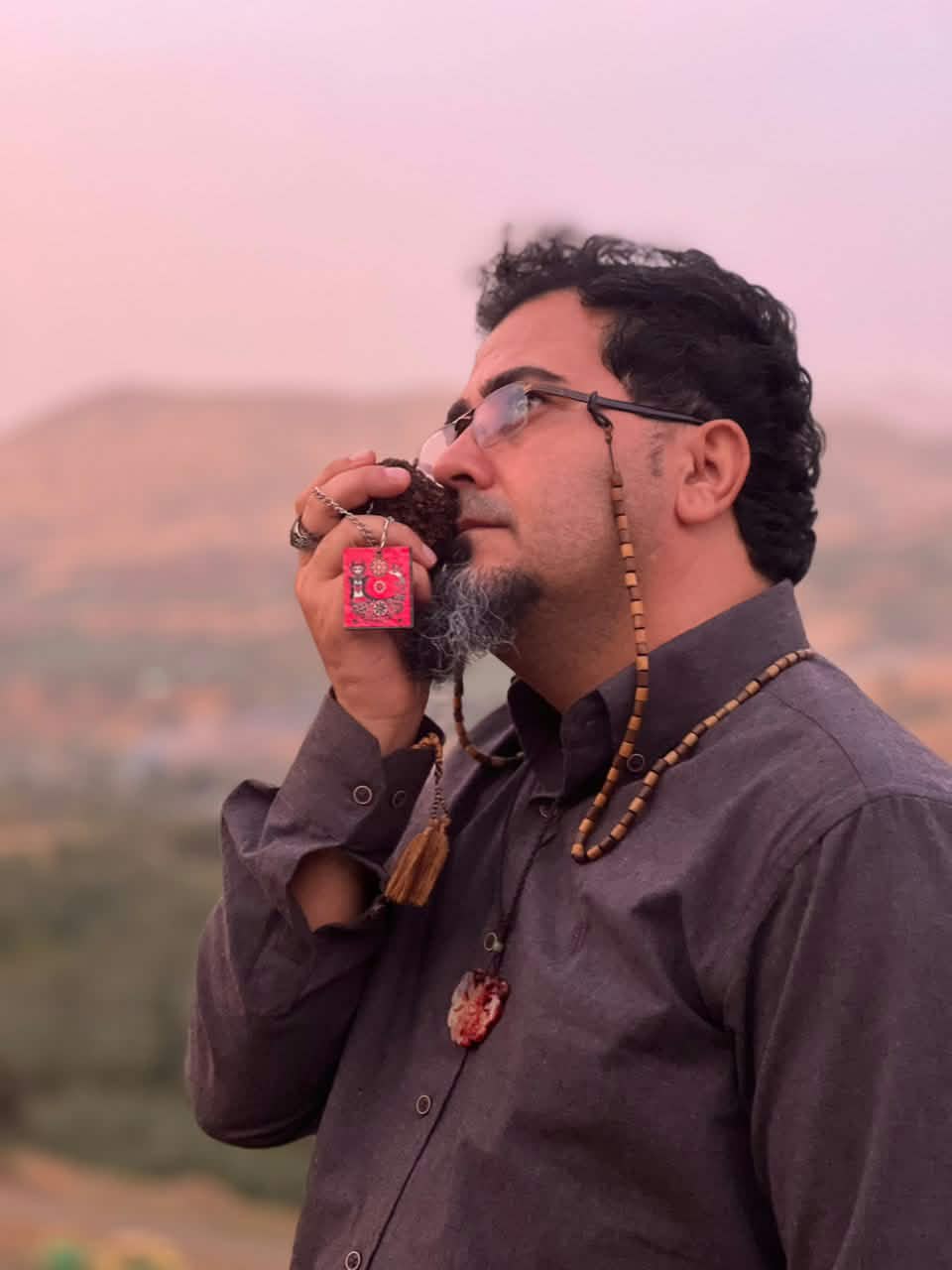
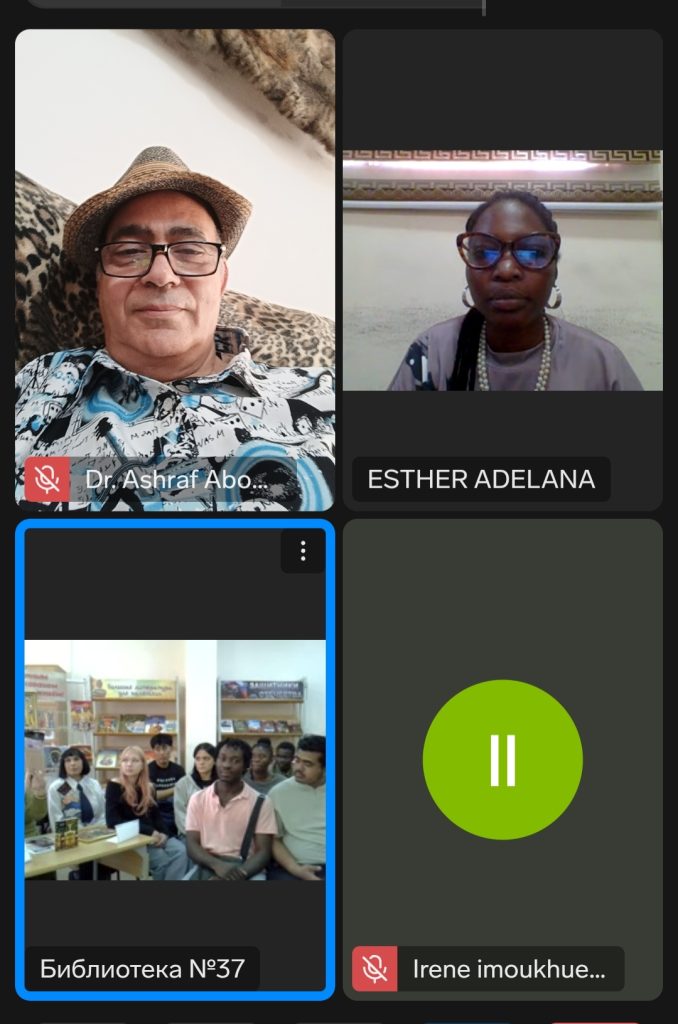
The programme continued with an online meeting with Ashraf Aboul-Yazid, the book’s translator and publisher, and the founder of the Silk Road Literature Series. He joined the discussion to share insights into the book’s journey across languages and cultures, emphasizing the importance of translation and publishing in bringing literary works to international readers.
In his speech entitled “Women’s Literature in Africa: Voices Crossing Borders and Rewriting the World”, Dr. Ashraf Aboul-Yazid said: “Women’s literature in Africa has never been merely a space for self-expression or the recording of personal experiences. It has become one of the most important fields in which women rediscover their identities, question history, resist colonialism in its various forms, and confront social and cultural marginalization. From the novel to poetry, and from autobiography to literary criticism, African women writers have created literary worlds pulsating with the continent’s memory. Their works reveal its linguistic and cultural diversity and give new voices to the human experience—voices that deserve to be heard everywhere.”
Throughout his literary and journalistic career, Dr. Ashraf has devoted particular attention to bringing these voices to Arab and international readers, guided by his conviction that translation is not simply the transfer of words, but a passage through which human experience moves from one culture to another. The Silk Road Literature Series, which he founded in 2016, has provided him with an opportunity to expand the presence of African literature, particularly women’s writing, within a literary project that transcends geographical and linguistic boundaries. He dedicated one of its volumes to African poetry under the title Nano Poems for Africa, celebrating a number of poetic experiences by women across the continent and helping introduce their work to readers beyond their local literary circles.
This commitment has also extended to including African women poets in international literary anthologies published in India, China, and elsewhere, as well as nominating women writers and poets to participate in international events and festivals. Providing African women writers with an international platform is not a cultural courtesy; it is an acknowledgment of their right to participate in shaping the global literary landscape, free from stereotypes that reduce Africa to its crises or overlook the richness of its creative expression.
Translation has been one of the most important instruments of this cultural exchange. He has translated poems by South African poet Jah Rose JNthabiseng and a play by Nigerian writer Esther Adelana, while also devoting attention to presenting books and critical reviews of women poets from Egypt, Tunisia, and other countries. Through these efforts, he has sought to build bridges between African voices and Arab readers, affirming that women’s poetry is not a marginal branch of literature, but an aesthetic and intellectual testimony to social transformation, human anxieties, and the great questions of existence.
In Egypt, Radwa Ashour, the novelist and academic under whose guidance he was privileged to study, stands out as a remarkable example of an intellectual who brought together academic knowledge, human commitment, and literary creativity. In works such as the Granada Trilogy, she reclaimed history from the perspective of the marginalized and forgotten, revealing how memory can resist oblivion and how fiction can give the defeated a voice that transcends the boundaries of time. She was also a pioneering scholar of African literature.
Nawal El Saadawi, meanwhile, was one of the most prominent Egyptian and Arab women writers to turn writing into an open confrontation with the social structures that constrain women. Combining medicine, literature, and intellectual inquiry, she addressed the body, freedom, power, religion, and society with a boldness that provoked controversy. Yet her work helped expand the debate surrounding women’s rights and their intellectual and human independence.
In poetry, Fatma Qandil offers an Egyptian literary experience that explores the self, memory, and human relationships through a poetic language marked by intensity and individuality. Her work confirms that women’s writing is not confined to a single subject, nor can it be reduced to a discourse of protest. It is also a profound aesthetic inquiry into existence, vulnerability, and identity.
Across the Mediterranean, Tunisian writer Arwa Ben Dhia represents a voice deserving greater visibility in efforts to introduce contemporary Tunisian literature to European cultural circles. Her writing opens up questions concerning identity, social transformation, and women’s experiences. Assia Djebar, the Algerian writer who wrote in French, transcended the borders of her homeland to become one of the most significant women novelists in Africa and the world. Her works evoke the memory of colonialism and the Algerian Revolution, recover the voices of women erased from history, and transform language into a space for negotiating memory, belonging, and freedom.
The future of women’s literature in Africa requires sustained translation, more diverse anthologies, and broader participation in international festivals and cultural forums. His mission, through the Silk Road Literature Series and my translation and critical presentation projects, remains to help open windows for these voices, ensuring that they are not confined within their languages or national borders but become an integral part of the global human dialogue.
When we carry a poem from Africa to the world, we do not merely transfer a literary text; we give a human experience a new life and affirm that the diversity of voices is the most beautiful path toward the unity of humanity.

The gathering also featured Nigerian writer Esther Adelana, who spoke about women’s voices in the literary world. Her contribution highlighted the importance of creating opportunities for women writers to share their experiences, perspectives, and creative visions with readers worldwide.
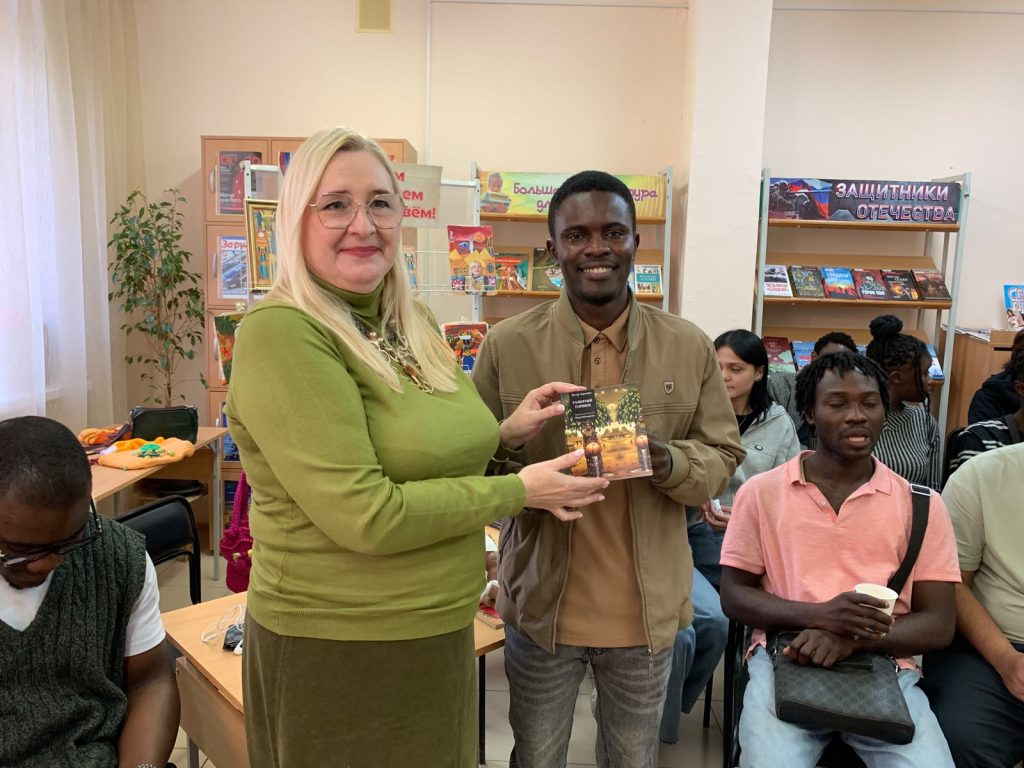
The students actively participated in the discussion, asking questions and exchanging ideas with the speakers. One student from Cameroon was particularly fortunate: in recognition of asking the best question, he received a copy of I Am Cleopatra as a gift from Nacharova.
Yet the meeting was not only about books and intellectual exchange. In a warm gesture of hospitality, Nacharova treated everyone to a homemade pie she had baked especially for the occasion. The participants shared tea poured from a traditional Russian samovar, enjoyed one another’s company, and celebrated the simple pleasure of being together.
The gathering concluded on a heartfelt note, demonstrating that literary friendship transcends geographical boundaries, languages, and cultural differences. Through storytelling, translation, conversation, and hospitality, the participants experienced how literature can transform a meeting into a genuine human connection.
As this memorable event demonstrated, friendship through literature and creativity can be beautifully simple: people come together, share their stories, discover one another’s worlds, and leave with something more valuable than a book alone—the feeling of belonging to a wider human community.
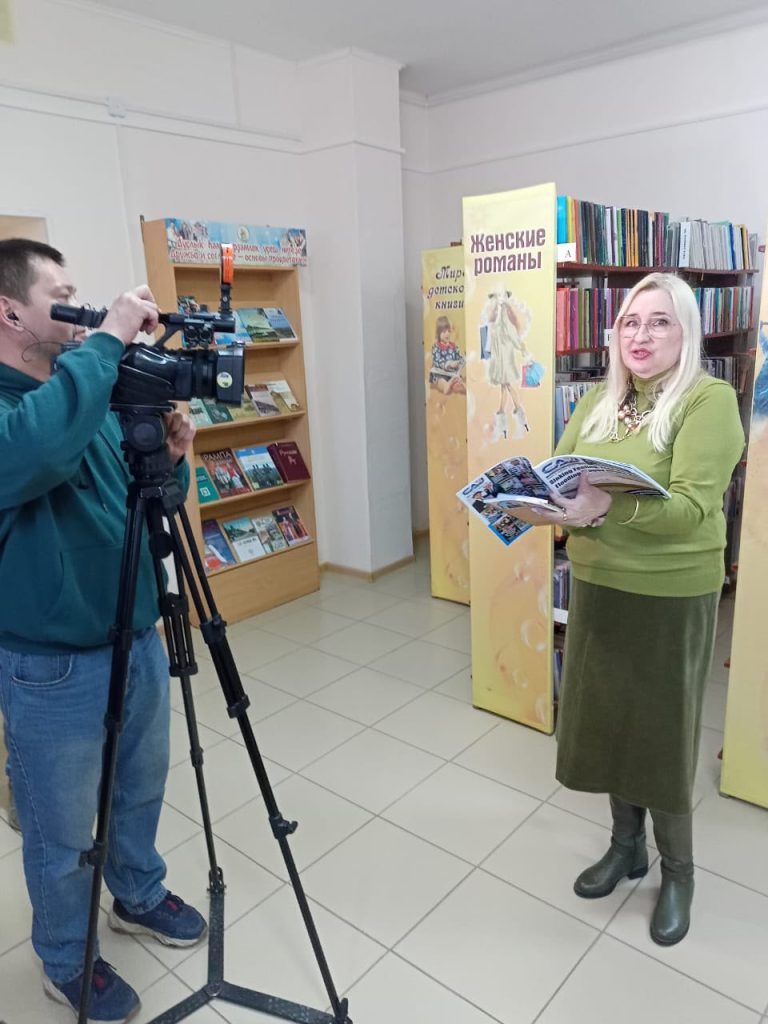
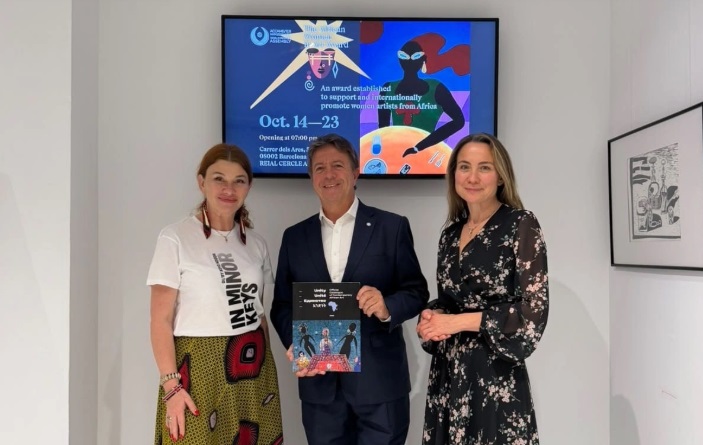
The event will also be featured in a television report on a local TV station today. During the interview, Inna Nacharova proudly presented the CAJ International magazine, which regularly publishes her contributions, highlighting the growing cultural connections between African writers and the wider international literary community. Published in Nigeria and circulated across other African capitals, the magazine travels across borders to reach its contributors and readers, giving visibility to diverse voices, literary achievements, and cultural initiatives throughout the continent. Its presence at this literary gathering offered a meaningful reminder that literature, journalism, and translation are powerful bridges connecting people, ideas, and cultures, while strengthening dialogue between Africa and the world.