 thesilkroadtoday
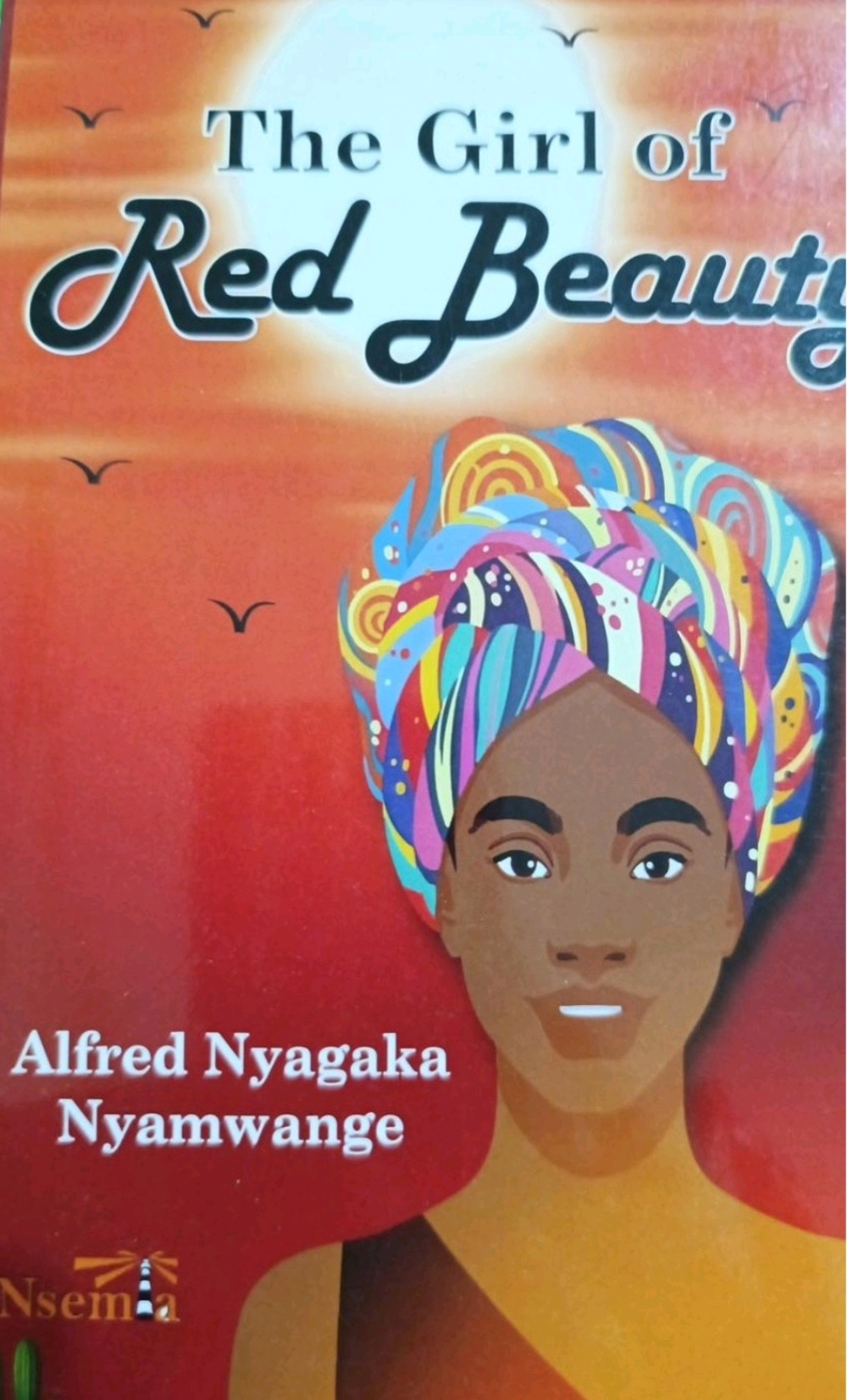
- THE GIRL OF RED BEAUTY
What does it mean to belong to a people, and how can a community preserve its identity when the voices of its ancestors begin to fade beneath the pressures of modernity? In The Girl of Red Beauty, Alfred Nyagaka Nyamwange invites readers into the cultural universe of the AbaGusii through a sustained poetic engagement with the community’s oral traditions, beliefs, social practices and philosophies.
Presented in thirteen chapters of verse, the work draws upon songs, proverbs, sayings, stories, play games and the rhythms of everyday life in the Gusii highlands. Its poetic world follows the human journey from birth and childhood through initiation and marriage to old age and death. Along the way, it evokes relationships between individuals, families, the land, the ancestors and the divine. The girl at the centre of the work becomes a poetic point of entry into a much wider cultural landscape: a world shaped by communal memory, inherited wisdom, social expectations and changing relationships.
The collection is distinctive in its creative negotiation between written poetry and African orature. Its language draws on indigenous expressions and direct translations from EkeGusii, bringing local imagery and proverbial thought into English. Songs, performance rhythms and the imagined presence of the lyre and drum give the written verse an oral energy, inviting readers not merely to observe the culture but to hear, sing and imaginatively participate in it.
The Girl of Red Beauty is both a literary work and an act of cultural remembrance. It does not present tradition as a museum piece; rather, it opens a space for considering cultural continuity, the tensions between inherited practices and contemporary life, and the responsibility of transmitting indigenous knowledge to future generations. Rooted in Gusii experience yet attentive to wider questions of identity and belonging, the book offers international readers an encounter with the imaginative resources of an African community.
A poetic celebration of identity, a preservation of memory and an invitation to return to the living sources of cultural knowledge.
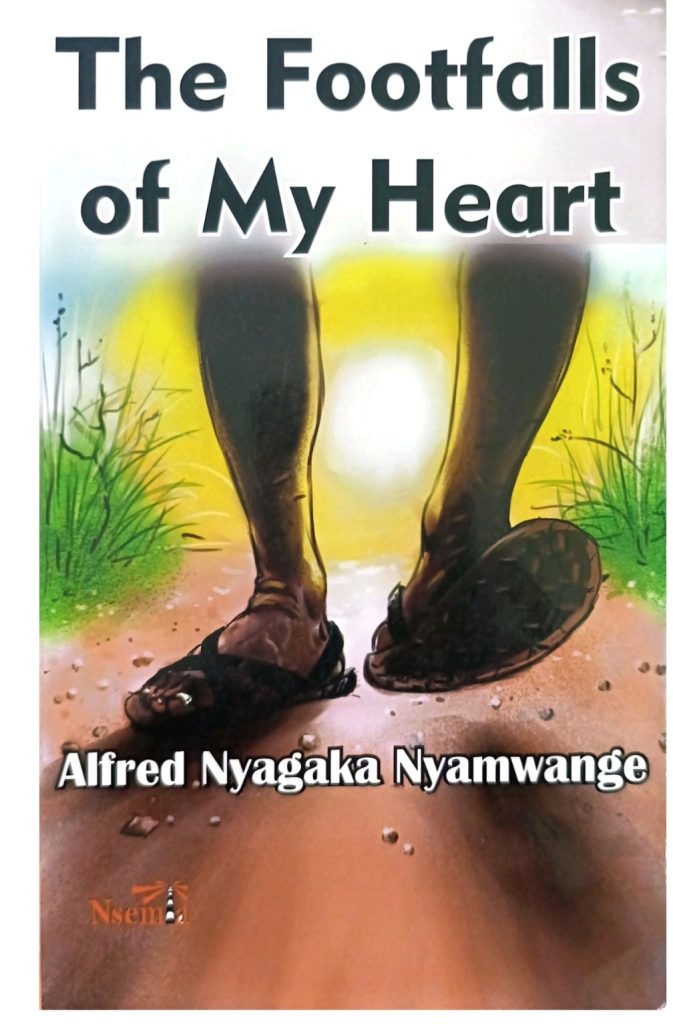
- THE FOOTFALLS OF MY HEART
Love may begin with attraction, but in a traditional community its consequences reach far beyond two individuals. In The Footfalls of My Heart, Alfred Nyagaka Nyamwange presents a narrative poem that explores courtship and marriage in the cultural world of the AbaGusii, giving particular prominence to the voice, perspective and agency of the bride.
The poem centres on Gechemba and Rimura. Rimura is a celebrated warrior and prospective groom whose reputation, strength and determination do not automatically guarantee success in love. Gechemba is a young woman who observes, questions, teases and responds to the man seeking her affection. Through her perspective, the reader encounters the emotional play of attraction, hesitation, playful resistance and growing attachment. The courtship becomes a spirited exchange in which wit and persuasion matter alongside status and material wealth.
Beyond the romantic encounter, the work traces the social processes through which marriage connects families and lineages. It evokes the meeting between prospective partners, family introductions, negotiations over bride wealth, preparations, marriage rituals, songs, communal celebrations and the incorporation of the bride into a new household. Cattle and other forms of bride wealth carry meanings that extend beyond payment: they express commitment and create networks of relationships between families.
The poem is rich in EkeGusii expressions, proverbs, indigenous imagery, humour and the rhythms of oral performance. It draws on cultural memory while allowing readers to consider the values and tensions embedded in marriage practices. The bride’s voice is especially important: she is not simply an object of pursuit but a participant whose response, judgement and choice shape the unfolding relationship.
As a companion to The Girl of Red Beauty, this work extends Nyamwange’s poetic exploration of Gusii cultural life. Where the earlier poem approaches the community through a girl’s growth and the wider cycle of life, The Footfalls of My Heart foregrounds the woman’s perspective in the journey towards marriage and family continuity.
A warrior pursues; a woman responds and chooses; families negotiate; a community gathers. The Footfalls of My Heart is a poetic exploration of love as both an intimate emotion and a communal bond.
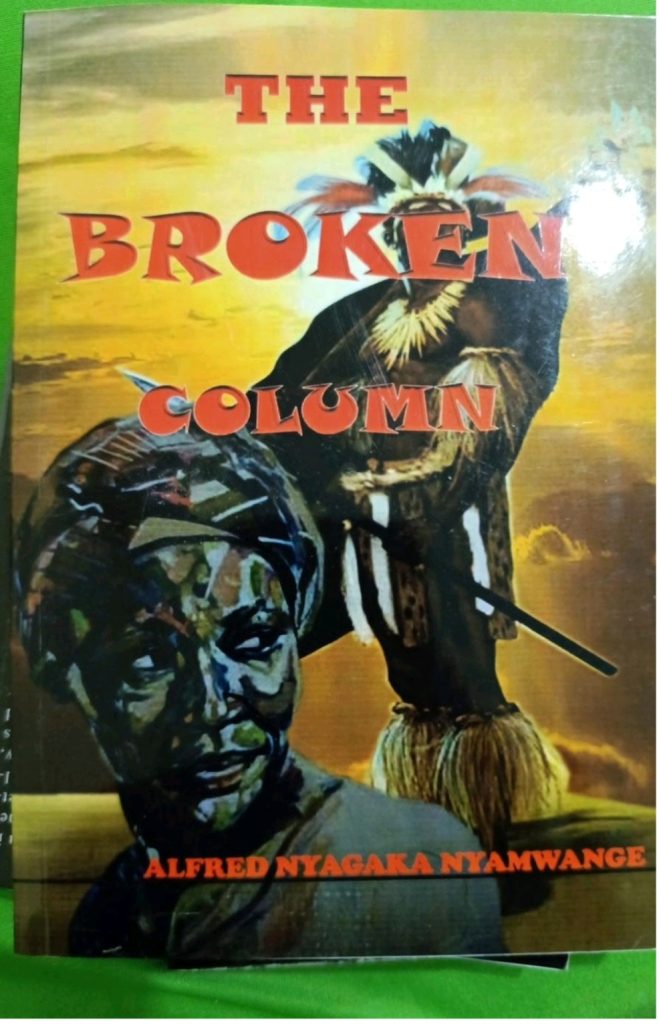
- THE BROKEN COLUMN
What happens when a society’s established ways of life encounter forces that challenge its institutions, beliefs and sense of identity? The Broken Column by Alfred Nyagaka Nyamwange is a historical and cultural novel set in the world of the AbaGusii, tracing the experiences of a warrior and the wider transformations of his community.
At the centre of the narrative is Okeyo, a young man renowned for courage, physical strength and exceptional skill. His reputation as a warrior places him within a social order that values protection, honour, responsibility and service to the community. Yet Okeyo’s life is not a simple succession of heroic achievements. His relationships, personal struggles, choices and encounters with adversity expose the vulnerabilities beneath the public image of the fearless warrior. His destiny is shaped by the demands of his calling and by the changing circumstances of the society around him.
The novel evokes a community organised through kinship, village life, ancestral expectations, warrior traditions and collective obligations. Its landscape is not merely a backdrop: it is a lived environment in which cattle, homesteads, social relations and communal security carry cultural significance. Okeyo’s experiences intersect with those of other people, particularly the women whose presence and decisions influence his path.
A profound historical change gathers around this personal story. The arrival of foreign authority, missionary Christianity and colonial power unsettles the foundations of the community. Established loyalties are questioned; inherited practices encounter new religious and political claims; and individuals must negotiate the competing demands of continuity, resistance and accommodation. The meaning of courage itself becomes uncertain as the society confronts a future it cannot fully control.
The Broken Column therefore operates on two connected levels: it is the story of a man whose life contains both achievement and vulnerability, and the story of a people experiencing a difficult historical transition. Through its engagement with masculinity, identity, power, faith, tradition and colonial encounter, the novel invites readers to consider what happens when the structures that sustain a community begin to fracture.
When a column that has supported a people’s world begins to break, what can be preserved, what must change, and what remains standing?
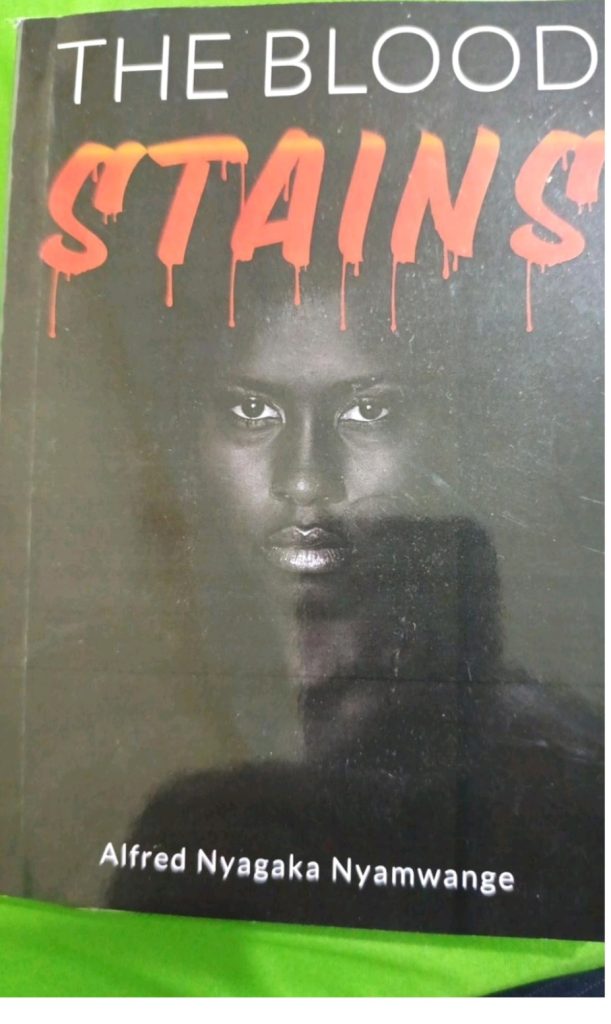
- THE BLOOD STAINS
The violence inflicted on women does not end when the immediate assault is over. It can remain in the body, memory, family and conscience, shaping the lives of survivors long after the visible wounds have healed. In The Blood Stains, Alfred Nyagaka Nyamwange confronts the human cost of gendered violence and the struggle to recover dignity in the aftermath of trauma.
The novel opens through the troubled consciousness of Nerina, whose sleep is invaded by disturbing memories and whose physical condition bears the marks of a painful past. Her recollections return through dreams, fragmented sensations and the persistent images of blood. The narrative gradually draws attention to the experiences and relationships that have shaped her suffering, including the violence associated with her husband, Nixon, and the consequences that extend into family life. Vega, a child whose presence becomes significant in the unfolding family drama, represents a generation that must confront the legacy of what has happened.
The title carries more than a literal suggestion of injury. Blood becomes an image of violated humanity, the costs borne by women, and the marks that violence leaves on individual and collective life. The novel’s dedication to women whose blood is spilt gives its moral orientation particular clarity: it directs attention to those whose suffering is too often concealed, normalised or dismissed.
Nyamwange brings together psychological experience, family conflict, memory, faith and the possibility of accountability. The narrative asks readers to consider the long aftermath of abuse, the difficult work of forgiveness, and the difference between reconciliation and the erasure of responsibility. It also challenges the social conditions that allow violence to persist within spaces that should offer protection.
The Blood Stains is a work of social concern as well as fiction. It invites empathy without reducing survivors to their suffering, and it insists that the experiences of women belong at the centre of conversations about humanity, justice and family. Its emotional force lies in the recognition that violence leaves traces—in bodies, relationships and memories—and that confronting those traces is necessary for any meaningful movement towards healing.
A searching novel about trauma, resilience and the dignity of women, The Blood Stains asks readers not to look away from the wounds that society would rather leave unseen.
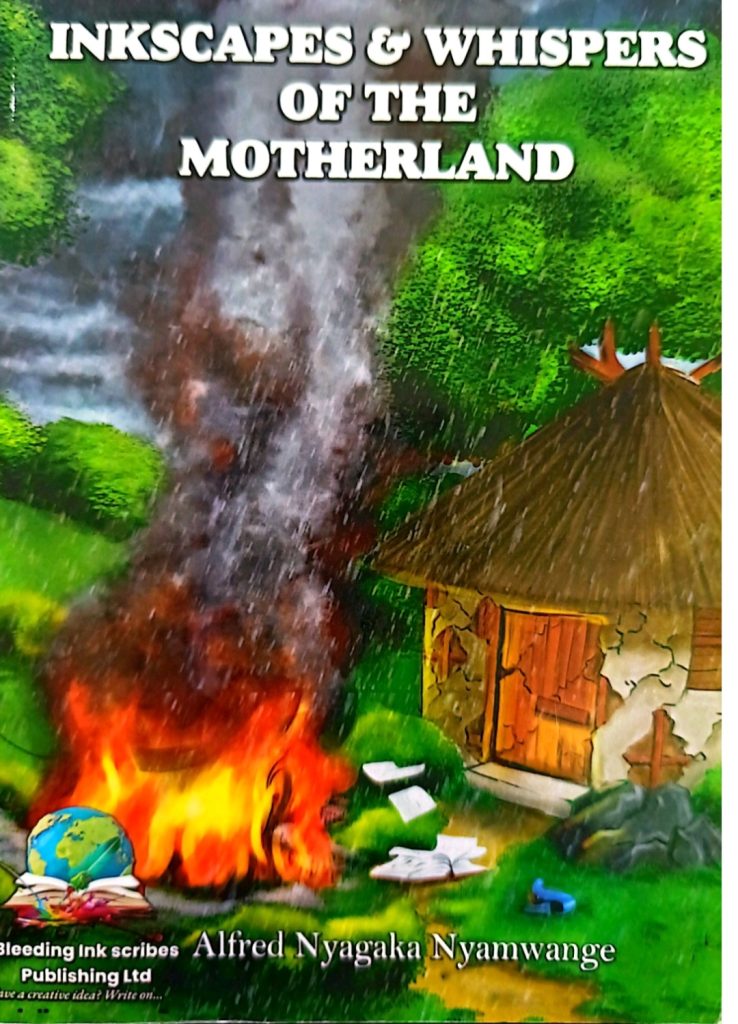
- INK SCAPES:WHISPERS OF THE MOTHERLAND
A continent carries the splendour of its landscapes and the wounds of its history. Its people inherit the promise of freedom, yet they also live with the consequences of exploitation, political betrayal and unfinished struggles for dignity. In Inkscapes: Whispers of the Motherland, Alfred Nyagaka Nyamwange turns poetry into a sustained conversation with Africa’s past, present and possible future.
The collection moves through the historical and political experiences that have shaped the continent. It recalls the violence and dispossession of imperial conquest, reflects on the hopes associated with independence, and confronts the disappointments that followed when political power failed to fulfil the aspirations of ordinary people. Corruption, poverty, inequality, cultural alienation, exploitation and social injustice become subjects of poetic scrutiny. The poems question both external domination and the internal systems and choices that perpetuate dependency and frustrate collective progress.
Nyamwange’s voice is critical but not detached. The motherland is imagined as a place of beauty, abundance, memory and possibility, as well as a space marked by wounds and contradictions. The poems challenge leaders who squander the promise of independence and institutions that reproduce injustice. They also invite readers to examine the responsibilities of citizens and the danger of losing connection with cultural roots.
The collection’s language relies on striking imagery, direct expression and a strong sense of poetic address. Its political consciousness is joined to a concern for identity and belonging, making the poems relevant to readers interested in postcolonial experience, African literature and the relationship between history and contemporary life.
Yet the book does not settle into despair. Beneath its anger and lament is a belief in renewal. Young people, productive enterprise, collective responsibility and a recovered sense of identity are presented as sources of possibility. The motherland’s whispers can become a call to action when they are heard and answered.
Inkscapes: Whispers of the Motherland is a collection of poetic resistance and historical reflection. It asks what freedom means when its promises remain unfulfilled, and what might be required to reclaim the future. It is at once an indictment of failed leadership, a meditation on African belonging and an affirmation that the continent’s story is not finished.
A wounded motherland speaks; a conscious people must listen.
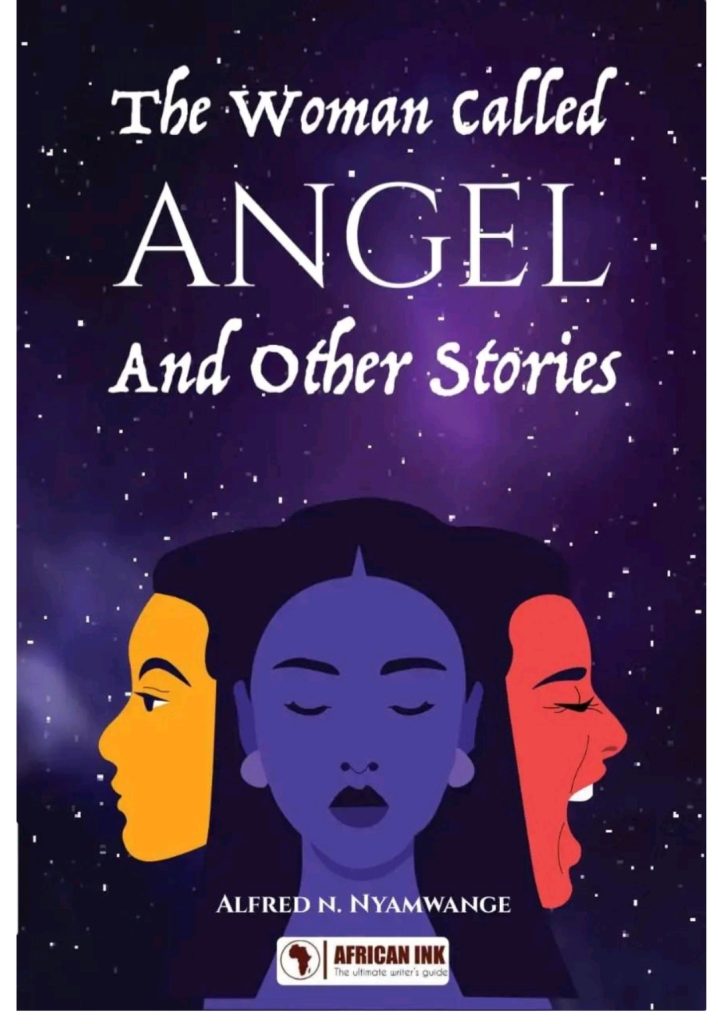
- THE WOMAN CALLED ANGEL AND OTHER STORIES
Behind familiar faces are lives shaped by private desires, difficult circumstances, unexpected choices and truths that are not always easy to confront. In The Woman Called Angel and Other Stories, Alfred Nyagaka Nyamwange brings together short fiction that explores the unpredictable textures of human experience with humour, suspense, empathy and social observation.
The collection moves across different lives and situations, revealing the extraordinary within ordinary settings. Some stories draw their energy from the comic disruptions that occur when individual ambitions collide with village expectations and social conventions. Others turn towards more painful realities, including poverty, exploitation, the vulnerability of mothers and children, and the distance between human hopes and the circumstances that constrain them. The stories also enter unsettling territory, where mysterious deaths, fear and the uncertain ownership of the night disturb the boundaries between what characters believe and what they can explain.
Nyamwange balances humour with pathos and realism with imagination. His characters are not presented as abstract examples of virtue or failure; they are people negotiating relationships, social pressures and the consequences of their actions. Their encounters expose contradictions in the communities they inhabit and invite readers to look beyond appearances. The title story, together with the other narratives, contributes to a collection interested in the complexity of human identity and the ways people are understood, judged or misunderstood.
The book’s range allows it to address several dimensions of contemporary African life without losing sight of individual experience. Poverty is not merely an economic condition but a force that shapes opportunity and dignity. Relationships are not simply private arrangements but spaces in which power, trust, expectation and vulnerability become visible. Suspense and the unsettling unknown, meanwhile, remind readers that ordinary life can contain mysteries and dangers that resist easy explanation.
The Woman Called Angel and Other Stories offers entertainment while encouraging reflection. It invites readers to laugh at human folly, empathise with those facing hardship, question social assumptions and recognise the fragile dignity of people whose stories might otherwise go unheard.
For readers of African short fiction, the collection offers memorable situations and a varied exploration of the human condition. Its stories illuminate the humour, pain, uncertainty and resilience that coexist in everyday life.
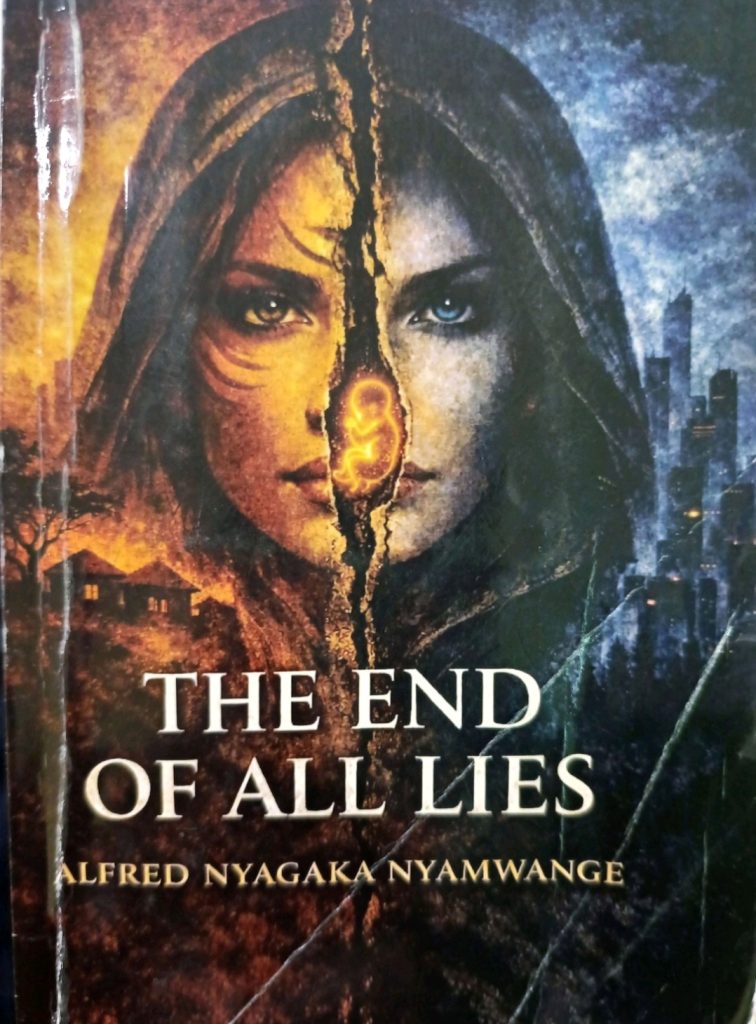
- THE END OF ALL LIES
What if the most dangerous conspiracy is not the concealment of a secret but the deliberate exposure of a lie? In The End of All Lies, Alfred Nyagaka Nyamwange constructs an ambitious narrative of intrigue, power, betrayal and the struggle to distinguish truth from manufactured accusation.
The novel opens with the circulation of secret communications and the discovery of a notebook containing names associated with perpetrators and victims. The material threatens to expose a network whose influence reaches across local communities and wider structures of power. As information spreads, fear and anger rise, and the possibility of public violence becomes part of the unfolding crisis. The notebook is more than a piece of evidence: it becomes a dangerous instrument capable of destabilising the system that has depended on secrecy and control.
The narrative develops through intersecting accounts of those described as predators, victims and participants in the struggle to dismantle the network. Figures such as Mobe and Bibi Jane Kaisa, alongside John Peter Kangethe and other characters, inhabit a world of competing loyalties, hidden histories, infiltration and revenge. The movement between the different groups complicates easy distinctions between innocence, guilt, power and victimhood. Personal histories and institutional designs become entangled, while the conflict between Plan A and Plan B gives the story a structure of suspense and competing strategies.
Nyamwange draws on the language of dossiers, files, classified information and breaking news to create a narrative atmosphere in which knowledge itself becomes a source of power. The novel asks how communities respond when accusations are organised, when truth is manipulated, and when the exposure of wrongdoing may produce further harm. It also considers the human consequences of systems that turn individuals into instruments of a larger design.
The End of All Lies combines political and social speculation with drama, mystery and psychological conflict. Its central concern is not simply the revelation of hidden information but the moral question of what people do with truth once it emerges. Can a corrupt order be dismantled without reproducing its violence? Can victims reclaim agency in a world shaped by deception?
A novel of conspiracy, contested truth and moral reckoning, The End of All Lies invites readers to question the stories through which power protects itself—and the courage required to bring those stories into the open.
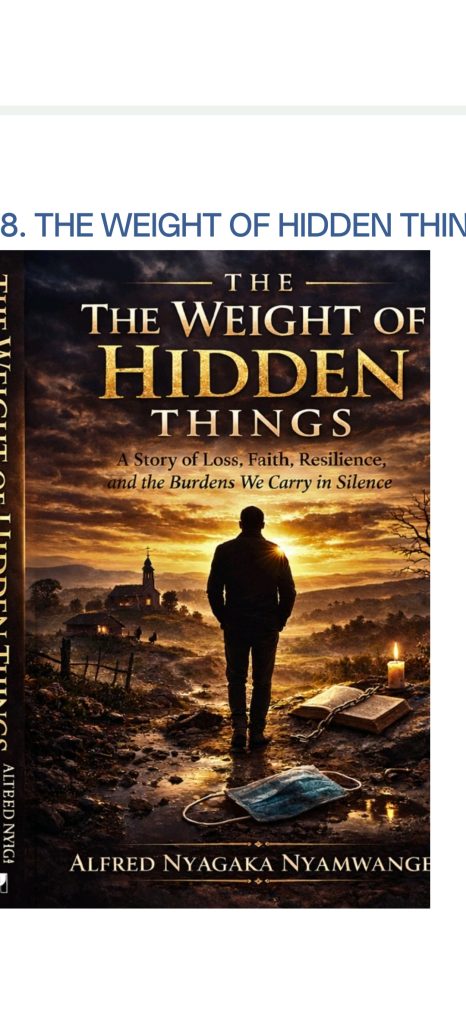
- THE WEIGHT OF HIDDEN THINGS
Some secrets are too heavy to carry. Some truths are too painful to reveal. And some silences, intended to protect a family, eventually threaten to destroy it. In The Weight of Hidden Things, Alfred Nyagaka Nyamwange explores the emotional and moral consequences of concealed truths in a family struggling with grief, uncertainty and fractured relationships.
Set against the unsettling realities of pandemic-era Kenya, the story centres on Pastor Christopher Ndaiya, whose life becomes entangled in family secrets, mysterious disappearances, faith and the difficult exercise of authority. Jessy’s disappearance and eventual return unsettle familiar relationships and bring buried tensions closer to the surface. Rose, Sammy, Kepha and Brian are drawn into a human drama in which loyalty is tested, trust becomes fragile and the boundaries between truth and deception are increasingly difficult to navigate.
The novel’s title suggests that what remains unspoken can exert a powerful influence over the present. Hidden things do not simply disappear; they shape decisions, burden relationships and alter the way people understand one another. The characters must confront the consequences of silence and consider whether protecting appearances is worth the cost of withholding the truth.
Faith provides an important dimension to this exploration. Through the experience of a pastor and the relationships surrounding him, the narrative raises questions about the responsibilities that accompany moral and spiritual authority. It considers how people reconcile belief with suffering, love with betrayal, and personal conviction with the uncomfortable demands of accountability. Rather than offering easy answers, the story draws attention to the difficult choices involved in facing painful realities.
Nyamwange combines family drama with psychological and moral inquiry. The novel is concerned with vulnerability: the fear of losing those we love, the desire to preserve family bonds, the damage caused by deception and the possibility of resilience when truth is finally confronted. Its pandemic-era setting adds an atmosphere of uncertainty to an already troubled domestic world.
The Weight of Hidden Things is a story about the burdens people carry and the relationships those burdens can fracture. It invites readers to reflect on the difference between silence and peace, secrecy and protection, forgiveness and the evasion of responsibility.
Sometimes the greatest weight in a family is not what has happened, but what nobody is willing to say.
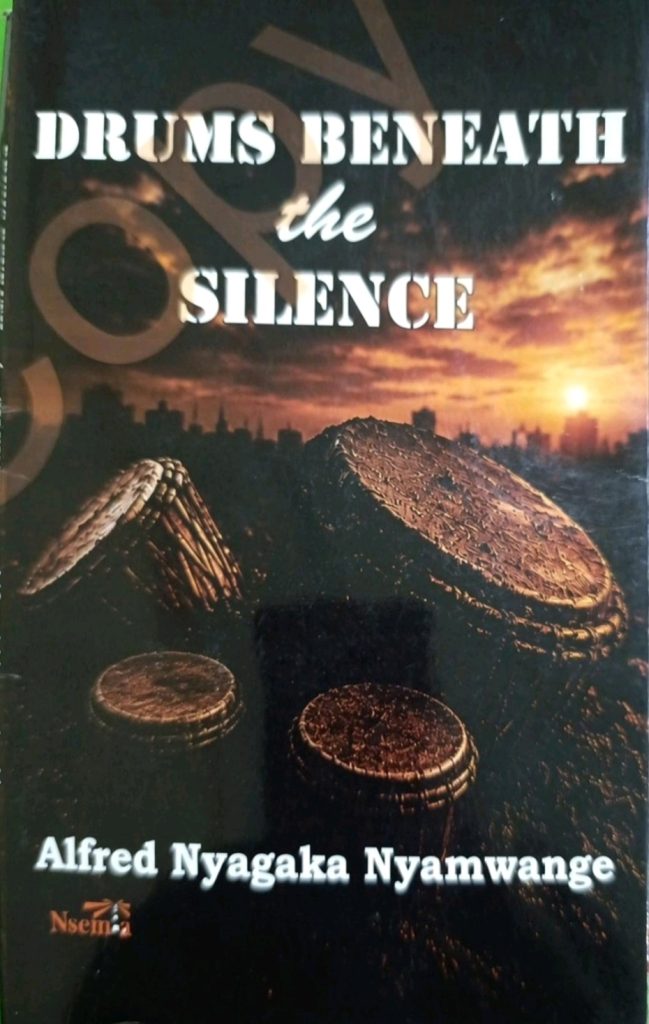
- DRUMS BENEATH THE SILENCE
Silence is never always empty. Beneath it may lie desire, grief, memory, resistance, fear and the stories that individuals and communities have not yet found the courage or opportunity to tell. In Drums Beneath the Silence, Alfred Nyagaka Nyamwange listens to these concealed rhythms and gives poetic expression to experiences that persist beneath the surface of ordinary life.
The collection is organised into five movements, creating a journey through interconnected dimensions of human experience. The Body & Desire explores intimacy, longing and the fragile negotiations of love, where the body becomes a language through which attraction and vulnerability are expressed. The Wound enters the difficult territories of rupture, betrayal, violence, memory and survival. These poems attend to the marks left by painful encounters and the complicated work of living beyond them.
The third movement, The Nation, turns from private experience to public life. It questions power, leadership and complicity, tracing the relationship between individual fractures and wider social decay. The poems recognise that the wounds of a society are not separate from the lives of its people: public injustice enters homes, relationships and personal histories. The Earth & Memory then returns to place, land, childhood and cultural inheritance. Here, memory becomes a means of seeking grounding in a world where identities and relationships are continually changing.
The final movement, The Spirit & Becoming, gestures towards reflection, healing and the difficult work of reassembling the self. It does not offer a simple resolution to every conflict. Instead, it acknowledges that becoming is an unfinished process, shaped by what has been endured, remembered and reconsidered.
The drums in the title carry several meanings. They suggest communal communication, celebration, warning, mourning and remembrance. To hear them beneath silence is to recognise that experiences suppressed or overlooked continue to speak. The cover’s drums, partly immersed in shadow beneath a glowing sunset, reinforce this sense of memory and voice: what has been obscured has not necessarily been erased.
Rooted in Kenyan and Gusii experiences yet attentive to universal human struggles, Drums Beneath the Silence moves between the intimate and the collective, the personal and the political, the land and the spirit. It invites readers to listen more carefully to themselves, their communities and the histories that remain unheard.
A collection of desire, wound, nation, earth and spirit, this is poetry that listens, remembers, questions and, where necessary, disturbs.
AUTHOR BIOGRAPHY
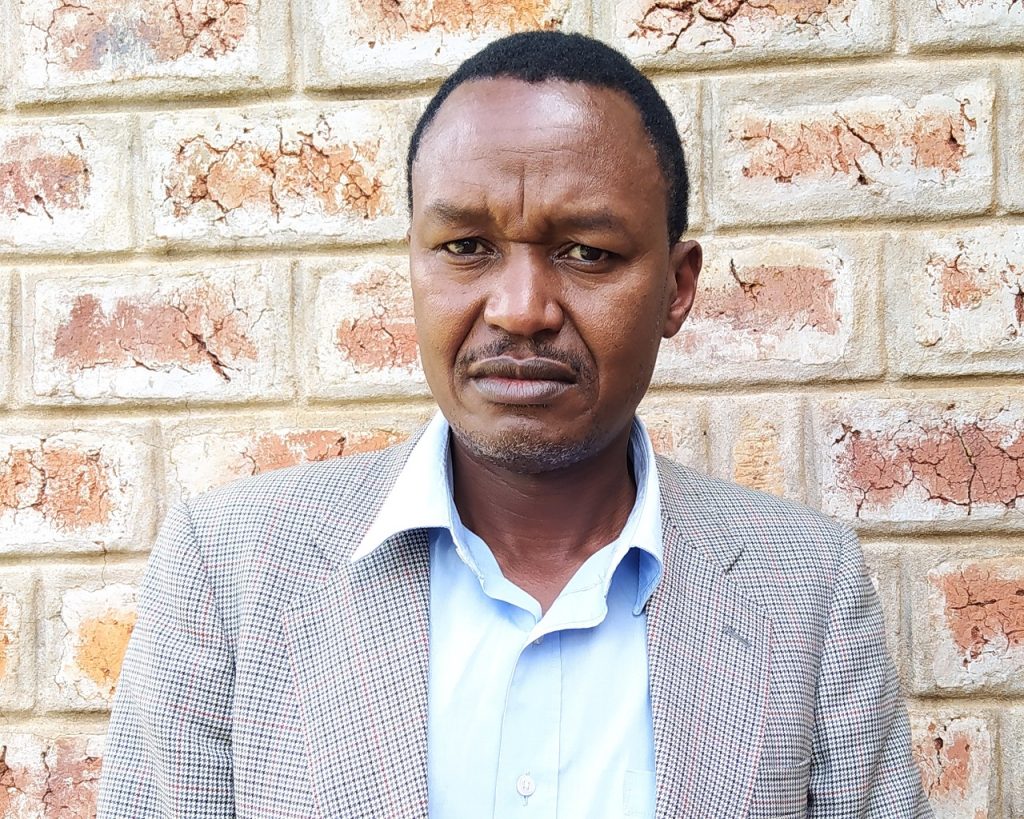
Alfred Nyagaka Nyamwange is a Kenyan author, poet, novelist, literary scholar and cultural researcher. He holds a PhD in Literature from Kisii University, Kenya, completed in 2024. His doctoral research examined shifting Abagusii cultural identities in the popular poetry of Christopher Monyoncho.
His published creative works span poetry, historical fiction, novels, short stories and children’s literature. They include The Girl of Red Beauty, The Footfalls of My Heart, The Broken Column, The Blood Stains, Inkscapes: Whispers of a Motherland, The Woman Called Angel and Other Stories, The End of All Lies, The Weight of Hidden Things, The Smell of New Shoes and Drums Beneath the Silence. His writing engages with cultural heritage, oral traditions, gender, family, political consciousness, historical change, social justice and human dignity.
His scholarly interests include African oral literature, performance, cultural memory, indigenous knowledge and environmental humanities, particularly the literary and cultural traditions of the Abagusii of Kenya. He writes in English and Kiswahili and is committed to promoting EkeGusii language and cultural expression.
Through creative writing, teaching and research, Nyamwange preserves knowledge embedded in African experience while contributing to wider conversations about literature, identity and society. He supports mentorship and the development of emerging literary writers.