اللهيب يصعد من الرمال (إلى أطفال غزة) | للشاعرة ياسنا شاميتش

ياسنا شاميتش
اللهيب يصعد من الرمال
(إلى أطفال غزة)

امرأة شابة قُطِع رأسها
جُدِّد انتهاك جسدها
قالوا

ألم يكفِ
أنها ببساطة
قُطِع رأسها؟

على الرمال السوداء
المشتعلة،
رجالٌ عُراة
يركعون
أمام جنود
تثقلهم الأوسمة

أوسمة على زيّهم،
على أقدامهم،
على أصابعهم وذراعهم،
على رؤوسهم،
وفي قلوبهم!

وأطفالهم؟!
وأطرافهم المبتورة؟
وجثثهم المتناثرة في الغبار الأسود؟!

ماذا ستفعل بهم،
أيها البطل،
حين ترتوي من الدماء؟

ماذا ستفعل بكل تلك العيون
أمام رأسك وخلفه،
وأنت لا ترى أبدًا
ذلك الطفل العاري
بتجويفين فارغين
ينبعث منهما غناء
كالعندليب؟

بينما طائرٌ أبيض
أخرس
يرفرف بجناحيه السوداوين
أمام كلب الجحيم
الممدّد على الرمال الحمراء بالدم.

ينبح كلب الجحيم،
يغني الطفل،
يعوي كلب الجحيم،
يغني الطفل،
لا يرى أحدًا،
ولا يراه أحد

بينما طائرٌ أبيض
أخرس
يحاول أن يهديه جناحيه،
يهمس له أن يصمت،
مثله

نحن أمام بوابة الهاوية.
اللهيب يصعد
من الرمال.

Jasna Šamić (Yasna Shamich) | FLAMES RISE FROM THE SAND
(to the children of Gaza)

A young woman beheaded
Her corpse violated
They say

Is it not enough
That she was simply
Beheaded?

On the black sand
Ablaze,
Naked men
Kneel
Before soldiers
Laden with medals

Medals on their uniforms,
On their feet,
On their fingers and arms,
On their heads,
And in their hearts!

And the children?!
And their severed limbs?
And their corpses scattered in the black dust?!

What will you do with them,
Hero,
When you’ve drunk enough blood?

What will you do with your many eyes
In front and behind your head
Yet never seeing
That naked child
With hollow eye sockets
From which a song echoes
Like a nightingale

While a white bird
Mute
Flaps its black wings
Before the Cerberus
Stretched on the blood-red sand.

The Cerberus bellows,
The child sings,
The Cerberus howls,
The child sings,
Seeing no one,
Seen by no one

While a white bird
Mute
Tries to offer him its wings,
Whispers for him to be silent,
Like itself

We are before the gate of Hades.
The flames rise
From the sand.

Related Posts

سلوفينيا و«أخطر فيلسوف سياسي في الغرب»

زيارة السيدة ناتاشا بيرتس موسار، رئيسة جمهورية سلوفينيا، إلى مصر، وإلقاؤها محاضرة موسعة في جامعة القاهرة، وزيارتها للمتحف المصري الكبير، ذكّرتني بالفيلسوف السلوفيني «سلافوي جيجيك»، الذي يُلقب بـ«أخطر فيلسوف سياسي…

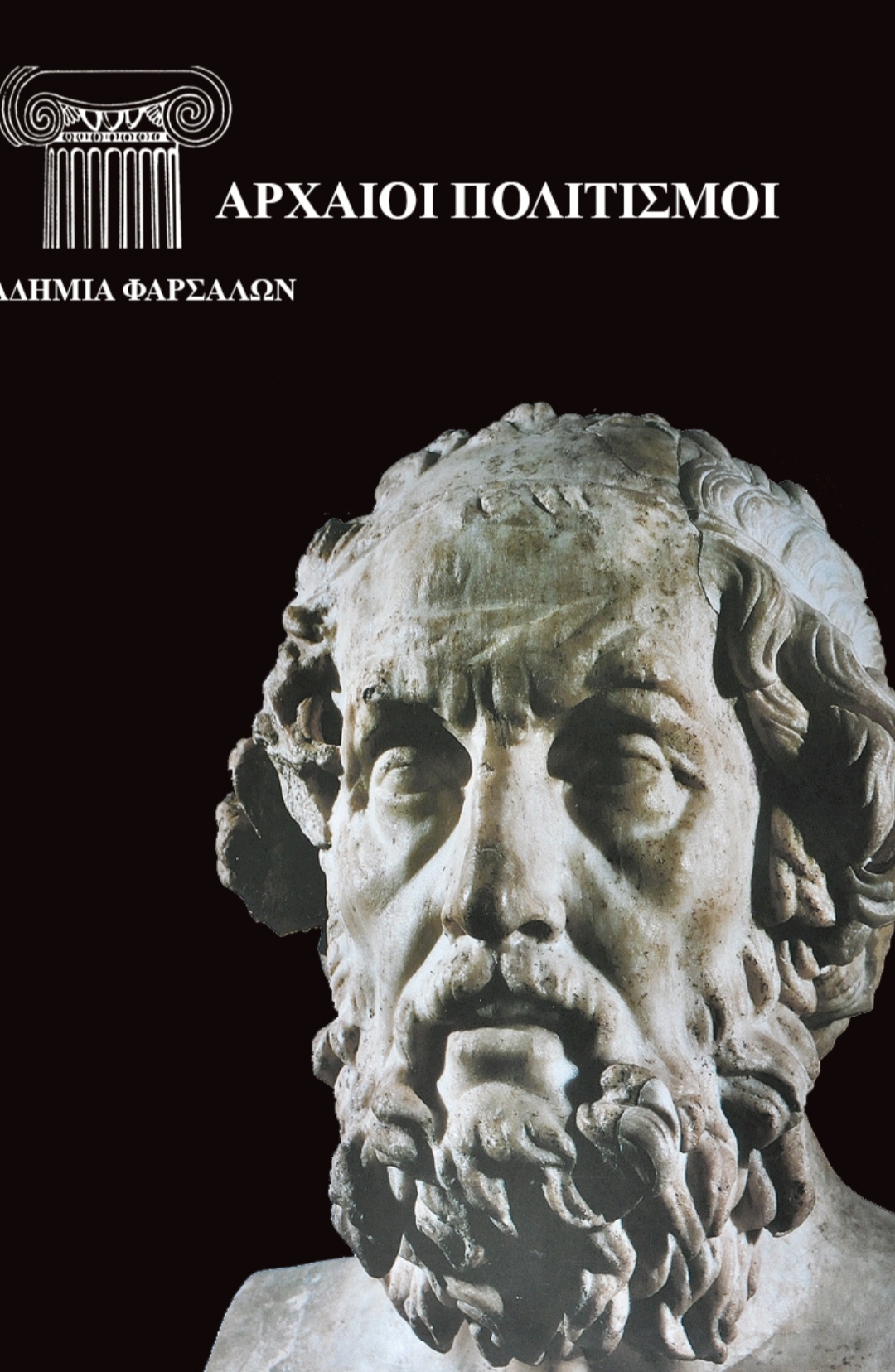
Homer: The Timeless Models of the Hero

Epic poetry, which began to develop in the early Geometric Period (1000 BC), reached its full maturity with Homer, who lived in the 8th century BC. Through his heroic epics, the Iliad and the Odyssey, Homer celebrates and brings together two fundamental models of heroism: Achilles, distinguished by his courage, willpower and right action, and Odysseus, distinguished by his prudence, skill in action, effectiveness and altruistic intelligence, which connects the hero with himself and with nature. Homer and Philosophy: Convergences and Analogies Through Time  Achilles’ right action, that is, action free from attachment to its fruits or outcomes, would later find expression in various philosophical traditions: in Plato, in Stoic philosophy (according to which virtue has value in and of itself), in Giordano Bruno and in Kant (acting out of duty, for the sake of duty itself). Plato considered that the philosopher’s primary task was to weave together the virtues of courage and prudence, harmonising will and wisdom. Furthermore, he believed that the fundamental task of the philosopher who becomes a statesman is to ensure the harmonious coexistence of all citizens within the fabric of social life. When a single ruler governs, it is essential that he combines the virtues of courage and prudence. When several rulers govern, courageous and prudent individuals must coexist. Homer in the Renaissance: The Harmony of Strength and Wisdom  The representatives of the Renaissance spirit sought to overcome the contradictions and conflicts of their time and to create a better world. This desire for change led them to seek inspiration in the classical world. Ancient thought was revived through philosophy, while myths and symbols re-emerged through art, particularly painting. Giordano Bruno symbolically portrayed the harmony between strength and wisdom in his work On the Composition of Images, Signs and Ideas, through the figure of a man holding a sceptre in his right hand and a book in his left, symbolising power and wisdom respectively. Paolo Veronese also depicted the symbolic union of strength and wisdom in his painting Allegory of Strength and Wisdom. The painting portrays Hercules, whose gaze is directed towards the earthly world, alongside a female figure representing wisdom, whose gaze is directed towards the celestial and spiritual world. Homer in the Contemporary World: The Timeless Relevance of His Values  Courage Leads to Prudence  A courageous person follows the golden mean. They avoid extremes, both recklessness and cowardice. They maintain their inner balance and do not allow difficulties, despair, melancholy or sorrow to dominate their thoughts and behaviour. Courage helps them overcome psychological and physical difficulties, master their impulses and preserve their inner strength. Prudence, on the other hand, enables them to distinguish right from wrong and to choose the appropriate course of action. Courage without prudence can turn into recklessness, while prudence without courage can remain inactive knowledge. The true fulfilment of the human being lies in the harmonious coexistence of courage and prudence, of strength and wisdom. This is perhaps the timeless message that we can draw from Homer and carry into the contemporary world. Thank you very much for your attention. Yannis K. Fikas President of the Academy of Farsala

اترك تعليقاً

لن يتم نشر عنوان بريدك الإلكتروني. الحقول الإلزامية مشار إليها بـ *