Cuba Opens Its Doors to the World’s Writers

International Literary Residence Launches a New Cultural Exchange Initiative
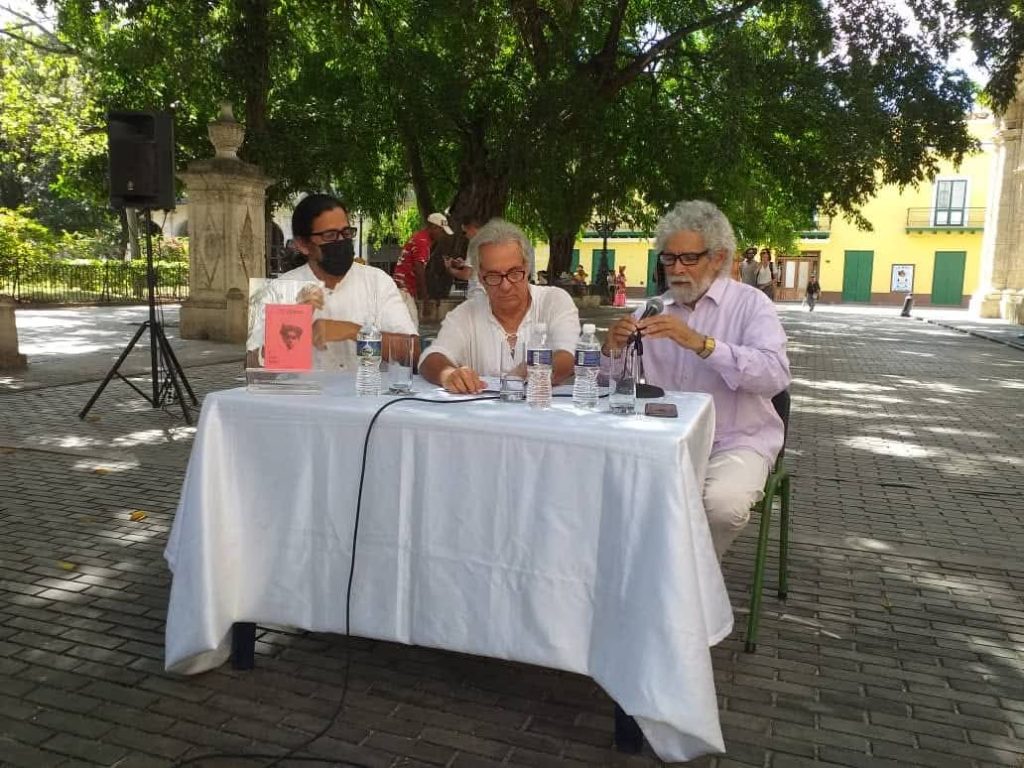
**Havana, Cuba** – A new chapter in international literary and cultural cooperation is set to begin with the launch of the **International Residence of Writers (RIDE)**, an initiative of Cubapoesia, officially opening on October 12. The programme aims to bring together writers, poets, researchers and literary professionals from around the world, offering them an opportunity to experience Cuba’s cultural landscape, engage with its people and establish lasting connections with the country’s literary community.

Designed as an immersive cultural and intellectual experience, RIDE will offer each selected resident a 21-day programme combining literary activities, academic encounters and direct engagement with Cuban society. The programme will include public readings, interviews, research opportunities and visits to cultural and historical sites, as well as meetings with local communities, colleges and universities.

The initiative seeks to go beyond the traditional concept of a literary residency. By creating opportunities for dialogue between international guests and Cuban writers, it aims to encourage mutual understanding, cultural discovery and the exchange of literary and academic experiences. Residents will have the opportunity to explore Cuba not only through its literature and artistic heritage but also through the everyday realities, aspirations and experiences of its people.
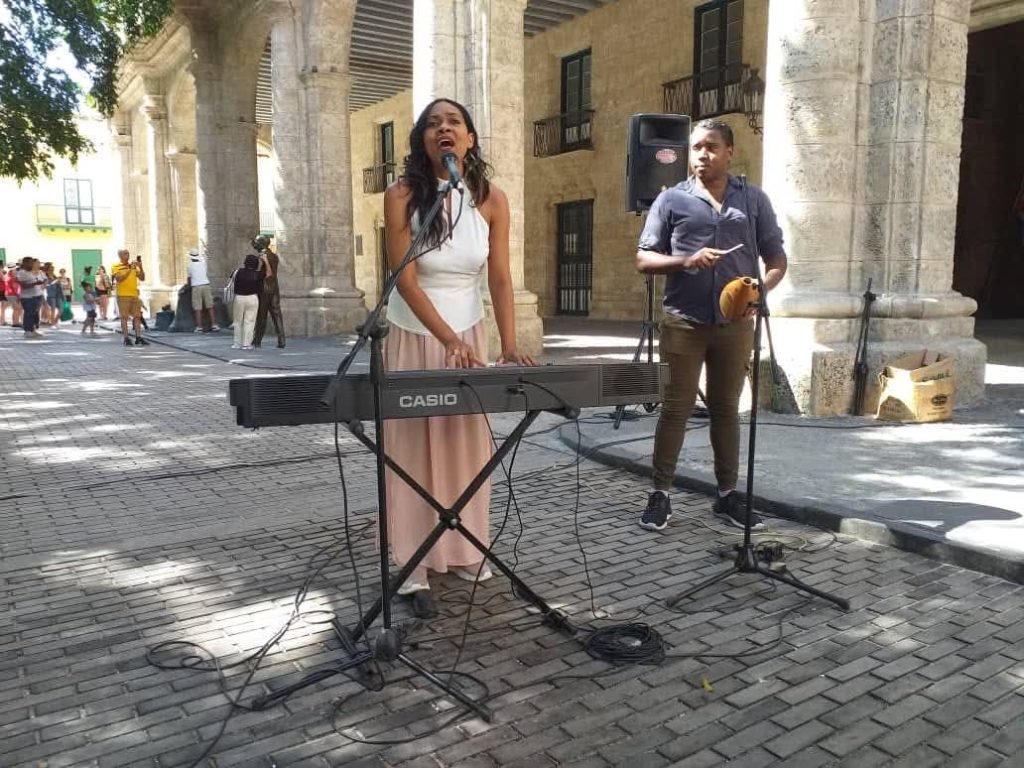
Following its inaugural programme in October, RIDE will organise its second residency in December, establishing a continuing platform for international literary encounters and cooperation.

Accommodation and meals will be provided during each resident’s stay, helping participants concentrate on their creative work, research and cultural activities. In parallel, Cubapoesia plans to establish a fund supported by personal and institutional contributions and donations. This fund will help secure the material sustainability of the project and cover part of the programme’s operating costs.

The organisers are also inviting international cultural institutions, literary organisations, publishers, universities and individuals to contribute to the initiative by identifying and recommending writers and researchers interested in participating. Such cooperation could help build a dynamic network of literary exchange, connecting Cuban cultural life with intellectual and artistic communities across the world.

Alex P.

The International Residence of Writers represents an important opportunity to strengthen cultural diplomacy through literature, creating spaces where different languages, experiences and perspectives can meet. At a time when international dialogue is increasingly essential, RIDE offers writers and researchers a meaningful opportunity to discover Cuba from within, share their work and develop new artistic and academic partnerships.

Through this initiative, Cubapoesia aspires to establish a fluid and sustainable programme of international exchanges, reaffirming literature’s unique ability to build bridges between peoples and cultures.

Related Posts

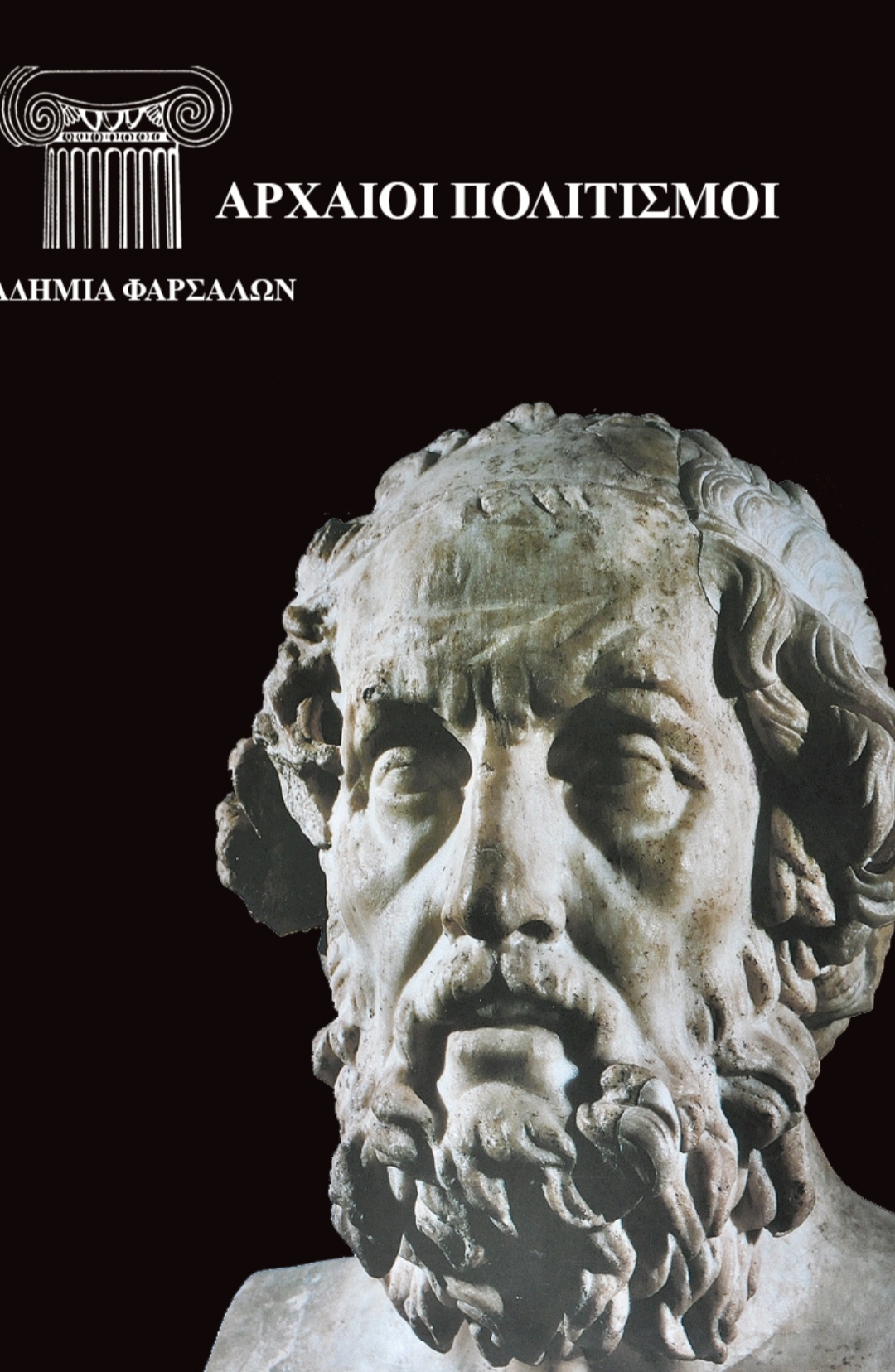
Homer: The Timeless Models of the Hero

Epic poetry, which began to develop in the early Geometric Period (1000 BC), reached its full maturity with Homer, who lived in the 8th century BC. Through his heroic epics, the Iliad and the Odyssey, Homer celebrates and brings together two fundamental models of heroism: Achilles, distinguished by his courage, willpower and right action, and Odysseus, distinguished by his prudence, skill in action, effectiveness and altruistic intelligence, which connects the hero with himself and with nature. Homer and Philosophy: Convergences and Analogies Through Time  Achilles’ right action, that is, action free from attachment to its fruits or outcomes, would later find expression in various philosophical traditions: in Plato, in Stoic philosophy (according to which virtue has value in and of itself), in Giordano Bruno and in Kant (acting out of duty, for the sake of duty itself). Plato considered that the philosopher’s primary task was to weave together the virtues of courage and prudence, harmonising will and wisdom. Furthermore, he believed that the fundamental task of the philosopher who becomes a statesman is to ensure the harmonious coexistence of all citizens within the fabric of social life. When a single ruler governs, it is essential that he combines the virtues of courage and prudence. When several rulers govern, courageous and prudent individuals must coexist. Homer in the Renaissance: The Harmony of Strength and Wisdom  The representatives of the Renaissance spirit sought to overcome the contradictions and conflicts of their time and to create a better world. This desire for change led them to seek inspiration in the classical world. Ancient thought was revived through philosophy, while myths and symbols re-emerged through art, particularly painting. Giordano Bruno symbolically portrayed the harmony between strength and wisdom in his work On the Composition of Images, Signs and Ideas, through the figure of a man holding a sceptre in his right hand and a book in his left, symbolising power and wisdom respectively. Paolo Veronese also depicted the symbolic union of strength and wisdom in his painting Allegory of Strength and Wisdom. The painting portrays Hercules, whose gaze is directed towards the earthly world, alongside a female figure representing wisdom, whose gaze is directed towards the celestial and spiritual world. Homer in the Contemporary World: The Timeless Relevance of His Values  Courage Leads to Prudence  A courageous person follows the golden mean. They avoid extremes, both recklessness and cowardice. They maintain their inner balance and do not allow difficulties, despair, melancholy or sorrow to dominate their thoughts and behaviour. Courage helps them overcome psychological and physical difficulties, master their impulses and preserve their inner strength. Prudence, on the other hand, enables them to distinguish right from wrong and to choose the appropriate course of action. Courage without prudence can turn into recklessness, while prudence without courage can remain inactive knowledge. The true fulfilment of the human being lies in the harmonious coexistence of courage and prudence, of strength and wisdom. This is perhaps the timeless message that we can draw from Homer and carry into the contemporary world. Thank you very much for your attention. Yannis K. Fikas President of the Academy of Farsala

أيام العمر |  سيرة يرويها الفنان د. كمال هاشم

١. أيام الطفولة الباكرة في حي بُرّي العريق بالخرطوم، كانت صرختي الأولى في الحياة، في يوم شتوي وافق السادس عشر من يناير عام ١٩٦٢م. هناك بدأت رحلتي مع الدنيا، دون…

اترك تعليقاً

لن يتم نشر عنوان بريدك الإلكتروني. الحقول الإلزامية مشار إليها بـ *