سلوفينيا و«أخطر فيلسوف سياسي في الغرب»

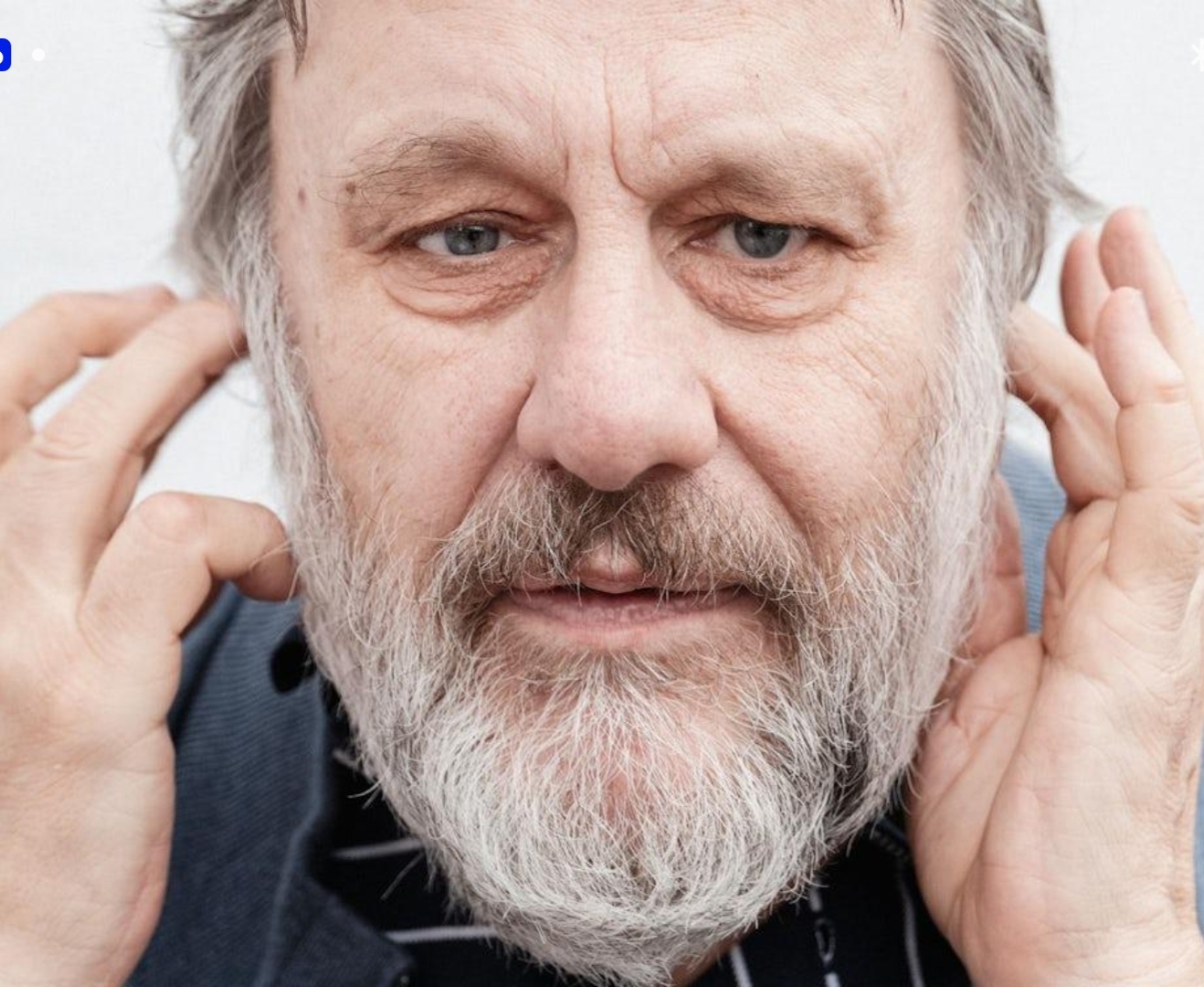
زيارة السيدة ناتاشا بيرتس موسار، رئيسة جمهورية سلوفينيا، إلى مصر، وإلقاؤها محاضرة موسعة في جامعة القاهرة، وزيارتها للمتحف المصري الكبير، ذكّرتني بالفيلسوف السلوفيني «سلافوي جيجيك»، الذي يُلقب بـ«أخطر فيلسوف سياسي في الغرب».


مقال بقلم أحمد سعيد طنطاوي 

هذا الفيلسوف له نقد لاذع للرأسمالية حول العالم، وعنده جملة لا تفارق مخيلتي، أتذكرها من حين إلى آخر. فقد هاجم جيجيك بشدة ما يُعرف بـ«الرأسمالية الثقافية» أو «الإحسان الاستهلاكي»، حيث يعتقد المستهلك أنه يسهم في حل مشكلات العالم من خلال الاستهلاك نفسه.

وضرب جيجيك مثالًا شهيرًا بشراء فنجان قهوة من سلسلة متاجر عالمية، يُكتب عليه: «جزء من قيمة هذا الفنجان يذهب لبناء مدارس في أفريقيا» أو «لحماية البيئة».

وهذا الأمر يحوّل الفعل الاستهلاكي (الذي هو جزء من المشكلة) إلى شعور زائف بالراحة الأخلاقية والخلاص النفسي، مما يُعفي الفرد من المطالبة بالتغيير الهيكلي والسياسي الحقيقي.

والمعنى الذي يريد جيجيك قوله، نقوله بيننا -أنا وأنت- كل يوم في حياتنا العادية: إن شراء فنجان قهوة من مقهى عادي أو شعبي، بسعر لا يصل إلى عُشر قيمته في مقهى عالمي، ثم تبرعك عن طيب خاطر وبمزاجك، سيعادل مئة ضعف ما يخصمه منك ذلك المقهى العالمي الشهير.

ويتميز أخطر فيلسوف بالحماس الفكري والطاقة العالية وسرعة البديهة، ويتحرك باسترخاء ذهني كبير بين الفلسفة العميقة والسياسة والتحليل النفسي. ويظهر شغفًا جارفًا بالقراءة والكتابة، والبعد عن التكلف، وكلامه التلقائي، واستخدامه أحيانًا لغة ساخرة أو فكاهية لكسر الجمود.

لذلك تحيط به المتناقضات، فيعتبرونه مرة أقصى اليمين ومرة أقصى اليسار.
فهو يرفض التقديس الساذج للطبيعة أو اعتبارها «أمًّا رحيمة»، ويرى أن الطبيعة في جوهرها «فوضوية ووحشية وعنيفة»، ورغم ذلك تجده يميل إلى الانعزال في أماكن قاسية بيئيًا (مثل جزر سفالبارد القريبة من القطب الشمالي) للعمل والراحة.

ورغم أنه يعرف نفسه «ملحدًا غير مؤمن»، فإنه يتعامل مع الفكر الديني والنصوص بروح تبجيلية عميقة، ويرى أن الأديان تحمل في جوهرها حقائق فلسفية وإنسانية كبرى تتجاوز المؤسسات الدينية الرسمية.

كذلك يحمل احترامًا كبيرًا للإسلام، ويتحدث بإيجابية لافتة عن بعض الجوانب التأسيسية فيه، مشيرًا إلى أن النبي محمد (صلى الله عليه وسلم) كان يتسامح مع غير المؤمنين أو من يسميهم «المفكرين الماديين»، وأن الحرية الإيمانية قائمة على عدم الإكراه في الدين.
وينتقد مواقف الغرب واليسار تجاه الإسلام، ويعتبرها شكلًا من أشكال العنصرية الأبوية البطريركية، ويناصر القضية الفلسطينية في مواقف كثيرة بوضوح، ويعتبر أن ما تقوم به إسرائيل في مواقف كثيرة يمثل تطهيرًا عرقيًا وفصلًا عنصريًا (الأبارتهايد).

فيلسوف يستحق أن تقرأ له وتغوص في كتبه الكثيرة والمتنوعة. فيلسوف يستحق أن يمثّل سلوفينيا.

غير أن بريق الفيلسوف لا يُنسينا أن سلوفينيا نفسها أرض تستحق أن يُنظر إليها لا كمكان يخرج منه المفكرون فحسب، بل كمكان يُلهم.
هي أرض صغيرة، لكنها تلتقي فيها جبال الألب ببحر الأدرياتيك وسهول بانونيا، فكأنها قلب أوروبا الأخضر الذي ينبض بهدوء.

وهي تفتح أبوابها للكتّاب والمترجمين المصريين في منح الإقامة الأدبية، ليُنقل أدبها إلى العربية، ويُنقل أدبنا إليها، وكأن الجسر بين البلدين لا يُبنى بالسياسة وحدها، بل بالكلمة التي تعبر البحر والجبل معًا.

في النهاية، يبقى السؤال مفتوحًا: هل يكفي أن نشتري فنجانًا مكتوبًا عليه وعد صغير، أم أن التغيير الحقيقي يبدأ حين نكفّ عن الاستهلاك وشراء الطمأنينة، ونبدأ في النظر إلى العالم كما هو: فوضويًا وقاسيًا وجميلًا في آن واحد؟
.
إكس: @ahmedtantawi

Related Posts

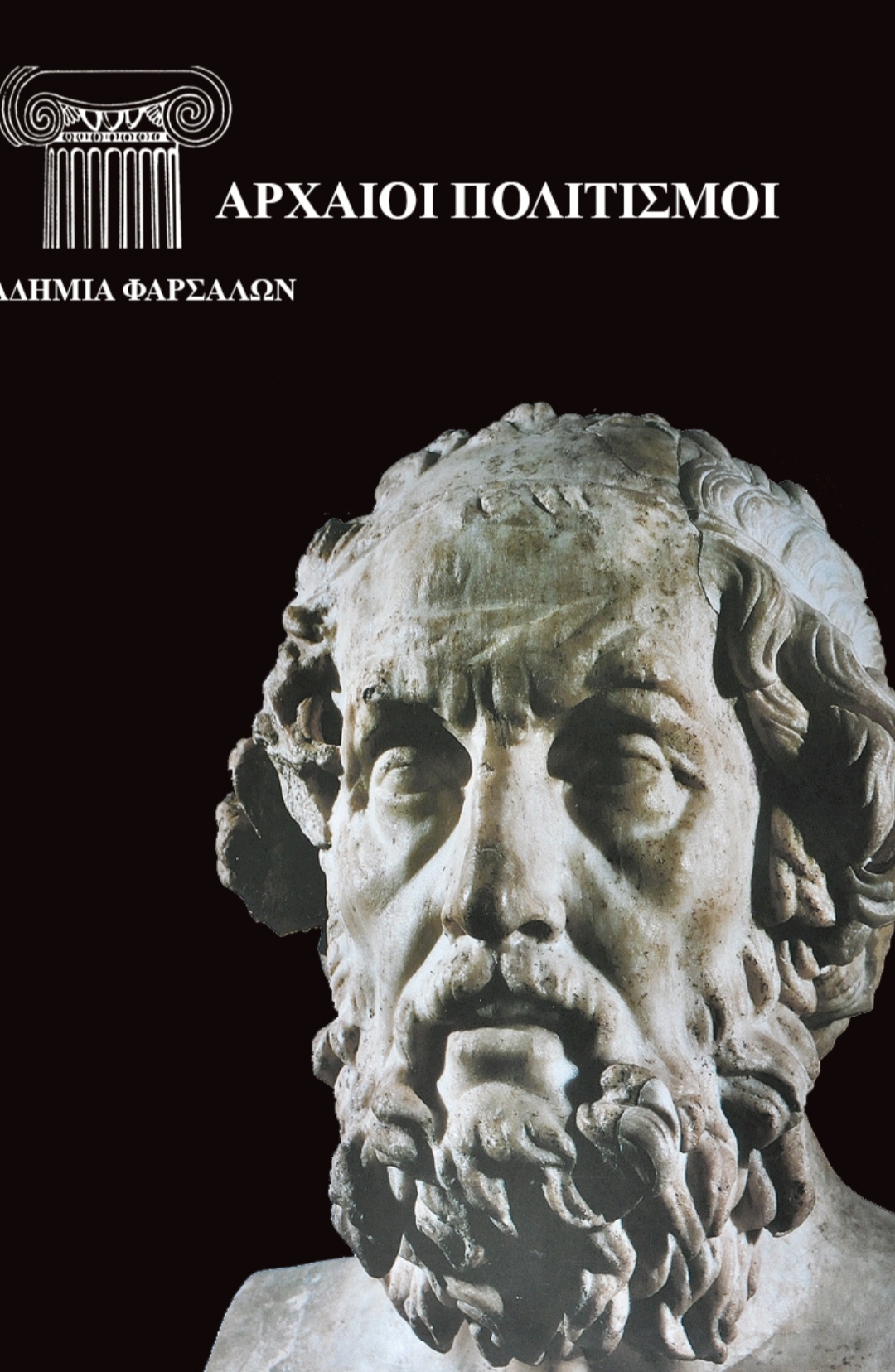
Homer: The Timeless Models of the Hero

Epic poetry, which began to develop in the early Geometric Period (1000 BC), reached its full maturity with Homer, who lived in the 8th century BC. Through his heroic epics, the Iliad and the Odyssey, Homer celebrates and brings together two fundamental models of heroism: Achilles, distinguished by his courage, willpower and right action, and Odysseus, distinguished by his prudence, skill in action, effectiveness and altruistic intelligence, which connects the hero with himself and with nature. Homer and Philosophy: Convergences and Analogies Through Time  Achilles’ right action, that is, action free from attachment to its fruits or outcomes, would later find expression in various philosophical traditions: in Plato, in Stoic philosophy (according to which virtue has value in and of itself), in Giordano Bruno and in Kant (acting out of duty, for the sake of duty itself). Plato considered that the philosopher’s primary task was to weave together the virtues of courage and prudence, harmonising will and wisdom. Furthermore, he believed that the fundamental task of the philosopher who becomes a statesman is to ensure the harmonious coexistence of all citizens within the fabric of social life. When a single ruler governs, it is essential that he combines the virtues of courage and prudence. When several rulers govern, courageous and prudent individuals must coexist. Homer in the Renaissance: The Harmony of Strength and Wisdom  The representatives of the Renaissance spirit sought to overcome the contradictions and conflicts of their time and to create a better world. This desire for change led them to seek inspiration in the classical world. Ancient thought was revived through philosophy, while myths and symbols re-emerged through art, particularly painting. Giordano Bruno symbolically portrayed the harmony between strength and wisdom in his work On the Composition of Images, Signs and Ideas, through the figure of a man holding a sceptre in his right hand and a book in his left, symbolising power and wisdom respectively. Paolo Veronese also depicted the symbolic union of strength and wisdom in his painting Allegory of Strength and Wisdom. The painting portrays Hercules, whose gaze is directed towards the earthly world, alongside a female figure representing wisdom, whose gaze is directed towards the celestial and spiritual world. Homer in the Contemporary World: The Timeless Relevance of His Values  Courage Leads to Prudence  A courageous person follows the golden mean. They avoid extremes, both recklessness and cowardice. They maintain their inner balance and do not allow difficulties, despair, melancholy or sorrow to dominate their thoughts and behaviour. Courage helps them overcome psychological and physical difficulties, master their impulses and preserve their inner strength. Prudence, on the other hand, enables them to distinguish right from wrong and to choose the appropriate course of action. Courage without prudence can turn into recklessness, while prudence without courage can remain inactive knowledge. The true fulfilment of the human being lies in the harmonious coexistence of courage and prudence, of strength and wisdom. This is perhaps the timeless message that we can draw from Homer and carry into the contemporary world. Thank you very much for your attention. Yannis K. Fikas President of the Academy of Farsala

أيام العمر |  سيرة يرويها الفنان د. كمال هاشم

١. أيام الطفولة الباكرة في حي بُرّي العريق بالخرطوم، كانت صرختي الأولى في الحياة، في يوم شتوي وافق السادس عشر من يناير عام ١٩٦٢م. هناك بدأت رحلتي مع الدنيا، دون…

اترك تعليقاً

لن يتم نشر عنوان بريدك الإلكتروني. الحقول الإلزامية مشار إليها بـ *