عدد يوليو من مجلة أقلام عربية: تنوع ثقافي معاصر

صدر مؤخرًا العدد 103 من مجلة أقلام عربية، والذي حمل تاريخ يوليو 2025، مواصلًا مسيرة المجلة في عامها التاسع من نشر الإبداع العربي المتنوع. وجاء هذا العدد الجديد حافلًا بموضوعات أدبية وثقافية وسياحية، تمزج بين عبق التاريخ وروح الحداثة.

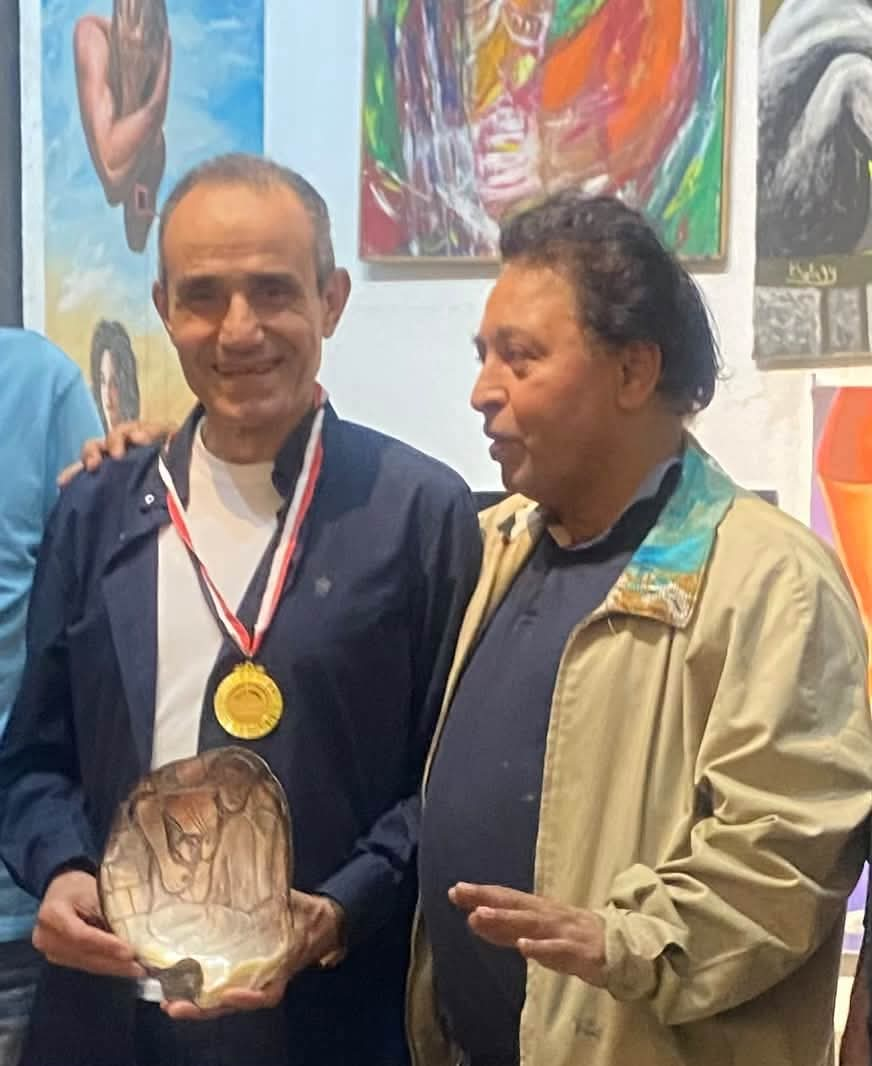
يحتفي هذا العدد بالفنان اليمني أيوب طارش في قراءة موسيقية كتبها عبده الزراعي، مسلطًا الضوء على تنوع الأغنية اليمنية وجمالياتها، بينما يقدم لنا الكاتب منير عتيبة بورتريهًا ذاتيًا بعنوان: “أكتب لأنني لا أستطيع إلا أن أكتب“، في حوار عميق أجرته المجلة بإشراف وتنسيق من الأستاذ الغربي عمران، وإعداد الأستاذ نجيب التركي.

وفي مساحة سياحية ثقافية، يأخذنا الكاتب والصحفي أشرف أبو اليزيد في جولة آسرة إلى حديقة الأرواح السرية في جزيرة جيجو الكورية، حيث يلتقي جمال الطبيعة بالرمزية الروحية، في تجربة فريدة تسلط الضوء على أحد معالم كوريا الجنوبية الغامضة.

غلاف العدد زُيِّن بصورة فنية رائعة لـقصر الحجر (دار الحجر) في صنعاء، بعدسة الشاعر والمصور يحيى الحمادي، وهو أحد رموز العمارة الصخرية اليمنية، ما يعكس تمسك المجلة بهوية عربية أصيلة في قالب بصري معاصر.

في محتوى المجلة، نقرأ للدكتور مصطفى الشفاوي عن أثر القصة الشاعرة في تجديد الأنماط الأدبية، وللكاتب أحمد الصمدي مقالًا بعنوان ثقافة مفاجئة ومواضع مربكة. ويكتب محمود حسن عن سرديات رسائل غسان في مأساة ذاتية ومأساة كريم، بينما يقدم عبد المجيد بطالي قراءة سيميائية في قصيدة تجريبية، ويغوص الدكتور إبراهيم أبو طالب في عوالم رواية بكاء الريح متتبعًا ذاكرة الروح والسرد.

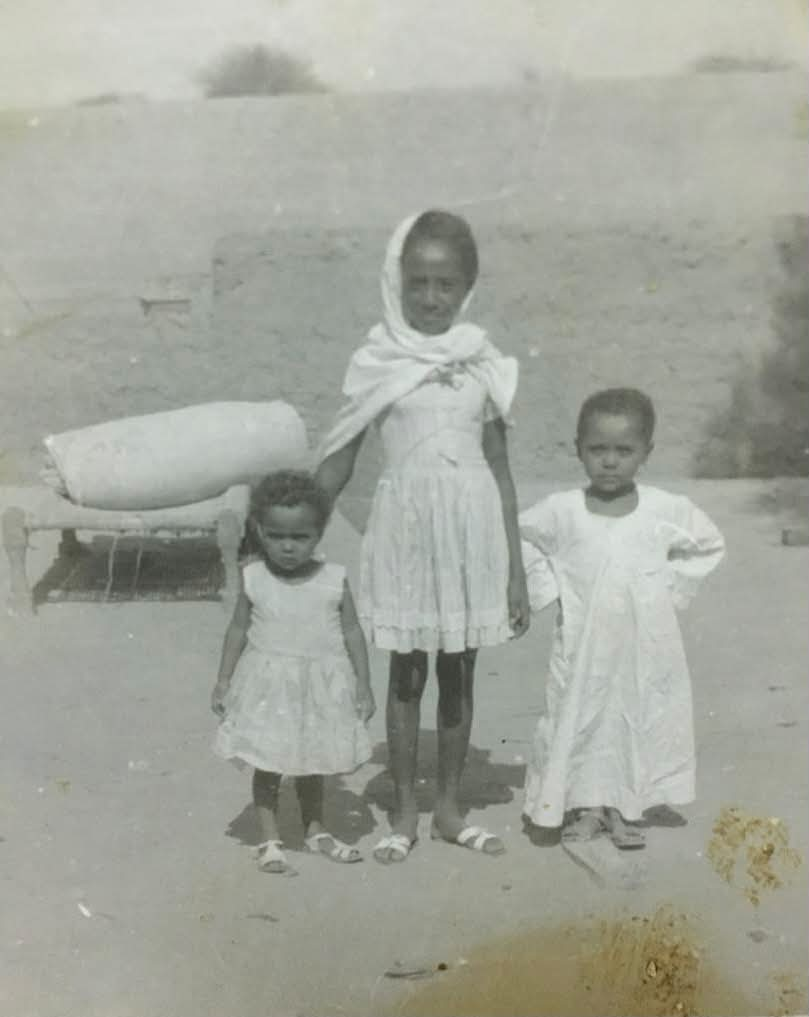
أما في المسرح، يعرض الدكتور حميد عبد الراضي خطة إنقاذ المزرعة وتحولات البطل، فيما يكتب رياض حمادي عن عبثية الحياة في نصه: عندما يصبح الجوع والموت لعبة. وتشارك آن الصافي نصًا بصريًا بعنوان حين يكتب السودان الجديد قصته بالصورة، بينما يقدم خيري حسن مقالًا عن الموسيقار الراحل ب حمدي بعنوان الذي لم يقل: لا.

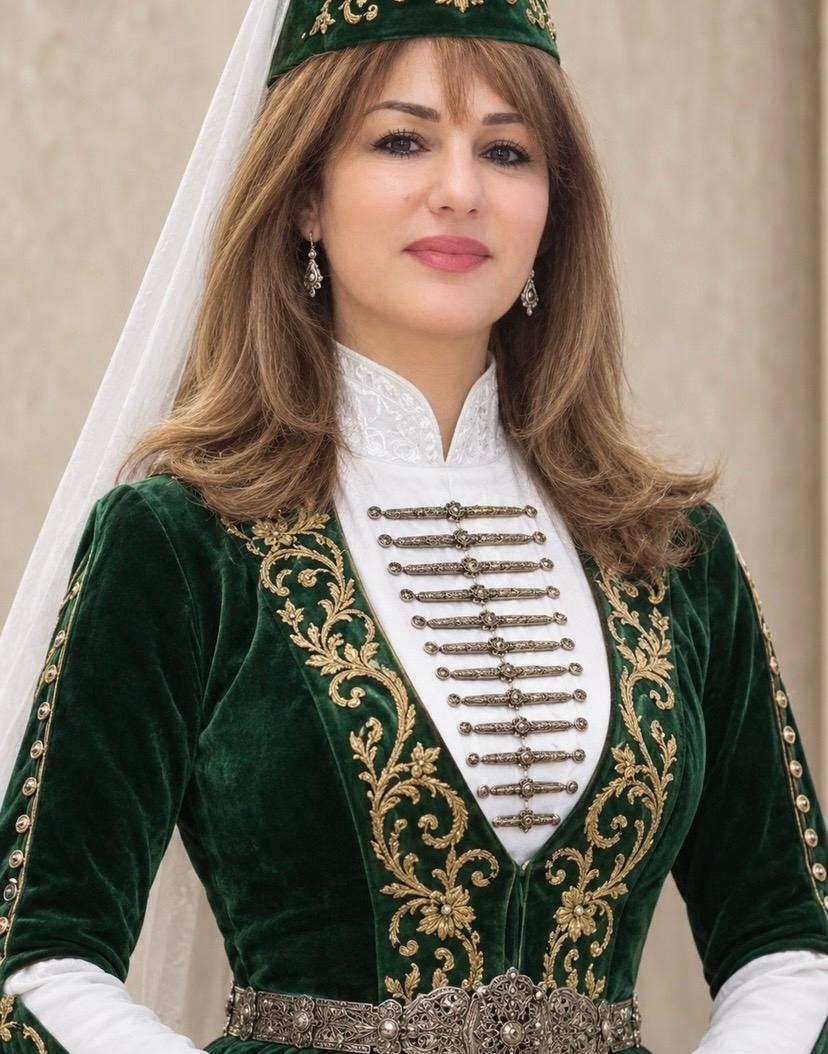
تتألف هيئة تحرير مجلة أقلام عربية من نخبة من الكتّاب والمبدعين الذين يسهمون في تقديم محتوى ثقافي وأدبي راقٍ يجمع بين الأصالة والتجديد. تتولى رئاسة التحرير الأستاذة سمر الرميمة، التي تقود المجلة برؤية إبداعية شاملة، فيما يشغل الدكتور مختار محرم منصب مدير التحرير، مساهماً بخبرته الأكاديمية في توجيه الخط التحريري للمجلة، ويعاونه علي النهام كنائب لمدير التحرير.

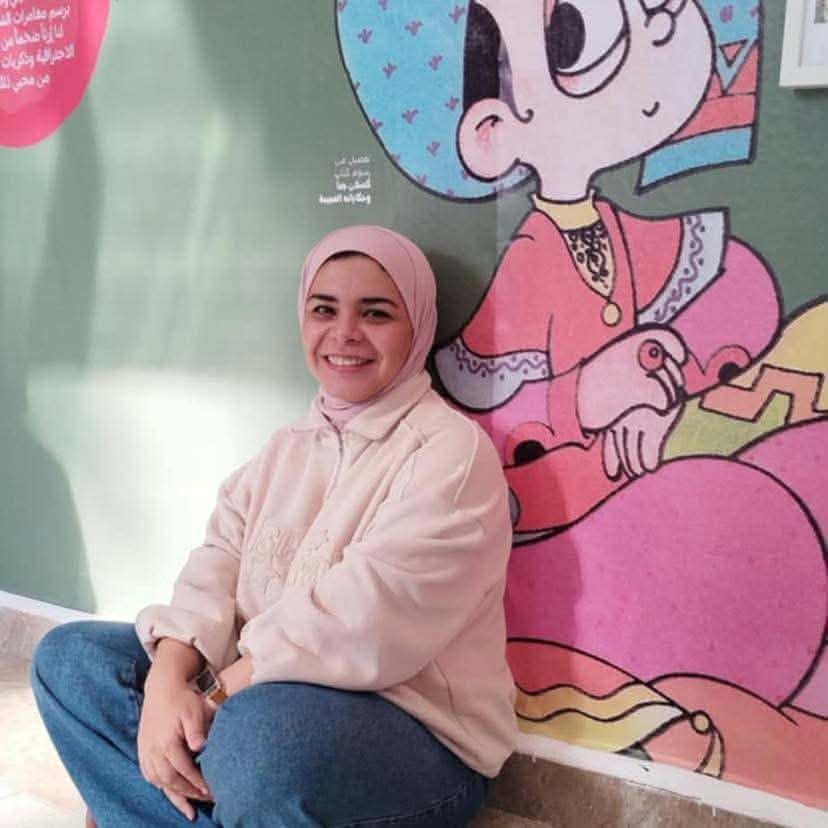
سكرتارية التحرير للأستاذة نوار الشاطر، بينما يتولى منصر السلامي إدارة النشر، ويُشرف على العلاقات العامة صدام فاضل ومحمد الجعمي. أما فريق التحرير، فيضم نخبة من الأقلام المتميزة هم: رنا رضوان، ياسين عرعار، كريمة خليل، نجيب التركي، وسماح حسين، الذين يساهمون في تغطية المواضيع المتنوعة بين الأدب، الفكر، والتاريخ.

يدير الموقع الإلكتروني المهندس فرج الحاضري، ويُشرف على الجانب الفني والإخراج حسام الدين عبد الله، بما يضمن إخراجاً بصرياً يليق بالمحتوى الثقافي للمجلة. وتتوفر النسخ الورقية من المجلة في مكتبة ابن خلدون بالعاصمة اليمنية صنعاء، مما يتيح للقراء الوصول إلى إصداراتها ضمن فضاء ثقافي عربي متجدد.

تواصل مجلة أقلام عربية في هذا العدد، كما في أعدادها السابقة، تكريس رسالتها في دعم الأدب والفكر العربي، عبر نافذة معاصرة تُطل على قرّائها في كل أرجاء العالم.

Related Posts

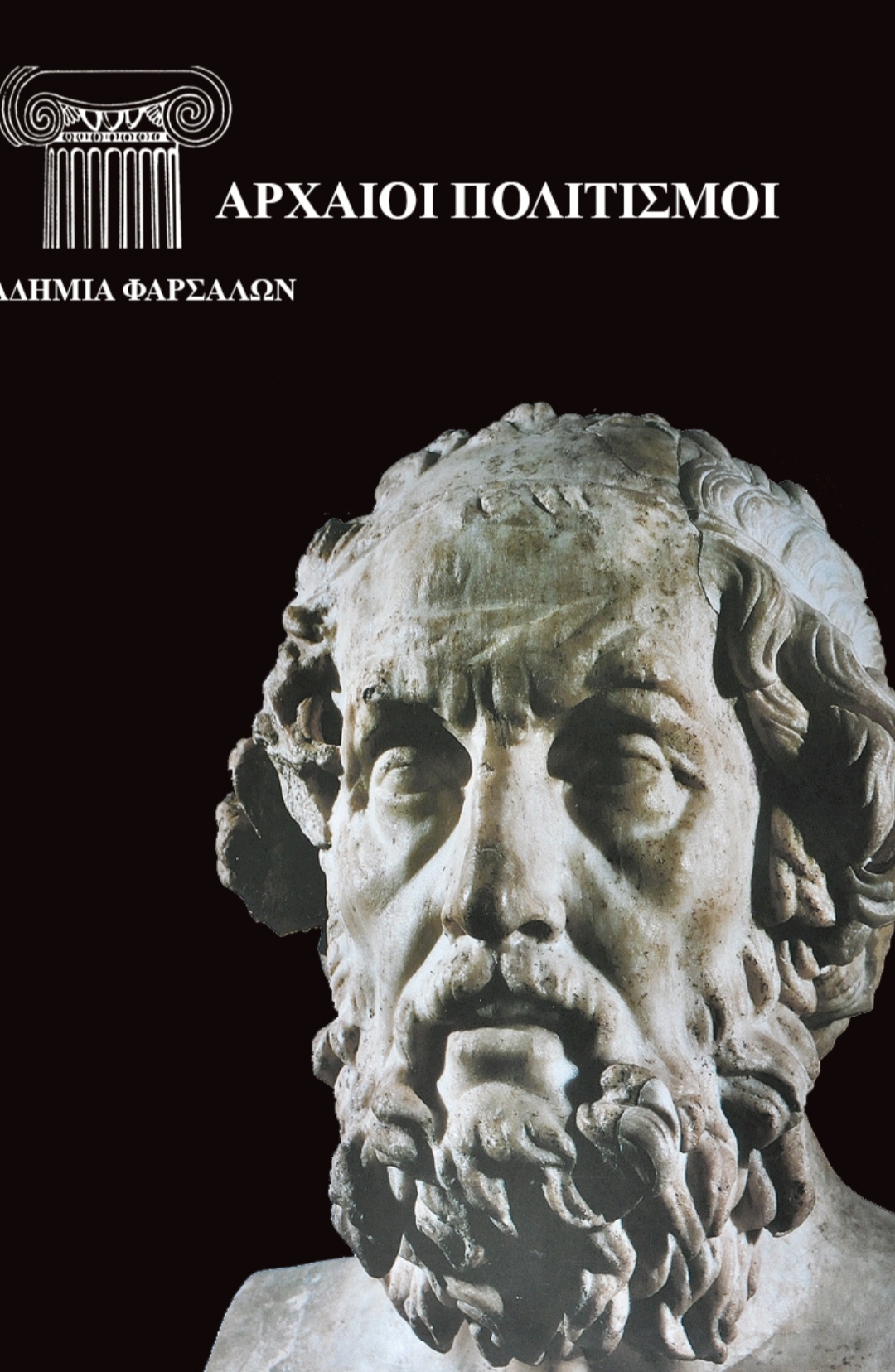
Homer: The Timeless Models of the Hero

Epic poetry, which began to develop in the early Geometric Period (1000 BC), reached its full maturity with Homer, who lived in the 8th century BC. Through his heroic epics, the Iliad and the Odyssey, Homer celebrates and brings together two fundamental models of heroism: Achilles, distinguished by his courage, willpower and right action, and Odysseus, distinguished by his prudence, skill in action, effectiveness and altruistic intelligence, which connects the hero with himself and with nature. Homer and Philosophy: Convergences and Analogies Through Time  Achilles’ right action, that is, action free from attachment to its fruits or outcomes, would later find expression in various philosophical traditions: in Plato, in Stoic philosophy (according to which virtue has value in and of itself), in Giordano Bruno and in Kant (acting out of duty, for the sake of duty itself). Plato considered that the philosopher’s primary task was to weave together the virtues of courage and prudence, harmonising will and wisdom. Furthermore, he believed that the fundamental task of the philosopher who becomes a statesman is to ensure the harmonious coexistence of all citizens within the fabric of social life. When a single ruler governs, it is essential that he combines the virtues of courage and prudence. When several rulers govern, courageous and prudent individuals must coexist. Homer in the Renaissance: The Harmony of Strength and Wisdom  The representatives of the Renaissance spirit sought to overcome the contradictions and conflicts of their time and to create a better world. This desire for change led them to seek inspiration in the classical world. Ancient thought was revived through philosophy, while myths and symbols re-emerged through art, particularly painting. Giordano Bruno symbolically portrayed the harmony between strength and wisdom in his work On the Composition of Images, Signs and Ideas, through the figure of a man holding a sceptre in his right hand and a book in his left, symbolising power and wisdom respectively. Paolo Veronese also depicted the symbolic union of strength and wisdom in his painting Allegory of Strength and Wisdom. The painting portrays Hercules, whose gaze is directed towards the earthly world, alongside a female figure representing wisdom, whose gaze is directed towards the celestial and spiritual world. Homer in the Contemporary World: The Timeless Relevance of His Values  Courage Leads to Prudence  A courageous person follows the golden mean. They avoid extremes, both recklessness and cowardice. They maintain their inner balance and do not allow difficulties, despair, melancholy or sorrow to dominate their thoughts and behaviour. Courage helps them overcome psychological and physical difficulties, master their impulses and preserve their inner strength. Prudence, on the other hand, enables them to distinguish right from wrong and to choose the appropriate course of action. Courage without prudence can turn into recklessness, while prudence without courage can remain inactive knowledge. The true fulfilment of the human being lies in the harmonious coexistence of courage and prudence, of strength and wisdom. This is perhaps the timeless message that we can draw from Homer and carry into the contemporary world. Thank you very much for your attention. Yannis K. Fikas President of the Academy of Farsala

أيام العمر |  سيرة يرويها الفنان د. كمال هاشم

١. أيام الطفولة الباكرة في حي بُرّي العريق بالخرطوم، كانت صرختي الأولى في الحياة، في يوم شتوي وافق السادس عشر من يناير عام ١٩٦٢م. هناك بدأت رحلتي مع الدنيا، دون…

اترك تعليقاً

لن يتم نشر عنوان بريدك الإلكتروني. الحقول الإلزامية مشار إليها بـ *