 thesilkroadtoday
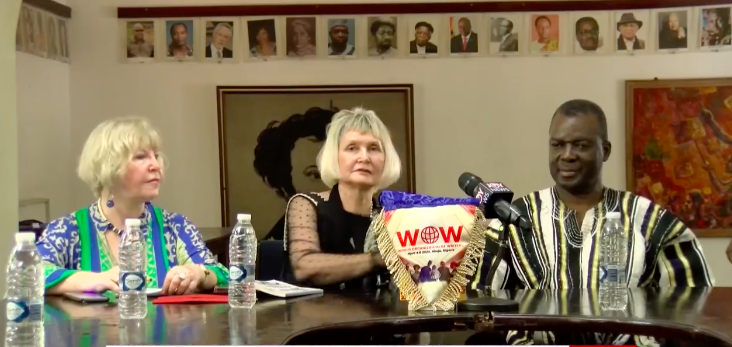 A quiet yet resonant literary bridge has begun to take shape in Accra, where words, languages, and cultures are set to travel between Ghana and Russia in a long-term exchange devoted to memory, imagination, and the future of reading.
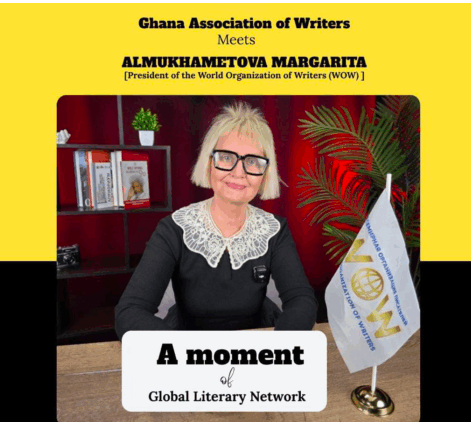
The new Ghana–Russia literary exchange programme, designed to celebrate indigenous languages, deepen cultural understanding, and nurture literacy among young readers, was formally unveiled during a visit by Almukhametova Margarita, President of the World Organization of Writers (WOW). Her meeting with members of the Ghana Association of Writers (GAW) opened a space for dialogue on translation, collaboration, and the shared responsibility of safeguarding literary heritage.
At the heart of the initiative lies the movement of stories across borders. Ghanaian literary works written in indigenous languages are to be translated into Russian, while selected Russian texts will find new life in Ghanaian languages. In this exchange, translation becomes more than a technical act; it is an act of recognition, allowing voices rooted in local histories to speak to distant readers without losing their original rhythm and soul.
The President of WOW emphasized that the programme’s core mission is the preservation and promotion of literature written in indigenous languages—languages she described as vessels of culture and living memory. By placing these languages at the center of the collaboration, the initiative seeks to strengthen literary ecosystems while affirming the value of cultural diversity in a rapidly globalizing world.
Children stand at the forefront of this vision. The programme places particular emphasis on children’s literature, guided by the belief that early encounters with language and storytelling shape not only readers, but societies. Beginning with young minds, the initiative aims to plant seeds of curiosity, empathy, and cultural pride that will mature over time.
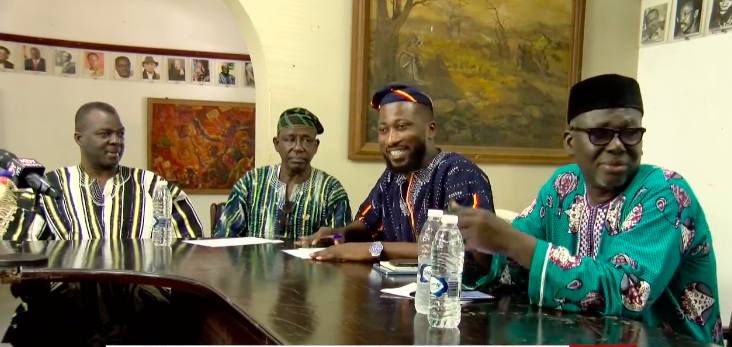 Beyond cultural exchange, the project also embraces language development as a vital component of national growth, linking literature to broader educational and developmental aspirations. At the same time, it creates enduring channels of cooperation between Ghanaian and Russian writers, editors, and educators.
According to Dr Camynta Baezie, President of the Ghana Association of Writers, the programme is scheduled to commence in January 2026 and is envisioned as a ten-year journey—a sustained commitment to storytelling as a bridge between peoples, and to language as a guardian of identity and hope.
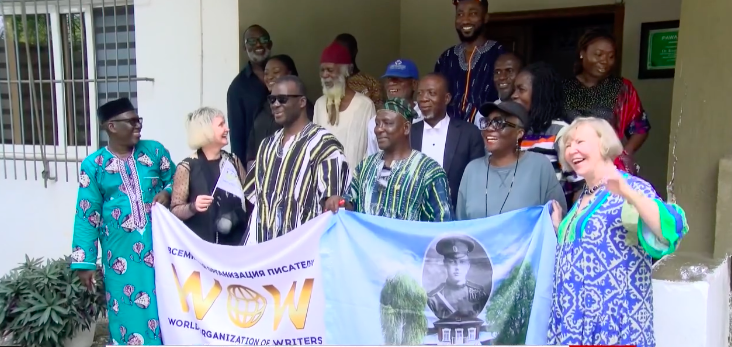 In Accra, the exchange was announced not with grand spectacle, but with a shared understanding: that when stories cross borders, they carry with them the power to connect generations, preserve cultures, and quietly shape the future.