 thesilkroadtoday
I read a heartfelt and candid message from the poet Altynai Temirova, one that blends humor with a quiet pain. Her letter goes beyond personal grievance to become a literary and human testimony about the contemporary reality of artists, where creativity often precedes recognition, and where material life is deferred in service of culture.
In her message, the poet poses a question that appears playful on the surface but carries a profound and harsh truth underneath:
Should she wait for a mortgage until she reaches seventy, or turn to her fellow writers and poets around the world and launch a crowdfunding campaign?
This question sharply illustrates the paradox of a life devoted to culture with honesty and dedication, yet confronted with a daily reality of minimal material security.
Temirova writes, with a tone that mixes wit and bitterness, that she has spent her life working in the cultural field with a “pure heart,” yet she remains without a home, living on a modest salary that barely sustains her. She underscores, bluntly, that one should not be misled by the quality of her work or her literary achievements—creativity, she implies, does not guarantee a dignified life.
She also recalls a pivotal historical moment that altered the trajectory of her life: her return from Moscow after completing her studies, coinciding with the collapse of the Soviet Union. She points out that, had it not been for that collapse, her first play, “The Genius’ Offspring” (“Barpy Abyz”), which was included in the “Golden Fund,” would have earned her a home, an official honorary title, and a substantial award in the 1990s. She alludes, without elaboration, to other works that won international prizes and top honors, but wryly concludes: “It seems that modesty no longer adorns people these days…”
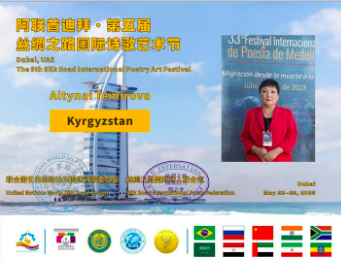
The significance of this message lies in its representation not just of a single poet’s voice but of an entire generation of creators who have devoted their lives to art and thought without finding a system that protects their dignity. It is a message directed to the global cultural conscience, to institutions, to friends, and to the very idea of fairness.
As editors and observers of the cultural landscape, we cannot read these words as a mere complaint. Rather, they should be understood as both a human and literary document, reminding us that poets do not ask for luxury—they seek the simple right to a life that preserves their dignity, just as they have preserved the dignity of language and spirit through their poetry.