Trending News:WORLD ORGANIZATION OF WRITERS “WOW” ANNOUNCES ITS 2026 LAUREATESVO THI NHU MAI’S “UNA CONVERSAZIONE” EARNS ECCELLENZA INTERNAZIONALE AT SENECA AWARDS 2026اللَيّلُ يَدوُرُ حَوْلَ السُؤالْ (شعر)من طوقاي إلى طريق الحرير: لقاء القاهرة يفتح آفاقًا جديدة للحوار الثقافي بين روسيا والعالم الإسلامي디파 말릭: “샤룩 칸과 아미타브 밧찬이 패럴림픽 선수들에게 메시지를 전할 것이라 확신합니다”― 100 CTFPديبا مالك: «أنا واثقة أن شاروخان وأميتاب باتشان سيقدمان رسالتيهما للرياضيين البارالمبيين» (100 CTFP)Deepa Malik: Shah Rukh and Amitabh Will Speak for Para Athletes (100 CTFP)PAWA Vice President Reyna Jones Visits PAWA Secretariat in AccraPoet Ko Un Publishes 40 Years of Love Letters: Sanghwajeol Letters 1من ناتساغدورج إلى العالم العربي: الأدب المنغولي يجد صوتًا جديدًاFrom Natsagdorj to the Arab World: Mongolia’s Literature Finds a New VoiceKhan Khentii: Where Culture, Memory and Natsagdorj’s Spirit Meetبيرغن بيلسن: نهاية الجرائم ضد الإنسانيةBergen-Belsen: An End to the Crimes Against Humanity (Second World War’s Agony Survives)الدكتور إبراهيم استنبولي أول أجنبي يفوز بجائزة باباجان غفوروف في طاجيكستانتعزيز التعاون المتحفي بين مصر ومنغولياMongolian Ambassador to Egypt Discusses Museum Cooperation with Grand Egyptian Museum CEONO “SACRED COWS” OR FEATURED UNTOUCHABLES?Samaneh Mojaveri: “Allow Your Passion To Become Your Purpose, And It Will One Day Become Your Profession” (Interview)ألوان التسامح تتألق في سوسةالآنسة ممكن … جدلية التفاعل والممكن «ما وراء اللغة»، الاحتفال بالمجلد الثالث افتراضيًاأصوات للمرة الأولى …جدلية الأصوات والأبعاد Beyond the Language, Vol. III Virtually Launchedالشاعرة اللبنانية ريتا نجيب نفاع تكتب: فسيفساء الروحCouncil Holds Virtual Meeting to Discuss Urgent MattersBefore the Bulls Disappear: Remembering the Festival of Polaسيرة فنان جعل من الريشة ذاكرةً للأرض والإنسان والتاريخالجسد في التشكيل: حين يتحول المنع إلى صناعة للخوفМонгол, Египет улс соёлын яриа хэлэлцээгээ бэхжүүлж байнаمنغوليا ومصر تعززان الحوار الثقافيبيت الهنا … رسائل الحب والمعارف دودة الأرض … رسائل المعرفة والثقافة البيئية Mongolia and Egypt Strengthen Cultural Dialogueمارلين باسيني في القاهرة.. حين تعبر المكسيك إلى مصر على طريق الأدبMarlene Pasini en El Cairo: Un viaje cultural entre México, Egipto y la Ruta de la SedaMarlene Pasini in Cairo: A Cultural Journey Between Mexico, Egypt and the Silk Roadمائة كتاب … 100 مؤلف: يفتح نافذة جديدة على مشهد الكتابة المعاصرة100Author Books – Volume One RevealedМонгол орон… Яруу найраг, хөгжим, дурсамжийн эх нутагMongolia… A Homeland of Poetry, Music, and Memory الجسد بين المعرفة والوصايةتعزيز الوحدة الثقافية لعالم الترك: محور لقاء مسؤولين أتراك ومثقفين كازاخستانيينEgyptian Voices, Golden Flamesمنيرة مصباح تكتب: نهر على سفر … روح وثابة للسفر ورغبة وقادة للعلم والمعرفةالحدّ الأخير (قصة قصيرة للكاتب عليق نقي أوغلو)منغوليا … وطن الشعر والموسيقى والذاكرةBeyond the Language, Volume III: A Multilingual Celebration of Poetry Across BordersCAJ’S New Edition: Africa at the Crossroads … Faith, Freedom, Culture and the Futureالعدد الثاني والعشرون من مجلة «سلاف الثقافية»… رحلة جديدة بين الأدب والفن والتراث والمعرفةThe 20th Gumilyov Festival in 2026 is a Constellation of AnniversariesWorld Poetry Movement Calls Poets and Peoples to Unite for Global Peace in Novemberبين وَمضات الرُّوح ووجع المكان100 CTFP: جوقة عالمية من أجل دمج الرياضيين البارالمبيين100 CTFP: A Global Chorus of Inclusion for Para AthletesNothing Returns Me to My Beginning (Poetry)الفتاة التي سمعت صوت السكوتفي ذكرى الراحلين الصامتين من الحربمن أينشهوة الذكاء الاصطناعي التي لا تُحتملالدكتورة إيمان بقاعي … حكايات الضيفة (قصة مسموعة)نانا.دوت.أم… الجدة :الحديث والآفاقالصَّديق الوهمي عند الأطفالرَأَيْتُ شَجَرَةً . قصيدة للشاعر پیشوا کاکائيالسنغال تحتفي بسحر الكتب والثقافة في مهرجان دولي افتراضيابنة الحبر (قصيدة للشاعرة اللبنانية ريتا نجيب نفاع)المايسترو التونسي محمد الأسود على طريق الحرير اليوم (حوار)Echoes of Eastern and Western Civilizations on Gilded Papyrus5th International Poetry Festival of NaoussaYoung Honored Guests Shine at the International Conference on Mongolian Heritage, Culture, and LiteratureOlga Medvedko Presents “Gumilyov Society: 2011–2026” at the 20th Gumilyov Festival and the Saint Petersburg House of WritersProf. Yasmin Sheikh: A Life Devoted to the Enrichment of the Marathi Language Mongolia… A Homeland of Poetry, Music, and Memory متحف «دارنا» يحتفي بالفنانة المصرية الأمريكية أمل أحمد مصطفى بعد إهدائها عملاً تشكيليًا جديدًا للمتحف“INNER HEAVEN” BRINGS THE SPIRITUAL SOUL OF MONGOLIA TO CONTEMPORARY ARTماياكوفسكي ورِمال: شاعرٌ مستقبلي عملاق ألهم تيارًا شعريًا نيباليًاMayakovsky and Rimal: A Giant Futurist Inspired Nepali Poetry Trendقصيدة «دروس الحياة» للشاعر التونسي المتميز و المبدع محمد الشارني تمديد مشروع Via Bagradaحتى 30 أوت ـ أغسطسNo Sacred Cows? Boakai’s Accountability Pledge Amid Drug Busts and Political Allegations:Alexandra Ochirova, UNESCO Goodwill Ambassador: Culture is Importanint in International Cooperation in Education and Science.الدكتور أشرف أبو اليزيد يقبل دعوة الانضمام إلى أكاديمية كتّاب العالم المنغوليDr. Ashraf Aboul-Yazid Accepts Invitation to Join the World Academy of Mongolian WritersIn the Heart of Mongolia, Four Laureates on the Golden Papyrus Stageفي قلب منغوليا.. «البردي الذهبي» يحتفي بأدباء طريق الحريرقصائد الشاعر الهندي ديفيش باث ساريا: ماذا يعرف الطغاة؟قصيدة مهداة للشاعر الكازاخي أولوجبيك يسداولتأبي وأمي … قصيدة من منغولياTURKSOY Writers’ Unions Convene in Andijan, Uzbekistanصحراء الغرور | قصيدة للشاعرة اللبنانية ريتا نجيب نفاعأمل أحمد مصطفى: فنانة تعشق الفن في صمت الكبارقصيدة د. عادلة نظر إلى نرجس بطلة رواية «شماوس»…ترجمة «شماوس» إلى اللغة الأذرية: المرآة الروحية للمجتمع الشرقيباباكار نداي يكتب من السنغال: جسور الفجرأَنا أُحارِبُ أَيَّتُها الفَراشَةُ | شعر:پیشوا کاکائيدائرة أفلام إبادان تشعل شغف السينما في أجواء إفريقية أصيلةأحمد سعيد طنطاوي يكتب:ماذا لو كانت أم كلثوم أغنى من إيلون ماسك؟!أمسية شعرية في باكو تحتفي بكتاب «امرأة بعطر الخريف» للشاعرة والطبيبة سولماز غريبِلGenerations Come Together at Farook College in a Celebration of Academic Heritage and Guru–Student Bonds
Trending News:WORLD ORGANIZATION OF WRITERS “WOW” ANNOUNCES ITS 2026 LAUREATESVO THI NHU MAI’S “UNA CONVERSAZIONE” EARNS ECCELLENZA INTERNAZIONALE AT SENECA AWARDS 2026اللَيّلُ يَدوُرُ حَوْلَ السُؤالْ (شعر)من طوقاي إلى طريق الحرير: لقاء القاهرة يفتح آفاقًا جديدة للحوار الثقافي بين روسيا والعالم الإسلامي디파 말릭: “샤룩 칸과 아미타브 밧찬이 패럴림픽 선수들에게 메시지를 전할 것이라 확신합니다”― 100 CTFPديبا مالك: «أنا واثقة أن شاروخان وأميتاب باتشان سيقدمان رسالتيهما للرياضيين البارالمبيين» (100 CTFP)Deepa Malik: Shah Rukh and Amitabh Will Speak for Para Athletes (100 CTFP)PAWA Vice President Reyna Jones Visits PAWA Secretariat in AccraPoet Ko Un Publishes 40 Years of Love Letters: Sanghwajeol Letters 1من ناتساغدورج إلى العالم العربي: الأدب المنغولي يجد صوتًا جديدًاFrom Natsagdorj to the Arab World: Mongolia’s Literature Finds a New VoiceKhan Khentii: Where Culture, Memory and Natsagdorj’s Spirit Meetبيرغن بيلسن: نهاية الجرائم ضد الإنسانيةBergen-Belsen: An End to the Crimes Against Humanity (Second World War’s Agony Survives)الدكتور إبراهيم استنبولي أول أجنبي يفوز بجائزة باباجان غفوروف في طاجيكستانتعزيز التعاون المتحفي بين مصر ومنغولياMongolian Ambassador to Egypt Discusses Museum Cooperation with Grand Egyptian Museum CEONO “SACRED COWS” OR FEATURED UNTOUCHABLES?Samaneh Mojaveri: “Allow Your Passion To Become Your Purpose, And It Will One Day Become Your Profession” (Interview)ألوان التسامح تتألق في سوسةالآنسة ممكن … جدلية التفاعل والممكن «ما وراء اللغة»، الاحتفال بالمجلد الثالث افتراضيًاأصوات للمرة الأولى …جدلية الأصوات والأبعاد Beyond the Language, Vol. III Virtually Launchedالشاعرة اللبنانية ريتا نجيب نفاع تكتب: فسيفساء الروحCouncil Holds Virtual Meeting to Discuss Urgent MattersBefore the Bulls Disappear: Remembering the Festival of Polaسيرة فنان جعل من الريشة ذاكرةً للأرض والإنسان والتاريخالجسد في التشكيل: حين يتحول المنع إلى صناعة للخوفМонгол, Египет улс соёлын яриа хэлэлцээгээ бэхжүүлж байнаمنغوليا ومصر تعززان الحوار الثقافيبيت الهنا … رسائل الحب والمعارف دودة الأرض … رسائل المعرفة والثقافة البيئية Mongolia and Egypt Strengthen Cultural Dialogueمارلين باسيني في القاهرة.. حين تعبر المكسيك إلى مصر على طريق الأدبMarlene Pasini en El Cairo: Un viaje cultural entre México, Egipto y la Ruta de la SedaMarlene Pasini in Cairo: A Cultural Journey Between Mexico, Egypt and the Silk Roadمائة كتاب … 100 مؤلف: يفتح نافذة جديدة على مشهد الكتابة المعاصرة100Author Books – Volume One RevealedМонгол орон… Яруу найраг, хөгжим, дурсамжийн эх нутагMongolia… A Homeland of Poetry, Music, and Memory الجسد بين المعرفة والوصايةتعزيز الوحدة الثقافية لعالم الترك: محور لقاء مسؤولين أتراك ومثقفين كازاخستانيينEgyptian Voices, Golden Flamesمنيرة مصباح تكتب: نهر على سفر … روح وثابة للسفر ورغبة وقادة للعلم والمعرفةالحدّ الأخير (قصة قصيرة للكاتب عليق نقي أوغلو)منغوليا … وطن الشعر والموسيقى والذاكرةBeyond the Language, Volume III: A Multilingual Celebration of Poetry Across BordersCAJ’S New Edition: Africa at the Crossroads … Faith, Freedom, Culture and the Futureالعدد الثاني والعشرون من مجلة «سلاف الثقافية»… رحلة جديدة بين الأدب والفن والتراث والمعرفةThe 20th Gumilyov Festival in 2026 is a Constellation of AnniversariesWorld Poetry Movement Calls Poets and Peoples to Unite for Global Peace in Novemberبين وَمضات الرُّوح ووجع المكان100 CTFP: جوقة عالمية من أجل دمج الرياضيين البارالمبيين100 CTFP: A Global Chorus of Inclusion for Para AthletesNothing Returns Me to My Beginning (Poetry)الفتاة التي سمعت صوت السكوتفي ذكرى الراحلين الصامتين من الحربمن أينشهوة الذكاء الاصطناعي التي لا تُحتملالدكتورة إيمان بقاعي … حكايات الضيفة (قصة مسموعة)نانا.دوت.أم… الجدة :الحديث والآفاقالصَّديق الوهمي عند الأطفالرَأَيْتُ شَجَرَةً . قصيدة للشاعر پیشوا کاکائيالسنغال تحتفي بسحر الكتب والثقافة في مهرجان دولي افتراضيابنة الحبر (قصيدة للشاعرة اللبنانية ريتا نجيب نفاع)المايسترو التونسي محمد الأسود على طريق الحرير اليوم (حوار)Echoes of Eastern and Western Civilizations on Gilded Papyrus5th International Poetry Festival of NaoussaYoung Honored Guests Shine at the International Conference on Mongolian Heritage, Culture, and LiteratureOlga Medvedko Presents “Gumilyov Society: 2011–2026” at the 20th Gumilyov Festival and the Saint Petersburg House of WritersProf. Yasmin Sheikh: A Life Devoted to the Enrichment of the Marathi Language Mongolia… A Homeland of Poetry, Music, and Memory متحف «دارنا» يحتفي بالفنانة المصرية الأمريكية أمل أحمد مصطفى بعد إهدائها عملاً تشكيليًا جديدًا للمتحف“INNER HEAVEN” BRINGS THE SPIRITUAL SOUL OF MONGOLIA TO CONTEMPORARY ARTماياكوفسكي ورِمال: شاعرٌ مستقبلي عملاق ألهم تيارًا شعريًا نيباليًاMayakovsky and Rimal: A Giant Futurist Inspired Nepali Poetry Trendقصيدة «دروس الحياة» للشاعر التونسي المتميز و المبدع محمد الشارني تمديد مشروع Via Bagradaحتى 30 أوت ـ أغسطسNo Sacred Cows? Boakai’s Accountability Pledge Amid Drug Busts and Political Allegations:Alexandra Ochirova, UNESCO Goodwill Ambassador: Culture is Importanint in International Cooperation in Education and Science.الدكتور أشرف أبو اليزيد يقبل دعوة الانضمام إلى أكاديمية كتّاب العالم المنغوليDr. Ashraf Aboul-Yazid Accepts Invitation to Join the World Academy of Mongolian WritersIn the Heart of Mongolia, Four Laureates on the Golden Papyrus Stageفي قلب منغوليا.. «البردي الذهبي» يحتفي بأدباء طريق الحريرقصائد الشاعر الهندي ديفيش باث ساريا: ماذا يعرف الطغاة؟قصيدة مهداة للشاعر الكازاخي أولوجبيك يسداولتأبي وأمي … قصيدة من منغولياTURKSOY Writers’ Unions Convene in Andijan, Uzbekistanصحراء الغرور | قصيدة للشاعرة اللبنانية ريتا نجيب نفاعأمل أحمد مصطفى: فنانة تعشق الفن في صمت الكبارقصيدة د. عادلة نظر إلى نرجس بطلة رواية «شماوس»…ترجمة «شماوس» إلى اللغة الأذرية: المرآة الروحية للمجتمع الشرقيباباكار نداي يكتب من السنغال: جسور الفجرأَنا أُحارِبُ أَيَّتُها الفَراشَةُ | شعر:پیشوا کاکائيدائرة أفلام إبادان تشعل شغف السينما في أجواء إفريقية أصيلةأحمد سعيد طنطاوي يكتب:ماذا لو كانت أم كلثوم أغنى من إيلون ماسك؟!أمسية شعرية في باكو تحتفي بكتاب «امرأة بعطر الخريف» للشاعرة والطبيبة سولماز غريبِلGenerations Come Together at Farook College in a Celebration of Academic Heritage and Guru–Student Bonds
By Victoria Nevolina; Evgenia Chervets
February 26, 2026
— You actively advocate for strengthening relations between Brazil and Russia. What does the connection between these two countries mean to you personally?
“I cannot answer simply as a politician or public figure. For me, this is not a matter of geopolitics or trade charts. It is a matter of heart, memory, and, if you wish, my very essence.”
For me, Russia is my second homeland. And these are not empty words for an interview. My life was divided between the sunny streets of Rio and the snowy Moscow alleys. I lived in Russia, then the Soviet Union, for thirteen years — from 1970 to 1983. These were my formative years. I grew up in Moscow schools, absorbing its culture, language, and that special “Russian spirit.” Later came VGIK — the place that ultimately shaped my worldview.
My connection with Russia is deeply personal, almost intimate, thanks to my mother. She always said that our family lived its happiest years in Russia. Imagine: after all the hardships, underground communist struggle, political persecution, and storms that befell my father and our family, we found a safe harbor. Russia gave us not just refuge — it gave us a home where we could simply be a family. I have carried this feeling of security and warmth throughout my life.
As a film director and musician, I try to be a living bridge between our peoples. In the film “Rio — Leningrad,” created with my friend Valery Naumov, I united two extremes, two poles of my soul. It is a story about geographically distant cities that are spiritually close. They are our twin cities!
As a composer, I recorded two music albums. “Running,” where I set melodies to poems by my friend, poet Olga Nifontova, and “The Stone Road,” with songs I composed together with my dear school friend Marina Kovalyova. In these albums, I sing in Russian. When I sing in Russian, I feel as if I return to that time, to the atmosphere of my Moscow youth. Music does not require translation; it conveys the same “saudade” — nostalgia — understood by both Brazilians and Russians.
The development of relations between our countries is not just work for me. I want Brazilians to see the Russia that I know — deep, sincere, incredibly talented. And I want Russians to feel the warmth and energy of Brazil. We are much closer to each other than the map suggests. We are both countries of vast spaces, big dreams, and broad souls.
— Your parents were historical figures of global significance. What were the main lessons you learned from them?
Prestes in exile in the Soviet Union in the mid-1970s
“In the family of Maria and Luis Carlos Prestes, growing up meant breathing history from childhood. My parents were people of exceptional integrity.”
The first lesson: the foundation of life is work and knowledge. They taught me that one must work and learn continuously. Education provides inner freedom, and work provides dignity.
The second and main motto of their lives was: nothing is achieved without struggle. Justice, truth, and even the preservation of historical memory require effort and resilience. In tribute to that struggle, I took upon myself the mission of preserving my father’s memory.
I initiated the construction of monuments and museums in his honor based on designs by our close friend, the great architect Oscar Niemeyer. This was my conscious contribution to Brazil’s history.
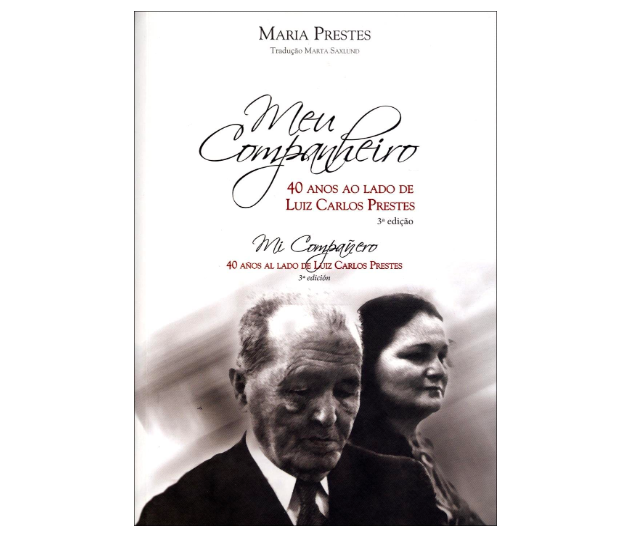
Another lesson was loyalty to memory and details. I helped my mother write her memoir book “My Compañero — 40 Years with Luis Carlos Prestes.” To ensure her voice reached the world, we published the book in Portuguese, Spanish, German, and Russian. Regarding the Russian edition — the first one prepared by the Communist Party of the Russian Federation was excellent. However, the second edition, published by the “Rodina” publishing house, was released without my permission — they changed the title and did not even mention the translator’s name! For me, this is unacceptable. In the struggle for truth, disrespect for intellectual work cannot be tolerated. I continue defending my parents’ legacy because their lives are a textbook of courage.
— Rio is hosting carnival. You are an expert in its economy and author of a unique study. What is happening in the city now? And is it possible to hold a Russian-themed carnival?
“My scientific work on carnival economics analyzes how a festival becomes an engine of an entire state.”
Rio is currently experiencing peak activity. The city is pulsating with life. To understand the scale: as Bloomberg correctly noted, the Brazilian carnival’s economic impact is more powerful than the Olympic Games or the FIFA World Cup. Unlike the Olympics, which leave empty stadiums behind, carnival annually mobilizes the entire small and medium business sector. We are talking about billions of reais and tens of thousands of jobs.
The Sambadrome is the heart of the system. Each samba school is a large enterprise with a full-year production cycle. Hotels are 100% booked, and the energy in the Sambadrome is so strong that it feels like something that could be exported instead of oil.
Regarding Russian themes at the Sambadrome — you touched on a very important topic for me. It has been my long-standing dream. Since 2002, I have been working on the concept of how to present the greatness of Russia on this global stage. Is it realistic? Not only realistic — it would be triumphant.
I often speak about this with cultural figures and government representatives, but unfortunately, I have not yet found sufficient understanding. Carnival is an ideal instrument of soft power. The carnival broadcast is watched in more than 200 countries. It is a state-level advertising campaign that cannot be bought for any amount of money.
When millions of people worldwide see Russian history, ballet, space achievements, or literature through beauty, dance, and spectacular design, it will destroy negative stereotypes. Russophobia will lose its strength. Brazilians are very warm toward large, soulful cultures. The Russian soul and Brazilian passion have more in common than it seems at first glance.
Imagine: Swan Lake in samba rhythm, or a parade dedicated to Yuri Gagarin’s first space flight! This synthesis would make the world stand in admiration.
Many people see this as mere entertainment, but I see it as a strategic economic and geopolitical move. Russia deserves to have its greatness resonating in the loudest rhythm on the planet.
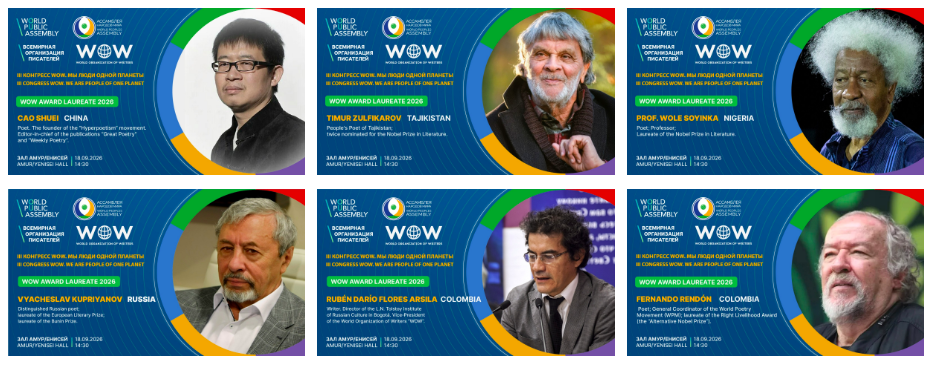
WORLD ORGANIZATION OF WRITERS “WOW” ANNOUNCES ITS 2026 LAUREATES
Six Distinguished Writers Honored, Alongside Two Gold Medals for Contributions to World Literature MOSCOW, September 15, 2026 — The World Organization of Writers (WOW) has announced the names of its…
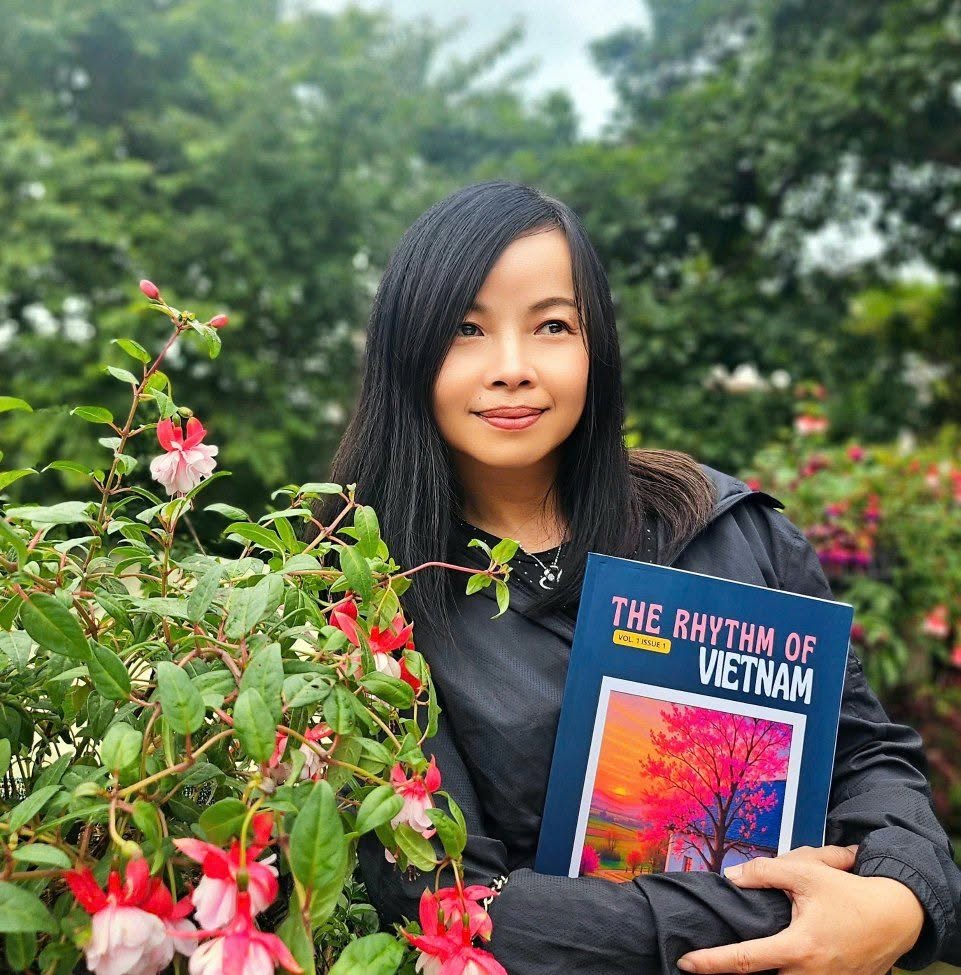
VO THI NHU MAI’S “UNA CONVERSAZIONE” EARNS ECCELLENZA INTERNAZIONALE AT SENECA AWARDS 2026
(By Claudia Barbaro, Librarian, Western Australia) The 10th Edition of the Premio Accademico Internazionale di Letteratura Contemporanea Lucius Annaeus Seneca, organized by the Accademia delle Arti e delle Scienze Filosofiche…
 thesilkroadtoday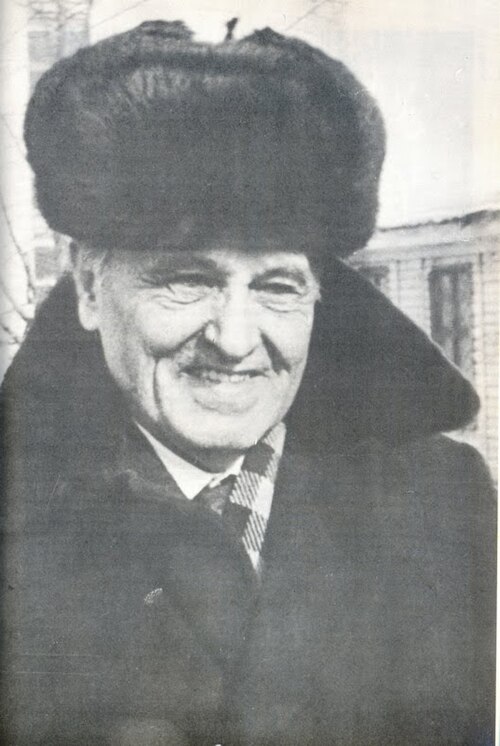
 By Victoria Nevolina; Evgenia Chervets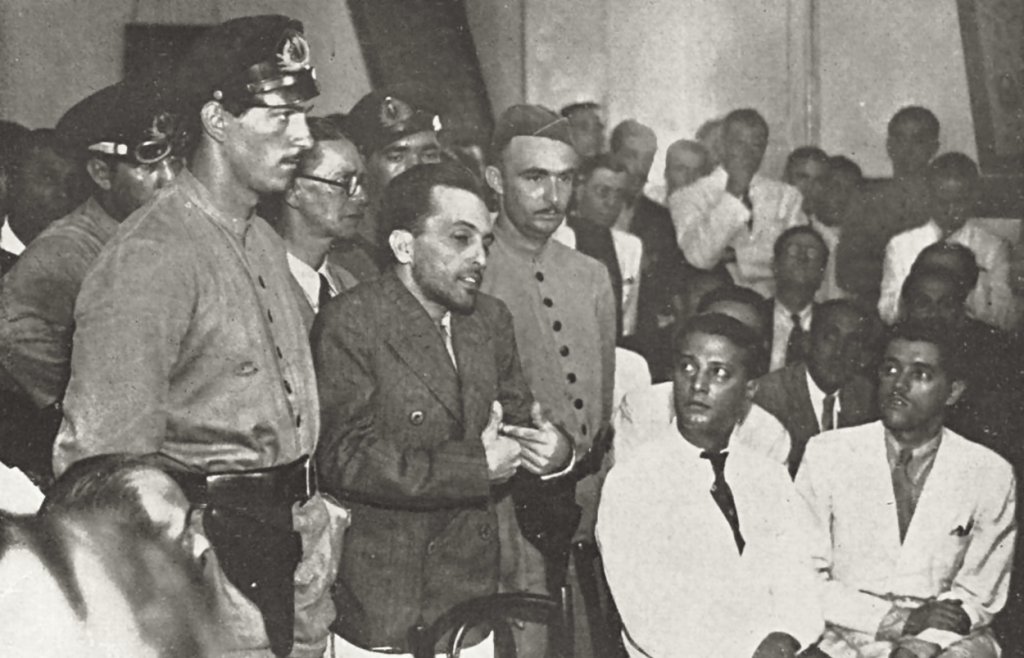
 My connection with Russia is deeply personal, almost intimate, thanks to my mother. She always said that our family lived its happiest years in Russia. Imagine: after all the hardships, underground communist struggle, political persecution, and storms that befell my father and our family, we found a safe harbor. Russia gave us not just refuge — it gave us a home where we could simply be a family. I have carried this feeling of security and warmth throughout my life.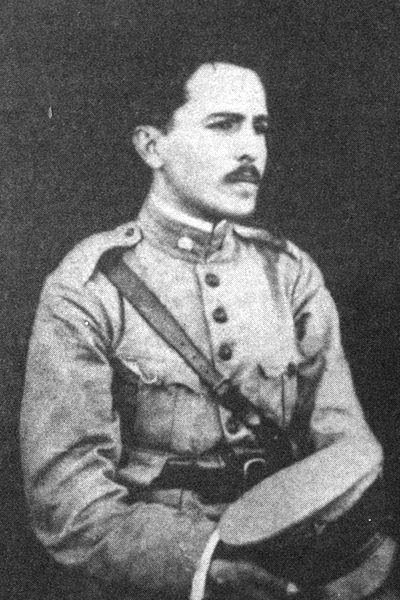
 The Sambadrome is the heart of the system. Each samba school is a large enterprise with a full-year production cycle. Hotels are 100% booked, and the energy in the Sambadrome is so strong that it feels like something that could be exported instead of oil.