حكايتي مع … الآخر

في العام 2010 اخترت (الآخر) عنوانا لبرنامجي الذي يستضيف نخبا ثقافية من خارج الوطن العربي، وهكذا انتقل الحوار مع تلكالأسماء من الحروف المكتوبة إلى وسيط جديد يؤكد فكرة السعي للتواصل، واكتشاف الثقافات المغايرة.
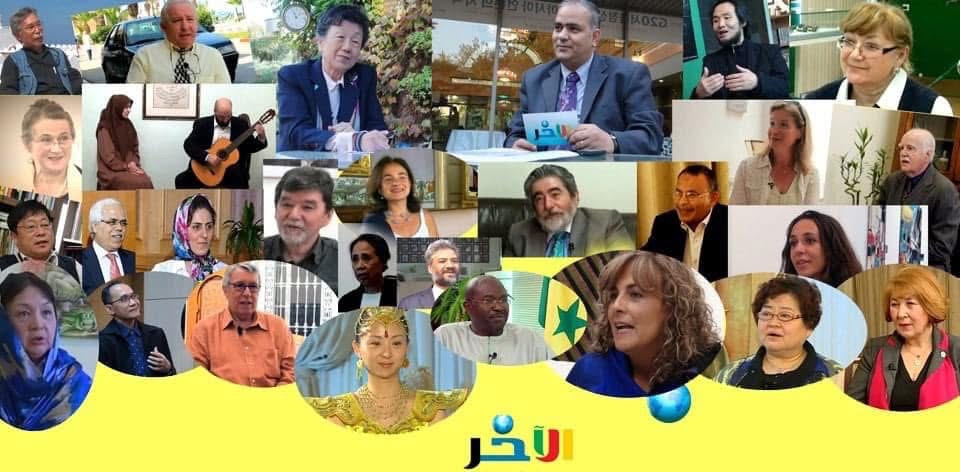
ضيوف البرنامج أكاديميون وأدباء وفنانون وإعلاميون ودبلوماسيون من شتى أنحاء العالم، أعددت البرنامج وقدمته وأخرجته وبثت حلقاتهالثلاثون الأولى يوميا قناة «العربي» الثقافية، ضمن شبكة القنوات الكويتية على القمر عرب سات، بينما عرضت القناة الأولى بتلفزيونالكويت حلقات الموسم الثاني، بالإضافة إلى عرضه في «العربي».

واستضاف الموسم الأول من حلقات البرنامج شخصيات من نحو عشرين دولة: الدكتورة نورية كراييفا الباحثة الأكاديمية بالمكتبة العلمية،قازان، جمهورية تتارستان، والدكتورة جيل رامساي أستاذة اللغة العربية بجامعة أوبسالا، مملكة السويد، وأولريك شرايبر مؤسس ومديرمهرجان برلين العالمي للآداب، والدكتورة جاكلين آكينو أستاذة التاريخ في جامعة سيئول الوطنية والسيدة الشرفية الأولى لجمهورية تيمورالشرقية الديموقراطية، والسيدة روس ماهواتي أحمد زكريا مديرة مقتنيات متحف الفنون الإسلامي في ماليزيا وزميلتها السيدة نور نزرينعثمان مديرة البرامج التعليمية بمتحف الفنون الإسلامي في ماليزيا، والبروفيسور بروس إنغام الباحث في لهجات الجزيرة العربية، المملكةالمتحدة، والفنان التركي حكمت باروتشوجل رائد فن الإبرو «الرسم على الماء»، والدكتور آرثر جولد شميت أستاذ تاريخ الشرق الأوسط،جامعة ولاية بنسلفانيا، الولايات المتحدة، والبروفيسورة شيرين عبادي الحائزة على جائزة نوبل في السلام 2003، وسمير أرشدي أستاذاللغة الفارسية وآدابها بجامعة الكويت، والبروفيسور جريجوري كوساتش الأستاذ في جامعة الدولة الروسية للعلوم الإنسانية والخبير بمعهددراسات الشرق الأوسط بموسكو، وزوجته البروفيسورة إيلينا مليكوميان أستاذة العلوم الإنسانية في جامعة الدولة الروسية، والخبيرة بمعهدالدراسات الشرقية للأكاديمية الروسية للعلوم، والباحث سيد عبد النبي نبيل القائم بأعمال سفارة جمهورية أفغانستان الإسلامية فيالكويت، والفنانة تارا نوريس المصورة والسينمائية الأيرلندية، وعارف غازي الممثل والمخرج السينمائي الهندي، والدكتور هان دوك كيومؤسس ورئيس جمعية كوريا والشرق الأوسط، سيئول، كوريا الجنوبية، ونوربرتو ساليناس مؤسس ورئيس بيت الشعر، كوستاريكا، وبرامودماتور مخرج أفلام الوثائقية، الهند، والباحث وانغ باو إي الملحق الثقافي بسفارة جمهورية الصين الشعبية، الكويت، وأيفان ليم الرئيسالسابق لجمعية الصحافيين الآسيويين، سنغافورة، ومصممة الحلي الفنانة إيفون فان زيل، جنوب أفريقيا.
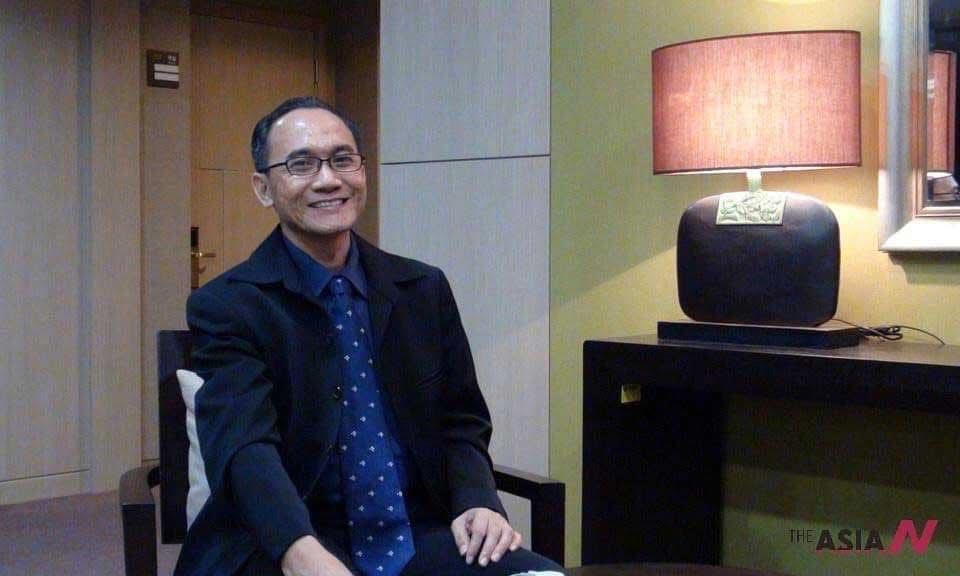
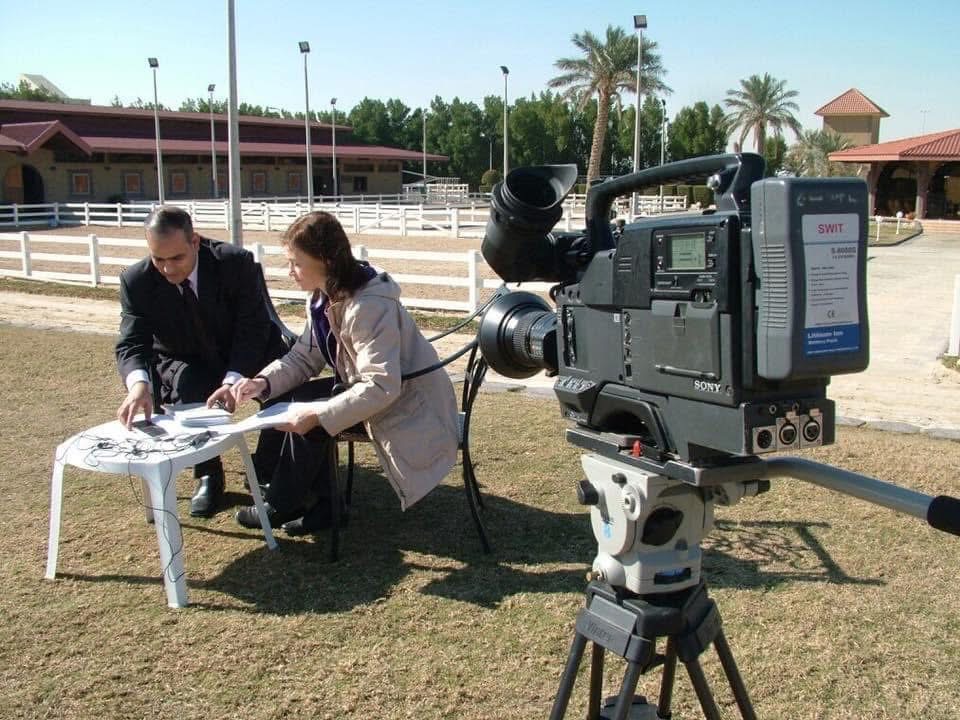
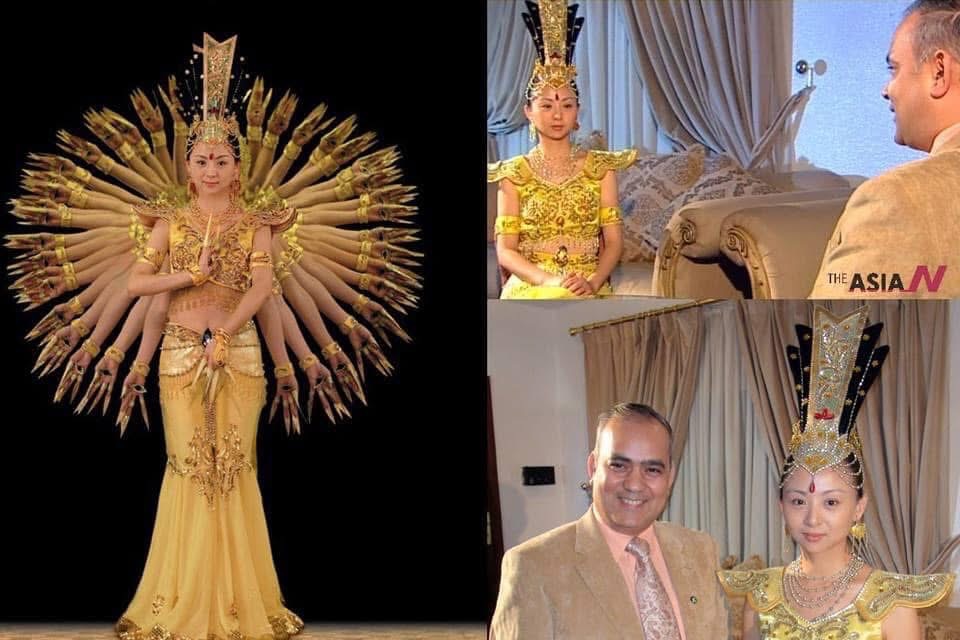
الموسم الثاني قدم لقاءات وأفلاما تسجيلية مع عدد مهم من مبدعي العالم، ومنهم الفنانة آدريانا سانتا كروز، مصممة الأزياء الكولومبية،وفنان الحفر الياباني المقيم في باريس آكيمي نوجوشي، والإعلامي إدي سوبرابتو،(الصورة أعلاه)  مؤسس ورئيس إحدى القنوات التلفزيونية فيإندونيسيا.
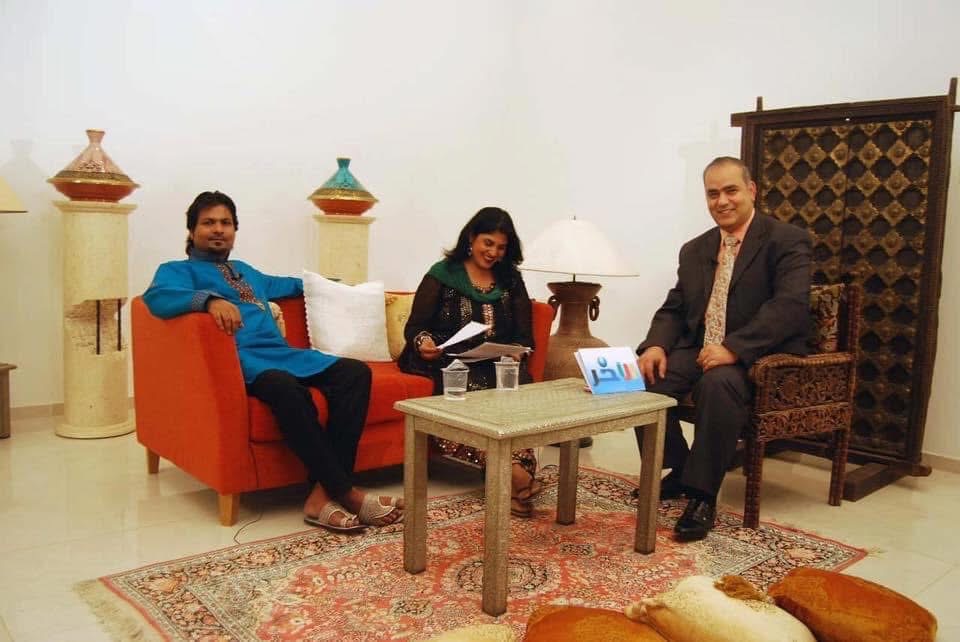
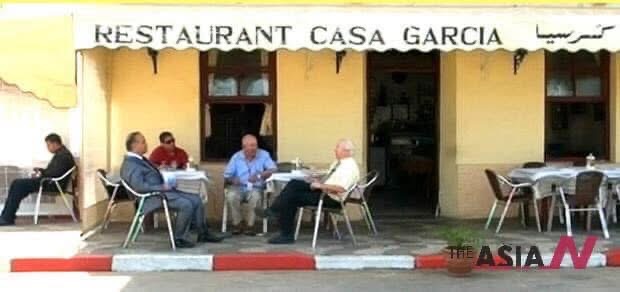
كما ضمت القائمة المترجمة فريدة وانغ فو رئيسة تحرير مجلة الصين اليوم (آنذاك)، وأنطونيو جارسيا المهاجر الأندلسي الإسباني المقيم فيالمملكة المغربية، وصورت الحوار على الرصيف وجويا أيولفي مديرة مؤسسة متحف قصر ملروني، إيطاليا، والدكتور جيزيل فاليفا سليمانوفا،المؤرخة وأستاذة التاريخ في جامعة قازان بجمهورية تتارستان، والدكتور عبد الله خاموش الهروي الكاتب والمترجم والأكاديمي والدبلوماسي،أفغانستان، والسفير السنغالي في الكويت عبد الأحد إمباكي، والأكاديمي الأسباني خابيير رويث مدير معهد ثربانتس في بيروت (آنذاك،وكان حواره قبل سفره من القاهرة)، والفنانة التشكيلية الإسبانية كارلا كيريخيتا، والدكتور خالد إرن، مدير عام مركز الأبحاث للتاريخ والفنونوالثقافة الإسلامية، استانبول، تركيا، والإعلامي الكوري لي سانج كي، مؤسس جمعية الصحفيين الآسيويين، فضلا عن حلقة سجلت معمارك لينز مستشار قسم النشر بالجامعة الأمريكية في القاهرة قبل رحيله.

السيدة زيليا فاليفا، وزيرة الثقافة السابقة، جمهورية تتارستان، روسيا الإتحادية

كما أذاع الموسم الثاني حلقات سجلتها خلال أسفاري  في أكثر من عاصمة عربية وغربية منها حوار مع الفنان الخطاط منيب أبرادوفيتش،البوسنة والهرسك، والدكتورة نسرين شكيبي ممتاز أستاذة اللغة الفارسية وآدابها في جامعة الزهراء، طهران، إيران، وأولجا بيولسكايا،مدير متحف الأسلحة بالأرميتاج، روسيا، والمناضل والشاعر بارك نو هي ، كوريا الجنوبية، والدكتور أحمد إبراهيم رحمة الله، رئيس قسماللغة العربية في جامعة كاليكوت، كيرالا، الهند، المصور رفعت يعقوبوف، تتارستان، الدكتورة روز إنزو كيم، عالم النفس الكورية الجنوبية،وسيفيرين جيليه مؤسسة مشروع رحلات أدبية، فرنسا، والفنانة تاي لي هوا قائدة فرقة الفنون الصينية من ذوي الاحتياجات الخاصة،والمايسترو فالنتينا بيجنيسكا الأكاديمية والعازفة البولندية، والدكتورة تشانغ هونغ يي (زاهرة) عميد كلية اللغة العربية ، جامعة الدراساتالدولية، بكين، الصين، والسيدة زيليا فاليفا، وزيرة الثقافة السابقة، ونائبة رئيس الوزراء الحالية، جمهورية تتارستان، روسيا الإتحادية. وتقديرا لدوره في إثراء الحوار مع الآخر من خلال مسيرته الحافلة، استضاف البرنامج في حلقة خاصة الأستاذ محمد بن عيسى الأمينالعام لمؤسسة منتدى أصيلة، المملكة المغربية.

البرنامج كانت مدته نصف ساعة، من مونتاج الفنان رائد مهدي، وإنتاج شركة سنام، التي أسسها  المصور الكويتي الكبير حسن الجسمي. كنت بدأت بتصوير حلقات جديدة للموسم الثالث، لكن ظروفا لوجستية أجلت المشروع، الذي أفكر بنقله مستقبلا إلى يوتيوب، مع وجود حلقاتمعلبة لمجموعة جديدة من أيقونات العالم الثقافية.

Related Posts

A Look at Alfred Nyagaka Nyamwange’s Collection of Books

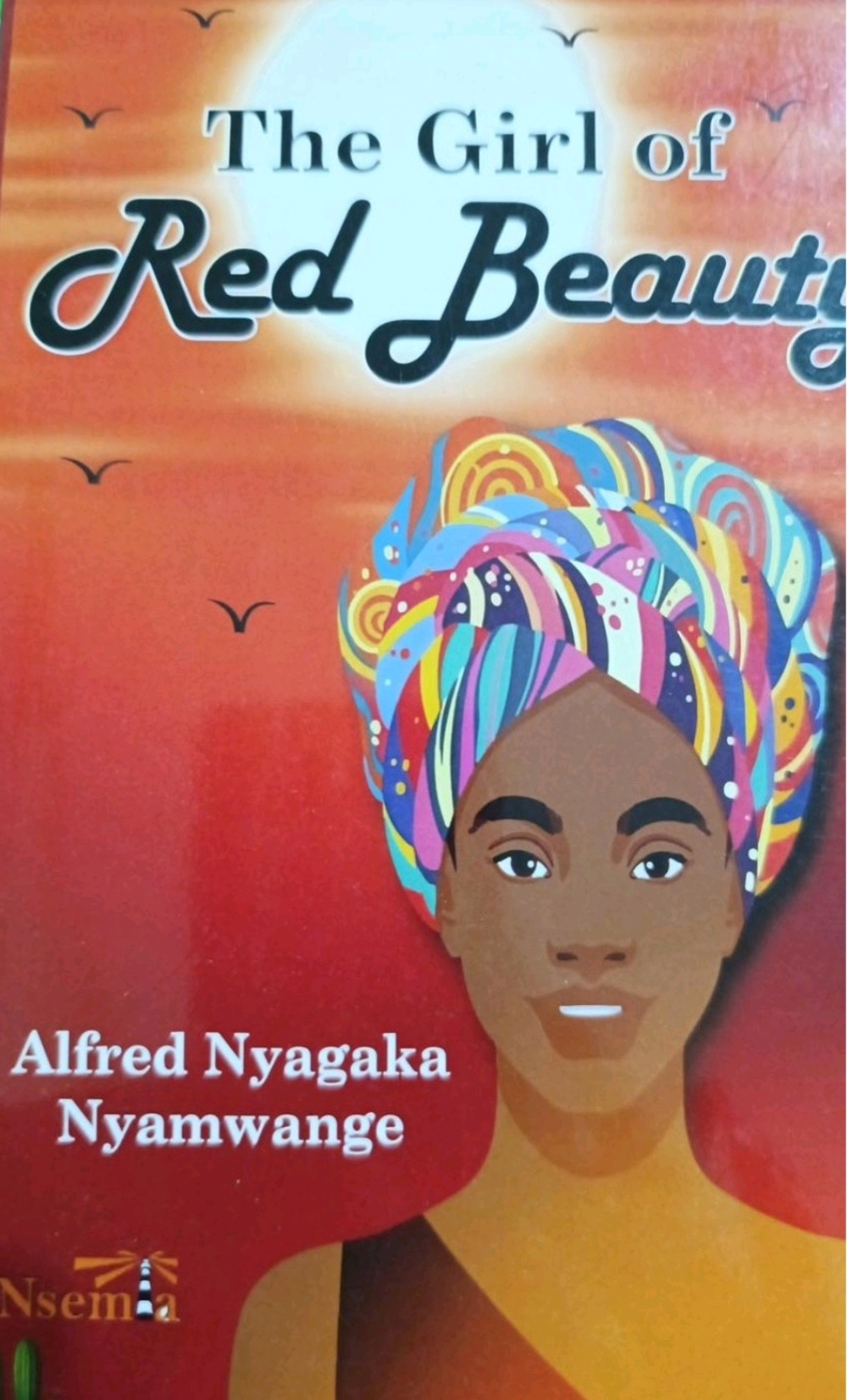
  THE GIRL OF RED BEAUTY  What does it mean to belong to a people, and how can a community preserve its identity when the voices of its ancestors begin to fade beneath the pressures of modernity? In The Girl of Red Beauty, Alfred Nyagaka Nyamwange invites readers into the cultural universe of the AbaGusii through a sustained poetic engagement with the community’s oral traditions, beliefs, social practices and philosophies. Presented in thirteen chapters of verse, the work draws upon songs, proverbs, sayings, stories, play games and the rhythms of everyday life in the Gusii highlands. Its poetic world follows the human journey from birth and childhood through initiation and marriage to old age and death. Along the way, it evokes relationships between individuals, families, the land, the ancestors and the divine. The girl at the centre of the work becomes a poetic point of entry into a much wider cultural landscape: a world shaped by communal memory, inherited wisdom, social expectations and changing relationships. The collection is distinctive in its creative negotiation between written poetry and African orature. Its language draws on indigenous expressions and direct translations from EkeGusii, bringing local imagery and proverbial thought into English. Songs, performance rhythms and the imagined presence of the lyre and drum give the written verse an oral energy, inviting readers not merely to observe the culture but to hear, sing and imaginatively participate in it. The Girl of Red Beauty is both a literary work and an act of cultural remembrance. It does not present tradition as a museum piece; rather, it opens a space for considering cultural continuity, the tensions between inherited practices and contemporary life, and the responsibility of transmitting indigenous knowledge to future generations. Rooted in Gusii experience yet attentive to wider questions of identity and belonging, the book offers international readers an encounter with the imaginative resources of an African community. A poetic celebration of identity, a preservation of memory and an invitation to return to the living sources of cultural knowledge. THE FOOTFALLS OF MY HEART  Love may begin with attraction, but in a traditional community its consequences reach far beyond two individuals. In The Footfalls of My Heart, Alfred Nyagaka Nyamwange presents a narrative poem that explores courtship and marriage in the cultural world of the AbaGusii, giving particular prominence to the voice, perspective and agency of the bride. The poem centres on Gechemba and Rimura. Rimura is a celebrated warrior and prospective groom whose reputation, strength and determination do not automatically guarantee success in love. Gechemba is a young woman who observes, questions, teases and responds to the man seeking her affection. Through her perspective, the reader encounters the emotional play of attraction, hesitation, playful resistance and growing attachment. The courtship becomes a spirited exchange in which wit and persuasion matter alongside status and material wealth. Beyond the romantic encounter, the work traces the social processes through which marriage connects families and lineages. It evokes the meeting between prospective partners, family introductions, negotiations over bride wealth, preparations, marriage rituals, songs, communal celebrations and the incorporation of the bride into a new household. Cattle and other forms of bride wealth carry meanings that extend beyond payment: they express commitment and create networks of relationships between families. The poem is rich in EkeGusii expressions, proverbs, indigenous imagery, humour and the rhythms of oral performance. It draws on cultural memory while allowing readers to consider the values and tensions embedded in marriage practices. The bride’s voice is especially important: she is not simply an object of pursuit but a participant whose response, judgement and choice shape the unfolding relationship. As a companion to The Girl of Red Beauty, this work extends Nyamwange’s poetic exploration of Gusii cultural life. Where the earlier poem approaches the community through a girl’s growth and the wider cycle of life, The Footfalls of My Heart foregrounds the woman’s perspective in the journey towards marriage and family continuity. A warrior pursues; a woman responds and chooses; families negotiate; a community gathers. The Footfalls of My Heart is a poetic exploration of love as both an intimate emotion and a communal bond. THE BROKEN COLUMN  What happens when a society’s established ways of life encounter forces that challenge its institutions, beliefs and sense of identity? The Broken Column by Alfred Nyagaka Nyamwange is a historical and cultural novel set in the world of the AbaGusii, tracing the experiences of a warrior and the wider transformations of his community. At the centre of the narrative is Okeyo, a young man renowned for courage, physical strength and exceptional skill. His reputation as a warrior places him within a social order that values protection, honour, responsibility and service to the community. Yet Okeyo’s life is not a simple succession of heroic achievements. His relationships, personal struggles, choices and encounters with adversity expose the vulnerabilities beneath the public image of the fearless warrior. His destiny is shaped by the demands of his calling and by the changing circumstances of the society around him. The novel evokes a community organised through kinship, village life, ancestral expectations, warrior traditions and collective obligations. Its landscape is not merely a backdrop: it is a lived environment in which cattle, homesteads, social relations and communal security carry cultural significance. Okeyo’s experiences intersect with those of other people, particularly the women whose presence and decisions influence his path. A profound historical change gathers around this personal story. The arrival of foreign authority, missionary Christianity and colonial power unsettles the foundations of the community. Established loyalties are questioned; inherited practices encounter new religious and political claims; and individuals must negotiate the competing demands of continuity, resistance and accommodation. The meaning of courage itself becomes uncertain as the society confronts a future it cannot fully control. The Broken Column therefore operates on two connected levels: it is the story of a man whose life contains both achievement and vulnerability, and the story of a people experiencing a difficult historical transition. Through its engagement with masculinity, identity, power, faith, tradition and colonial encounter, the novel invites readers to consider what happens when the structures that sustain a community begin to fracture.…

الشاعرة القطرية سعاد الكواري تشيد بمبادرة «100 مؤلف، 100 كتاب»

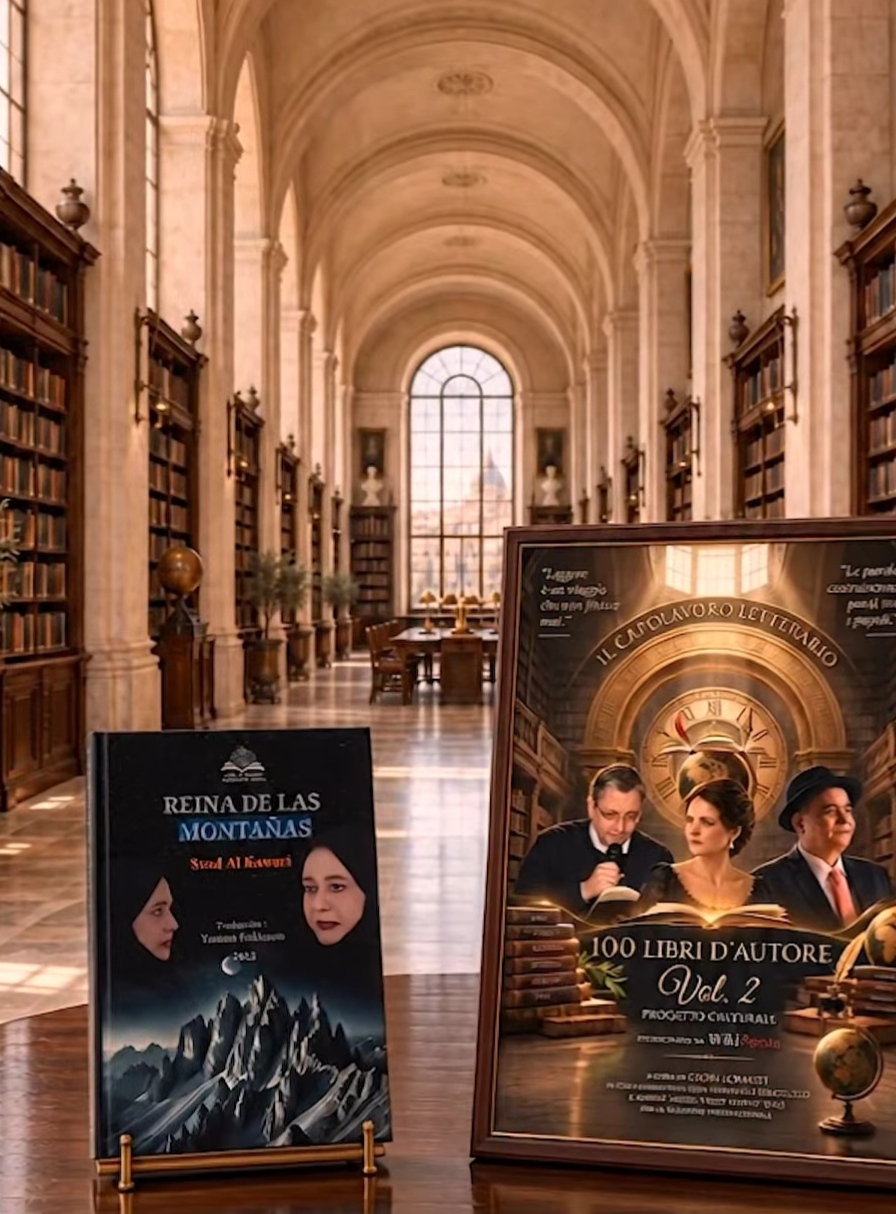
الشاعرة القطرية تحتفي بدور المبادرة في تعزيز التواصل الثقافي بين شعوب العالم في رسالة أدبية تحمل تقديراً للتعاون الثقافي العابر للحدود، أعربت الشاعرة والكاتبة القطرية سعاد الكواري عن اعتزازها بالمشاركة…

اترك تعليقاً

لن يتم نشر عنوان بريدك الإلكتروني. الحقول الإلزامية مشار إليها بـ *