 thesilkroadtoday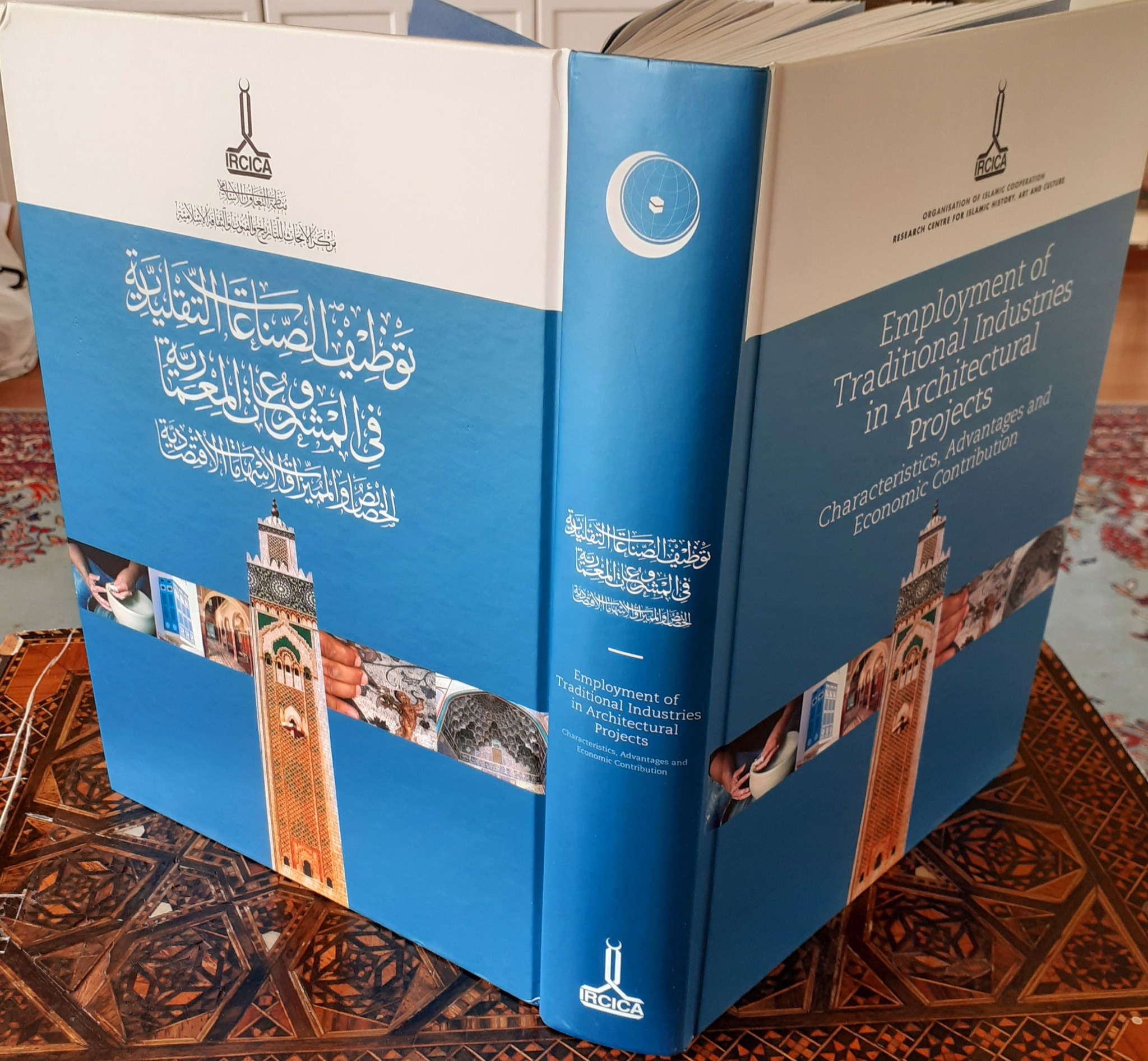
Employment of Traditional Industries in Architectural ProjectsPrepared for publication by: Nazih Taleb MaroufA volume of 748 large-format pages,published in Arabic (556 pages) and English (192 pages)
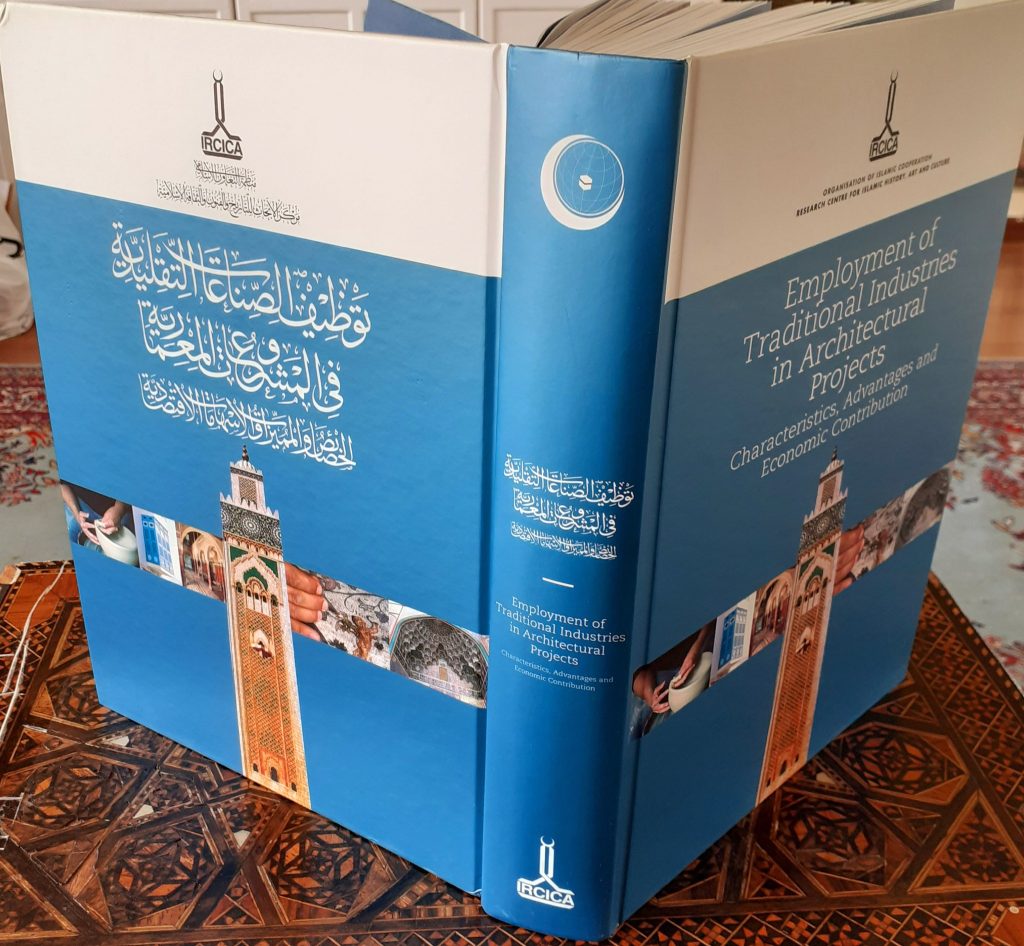
This volume is considered the first documentary research that sheds light on the importance of the developmental dimension of employing traditional crafts in architectural projects through the cooperation of craft experts and specialists with a group of architects who are dealing with restoration projects and revival of architectural heritage in Islamic world. No doubt, this step of action do constitutes a first step towards attracting construction and architecture institutions to create an environment that understands the importance of employing traditional industries in urban heritage restoration projects. For sure, it will add an artistic and heritage beauty not only to the external facades, but also to the interior space of the architectural design of the building.
In total, it will also contribute to revealing the artistic and heritage touches in the interior decoration of these buildings, so that they become places of tourist attraction, as well as promoting the cultural and heritage characteristics of our societies.
On the other hand, it will contribute to stimulating economic activity by employing skilled artisans in these projects, namely, those specialize in traditional industries used in architectural projects, such as woodcarving, decoration, gypsum, ornamentation, gilding, mashrabiyas, stained glass with plaster, ceramics, and other types of traditional industries used in construction projects.
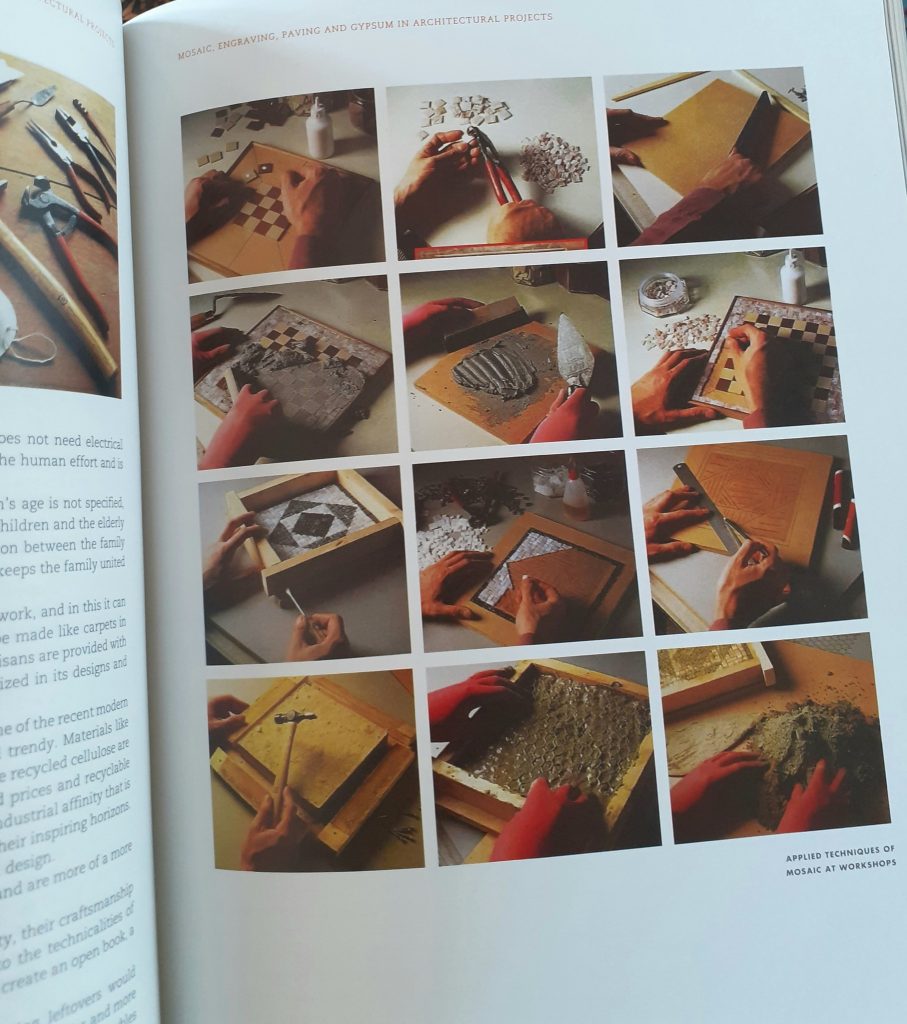
It presents the first analytical review of this development dimension, supported by relevant data and statistical tables. It also includes photographs of the work of numerous restoration projects in which traditional industries were employed. These projects have become tourist attractions for tourist delegations, an inspiration for architecture and art students, and a source of income for countries that have successfully utilized this sector in architectural projects.
The book also provides a set of technical data about the products used in these projects, such as tools and techniques applied, materials used, design, shape, measurements, weight, size, colors, and other relevant data in this regard.
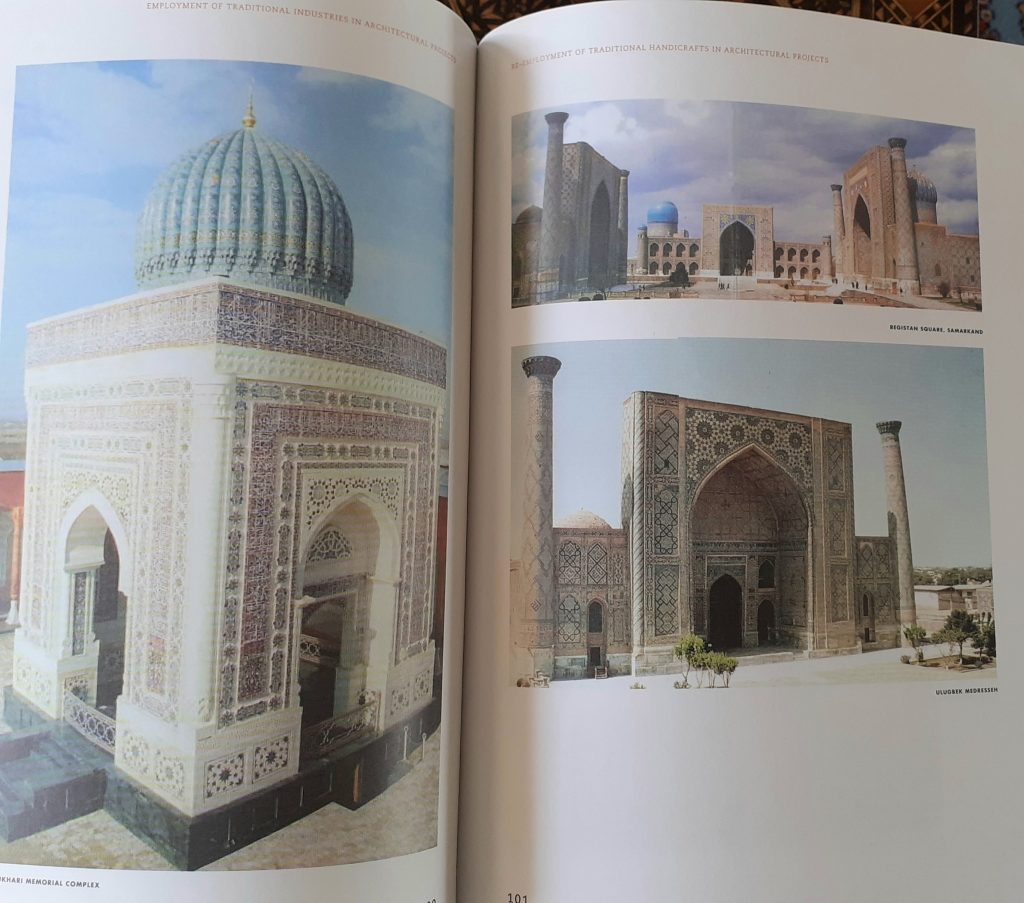
The information provided, which is very rich, covers architectural projects from different geographical regions, specifically from the following countries: Algeria, Azerbaijan, Egypt, Iran, Indonesia, Jordan, Lebanon, Libya, Mauritania, Morocco, Sultanate of Oman, Pakistan, Burkina Faso, Palestine, Kingdom of Saudi Arabia, Syria, Tunisia, Turkey, Uzbekistan and Yemen.
This volume, with its academic data and information, is considered an important reference for researchers, academicians, and students dealing with issues related to architecture, arts, heritage, and handicrafts. It will also contribute to institutions dealing with restoration projects of architectural heritage as well as to: students of arts and crafts, interior designers, and those working in this vital and important field.