
معنى أن تجلس مع الموت على طاولة واحدة

معنى أن تجلس مع الموت على طاولة واحدة

22 أكتوبر 2025
في عالم يضج بتقلبات للأحداث الشخصية والجماعية، تزداد تناقضات المشاعر، وتتغير أساليب تعبيرنا عما نشعر به، حتى تتغير قواميس كلماتنا، وتتوسع دوائرنا بشكل مستمر..
في هذا السياق، تبدو مجموعة الشاعرة المصرية إيمان جبل “قلبي الذي لم يأمن غدر البيوت” (104 صفحات من القطع المتوسط، دار مرفأ، 2025)، وكأنها محاولة لاستجلاء النفس البشرية المتجددة..
ليس فقط من خلال الحب والخيانة، ولكن عبر التصدي للغموض الوجودي الذي يحيط بنا جميعًا.
قارب متحرك
في مجموعتها، لا يُقرأ الشعر بهدوء قارب ثابت، ولا تمضي القدم في ذلك الطريق بألفة معتادة، لكن هنالك على الجانبين نوافذ محيرة، تصفع بصراحتها، وتحفر في العمق الإنساني مشاهد من الصعب تمريرها.
نجد في المجموعة استكشافًا حذرًا ومتأملًا للذاكرة، العاطفة، والزمن، حيث تتقاطع التفاصيل اليومية مع التساؤلات الكبرى عن الحياة والموت والهوية.
تناقش المجموعة ماهية الموت، ظروفه وتقلباته والإنسان. ومع المضي في قصائد جبل، من البديهي أن يتبادر إلى الذهن سؤال: هل للموت ذاكرة؟ كيف لا، والشاعرة تضع شرطًا، أو أمنية شعرية: “على الموت أن ينساني”. هنا، الموت ليس حدثًا خارجيًا، بل فعلٌ داخلي يُستدعى في كل لحظة تأمل..
الجملة تحمل هشاشة الذات وقلقها أمام الانتهاء الساحق، لكنها أيضًا تحمل نوعًا من التحدي الهادئ: التطلع لأن يمر الزمن من دون أن يمحو الذكريات أو الحب أو الفقد.
في هذا السياق، الموت يصبح ليس مجرد نهاية، بل عنصرًا فلسفيًا يفرض على الشاعرة تفرعات ملزمة بمواجهة معنى الوجود والوعي الذاتي. هذه المواجهة هي أساس التجربة الشعرية في المجموعة؛ حيث تتحول الصور والمفردات إلى مرايا ذاتية، يمكن أن تتكسر في لحظة واحدة.

طين يعجن ويصاغ
تبرز في المجموعة استعارات متجددة تلتقي عند محور الزمان والتحول الشخصي، كما في الجملة: “لأتشكل عجينة في كف الزمن”. هنا، الزمن ليس مجرد مؤشر إلى مرور الأيام، بل هو عامل فعال يُعيد تشكيل الذات، مماثل للطين الذي يُعجن ويُصاغ. الاستعارة تحمل بعدًا وجوديًا: الإنسان ليس ثابتًا، ولا حتى عواطفه، فهي متحولة، قابلة للتمدد والتمزيق، متأثرة بالقوى الداخلية والخارجية على حد سواء. كما يبرز في هذه الصورة الحس الجمالي المتجدد الذي يربط بين الطابع الشخصي للتجربة الشعرية وبين النظرة الفلسفية الشاملة للعالم.
“يمكن تسويغ الشعر في قالب نقد اجتماعي ضمني، حيث يُنظر إلى المحيط الحضري بوصفه مساحة هشّة، لا تثق الشاعرة في قيمه أو في قدرته على استيعاب الإنسان”
إيمان جبل أيضًا تعيد النظر في طبيعة الموت والخسارة أيضًا، “ربما الموت فعل/ سلوك عادي وتافه، ونحن فقط من ضخمناه”. هذا القول يكسر عادة التضخيم الرمزي للموت في الشعر، ويعيده إلى كونه مجرد حدث طبيعي، وهو ما يجعل القارئ يعيد التفكير في الطقوس والتمثيلات التي خلقناها حول النهاية والرحيل.
الشعر هنا يعمل كأداة لإعادة الاعتبار للفهم الإنساني: الحياة والموت ليسا متناقضين، بل يندمجان في دائرة التجربة نفسها. كما يجرد المعنى من الذيول التي تعلق به.
طريق القلق
المعاناة الذاتية، والوعي بعدم القدرة على نيل الراحة المحققة- هذا طريق القلق الذي تتبعه الشاعرة في تصريف اللغة. “وأنا لم أعرف يومًا كيف أكون بخير”. هذه الصراحة الشعرية تعكس شعورًا عالميًا يجسد الغربة الداخلية التي تصاحب الإنسان في حياته اليومية، والانفصال عن الرضى عن الذات، والخسارة المستمرة لعلاقات تجلس على أرجوحة تطل على الحب والفقدان.
حيث ترفع الشاعرة التغليف عن الصراعات الداخلية بطريقة تجعل القارئ يشعر بأن هذا النص ليس مجرد شعور شخصي، بل انعكاس لمسألة بشرية عامة.
إن القرار الإنساني هو منتصف العالم، وعلى ذلك يتحدد السلم أو الحرب. لكن في اللغة دومًا حرب، مهما اختار المرء الطريق الناعم، وكذلك في الشعر.
حياد وانسحاب
توظف إيمان جبل اليد البشرية لينمو صراع أكبر، “يد عادية لا تريد أن تمسك سيفًا”، بأن يعاد التأمل في الرموز التقليدية للقوة والسيطرة. اليد، رمز الفعل والقدرة، تختار الامتناع، كأن الفعل العدواني أو السيطرة العنيفة بقيمة صفر كبير. يحل محلها الحياد أو الانسحاب. تلك القدرة على مقاومة العالم لا تأتي دائمًا من القوة، بل أحيانًا من الامتناع أو من رفض المشاركة في العنف الذي يفرضه الواقع.
المكان، أو ما يسمى بالمدينة، يتعرّض للتشكيك في شعر إيمان جبل: “ما من مدينة تؤخذ على محمل الجد”. المدينة، رمز الانتماء والمجتمع، تفقد مكانتها كمأوى أو كرمز للمأساة أو السعادة. هنا يمكن تسويغ الشعر في قالب نقد اجتماعي ضمني، حيث يُنظر إلى المحيط الحضري بوصفه مساحة هشّة، لا تثق الشاعرة في قيمه أو في قدرته على استيعاب الإنسان. هذا الرفض يعكس نظرة فلسفية عميقة للتفكك الاجتماعي، والخذلان الذي يرافق التجربة البشرية.
“ليس عليك أن تُصفّيني، الحزن وحده سيتكفل بذلك”- هو انعكاس آخر للتأمل في العلاقات الإنسانية والفقد. هذا القول يضع الحزن كعنصر مركزي يحكم التجربة، وليس أفعال الآخرين أو آراؤهم. هنا، الفقدان والخسارة لم يعودا أحداثًا بسيطة، وإنما تحوّلا إلى عناصر فاعلة في بناء الذات وإعادة تشكيلها، وهو ما يعطي الشعرية بعدًا نفسيًا عميقًا. الحزن يصبح كيانًا حيًا يحرّك القرارات ويعيد تشكيل المشاعر.
ما نحاول فهمه
المجموعة أيضًا تبحث في العلاقة بين اللغة والتجربة الداخلية: “اللغة لم تعد تشعل نارًا”. هذه العبارة تحمل إحساسًا بالاغتراب عن القدرة التعبيرية، فالكلمات، مهما كانت صادقة أو مبدعة، فقد تعجز أحيانًا عن التعبير عن الألم أو الفرح العميق. وهنا تكمن الصعوبة في الكتابة الشعرية: كيف يمكن للغة، كأداة/ كصورة، أن تنقل التجربة الإنسانية من دون أن تُفقد شيئًا من عمقها أو صدقها؟
إذا جمعنا هذه الصور، نرى أن المجموعة الشعرية لجبل تمثل رحلة وجودية متشابكة، حيث الحب، الخيانة، الفقد، والموت تتشابك مع التأمل في الزمن، المكان، واللغة. الشعر عندها لا يأتي كوسيلة للتعبير عن المشاعر، ولكن كأداة تحليلية لإعادة التفكير في كل ما نحاول أن نفهمه عن أنفسنا والعالم، وكأننا حينما نغلق الباب على السؤال، فإننا نقوم بغلقه على إصبع اليد، ألمٌ يتبعه ألمٌ. كل جملة، حتى لو بدت قصيرة أو مجرد عبارة عابرة، تعمل على تقويض الافتراضات المسبقة حول الحب والحياة والموت، وتحفز نحو مواجهة الواقع بوعي أكبر.
في السياق العام، يخلق النص تجربة شعورية متجددة، حيث تتكرر الصور والمعاني في صياغات مختلفة، كما لو أن العاطفة نفسها دائرية، تتجدد في كل مرة نقرأ فيها البيت الشعري. هذا الطابع الدوري للعاطفة والوعي يجعل النص قريبًا من التجربة البشرية الشاملة، من الحب والخسارة إلى البحث عن الذات والتصالح مع الوجود. فلا تكف جبل عن استخدام الشعر كمساحة للتجربة، حيث يكون التأمل الوجودي مرتبطًا بالحياة اليومية، والتفاصيل الصغيرة جدًا، وعبر تطبيق عملي، وليس مجرد فكرة نظرية.
“قلبي الذي لم يأمن غدر البيوت” عمل شعري يطرح ويشاكس بالاستعلامات والاستفهامات، أكثر مما يقدم إجابات، حيث يصبح الشعر تجربة لاكتشاف المخفي، عبر النبش والتشويش، وطرق الأواني ببعضها. تلك تجربة شاعرية مفتوحة للقارئ ليعيشها ويعيد تفسيرها. الصور فيها متشابكة فلسفيًا وعاطفيًا، والاستعارات العميقة.
في نصوص إيمان جبل، هنالك حزن بطيء الخطى خلف كل جملة، يمكن اعتباره موسيقى تصويرية لمشهد سينما جنائزي، وهو ما يفرد مساحة الصوت الشعري، ليتحول إلى تجربة متكاملة، تبحث عن ذات لا تنكر الموت والقسوة والخيانة والفقد والحروب، وإنما تجلس معها على نفس الطاولة، لتعرف ماهيتها.
“قلبي الذي لم يأمن غدر البيوت” مجموعة شعرية محاطة بسلك شائك، شاهدتها وأنا خارج من محيطها، مستمرة في إحراق المراكب الممددة على الشاطئ داخل ذوات كل من حدّثتهم عنها.
..

  • Related Posts

    A Look at Alfred Nyagaka Nyamwange’s Collection of Books

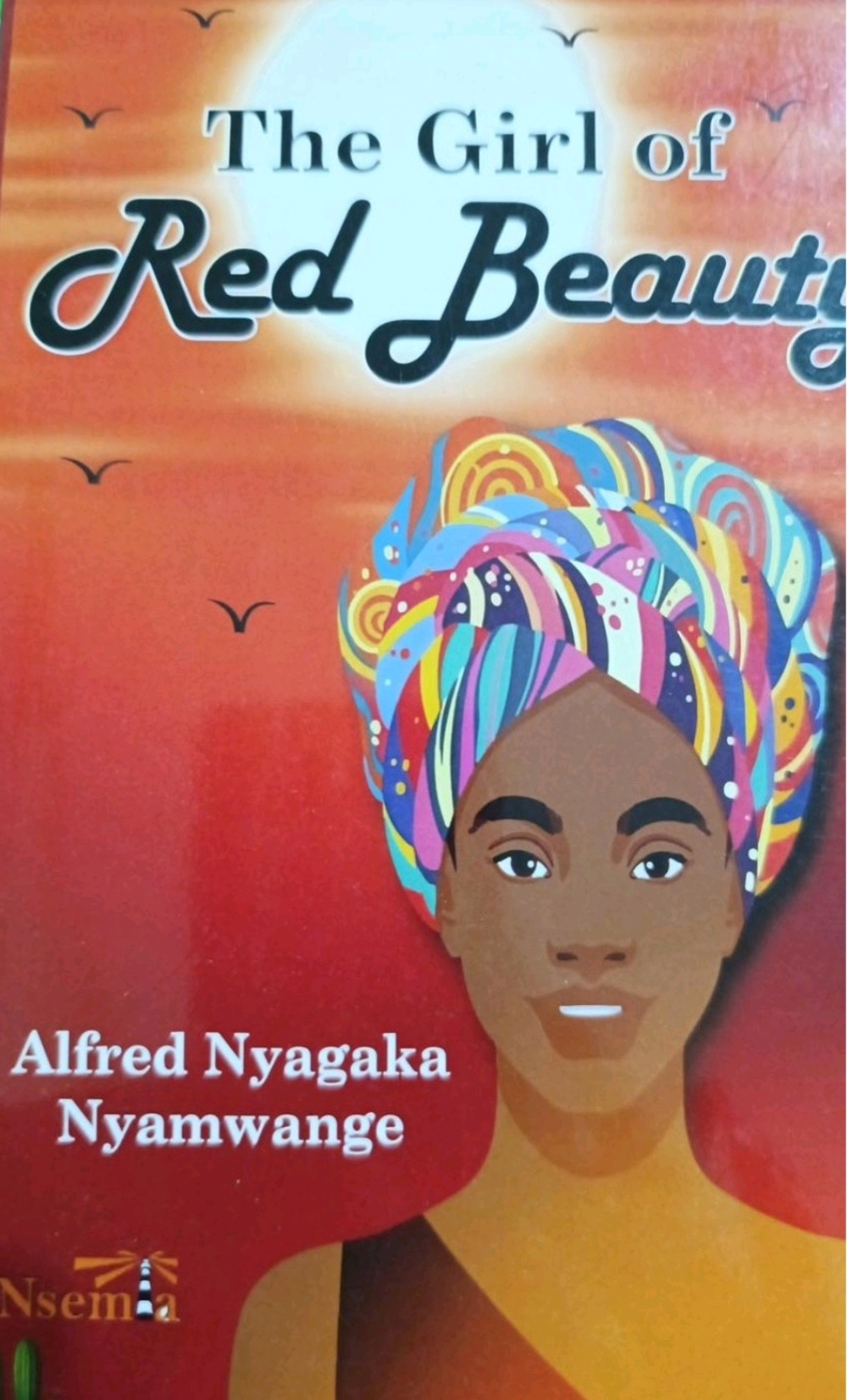
      THE GIRL OF RED BEAUTY  What does it mean to belong to a people, and how can a community preserve its identity when the voices of its ancestors begin to fade beneath the pressures of modernity? In The Girl of Red Beauty, Alfred Nyagaka Nyamwange invites readers into the cultural universe of the AbaGusii through a sustained poetic engagement with the community’s oral traditions, beliefs, social practices and philosophies. Presented in thirteen chapters of verse, the work draws upon songs, proverbs, sayings, stories, play games and the rhythms of everyday life in the Gusii highlands. Its poetic world follows the human journey from birth and childhood through initiation and marriage to old age and death. Along the way, it evokes relationships between individuals, families, the land, the ancestors and the divine. The girl at the centre of the work becomes a poetic point of entry into a much wider cultural landscape: a world shaped by communal memory, inherited wisdom, social expectations and changing relationships. The collection is distinctive in its creative negotiation between written poetry and African orature. Its language draws on indigenous expressions and direct translations from EkeGusii, bringing local imagery and proverbial thought into English. Songs, performance rhythms and the imagined presence of the lyre and drum give the written verse an oral energy, inviting readers not merely to observe the culture but to hear, sing and imaginatively participate in it. The Girl of Red Beauty is both a literary work and an act of cultural remembrance. It does not present tradition as a museum piece; rather, it opens a space for considering cultural continuity, the tensions between inherited practices and contemporary life, and the responsibility of transmitting indigenous knowledge to future generations. Rooted in Gusii experience yet attentive to wider questions of identity and belonging, the book offers international readers an encounter with the imaginative resources of an African community. A poetic celebration of identity, a preservation of memory and an invitation to return to the living sources of cultural knowledge. Description length: 329 words (maximum: 500). THEFOOTFALLS OF MY HEART  Love may begin with attraction, but in a traditional community its consequences reach far beyond two individuals. In The Footfalls of My Heart, Alfred Nyagaka Nyamwange presents a narrative poem that explores courtship and marriage in the cultural world of the AbaGusii, giving particular prominence to the voice, perspective and agency of the bride. The poem centres on Gechemba and Rimura. Rimura is a celebrated warrior and prospective groom whose reputation, strength and determination do not automatically guarantee success in love. Gechemba is a young woman who observes, questions, teases and responds to the man seeking her affection. Through her perspective, the reader encounters the emotional play of attraction, hesitation, playful resistance and growing attachment. The courtship becomes a spirited exchange in which wit and persuasion matter alongside status and material wealth. Beyond the romantic encounter, the work traces the social processes through which marriage connects families and lineages. It evokes the meeting between prospective partners, family introductions, negotiations over bride wealth, preparations, marriage rituals, songs, communal celebrations and the incorporation of the bride into a new household. Cattle and other forms of bride wealth carry meanings that extend beyond payment: they express commitment and create networks of relationships between families. The poem is rich in EkeGusii expressions, proverbs, indigenous imagery, humour and the rhythms of oral performance. It draws on cultural memory while allowing readers to consider the values and tensions embedded in marriage practices. The bride’s voice is especially important: she is not simply an object of pursuit but a participant whose response, judgement and choice shape the unfolding relationship. As a companion to The Girl of Red Beauty, this work extends Nyamwange’s poetic exploration of Gusii cultural life. Where the earlier poem approaches the community through a girl’s growth and the wider cycle of life, The Footfalls of My Heart foregrounds the woman’s perspective in the journey towards marriage and family continuity. A warrior pursues; a woman responds and chooses; families negotiate; a community gathers. The Footfalls of My Heart is a poetic exploration of love as both an intimate emotion and a communal bond. Description length: 348 words (maximum: 500). THEBROKEN COLUMN  What happens when a society’s established ways of life encounter forces that challenge its institutions, beliefs and sense of identity? The Broken Column by Alfred Nyagaka Nyamwange is a historical and cultural novel set in the world of the AbaGusii, tracing the experiences of a warrior and the wider transformations of his community. At the centre of the narrative is Okeyo, a young man renowned for courage, physical strength and exceptional skill. His reputation as a warrior places him within a social order that values protection, honour, responsibility and service to the community. Yet Okeyo’s life is not a simple succession of heroic achievements. His relationships, personal struggles, choices and encounters with adversity expose the vulnerabilities beneath the public image of the fearless warrior. His destiny is shaped by the demands of his calling and by the changing circumstances of the society around him. The novel evokes a community organised through kinship, village life, ancestral expectations, warrior traditions and collective obligations. Its landscape is not merely a backdrop: it is a lived environment in which cattle, homesteads, social relations and communal security carry cultural significance. Okeyo’s experiences intersect with those of other people, particularly the women whose presence and decisions influence his path. A profound historical change gathers around this personal story. The arrival of foreign authority, missionary Christianity and colonial power unsettles the foundations of the community. Established loyalties are questioned; inherited practices encounter new religious and political claims; and individuals must negotiate the competing demands of continuity, resistance and accommodation. The meaning of courage itself becomes uncertain as the society confronts a future it cannot fully control. The Broken Column therefore operates on two connected levels: it is the story of a man whose life contains both achievement and vulnerability, and the story of a people experiencing a difficult historical transition. Through its engagement with masculinity, identity, power, faith, tradition and colonial encounter, the novel invites readers to consider what happens when the structures that sustain a community begin to fracture. When a column that has supported a people’s world begins to break, what can be preserved, what must change, and what remains standing? Description length: 356 words (maximum: 500). THEBLOOD STAINS  The violence inflicted on women does not end when the immediate assault is over. It can remain in the body, memory, family and conscience, shaping the lives of survivors long after the visible wounds have healed. In The Blood Stains, Alfred Nyagaka Nyamwange confronts the human cost of gendered violence and the struggle to recover dignity in the aftermath of trauma.…

    Dance in Silence, Poem by Anwar Rahim

    They speak without a sound Their steps upon the ground No music needs to play Their hearts still find the way Two shadows in the light They hold each other…

    اترك تعليقاً

    لن يتم نشر عنوان بريدك الإلكتروني. الحقول الإلزامية مشار إليها بـ *