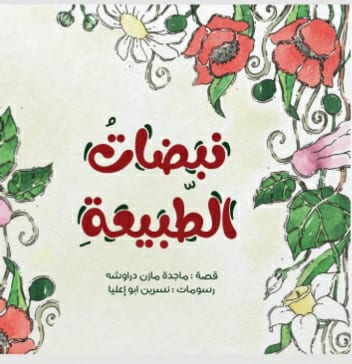
نبضات الطبيعة | حديث الطبيعة والدروس التربوية

“نبضات الطبيعة” قصة من تأليف القاصة ماجدة مازن دراوشه واشتغلت على المتن المصور والمعبر الفنانة التشكيلية نسرين ابو إعليا  عبر رسوماتها والغرافيك المصاحب وقدمت خلال نصها معجما طبيعيا بيئيا لتتقاطع مع كل أدباء الأرض المحتلة  في استحضار النبات والأشجار والأزهار والزيتون في شعرهم وقصصهم الموجهة للطفولة واليافعين وفي الروايات بهدف تجذير الطفل في تربته وموطنه المغتصب.

وهنا حضرت الأشجار الباسقة وأوراقها وتيجان الأزهار الزاهية والصخور ونسيم الصباح العليل وخيوط الشمس الذهبية وقطرات الندى والربيع المشرق اليانع والقمر المنير والمرج الأخضر والفراشات والزعفران وزهرة النرجس وعصا الراعي وشقيقة النعمان وزهرة الأقحوان.

هذه الثروة الطبيعية توجب الحفاظ عليها عبر عدة طرق  وأهمها ذكرها للطفولة  في القصص والحكايات كي يتربى معها محبا لها متمتعا بها ومحافظا عليها  عبر ثقافة بيئية تبدأ من المعرفة وتنتهي بالمحافظة وهذا النص يلامس هذا الهدف بحرفية سردية مميزة ومعها مررت الكاتبة رسائلها  الأخلاقية والتربوية  بأن جعلت الزهور والورود هي شخصياتها  التي سيتفاعل  معها الطفل تفاعلا ايجابيا بعد أن تفاعلت معه هذه الكائنات الهشة والجميلة والتي تزين حقولنا ومزارعنا وحدائقنا إذ قالت زهرة الأقحوان :”من أجمل من الأطفال؟ هم رمز البراءة والصفاء”مذكرة بالتفاعل بينهما  في مثالين اثنين هما لعبة العدد الفردي والزوجي إذ تقول الزهرة” فهم يجدون بي تسلية عند عد أوراق زهراتي لأكون كتحد لهم عند معرفة عددها إن كانت فردية أو زوجية ” أو وضع التيجان من الزهرة  ليصبحن كالأميرات وهن الفتيات اليانعات” وهي فرصة للتذكير بألعاب الأجيال السابقة ولما لا تتواصل هذه الألعاب اليدوية و المحسوسة بعيدا عن ألعاب الحواسيب والهواتف الذكية عبر الخروج إلى الحدائق خاصة في فصل الربيع للتمتع  بالمناظر الخلابة والتفاعل  معها عبر هذه الألعاب التي تكون ذات طابع حركي- تفاعلي مع الطبيعة. كما اشتغلت الكاتبة  في متنها  على نقد التصرفات الموصوفة بالتعالي والعجرفة  والتباهي بالذات وحب النفس والضحك والسخرية والقهر والحسد والغضب والامتغاص والقهقهة والتبختر والتفاخر  والحنق مقابل الأخلاق الحميدة والمطلوبة وأهمها القناعة ككنز لا يفنى والرضا بالنصيب وقبول الاختلاف ومزيته والذي يجب أن لا يحدث خلافا  بل هو عنصر إثراء وتكامل  والحب المتبادل  بين الأم – الطبيعة وأزهارها والذي عبر عنه النص بالكلمات مثل أمنا الغالية والحبيبة وبالأفعال كالاحتضان بدفء ولكل زهرة ووردة دورها ومكانتها لتكتمل الصورة  في مجملها مع التذكير بالخالق المبدع غذ تقول الكاتبة  وكل مخلوق على هذه الأرض لد دوره وأهميته التي اختارها الله بحكمته وقدرته “.

لكن التباهي والتفاخر  سبق تدخل الأم- الطبيعة وقدمت الزهرات عرضا لخصائصها ونقاط قوتها وتميزها كاللون والطول والرشاقة لتعترفن بعد ذلك بأهمية الاختلاف خاصة في المثال الدامغ الذي حدثت  به الأم زهراتها قائلة” تخيلوا ألوان جميع الأزهار يجمعهن لوم واحد وشكل واحد  فهل ستكون  الطبيعة خلابة” .ومن نتائج الحديث الأخير الاعتراف بالخطأ والجهل وعدم  الشروع في الأحكام والتصرفات  إذ قالت زهرة الأقحوان ” نحن آسفات يا أمنا الغالية سامحينا إن أخطأنا وتسرعنا بحكمنا وتصرفنا لازلنا جاهلات وأنت لنا أفضل الناصحات” ولتشجيع الأطفال الانخراط في  هذا العالم الجميل  كما انخرط قبلهم الشعراء والأمراء وكيف استغل بعضهم أجزاء من الورود والأزهار في أشعارهم والقصص التي  تذكر  ببعض الورود كشقائق النعمان وملك الحيرة وحكاية النرجسية وغرق الطفل في البحيرة لتمرر أهم رسالة تقاطعت  فيها مع عديد الحكماء والفلاسفة والمحدثين وهي “أزهر أينما حللت” وأهمية إسعاد من حولنا لتنتهي الأزهار والورود إلى أهمية الزمن والأيام عبر استغلاله ليكون أهم من المعارك الهامشية إذ قلن”دعونا  نفرح ونمرح فوقتنا قصير لنستغل لحظاتنا الجميلة معا قبل أن يداهمنا الوقت لتنتهي رحلتنا فهي ليست أبدية” وكالقصص التي تحكي استغلال الأيام لدى الفراشات .

إن نص ” نبضات الطبيعة” لكاتبته ماجدة مازن دراوشه انطلق من الطبيعة مذكرا بجمالها  وتكاملها وتقديمها كلوحة متعددة الأشكال والألوان لكن بعد درس قاس قدمته الأم –الطبيعة للزهرات والورود  اللواتي   حضر بينهن تنافس   أظهر مساوئه وتبخترنا  وساد بينهن الحسد والعجرفة وغيرها ليحضر الاعتذار والتكامل وقبول الآخر وإسعاد الآخرين و…..

Related Posts

A Look at Alfred Nyagaka Nyamwange’s Collection of Books

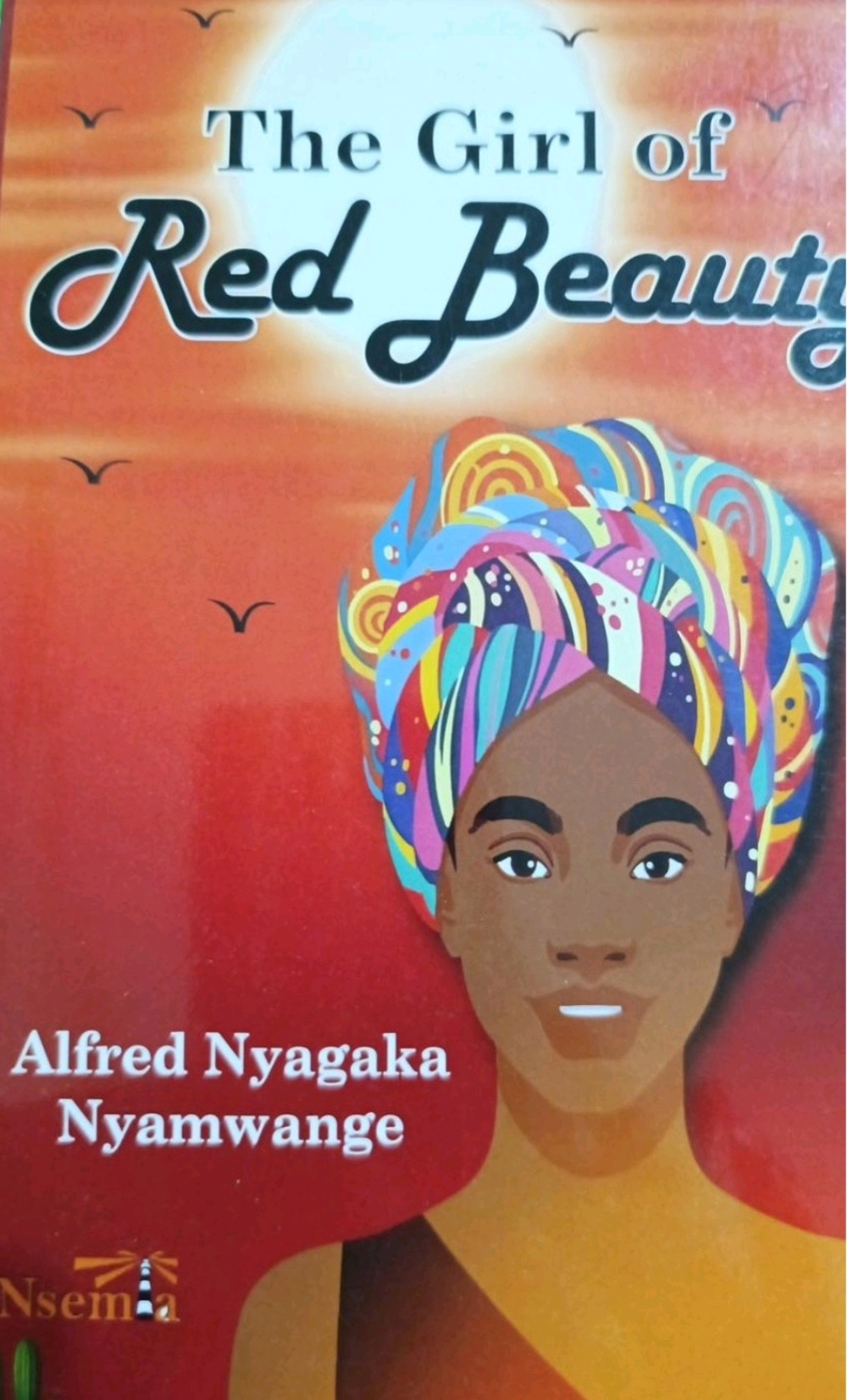
  THE GIRL OF RED BEAUTY  What does it mean to belong to a people, and how can a community preserve its identity when the voices of its ancestors begin to fade beneath the pressures of modernity? In The Girl of Red Beauty, Alfred Nyagaka Nyamwange invites readers into the cultural universe of the AbaGusii through a sustained poetic engagement with the community’s oral traditions, beliefs, social practices and philosophies. Presented in thirteen chapters of verse, the work draws upon songs, proverbs, sayings, stories, play games and the rhythms of everyday life in the Gusii highlands. Its poetic world follows the human journey from birth and childhood through initiation and marriage to old age and death. Along the way, it evokes relationships between individuals, families, the land, the ancestors and the divine. The girl at the centre of the work becomes a poetic point of entry into a much wider cultural landscape: a world shaped by communal memory, inherited wisdom, social expectations and changing relationships. The collection is distinctive in its creative negotiation between written poetry and African orature. Its language draws on indigenous expressions and direct translations from EkeGusii, bringing local imagery and proverbial thought into English. Songs, performance rhythms and the imagined presence of the lyre and drum give the written verse an oral energy, inviting readers not merely to observe the culture but to hear, sing and imaginatively participate in it. The Girl of Red Beauty is both a literary work and an act of cultural remembrance. It does not present tradition as a museum piece; rather, it opens a space for considering cultural continuity, the tensions between inherited practices and contemporary life, and the responsibility of transmitting indigenous knowledge to future generations. Rooted in Gusii experience yet attentive to wider questions of identity and belonging, the book offers international readers an encounter with the imaginative resources of an African community. A poetic celebration of identity, a preservation of memory and an invitation to return to the living sources of cultural knowledge. THE FOOTFALLS OF MY HEART  Love may begin with attraction, but in a traditional community its consequences reach far beyond two individuals. In The Footfalls of My Heart, Alfred Nyagaka Nyamwange presents a narrative poem that explores courtship and marriage in the cultural world of the AbaGusii, giving particular prominence to the voice, perspective and agency of the bride. The poem centres on Gechemba and Rimura. Rimura is a celebrated warrior and prospective groom whose reputation, strength and determination do not automatically guarantee success in love. Gechemba is a young woman who observes, questions, teases and responds to the man seeking her affection. Through her perspective, the reader encounters the emotional play of attraction, hesitation, playful resistance and growing attachment. The courtship becomes a spirited exchange in which wit and persuasion matter alongside status and material wealth. Beyond the romantic encounter, the work traces the social processes through which marriage connects families and lineages. It evokes the meeting between prospective partners, family introductions, negotiations over bride wealth, preparations, marriage rituals, songs, communal celebrations and the incorporation of the bride into a new household. Cattle and other forms of bride wealth carry meanings that extend beyond payment: they express commitment and create networks of relationships between families. The poem is rich in EkeGusii expressions, proverbs, indigenous imagery, humour and the rhythms of oral performance. It draws on cultural memory while allowing readers to consider the values and tensions embedded in marriage practices. The bride’s voice is especially important: she is not simply an object of pursuit but a participant whose response, judgement and choice shape the unfolding relationship. As a companion to The Girl of Red Beauty, this work extends Nyamwange’s poetic exploration of Gusii cultural life. Where the earlier poem approaches the community through a girl’s growth and the wider cycle of life, The Footfalls of My Heart foregrounds the woman’s perspective in the journey towards marriage and family continuity. A warrior pursues; a woman responds and chooses; families negotiate; a community gathers. The Footfalls of My Heart is a poetic exploration of love as both an intimate emotion and a communal bond. THE BROKEN COLUMN  What happens when a society’s established ways of life encounter forces that challenge its institutions, beliefs and sense of identity? The Broken Column by Alfred Nyagaka Nyamwange is a historical and cultural novel set in the world of the AbaGusii, tracing the experiences of a warrior and the wider transformations of his community. At the centre of the narrative is Okeyo, a young man renowned for courage, physical strength and exceptional skill. His reputation as a warrior places him within a social order that values protection, honour, responsibility and service to the community. Yet Okeyo’s life is not a simple succession of heroic achievements. His relationships, personal struggles, choices and encounters with adversity expose the vulnerabilities beneath the public image of the fearless warrior. His destiny is shaped by the demands of his calling and by the changing circumstances of the society around him. The novel evokes a community organised through kinship, village life, ancestral expectations, warrior traditions and collective obligations. Its landscape is not merely a backdrop: it is a lived environment in which cattle, homesteads, social relations and communal security carry cultural significance. Okeyo’s experiences intersect with those of other people, particularly the women whose presence and decisions influence his path. A profound historical change gathers around this personal story. The arrival of foreign authority, missionary Christianity and colonial power unsettles the foundations of the community. Established loyalties are questioned; inherited practices encounter new religious and political claims; and individuals must negotiate the competing demands of continuity, resistance and accommodation. The meaning of courage itself becomes uncertain as the society confronts a future it cannot fully control. The Broken Column therefore operates on two connected levels: it is the story of a man whose life contains both achievement and vulnerability, and the story of a people experiencing a difficult historical transition. Through its engagement with masculinity, identity, power, faith, tradition and colonial encounter, the novel invites readers to consider what happens when the structures that sustain a community begin to fracture.…

Dance in Silence, Poem by Anwar Rahim

They speak without a sound Their steps upon the ground No music needs to play Their hearts still find the way Two shadows in the light They hold each other…

اترك تعليقاً

لن يتم نشر عنوان بريدك الإلكتروني. الحقول الإلزامية مشار إليها بـ *