 thesilkroadtoday
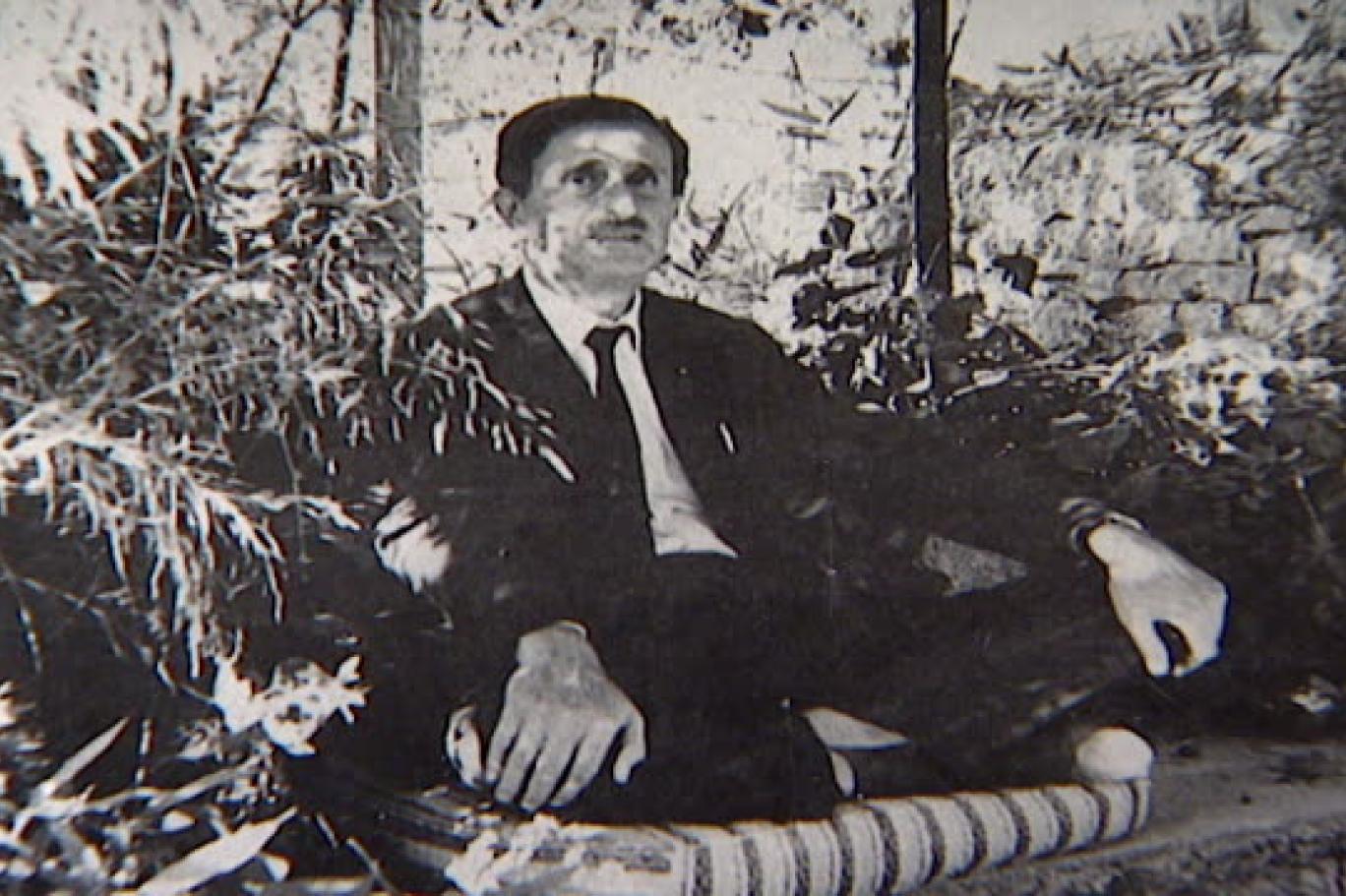
أكانت أقدارُك مًؤجَّلة في أيقاعيَّة مملكة الورد؟
أكنتَ الوجوديَّة، أم قبسٌ من نورانيَّة الوجود؟
أكُنتَ ثورة من ثمانية وأربعين عاماً، من غياب جسدي؛ وبُرهةٌ في سجودك “الكمال”؛
أسمعك تستدعي الحياة كهباء يطفو:
“لم يبقَ منه سوى طُهر الطاقة.
ليأتِ النسيان
فأنا لم يعد لديَّ شكلٌ
جسدي هذا جسدُك هذا لا شيء
انفض عنِّي وعنك..” .
أكُنتَ ربع قرن من الصوت الساكِن في أغوار الفؤاد؟!
فـ “أيَّتُها الأمواج الراقصة توقَّفي! واصغي إلى صوت حبيبي” .
أكُنتَ “ثورة في عالم الإنسان”، حينما تتجسَّد الرياضة الروحانيَّة مُنقيةً داخلك الوجداني المُتحرِّر.
“أُغنِّي مثل كروان
يتمرى في المياه
جاثماً فوق صفصافة باكية” .
“ومن لم يكن قد اتصل في أعماقِهِ، بروحِ التطوُّر الحي، بروح الحياة، بنور الوجود الّذي تنزَل فيه أو استشفَّهُ، من خلال استطلاعِهِ، فكيف يستطيع أن يحتضن في نفسهِ روح الثورة الحقيقية روح النصر؟ هذه أولى المبادرات في حقل الانطلاق البنَّاء” .
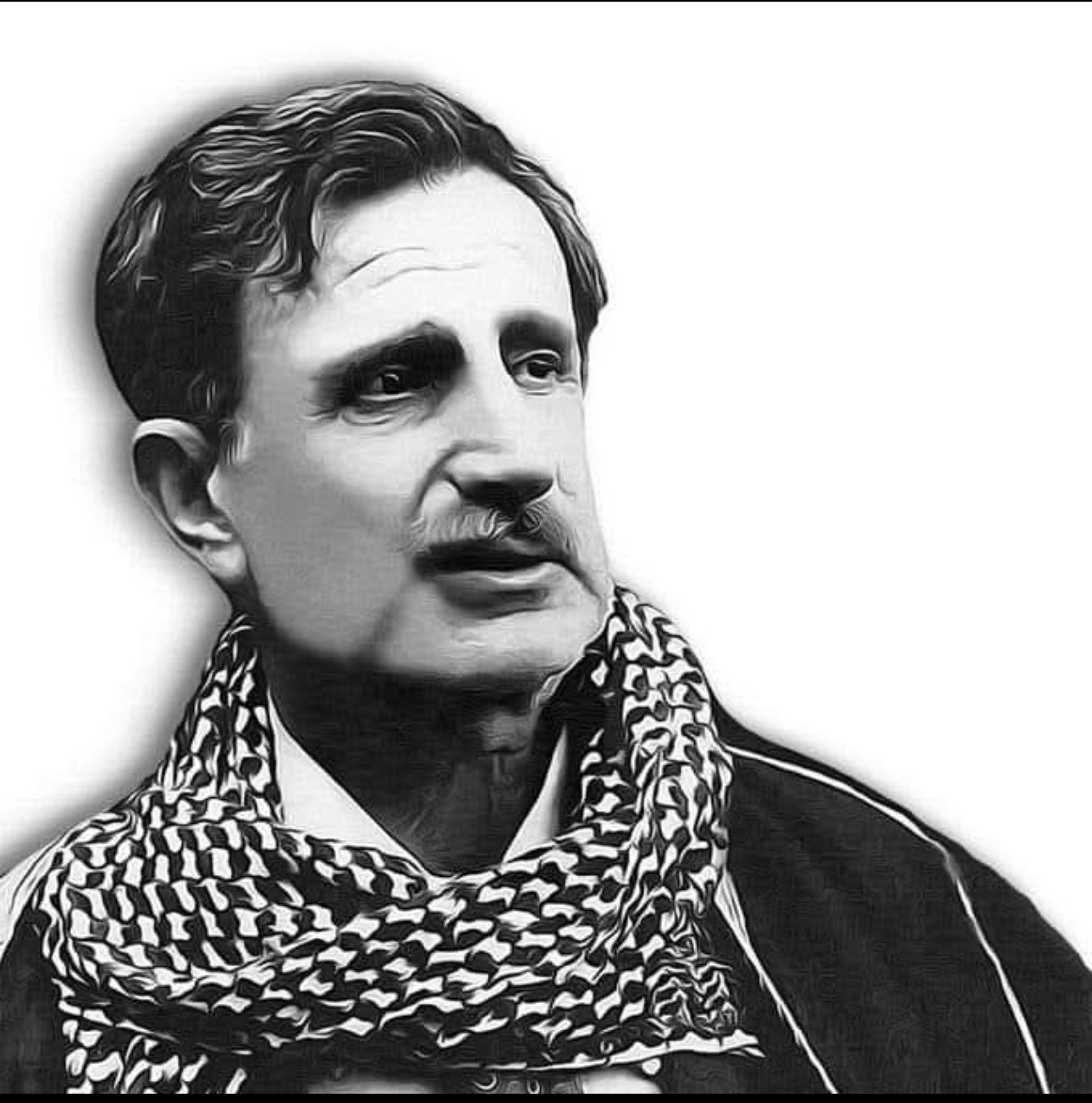
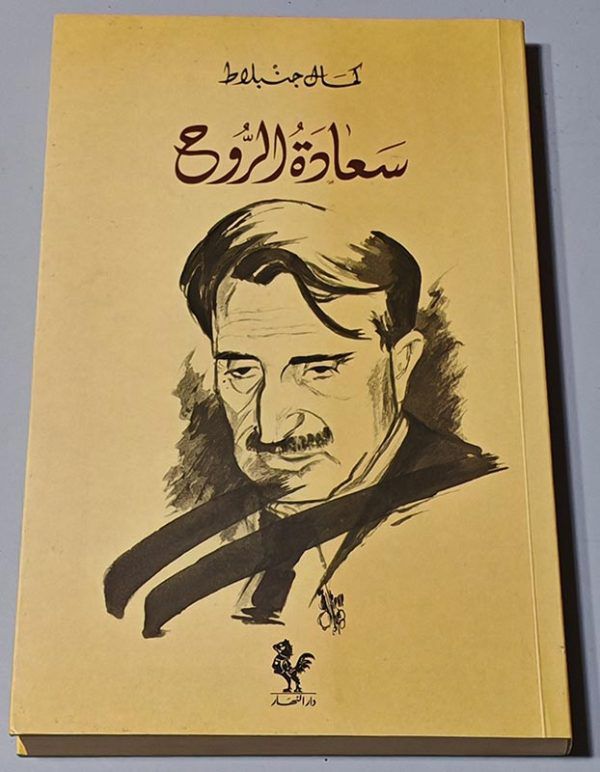
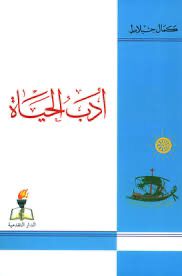
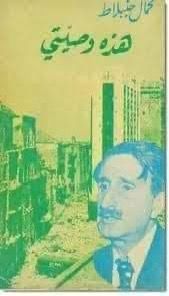

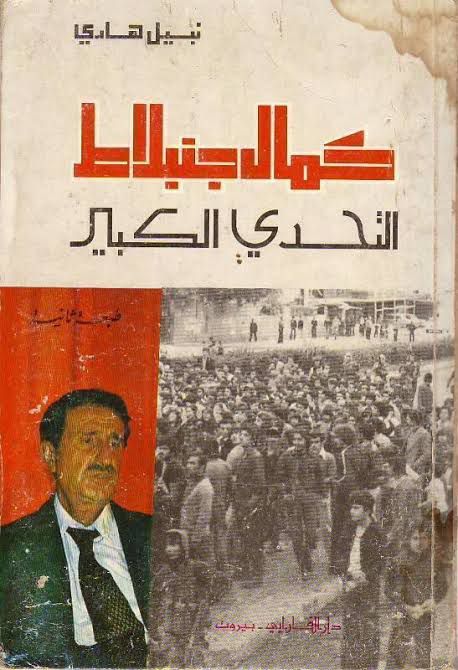


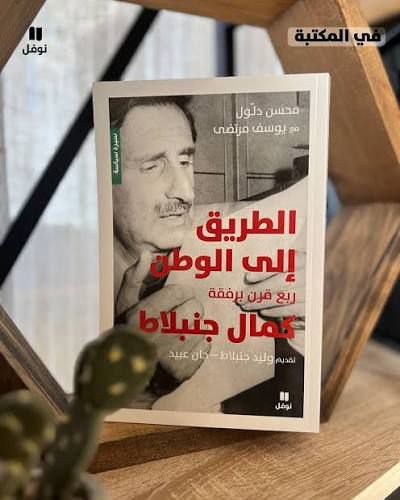
فلطالما اهتمَّت الوجوديَّة بحركيَّة الإنسان وحُرِّيتهُ، موحِّدةً بينها وبين وجوده. وشكَّلت الوجوديَّةُ مساراً ثوروياً على الفلسفات التقليديَّة ومرجعياتها، تلك الَّتي اهتمَّت بما هو موجود في الوجود، من مبادئه الأولى وعِللِهِ البعيدة.
أكُنتَ تصاوير يقظة في الوعي الكوني، تجسيدَ انعتاق؟!
تستقرئ وجودك بفيض النور:
“عندما أكون طاهراً، ينسكبُ جمالي منك، أيُّها المولى،
ويحبونني.. لأنَّهم يرون فيَّ شيئاً منكَ
لأنَّني ليلُ فرحِك”.
ومِمَّا لا شكَّ فيه أنَّ “الكمال” شكَّل في ما تشكَّلت في شخصه، من ثوابت إنسانيَّة، وفي سعيه الدؤوب في معارج النورانيَّة والحقيقة، الَّتي تنحو باتجاه اضمحلاله الوريدي في الطبيعة الغنَّاء، وتجذُّره في التُراب؛ فأينما أينعت أفكاره ومفاهيمه وُجد، ليُلاقي كُلُّ إنسان في صيرورة عيشه في الحياة الدُّنيا.
لذا تتجلَّى فاعليَّة “الكمال” في إشاراته البليغة المُكثَّفة حول الوجود المُطلق لله. والحمد لله.
بيد أنَّ هذا الإنبناءِ الإشاريِّ في تشكُّل شخصِه وفِكره وعيشه الوجودي، ظلَّ يتفاعل كونيَّاً مع مفهومِه للعقل الكُلِّي، وللوعي الإيماني، ولتجربة الإنسان، من ألم وفرح، من انهزام وانتصار، من سأمٍ وانشراح، ضمن تنامٍ طبيعي لقوَّة المنطق في ذاته، وانطلاق فاعلية التسليم لله (عزَّ وجل) وبمشيئته.
ومن الملهم أن يُعمل الناظر تفكيره في شؤون المدارس الفلسفيَّة، مُستقرئاً تتابعيَّة أفكار فلسفة المُحدثين الَّتي دارت حول التطرًّقِ إلى تحديد العلاقة الَّتي تربِطُ بين العقل وموضوعاتهِ، لينشطر الوجود ما بين الفلسفة القديمة والحديثة. فالواقعيون مّمَّن جعلوا وجود الأشياء الخارجيَّة مًستقلاً عن الذَّات العارفةِ؛ بينما المثاليون فقد علَّقوا وجودها على القِوَى الَّتي تُدرِكُها.
لذا أستلهمُ من الحكيم البوذي، هذه الاشارة المعياريَّة، الواردة في النص التالي، تدليلاً على فاعليَّة التأمُّل والوعي المُتحرِّر من الخوف، العابر فوق جثة النهر، في ذَّاته العارفة:
He is awake.”
The victory is his.
He has conquered the word.
**
He is awake.”
And finds joy in the stillness of meditation
And in the sweetness of surrender.
Hard it is to be born,
Hard it is to live,
Harder still to hear of the way,
And hard to rise, follow and awake.
**
Live in your heart.
Seek the highest consciousness.
The rain could turn to gold..
**
He who wishes to awake
Consumes his desires
Joyfully
**
Then at last he is safe
He has shaken off sorrow.
He is free.
The awakened are few and hard to find.
Happy is the house where a man awakes.
Blesses is his birth.
Blessed is the teaching of the way.
Blessed is the understanding among those who follow it,
And blessed are they who revere
The man who awakes and follows the way.
They are free from fear.
They are free.
They have crossed over the river of sorrow”
كمال
أكنتَ الوجوديَّة، أم قبسٌ من نورانيَّة الوجود؟
أم كُنتَ المتوحِّد في الـ “فرح”، إذ ما طفتَ حول السجود ، في مكَّة الحق.
“كما تدور الأفلاك حول البيت العتيق،..
في صلاة المُتصوِّفةِ المسلمين،
وفي استشراف سورة النُّور
ولنرفع مع النصارى قُربان الوجود” .
ههُنا ترصِدُ الفلسفةُ الوجوديَّةُ، أنَّ الفلسفة في تيهٍ عن مُرتكزها الأساس: ألا وهو الإنسان الواقعيٌ المشخَّص. فالوجوديَّة في الكمال تستلهم من الحِكمة، إذ يُعبِّر:
“دع الدُنيا وهي شيءٌ تراهُ عيني تتحطَّمُ
دع الهباء يطفو
ولا يبقى
سوى النقطة، النقطة من غير مكان حتَّى ولا هباء” .
ويتمظهر جوهر “الكمال”، بذاته الإنسانيَّة المُوحِّدة في الكون، جوهريته الروحانيَّة، وندائه للحب الالهي.
“أحبُّك مولاي، حبَّاً يحطِّم
قيد الله، وقيد العبيد” .
بينما يتجسَّد “الكمال” متصوِّفاً يبغي حُبَّ الله، ومثلما نبتة القمح تُحيكها يد الإله؛ فتنجلي القيمة اللاهوتية عبر فيضٍ من الالهام الشعري:
“حياة الإنسان
هي كحياة البذرة
المطمورة في الأديم
هي .. إله القمحِ
الَّذي يتحوَّل
إلى نبتةٍ
وثمَّ إلى سُنبُلةٍ
تحمِلُ السماء والشمس والنجوم
في حبوبها” .
مُنشِداً كروان الانعتاق:
“فلا يرى أحد غيرك
في بهائك
حنانيك مولاي”.
“مولاي، أدر مرآة وجودي نحوكَ
لكي لا يعود يُبصرُكَ أحد سواك
هذه السواقي مولاي،
مولاي، دنياك هذه
هي من حُلم نفسي..” .
“هو ربيعُك مولاي
وليست روحي سوى زهرة تفتقت من التُراب
في مسيرة ربيع قدميك” .
**
“يا حبيبي أنا نور من نور نسجتهُ يد الكواكب،
فيا حبيبي، أحصد سنابل النور”.
**
يا “الكمال”
أيُّها البهي، بحركيَّتك المتواصلة أنشودةً عنبريَّة تعبر نهر الأحزان.
أكانت أقدارُك مًؤجَّلة، حبيبي، أقحواناً وزنبقاً و.. جوهر.
****
* أُسْتَاذةُ النَّقْد الأَدَبِيّ المعاصر وأدب ما بعد الحداثة، والأدب المُقارن، ومنهجيّة البحثِ فِي كليَّة الآدابِ والعُلومِ الإنسانيَّة في الجامعة اللبنانيَّة _ الفرع الأوّل