Trending News:مهرجان كستريتش الدولي للشعر يفتتح دورته الثانية عشرة في كينياA Day of Friendship in Riogembo Village, Kenyaيومٌ من الصداقة في قرية ريوجيمبوالكَوّنُ في ذاتِهِ … قصيدة للشاعر پیشوا کاکائيPOET AND THE WARTales from Our Streets: The Poetry of Everyday Life in Abdel Razek Okasha’s Parisحكايات من شارعنا: شعرية الحياة اليومية في باريس عبد الرازق عكاشةMadam Sabena: THE VOICE OF MOTHERSRANTAU AND RHYTHM: WHEN POETRY BECOMES A HOMEشعر بلا حدود: مهرجان كستريتش الدولي للشعر في دورته الثانية عشرة (حوار مع د. كريستوفر أوكيموا)Freedom, Responsibility, and Renewal: Literature Must Remain Humanity’s Most Courageous ConversationGolden Papyrus Award Announces Three New Laureates from Syria, Saudi Arabia, and Kenyaجائزة البردي الذهبي تعلن أسماء ثلاثة فائزين جدد من سوريا والسعودية وكينياThey Were Returning HomeCaroline Laurent Turunc… The Poetess of Light brings her story from Antakya to children around the worldكارولين لوران تورونك… شاعرة النور تحمل حكايتها من أنطاكية إلى أطفال العالمJapanese Ambassador Ueno Atsushi Welcomes Natalia Tjahja Ahead of Asian Para Games Aichi NagoyaKEDA Welcomes President El-Sisi’s Visit to South Korea, Hailing a New Era of Strategic Partnership and Economic Cooperationاتحاد الكتاب الأذربيجانيين يحتفي الترجمة الأذرية لرواية أشرف أبو اليزيد «شماوس» في باكوAzerbaijani Writers’ Union to Celebrate Azerbaijani Translation of Ashraf Aboul-Yazid’s Novel Shamawes in Bakuالمفتاح والمزاح … السلوكيات : الطرح والحلولبستان حسام … رسالة العمل وآفاق الاتقانMemory That Defeats Death – An Interview with Alexandra Ochirovaالذاكرة التي تنتصر على الموتثلاث ليالٍ وليلة… مجموعة قصصية تستكشف عتمات النفس البشرية Poetry Without Borders: Inside the 12th Kistrech International Poetry Festival (Interview)SAHILIANA: An Anthology of the Poetry of Es-Sahili and His Descendants Celebrating 680 Years of Poetic Heritageالاتحاد الاقتصادي الأوراسي – الإمارات العربية المتحدة: جسر تجاري جديد لأوراسيا الكبرىآثار مصر القديمة في قازان تستعيد حياة جديدةخلف الشاشة … الهواية وخارطة الطريق فوفو جرة حكي … جدلية الطرح والحلول Maldives Sports Minister and Indonesia’s NOC Stand Behind 100 CTFP for Para AthletesTwo Significant Publications on Indian Architecture, Urbanism and Heritageشاعر الكلمة المقاتلة … إفندي منصوروفيتش كابييفبعد سبع سنوات على وفاته.. إحياء ذكرى الشاعر المكسيكي إنريكي سيرفين بقراءة قصائد في «إل خونكو»فيل في الغرفة!100 Libri d’Autore: A Literary Bridge of Words Connecting Authors, Readersحين تجلس الكاميرا في مقعد القاضيПамять, время, семья, история и Родинаقراءة نقدية في ديوان ألكسندرا أوتشيروفا “الكونية الروسية: الذاكرة”A Critical Reading of Alexandra Ochirova’s Russian Cosmism: MemoryPoetry, Academia and the Silk Road Converge at Shaanxi CollegeNutifafa Takes the Mic at UniMAC Freshers’ JamInterview with Paola Carletti, conducted by Gioia LomastiInterview with Simona Righi – Siris Mosaiciأولوغبيك يسداوليتوف (قصائد مختارة)الأمثال الشعبية في المنطقة الشرقية للمملكة المغربية … حين تتحول الذاكرة الشعبية إلى كتابPAWA Quarterly Newsletter Highlights a Dynamic Season of African Literary and Cultural Engagementسجادة السعادة … ثقافة العمل والتدين تقديم كتاب الأكاديمية ألكسندرا أوتشيروفا «الكونية الروسية… الذاكرة» في القاعة البيضاء بأكاديمية الفنون الروسيةPRESENTATION OF THE BOOK BY RAH ACADEMICIAN A. V. OCHIROVA, “RUSSIAN COSMISM… MEMORY,” IN THE WHITE HALL OF THE RUSSIAN ACADEMY OF ARTSKnowledge, Character and National Service: The Educational Thought of Swami Ramanand TirthHomeland : A New Anthology Brings Together 140 Poets of Mongol HeritageMongolia and Egypt Explore New Horizons for Agricultural CooperationThe Rhythm of Vietnam to Celebrate 2026 International Translation Day Award Recipients in Ho Chi Minh CityKistrech International Poetry Festival 2026: Poets from Around the World Gather in Kenyaكينيا: ثلاثة شعراء عرب في مهرجان كستريتش الدولي للشعرKistrech International Poetry Festival: Kenya Welcomes the World Through PoetryLITERARY OCTOBER OF CUBAPOESIA BRINGS WRITERS, POETRY AND COMMUNITY CULTURE TO HAVANAAn Albanian Translation of a Nepalese ArticleMOROCCO TO LAUNCH HOUSE OF BOOK WORLDS IN RABAT, CREATING A PERMANENT HOME FOR GLOBAL LITERARY EXCHANGEحكاية خيط … حديث الحرف وأفقها ثلاثة ثعالب ذكية … جدلية الطقوس والمعارفعالم رمادي … جدلية الواقع وأفق الحلولمن يسرق دجاج أمي؟Lens ‘W’ Life: Colours of Sindh — When the Camera Becomes a Witness14 لجنة بارالمبية وطنية وMSN ماليزيا تدعم مبادرة 100 CTFPFourteen National Paralympic Committees and MSN Malaysia Support 100 CTFPThe Silent Verse by Gioia Lomasti, an Unrepeatable Unicum in the Contemporary Poetry Scene — A Review by Luciano Domenighiniفي طبيعة الوجود ومكاننا في الكون: بحث فلسفيالأستاذ الدكتور سليمان الحويلي محاضرًا عن مملكة ماريOn the Nature of Existence and Our Place in the Universe: A Philosophical Treatiseإديار موكانبيتوف | فيشار سنوات الحربAn Interview with Bartolomeo Theo Di GiovanniCao Shui Congratulates Five Translators Honoured by The Rhythm of VietnamAshraf Aboul-Yazid in a Television Interview on Russia, China, Mongolia and the Future of Creative Translationالترجمة بوصفها جسراً حياً بين الثقافاتThe Symbolic Depiction of Strength Towards WisdomThe Musketeers of Truth: Journalism Without BordersInternational Translation Day 2026: Five Translators Honored by The Rhythm of VietnamWhen the Gallery Loses Its Monopoly“Şəmaus” by Ashraf Aboul-Yazid in Azerbaijani: A New Literary Bridge Between Egypt and Azerbaijanرواية أشرف أبو اليزيد (شماوس)… جسر أدبي جديد بين مصر وأذربيجانالأدب جسر بين الثقافات والشعوب: القسم الدولي من مشروع 100 كتاب 100 مؤلفLiterature as a Bridge Between Cultures and Peoples: The International Section of 100 Libri d’Autoreندوة لتراث فاروق آباد العربي وتدشين كتاب محمد كوتاشيري؛ رحلة علم وعطاء Symposium on “Arabic Legacy of Farookabad”& Book Release Ceremonyالناشر الهندي سوبريو تشاكرابورتي في حوار مع أديتي داسغوبتاSanctuary Of The Soul | A Poem by Anwar RahimKATO, New novel by Hussain Abdel-RahimVetrina delle Emozioni Presents: I Racconti di Azzurrina by Daniela ContiEmanuele Marcuccio’s New Book: Wonder and Amazement: Aphorisms and ThoughtsTunisian-French Poet Arwa Ben Dhia Awarded at the Grand Prix de Poésieعلى خطى غوميليوف… الفن يستعيد رحلة الشاعر الروسي إلى إفريقياجويا لوماستي تحاور الكاتب الإيطالي لويجي أنجيلينو ضمن مشروع «100 كتاب 100 مؤلف»سفير مصر لدى روسيا يزور تتارستان Cao Shui Wins World Writers Laurel Award in Moscowالسرد البصري بوصفه أداة لبناء الحياة: كيف تعيد حكايات الشاشة تشكيل الواقعNigerian Playwright Esther Adelana Reaches Russian Readers Through Silk Road Literary Exchangeبوليفيا وشيلي توحّدهما قصة حب في مواجهة السرطان
Trending News:مهرجان كستريتش الدولي للشعر يفتتح دورته الثانية عشرة في كينياA Day of Friendship in Riogembo Village, Kenyaيومٌ من الصداقة في قرية ريوجيمبوالكَوّنُ في ذاتِهِ … قصيدة للشاعر پیشوا کاکائيPOET AND THE WARTales from Our Streets: The Poetry of Everyday Life in Abdel Razek Okasha’s Parisحكايات من شارعنا: شعرية الحياة اليومية في باريس عبد الرازق عكاشةMadam Sabena: THE VOICE OF MOTHERSRANTAU AND RHYTHM: WHEN POETRY BECOMES A HOMEشعر بلا حدود: مهرجان كستريتش الدولي للشعر في دورته الثانية عشرة (حوار مع د. كريستوفر أوكيموا)Freedom, Responsibility, and Renewal: Literature Must Remain Humanity’s Most Courageous ConversationGolden Papyrus Award Announces Three New Laureates from Syria, Saudi Arabia, and Kenyaجائزة البردي الذهبي تعلن أسماء ثلاثة فائزين جدد من سوريا والسعودية وكينياThey Were Returning HomeCaroline Laurent Turunc… The Poetess of Light brings her story from Antakya to children around the worldكارولين لوران تورونك… شاعرة النور تحمل حكايتها من أنطاكية إلى أطفال العالمJapanese Ambassador Ueno Atsushi Welcomes Natalia Tjahja Ahead of Asian Para Games Aichi NagoyaKEDA Welcomes President El-Sisi’s Visit to South Korea, Hailing a New Era of Strategic Partnership and Economic Cooperationاتحاد الكتاب الأذربيجانيين يحتفي الترجمة الأذرية لرواية أشرف أبو اليزيد «شماوس» في باكوAzerbaijani Writers’ Union to Celebrate Azerbaijani Translation of Ashraf Aboul-Yazid’s Novel Shamawes in Bakuالمفتاح والمزاح … السلوكيات : الطرح والحلولبستان حسام … رسالة العمل وآفاق الاتقانMemory That Defeats Death – An Interview with Alexandra Ochirovaالذاكرة التي تنتصر على الموتثلاث ليالٍ وليلة… مجموعة قصصية تستكشف عتمات النفس البشرية Poetry Without Borders: Inside the 12th Kistrech International Poetry Festival (Interview)SAHILIANA: An Anthology of the Poetry of Es-Sahili and His Descendants Celebrating 680 Years of Poetic Heritageالاتحاد الاقتصادي الأوراسي – الإمارات العربية المتحدة: جسر تجاري جديد لأوراسيا الكبرىآثار مصر القديمة في قازان تستعيد حياة جديدةخلف الشاشة … الهواية وخارطة الطريق فوفو جرة حكي … جدلية الطرح والحلول Maldives Sports Minister and Indonesia’s NOC Stand Behind 100 CTFP for Para AthletesTwo Significant Publications on Indian Architecture, Urbanism and Heritageشاعر الكلمة المقاتلة … إفندي منصوروفيتش كابييفبعد سبع سنوات على وفاته.. إحياء ذكرى الشاعر المكسيكي إنريكي سيرفين بقراءة قصائد في «إل خونكو»فيل في الغرفة!100 Libri d’Autore: A Literary Bridge of Words Connecting Authors, Readersحين تجلس الكاميرا في مقعد القاضيПамять, время, семья, история и Родинаقراءة نقدية في ديوان ألكسندرا أوتشيروفا “الكونية الروسية: الذاكرة”A Critical Reading of Alexandra Ochirova’s Russian Cosmism: MemoryPoetry, Academia and the Silk Road Converge at Shaanxi CollegeNutifafa Takes the Mic at UniMAC Freshers’ JamInterview with Paola Carletti, conducted by Gioia LomastiInterview with Simona Righi – Siris Mosaiciأولوغبيك يسداوليتوف (قصائد مختارة)الأمثال الشعبية في المنطقة الشرقية للمملكة المغربية … حين تتحول الذاكرة الشعبية إلى كتابPAWA Quarterly Newsletter Highlights a Dynamic Season of African Literary and Cultural Engagementسجادة السعادة … ثقافة العمل والتدين تقديم كتاب الأكاديمية ألكسندرا أوتشيروفا «الكونية الروسية… الذاكرة» في القاعة البيضاء بأكاديمية الفنون الروسيةPRESENTATION OF THE BOOK BY RAH ACADEMICIAN A. V. OCHIROVA, “RUSSIAN COSMISM… MEMORY,” IN THE WHITE HALL OF THE RUSSIAN ACADEMY OF ARTSKnowledge, Character and National Service: The Educational Thought of Swami Ramanand TirthHomeland : A New Anthology Brings Together 140 Poets of Mongol HeritageMongolia and Egypt Explore New Horizons for Agricultural CooperationThe Rhythm of Vietnam to Celebrate 2026 International Translation Day Award Recipients in Ho Chi Minh CityKistrech International Poetry Festival 2026: Poets from Around the World Gather in Kenyaكينيا: ثلاثة شعراء عرب في مهرجان كستريتش الدولي للشعرKistrech International Poetry Festival: Kenya Welcomes the World Through PoetryLITERARY OCTOBER OF CUBAPOESIA BRINGS WRITERS, POETRY AND COMMUNITY CULTURE TO HAVANAAn Albanian Translation of a Nepalese ArticleMOROCCO TO LAUNCH HOUSE OF BOOK WORLDS IN RABAT, CREATING A PERMANENT HOME FOR GLOBAL LITERARY EXCHANGEحكاية خيط … حديث الحرف وأفقها ثلاثة ثعالب ذكية … جدلية الطقوس والمعارفعالم رمادي … جدلية الواقع وأفق الحلولمن يسرق دجاج أمي؟Lens ‘W’ Life: Colours of Sindh — When the Camera Becomes a Witness14 لجنة بارالمبية وطنية وMSN ماليزيا تدعم مبادرة 100 CTFPFourteen National Paralympic Committees and MSN Malaysia Support 100 CTFPThe Silent Verse by Gioia Lomasti, an Unrepeatable Unicum in the Contemporary Poetry Scene — A Review by Luciano Domenighiniفي طبيعة الوجود ومكاننا في الكون: بحث فلسفيالأستاذ الدكتور سليمان الحويلي محاضرًا عن مملكة ماريOn the Nature of Existence and Our Place in the Universe: A Philosophical Treatiseإديار موكانبيتوف | فيشار سنوات الحربAn Interview with Bartolomeo Theo Di GiovanniCao Shui Congratulates Five Translators Honoured by The Rhythm of VietnamAshraf Aboul-Yazid in a Television Interview on Russia, China, Mongolia and the Future of Creative Translationالترجمة بوصفها جسراً حياً بين الثقافاتThe Symbolic Depiction of Strength Towards WisdomThe Musketeers of Truth: Journalism Without BordersInternational Translation Day 2026: Five Translators Honored by The Rhythm of VietnamWhen the Gallery Loses Its Monopoly“Şəmaus” by Ashraf Aboul-Yazid in Azerbaijani: A New Literary Bridge Between Egypt and Azerbaijanرواية أشرف أبو اليزيد (شماوس)… جسر أدبي جديد بين مصر وأذربيجانالأدب جسر بين الثقافات والشعوب: القسم الدولي من مشروع 100 كتاب 100 مؤلفLiterature as a Bridge Between Cultures and Peoples: The International Section of 100 Libri d’Autoreندوة لتراث فاروق آباد العربي وتدشين كتاب محمد كوتاشيري؛ رحلة علم وعطاء Symposium on “Arabic Legacy of Farookabad”& Book Release Ceremonyالناشر الهندي سوبريو تشاكرابورتي في حوار مع أديتي داسغوبتاSanctuary Of The Soul | A Poem by Anwar RahimKATO, New novel by Hussain Abdel-RahimVetrina delle Emozioni Presents: I Racconti di Azzurrina by Daniela ContiEmanuele Marcuccio’s New Book: Wonder and Amazement: Aphorisms and ThoughtsTunisian-French Poet Arwa Ben Dhia Awarded at the Grand Prix de Poésieعلى خطى غوميليوف… الفن يستعيد رحلة الشاعر الروسي إلى إفريقياجويا لوماستي تحاور الكاتب الإيطالي لويجي أنجيلينو ضمن مشروع «100 كتاب 100 مؤلف»سفير مصر لدى روسيا يزور تتارستان Cao Shui Wins World Writers Laurel Award in Moscowالسرد البصري بوصفه أداة لبناء الحياة: كيف تعيد حكايات الشاشة تشكيل الواقعNigerian Playwright Esther Adelana Reaches Russian Readers Through Silk Road Literary Exchangeبوليفيا وشيلي توحّدهما قصة حب في مواجهة السرطان
“What is Iran today?” With this deceptively simple question, the late President Anwar Sadat offered one of the earliest and most prescient readings of post-revolutionary Iran—not as a state that merely changed its political system, but as one that entered a fundamentally different trajectory.
It was a shift that reordered priorities in a way that elevated slogans above construction, conflict above stability, and rhetoric above reality. In one of his speeches, Sadat captured this transformation with striking clarity:
“When Khomeini assumed power in Iran, the country was exporting 2.5 million barrels of oil per day, generating revenues of $250 million daily. What is Iran today? After two years under Khomeini, they are buying oil with ration cards, and there is no food in Iran. Iran should have been among the richest countries had Khomeini taken this wealth and invested it in building the nation.”
He went further: “The truly dangerous aspect is the exchange of goods between Israel and Iran… everything is reported in the newspapers… Iran officially purchases food from Israel.” He concluded with a pointed observation: “This is Khomeini, who severed relations with Egypt because we opened negotiations with Israel and regained our land.”
These remarks were not merely political criticism. They amounted to a diagnosis of a deeper structural dilemma: what happens when a revolutionary mindset captures a resource-rich state, redirecting it from construction to mobilization, from managing wealth to managing conflict, and from serving society to safeguarding ideology? The central question is not only why Iran declined, but how it thinks as it declines—and how the gap between rhetoric and practice evolves from a passing contradiction into a governing principle.
Mohamed Anwar Al-Sadat
Sadat did not view post-1979 Iran as a state that had simply changed regimes. He understood it as entering a new phase of political reasoning. What occurred in Tehran was not just institutional transformation, but a shift toward a model that treats revolution as a permanent condition rather than a moment, and conflict as a tool of survival rather than a risk to be avoided. It was, in effect, a transition from the logic of the state to the logic of revolution—a revolution that did not confine itself to reshaping the domestic order, but sought to project itself outward, embedding religion within governance and pushing the region toward tension rather than stability.
Decades later, this reading appears less like a polemic and more like an analytical key. Iran is not simply a state reacting to immediate interests; it operates within an underlying conception in which confrontation is not incidental, but intrinsic—part of how the state defines itself and structures its relationship with its surroundings.
At its core, this is not contradiction in the conventional sense, but a governing pattern. Iran combines an ideologically elevated public discourse with pragmatic conduct behind the scenes when necessity dictates. This was not merely theoretical. It was borne out by events such as the Iran–Contra affair (1985–1987), which revealed clandestine arms transactions involving Iran, Israel, and the United States through intermediaries despite declared hostility. U.S. congressional investigations confirmed that Iran obtained American weapons during that period, with part of the proceeds diverted to fund Contra forces in Nicaragua—one of the most complex episodes in modern international relations.
What emerges is a consistent logic: a state that raises the banner of hostility does not hesitate to negotiate when its interests require it, while preserving its ideological discourse because it underpins domestic legitimacy. In this sense, contradiction is not a flaw; it is a tool. It is not temporary duality, but method.
This is precisely what Sadat grasped early on when he linked internal decline with external contradiction. A state governed in this manner does not only lose economic balance; it also loses political clarity. The distinction between principle and tactic blurs, between what is declared and what is practiced, between what is public and what is managed in the shadows. Over time, this duality becomes part of the regime itself—not behavior, but identity.
Iran’s trajectory over more than four decades can thus be read as an extension of what Sadat warned against: a state that does not merely seek resilience, but secures its endurance by keeping its surrounding region in a condition of what might be described as controlled fragility. The Islamic Republic has gone beyond building influence—it has spread ideology, expanded networks, and cultivated militias and proxy structures across multiple arenas. Its internal stability appears tied to fragmenting its external environment, or at least keeping it open to division, tension, and sustained conflict.
In this sense, Iranian influence is no longer simply regional presence; it reflects a broader strategic outlook—one that assumes security cannot be achieved within borders alone, but must be reinforced through the outward projection of instability. Stability, in this framework, is not built on balance but on the management of disorder. Regional stability is not seen as a guarantee of security, but as a constraint on influence.
In contrast, Sadat’s vision represented a fundamentally different conception of the state—one grounded in balance between domestic and external priorities, between power and politics, and between identity and openness. His disagreement with Iran was therefore not merely political, but conceptual. While he saw the state as measured by its ability to deliver stability and development, Iran redefined itself as a state carrying a project that extends beyond its borders—even at the expense of its internal equilibrium and regional stability.
From this vantage point, Iran today cannot be understood without returning to that foundational moment, nor without reading Sadat’s words as an early attempt to grasp a different kind of political mindset—one that does not see the state as an end, but as a vehicle for a broader project.
In Children of Our Alley, Naguib Mahfouz wrote: “Forgetfulness is the plague of our alley.” The tragedy lies not only in states that reproduce cycles of conflict, but in those who continue to view Iran through the lens of the present rather than history—overlooking what ideology has produced, and what revolutionary slogans have become when turned into instruments of influence, fragmentation, expansion, infiltration, and militia-building.
Any serious engagement with Iran begins with memory—not amnesia. The problem is not only that Iran reproduces familiar patterns of disorder, but that many continue to receive it each time as though it were new, stripped of its lessons. In politics, forgetfulness is not innocence; it is the gateway through which old mistakes return, dressed in new forms.
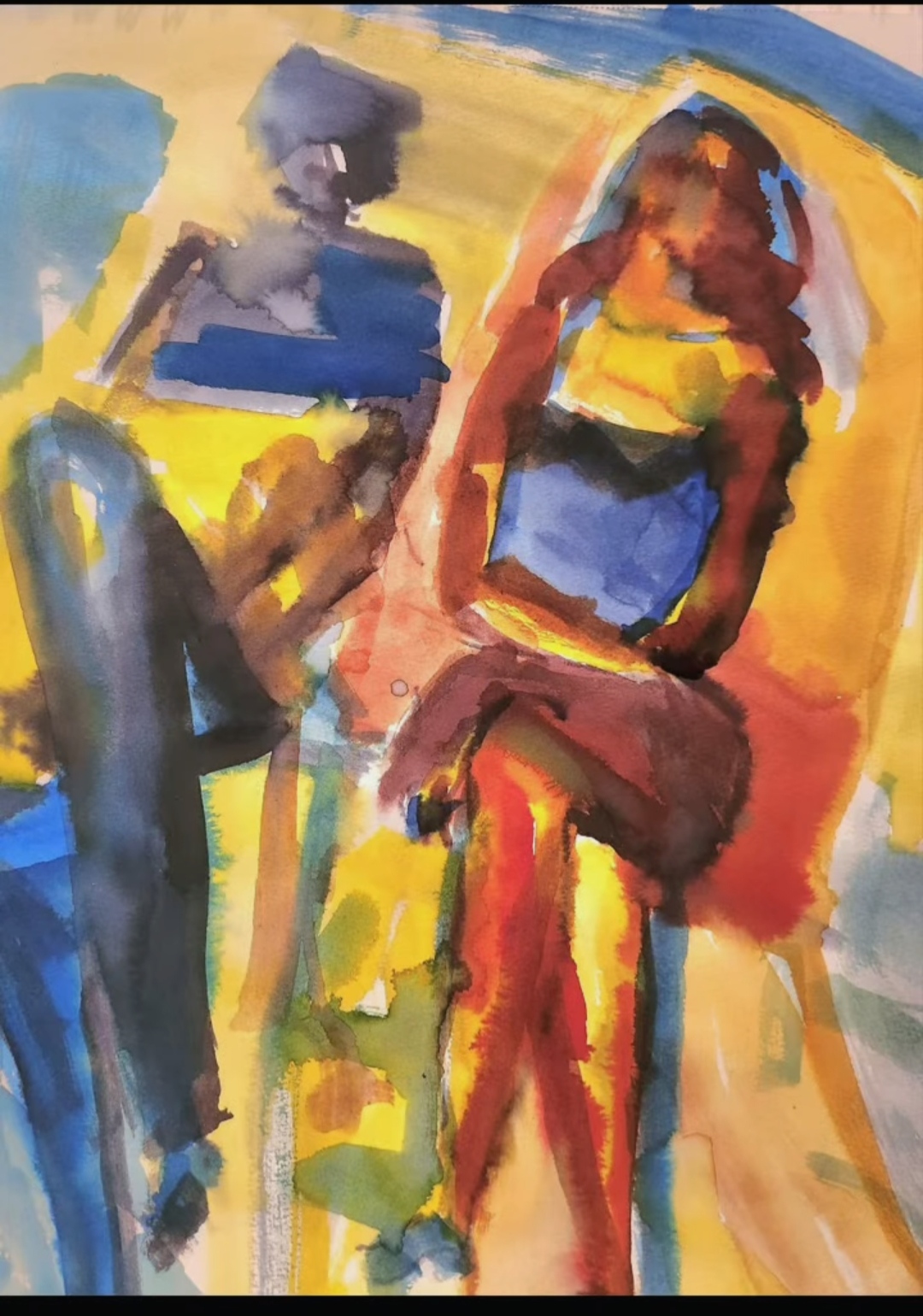
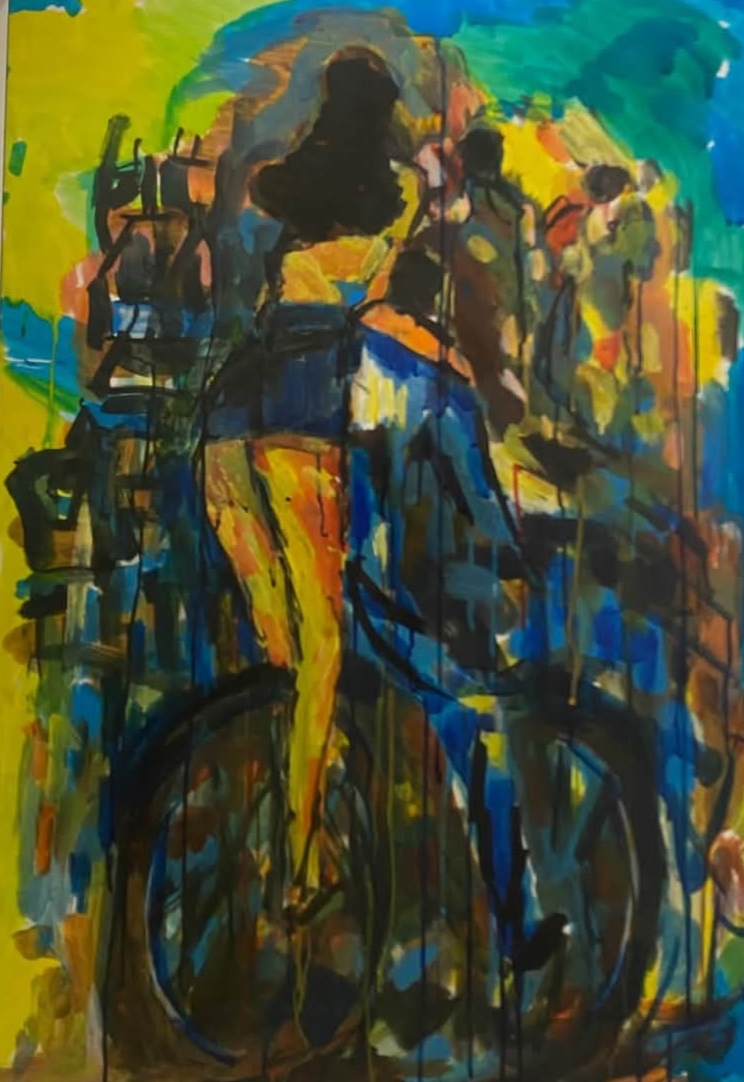
Tales from Our Streets: The Poetry of Everyday Life in Abdel Razek Okasha’s Paris
A Critical Reading of Paintings by Abdel Razek Okasha By Dr. Ashraf Aboul-Yazid In his new exhibition, Tales from Our Streets , the Egyptian artist, novelist, and art critic Abdel…
حكايات من شارعنا: شعرية الحياة اليومية في باريس عبد الرازق عكاشة
قراءة نقدية في لوحات الفنان عبد الرازق عكاشة بقلم الدكتور أشرف أبو اليزيد في معرضه الجديد «حكايات من شارعنا»، يدعونا الفنان التشكيلي والروائي والناقد الفني المصري عبد الرازق عكاشة، مؤسس…
 thesilkroadtoday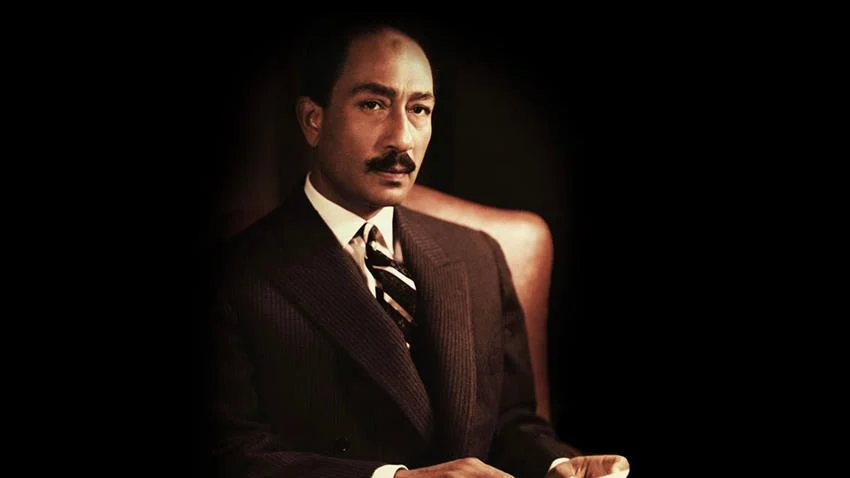
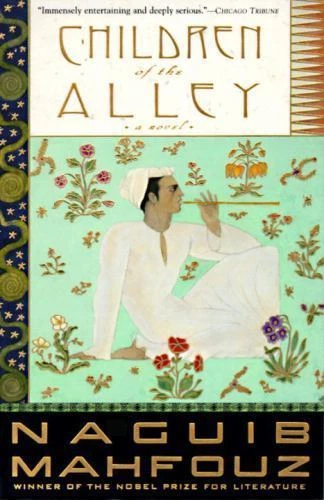 In Children of Our Alley, Naguib Mahfouz wrote: “Forgetfulness is the plague of our alley.” The tragedy lies not only in states that reproduce cycles of conflict, but in those who continue to view Iran through the lens of the present rather than history—overlooking what ideology has produced, and what revolutionary slogans have become when turned into instruments of influence, fragmentation, expansion, infiltration, and militia-building.