 thesilkroadtoday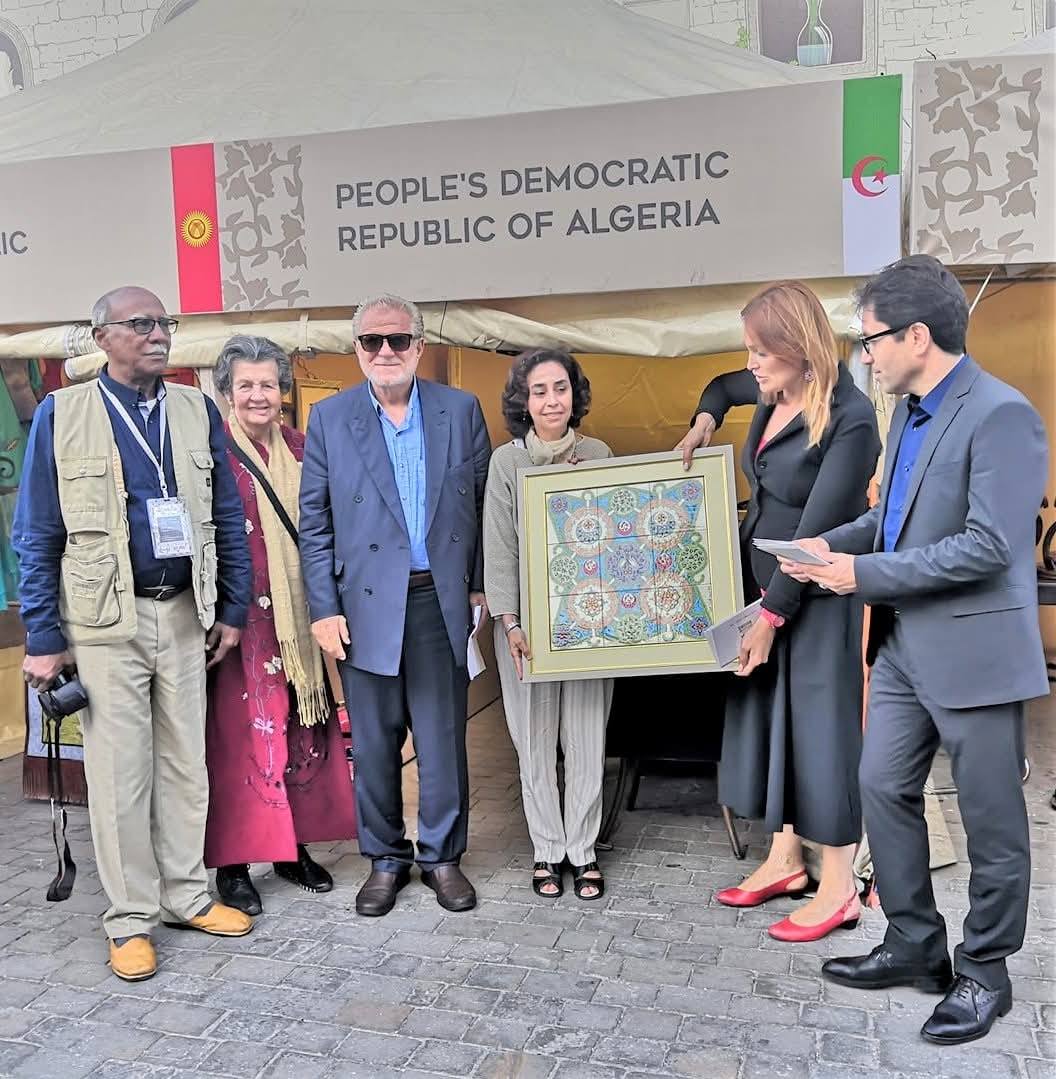
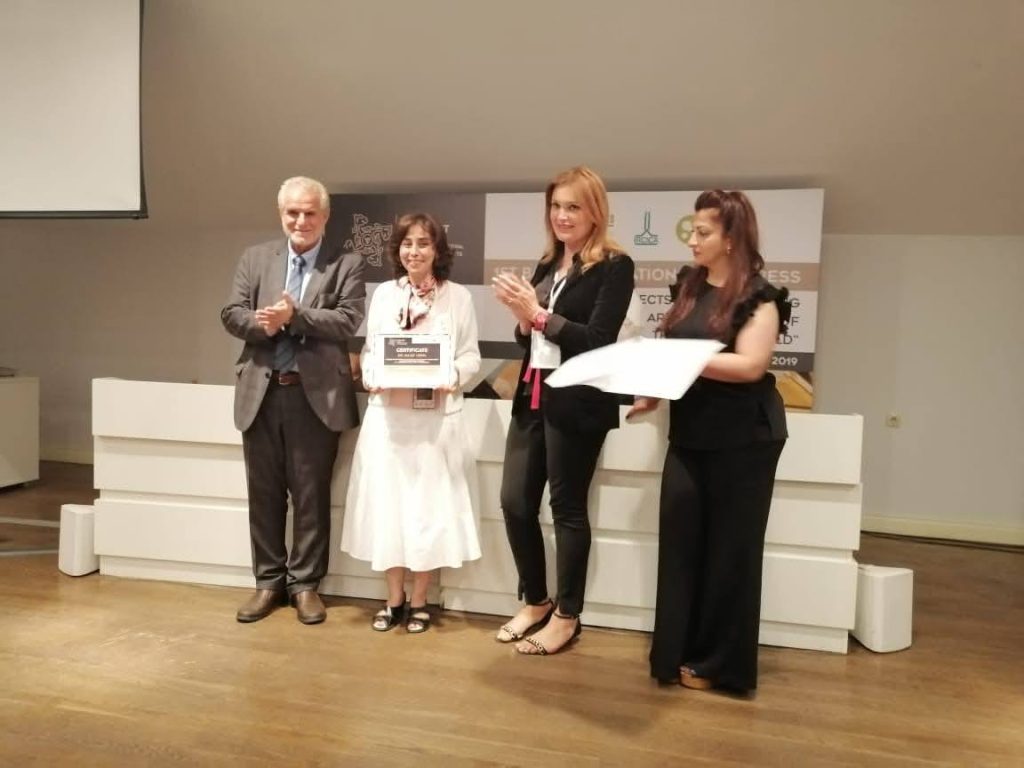
 Algiers – In a remarkable achievement that reflects the intersection of academic research and artistic craftsmanship, Dr. Najet AROUA, Senior Lecturer at the University of Algiers-1, was awarded at the Baku International Award for Innovators in Handmade Products (Ceramics), held in Baku, Republic of Azerbaijan, in 2019.
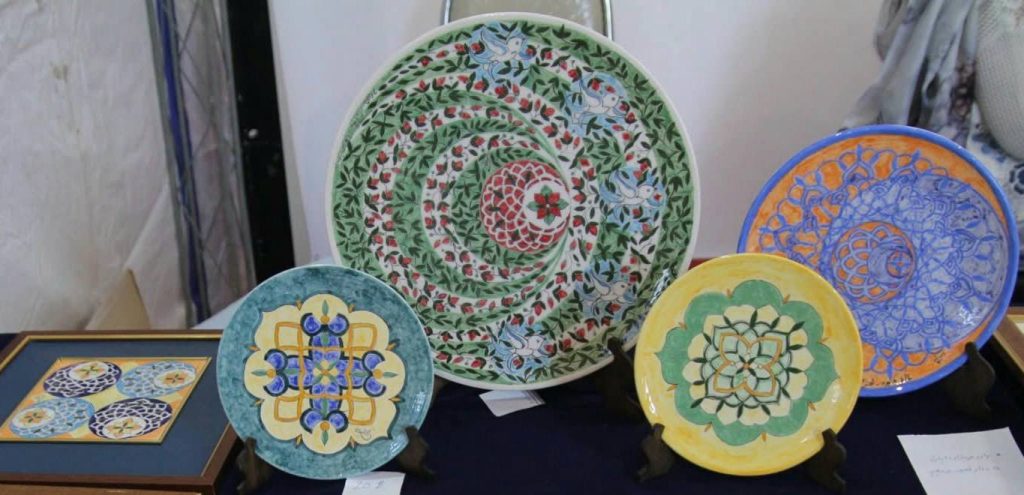 Dr. AROUA is a distinguished scholar in architecture, urbanism, and environmental studies. She holds a degree in Bioclimatic Architecture, a Magister in Architecture & Environment, and a PhD in Urbanism, Architecture & Environment. Alongside her academic career, she is a talented ceramic artist, known for incorporating traditional Algerian architectural motifs and decorative elements into her handmade works.
 She is actively involved in several international research and professional organizations, including the LaCoMoFa Research Laboratory (University of Biskra), ICOMOS, the International Water History Association, and the Future Earth network. She is also a former fellow at the Mediterranean Institute of Advanced Studies (IMéRA, Marseille). Her research focuses on the interaction between urban systems and hydrosystems, as well as sustainable urban planning strategies adapted to environmental and cultural contexts.
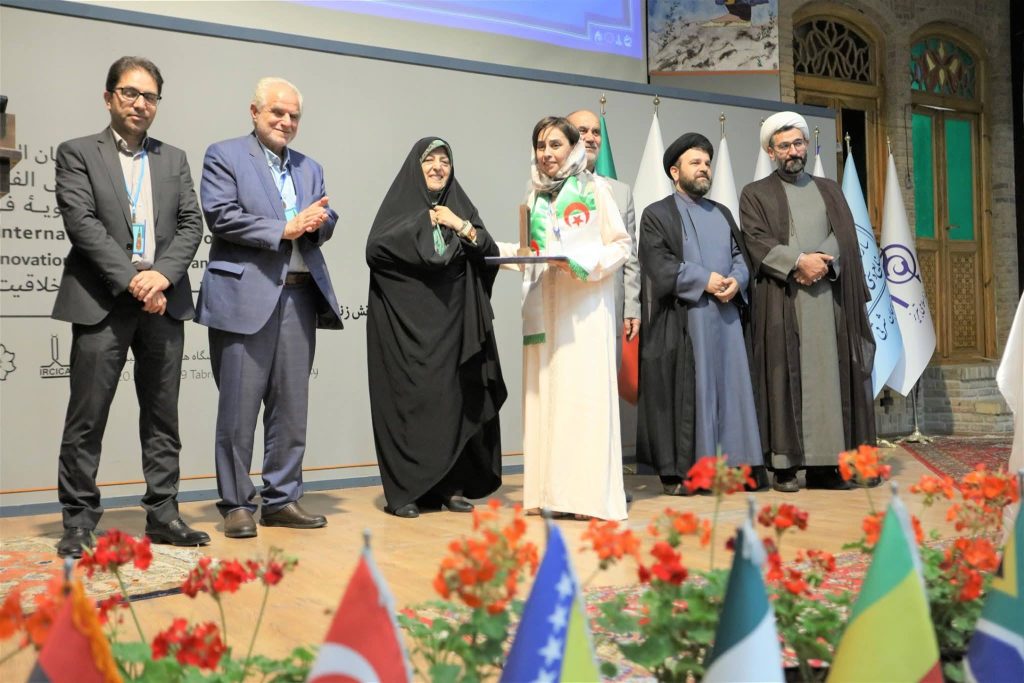
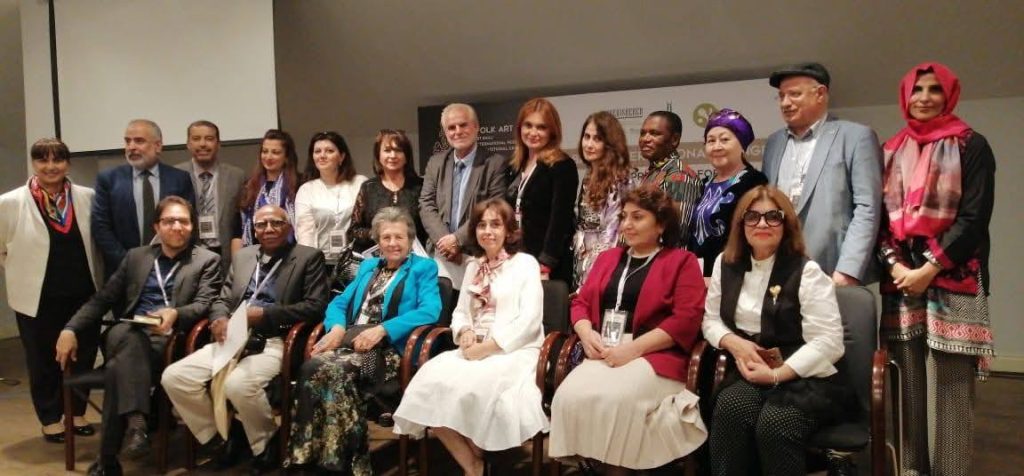
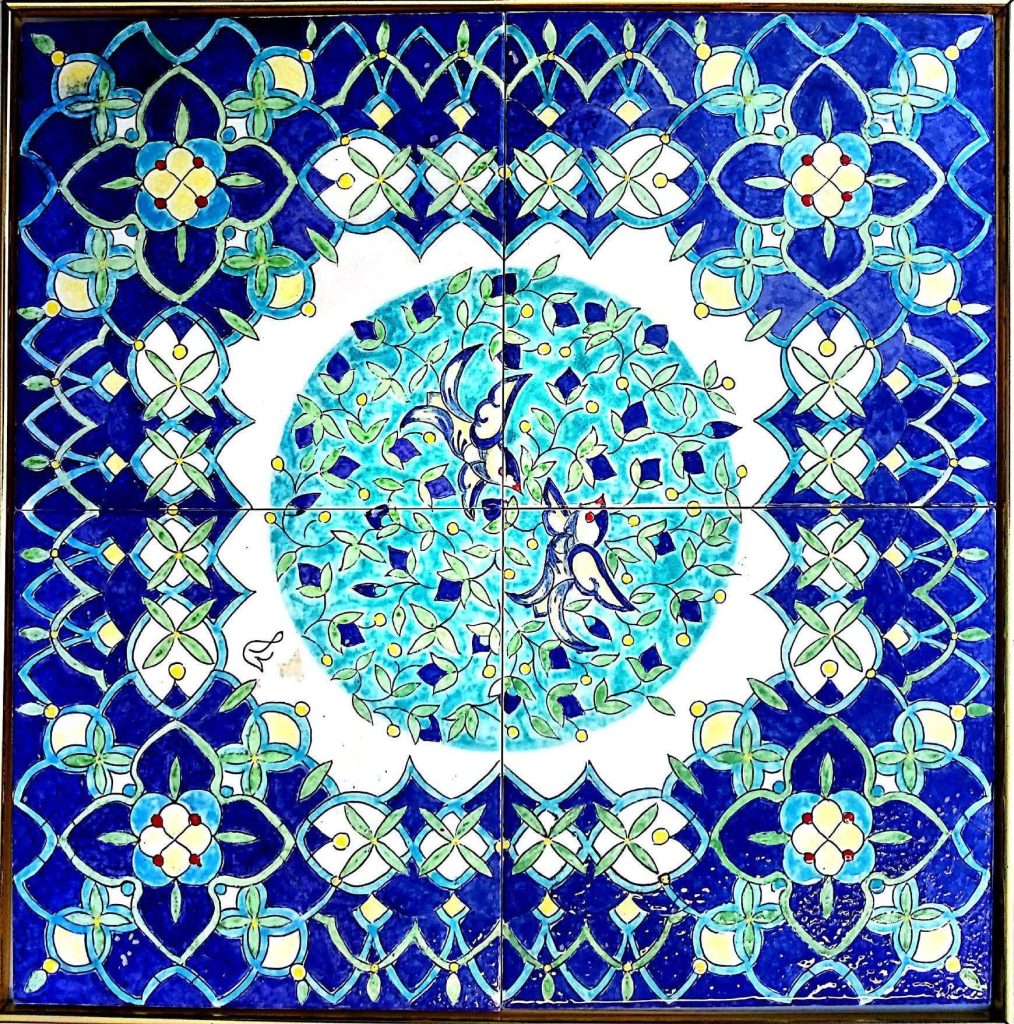 Dr. AROUA has participated in numerous international conferences and events. Notably, she presented research at the Baku International Congress on the Development of Arts and Crafts in the Muslim World, and at the Tabriz International Congress on Women Artisans, where she also received a special award from the Chancellor of Tabriz University for Islamic Arts.
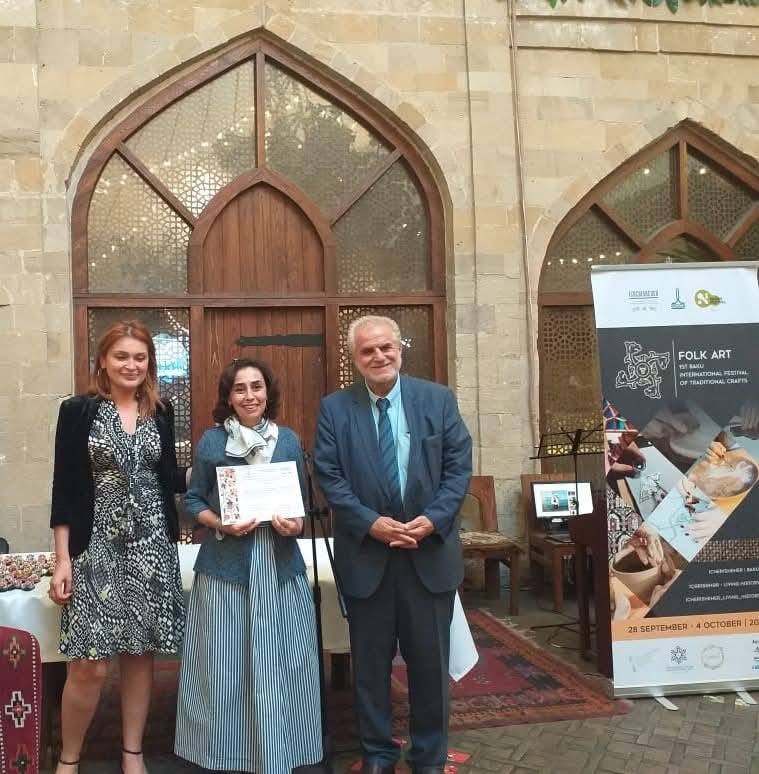 In this context, Dr. Nezih Maruf, who is known for his dedication to documenting and collecting artisans’ works in his writings, highlights the importance of Dr. AROUA’s experience as a model that successfully bridges scientific research and artistic practice, contributing to the preservation of cultural identity through contemporary creativity.
This international recognition underscores the growing global presence of Arab talents and the vital role of craftsmanship in fostering cultural dialogue and sustainable development.
Source: Dr. Nezih Maruf